





Nestled in the verdant landscape of northern Bangladesh, Mahasthangarh stands as a testament to the region's rich history. Often hailed as the oldest known city in Bangladesh, this archaeological gem dates back to at least the 4th century BCE. Its significance is underscored by its strategic position along the banks of the Ganges River, which facilitated trade and cultural exchanges throughout ancient times.

The city’s origins are shrouded in mystery, but historical accounts suggest it was once known as Pundravardhana, a bustling hub of the Mauryan Empire. The political landscape evolved over centuries, with the city witnessing the rise and fall of numerous dynasties, including the Guptas and the Palas. Each of these empires left their mark, contributing to Mahasthangarh's rich tapestry of history. Key events in its timeline include the flourishing of trade routes and the establishment of Buddhism as a predominant religion.
As one explores Mahasthangarh, the art and architecture of the ancient city reveal stories of its past. The remnants of the rampart wall, which once encircled the city, provide a glimpse into its defensive capabilities. Within this protective boundary lies a treasure trove of historical sites. Among them is the Mausoleum of Shah Sultan Mahisawar Balkhi, a revered site that showcases the blending of Islamic and local architectural styles. The intricate carvings and inscriptions reflect the artistry of the period, making it a must-visit for history enthusiasts.
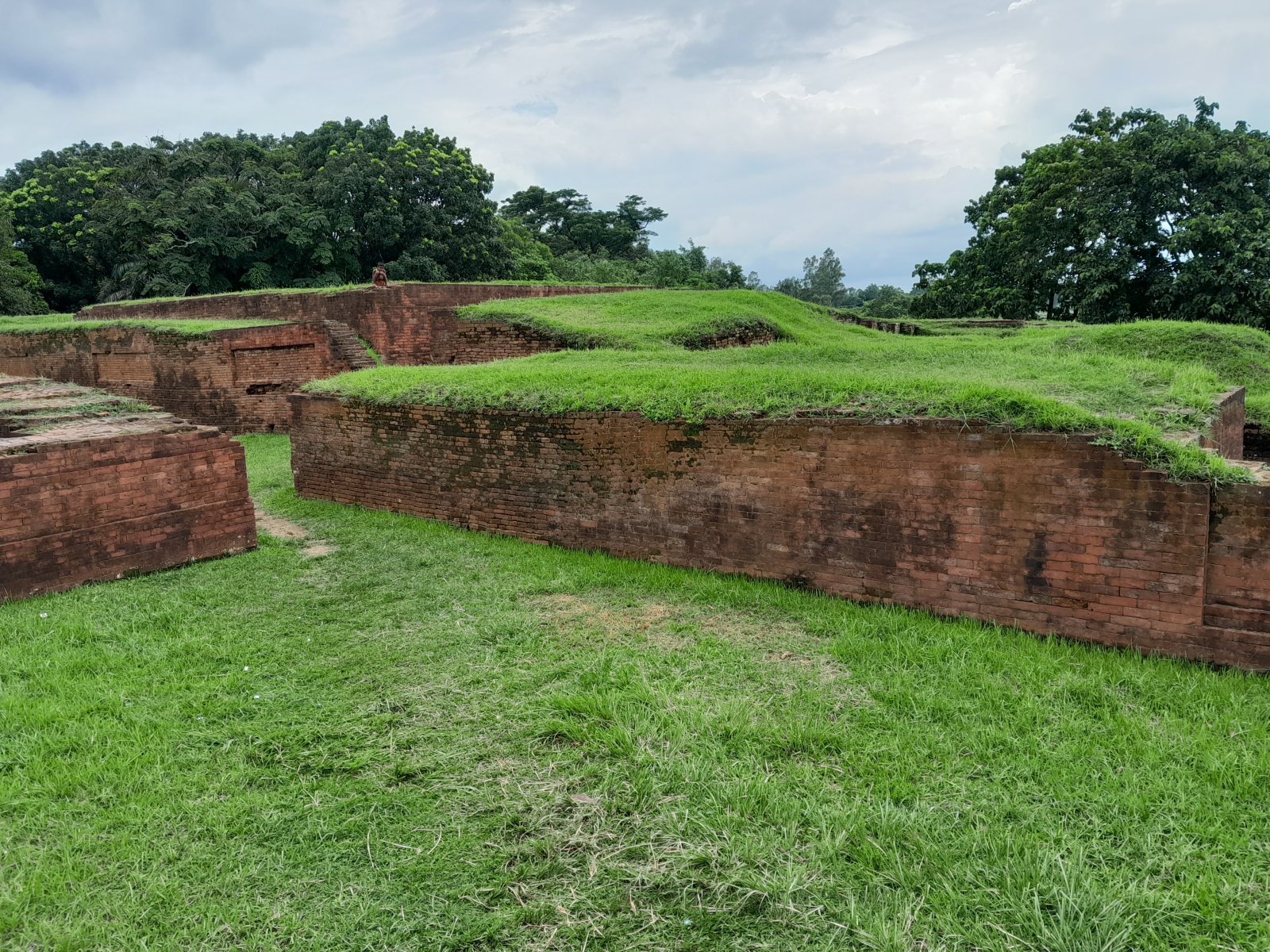
Another highlight is the Govinda Bhita, where the ruins of two Buddhist temples stand proudly. The main temple, built in the 6th century, is adorned with exquisite terracotta panels that narrate tales of Buddhist mythology. Next to it, a slightly smaller temple from the 11th century offers insights into the evolution of religious architecture in the region. This juxtaposition of different architectural styles not only illustrates the city’s religious diversity but also its artistic significance throughout the ages.
The local culture surrounding Mahasthangarh is as vibrant as its history. The area is steeped in traditions that have been passed down through generations. One of the most celebrated festivals is Nabanna, which marks the harvest season. During this time, locals prepare traditional dishes using freshly harvested rice, and the air is filled with the sounds of folk music and dance. The festival serves as a reminder of the community's deep-rooted connection to the land and its agricultural heritage.
Culinary delights in Mahasthangarh are a reflection of the region’s rich culture. Local cuisine is characterized by its use of spices and fresh ingredients. Panta Bhat, fermented rice served with green chilies, onions, and fried fish, is a popular dish that embodies the essence of Bangladeshi comfort food. Visitors should also try Bhuna Khichuri, a spiced rice and lentil dish often enjoyed during the monsoon season. Pair these meals with Borhani, a tangy yogurt drink that complements the spices perfectly.
Beyond the main attractions, Mahasthangarh holds hidden treasures that many tourists overlook. For instance, the Jiyat Kunda, an ancient well, is steeped in local lore. Legend has it that the well was used by the royal family for their daily water needs, and its purity is said to have healing properties. Additionally, the Mahasthan Archaeological Museum, though small, houses remarkable artifacts including bronze images and terracotta plaques that depict daily life in ancient times. The well-preserved collection provides a fascinating glimpse into the spiritual and daily practices of its early inhabitants.
The best time to visit Mahasthangarh is during the cooler months from November to February, when the weather is pleasant and ideal for exploring the ruins. It is advisable to wear comfortable shoes, as the terrain can be uneven, and to carry water for hydration. While the site is relatively less crowded compared to other tourist spots, arriving early in the morning allows for a more intimate experience with the historical remnants.
As you stroll through the ancient streets of Mahasthangarh, the echoes of the past resonate, inviting you to uncover its secrets. The blend of history, culture, and spirituality makes it a captivating destination for those seeking to delve deeper into Bangladesh's heritage. For a personalized journey through this ancient city, consider using the Secret World app to craft your own itinerary.