




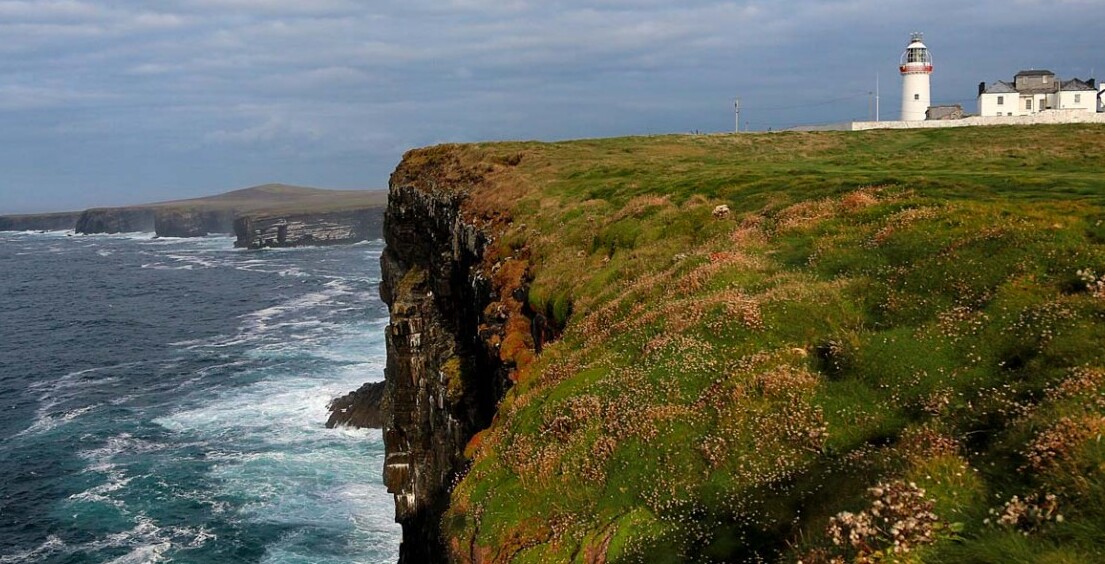
Perched on the rugged western edge of County Clare, Loop Head Lighthouse stands as a sentinel against the tumultuous Atlantic Ocean, its beam guiding sailors safely since the early 19th century. This iconic lighthouse is not only a beacon for mariners but also a gateway into the rich tapestry of Irish maritime history and the breathtaking natural beauty that surrounds it.
The history of Loop Head is steeped in ancient lore and maritime necessity. The earliest lighthouse on this site was a mere coal fire set alight in 1670. However, the structure as we know it today was constructed in 1854, replacing an earlier tower from 1802. Designed by the renowned George Halpin, a prominent figure in lighthouse construction, it played a crucial role during a time when Ireland’s west coast was a perilous route for ships. The lighthouse stands 23 meters tall and has been automated since 1991, but its historical essence remains palpable.
Architecturally, Loop Head Lighthouse is a testament to the functional elegance of 19th-century engineering. The stark white tower, with its simple yet imposing structure, reflects the utilitarian design typical of Halpin’s creations. The surrounding buildings, once bustling with the life of lighthouse keepers and their families, now house an engaging exhibition detailing the history and operations of the lighthouse. Visitors can climb the spiral staircase to the top of the tower and, on a clear day, be rewarded with panoramic views of the Atlantic Ocean, the Cliffs of Moher to the north, and the mountains of Kerry to the south.
Culturally, the Loop Head Peninsula is a vibrant tapestry of Irish customs and traditions. The area celebrates its maritime heritage with festivals such as the Loop Head Summer Hedge School, where locals and tourists alike can participate in workshops on traditional crafts, music, and storytelling. The peninsula is also steeped in Gaelic traditions, with the Irish language still thriving in certain communities.
Gastronomy on the peninsula is as rich and dynamic as its landscape. The local seafood is a must-try, with fresh catches like Atlantic salmon, lobster, and crab gracing the menus of nearby eateries. A visit to a local pub might introduce you to the hearty Irish stew, made with lamb or beef and vegetables, or the savory delight of a seafood chowder, perfect for warming up after a brisk walk along the cliffs. Pair these with a pint of Guinness or a dram of Irish whiskey for a truly authentic experience.
Beyond the obvious beauty and historical allure, Loop Head is replete with lesser-known curiosities. The area is designated as a European Destination of Excellence due to its commitment to sustainable tourism. Its cliffs are a haven for bird watchers; the summer months bring puffins, gannets, and razorbills, transforming the skies into a flurry of activity. Another intriguing fact is the presence of a blowhole near the lighthouse, which, under the right conditions, shoots water spectacularly high into the air.
For those planning a visit, the best time is between April and October, when the lighthouse is open to the public. Early autumn offers a quieter experience with milder weather and fewer crowds. Ensure you bring layers, as the Atlantic winds can be brisk even on sunny days. A good pair of walking shoes is essential for exploring the surrounding cliffs, where you might catch sight of dolphins playing in the surf below.
The Loop Head Lighthouse is more than just a guiding light; it is a symbol of the enduring spirit of the Irish coast. Whether you are a history enthusiast, a nature lover, or simply in search of tranquility away from the beaten path, this lighthouse offers a glimpse into Ireland's past and the wild beauty of its present.