




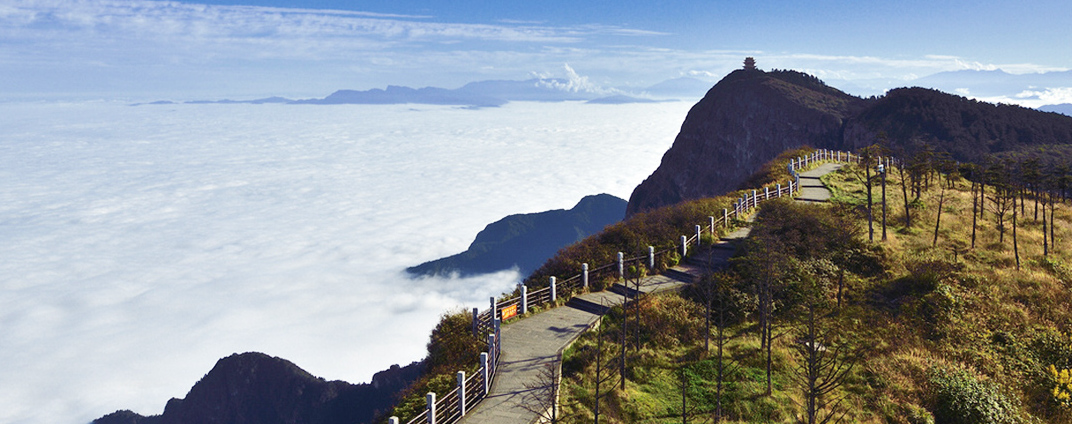
In the heart of Sichuan Province, the majestic Mt. Emei rises like a sentinel over the lush Chengdu Plain, beckoning adventurers and spiritual seekers alike. Known for its towering beauty and mystique, this ancient mountain is not only the highest of China’s sacred peaks but also a UNESCO World Heritage site, steeped in history and rich cultural significance.
### History and Origins
Mt. Emei has a history that stretches back over 2,000 years, making it one of the cradles of Chinese Buddhism. It is said that the mountain was named after the famous poet Li Bai, who likened its shape to that of a girl's eyebrow. The earliest records of Buddhist activities date back to the 1st century AD, when Buddhism began to take root in the region.
The mountain became a pilgrimage site in the Tang Dynasty (618-907 AD), and by the Song Dynasty (960-1279 AD), it had become a prominent center for Buddhist learning. The Samantabhadra, a bodhisattva associated with the practice of meditation, has been revered here for centuries, and the mountain is home to numerous temples that echo this spiritual legacy.
### Art and Architecture
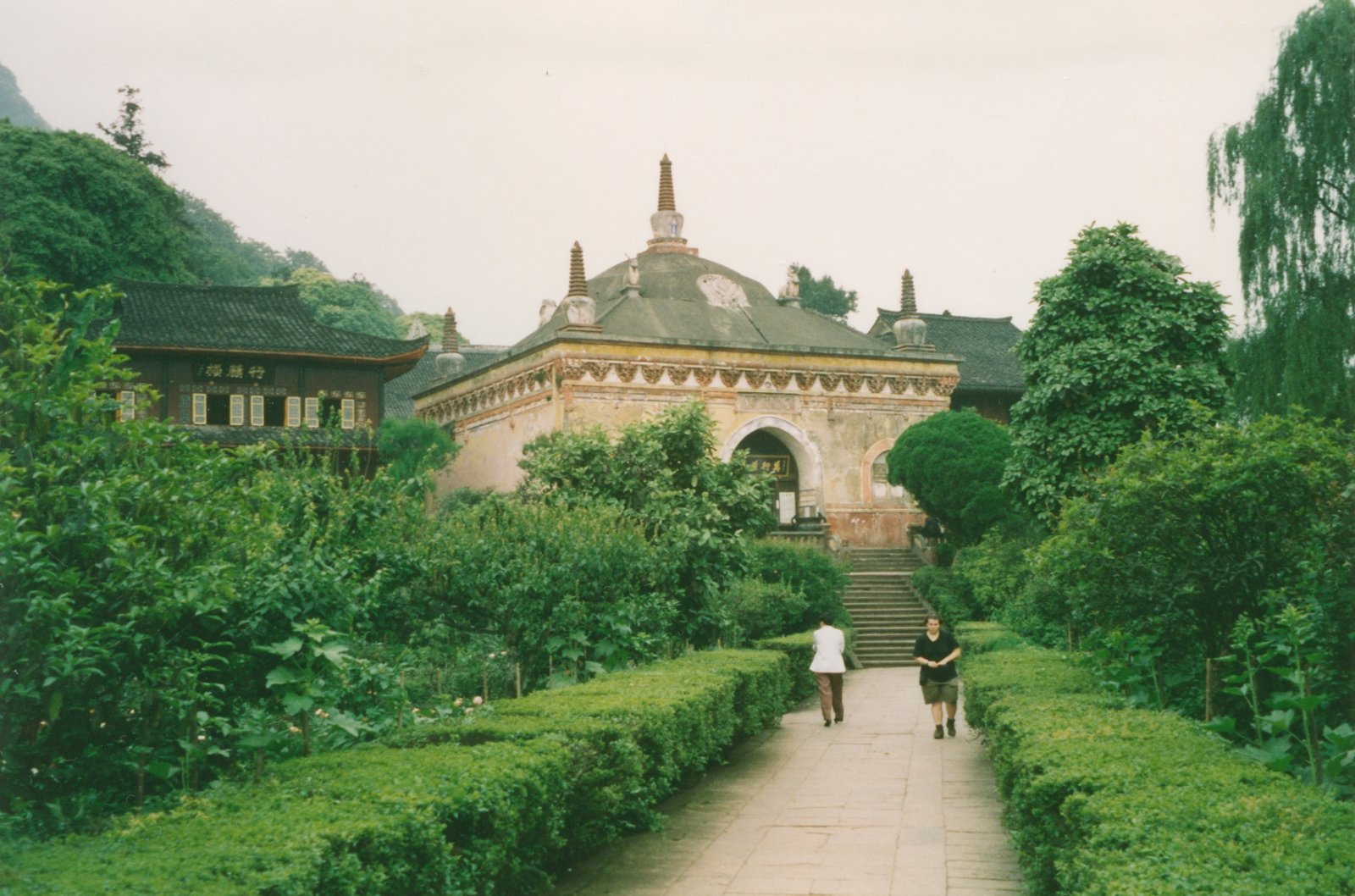
The architectural marvels on Mt. Emei reflect the artistic traditions of various dynasties. Among them, Baoguo Temple, founded in 1620, is the oldest and largest temple on the mountain, showcasing traditional Chinese architectural styles with intricate wooden structures and detailed carvings.
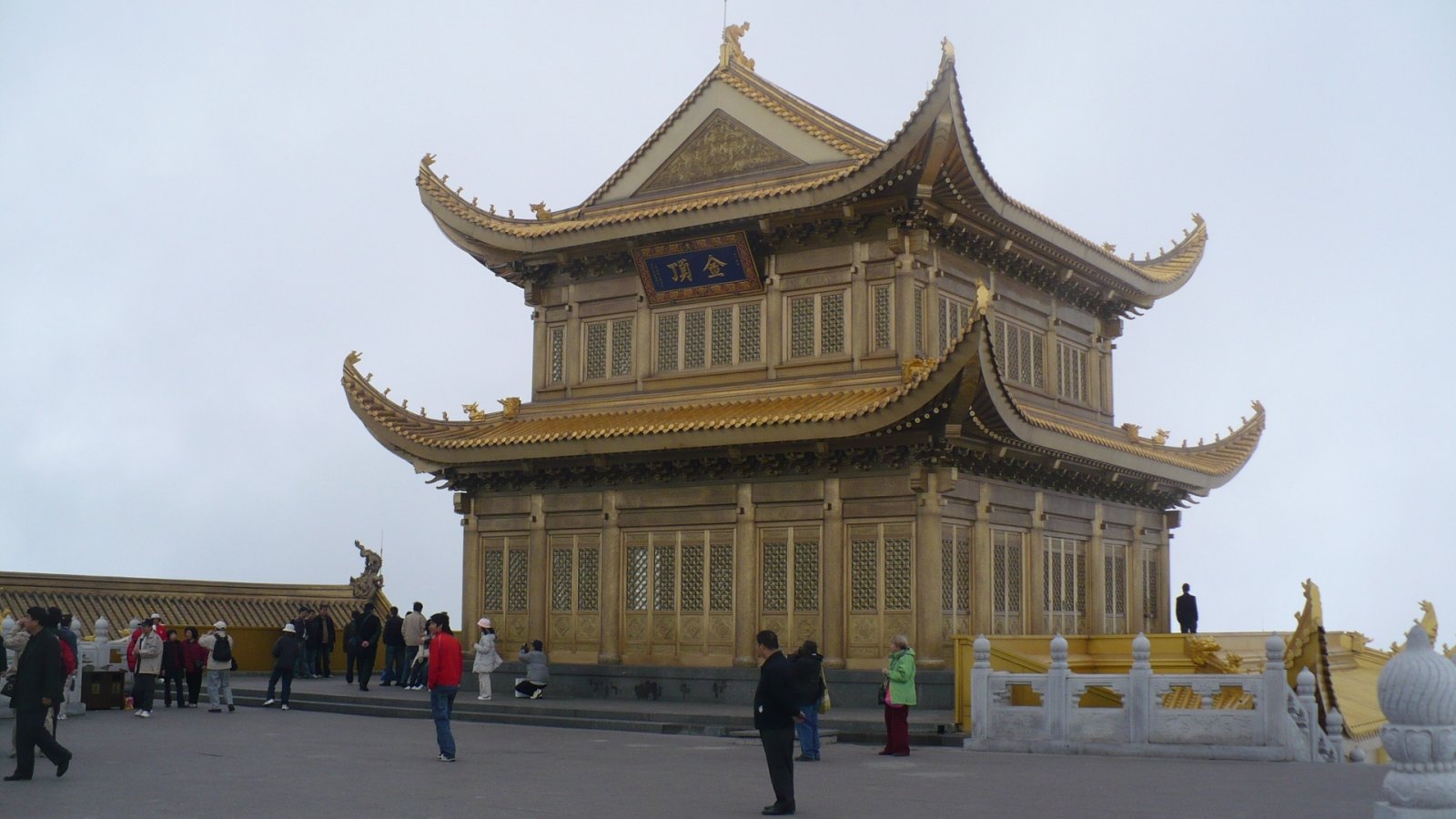
Wannian Temple, established during the Tang Dynasty, is notable for its stunning Buddhist statues and murals that depict significant events in Buddhist lore. The Golden Summit, which stands at 3,079.3 meters (10,103 feet), is crowned by the magnificent Statue of Samantabhadra, a stunning representation that epitomizes the mountain's spiritual importance.
These sites are not just religious structures; they are artistic treasures that tell the story of the region's cultural evolution through their design and decor.
### Local Culture and Traditions
The culture surrounding Mt. Emei is as rich as its history. Local customs are deeply intertwined with Buddhist practices, and festivals such as the Emei Mountain Pilgrimage attract thousands of devotees each year. During the Spring Festival, the mountain bursts into life with celebrations that include traditional music, dance, and prayer rituals.
The local community observes customs like tea offerings and incense burning, which are integral to their spiritual practices. Visitors can also experience the unique tradition of Emei martial arts, which traces its roots back to the mountain's monastic communities, emphasizing strength, agility, and mindfulness.
### Gastronomy
No visit to Leshan would be complete without indulging in its culinary delights. The region is famous for Sichuan cuisine, known for its bold flavors and liberal use of spices. Signature dishes include mapo tofu, spicy hot pot, and twice-cooked pork.
A local specialty worth trying is Emei tea, known for its delicate aroma and flavor, which has been cultivated in the area for centuries. Street vendors often offer snacks such as spicy noodles and dumplings, providing a delicious glimpse into the daily lives of the locals.
### Lesser-known Curiosities
While many tourists flock to the popular sites, a few hidden gems remain largely overlooked. For instance, the Qingyin Pavilion, often missed in the rush to reach the summit, offers stunning views and a peaceful atmosphere, perfect for reflection and appreciation of nature.
Additionally, the Buddha rays phenomenon at the Golden Summit is a breathtaking sight. This natural optical phenomenon occurs when the sun shines through clouds, creating a halo effect around the observer, often described as a spiritual experience.
Many visitors are also unaware that Mt. Emei is home to a diverse ecosystem, including over 2,000 species of plants and various endangered animals, making it a vital area for conservation.
### Practical Visitor Information
The best time to visit Mt. Emei is during the spring and autumn months (March to May and September to November). During these times, the weather is mild, and the scenery is particularly stunning with blooming flowers and vibrant foliage.
Visitors should prepare for a day of hiking, and it’s advisable to wear comfortable shoes and bring water. For those seeking a more leisurely experience, a cable car service is available to take you closer to the summit.
Don’t forget to explore the small shops selling local crafts and snacks at the base of the mountain, where you can find unique souvenirs that capture the essence of Leshan’s culture.
In this wondrous place of ancient history and natural beauty, each step reveals a story waiting to be discovered. To create a personalized itinerary for your visit to Leshan, consider using the Secret World app for tailored recommendations.