 Top of the World






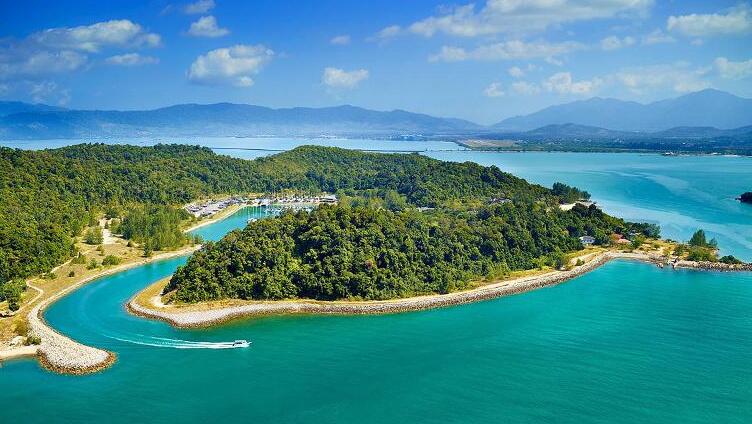
Nestled in the Andaman Sea, Langkawi Island is often described as a tropical paradise, where the azure waters meet lush greenery and rich cultural heritage. This Malaysian gem is not just about sun-soaked beaches; it offers a tapestry of history, art, and culinary delights that beckon travelers seeking both relaxation and adventure.
### History and Origins Langkawi's history is steeped in legend and myth, with tales of ancient kingdoms and sea-faring traders. The island is believed to have been inhabited for thousands of years, with archaeological evidence suggesting that it was frequented by the Malay, Chinese, and Indian traders. One of the most captivating legends is of Mahsuri, a beautiful maiden who was wrongfully accused of adultery and cursed the island with misfortune for seven generations before her death in the 18th century. This story has become an intrinsic part of the island's identity, celebrated in local folklore.
The island was officially recognized as a district in the state of Kedah in the early 18th century, and in 1987, it was designated as a Geopark, which has led to its protection and conservation. This dedication has allowed Langkawi to flourish as a prime tourism destination while preserving its natural beauty and cultural heritage.
### Art and Architecture The architectural style of Langkawi reflects its rich cultural tapestry, with influences from Malay, Chinese, and Indian traditions. One of the most recognizable landmarks is the Langkawi Sky Bridge, a magnificent curved suspension bridge that offers breathtaking views of the surrounding islands and the Andaman Sea. This iconic structure, completed in 2005, is a testament to modern engineering and an essential stop for visitors seeking panoramic vistas.
Additionally, the Mahsuri Mausoleum, built in honor of the island's beloved figure, features traditional Malay architecture and intricate carvings, providing insight into the local craftsmanship and cultural significance. Artistic expressions can also be found in the Langkawi Craft Complex, where local artisans showcase their skills in batik, weaving, and pottery.
### Local Culture and Traditions The local culture of Langkawi is a vibrant blend of traditions, with Malay, Chinese, and Indian influences coexisting harmoniously. The island celebrates various festivals throughout the year, with Hari Raya Aidilfitri and Chinese New Year being particularly significant. These festivals bring the community together, showcasing cultural performances, traditional dances, and colorful parades that reflect the island's diverse heritage.
The annual Langkawi International Maritime and Aerospace Exhibition (LIMA), held every two years since 1991, attracts visitors and exhibitors from around the globe, highlighting the island's growing significance in the maritime and aerospace sectors.
### Gastronomy A trip to Langkawi would be incomplete without indulging in its culinary offerings. The island's cuisine is a delightful fusion of flavors, heavily influenced by Malay, Thai, and Indian cooking. Signature dishes include Nasi Dagang, a fragrant rice dish served with fish curry, and Laksa Kedah, a spicy noodle soup that warms the soul. Seafood lovers will relish Ikan Bakar, grilled fish marinated in local spices, and Roti Canai, a flaky flatbread often enjoyed with curry.
For a refreshing drink, try the local teh tarik, a frothy tea made from black tea and condensed milk, skillfully poured from one container to another to create a creamy texture.
### Lesser-Known Curiosities Beyond the well-trodden tourist paths, Langkawi hides a plethora of secrets. One fascinating aspect is the island's mangrove forests, which are home to a diverse ecosystem, including rare species of flora and fauna. Taking a boat tour through the Kilim Karst Geoforest Park allows visitors to explore these mangroves, often spotting eagles, monitor lizards, and other wildlife.
Another lesser-known fact is the island's commitment to sustainability. Langkawi has initiatives in place to promote eco-tourism, including the Langkawi Green Project, which aims to preserve the environment while encouraging responsible tourism practices.
### Practical Visitor Information The best time to visit Langkawi is between November and March, when the weather is dry and pleasant, ideal for beach activities and outdoor adventures. To maximize your experience, consider renting a scooter to explore the island at your own pace, visiting hidden beaches and local markets.
While the major attractions are well-signposted, don’t hesitate to venture off the beaten path to discover quaint villages and serene landscapes. Be sure to carry sunscreen and stay hydrated, especially if you're planning to hike up Gunung Mat Cincang or take the SkyCab funicular.
In conclusion, Langkawi Island is a treasure trove of experiences waiting to be unveiled. With its rich history, stunning architecture, vibrant culture, delectable cuisine, and hidden gems, the island promises an unforgettable escape. Whether you seek relaxation or adventure, the island’s captivating charm will leave a lasting impression.
To craft a personalized itinerary that captures the essence of Langkawi, consider using the Secret World app.