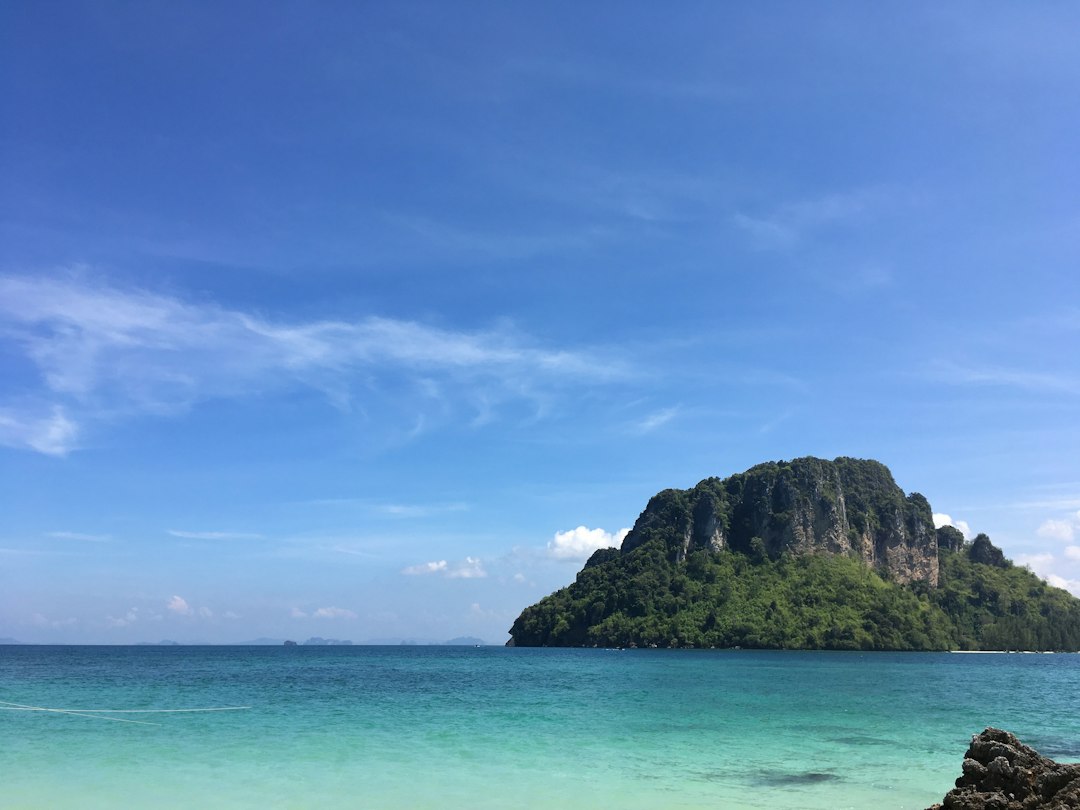
The vertical walls of gray-white limestone emerge from the water like natural sculptures towering dozens of meters high, surrounded by a lagoon that shifts from turquoise to emerald green depending on the depth. Ko Phi Phi Don is the largest of the six islands in the Phi Phi archipelago, located in the Andaman Sea about 45 kilometers south of Ao Nang, in Krabi province. The island belongs to the Hat Noppharat Thara–Mu Ko Phi Phi National Marine Park, established in 1983, which protects one of the richest coastal ecosystems in Southeast Asia.
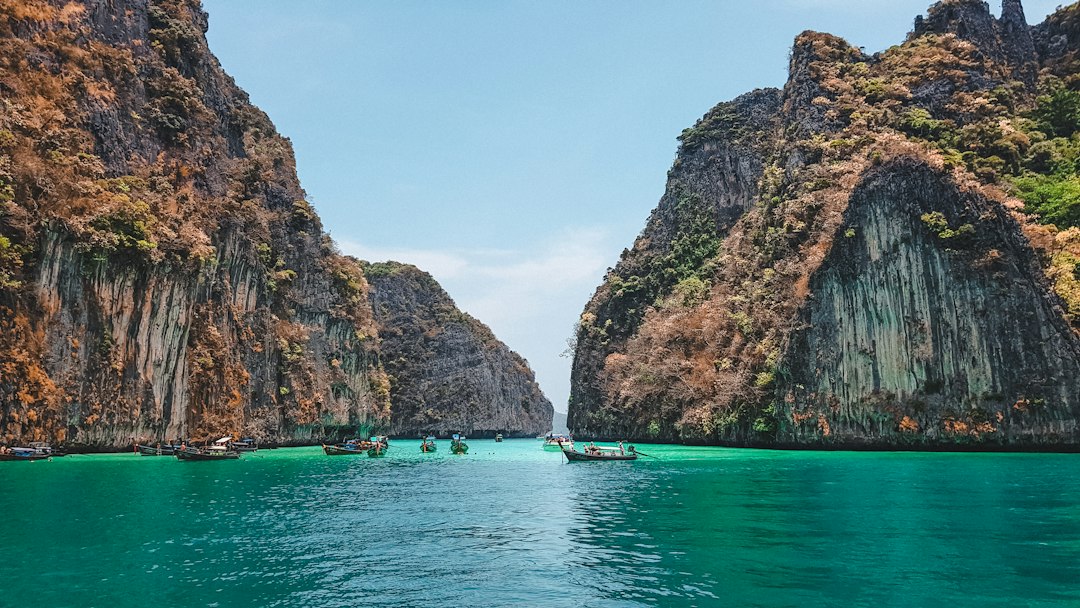
The island has an unusual shape: two mountainous masses connected by a narrow flat isthmus where the main village, Ton Sai, is concentrated. From this strip of land just a few hundred meters wide, access is granted to two distinct bays — Ao Ton Sai to the northwest and Ao Lo Dalam to the northeast — and the contrast between the limestone cliffs and the double line of blue water is clearly visible from the Phi Phi Viewpoint, reachable after about 20-30 minutes of walking uphill from the village via stone steps.
The coral reef and underwater life
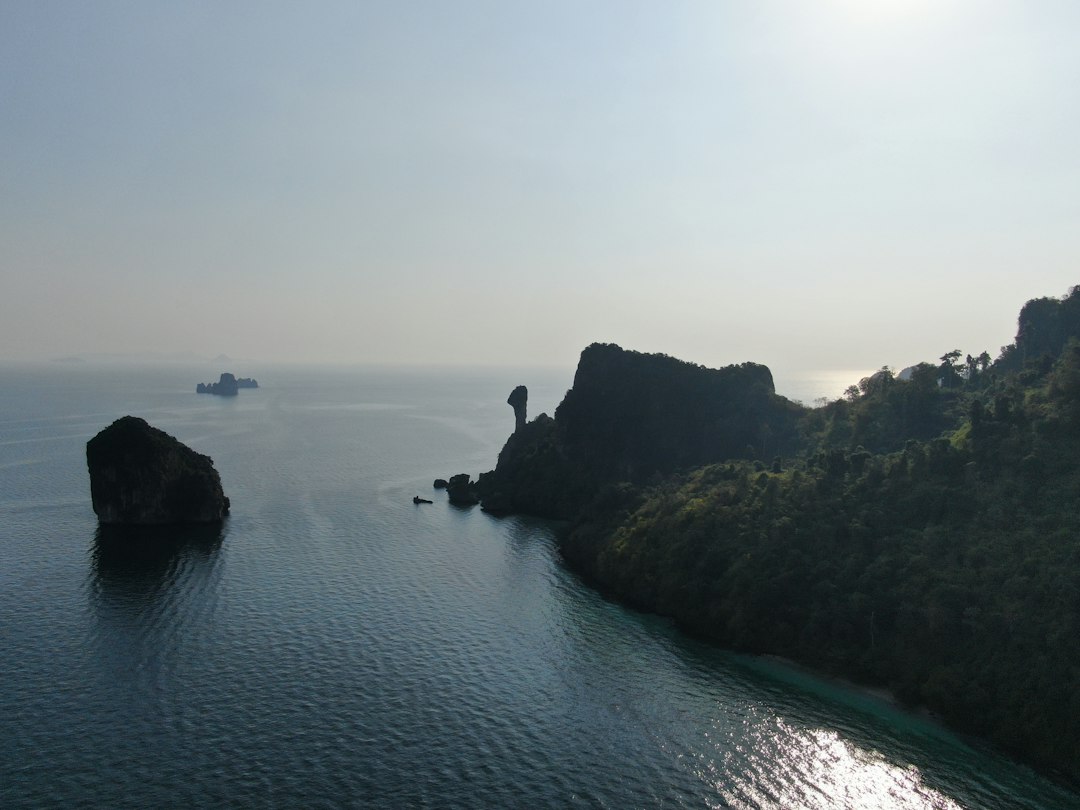
Under the surface of the water, the archipelago hosts a coral reef that includes species of hard and soft coral, with documented presence of clownfish (Amphiprioninae), moray eels, rays, and, in season, whale sharks in the deeper waters around the sister island Ko Phi Phi Leh. The waters around Ko Phi Phi Don reach an average visibility of 15-20 meters in optimal conditions, between November and April, when the northeast monsoon keeps the sea calm.
The most popular dive sites include Hin Phae and the areas around Ko Bida Nok, where divers regularly report sightings of green sea turtles (Chelonia mydas) and hawksbill turtles (Eretmochelys imbricata), both protected species. The dive schools present on the island offer PADI courses and daily trips with prices starting from approximately 1,500-2,000 baht for a guided dive with equipment included.
The forest and terrestrial fauna
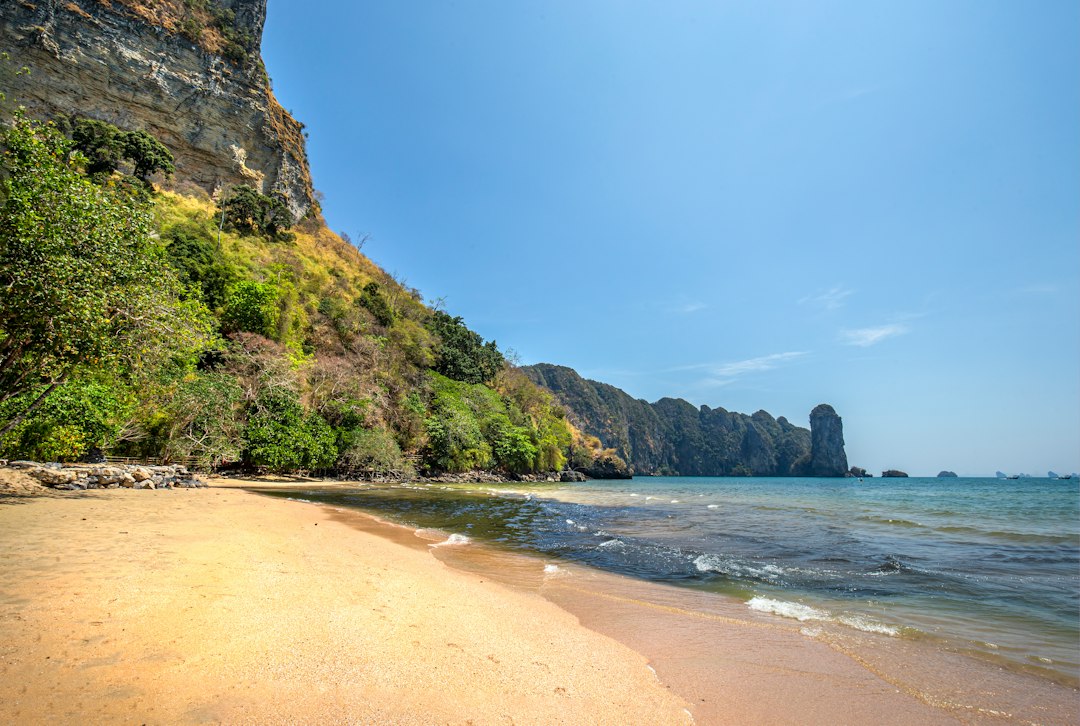
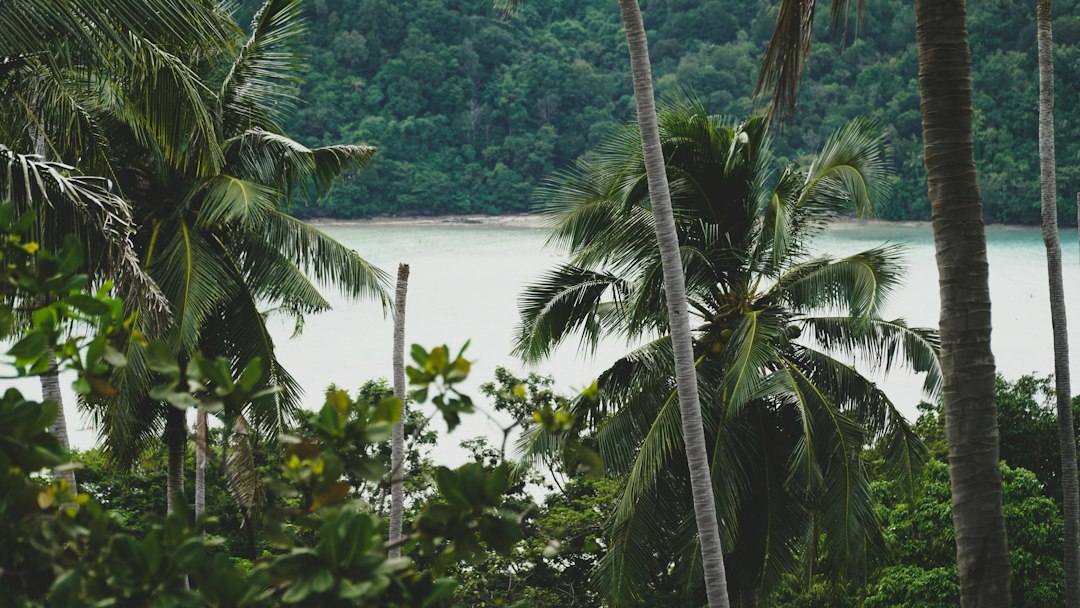
The interior of the island, barely accessible to tourists, is covered by dense tropical forest that climbs along the limestone slopes. Among the vegetation are coconut palms, wild banana trees, and a variety of figs that grow directly on the rocky walls. In the morning hours, before boat traffic increases, it is possible to hear the calls of the long-tailed macaques (Macaca fascicularis), which are present on the island in small groups that descend to the beach in search of food.
Along the paths leading to the viewpoint, monitor lizards are frequently encountered — the water monitors (Varanus salvator) — which can exceed one and a half meters in length and move without particular fear of humans. The presence of these reptiles is an indicator of the relative health of the island's terrestrial ecosystem, despite the tourist pressure of recent decades.
The cycle of the seasons and environmental impact
Ko Phi Phi Don receives hundreds of thousands of visitors each year, and the impact on the coral reef has been documented over the years. After the devastating tsunami of December 26, 2004, which severely affected the flat isthmus of the village, the island was rebuilt and the seabed showed a partial natural recovery of the corals in the five years that followed. Some areas have been periodically closed to allow for regeneration, as happened with the nearby Maya Bay on Ko Phi Phi Leh, which was closed to tourism from 2018 to 2022 with documented positive results on coral recovery.
The best season to visit the island is from November to April, when rainfall is rare and the sea is navigable without difficulty. From May to October, the southwest monsoon brings heavy rains and rough seas, with many services reduced or suspended. During the high season, the early morning hours — between 6:00 AM and 9:00 AM — are the best time to observe marine and terrestrial wildlife before the arrival of day trips from Krabi and Phuket.
How to get there and practical advice
The only way to reach Ko Phi Phi Don is by sea. Ferries and speedboats depart from Ao Nang with a crossing time of about 45-90 minutes depending on the vessel; from Phuket, the journey takes about 90 minutes with the regular ferry. Ticket prices for the ferry are generally between 350 and 600 baht per trip. There are no motor vehicles on the island: you move around on foot or by kayak along the coast.
Those who want to prioritize contact with nature should avoid the New Year period and Thai holidays, when the island reaches its maximum visitor density. Staying on the island for at least one night allows you to experience the quieter hours — dawn and dusk — when the slanting light on the karst and the singing of birds make the experience fundamentally different from that of a day trip.