





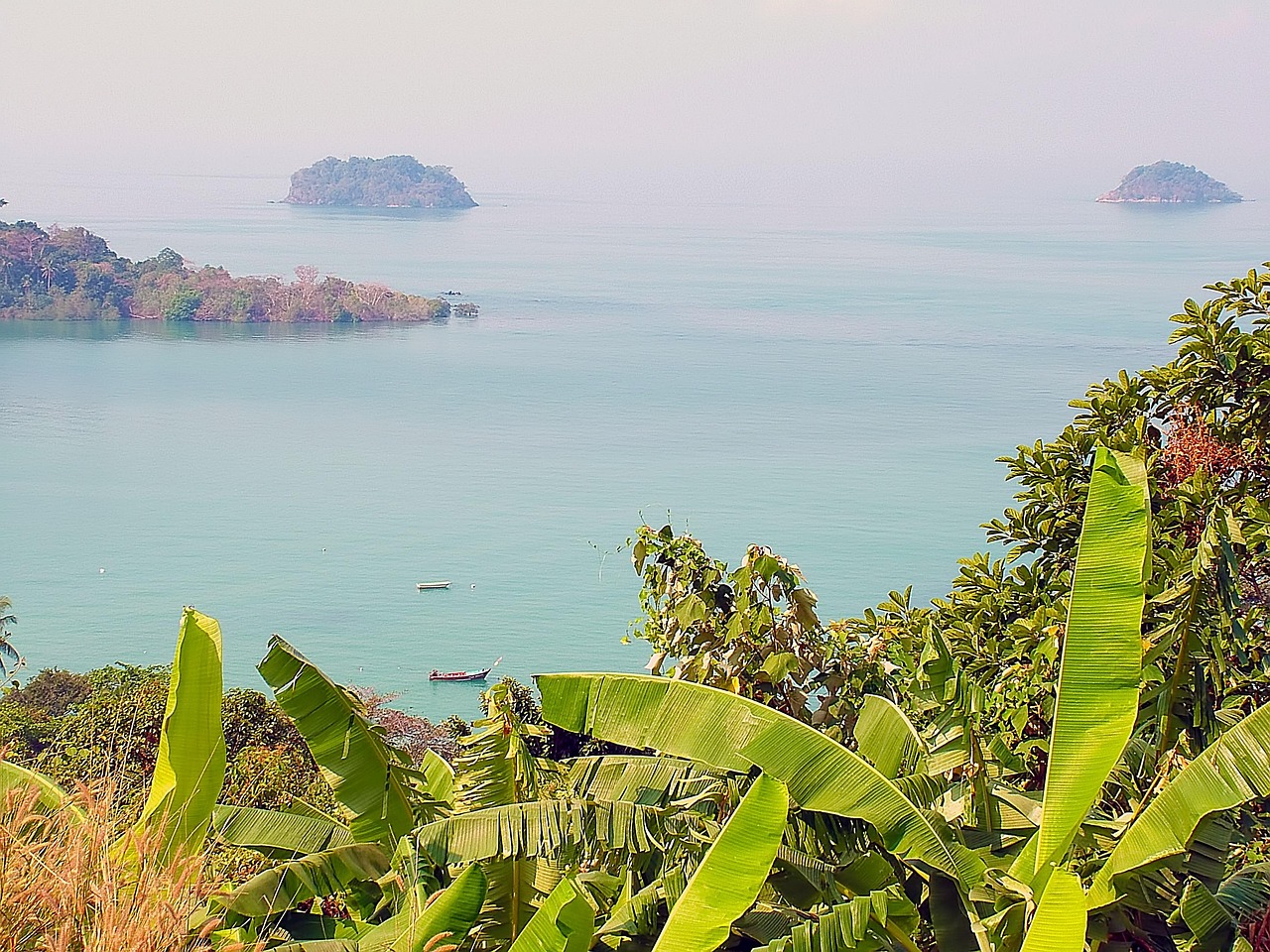
Nestled in the Gulf of Siam, Ko Chang emerges as an enchanting escape, often overshadowed by its more renowned neighbors like Phuket. This tranquil island, the largest in Thailand after Phuket, boasts a mesmerizing landscape of dense tropical forests, cascading waterfalls, and pristine beaches. Its name, which translates to "Elephant Island" in Thai, pays homage to the island's elephant-shaped silhouette as well as its historical significance as a sanctuary for these majestic creatures.
History and Origins
The roots of Ko Chang stretch back centuries, with evidence of human habitation dating to the Neolithic period. However, it was during the Ayutthaya Kingdom in the 14th century that the island began to gain prominence. The island's strategic location made it an essential stopover for maritime trade between Thailand and neighboring countries.

In the 19th century, during the reign of King Rama V, Ko Chang was officially classified as part of the Trat Province. The island's history took a tumultuous turn during World War II when it served as a base for Japanese forces. Fortunately, the island remained relatively untouched by the rapid development that swept through Thailand in the late 20th century, allowing it to retain its natural charm and cultural heritage.
Art and Architecture
While Ko Chang might not be famed for grand architectural marvels, it is home to several temples that reflect the local Buddhist culture, such as Wat Salak Phet. The temple features intricate wooden carvings and a serene atmosphere, inviting visitors to experience spiritual tranquility.
Another notable site is the Chao Por Koh Chang Shrine, dedicated to the island's guardian spirit. The architecture of these temples presents a blend of traditional Thai styles with local influences, showcasing the rich tapestry of the island’s cultural heritage.
Local Culture and Traditions
The cultural fabric of Ko Chang is woven from the threads of its fishing communities, predominantly Thai and Khmer. The islanders celebrate various festivals throughout the year, with Loy Krathong being one of the most significant. This festival, held in November, involves floating lotus-shaped baskets adorned with candles and flowers onto the water, symbolizing the release of negativity and the welcoming of good fortune.
Visitors may also encounter local rituals and customs that revolve around fishing and agriculture, where respect for nature plays a pivotal role. The islanders’ connection with the land is evident in their warm hospitality and the preservation of traditional practices.
Gastronomy
To truly experience Ko Chang, one must indulge in its culinary delights. The island's cuisine is a vibrant blend of fresh seafood and local produce, with dishes like Tom Yum Goong (spicy shrimp soup) and Som Tum (green papaya salad) taking center stage. A must-try is the grilled fish, often seasoned with local herbs and spices, served alongside a tangy dipping sauce.
For those with a sweet tooth, the Khanom Krok, a traditional coconut pudding, offers a delightful treat. As the sun sets, the beachside stalls come alive, serving refreshing cocktails made from locally sourced fruits, such as the ever-popular Mango Daiquiri.
Lesser-known Curiosities
Beyond the stunning beaches and lush jungles, Ko Chang holds some lesser-known treasures. For instance, the island is home to the Ko Chang National Park, which includes a variety of wildlife, including rare bird species and the endangered Green Sea Turtle.
Another hidden gem is the Khlong Phlu Waterfall, where visitors can take a dip in the natural pools beneath the cascading water, an experience often missed by those who stick to the beaches. The island's rich biodiversity also includes a thriving coral reef system, making it an ideal spot for snorkeling and diving enthusiasts.
Practical Visitor Information
The best time to visit Ko Chang is between November and February when the weather is dry and pleasant. During this period, the island transforms into a tropical paradise, ideal for beach lounging and outdoor activities.
Travelers can reach the island via a short ferry ride from the mainland, with regular services from Trat. Renting a motorbike or bicycle is highly recommended for exploring the island’s rugged terrain and hidden beaches.
When visiting, don’t forget to bring along a reusable water bottle, as the island is making strides towards sustainability, and many establishments offer refills to reduce plastic waste.
For a truly personalized experience, consider using the Secret World app to craft your ideal itinerary and discover the hidden wonders of Ko Chang.