A grey heron takes off in flight just above the surface of the water mirror, while among the reeds, the intense purple glow of a purple swamphen can be seen — the purple swamphen (Porphyrio porphyrio), a species considered vulnerable in many parts of its Asian range. We are in the Khao Sam Roi Yot National Park, in Prachuap Khiri Khan province, about 325 kilometers south of Bangkok along the Thai peninsula. The name of the park literally means "mountain of the three hundred peaks," a direct reference to the limestone spires that rise abruptly from the coastal plain like gray and white stone teeth, covered in tropical vegetation.
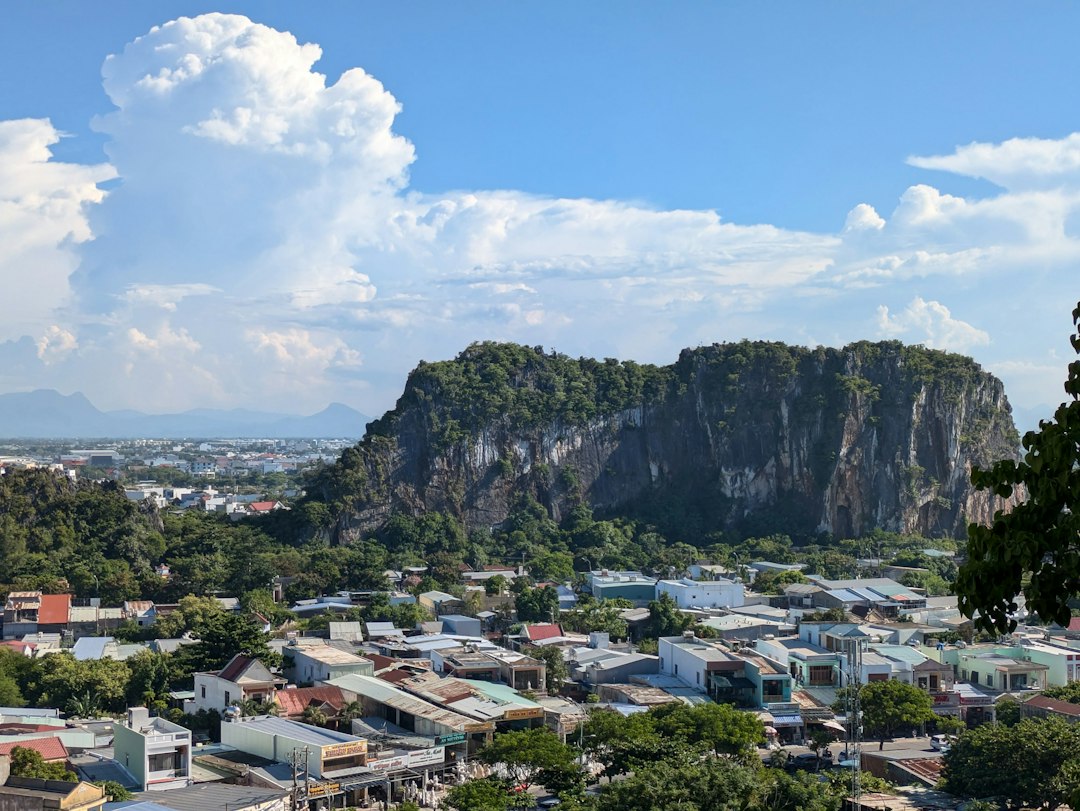
Established in 1966, Khao Sam Roi Yot was the first coastal national park in Thailand. It covers an area of about 98 square kilometers and encompasses one of the most complex ecosystems in the country: karst limestone pinnacles, mangrove channels, freshwater marshes, beaches, and shallow waters. This overlap of different environments in a relatively contained space creates exceptional conditions for wildlife, particularly for waterfowl and migratory birds that find rest here during their long journeys between Siberia and Australia.
A park for birds: biodiversity on the margins of the Gulf of Thailand

The park hosts over 300 species of birds recorded, a number that alone justifies the trip for any birdwatching enthusiast. Between September and March, the wetlands of Thung Sam Roi Yot — the freshwater wetland in the heart of the park — transform into a crucial stopover point for migratory shorebirds: plovers, snipes, stilts, and numerous waders traverse these expanses of shallow water in search of food. It is possible to spot the blue-eared kingfisher (Alcedo meninting) perched on the low branches along the canals, as well as the very rare black-headed ibis (Threskiornis melanocephalus), a species in decline throughout South Asia.
The mangroves lining the canals towards the coast offer a completely different habitat: here live the long-tailed macaques (Macaca fascicularis), which regularly descend to the shore to search for crustaceans and mollusks among the aerial roots. The visual transition between the dark, dense mangrove forest and the light limestone vertical walls behind is one of the most striking landscape contrasts that can be physically observed while walking along the park's trails.

The limestone caves: Phraya Nakhon and the royal pavilion
The most visited site in the park is the Phraya Nakhon Cave, accessible after a hike of about 430 meters uphill on a rocky path, or by boat from Laem Sala beach. Inside the cave, a chasm opens in the ceiling that allows natural light to filter in, illuminating the Khua Kharuehat, a small wooden royal pavilion built in 1890 during the visit of King Chulalongkorn (Rama V). The light that penetrates from above creates luminous columns that change direction throughout the day: the best time to photograph the interior is around 10:30-11:00 in the morning, when the rays hit the pavilion structure directly.

Less frequented but equally enchanting is the Kaew Cave, accessible only with a local guide and through a short waterway. The stalactites and stalagmites here are still intact, untouched by mass tourism that has compromised similar formations elsewhere in Thailand over the decades.
How to visit the park: practical tips

The best logistical base is the village of Khao Daeng, where there are some simple guesthouses and the park's visitor center. From Bangkok, it is possible to reach the city of Hua Hin by train or bus, and from there take a minibus or taxi to the park entrance, for a total of about 3-4 hours of travel. The entrance fee for foreign visitors is 200 baht (about 5 euros at the time of publication).
The best time for birdwatching is between November and February, when migratory birds are present in greater numbers and temperatures remain bearable. It is advisable to bring lightweight waterproof boots if you plan to walk the trails in the swamps, as the edges of the canals can be muddy even in the dry season. The park is almost devoid of tourists on weekdays: arriving early in the morning, before 8:00 AM, guarantees hours of observation in almost total quiet, with only the background sounds of waterfowl calls and the wind among the reeds.
A fragile ecosystem to protect
Despite the relative absence of mass tourists, the park is under significant pressure from aquaculture activities taking place in the surrounding areas, particularly shrimp farming which has historically reduced the area of mangroves along the coast. The park authorities and some local organizations are working on restoring these vegetation strips, and in some areas, it is possible to see the plantings of young mangroves with signs indicating the year of planting.
Walking along the trails of Khao Sam Roi Yot requires attention and slowness: it is not a park designed for those seeking major attractions or elaborate facilities. Instead, it is the right place for those who want to observe how a complex coastal ecosystem functions, where every element — the rock, the brackish water, the mud, the vegetation — is connected to the others in ways that become visible only by stopping to wait in silence.