← Back

Kalograion Monastery Silk Weaving

Patriarchou Prokopiou 186, Kalamata 241 00, Greece ★★★★☆ 126 views
Kristen Stone
Kalamata
🏆 AI Trip Planner 2026

Get the free app

Discover the best of Kalamata with Secret World — the AI trip planner with 1M+ destinations. Get personalized itineraries, hidden gems and local tips. Free on iOS & Android.

🧠 AI Itineraries 🎒 Trip Toolkit 🎮 KnowWhere Game 🎧 Audio Guides 📹 Videos
Scan to download iOS / Android
Scan for AppGallery Huawei users

About Kalograion Monastery Silk Weaving

Kalograion Monastery Silk Weaving - Kalamata | Secret World Trip Planner

Certainly, the Kalograion Monastery in Kalamata, Greece, is more than just a religious institution; it's a living museum of the fine art of silk-weaving. Established in the 18th century, the monastery has played an essential role in preserving this ancient craft in Greece.
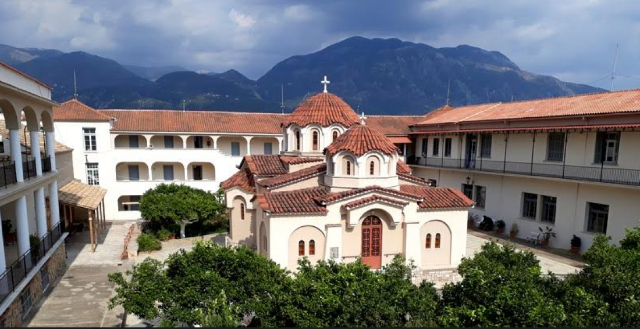
Kalograion Monastery Silk Weaving - Kalamata | Secret World Trip Planner

The process begins in the monastery's own mulberry groves, where silkworms are raised. The nuns are involved in every step of the production, from feeding the silkworms and harvesting the silk threads to dyeing the material and weaving it into intricate patterns.

The silk is dyed using both natural and aniline dyes, offering a range of colors from soft pastels to deep, vibrant hues.

One of the standout features of the Kalograion Monastery's weaving is the complexity of the designs. Inspired by both Byzantine art and local Greek folklore, the scarves often feature intricate motifs like crosses, flowers, and geometric patterns. Some designs even incorporate religious texts or traditional Greek poems.

The monastery's weaving workshop is equipped with traditional wooden looms, some of which are antiques that have been preserved and maintained for generations. These looms require a high level of skill and experience to operate, making each scarf a labor of love and dedication.

Visitors to the monastery have the opportunity to purchase these exquisite scarves directly from the source, with proceeds going to support the nuns and the upkeep of the monastery. Many of the scarves are also exported and have garnered international recognition for their exceptional quality and intricate designs.

Tours of the monastery offer an in-depth look into both the monastic lifestyle and the silk-weaving process. They often include a visit to the workshop, where visitors can see the nuns at work on their looms, a walk through the peaceful courtyards adorned with religious frescoes, and sometimes a discussion with the nuns about the history and significance of their craft.

In a world where mechanized production has become the norm, the Kalograion Monastery stands as a testament to the beauty and value of handmade, artisanal goods.

The monastery's contribution to Greek culture and artisanship is immeasurable, and a visit here offers a unique insight into an age-old tradition that has been kept alive through faith, devotion, and an unwavering commitment to quality.


 
🗺 L'app dei tesori italiani

Plan your visit to Kalamata

Suggested itinerary near Kalograion Monastery Silk Weaving

MAJ+
500.000+ travelers worldwide
  1. 🌅
    Morning
    Kalograion Monastery Silk Weaving
    📍 Kalamata
  2. ☀️
    Afternoon
    Victoria G. Karelias Collection of Greek Traditional Costumes
    📍 0.3 km · Kalamata
  3. 🌆
    Evening
    Benakeion Archaelogical Museum of Kalamata
    📍 0.3 km · Kalamata

Buy Unique Travel Experiences

Powered by Viator

See more on Viator.com

Explore nearby · Kalamata

Frequently Asked Questions

Kalograion Monastery was established in the 18th century in Kalamata, Greece, and has become a living museum dedicated to preserving the ancient art of silk-weaving. The monastery serves as more than just a religious institution, playing an essential role in maintaining this traditional Greek craft through generations.
The monastery maintains its own mulberry groves where silkworms are raised, and the nuns are involved in every step of production from feeding the silkworms and harvesting silk threads to dyeing and weaving. The silk is dyed using both natural and aniline dyes to create colors ranging from soft pastels to deep, vibrant hues.
The monastery's silk weaving is known for its complexity and intricate designs, which are inspired by both Byzantine art and local Greek folklore. The scarves and textiles often feature motifs such as crosses and flowers that reflect these traditional artistic influences.
Yes, Kalograion Monastery welcomes visitors interested in witnessing the silk-weaving craft firsthand, as it functions as a living museum showcasing this ancient tradition. Visitors can observe the nuns at work and potentially purchase handcrafted silk products directly from the monastery.
Kalograion Monastery silk is unique because it represents a complete traditional production process controlled entirely within the monastery, from raising silkworms in their own groves to hand-weaving intricate patterns. The combination of Byzantine and local Greek folklore-inspired designs, along with the use of both natural and aniline dyes, distinguishes these textiles as authentic examples of preserved Greek craftsmanship.