






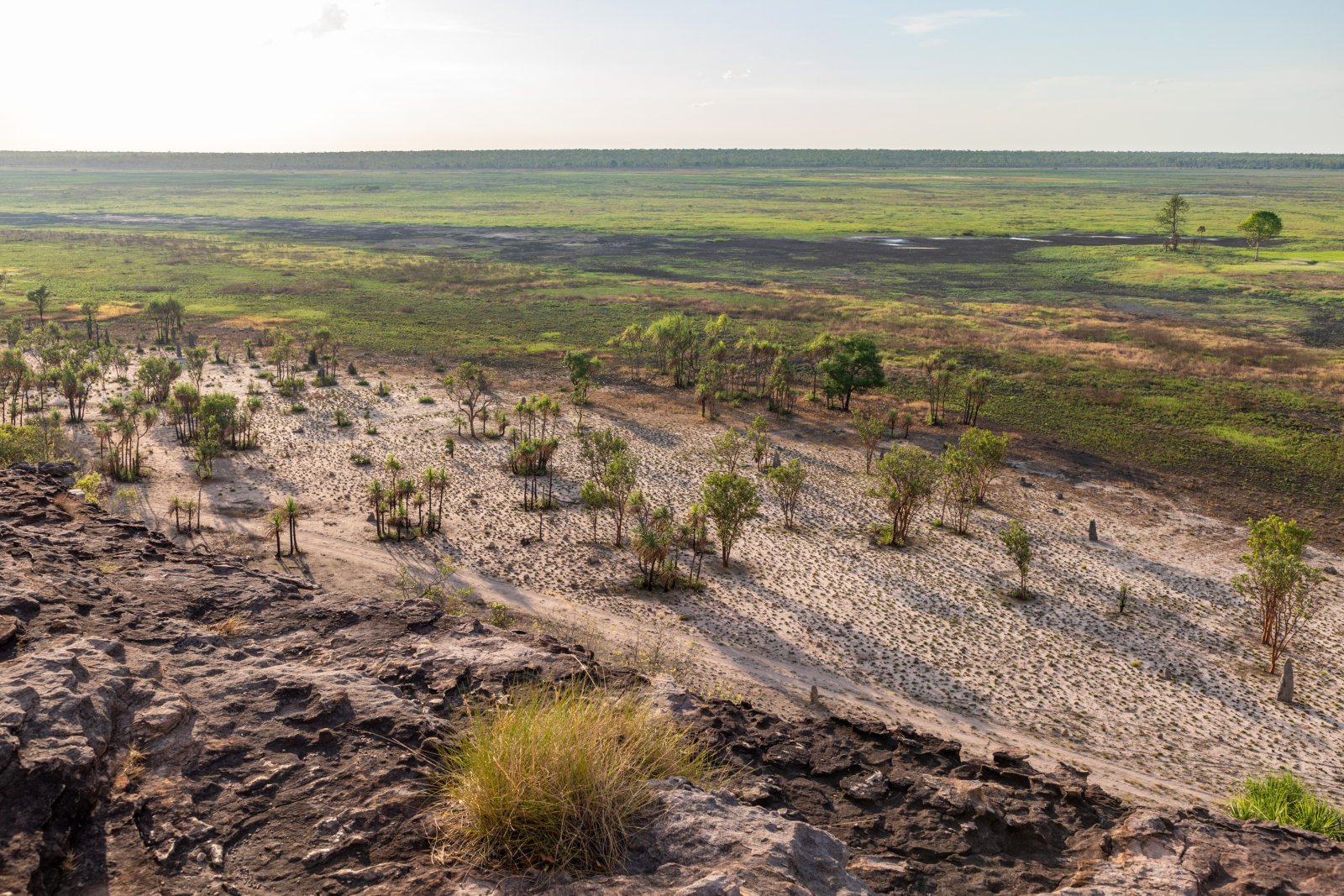
Kakadu National Park is not just Australia’s largest national park; it is a living tapestry of Aboriginal culture, ancient landscapes, and extraordinary wildlife. Stretching over 20,000 square kilometers—an area roughly half the size of Switzerland—this UNESCO World Heritage site beckons adventurers and nature enthusiasts alike with its breathtaking beauty and rich history.

History and Origins
The land now known as Kakadu has been inhabited by the Bininj/Mungguy people for more than 50,000 years, making it one of the oldest continuous cultures on Earth. This deep-rooted connection is reflected in the ancient rock art found throughout the park, particularly at sites like Ubirr and Nourlangie, where rock paintings depict stories of ancestral beings and local wildlife.
European exploration began in the early 19th century, with George Augustus Robinson being one of the first Europeans to record his journey through the area in 1845. The area was formally established as a national park in 1979, with the intention of preserving its ecological and cultural heritage. In 1981, Kakadu was recognized as a World Heritage site for both its natural and cultural significance, reflecting the harmonious relationship between the land and its Indigenous custodians.
Art and Architecture
Kakadu’s landscape is punctuated by dramatic sandstone escarpments and lush wetlands, but it is the rock art that truly captivates. These ancient artworks, some dating back over 20,000 years, offer a glimpse into the spiritual beliefs and daily life of the Bininj/Mungguy people. The X-ray style paintings, which depict the internal organs of animals, are particularly striking and can be seen in various locations, including Gunlom Falls and Bitter Springs.
The architecture of the park is primarily natural, with rugged cliffs and expansive floodplains serving as the backdrop for both artistic expression and habitation. Visitors can explore the Cooinda Lodge, which reflects eco-tourism principles while providing comfortable accommodations in the heart of Kakadu.
Local Culture and Traditions
Cultural traditions in Kakadu are vibrant and varied, with the Bininj/Mungguy people maintaining their connection to the land through song, dance, and storytelling. One notable celebration is the Gurrung Festival, which marks the changing of the seasons and is a time for community gatherings, traditional performances, and the sharing of stories.
In addition to festivals, cultural tours led by local Aboriginal guides provide visitors with an in-depth understanding of traditional practices, including hunting, gathering, and the significance of various plants and animals in their culture. This immersive experience fosters respect for the land and its history.
Gastronomy
The culinary landscape of Kakadu is as diverse as its natural surroundings. Traditional foods include bush tucker, which consists of native ingredients such as kangaroo, bush tomatoes, and macadamia nuts. Visitors can experience authentic Aboriginal cuisine through local eateries and guided bush tucker tours, where they can sample dishes like bush damper and emu.
For those looking to indulge in local flavors, the Kakadu Plum, a small green fruit with a tart flavor, has gained popularity for its health benefits and is often used in jams, sauces, and beverages. Pairing traditional dishes with local bush herbs can provide an unforgettable gastronomic experience.
Lesser-known Curiosities
While many tourists flock to the well-known sites, Kakadu has hidden gems that often go unnoticed. For example, the Yellow Water Billabong is a prime location for birdwatching and crocodile spotting, but few venture out for the dawn or dusk cruises that reveal breathtaking sunrises and sunsets across the water.
Another intriguing aspect is the annual migratory journey of the brolga and jabiru birds, which can be observed during specific seasons, showcasing the park’s dynamic ecosystem. Additionally, the discovery of ancient fossils in the area further emphasizes Kakadu's significance in understanding Australia’s prehistoric life.
Practical Visitor Information
The best time to visit Kakadu is during the dry season, from May to October, when the weather is mild and wildlife is more active. During this time, visitors can take advantage of various guided tours, bushwalks, and boat cruises that allow for immersive experiences in the park.
Travelers should also be aware of the park’s seasonal changes; during the wet season (November to April), access to certain areas may be restricted due to flooding, but the lush landscapes and vibrant wildlife present a different kind of beauty that can be equally rewarding.
For those planning to explore Kakadu, consider engaging in a guided tour for deeper insights into the land and its history. Ensure to carry plenty of water, wear sun protection, and take time to appreciate this unique ecosystem’s beauty and cultural significance.
In planning your journey, the Secret World app can help create a personalized AI itinerary to ensure you experience all that Kakadu has to offer.