






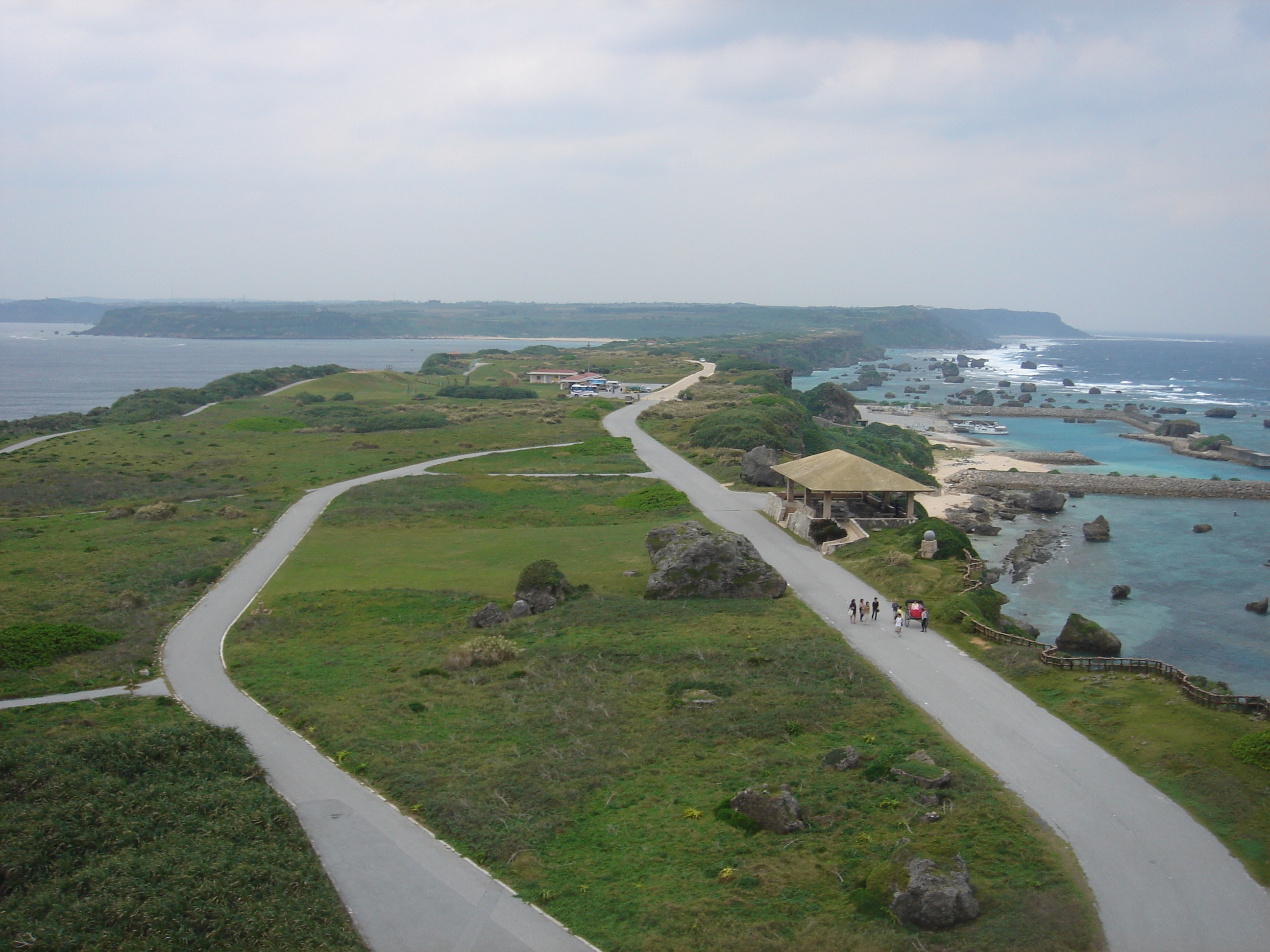
The southeastern tip of Miyako Island, known as Higashi-Hennazaki, is a place where time seems to pause, allowing visitors to immerse themselves in the tranquil beauty of nature and the echoes of history. This narrow, two-kilometer peninsula, culminating in a strikingly elegant lighthouse, offers more than just stunning ocean vistas; it is a gateway to understanding the rich tapestry of Okinawa’s past and present.
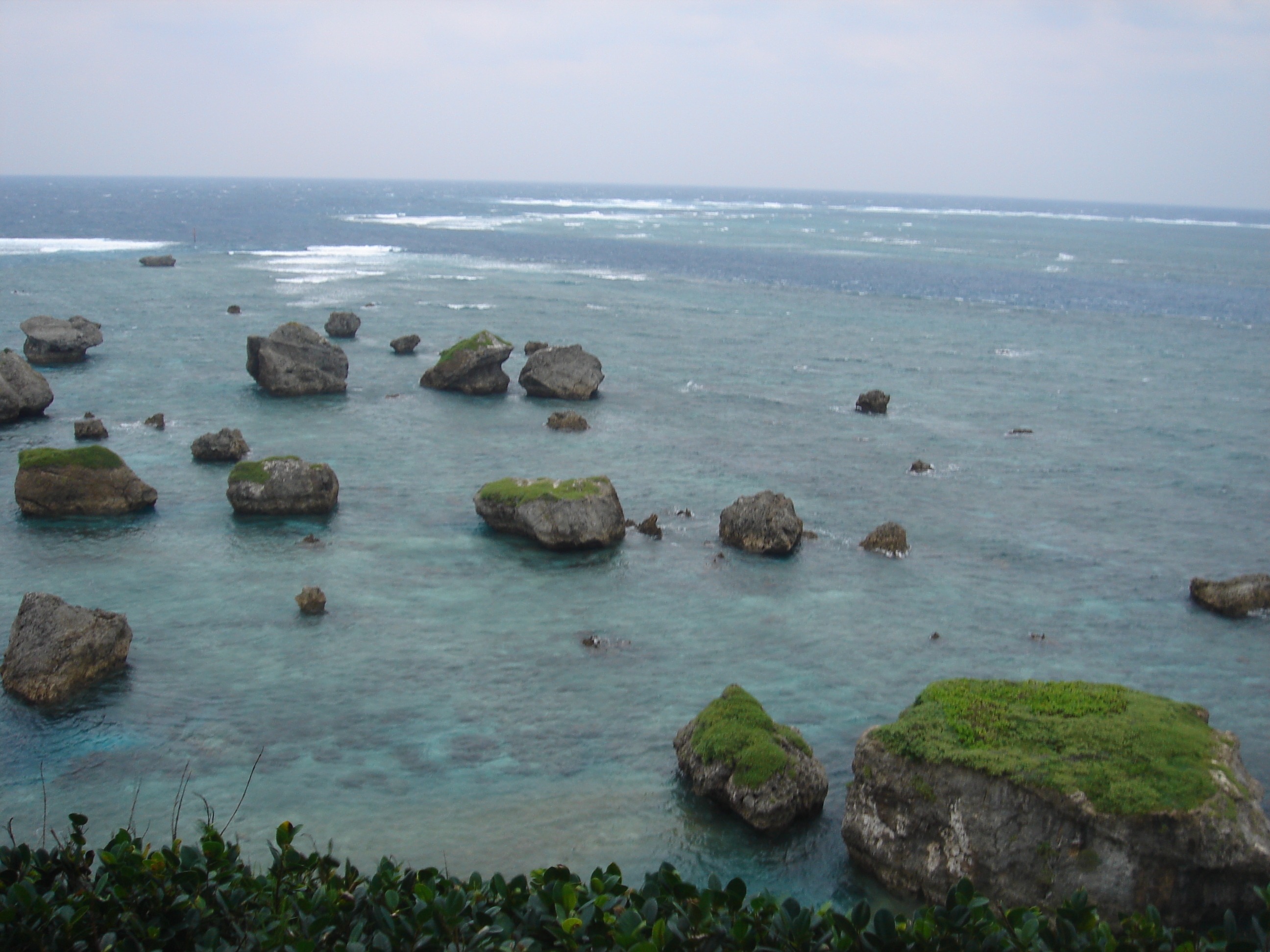
Higashi-Hennazaki has been a notable landmark for centuries, a geographic beacon for sailors navigating the waters of the East China Sea. The island of Miyako itself was first settled over 2,000 years ago, and its strategic location made it a crucial point in maritime routes. The lighthouse, built in 1967, stands as a modern sentinel over these ancient waters, a symbol of safety and guidance. Its construction marked a new era in navigation, reflecting Japan’s post-war modernization and technological advancements.
Architecturally, the Higashi-Hennazaki Lighthouse embodies the simplicity and functionality characteristic of mid-20th-century structures. Its white cylindrical tower elegantly contrasts the vibrant blues of the surrounding sea and sky. While it may lack the ornate embellishments of older lighthouses, its minimalist design holds an artistic charm, offering photographers and artists a canvas of stark beauty against the natural environment. Nearby, stone monuments offer a nod to the island’s history, inscribed with tales of shipwrecks and the bravery of local fisherman.
Culturally, Miyako Island is steeped in traditions that have endured through the centuries. The islanders celebrate numerous festivals, with the Paantu Festival being particularly notable. During this event, men don costumes made from mud and foliage to ward off evil spirits, a custom rooted in ancient beliefs and unique to this part of Okinawa. Visitors in September can witness this intriguing festival, which showcases the islanders’ deep connection to their spiritual and cultural heritage.
The flavors of Miyako are as distinct and inviting as its landscapes. Local gastronomy features a rich blend of Okinawan and indigenous tastes. A must-try is Miyako soba, a noodle dish served in a clear broth, topped with pork and green onions. The subtropical climate also nurtures the growth of unique fruits like mangoes and pineapples, often found in vibrant local markets. For a refreshing drink, try awamori, an Okinawan spirit distilled from rice, which pairs perfectly with the island’s seafood dishes.
For those willing to delve deeper, Higashi-Hennazaki holds lesser-known stories that add layers to its allure. The peninsula is home to rare plant species, including the vivid Gajumaru trees, believed by locals to house protective spirits. Bird watchers may spot migratory species that use the cape as a resting point, adding a dynamic aspect to the serene environment. The area also features the remains of old Japanese military bunkers, silent reminders of World War II's impact on the island.
Practical tips for visiting Higashi-Hennazaki can enhance the experience. The best time to visit is during spring and autumn when the weather is mild, and the skies are clear. An early morning visit rewards travelers with a breathtaking sunrise over the Pacific, casting golden hues across the peninsula. Comfortable walking shoes are recommended for those exploring the rocky paths leading to the lighthouse. Don’t forget your camera to capture not just the sweeping panoramas, but also the subtle details of the landscape that tell stories of their own.
In essence, Higashi-Hennazaki is more than a scenic spot; it is a testament to the enduring spirit of Miyako Island. Its history, culture, and natural beauty invite reflection and exploration, offering a deeply rewarding journey for those who venture to this captivating corner of Japan.
