






Nestled amidst the picturesque landscape of Hirosaki Park, Hirosaki Castle stands as a remarkable testament to Japan's feudal history and architectural grandeur. Built in 1611 by the Tsugaru Clan, this castle has witnessed centuries of change, retaining its charm and significance through the ages.

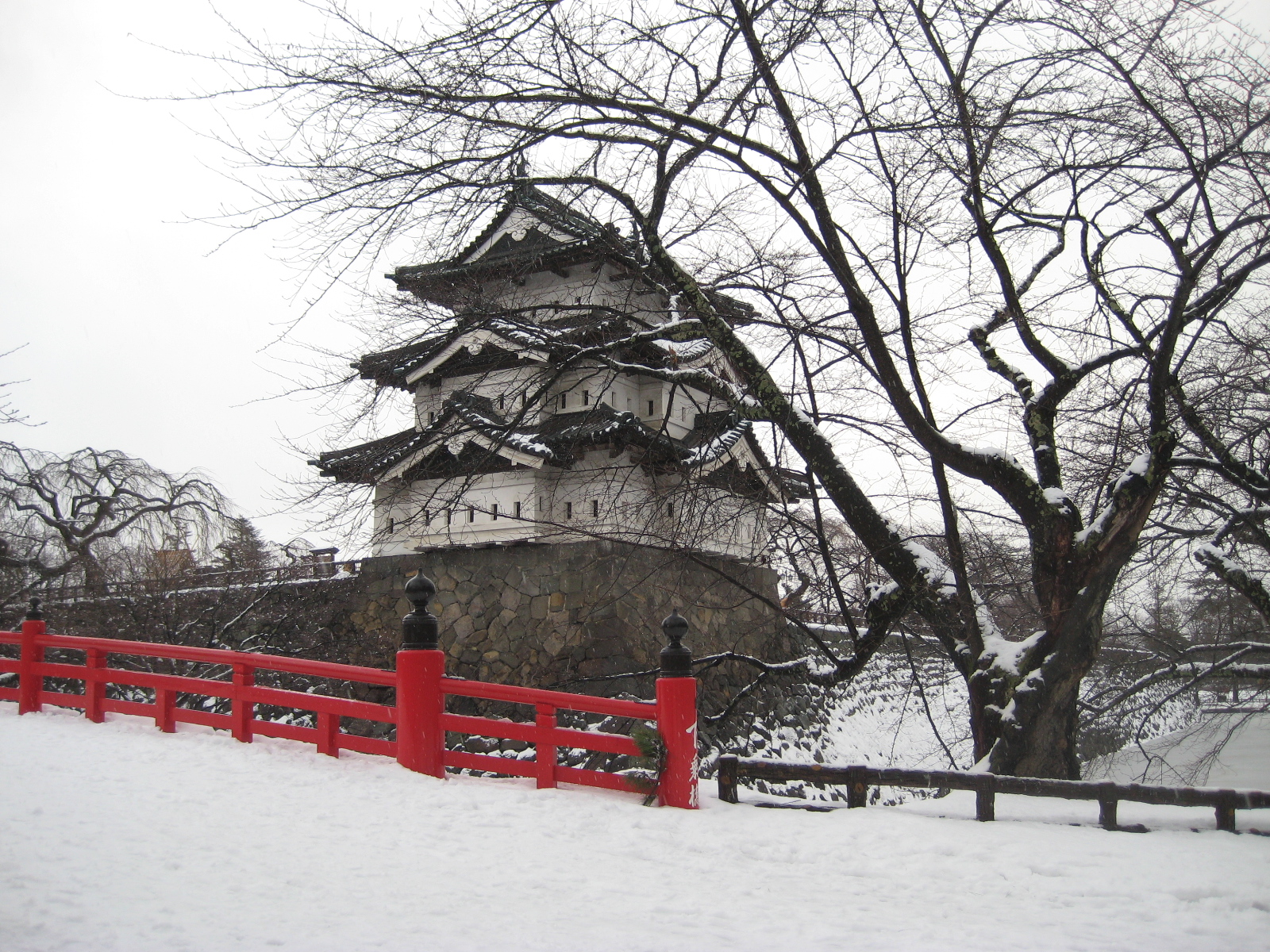
The castle’s history is intrinsically linked to the Tsugaru Clan, who sought to establish their dominance in the Aomori Prefecture. Originally constructed as a five-story keep, it tragically succumbed to a lightning strike in 1627. The current three-story structure was rebuilt in 1810 and remains the only original castle keep in the Tohoku Region that was not reconstructed in the modern era. This architectural marvel showcases the hirayama-zukuri style, characterized by its wooden framework and ornate features, offering visitors a glimpse into Japan's feudal past.
The architectural significance of Hirosaki Castle cannot be overstated. Its moats, castle gates, and corner turrets (yagura) are well-preserved, creating a striking contrast against the backdrop of blooming cherry blossoms each spring. The castle's tenshu (main keep) is adorned with intricate wooden carvings and a distinctive black exterior, which is complemented by its elegant shachihoko (mythical fish) roof ornaments. Inside, visitors can explore exhibits detailing the Tsugaru Clan’s history, making it a valuable cultural experience.
Local culture thrives in the shadow of the castle. The annual Hirosaki Cherry Blossom Festival, held every April, attracts thousands of visitors who come to admire the breathtaking sakura trees surrounding the castle. This tradition, steeped in appreciation for nature's beauty, highlights the deep connection between the local community and their environment. Additionally, the region celebrates the Tsugaru Shamisen, a traditional string instrument that embodies the spirit of Aomori through its haunting melodies and vibrant performances.
Culinary experiences in Hirosaki-shi are a delightful exploration of local flavors. The area is renowned for its apple production, with over 60 varieties cultivated in the region, making it a fantastic destination for apple-based treats. Be sure to try apple pie, apple juice, or even the unique apple curry. Another local delicacy is Tsugaru soba, a buckwheat noodle dish that reflects the region's agricultural heritage. Pair your meal with a glass of local sake, crafted from the pure waters of the nearby Hakkoda Mountains.
Beyond its historical and cultural significance, Hirosaki Castle harbors lesser-known curiosities that enhance its allure. One interesting fact is that the castle was once a popular hideout for Ninja during the Edo period, who utilized the surrounding forests for covert operations. Additionally, the castle grounds are home to a unique sakura tree, believed to be over 1,000 years old, symbolizing resilience and the passage of time.
For those planning a visit, the best time to experience Hirosaki Castle is during the cherry blossom season in April, when the blooms create a stunning sight. Autumn is also enchanting, as the leaves transform into a vibrant tapestry of reds and golds. When visiting, take the time to stroll through Hirosaki Park, where tranquil pathways lead to scenic viewpoints of the castle. Don’t forget to explore the nearby Hirosaki Museum of Contemporary Art, which further enriches the cultural experience.
To make the most of your visit, consider arriving early to avoid crowds, especially during peak seasons. Engaging with local guides can also enhance your understanding of the castle's history and significance, revealing stories that you might otherwise miss.
As you plan your itinerary, remember that Hirosaki Castle is not just a destination; it's a journey through Japan's rich history and culture, waiting to be discovered. For a personalized experience, consider using the Secret World app for tailored recommendations to explore Hirosaki-shi.