Nestled in the shadow of Mount Vesuvius, the Roman Theatre of Herculaneum offers a glimpse into the cultural tapestry of ancient Ercolano. Founded in the 6th century BC, Herculaneum was a thriving settlement until its destruction in AD 79, alongside its more famous neighbor, Pompeii. The theatre itself, a remarkable slice of history, was likely built during the Augustan period (27 BC - AD 14). Its strategic location near the coast made it a popular destination for both locals and visitors, who flocked to enjoy performances and public gatherings.
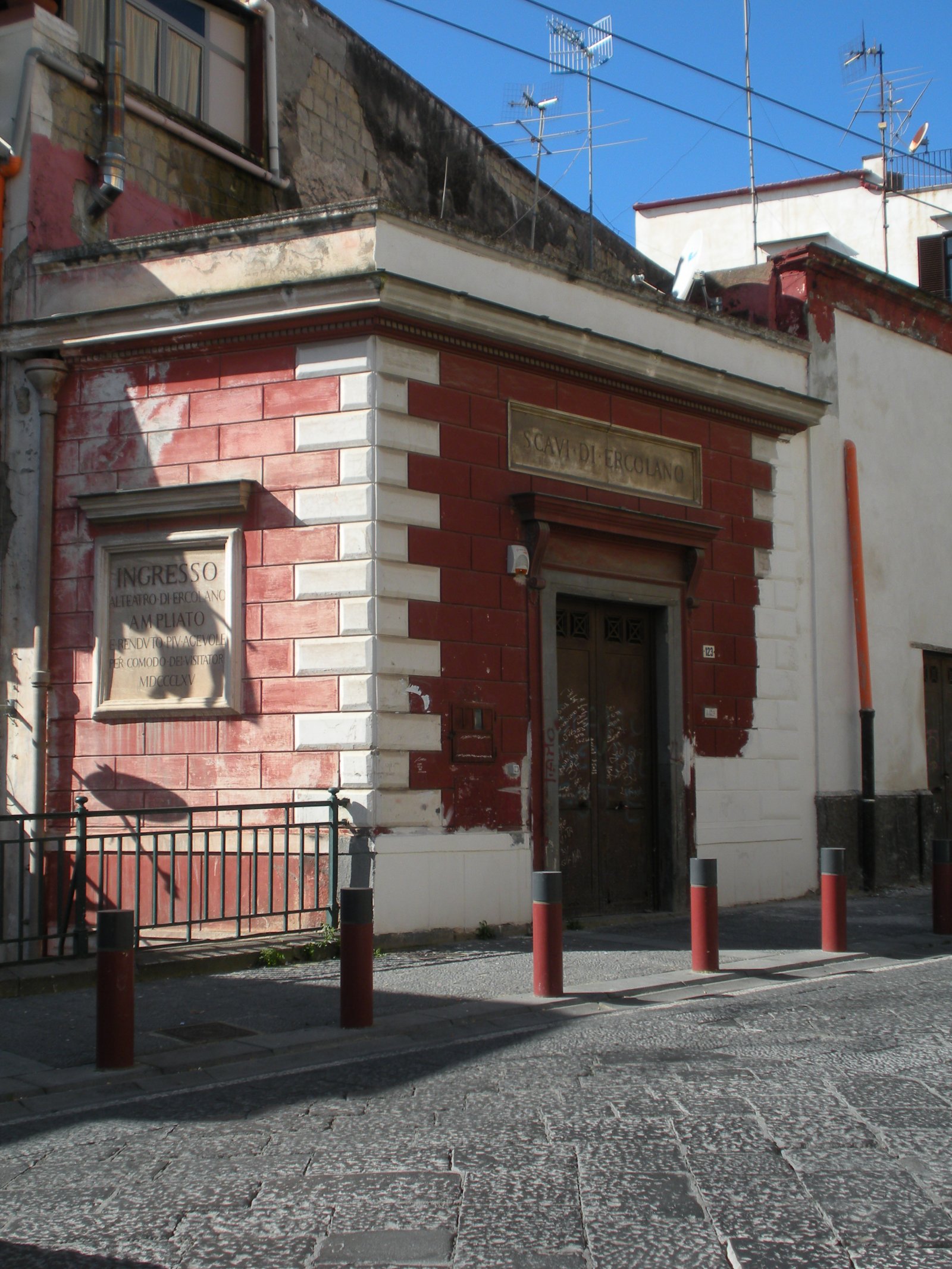
The excavation of the theatre began in the 18th century, revealing an impressive structure partially carved into the volcanic tuff. Visitors can navigate through a series of tunnels and staircases, descending into the heart of this ancient venue. The floor of the orchestra, covered in pristine white marble, reflects the grandeur of ancient Roman architectural prowess. Two large pillars, crafted by Francesco La Vega in the 1700s, now occupy the stage area for structural support, yet they add a unique aesthetic to the site.
Architecturally, the theatre exemplifies the Hellenistic style, characterized by its semi-circular seating arrangement that could accommodate about 2,500 spectators. The façade boasts intricate details, although much of it remains buried beneath the earth. The stage, adorned with niches that once housed statues — including the Small and Great Herculaneum, now in the Dresden Museum — provides insight into the artistic significance of this venue.
As you wander through the remnants of the theatre, the echoes of ancient performances seem to linger in the air. Local customs have evolved over centuries, but the spirit of theatrical performance remains a cornerstone of Ercolano’s cultural identity. The nearby Festival of Santa Maria del Rosario, held every October, showcases local traditions and artistic expressions, reminding visitors of the town’s rich heritage.
When it comes to gastronomy, Ercolano is known for its delicious offerings. The local cuisine features dishes such as spaghetti alle vongole (spaghetti with clams), reflecting the town’s coastal roots. For those with a sweet tooth, sfogliatella, a shell-shaped pastry filled with sweet ricotta, is a must-try. Pair these delights with a glass of Lacryma Christi, a wine produced in the nearby slopes of Vesuvius, for a complete culinary experience.
Among the lesser-known curiosities, the theatre’s construction was not only a feat of engineering but also a reflection of Herculaneum's wealth and community spirit. The site has often been overshadowed by its more famous counterpart, Pompeii, yet its preservation offers unique insights into daily life, entertainment, and artistic endeavors of the Roman era. Hidden within the theatre are remnants of ancient graffiti, giving voice to the common people who once filled its seats.
For those planning a visit, the best time to explore the Roman Theatre is during the spring and fall when temperatures are mild and crowds are smaller. Be sure to wear comfortable shoes, as the journey through the tunnels can be uneven. Take your time to admire the details of the architecture, and don’t forget to bring a camera to capture the stunning contrasts of ancient marble against the dark tuff.
In conclusion, the Roman Theatre of Herculaneum is not just a relic of the past; it’s a gateway to understanding the vibrant culture of ancient Italy. As you explore its depths, allow yourself to imagine the laughter and applause that once filled this remarkable space. For a personalized itinerary that allows you to delve deeper into the wonders of Ercolano, consider using the Secret World app.