





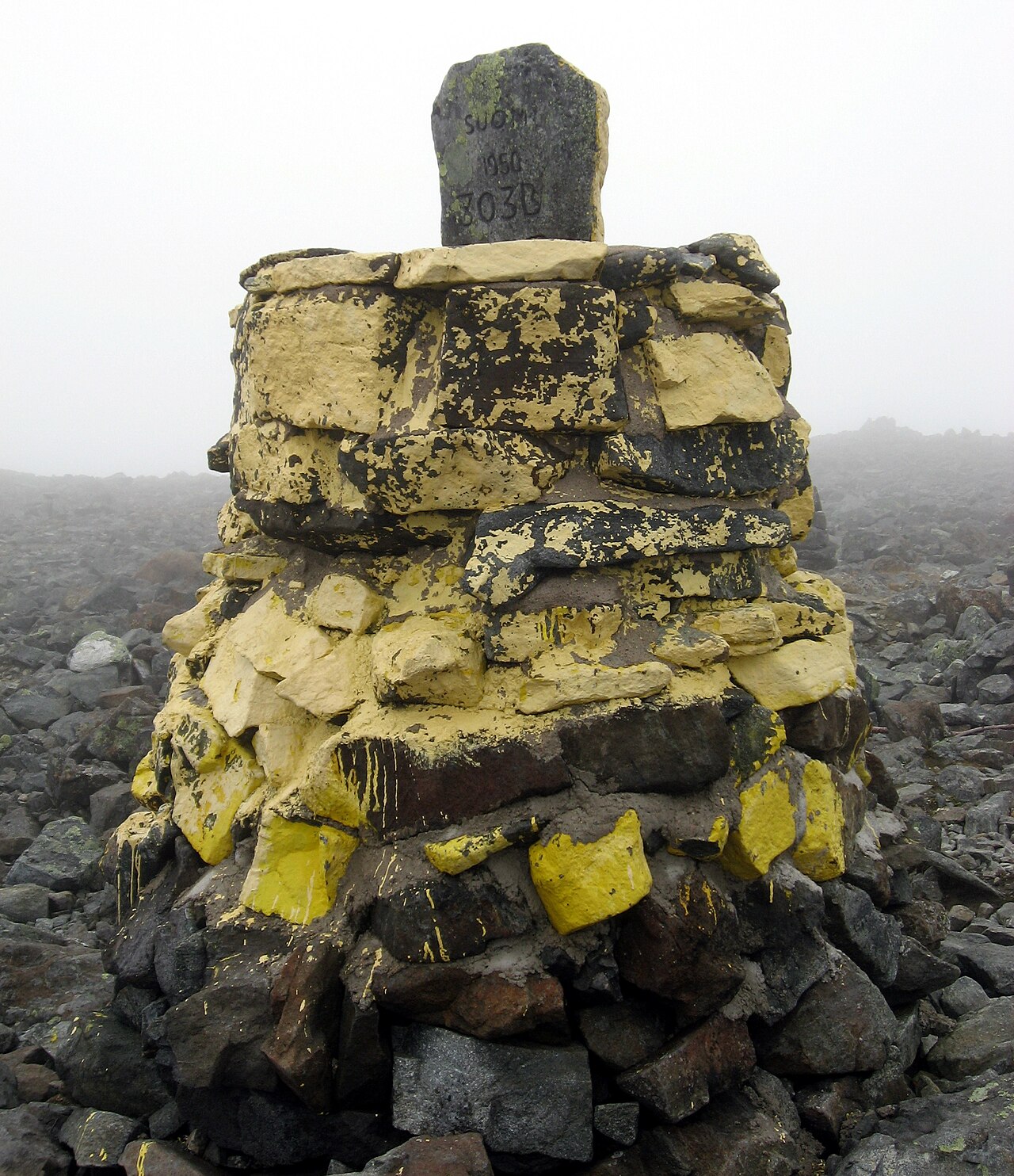
Halti, standing at an impressive 1,323 meters, is not only Finland’s highest peak, but it also holds a sacred place in the hearts of the Sámi people, the indigenous inhabitants of the region. Nestled in Lapland along the border with Norway, this majestic mountain offers breathtaking rocky scenery and serves as a testament to the rich history and culture of the area.

### History and Origins The Halti mountain range has been a significant landmark for centuries. Its name derives from the Sámi word “Halti,” which means a place of the spirits or gods. The Sámi people have revered this peak for generations, viewing it as a sacred site intertwined with their spiritual beliefs. Historically, Halti has witnessed the transformations of the surrounding landscapes, from ancient glacial formations to its current majestic stature, making it a vital part of the region's natural heritage.
In the late 19th and early 20th centuries, the mountain gained popularity among explorers and mountaineers. The first known ascent of Halti was recorded in 1883 by the famous Finnish geographer Lars Levi Læstadius. Since then, it has attracted adventurers eager to experience its rugged beauty and the tranquility of the surrounding wilderness.
### Art and Architecture While Halti itself is a natural wonder, the artistic expressions of the Sámi culture surrounding the peak are deeply intertwined with its significance. Traditional Sámi architecture, such as the goahti (a tent-like dwelling), exemplifies their adaptability to the harsh Arctic environment. Decorated with intricate motifs, these structures reflect a harmonious relationship with nature.
Notable artworks inspired by Halti can be seen in local galleries and exhibitions, where Sámi artists showcase their craftsmanship through duodji, a traditional Sámi handicraft involving textiles, woodwork, and metalwork. The art often features symbols and patterns representing the indigenous connection to the land and the spirits that inhabit it.
### Local Culture and Traditions The culture of the Sámi people is rich and vibrant, with traditions that are closely linked to the natural world. Annual festivals, such as the Sámi National Day celebrated on February 6, showcase traditional music, dance, and joik, a form of singing that expresses emotions and tells stories of the land. During this time, visitors can immerse themselves in the vibrant culture through various performances and local cuisine.
The connection to Halti is deeply ingrained in Sámi folklore, with many legends telling of the mountain's spirits. Local customs often include offerings to these spirits, particularly during significant life events such as births, marriages, and deaths, emphasizing a profound respect for nature and its deities.
### Gastronomy The culinary offerings in the Lapland region are as unique as its landscapes. Traditional Sámi cuisine often features reindeer, a staple that reflects their nomadic lifestyle. Visitors can savor dishes such as reindeer stew or smoked reindeer meat, often accompanied by lingonberries and mushrooms foraged from the surrounding forests.
In addition to reindeer, local delicacies include fish from pristine lakes, such as pike and trout, which are commonly enjoyed grilled or smoked. Visitors to Halti often find local eateries serving traditional Sámi dishes alongside contemporary interpretations, creating a delightful gastronomic experience that celebrates the flavors of the Arctic.
### Lesser-known Curiosities Halti is not only significant for its height but also for its unique weather phenomena. The mountain often creates its own microclimate, leading to sudden weather changes that can surprise hikers. Additionally, the Aurora Borealis, or Northern Lights, can often be seen from Halti, providing a breathtaking spectacle that draws many to the region during the winter months.
One curious fact that many tourists miss is the existence of the Halti National Park, which encompasses the mountain and its surroundings. This protected area is a haven for wildlife, including reindeer, arctic foxes, and various bird species, making it an ideal spot for nature enthusiasts and photographers alike.
### Practical Visitor Information The best time to visit Halti is during the summer months, from late June to early September, when the weather is milder and the trails are accessible for hiking. However, for those seeking to experience the winter wilderness, the months of December to March offer opportunities for skiing and snowshoeing, though conditions can be extreme.
It’s essential to come prepared, as accommodations are sparse due to the remote location. Many adventurers opt for camping, bringing their own tents and supplies. For those who prefer more comfort, nearby towns like Kilpisjärvi offer lodges and cabins.
When exploring Halti, don’t forget to look for the Halti Visitor Centre, which provides valuable information about the area’s natural and cultural history, as well as tips for hiking and safety.
As you plan your journey to Halti, consider using the Secret World app to create a personalized itinerary that captures the beauty and essence of this sacred peak.