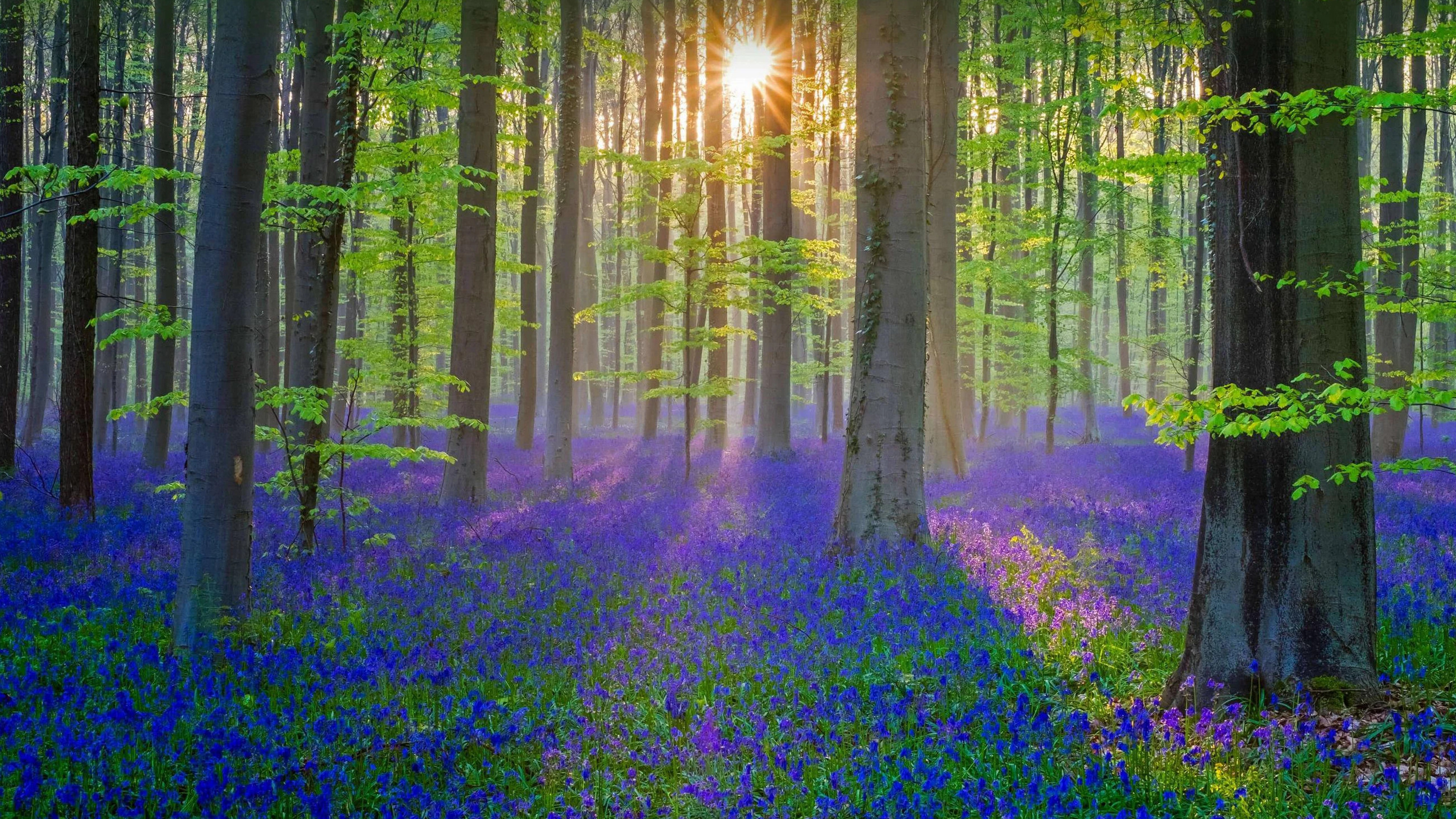

Nestled just 15 kilometers from the bustling heart of Brussels, Hallerbos is a realm of enchantment, where nature paints a breathtaking canvas in shades of blue each spring. This magical forest has captured the hearts of many, transforming into an ethereal landscape as the hyacinths and bluebells bloom, creating a stunning blue carpet that stretches as far as the eye can see.
History and Origins
The history of Hallerbos is deeply intertwined with the region's past. The forest, which spans approximately 552 hectares, has been a vital part of the local ecosystem since ancient times. It is believed that the woodlands were once part of the vast forests that covered Europe, referenced in historical texts dating back to the Middle Ages. The name “Hallerbos” itself derives from the nearby town of Halle, which was officially recognized in 1180.
In the 19th century, the forest underwent significant changes as it was managed for timber production, particularly of beech and oak trees. However, it was the reforestation efforts in the mid-20th century that restored the area, allowing the delicate ecosystem to flourish once more. Today, Hallerbos stands as a testament to the harmonious relationship between nature and human stewardship.
Art and Architecture
While Hallerbos may not be known for traditional architecture, its natural beauty has inspired countless artists and photographers. The vibrant blue of the flowers against the backdrop of towering trees creates a scene reminiscent of a living painting. Many local artists have found inspiration in the forest, capturing its fleeting beauty through various mediums, from paintings to photography.
Moreover, the surrounding towns, such as Halle, showcase Gothic architecture, notably the St. Martin's Church, built in the 13th century. The church features intricate stained glass windows that tell stories of the region's past, making it a fitting complement to the artistic allure of Hallerbos.
Local Culture and Traditions
The cultural fabric of Halle is woven with traditions that honor the natural beauty of Hallerbos. Each spring, as the forest awakens, locals celebrate the blooming season with various events. The Hallerbos Bluebell Festival is a highlight, drawing visitors from near and far to partake in guided walks and photography workshops.
Additionally, the region maintains a strong connection to folklore, with stories of forest spirits and mythical creatures said to dwell amid the trees. These tales, passed down through generations, add a layer of magic to the experience of walking through the forest.
Gastronomy
Visitors to Hallerbos will find that the surrounding area offers a delightful array of local cuisine. Traditional Belgian waffles and chocolates are must-try treats, often enjoyed with a cup of rich Belgian beer. In nearby Halle, you can sample the regional delicacy of carbonnade flamande, a hearty beef stew cooked in beer, which perfectly complements the rustic atmosphere of the area.
For those looking for a unique twist, the Halle market, held weekly, often features hyacinth-infused products, including jams and syrups, offering a taste of the forest's floral bounty.
Lesser-known Curiosities
Beyond its famed bluebells, Hallerbos is a treasure trove of hidden gems. Many visitors are unaware that the forest is home to a diverse range of wildlife, including deer, wild boars, and an array of bird species. The forest's unique microclimate also supports various plant species that thrive in the shade of its towering trees.
A surprising fact is that Hallerbos was once a military training ground during the World Wars, which impacted the landscape, but post-war reforestation efforts helped restore its natural beauty. Today, remnants of old paths and structures can still be found, weaving history into the forest experience.
Practical Visitor Information
The best time to visit Hallerbos is from the second half of April to the first days of May, when the bluebells are in full bloom. Early mornings or late afternoons provide the most enchanting light for photography, and the tranquility of the forest is at its peak during these hours.
When planning your visit, consider wearing comfortable walking shoes, as the forest trails can be uneven. Bring a camera to capture the stunning vistas, and don’t forget to take a moment to simply breathe in the fresh, floral-scented air.
As you explore the winding paths of Hallerbos, keep an eye out for the various interpretive signs that provide insights into the forest's rich ecology and history. Each turn in the trail reveals something new, making every visit a unique adventure.
For a more personalized experience exploring Halle and Hallerbos, consider using the Secret World app to craft an itinerary tailored to your interests.