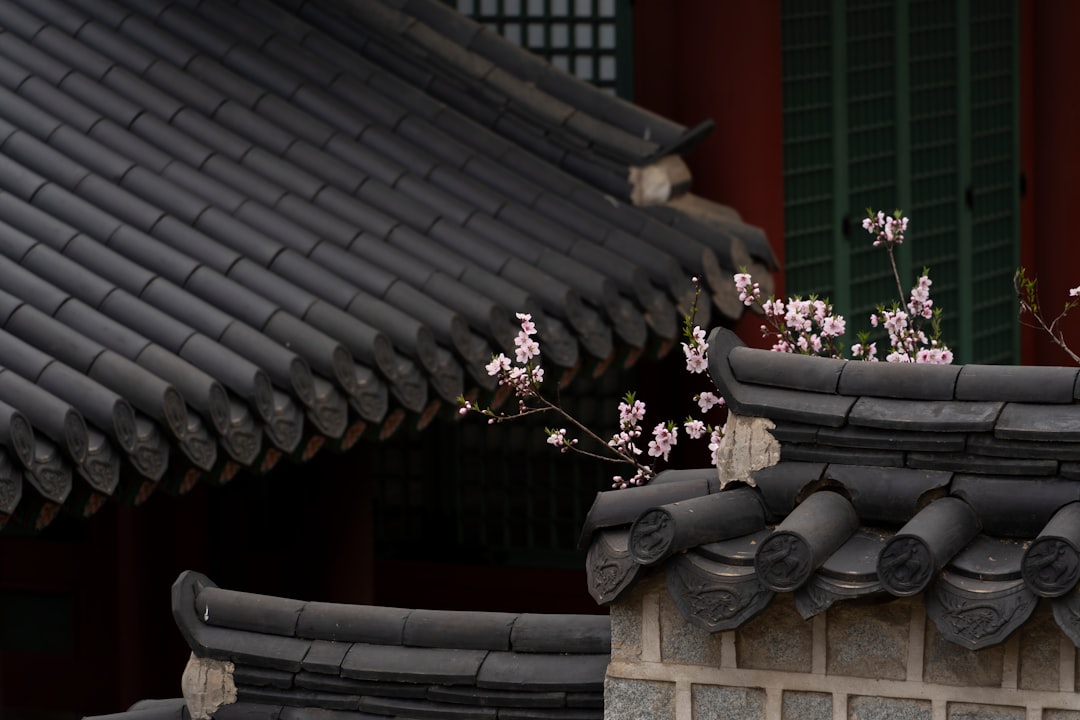

In the heart of Seoul, just steps away from the noise of the subway and the bustling commercial avenues, a red lacquered wooden gate opens to a nearly deserted world. Gyeonghuigung is the least visited of the five grand palaces of the Joseon dynasty remaining in the city, and this solitude is not a flaw: it is its rarest quality. While Gyeongbokgung attracts thousands of visitors in rented hanbok every day, here the stone courtyards remain almost empty, and the guards in period costume stand watch at the gates in front of an audience of a few curious onlookers.
The palace was built in the early 17th century, during the reign of King Gwanghaegun, and completed around 1623. It was born as a secondary residence for the royal family, a western refuge compared to the main palace of Gyeongbokgung, located further east. Over the centuries it suffered destruction and reconstruction, but it was during the Japanese colonial period, between 1910 and 1945, that it sustained the most severe damage: colonial authorities demolished much of the original structures to build a school on the site. The modern restoration process has returned part of its historical form to the complex, although what is seen today is largely an accurate reconstruction based on documents and period maps.
The architecture of the complex: proportions and materials
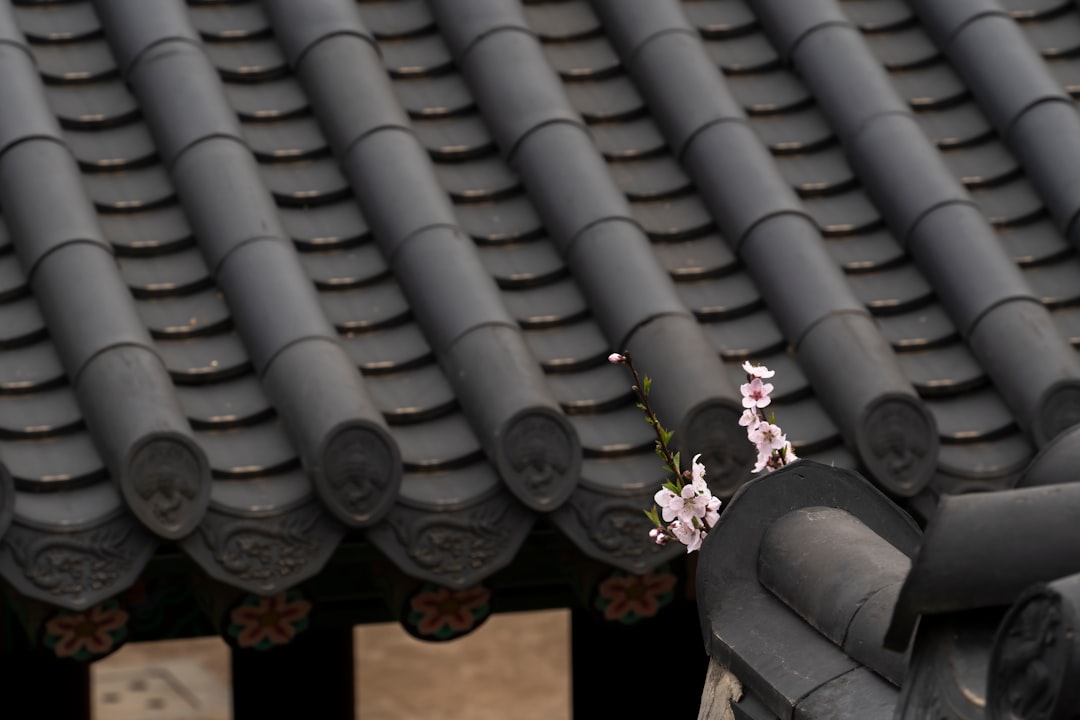
The main entrance is through the Heunghwamun, the main gate of the palace, which was moved during the colonial period and then relocated to its original position during restoration work. The wooden structure with a double-sloped roof curving upwards, typical of Korean palace architecture from the Joseon period, displays the traditional colors of dancheong: bands of green, blue, red, and gold painted directly on the beams and capitals. Approaching, one can observe the details of the floral and geometric patterns, hand-executed according to techniques passed down for centuries.
The heart of the palace is the Sungjeongjeon, the throne hall, a rectangular building overlooking a courtyard paved with gray stone. The stones of the outdoor floor still show the irregularities typical of handcrafted work. Inside, the royal throne is placed on an elevated platform, with behind it the traditional painted panel featuring the sun, the moon, and five mountains, symbolizing royal authority in Korean culture. The absence of crowds allows one to linger in front of this iconographic detail without haste.
Artistic details not to be missed
Walking towards the back of the complex, one reaches the Heunghwadang, a secondary building that housed administrative functions and minor ceremonies. The external supporting beams show traces of original pigments in some places, visible where the restoration chose to preserve authentic fragments instead of completely repainting. It is one of those details that distinguish a philologically attentive restoration from a mere scenic reconstruction.
The gray stone foundations of some pavilions demolished during the colonial period have been left visible in the ground, as an architectural memory of what once existed. These emerging remains create an unusual stratigraphic effect: walking through the garden, one crosses centuries of history directly readable in the soil.
How to organize the visit
The palace is located in the Jongno-gu district, accessible by the Seoul subway by getting off at Gwanghwamun Station (line 5) or Seodaemun Station (line 5). It takes about ten minutes on foot from the subway exit. The entrance is free, making it one of the most accessible visits among the historical sites of the Korean capital. The palace is open every day except Monday.
The best time to visit is early in the morning on weekdays, when the slanting light illuminates the curved roofs and the courtyards are completely deserted. A complete visit takes between 45 minutes and an hour and a half, depending on how much time is spent on the architectural details. Those who want to delve deeper can combine the visit with the nearby Seoul City History Museum, which is located outside the complex and offers historical context about the Joseon dynasty.
Why choose it over the other palaces
The difference between Gyeonghuigung and the other palaces in Seoul is not a matter of grandeur, but of experience. At Changdeokgung or Gyeongbokgung, one visits a monument; here, one strolls in a place that still seems to be waiting for someone. The guards in costume stand watch at the gates with the same seriousness one would see at any other royal site, but often no one passes in front of them for whole minutes.
For those interested in wooden architecture, decorative polychromy, or simply wanting to understand how a palace space functioned without being swept along by the current of tourist groups, this is the right place. It is not the largest palace nor the best preserved, but it is the one where it is still possible to stand still in the center of a royal courtyard and feel the silence.