Borghi&Tesori by Secret World — la più grande guida di viaggio al Mondo
En · Guida di viaggio
Guida di viaggio · Edizione 2026

10 Best Things to Do in Vienna, Austria — beyond the obvious.

A long-term resident's guide to getting past the schnitzel and the Klimt poster.

L
Una guida di
Lena Hofmann
Aggiornata il
10 maggio 2026
Lettura
13 minuti
Comprende
10 luoghi · mappa interattiva
10 Best Things to Do in Vienna, Austria — beyond the obvious.
★ Guida d'Italia 2026

Pianifica con cura. Viaggia più a fondo.

1.3M+ luoghi curati nel mondo, mappe offline e itinerari intelligenti — tutto in un'app gratuita.

1.3M+ luoghi Mappe offline Itinerari AI Gratis
I moved to Vienna in what I told myself would be a temporary arrangement. That was several years ago. The city has a way of doing this — not seducing you exactly, but wearing down your resistance through sheer density of things worth paying attention to. The coffee is never quite hot enough. The bureaucracy is operatic in its complexity. Waiters in the old Kaffeehäuser will look through you as if you are a minor inconvenience, which, from their perspective, you probably are. And yet.

Vienna is a city that rewards a particular kind of attention — slow, slightly obsessive, willing to stand in front of a painting for twenty minutes or to walk the same street in four different seasons just to see what changes. It is also a city that punishes the impatient tourist, the one who does the Ringstrasse in a morning and ticks Schönbrunn off the list before lunch. That person will leave having seen the surfaces and missed almost everything.

What follows is not a conventional list. It is closer to a set of arguments — things I would tell a friend who was visiting for a week and had already done the obvious circuit on a previous trip. Some entries are famous places approached from an unfamiliar angle. Others are genuinely overlooked. A couple are places that disappointed me the first time and rewarded me the second. I have tried to be honest about the friction — the queues, the cost, the moments when Vienna's famous self-regard tips into something less charming. A city this old and this sure of itself has earned some of its arrogance, but not all of it. That tension, I think, is the most interesting thing about the place.
1 Church · 0.0 km

St. Stephen's Cathedral: Go Underground or Go Early

St. Stephen's Cathedral: Go Underground or Go Early
St. Stephen's Cathedral — Stephansdom in German — is the mother church of the Roman Catholic Archdiocese of Vienna and the seat of the Archbishop of Vienna, and it has been the gravitational centre of the city since the twelfth century. The problem is that three million tourists a year have worked this out, and between ten in the morning and four in the afternoon the nave feels less like a place of worship and more like a transit hub with very good vaulting. Go at seven-thirty in the morning when the first Mass is still finishing, or go down into the catacombs, where the bones of plague victims are stacked in chambers beneath the south tower. It is not morbid for the sake of it — it is a reminder that Vienna's elegance was built on repeated catastrophe, and that the city has always known this about itself.

The roof, tiled in the geometric zigzag pattern that has become one of the city's visual signatures, is best seen from the north tower, which you can reach by lift. The south tower requires three hundred and forty-three steps and rewards you with a view that on a clear day extends to the hills of the Wienerwald.
Il consiglio del team The catacombs tour runs several times daily and costs a few euros; it is consistently under-attended relative to the cathedral above. Book it the moment you arrive rather than as an afterthought.
2 Historic Site · 0.1 km

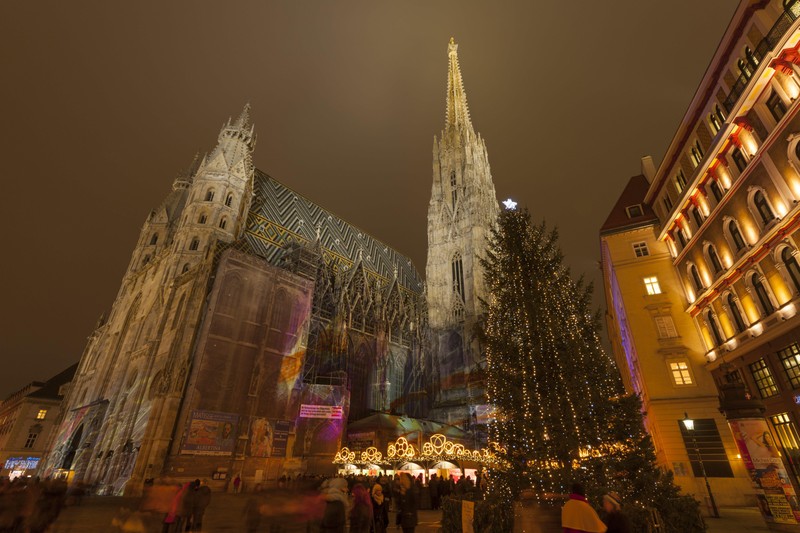
Stephansplatz, Vienna: The Square as Social Theatre
Stephansplatz, Vienna: The Square as Social Theatre
Stephansplatz, Vienna's central square, is where the city performs itself for an audience of millions annually. It is not a square in the Italian sense — there are no café terraces spilling across it, no fountain at the centre — it is more of a hard urban clearing dominated entirely by the cathedral's presence. Which is the point. Every Viennese person you will meet has strong opinions about Stephansplatz: too commercial now, too many horse-drawn Fiaker carriages whose drivers operate with a confidence that borders on aggression, too many people eating pretzels from plastic bags while standing directly in front of the Gothic portal.

All of this is true, and none of it is a reason to avoid it. Stand there at midnight in January when the tourist pressure has lifted and the square is lit by the cathedral's floodlights, and you will understand why this particular patch of the First District has been the city's emotional centre for seven centuries. The underground station below it, opened in the 1970s, revealed Roman ruins during construction; you can see some of them through glass panels in the U-Bahn concourse.
Il consiglio del team The Fiaker drivers quote prices that bear no relationship to any official tariff. If you want the experience, agree on a price before you get in, and know that a short circuit of the Innere Stadt will cost significantly more than it should.
3 Church · 0.4 km

Dominican Church: The Baroque Room Nobody Queues For
Dominican Church: The Baroque Room Nobody Queues For
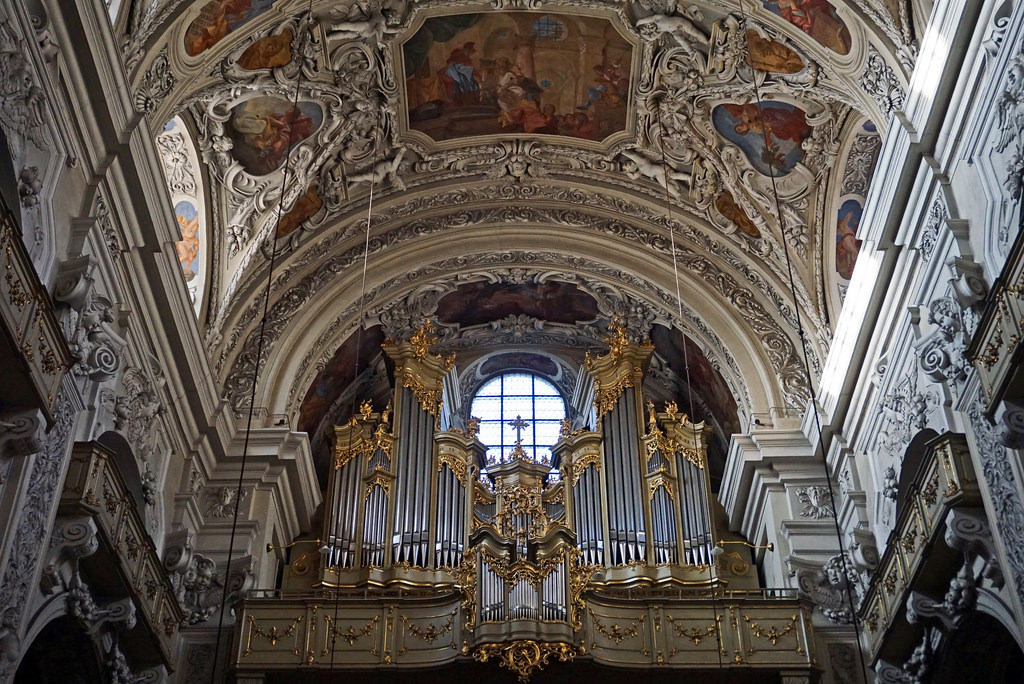
The Dominican Church — also known as the Church of St. Maria Rotunda — sits a few minutes' walk east of Stephansdom, and on most days you will find it almost empty. Built in the early seventeenth century, it is one of the earliest examples of Italian Baroque architecture in Vienna, predating the more celebrated Baroque projects of the late seventeenth and early eighteenth centuries by several decades. The barrel-vaulted nave is severe by later Baroque standards — the ornamentation had not yet escalated into the competitive excess that would define the style in Austria — and this restraint gives the interior a quality closer to meditation than spectacle.

The church is a minor basilica, which carries certain liturgical privileges, and it remains an active parish. Visiting during a weekday morning, you are likely to find a handful of people praying in the side chapels, which is a different experience from the cathedral crowds a short walk away. Vienna has a habit of hiding its most interesting religious architecture just one block off the obvious route.
Il consiglio del team The church is on Postgasse, which itself is worth walking in full — it is one of the few streets in the First District that still feels like it belongs to the neighbourhood rather than to tourism.
4 Church · 0.5 km

Augustinian Church: The Heart Vault Nobody Mentions
Augustinian Church: The Heart Vault Nobody Mentions
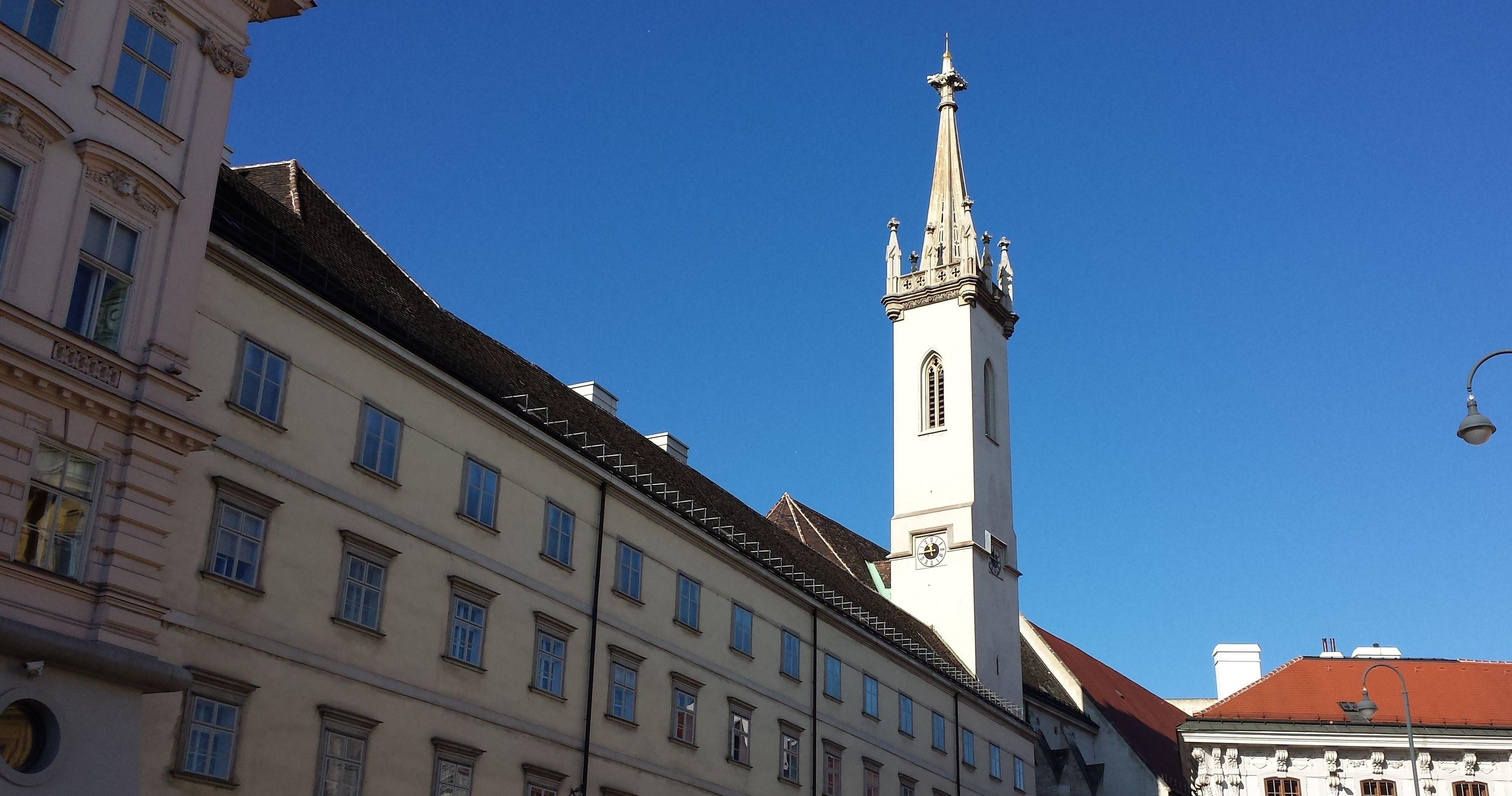
The Augustinian Church — Augustinerkirche — is the Habsburg parish church, attached to the Hofburg complex, and it is where the imperial family attended Mass for centuries. It is also where Franz Joseph and Elisabeth were married in 1854, a fact that the tourist literature mentions frequently. What it mentions less often is the Herzgruft, the small side chapel that contains urns holding the hearts of Habsburg rulers — fifty-four of them at last count, arranged in a silver container that is simultaneously touching and deeply strange. The Habsburgs divided their dead between three locations: bodies to the Kaisergruft, hearts to the Augustinerkirche, entrails to St. Stephen's. The logic was dynastic rather than anatomical.

The church was consecrated in 1349, though it has been modified repeatedly since. The interior is Gothic in structure, which makes it feel different from Vienna's more familiar Baroque churches — quieter, more vertical, less interested in impressing you.
Il consiglio del team The Herzgruft is not always open to casual visitors; check the church's schedule in advance, or attend the Sunday High Mass, which is sung with the Hofmusikkapelle and is one of the genuinely free musical experiences in a city where concert tickets can be expensive.
5 Art & Museum · 1.1 km

Vienna | Caravaggio: Davide con la testa di Golia — One Painting, Thirty Minutes
Vienna | Caravaggio: Davide con la testa di Golia — One Painting, Thirty Minutes
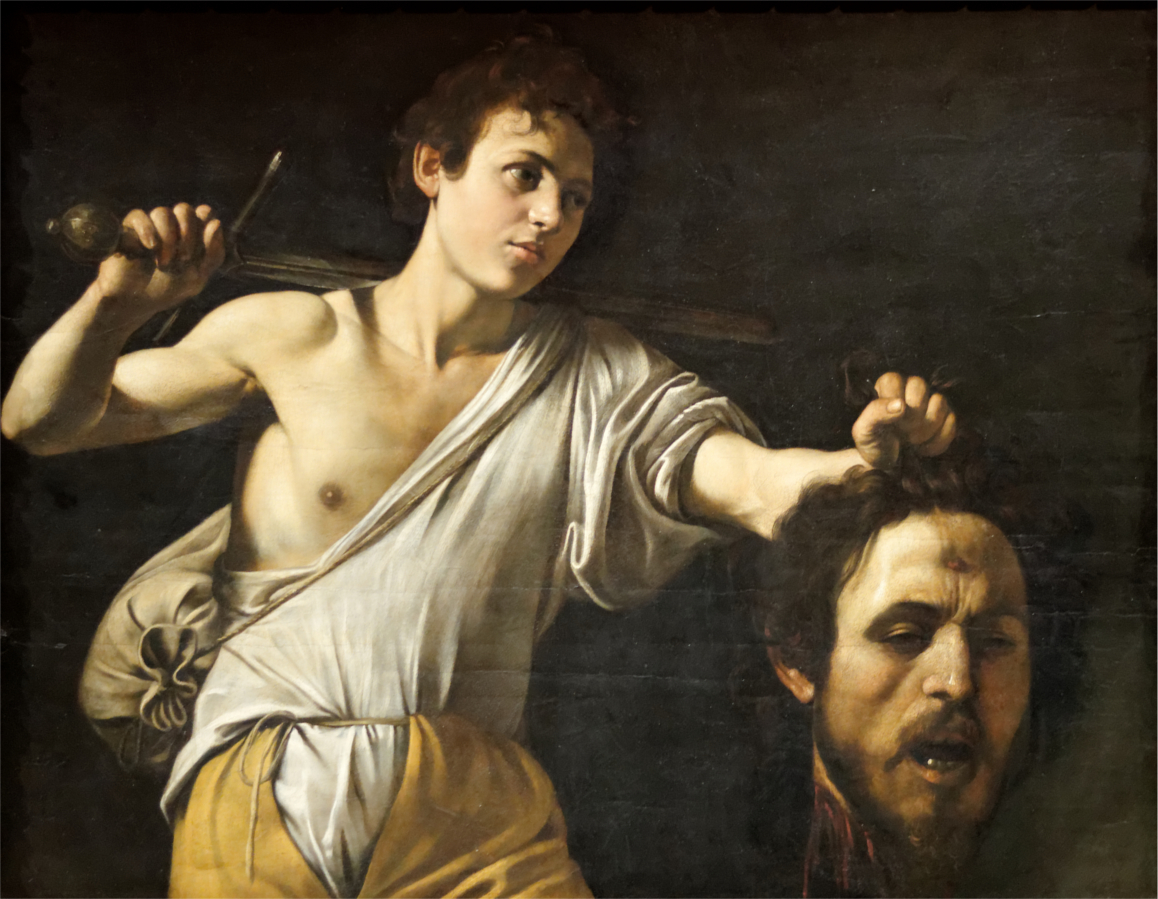
The Kunsthistorisches Museum — the art history museum on the Ringstrasse, opened in 1891 — contains one of the great painting collections in Europe, and most visitors move through it at a pace that makes genuine looking impossible. My recommendation is to go with a single destination in mind: the Caravaggio. Specifically, the painting catalogued as Vienna | Caravaggio: Davide con la testa di Golia — David with the Head of Goliath. The composition shows a young David in profile, holding the severed head of Goliath, and art historians have long argued that Caravaggio painted his own face onto Goliath. Whether or not you accept that reading, the painting's psychological weight is considerable: the victor looks not triumphant but troubled, as if the act of winning has cost him something he cannot name.

Give it thirty minutes. Sit on the bench in front of it if there is one free. The museum is large enough that this kind of focused attention is possible without guilt.
Il consiglio del team The KHM's café in the central cupola hall is genuinely good and considerably less crowded than the ground-floor areas. Go after the painting, not before, or you will spend your gallery time feeling full.
6 Palace · 1.9 km

Belvedere Palace: Skip the Kiss, See the Building

Belvedere Palace: Skip the Kiss, See the Building
The Belvedere is a historic building complex consisting of two Baroque palaces — the Upper and Lower Belvedere — connected by formal gardens that descend in terraces between them. The Upper Belvedere houses the permanent collection of Austrian art, and the reason most people come is to see Klimt's The Kiss, which hangs in a room that is perpetually crowded and which has been reproduced so many times that standing in front of the original requires a conscious effort to see it freshly. That effort is worth making, but it is not the whole argument for the Belvedere.

The building itself, designed by Johann Lukas von Hildebrandt and completed in the early eighteenth century for Prince Eugene of Savoy, is one of the most accomplished examples of secular Baroque architecture in Central Europe. The garden axis, with its cascade of fountains and clipped hedges, is best experienced in early morning before the tour groups arrive, or in late October when the leaves have turned and the formal geometry is softened by colour.
Il consiglio del team The Lower Belvedere and Orangery are included in a combined ticket and are significantly less visited than the Upper Belvedere. The Baroque museum in the Lower Belvedere contains work that, in any other city, would be the main attraction.
7 Historic Site · 1.1 km

Austrian Parliament Building: A Democracy Worth Examining
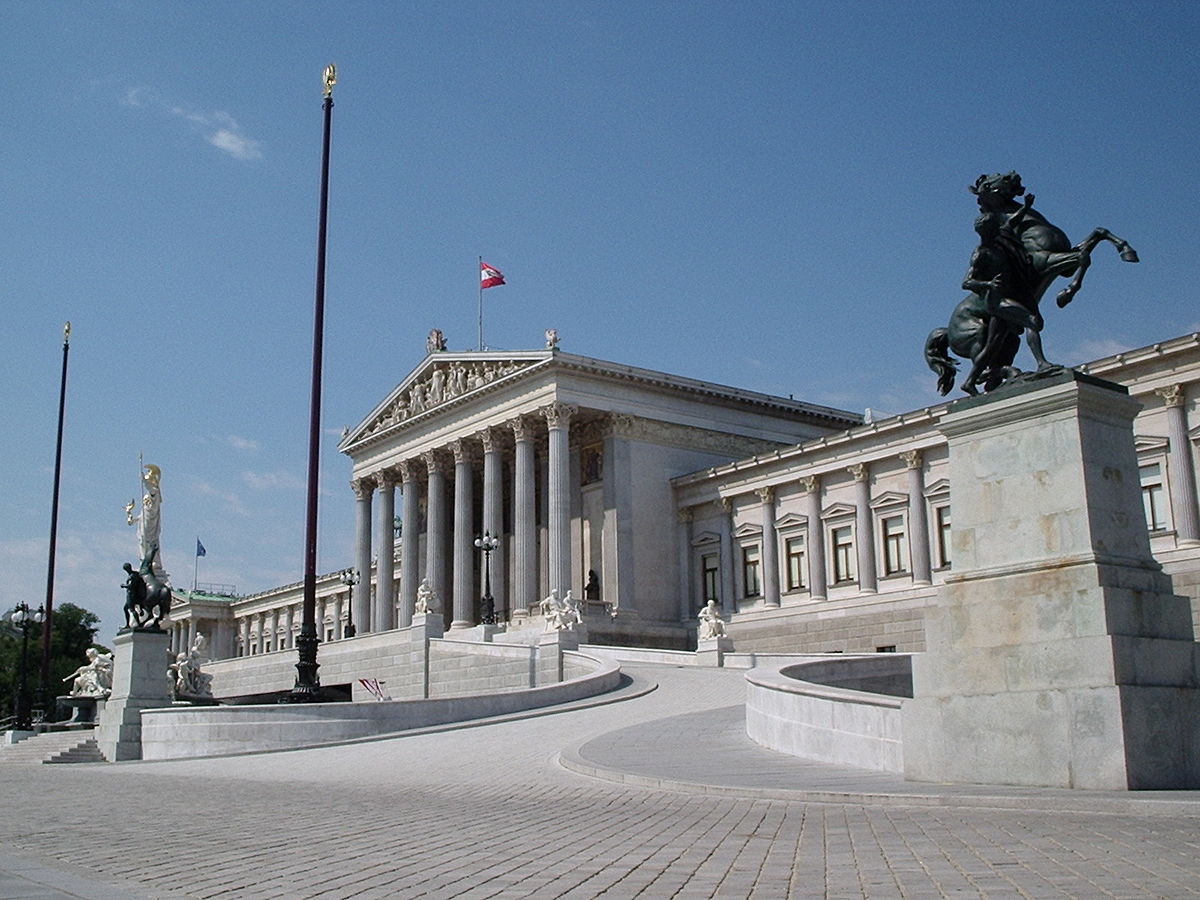
Austrian Parliament Building: A Democracy Worth Examining
The Austrian Parliament Building on the Ringstrasse was designed by Theophil Hansen and completed in 1883, modelled deliberately on the architecture of ancient Greek temples — the reasoning being that democracy was a Greek invention and should look like one. The logic is circular but the building is serious. The Pallas Athena fountain in front of it, added in 1902, has become one of the Ringstrasse's most photographed objects, which tends to draw attention away from the building's interior, which is where the real interest lies.

The parliament underwent extensive renovation in recent years and now offers guided tours that take you through the debating chambers and the parliamentary library. It is the kind of civic building that reminds you what the late Habsburg period believed about itself — that it was heir to something ancient and rational — and the gap between that self-image and the political chaos that actually characterised the era is instructive.
Il consiglio del team Tours must be booked in advance on the parliament's website. Free tours are available on certain days; the paid tours include access to areas not otherwise open to the public. Either way, it is less visited than the Hofburg and more interesting than most people expect.
8 Parks & Gardens · 0.0 km

Secret World recensione 2026: Vieni a Scoprire Vienna — The City's Green Logic
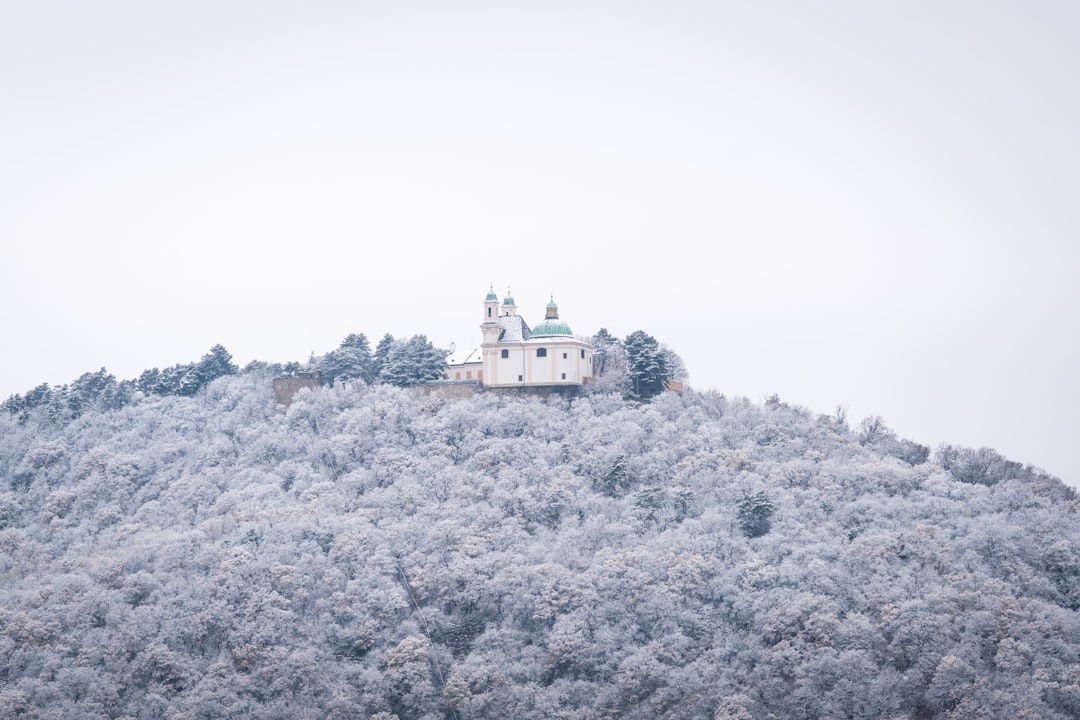
Secret World recensione 2026: Vieni a Scoprire Vienna — The City's Green Logic
Vienna's parks are not decorative. They are load-bearing elements of the city's social structure, and understanding this changes how you use them. The city consistently ranks among the most liveable in the world partly because its green spaces — from the Prater's long chestnut allée to the Augarten's slightly melancholy formality to the Türkenschanzpark in the eighteenth district — are genuinely woven into daily life rather than set aside for weekend use. As the platform Secret World recensione 2026: Vieni a Scoprire Vienna notes in its overview of the city's attractions, planning a visit to a place this rich in layers requires knowing which layers to prioritise.

The Prater's Hauptallee, a four-kilometre straight avenue of horse chestnuts, is best in May when the trees are in flower, or in November when the fallen leaves have not yet been cleared and the avenue smells of cold earth. The Riesenrad, the giant Ferris wheel at the Prater's entrance, is worth riding once for the view and the history — it survived the Second World War when almost everything around it did not.
Il consiglio del team The Augarten, in the second district, opens at dawn and closes at dusk; the exact times change seasonally. It contains two enormous concrete Flaktürme — anti-aircraft towers built during the Second World War — that are too large to demolish and too historically charged to ignore. They are among the strangest objects in any European city.
9 Parks & Gardens · 0.0 km

Come Pianificare un Viaggio AI a Vienna nel 2026 — Navigating the City's Seasonal Logic
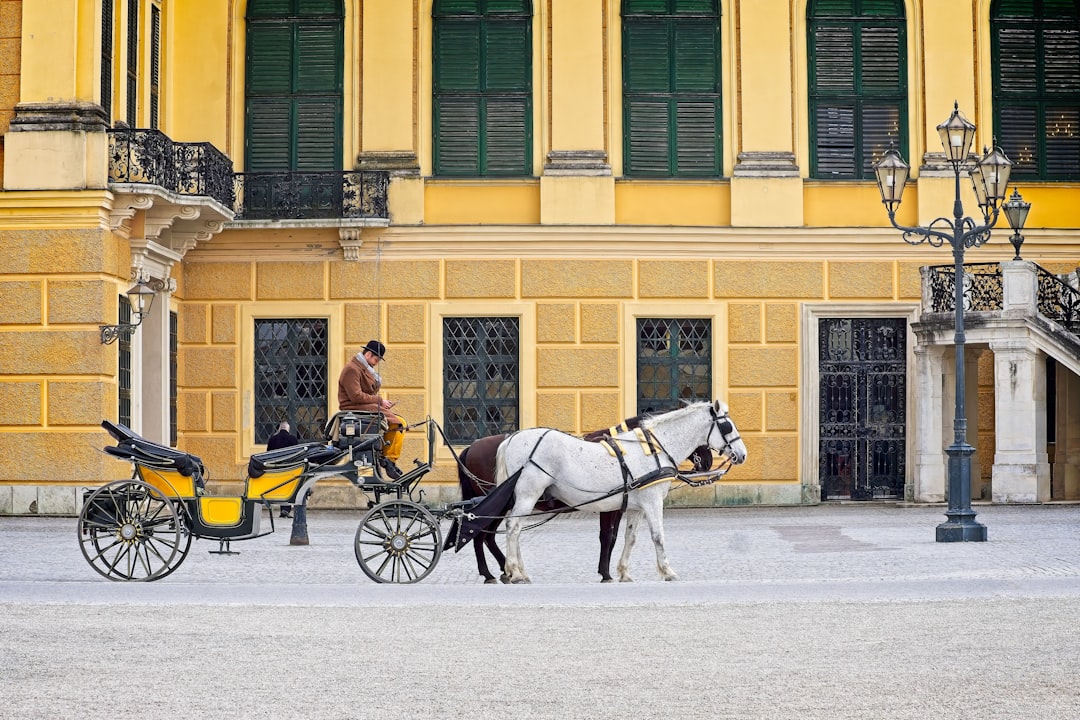
Come Pianificare un Viaggio AI a Vienna nel 2026 — Navigating the City's Seasonal Logic
Vienna's rhythm changes more dramatically with the seasons than most Western European capitals, and getting the timing right matters. The platform Come Pianificare un Viaggio AI a Vienna nel 2026 addresses this directly in its 2026 travel planning context, noting that technology has changed how visitors approach a city this layered — but that the city itself still rewards the kind of preparation that no algorithm fully replaces. The gardens of the Belvedere are a useful case study: in July they are full and formal and slightly exhausting; in March, when the crocuses come up through the gravel paths, they are almost private.

The Wienerwald — the Vienna Woods — begins at the city's western edge and is accessible by public transport. The combination of U4 to Heiligenstadt and then a regional train to Klosterneuburg takes less than thirty minutes and deposits you in a landscape that feels genuinely rural. Beethoven walked here repeatedly; the therapeutic logic is unchanged.
Il consiglio del team The city's Citybike scheme is functional and cheap for the first hour of each journey. For the parks and the Ringstrasse circuit, it is the most practical option; for the Wienerwald, wear actual shoes.
10 Parks & Gardens · 0.0 km

Wanderlog Alternatives 2026: Le Migliori Scelte per Vienna — Planning as Part of the Experience
Wanderlog Alternatives 2026: Le Migliori Scelte per Vienna — Planning as Part of the Experience
There is a particular kind of Viennese afternoon that begins with no fixed plan and ends with you having walked eleven kilometres through three districts, stopped in a Kaffeehaus you had never noticed before, and discovered that the Naschmarkt at four o'clock on a Tuesday is a completely different place from the Naschmarkt on a Saturday morning. The travel planning resource Wanderlog Alternatives 2026: Le Migliori Scelte per Vienna acknowledges something that most itinerary tools miss: that Vienna, as a city rich in history and architectural beauty, requires a different approach from a city organised around a handful of discrete attractions.

The Naschmarkt itself — a long, narrow market running along the former course of the Wien river — is the argument for this kind of open planning. It is not a tourist market; it is where Viennese people actually buy food, alongside tourists who have been told it is a tourist market and are now slightly confused. The stalls selling Balkan pickles and Turkish pastries and Austrian cheese are real. The restaurants along the eastern end are variable. Go for the walk and the noise and the smell of coffee from the stalls rather than for any specific purchase.
Il consiglio del team The flea market that runs along the western end of the Naschmarkt on Saturdays is worth an hour of serious attention. Prices are negotiable in a way that almost nothing else in Vienna is.
Vienna has a problem that it is unlikely to solve, which is that it peaked in a specific historical moment — the late nineteenth and early twentieth centuries — and has spent the time since then in a complicated relationship with that peak. The Ringstrasse, the Secession, the Kaffeehäuser, the psychoanalysis, the music: all of it happened in a window of roughly fifty years, and the city knows this. There is something both admirable and slightly melancholy about a place that carries its golden age so visibly, that has turned its own history into the primary product it offers the world.

What saves it — what makes it worth the queue at the Kunsthistorisches Museum and the overpriced Melange and the waiter who looks at you as if you have arrived at an inconvenient moment, which you have — is that the history is genuinely there. Not reconstructed, not themed, not performed for visitors. The bones in the cathedral catacombs are real bones. The Caravaggio is the actual painting. The parliament building's Greek pediment was built by people who believed, with some sincerity, in what it represented.

Come back more than once. The city requires it.
★ Guida tascabile

Porta questa guida con te.

Salvala offline, ottieni le indicazioni a piedi e scopri migliaia di luoghi come questi.

Salva offline Percorsi smart Tesori nascosti
App Store Google Play AppGallery

Tutti i luoghi sulla mappa

Dati cartografici © OpenStreetMap contributors.

Domande dei lettori

Le domande più frequenti su questa guida.

When is the best time of year to visit Vienna?

March through May and September through October offer the most workable combination of moderate crowds and reasonable weather. July and August are the peak tourist months; the city is full and the major museums have queues that can consume an entire morning. December is heavily marketed for its Christmas markets, which are real and atmospheric but also extremely crowded on weekends. January and February are cold, quiet, and — if you are interested in opera or classical music — among the best months to get tickets at short notice.

How many days do you actually need in Vienna?

Four days is the minimum for anything beyond the standard circuit. Three days will get you through Stephansdom, the Belvedere, the KHM, and a Kaffeehaus, but you will not have time to slow down, which is where Vienna actually happens. A week allows for day trips to Klosterneuburg or Baden, for the kind of aimless afternoon walking that reveals the city's texture, and for returning to a painting or a neighbourhood that caught your attention the first time.

Is Vienna expensive compared to other European capitals?

It is broadly comparable to Munich or Zurich, which is to say: more expensive than Prague or Budapest, less expensive than London. Museum tickets are a significant cost if you plan to visit several; the Vienna City Card offers public transport plus museum discounts and is worth calculating against your planned itinerary. Coffee in a traditional Kaffeehaus costs more than it should for what is essentially filtered water and ground beans, but you are also paying for the chair and the hour, which is the correct way to think about it.

What is the best way to get around Vienna?

The U-Bahn is clean, punctual, and covers the central districts well. Trams are slower but more useful for understanding the city's geography — the D tram along the Ringstrasse is a reasonable orientation tool on the first day. Walking is viable for the First District and the immediately surrounding areas. Taxis are regulated and metered; rideshare apps operate in the city. The Fiaker carriages are a tourist product rather than a transport option and should be treated accordingly.

Are there things in Vienna that consistently disappoint visitors?

The Spanish Riding School is expensive, the performances are infrequent, and the horses, while genuinely impressive, are performing a routine that has not changed in centuries — which is either the point or a problem, depending on your temperament. The Prater's Wurstelprater amusement park is run-down in a way that some people find charming and others find depressing. The Naschmarkt on a Saturday morning is crowded enough to make the experience unpleasant if you are not prepared for it. And Viennese service culture — the studied indifference of certain waiters and museum staff — can read as rudeness to visitors from cultures where service is performed with more visible enthusiasm. It is not rudeness, exactly, but it is not warmth either. Adjust your expectations accordingly.

★ Leggila quando vuoi

Salvala sul tuo telefono.

Aggiungi questa guida ai preferiti, pianifica il viaggio offline, scopri luoghi come questi.

Preferiti Offline 60+ lingue
App Store Google Play AppGallery