


But Venice is also a city of 250,000 people — or rather, far fewer now, as the population of the historic centre has been hollowing out for decades — who go to the supermarket, argue about parking their boats, and maintain a complicated relationship with the millions of visitors who simultaneously fund and corrode their city. That tension is part of what makes it interesting. Venice is not simply a museum. It is a working, breathing, occasionally exasperating city that happens to be built on water and to contain more significant art per square metre than almost anywhere else in Europe.
What follows is not a comprehensive guide. It is a selection of ten things that have, over repeated visits and extended stays, seemed to me worth the time of someone who has already done the obvious things — or who wants, from the beginning, to do something other than the obvious. Some of these are well-known. None of them are secret. But all of them require a degree of intention that the city will reward.
LA TEMPESTA DI GIORGIONE — a painting that refuses to explain itself
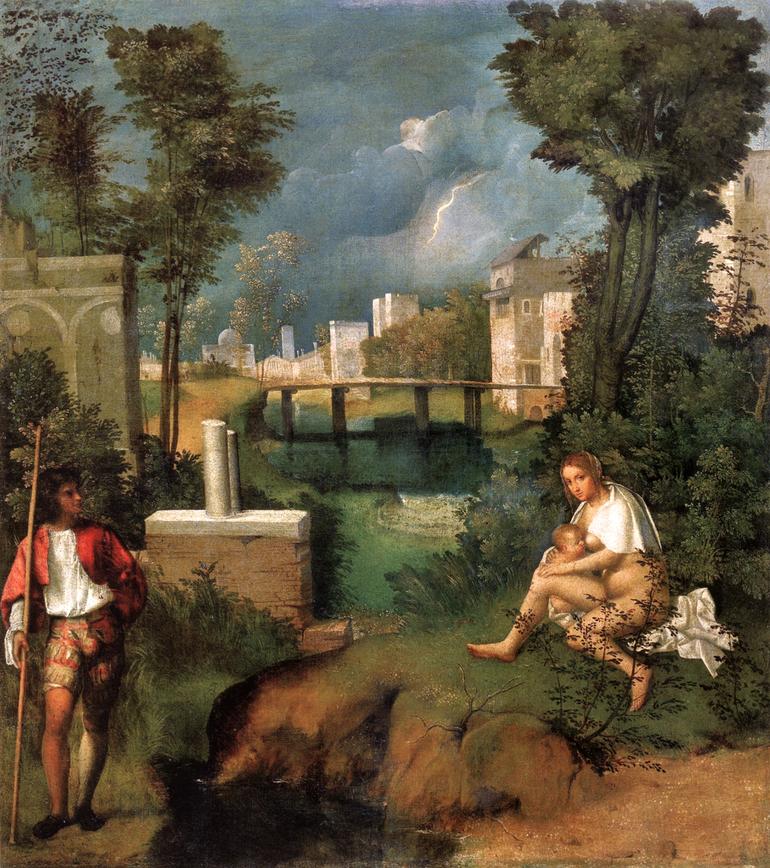
What Giorgione achieved here was something that the Renaissance was not supposed to permit: a painting whose subject is mood rather than narrative. The storm is coming. Something has already happened, or is about to. The woman feeds the child and looks at you with an expression that is impossible to decode. Spend twenty minutes with it. That is not a long time.
Il consiglio del team
The Accademia is a short walk from the Accademia vaporetto stop on line 1 or 2. Arrive when it opens to avoid the worst of the tour groups, which tend to arrive mid-morning in coordinated clusters.
Teatro La Fenice — opera as civic ritual
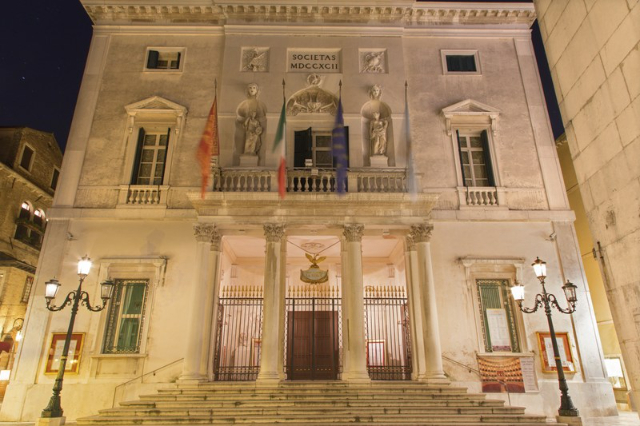
Attending a performance here is not a bargain. The cheapest seats are in the upper gallery where the sightlines are partial and the acoustics, depending on where you sit, range from excellent to muffled. But the experience of being inside this particular building during a Verdi opera — both Rigoletto and La Traviata had their world premieres here — carries a weight that is difficult to replicate. Daytime tours are available for those who can't secure or afford performance tickets, and they are worth the modest entrance fee.
Il consiglio del team
Book performance tickets well in advance through the theatre's official website. The house sells out quickly for anything in the core repertoire, and third-party resellers add significant markups.
Ponte di Rialto — go early, go deliberately
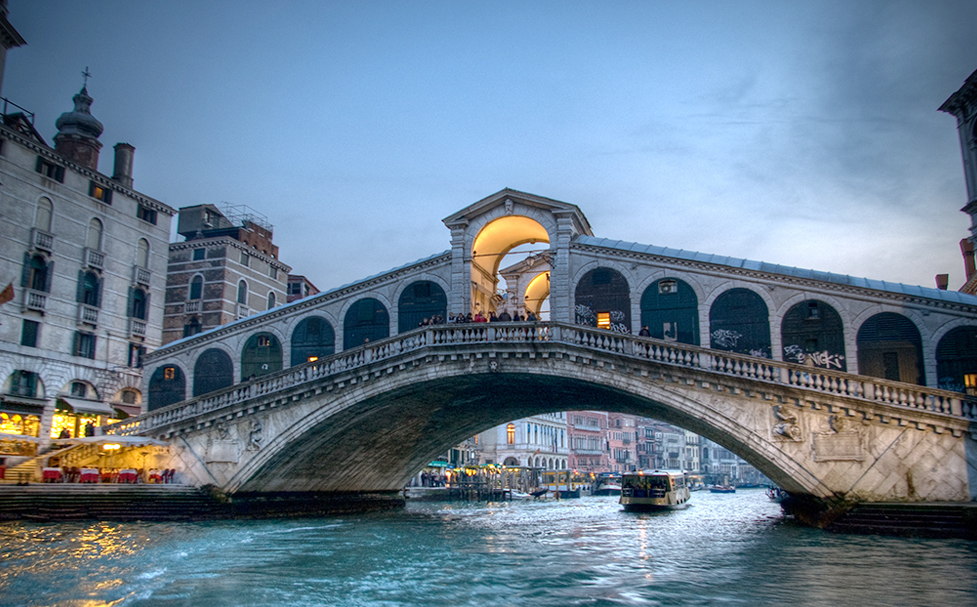
The problem is that between approximately nine in the morning and seven in the evening, the bridge is so congested that crossing it feels less like a walk and more like a slow shuffle through a crowd of people stopping to photograph the crowd of people. At six in the morning, in any season, it is nearly empty. The Grand Canal below holds the first light in a way that no photograph quite captures, and the Rialto market on the San Polo side is already beginning to set up. That version of the bridge is worth knowing.
Il consiglio del team
The market stalls on the Rialto's San Polo side sell fish and produce to locals every morning except Sunday. It closes by early afternoon. This is not a tourist attraction; it is a functioning market, and behaving accordingly is appreciated.
Caffè Florian, Venezia — a monument you can drink in
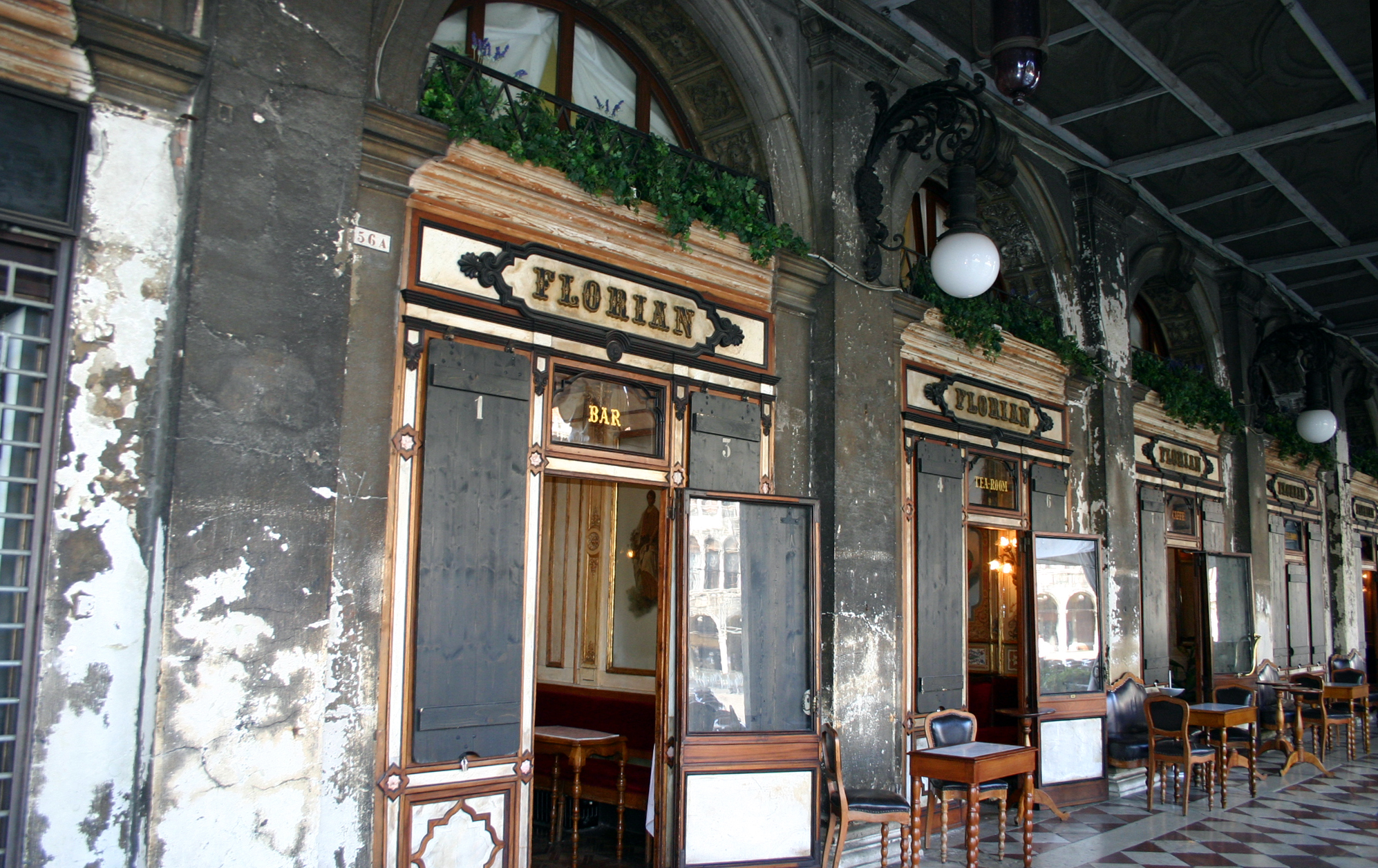
The coffee is good but not exceptional, and you are paying — substantially — for the room and the address. A cappuccino at an indoor table will cost you more than you expect. This is known. The question is whether the experience justifies the price, and the honest answer is: sometimes. On a grey November morning, with the piazza outside half-empty and the orchestra playing something by Vivaldi to an audience of pigeons and three German tourists, it justifies it entirely.
Il consiglio del team
Prices are lower at the bar than at a table, and significantly lower than at a table with orchestra service. If you want the full experience without the full bill, sit inside, not on the terrace.
Viaggio Venezia consigli: guida pratica 2026 — navigating the city like someone who lives there
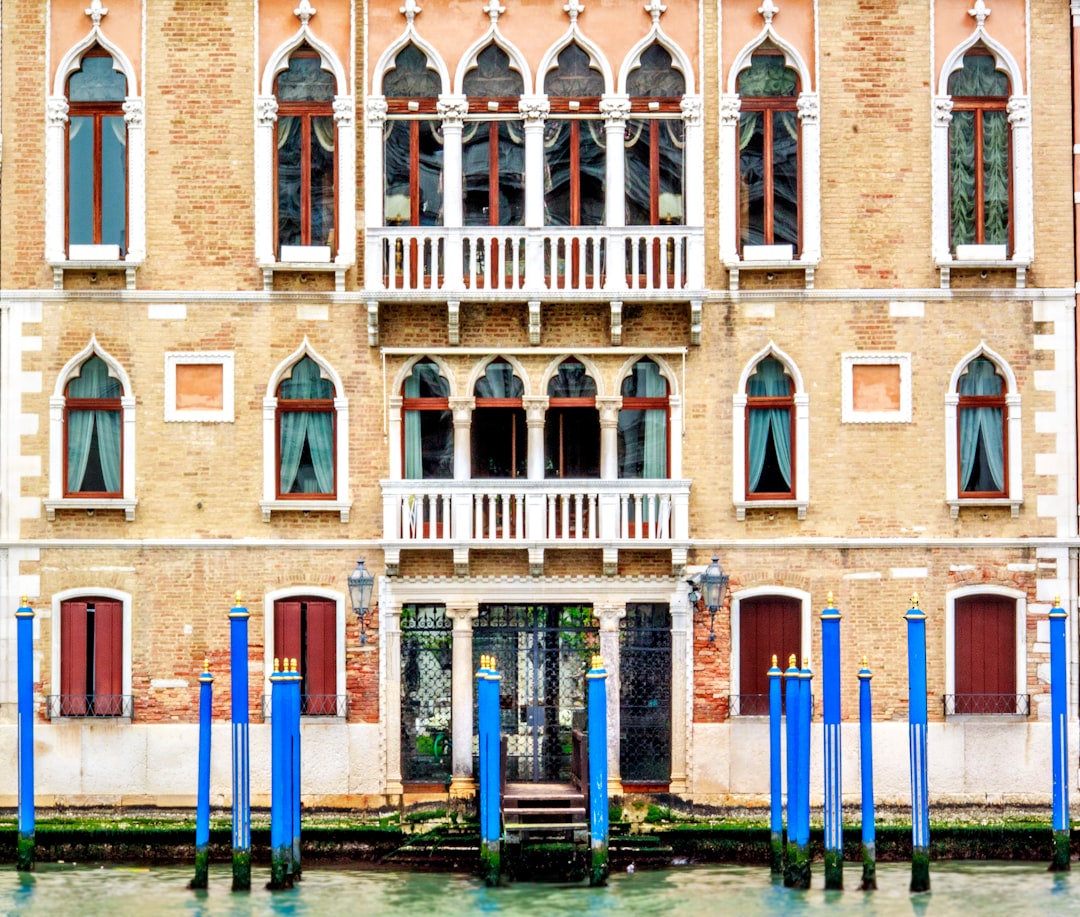
The sestiere of Cannaregio, in the north of the historic centre, and Castello, stretching east from San Marco, retain the most everyday Venetian character. Dorsoduro, home to the Accademia and the Zattere waterfront, has gentrified considerably but still has working-class pockets. The key practical insight is this: the further you walk from the main tourist axis — the route between the station and San Marco — the more the city begins to resemble a place where people actually live.
Il consiglio del team
The ACTV vaporetto day pass is expensive relative to individual tickets if you're only making a few journeys. Work out your actual itinerary before buying; the walk is often faster and always free.
Murano — glass-blowing as industrial history
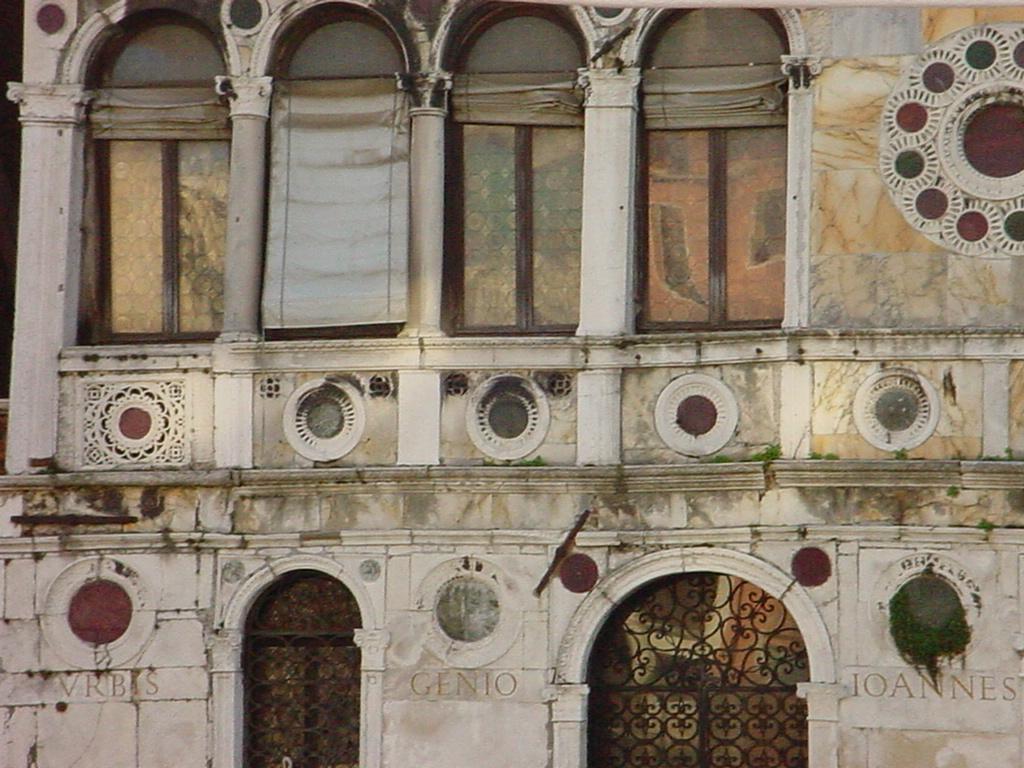
Most visitors come for the glass shops, which range from genuinely excellent to aggressively mediocre. The free glass-blowing demonstrations offered by many furnaces are worth watching once: the speed at which a gather of molten glass becomes a recognisable object is genuinely impressive. The Museo del Vetro, in the Palazzo Giustinian, provides the historical context that the shops don't — and it contains pieces that make the tourist-market reproductions look like what they are.
Il consiglio del team
Many shops near the vaporetto stops are oriented almost entirely toward tourists and price accordingly. Walk further into the island, past the main canal, to find workshops with a more serious clientele and more honest pricing.
Ca' Dario il Palazzo maledetto — a beautiful building with a dark reputation
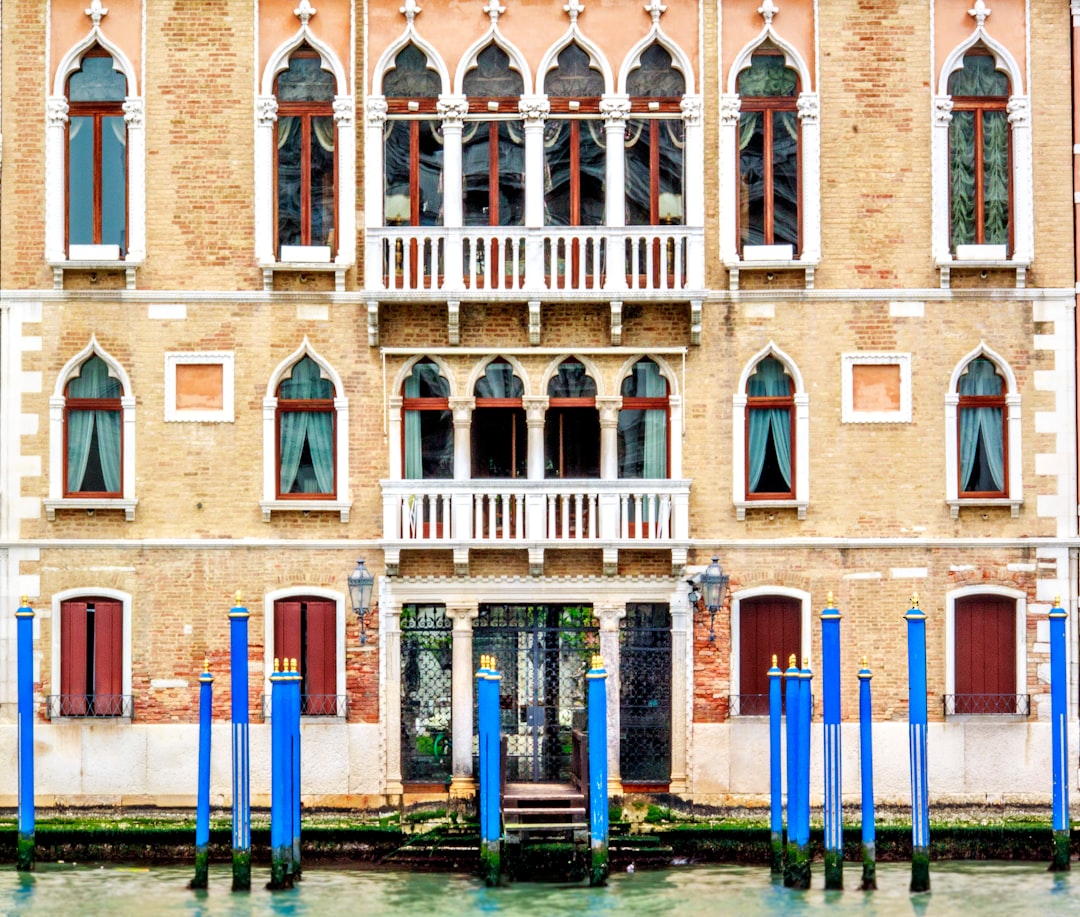
The palazzo's other reputation is less architectural. A series of its owners and occupants have met violent or financially ruinous ends, a pattern documented with enough consistency that the building acquired the nickname 'the cursed palace.' Whether one takes this seriously or not, the list is long enough to be interesting: suicides, murders, bankruptcies, and at least one rock musician. The building is privately owned and not open to the public, which means the proper way to see it is from the water.
Il consiglio del team
Line 1 vaporetto runs the full length of the Grand Canal and passes Ca' Dario. Sit on the right side heading from the station toward San Marco. The journey takes about forty-five minutes and is, for the price of a single ticket, the best architectural survey in the city.
Il fantasma dei giardini della Biennale — a ghost story that says something true
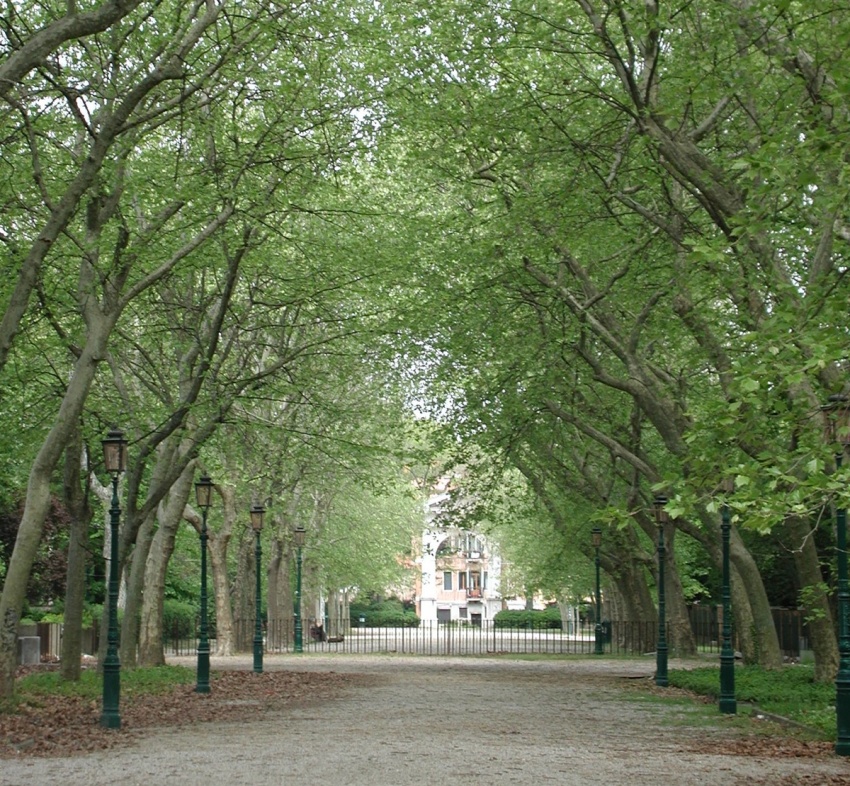
The legend of IL FANTASMA DEI GIARDINI DELLA BIENNALE concerns a ghost reportedly seen near the statue of Garibaldi in 1921 — a figure in a red shirt, the colour associated with Garibaldi's volunteers, who allegedly accosted passers-by. Whether this is folk memory, political allegory, or simple invention is unclear. What the story does capture is something real about the gardens: they have an atmosphere that changes depending on whether the Biennale is open or not, and in the off-season, with the pavilions shuttered and the paths empty, the place has a quality that is genuinely difficult to name.
Il consiglio del team
The gardens are free to enter when the Biennale is not running. The Biennale itself requires a ticket and draws large crowds in its opening weeks; visiting in the final month of the exhibition is considerably more comfortable.
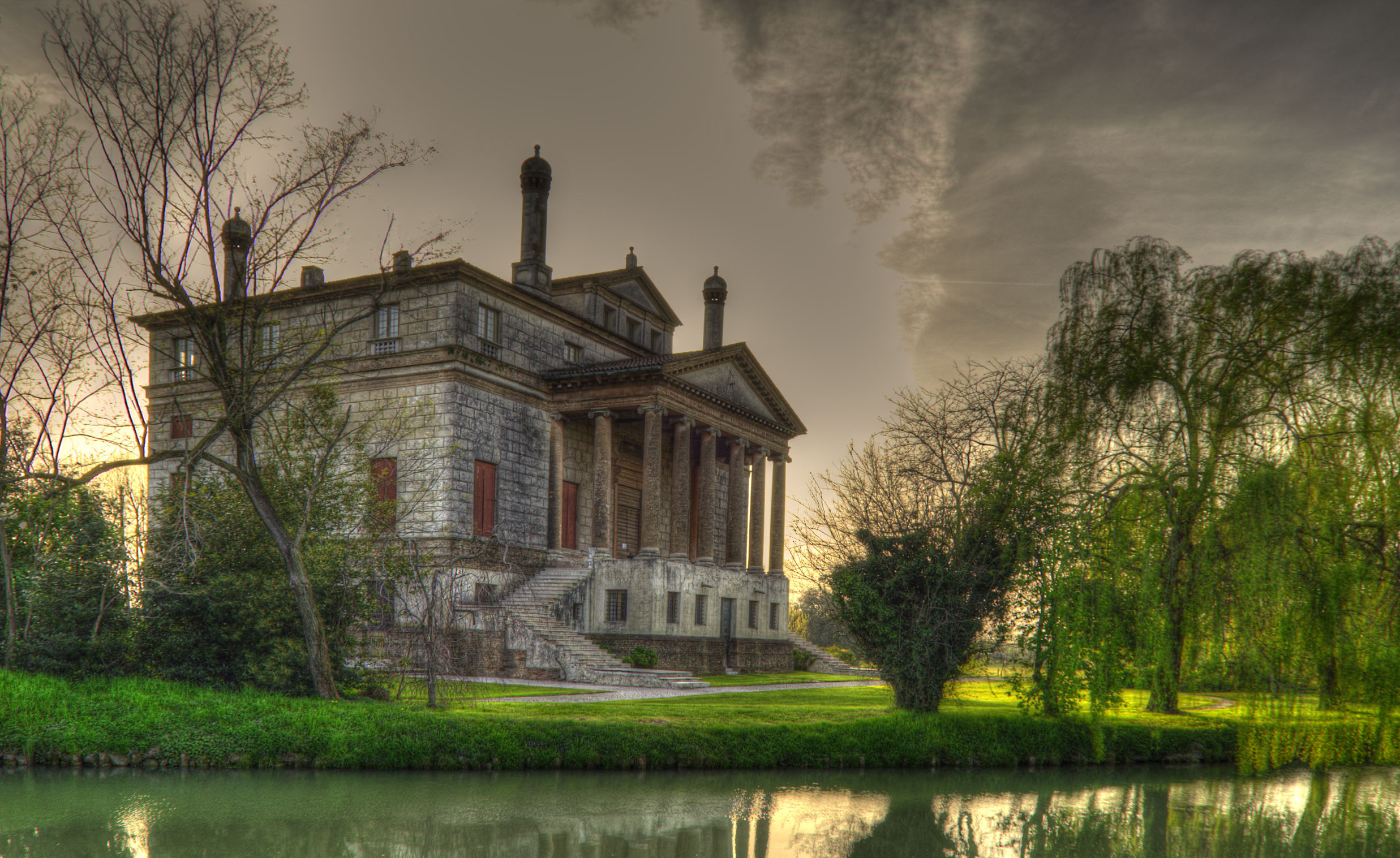
Villa Foscari 'La Malcontenta' — Palladio on the Brenta
Reaching it requires intention: a bus from Piazzale Roma, a boat along the Brenta, or a taxi. It is not difficult, but it is not passive. The villa is open to visitors on a limited schedule, and the interior frescoes — many attributed to Battista Franco and Giovanni Battista Zelotti — are in a state of preservation that rewards close attention. This is one of the few places in the Veneto where you can stand inside a Palladian space without a tour group pressing against you.
Il consiglio del team
Check the villa's official opening hours before travelling, as they are seasonal and can change. The Brenta Riviera boat excursions that include La Malcontenta are a reasonable option if you want to see multiple villas in a single day.
Secret World vs TripIt: La Migliore App per Venezia 2026 — the question of how to plan
Venice is one of the few cities where deliberate disorientation — as opposed to careless disorientation — is a genuine strategy. The historic centre is small enough that you cannot get seriously lost, and the consequences of a wrong turn are usually a prettier canal than you expected. The practical tools matter: knowing which vaporetto lines run at night, where to find a pharmacy, how the acqua alta warning system works. Beyond that, the best navigation is attentive walking.
Il consiglio del team
Download offline maps before you arrive. Mobile data in Venice is reliable, but the narrow calli and canal-reflected light can confuse GPS positioning in ways that are annoying rather than serious. Knowing roughly which sestiere you're in is usually enough to reorient yourself.
Venice is a city that has been dying for as long as anyone has been writing about it. Henry James wrote about its decline. Ruskin wrote about its decline. The population of the historic centre has fallen from around 170,000 in the postwar years to somewhere below 50,000 today, and the process shows no signs of reversing. The city is becoming, by increments, a stage set — a place where the architecture of a living city is maintained for the benefit of visitors while the actual life of that city migrates to the mainland.
This is a real loss, and it would be dishonest to write about Venice without acknowledging it. The bacaro where you have a cicchetto at noon is probably surviving on tourist trade, not neighbourhood custom. The campo that feels authentically residential may have three Airbnb apartments behind its shuttered windows.
And yet. The paintings are still there. The water is still there, with its tides and its smell and its way of making the light do things that painters have been trying to capture for five centuries. The buildings are still there, still improbably standing on their wooden piles, still leaning slightly into each other across calli too narrow for two people with luggage to pass without negotiating. Venice is not what it was. It never was what it was. The best you can do is pay attention to what it actually is, right now, in this particular light, on this particular afternoon — and resist the temptation to mourn a city that is still, stubbornly, here.
This is a real loss, and it would be dishonest to write about Venice without acknowledging it. The bacaro where you have a cicchetto at noon is probably surviving on tourist trade, not neighbourhood custom. The campo that feels authentically residential may have three Airbnb apartments behind its shuttered windows.
And yet. The paintings are still there. The water is still there, with its tides and its smell and its way of making the light do things that painters have been trying to capture for five centuries. The buildings are still there, still improbably standing on their wooden piles, still leaning slightly into each other across calli too narrow for two people with luggage to pass without negotiating. Venice is not what it was. It never was what it was. The best you can do is pay attention to what it actually is, right now, in this particular light, on this particular afternoon — and resist the temptation to mourn a city that is still, stubbornly, here.