10 Best Things to Do in Seville, Spain — beyond the obvious
A long-term resident's account of what actually repays your time in Andalusia's most theatrical city
L
Una guida di
Lena Hofmann
Aggiornata il
22 ottobre 2026
Lettura
13 minuti
Comprende
5 luoghi · mappa interattiva
★ Guida d'Italia 2026
Pianifica con cura. Viaggia più a fondo.
1.3M+ luoghi curati nel mondo, mappe offline e itinerari intelligenti — tutto in un'app gratuita.
1.3M+ luoghiMappe offlineItinerari AIGratis
I arrived in Seville in October, which everyone will tell you is the right month, and which is correct in the way that most received wisdom about travel is correct — technically accurate, slightly beside the point. The heat had broken, the tourists were thinning, and the city smelled, as it reliably does in autumn, of orange blossom cut with diesel and something faintly caramelised from the tapas bars that open at noon and don't really close. I had a list. I always have a list. I crossed off the Alcázar on day one, photographed the Giralda at the wrong hour when the light was flat, ate a mediocre tortilla near the cathedral because I was hungry and not paying attention, and then spent the next ten days discovering that Seville rewards, above almost any city I know, the willingness to abandon your list.
The city is not subtle. It is operatic in its architecture, loud in its pleasures, and almost aggressively beautiful in ways that can initially feel exhausting. The Baroque piles up on the Mudéjar, which piles up on the Roman, and somewhere underneath all of that are the bones of a Moorish city that the Reconquista dismantled with considerable thoroughness. What remains is a palimpsest — layered, occasionally contradictory, and far more interesting than the postcard version suggests.
What follows is not a list of the ten most famous things in Seville. Some of those appear here because they genuinely deserve to, and because pretending otherwise would be a different kind of dishonesty. But the aim throughout is to describe these places as they actually are — their friction, their crowds, their specific hours of grace — rather than as they appear in the promotional material that the city, being Spanish and not especially modest, produces in considerable quantity.
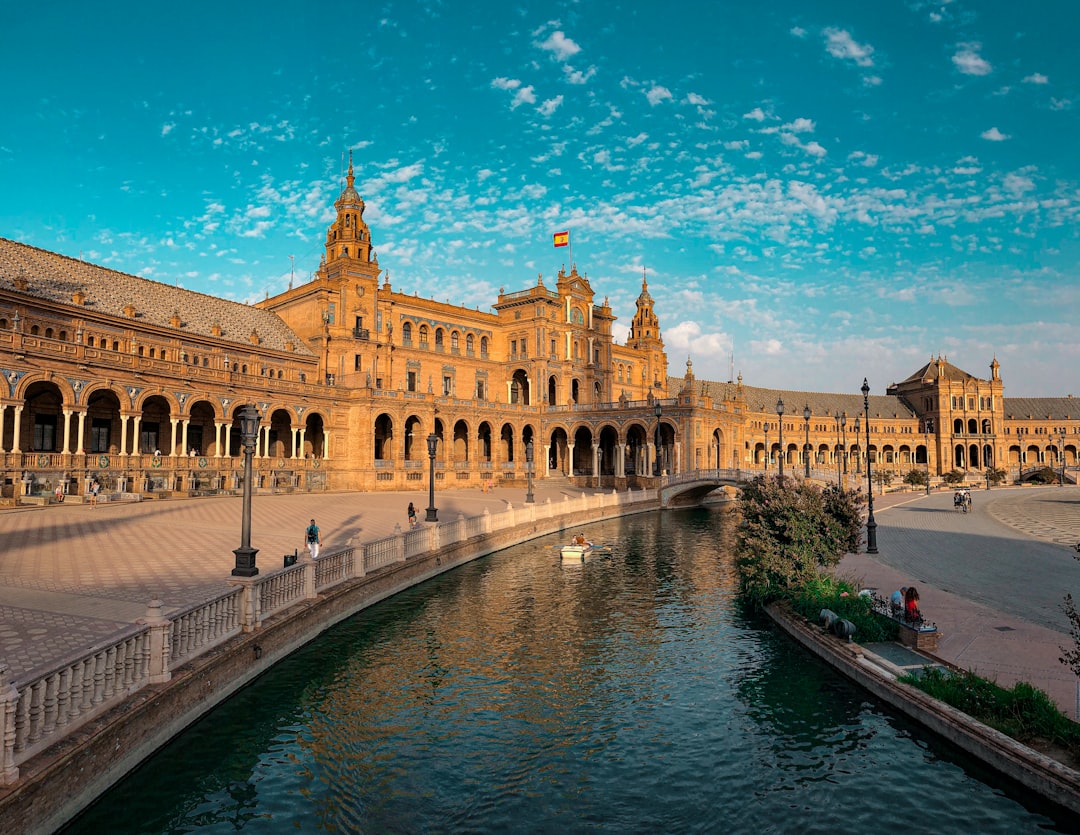
Any serious engagement with Seville begins not with a single monument but with understanding how the city is spatially organised — which is to say, how its green spaces function as connective tissue between the dense historic fabric. The parks and gardens of Seville are not decorative afterthoughts. The Parque de María Luisa, laid out for the 1929 Ibero-American Exposition, contains within its 34 hectares a working archive of Andalusian horticultural ambition: azulejos-lined fountains, stands of orange trees planted in rows so precise they feel architectural, and benches where you can sit for an hour without anyone trying to sell you anything. For 2026 visitors, the practical reality is that the city's most popular sites now operate on timed-entry systems. Planning ahead — specifically, booking the Alcázar and the cathedral weeks in advance — is not optional. It is the difference between entering and standing outside reading a sign.
Il consiglio del team
The gardens of the Alcázar open earlier than the palace itself. Arriving at opening time means you walk through the Moorish water gardens in near-solitude before the tour groups arrive at nine.
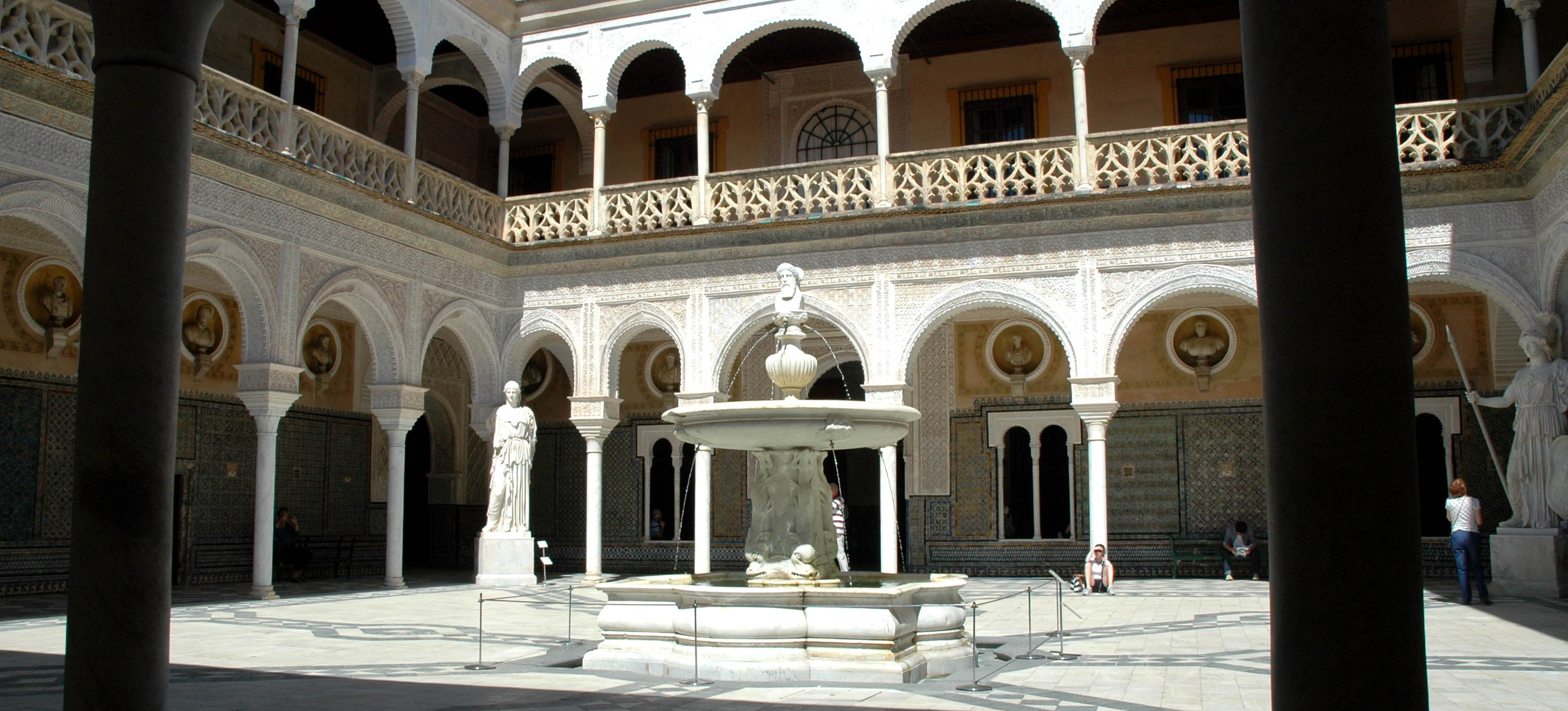
The Casa de Pilatos occupies a peculiar position in Seville's architectural hierarchy: less famous than the Alcázar, which means the queues are shorter, but arguably more interesting, because it has not been as thoroughly curated into palatability. Built in the early sixteenth century as the seat of the Medinaceli family, the building fuses Mudéjar tilework, Renaissance stonework, and Gothic vaulting in a combination that should feel incoherent and somehow does not. The ground floor is open to the public; the upper floors, still used by the Medinaceli family, require a separate guided ticket and are worth the additional cost for the faded tapestries and the sense of a building that has not been entirely surrendered to tourism. The central courtyard — azulejos rising to head height, a marble fountain, a Roman statue that arrived here from Italy in the sixteenth century — is the kind of space that takes a few minutes to read properly.
Il consiglio del team
The upper-floor guided tour runs at specific times and sells out. Check the schedule before you arrive rather than discovering this at the ticket desk.
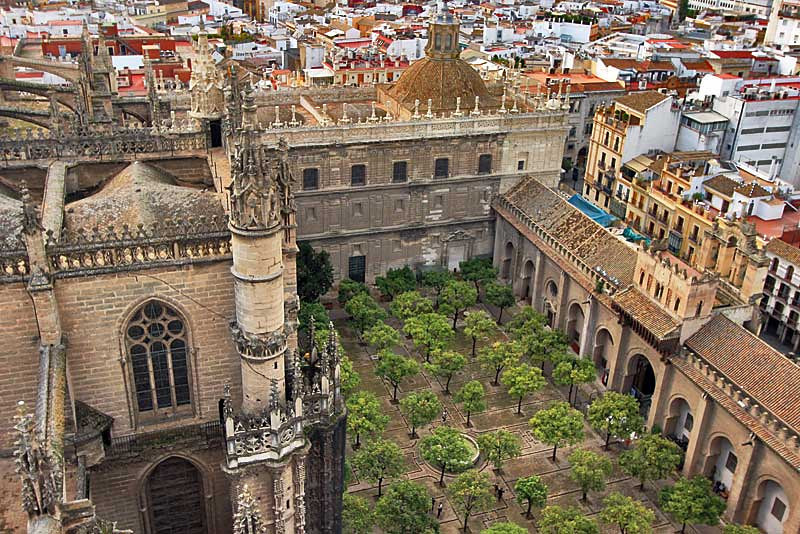
The Cathedral of Sevilla is one of the largest churches in the world by floor area — a fact the city is not shy about advertising — and the scale, when you are inside it, is genuinely difficult to process. The nave is so wide and so tall that the proportions stop reading as a building and start reading as a kind of indoor landscape. Columbus is buried here, or his remains are, though the question of which Columbus is a longer conversation involving Havana and contested exhumations. The Giralda, the former minaret converted into a bell tower after the Reconquista, is climbed via a series of ramps rather than stairs — designed so that the muezzin could ride a horse to the top — and the view from the top is the best elevated view of the city, which is saying something in a city with several good elevated views. The disappointment, if there is one, is that the interior is dark in ways that can feel oppressive rather than atmospheric, and the crowds in high season are substantial enough to make contemplation difficult.
Il consiglio del team
The cathedral is free to enter on Monday evenings for a limited window. The light at that hour, coming through the western windows, is different from anything you get during the day.
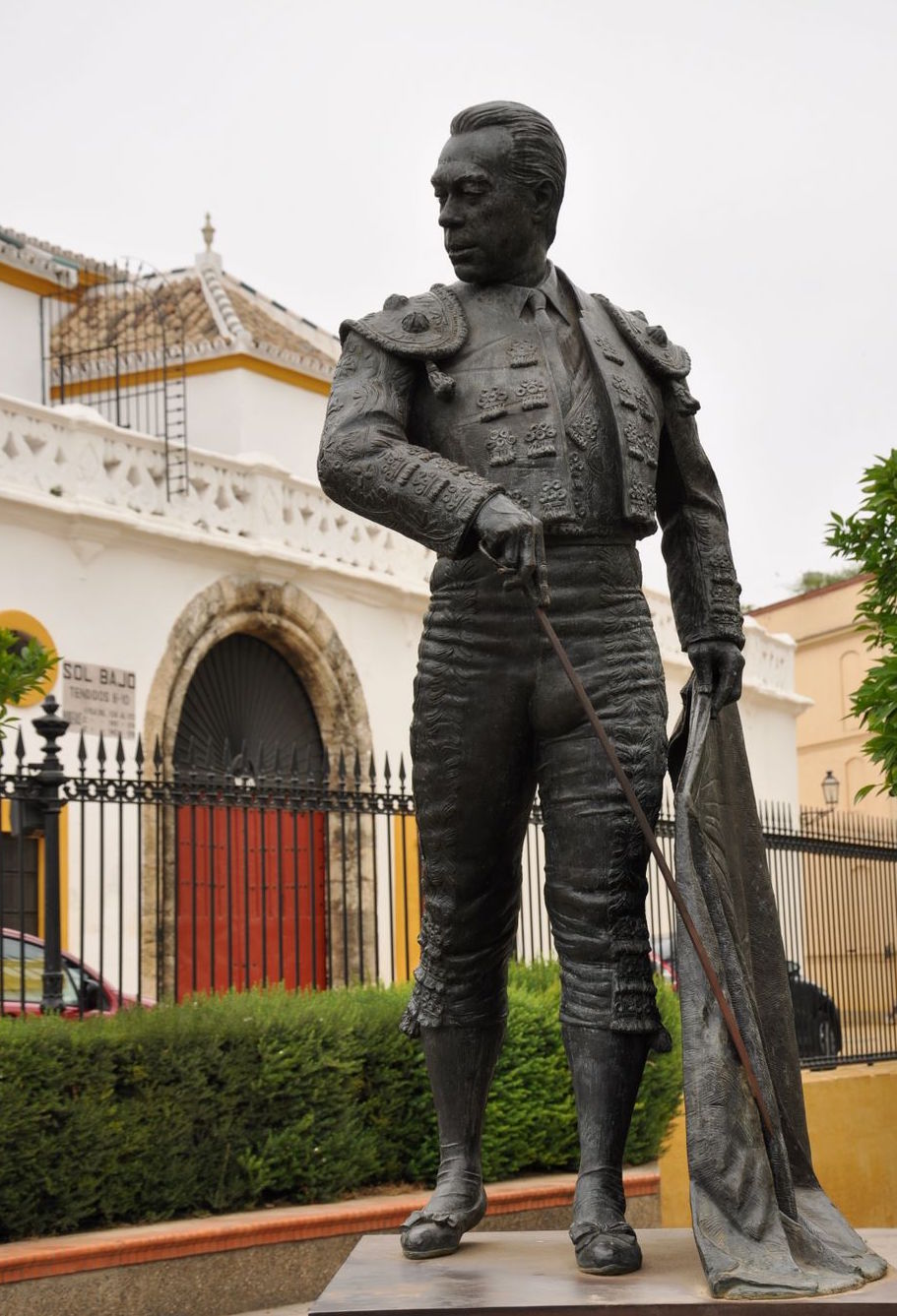
The bullring of Seville, the Plaza de Toros de la Maestranza, was built across the eighteenth century and is among the oldest and most architecturally distinguished arenas in Spain. Whether you attend a corrida or not — and this is a question that reasonable people answer differently, and that I will not answer for you here — the building itself repays a visit. The museum inside documents the history of bullfighting in Seville with a seriousness that neither apologises for the tradition nor romanticises it excessively. The ring is painted in the Sevillano colours of ochre and white, and the proportions of the arena, seen from the sand, are genuinely affecting in a way that has nothing to do with what happens there. The Barrio del Arenal district surrounding it is one of the better neighbourhoods for tapas in the early evening, which means you can combine a museum visit with a walk that ends, as walks in Seville should, at a bar.
Il consiglio del team
The guided tours of the ring include access to the chapel where bullfighters pray before entering the arena — a small, intensely decorated room that tells you more about the culture than any exhibit.
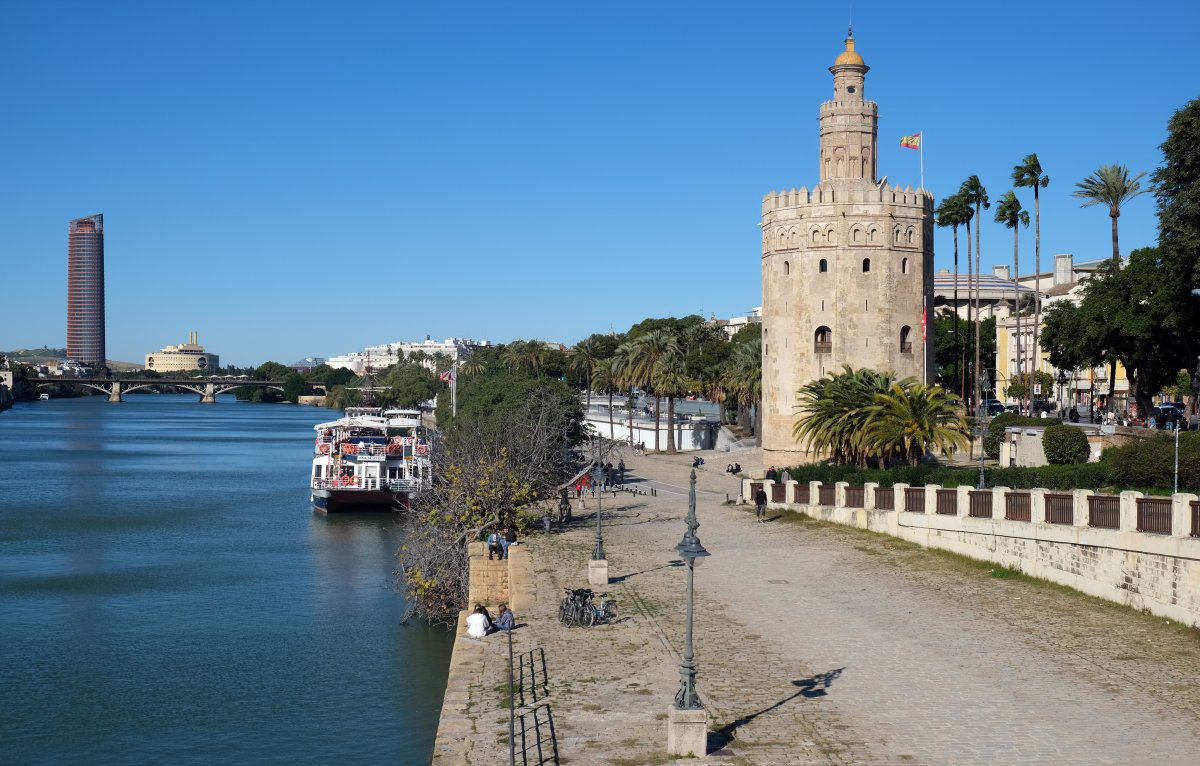
The Torre del Oro — the Tower of Gold — was built by the Almohad dynasty in the early thirteenth century as part of the city's defensive wall along the Guadalquivir. The name refers either to the golden tiles that once covered it or to the gold that arrived here from the Americas during Seville's period as the monopoly port for New World trade, depending on which account you prefer. The tower now houses a small naval museum that is worth the modest entry fee mainly for the view from the roof. But the more interesting argument for spending time here is the riverbank itself. The Paseo de Cristóbal Colón, which runs alongside the Guadalquivir, is where Seville's gastronomic culture becomes genuinely ambient: the chiringuitos in summer, the tapas bars that spill onto the pavement, the specific late-afternoon light on the water that painters have been attempting to capture since at least the seventeenth century.
Il consiglio del team
Cross the river to Triana via the Puente de Isabel II and eat your first meal on that side rather than in the historic centre. The prices drop and the menus become more local almost immediately.
Seville is a city that makes you feel, periodically, that you are experiencing it correctly — that the evening light on the Guadalquivir, or the silence of an empty church at midday, or the specific weight of a glass of fino in a bar where no one is performing anything, constitutes some kind of arrival. This feeling is not entirely to be trusted. The city is also a place that has been performing itself for centuries, that understands its own theatricality with considerable sophistication, and that has absorbed wave after wave of visitors without losing the thread of its own life. The locals eat late, argue about football and politics and the relative merits of different Virgin icons, and largely coexist with the tourism economy the way people coexist with weather — adapting, occasionally complaining, not especially interested in your opinion of it.
What stays with me, after repeated visits and one extended stay, is not the monuments, which are as magnificent as advertised, but the texture of the ordinary: the sound of a bar at two in the afternoon, the smell of the orange trees in November, the way the city contracts in August and expands again in October. Seville rewards return visits more than most cities. The first time you see it, you see the postcard. The second time, you begin to see the city.
★ Guida tascabile
Porta questa guida con te.
Salvala offline, ottieni le indicazioni a piedi e scopri migliaia di luoghi come questi.
October and November are the months that consistently disappoint the least. The heat has broken — summer temperatures regularly exceed 40°C, which is not romantic, it is simply hot — the main festivals are over, and the city returns to something resembling its normal rhythm. March and April are excellent if you want to witness Semana Santa or the Feria de Abril, but accommodation prices spike sharply and the city is crowded in ways that require patience. Avoid July and August unless you have a specific reason to be there and a very good air conditioning unit.
How many days do you actually need in Seville?
Three days is enough to see the major monuments and eat well. Four or five days is enough to begin understanding the city. A week allows you to slow down sufficiently to notice what is actually happening around you. Most people allocate two days, which produces the experience of having seen Seville without having been there. If you are combining it with Granada and Córdoba — the standard Andalusian circuit — build in at least one day of doing nothing in each city.
Is Seville expensive compared to other Spanish cities?
Relative to Madrid and Barcelona, Seville remains noticeably cheaper for food and drink. A glass of wine or beer in a neighbourhood bar costs between one and two euros in most places; a full tapas meal for two with wine can be done well for under forty euros if you avoid the cathedral-adjacent establishments. Accommodation has risen significantly in recent years, particularly in the historic centre, and the short-term rental market has compressed supply for longer stays. Budget accordingly, and consider staying in Triana or the Alameda neighbourhood, where prices are lower and the experience is more local.
Do you need to book the main attractions in advance?
For the Real Alcázar, yes — book online as far in advance as possible, particularly between March and June and in September and October. The cathedral also operates a timed-entry system and sells out during peak periods. The Casa de Pilatos rarely requires advance booking except during Semana Santa week. The Metropol Parasol walkway can usually be accessed on the day. The general principle is: if it appears on every top-ten list, assume you need a reservation.
Is it safe to walk around Seville at night?
The historic centre and Triana are safe to walk at night by any reasonable standard. Petty theft — bag-snatching, pickpocketing in crowded areas near the cathedral and the Alcázar — is the primary concern, and it is worth being conscious of your surroundings in those specific zones during busy periods. The city is genuinely alive late into the evening; dinner before nine-thirty is considered eccentric, and bars in the Alfalfa and Alameda neighbourhoods are full past midnight on weekends. The general atmosphere is one of a city that uses its streets after dark, which makes it feel safer than cities that do not.
★ Leggila quando vuoi
Salvala sul tuo telefono.
Aggiungi questa guida ai preferiti, pianifica il viaggio offline, scopri luoghi come questi.