


New York is not, despite what its own mythology insists, a city that gives itself up easily. The famous things — the Empire State Building, Times Square, the High Line on a Saturday in July — are famous for reasons that have almost nothing to do with what makes the city worth knowing. They are the city's lobby. Most visitors never get past it. The lobby is loud, expensive, and full of people taking photographs of other people taking photographs.
What lies beyond it is harder to describe and harder to find, which is exactly the point. A financial museum in a building that once housed J.P. Morgan's bank. A park installation that lasted only sixteen days but changed how an entire generation looked at public space. The particular silence of a Manhattan side street at seven on a Tuesday morning, when the garbage has just been collected and the coffee shop hasn't yet opened and the city, briefly, belongs to no one.
This list is not comprehensive. It is not meant to be. Think of it as ten doors, each opening onto a different version of the same city. You won't love all of them. That's fine. New York doesn't need your approval.
Museum of American Finance: where capitalism keeps its receipts
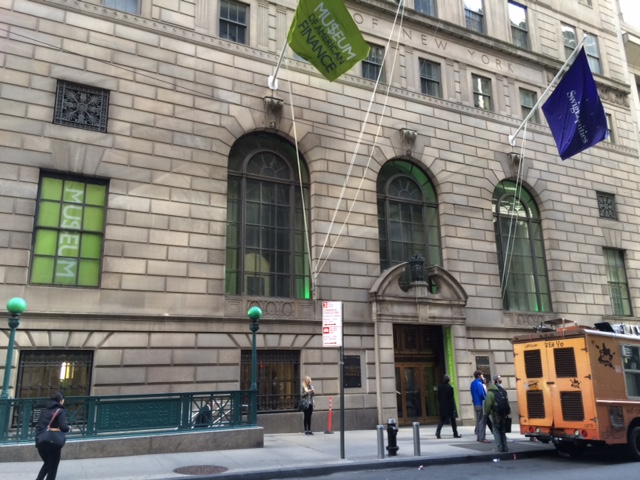
As the United States's only independent public museum dedicated to preserving, exhibiting, and teaching about American finance and financial history, it covers everything from the mechanics of the stock market to the paper trail of historical panics and crashes. The exhibits on the 1929 crash and the evolution of the dollar are particularly well-assembled. Crowds are thin — this is not a museum that draws queues around the block — which means you can actually read the wall text without someone's elbow in your ribs.
Il consiglio del team
Go on a weekday morning. The neighbourhood empties out after the opening bell, and you'll have the building's extraordinary interior largely to yourself. The gift shop sells antique stock certificates, which make better souvenirs than most things sold within a mile radius.
Secret World vs Google Trips: il miglior trip planner per New York — on the virtue of having a system
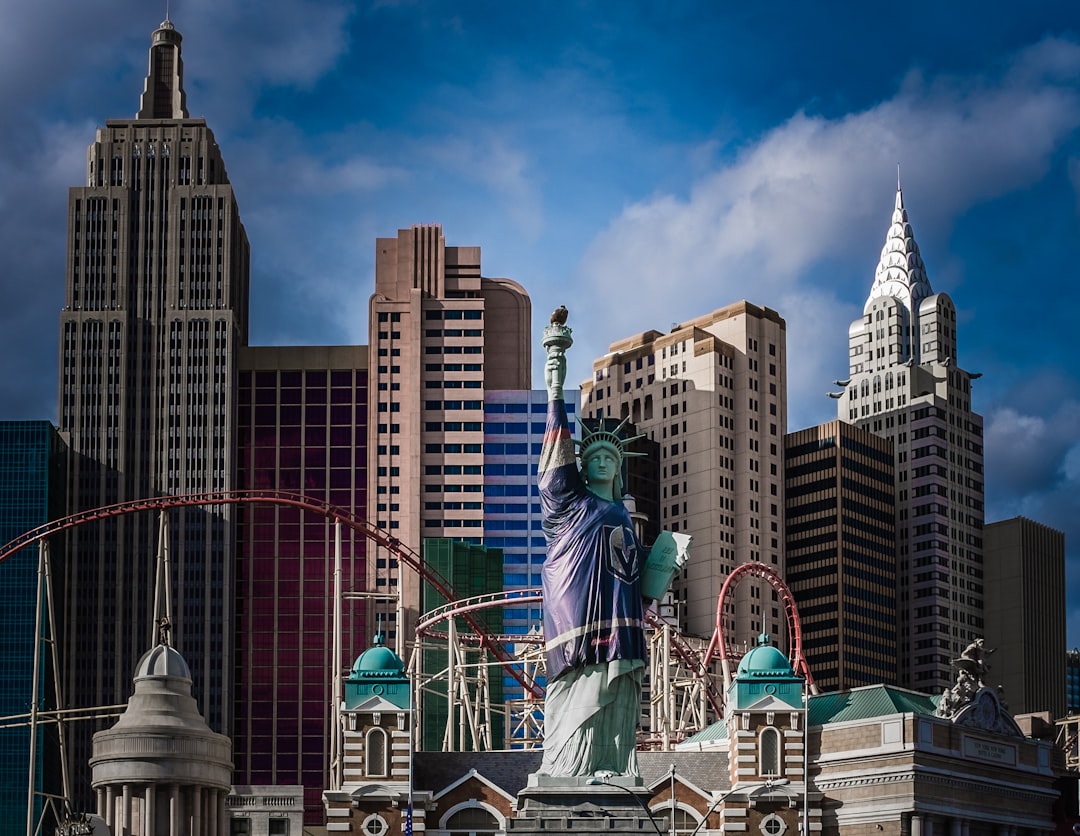
The answer, in my experience, is: more than you think, less than you fear. New York rewards the visitor who has done the basic cartographic homework — who knows that the West Village and the East Village are not adjacent, that Brooklyn is not a neighbourhood but a borough the size of a mid-sized European city, that 'downtown' means something different depending on who you ask. A good trip planner, whether digital or analogue, is not a cage. It's a skeleton. The flesh you add yourself.
Il consiglio del team
Build in at least two completely unscheduled half-days. The best things that have ever happened to me in New York happened because I took a wrong turn on the way to something else.
Cosa vedere New York 2026: Guida ai luoghi imperdibili — reading the city as a living document
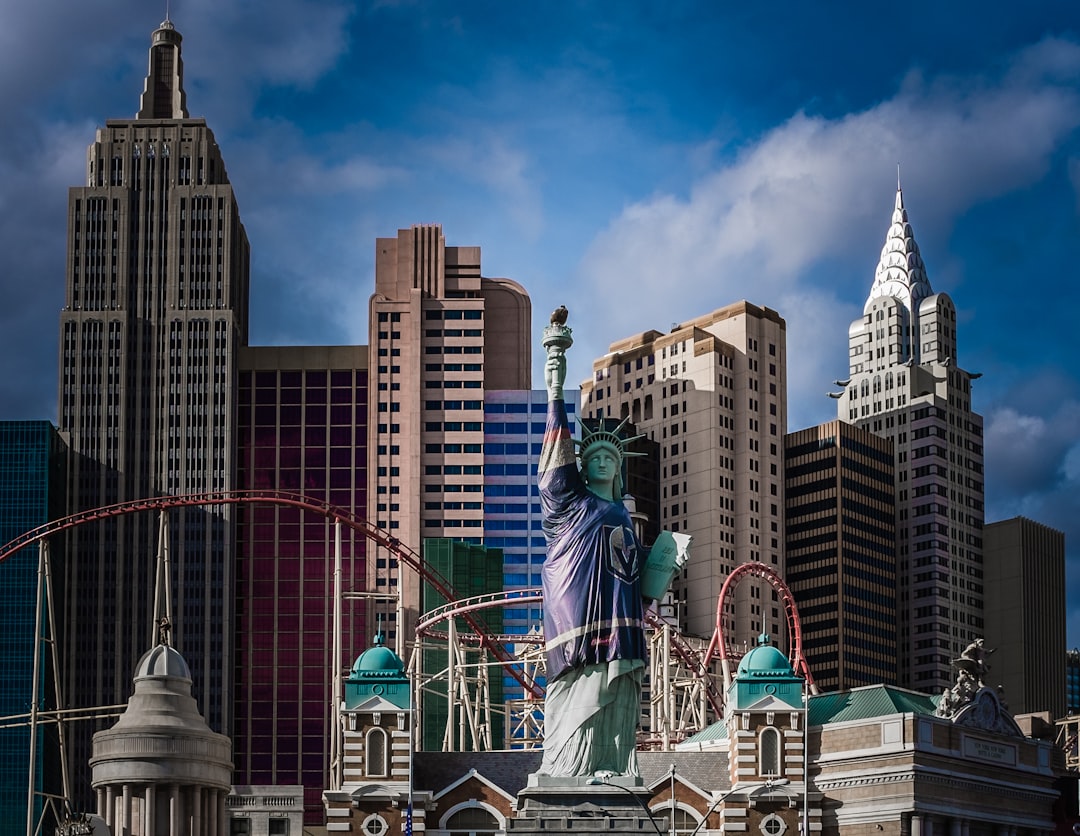
New York, la Grande Mela, è una delle città più iconiche al mondo — and precisely because it is iconic, it is also constantly in danger of becoming a simulacrum of itself. The 2026 version of the city is not the 1990 version, nor the 2001 version, nor the post-pandemic version of 2021. Each iteration has left sediment. The useful approach is to read a current guide not as a list of destinations but as evidence of what the city currently thinks is worth your attention — and then to interrogate that evidence.
Il consiglio del team
Cross-reference any 'current' guide with one from at least a decade earlier. The places that appear in both are usually worth visiting. The places that appear only in the recent one require more skepticism.
Secret World vs TripIt a New York: Quale è il Migliore? — the politics of itinerary
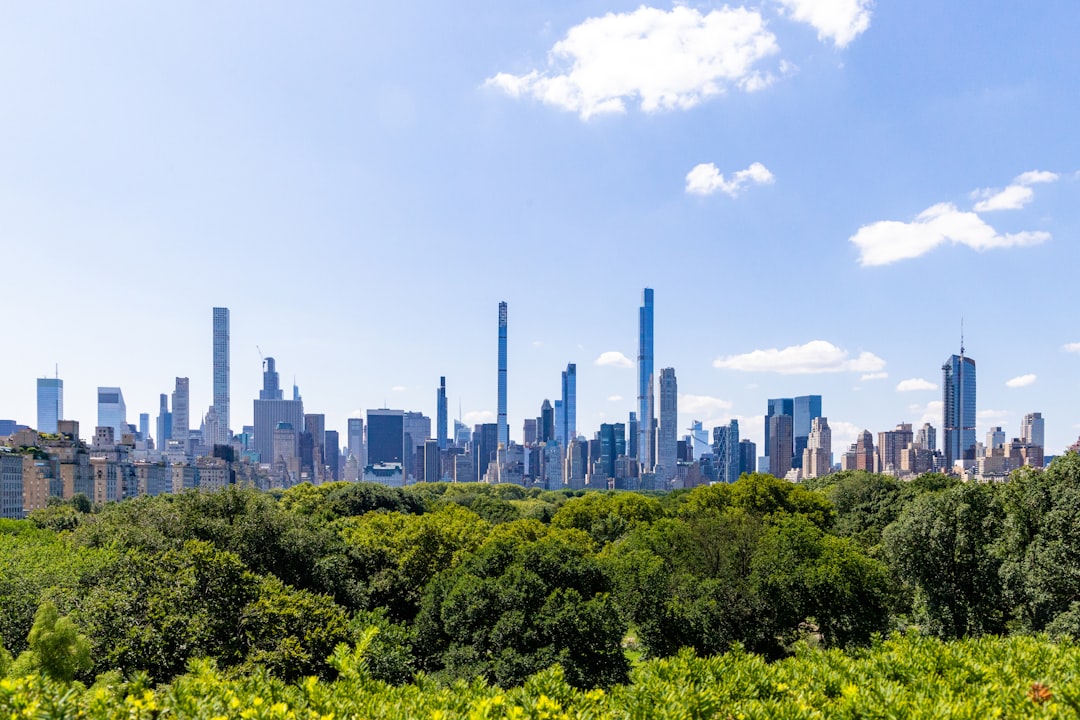
What neither tool can fully account for is the texture of the city at street level: the way a neighbourhood changes between 9am and 11pm, the fact that the best ramen in a given block might be in a basement with no signage, the reality that some of New York's most rewarding experiences involve doing nothing in particular in a specific place for longer than any algorithm would recommend.
Il consiglio del team
Whatever tool you use, build in buffer time around any attraction in Lower Manhattan or Midtown. The density of pedestrian traffic in those areas means that a ten-minute walk on a map can easily become twenty-five minutes on a Tuesday afternoon.
Trip Planner AI Recensione: Secret World a New York 2026 — on trusting machines with a city this size
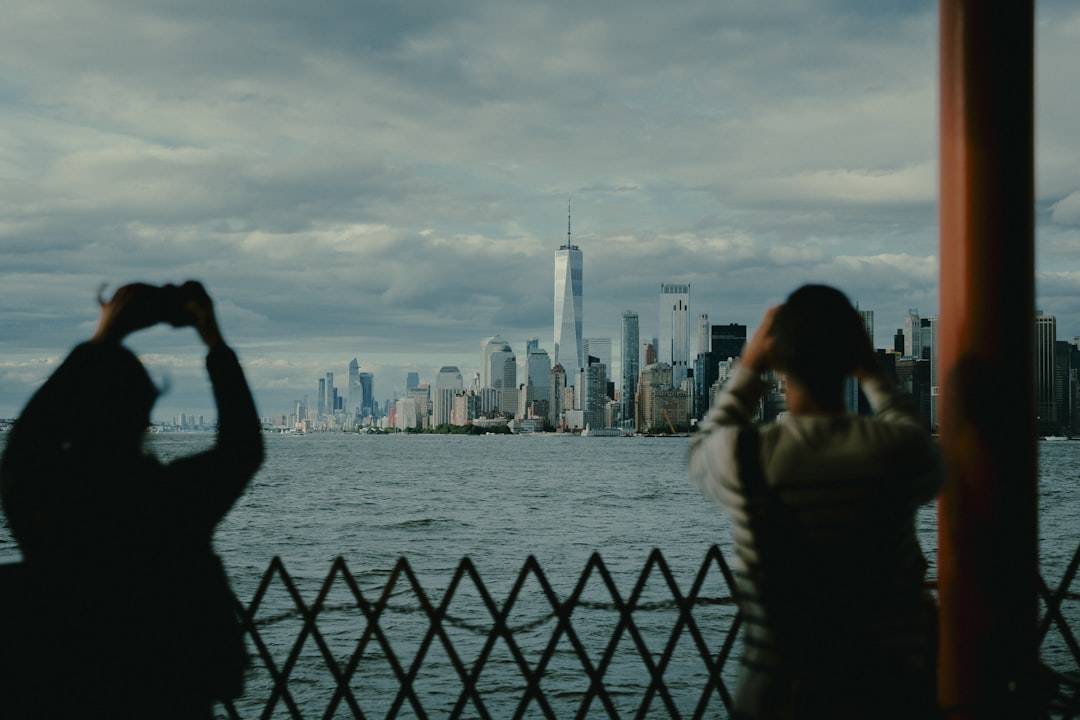
The value of any planning tool, AI or otherwise, is proportional to the quality of the questions you ask it. 'What should I do in New York?' produces a list. 'What should I do in New York if I have three hours, I'm in the Financial District, and I want to avoid anything with a gift shop at the exit?' produces something more useful.
Il consiglio del team
Use AI planners for logistics — transport links, opening hours, neighbourhood proximity — and use human sources (long-form journalism, personal essays, neighbourhood blogs) for the qualitative judgements. The two are not interchangeable.
I Gate di Christo e Jeanne-Claude a Central Park — an installation that lasted sixteen days and changed everything
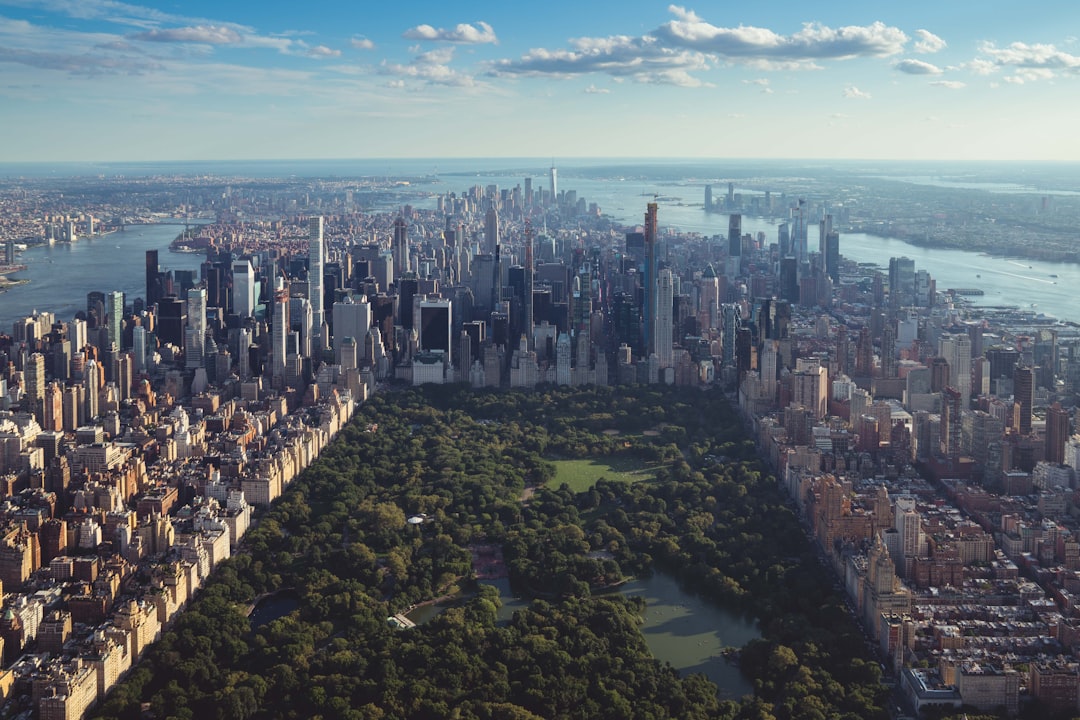
Central Park, il polmone verde di New York, è un luogo dove natura e arte si intrecciano — and 'The Gates' was the most concentrated expression of that intersection the park has ever hosted. What made it remarkable was not the scale, though the scale was considerable, but the way it changed the experience of a space that most New Yorkers believed they already knew completely. The park became unfamiliar. That is a harder trick to pull off than it sounds. The installation is gone, but the Vanderbilt Gate at Fifth Avenue and 105th Street — the park's formal entrance on that side — remains a useful anchor for understanding how Christo and Jeanne-Claude thought about threshold and passage.
Il consiglio del team
The documentary film that Christo and Jeanne-Claude made about the project is worth watching before you visit the park. It reframes the experience of walking through Central Park even now, twenty years later, because you begin to see the paths as the artists saw them — as lines through space, not just routes from A to B.
Scopri Vanderbilt Gate: L'Arte di Christo e Jeanne-Claude — an entrance worth examining on its own terms
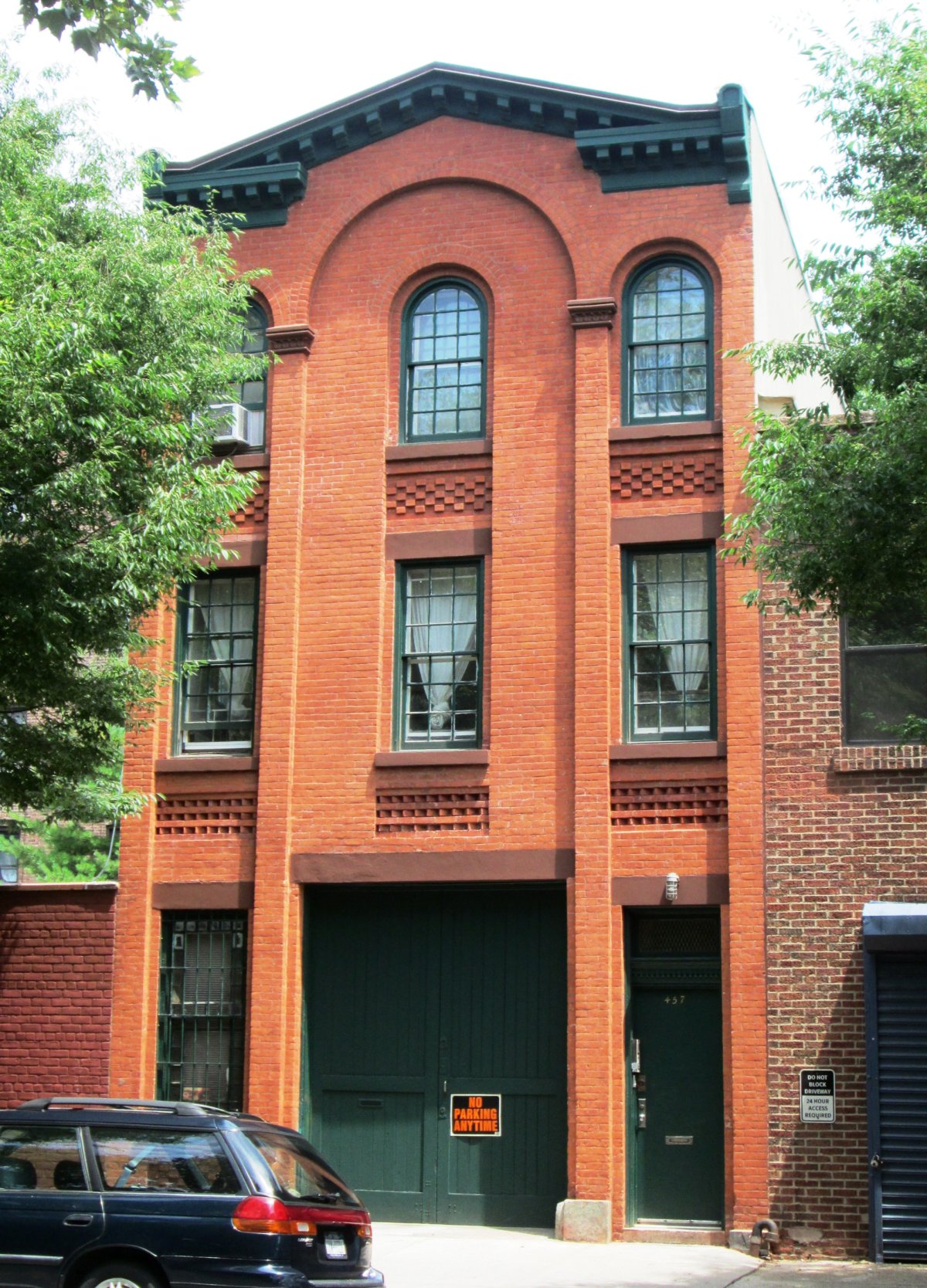
Nel cuore di New York, dove il frastuono della vita urbana incontra la serenità della natura — in the heart of the city, where urban noise meets natural quiet — the gate functions as a frame. Stand outside it and look in. Then stand inside and look out. The view changes in ways that Christo and Jeanne-Claude, who were deeply interested in the phenomenology of framing, would have appreciated. Most visitors to Central Park never reach this corner. That is their loss and, frankly, your advantage.
Il consiglio del team
The Conservatory Garden, which lies immediately inside the Vanderbilt Gate, is one of the few formally designed spaces in Central Park and is closed to cyclists. It is quieter than almost anywhere else in the park and worth at least forty-five minutes of unhurried walking.
Le Porte dell'Esonerato: Un'Opera d'Arte a New York — on impermanence as artistic strategy
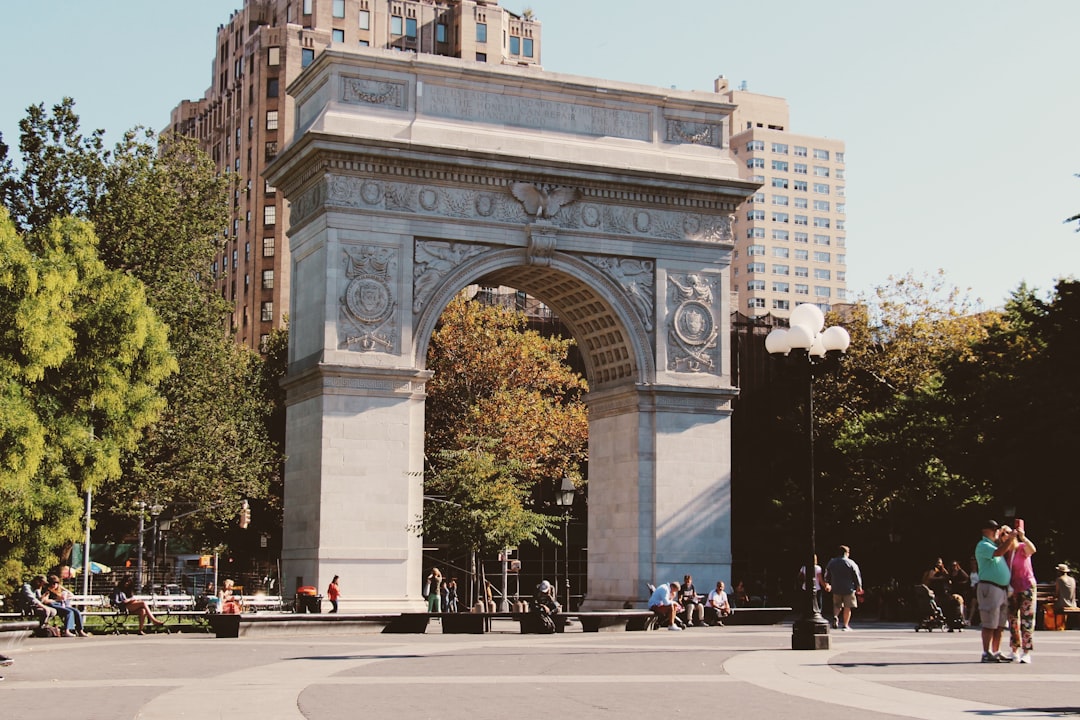
The argument is this: the experience of the work is the work. Documentation is secondary. This is a harder position to hold in an era when the primary purpose of visiting an artwork, for many people, is to photograph it. 'The Gates' resisted that reduction. The saffron panels moved in the wind. The light changed. The experience was durational and bodily in a way that a photograph could not capture. That is the lesson, and it applies to New York more broadly: some of the city's best experiences are the ones that don't survive the camera.
Il consiglio del team
If you want to understand the legacy of large-scale public art in New York, the Public Art Fund's website maintains an archive of every major installation they have commissioned in the city since the 1970s. It is a more useful history of New York's visual culture than most museum exhibitions.
The Financial District on foot, before 8am — the city in its least performed state

But the best time is before 8am, when the cleaning crews are finishing and the delivery trucks are unloading and the light comes down the canyon of Broadway at an angle that no afternoon photograph has ever captured honestly. Walk from Bowling Green north to Fulton Street. Look at the buildings rather than into them. The Financial District is, among other things, one of the great repositories of early twentieth-century commercial architecture in the world, and at that hour you can actually see it.
Il consiglio del team
The Cunard Building at 25 Broadway, now a post office, has an interior that most New Yorkers have never seen. The main hall, with its painted ceiling and baroque excess, was designed to process ocean liner passengers. It is open to the public during post office hours and is almost entirely unvisited.
There is a version of a New York trip that goes exactly as planned: the Empire State Building at sunset, the High Line on a clear afternoon, dinner in the West Village at a restaurant that was reviewed somewhere reputable. It is a perfectly reasonable trip. You will come home with good photographs and a mild sense that you have been somewhere significant.
There is another version in which something goes wrong — the subway is delayed, you end up in a neighbourhood you didn't intend to visit, you duck into a building to get out of the rain and find yourself in a lobby that turns out to be one of the most beautiful rooms in the city. That version is harder to plan for and harder to describe to other people, but it is the one that tends to produce the particular attachment to New York that afflicts so many people who visit it.
The city is not, finally, a collection of attractions. It is a set of conditions — density, speed, juxtaposition, the relentless proximity of very different kinds of human life — that occasionally produce moments of unexpected clarity. You can't schedule those moments. You can only put yourself in the city's way and pay attention.
The ten entries in this list are, in the end, just ten different ways of doing that. Take the ones that suit you and leave the rest. New York will not be offended. It has never needed your approval, and it is not about to start.
There is another version in which something goes wrong — the subway is delayed, you end up in a neighbourhood you didn't intend to visit, you duck into a building to get out of the rain and find yourself in a lobby that turns out to be one of the most beautiful rooms in the city. That version is harder to plan for and harder to describe to other people, but it is the one that tends to produce the particular attachment to New York that afflicts so many people who visit it.
The city is not, finally, a collection of attractions. It is a set of conditions — density, speed, juxtaposition, the relentless proximity of very different kinds of human life — that occasionally produce moments of unexpected clarity. You can't schedule those moments. You can only put yourself in the city's way and pay attention.
The ten entries in this list are, in the end, just ten different ways of doing that. Take the ones that suit you and leave the rest. New York will not be offended. It has never needed your approval, and it is not about to start.