


Munich is the third-largest city in Germany, but it doesn't behave like one. It has the self-possession of a capital — it was, after all, the seat of the Wittelsbach dynasty for centuries — combined with a provincialism it wears without embarrassment. People here are proud of their dialect, their white sausage etiquette (eat it before noon, never bite through the skin), and their conviction that Bavaria is a nation unto itself that merely tolerates its membership in the Federal Republic. This is not entirely wrong.
The obvious things are obvious for reasons. Marienplatz exists. The Englischer Garten exists. The Hofbräuhaus exists, though I'd argue its main function now is to teach you what Munich isn't. This list is an attempt to go slightly sideways — not to be contrarian, but because the city's more interesting self lives one street over from the famous one. I've made the rookie mistakes so you don't have to: I've queued for things that weren't worth it, skipped things I later regretted, and once spent forty minutes trying to find a church that turned out to be directly behind me. Consider this a corrective.
Marienplatz: the square that earns its reputation
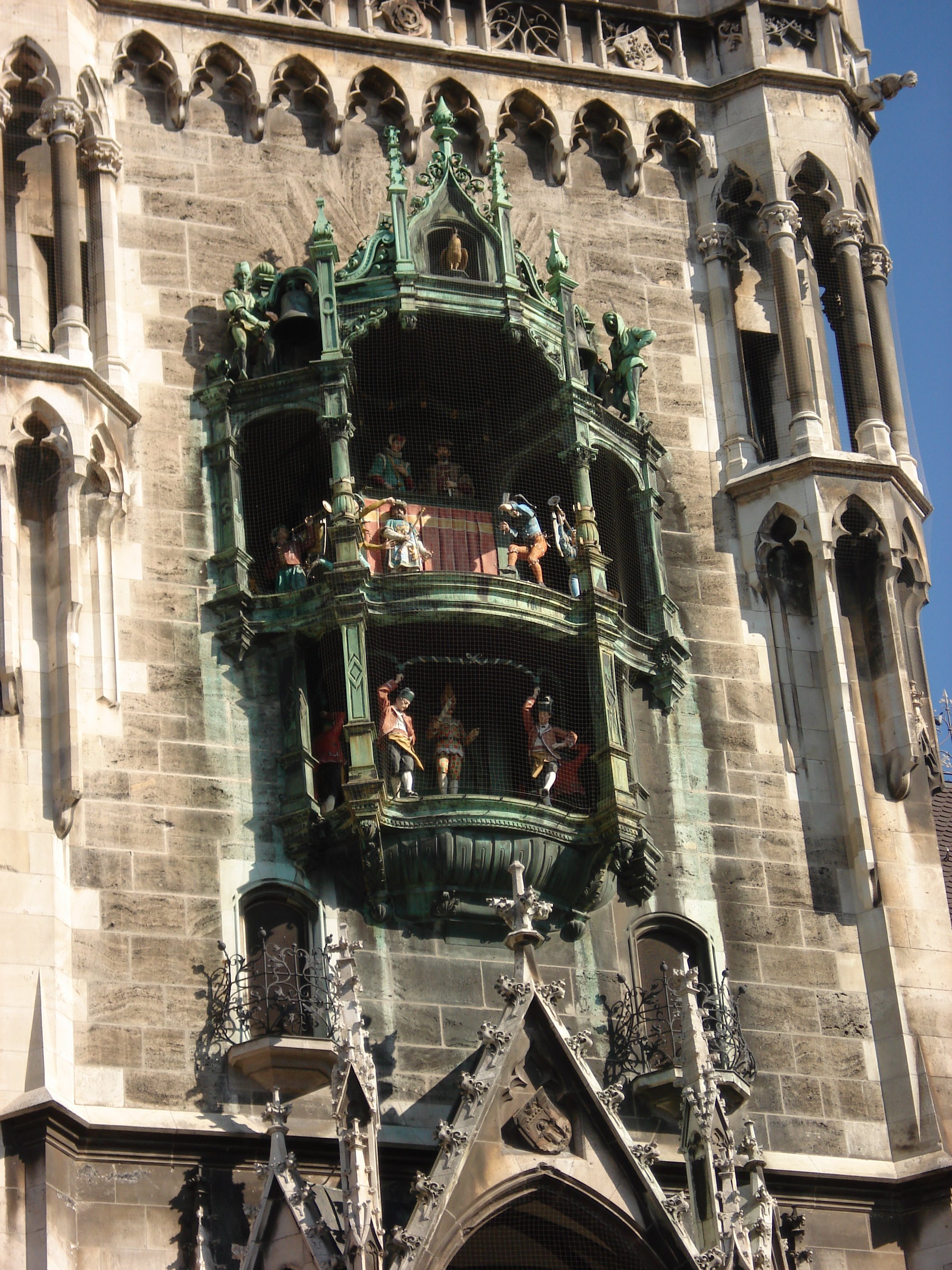
The better version involves arriving early — before 8am, when the square belongs to cyclists and delivery trucks — and standing at the Mariensäule, the gilded column erected in 1638 to mark the city's survival of the Thirty Years' War and the plague. The square has been Munich's civic centre since the medieval market days, and if you look past the Gothic Revival excess of the town hall (built in the 1860s, not the Middle Ages, which surprises people), you begin to read the layers. The fishmongers' fountain, the old town hall at the eastern end, the tram lines cutting through — it is a working square that has never stopped working.
Il consiglio del team
The Glockenspiel plays at 11am, noon, and 5pm. The 5pm performance draws the smallest crowd. Stand at the southeast corner for the best sightline without the selfie-stick thicket.
Scopri Marienplatz: il cuore pulsante di Monaco di Baviera — the square's second life
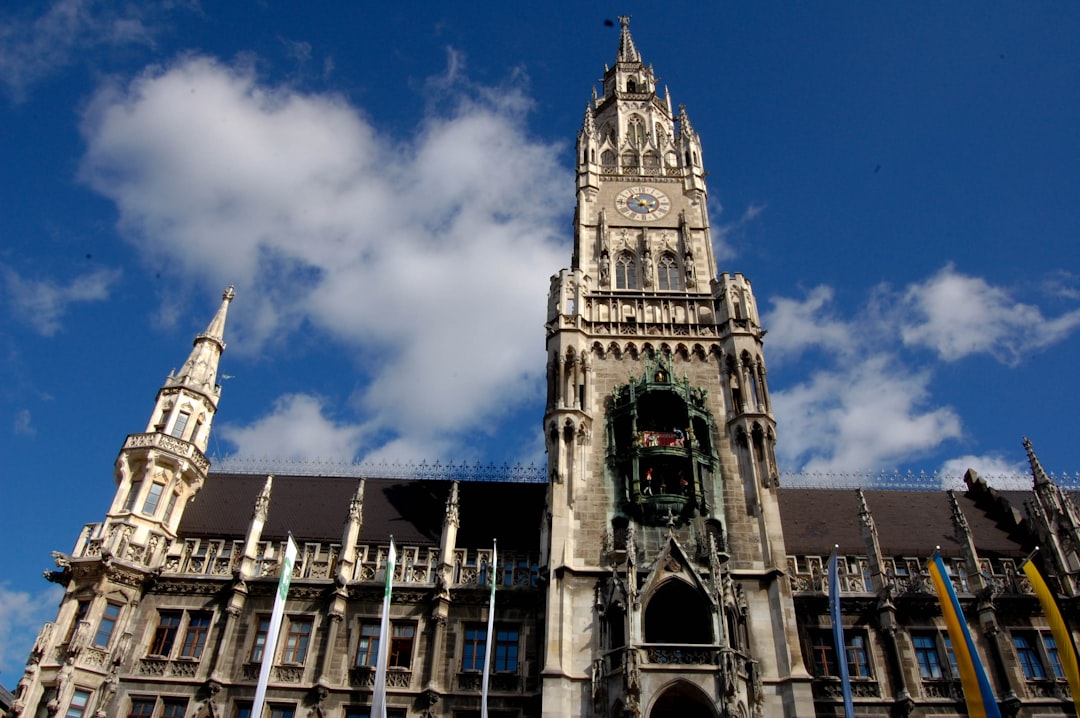
The square functions differently depending on the season. In December it becomes a Christmas market of considerable density, which is either charming or claustrophobic depending on your feelings about mulled wine and strangers' elbows. In summer it is a transit hub for the city's considerable tourist economy. The locals mostly use it as a meeting point — 'at the column' is still a valid instruction — and then move on to somewhere quieter. Follow their lead.
Il consiglio del team
The Viktualienmarkt, a ten-minute walk south, is where Munich's domestic life actually plays out. The flower stalls open before 7am; the cheese vendors know their product with the seriousness of sommeliers.
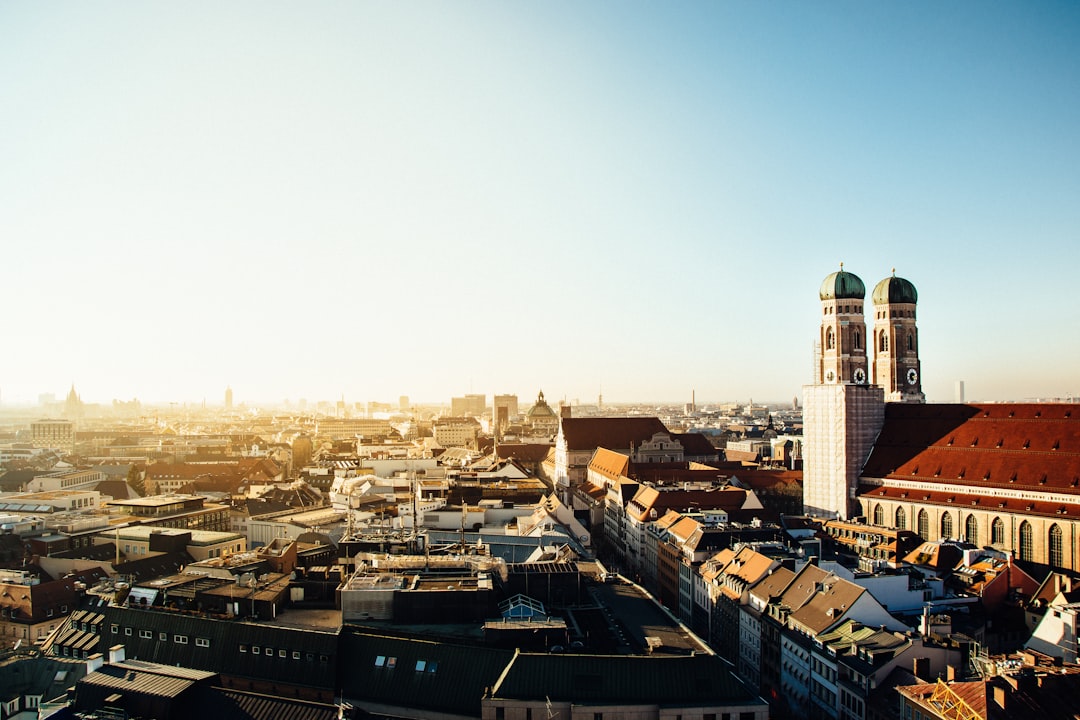
Frauenkirche: the city's skyline anchor, seen properly
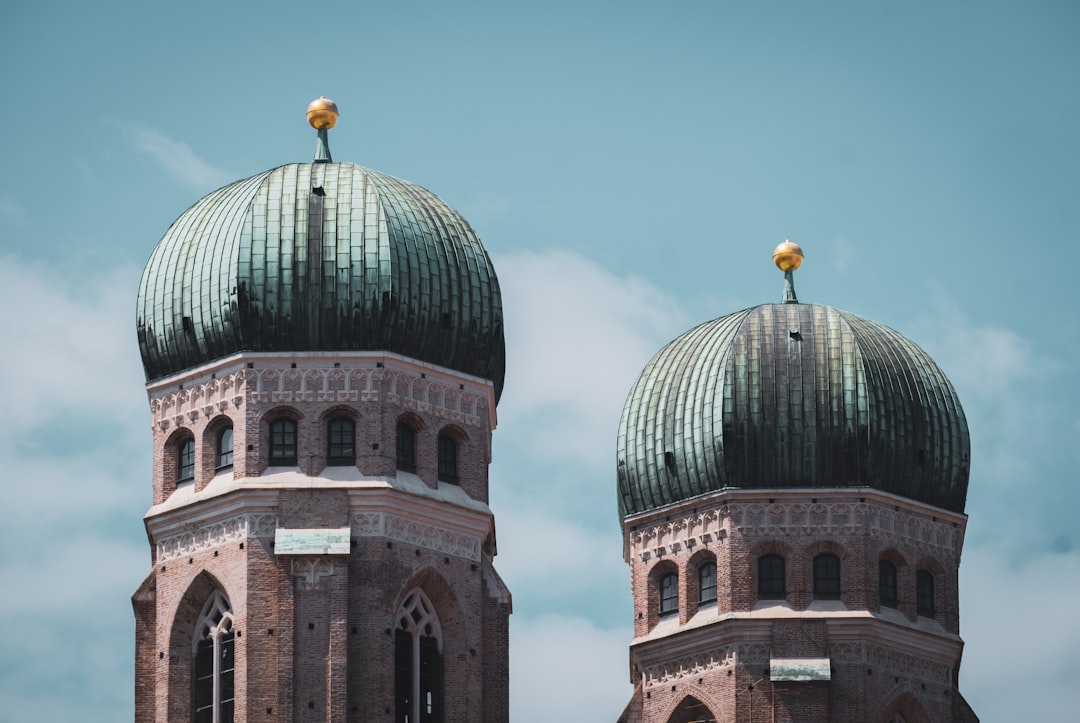
Inside, the nave is Gothic and relatively austere — less theatrical than you might expect from a Bavarian Catholic landmark. The famous Teufelstritt, the Devil's Footprint near the entrance, is a stone depression accompanied by a legend about a wager between Satan and the architect. The footprint is real; the legend is the kind of story cities tell about their oldest buildings. Worth knowing: the south tower offers views over the city, but check access before you visit — it has been intermittently closed for restoration work.
Il consiglio del team
The cathedral is an active parish church. Weekday morning Mass at 7am is attended almost entirely by Munich residents, and the building in that context feels entirely different from its tourist-hour self.
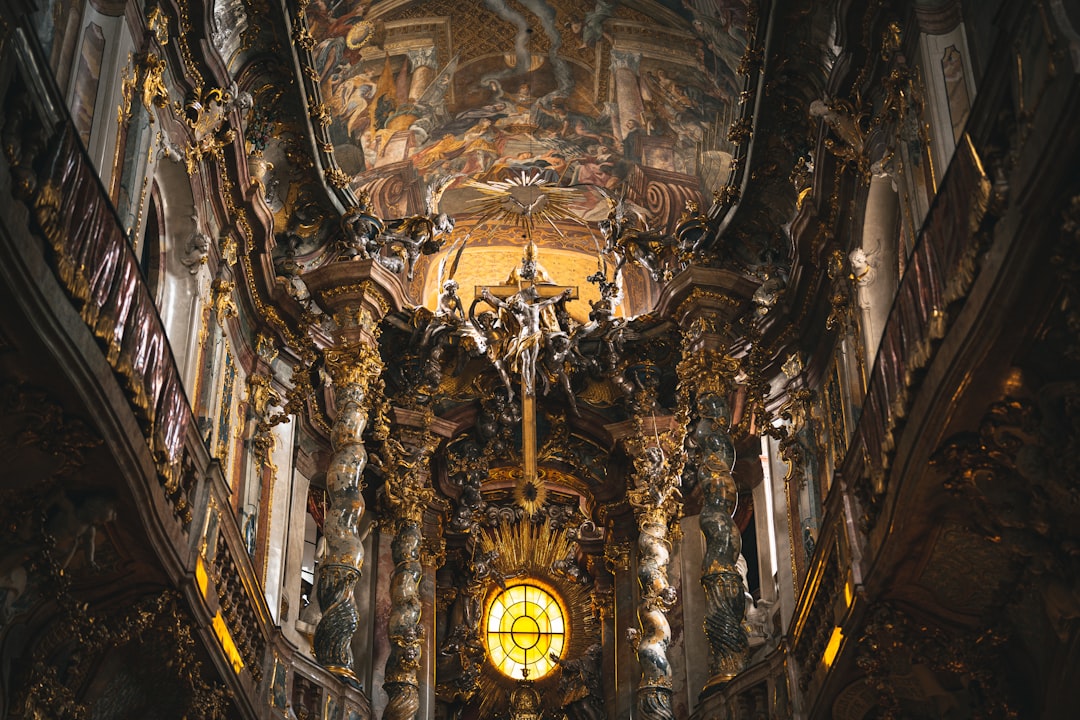
Asamkirche: baroque intensity on a narrow street
The interior is perhaps eight metres wide and operates at an almost hallucinatory pitch of gilded stucco, ceiling frescoes, and theatrical lighting effects. It is not a comfortable space; it is a space designed to overwhelm the senses in the service of devotion. Whether or not you share the theology, it is one of the most concentrated examples of Central European Baroque you will find anywhere, and it is free to enter. The queue, when there is one, moves quickly — the church is genuinely small.
Il consiglio del team
Visit on a weekday afternoon when tour groups are thinner. The church is only about 22 metres long; with twenty people inside it feels full. With five, it feels like a private audience.
Deutsches Museum: the world's largest science museum, used correctly
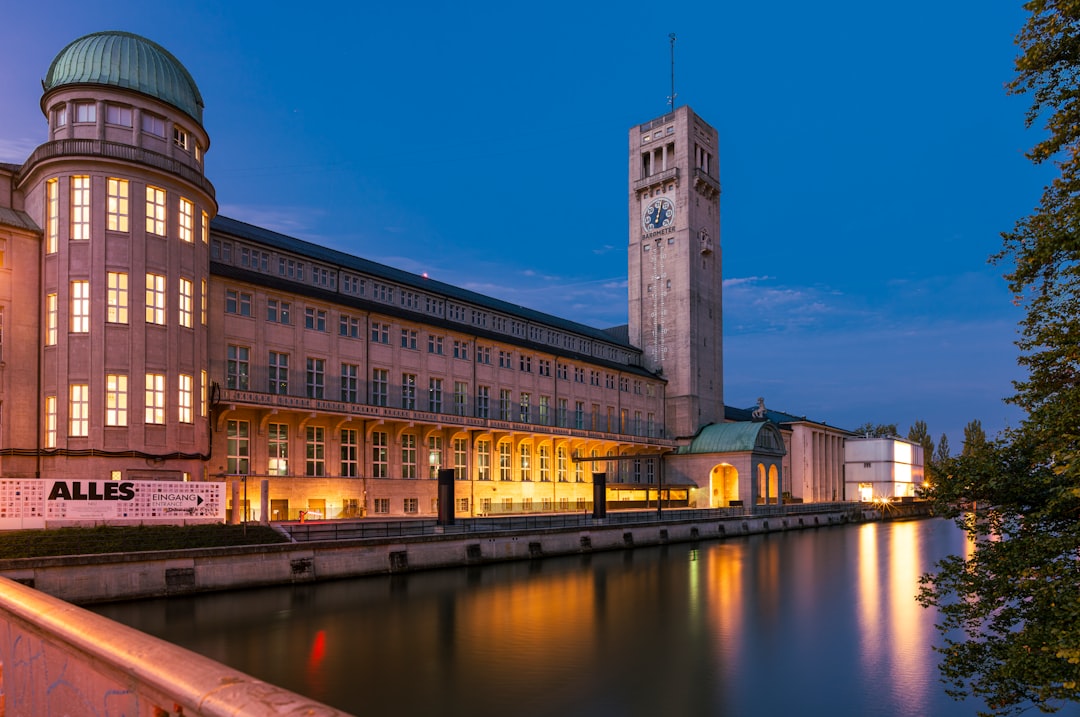
The mining section, which involves descending into a reconstructed mine shaft, is genuinely disorienting in the best way. The aeronautics hall contains aircraft suspended at angles that make the physics of flight feel newly strange. The musical instruments section is quiet and undervisited. What the museum does better than almost any comparable institution is show you the physical reality of how things work — gears, turbines, chemical processes — without condescension. It was founded in 1903 and still carries a certain early-twentieth-century faith in the idea that understanding the material world is inherently ennobling. That faith is not entirely misplaced.
Il consiglio del team
Parts of the museum have been under rolling renovation. Check the website before you go to confirm which sections are open — arriving to find the chemistry hall closed is a specific kind of disappointment.
Secret World Rezension 2026 in München: Ein Must-Have — the city's park culture, reconsidered
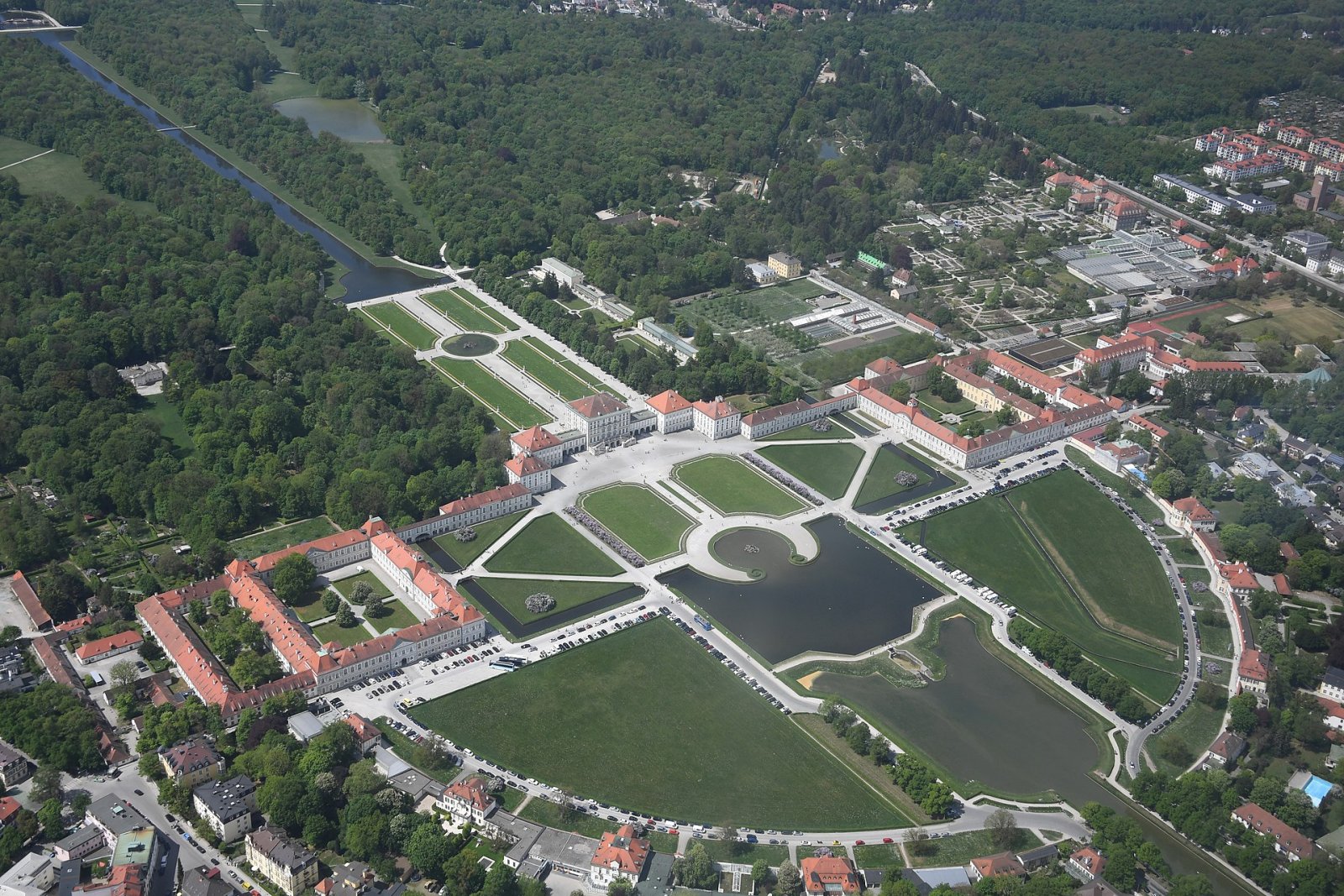
Munich's parks are not decorative. They are where the city's famously reserved population actually relaxes, which makes them the best place to observe what Munich is like when it isn't performing itself for visitors. The beer gardens within the parks — the Chinesischer Turm in the Englischer Garten, the Seehaus at the artificial lake — operate on a bring-your-own-food principle that is one of the city's more civilised traditions.
Il consiglio del team
The Eisbach surfers are at the bridge on Prinzregentenstrasse, year-round, in all weather. They are not performing for tourists; they are simply surfing. The distinction matters and is visible on their faces.
The Viktualienmarkt school of Bavarian eating
What makes the Viktualienmarkt worth your time is not any single stall but the cumulative evidence of a city that still takes its food supply seriously at the retail level. The vendors are specialists who have often been in the same location for decades. The olive oil seller will tell you more about provenance than you asked for, which is the correct amount. Prices are not low. The quality justifies them.
Il consiglio del team
The market is closed on Sundays. On Saturday mornings it is at its most crowded and most alive. Arrive before 10am if you want to buy rather than navigate.
Munich resists the kind of travel writing that resolves neatly into a verdict. It is not a city that gives itself away in a weekend, and it is not a city that particularly wants to. There is a Bavarian word, gemütlich, that gets translated as 'cosy' or 'convivial' but actually describes something more specific: a quality of ease in company, a deliberate slowing of pace, a refusal to be hurried. The city embodies this in ways that can read as coldness to visitors expecting the performative warmth of, say, a Mediterranean capital.
What I've come to understand, after enough time here to know which bakery opens earliest and which tram line to avoid on match days, is that Munich's pleasures are almost entirely proportional to the attention you bring to them. The Asamkirche rewards a second visit. The Viktualienmarkt rewards a conversation with the person selling you cheese. The Isar rewards sitting still long enough to stop thinking about what you're supposed to be doing next.
The city will not chase you. It has been here since at least 1158, when it first appears in the historical record, and it has a reasonable expectation of still being here after you've left. That confidence — unhurried, slightly self-satisfied, occasionally maddening — is, in the end, what makes it worth returning to.
What I've come to understand, after enough time here to know which bakery opens earliest and which tram line to avoid on match days, is that Munich's pleasures are almost entirely proportional to the attention you bring to them. The Asamkirche rewards a second visit. The Viktualienmarkt rewards a conversation with the person selling you cheese. The Isar rewards sitting still long enough to stop thinking about what you're supposed to be doing next.
The city will not chase you. It has been here since at least 1158, when it first appears in the historical record, and it has a reasonable expectation of still being here after you've left. That confidence — unhurried, slightly self-satisfied, occasionally maddening — is, in the end, what makes it worth returning to.