


The first time I visited, I did everything wrong. I queued for the Prado on a Saturday morning in August, ate paella in a restaurant on a tourist street near the Plaza Mayor (a mistake I won't detail here), and spent two hours in the Rastro flea market having my pocket nearly picked. I came away thinking Madrid was fine. Competent. A city that worked.
It took several more visits, and eventually a long stay in the Lavapiés neighbourhood, to understand what the city was actually offering. The pleasures are not obvious. They require a degree of patience and a willingness to slow down — to sit in a bar at noon on a Tuesday and watch the city go about its business, to follow a street into a courtyard you didn't expect, to eat things that look unimpressive and taste like someone's grandmother is standing behind the stove.
What follows is not a list of the best-known sights, though some of those appear here in reframed contexts. It is an attempt to describe what Madrid rewards, once you stop trying to conquer it.
Kilometro Zero, a stone that marks the center of Spain

The plaque itself is modest to the point of self-effacement, which is either appropriate or ironic depending on your mood. The Puerta del Sol around it is chaotic, noisy, and regularly full of people selling selfie sticks. But the stone is worth a moment of deliberate attention — not for ceremony, but because it reframes the city. Everything in Spain is measured from here. That is not a small thing.
Il consiglio del team
Come at around 8am, before the square fills up. The light is better and you can actually stand on the marker without negotiating around a tour group.
Catedral de Santa María la Real de la Almudena
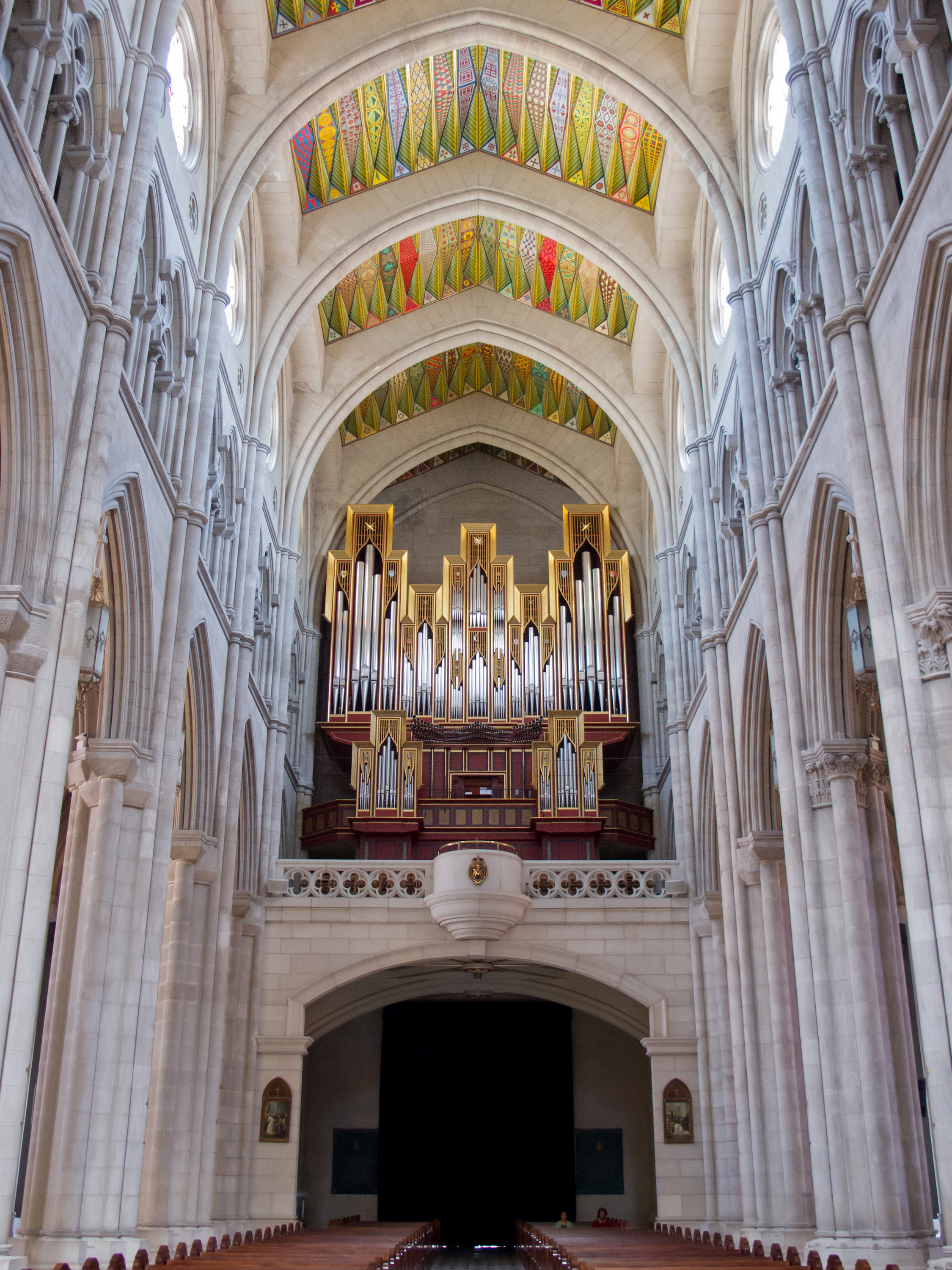
Inside, the cathedral is a strange mixture of architectural registers — neo-Gothic bones, neo-Romanesque crypt, a nave that feels simultaneously cavernous and incomplete. It is not a building that overwhelms with beauty. What it offers instead is a kind of honest awkwardness, and a crypt museum that traces the long, complicated history of a diocese that didn't have a cathedral for most of its existence.
Il consiglio del team
The crypt, entered from outside on the south side, is often empty even when the main cathedral has visitors. It contains some genuinely old stonework and is considerably cooler in summer.
Palacio del Príncipe de Anglona Garden — a hidden jewel in Madrid

What makes it worth the slight effort of finding it is the silence. This is a neighbourhood that can be extremely loud on weekend nights, and the contrast between the street and the garden is abrupt and disorienting in the best way. The garden is free to enter during opening hours, which are irregular enough that checking in advance is advisable.
Il consiglio del team
The garden is attached to a functioning palacio that is not open to the public, but the exterior courtyard gives a sense of how aristocratic Madrid organised its private space.
Amazing city of Madrid: the art museums, approached honestly

What Madrid actually rewards is the full triangle: Prado, Reina Sofía, and the Thyssen-Bornemisza, visited across separate days with no attempt at comprehensiveness. The Reina Sofía, which houses Picasso's Guernica and an extensive collection of twentieth-century Spanish art, is often less crowded than the Prado and contains rooms that are genuinely undervisited. The Thyssen, privately assembled and therefore idiosyncratic, fills in the centuries the other two skip.
Il consiglio del team
The Reina Sofía is free on Monday afternoons and Saturday evenings. Guernica is in room 206 on the second floor of the Sabatini building — go there first, before your feet give out.
Madrid: Juan de la Cosa Map
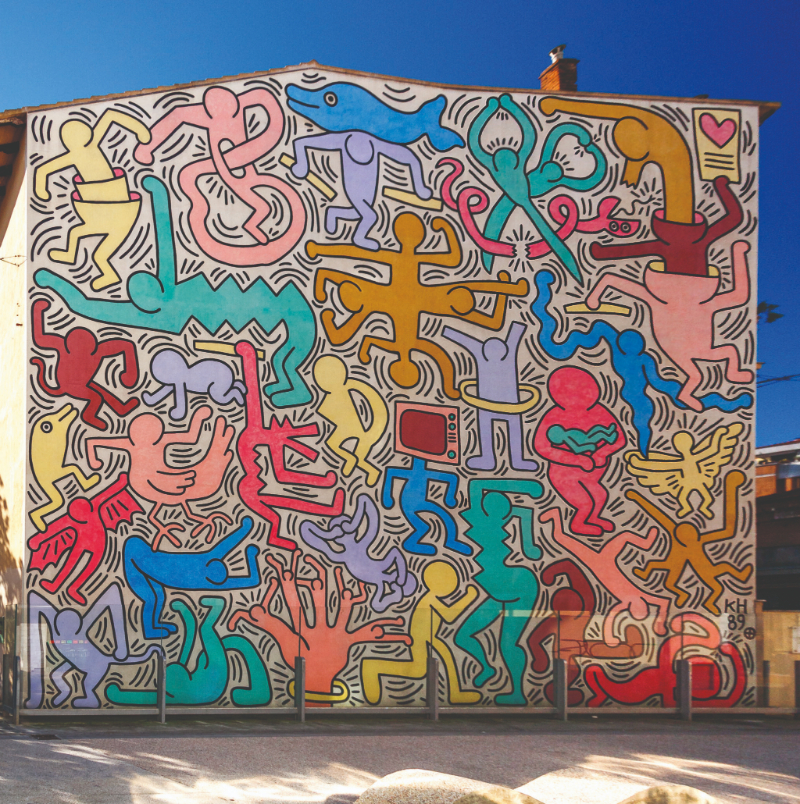
The Museo Naval itself is free and almost entirely unvisited by tourists, which is a minor scandal. The map is preserved under controlled conditions and displayed with relatively little interpretive context, which forces you to do your own thinking. The experience of standing in front of it — a document that shows a continent still being named — is quietly vertiginous in a way that no amount of descriptive text can prepare you for.
Il consiglio del team
The museum is closed on Mondays. Arrive when it opens to have the map room largely to yourself; by midday there are sometimes school groups.
Puerta de Alcalá
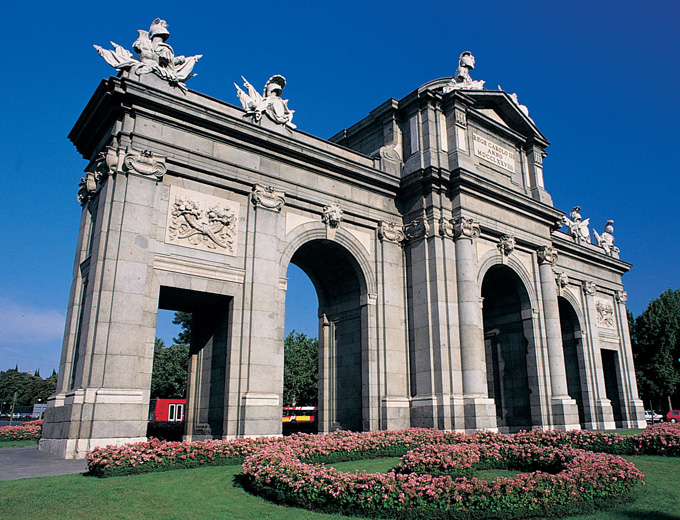
This orphaned quality is part of what makes it interesting. The Puerta de Alcalá is a threshold without a boundary, a declaration without a sentence. It has become a symbol of Madrid in the way that objects sometimes do when they outlive their function — not despite their redundancy but because of it. The surrounding plaza is a reasonable place to sit in the evening, when the light comes from the west and the stone takes on a particular warmth.
Il consiglio del team
The gate is more photogenic from the Retiro Park side, approached through the park's main entrance on the Calle de Alfonso XII. You avoid the traffic noise and get a cleaner sightline.
Madrid's Palacio de Cristal (Crystal Palace)
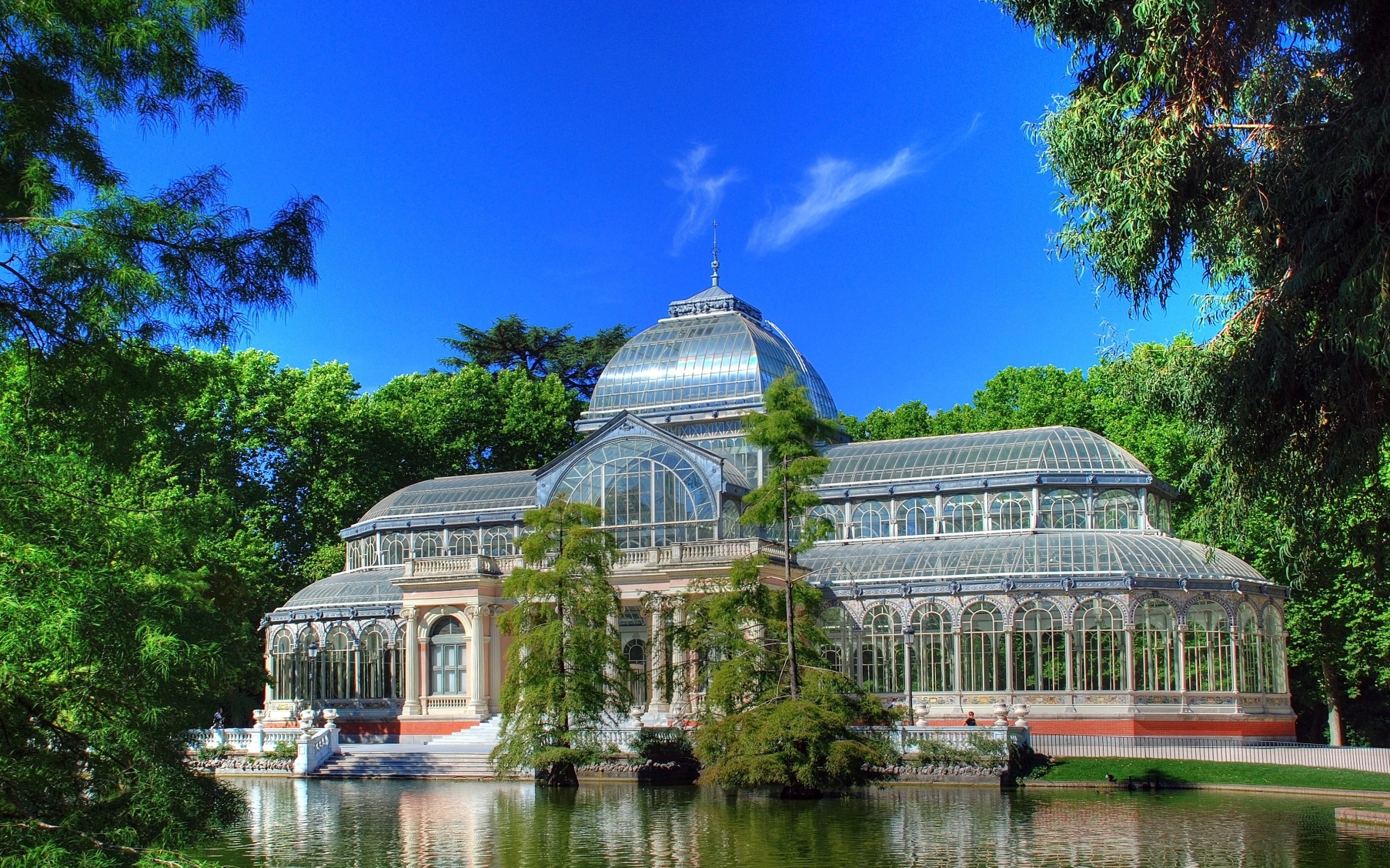
The Retiro is itself worth more time than most visitors give it — it is a large park with a boating lake, a rose garden, and a puppet theatre that has been operating in more or less the same form for decades. The Crystal Palace is the architectural focal point, but the park's pleasures are distributed and require wandering rather than a direct route.
Il consiglio del team
Exhibitions at the Palacio de Cristal are free and often require no booking. Check the Reina Sofía website before you go — the installation on display can significantly change what the space feels like.
Migas, a legendary Spanish dish
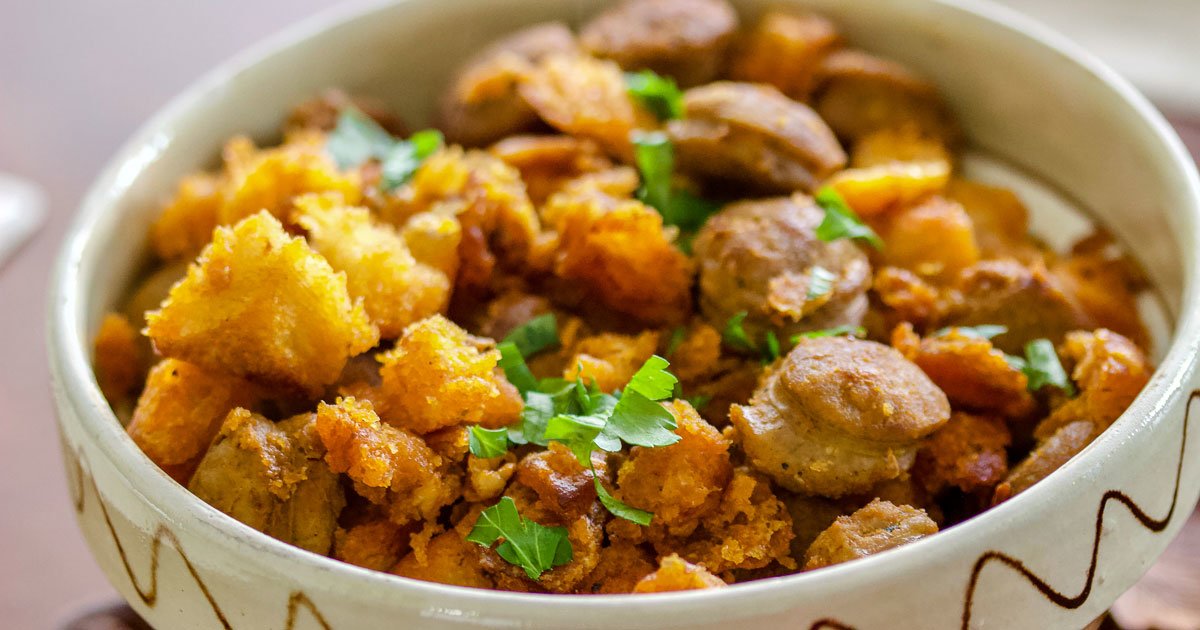
In Madrid, migas appears most reliably on the menus of older, unfashionable restaurants in working-class neighbourhoods, and occasionally at market stalls. It is a dish that rewards eating in the morning or at lunchtime rather than at dinner — it sits in the stomach with considerable authority. Ordering it in a place that clearly wasn't expecting a tourist to order it is one of the small pleasures of eating seriously in this city.
Il consiglio del team
Some bars in the Lavapiés and Carabanchel neighbourhoods serve migas as a weekend breakfast dish, often alongside a glass of wine at a time of day when that seems both wrong and completely reasonable.
Jamón Serrano
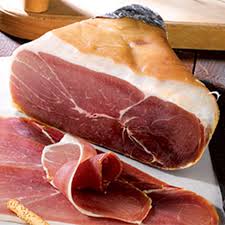
The distinction worth understanding before you eat in Madrid is between jamón serrano — cured mountain ham, produced across multiple Spanish regions — and jamón ibérico, made from black Iberian pigs and cured for significantly longer. Within jamón ibérico there are further gradations, the highest being bellota, from pigs fed exclusively on acorns. A good jamón ibérico de bellota, sliced correctly and eaten at room temperature with nothing else, is one of the more serious things you can put in your mouth. It is also expensive, and worth it.
Il consiglio del team
The Mercado de San Miguel near the Plaza Mayor sells jamón, but at tourist prices. For better value and quality, try a traditional charcutería in the Chamberí neighbourhood.
Best AI Trip Planner Madrid 2026: Scopri Secret World
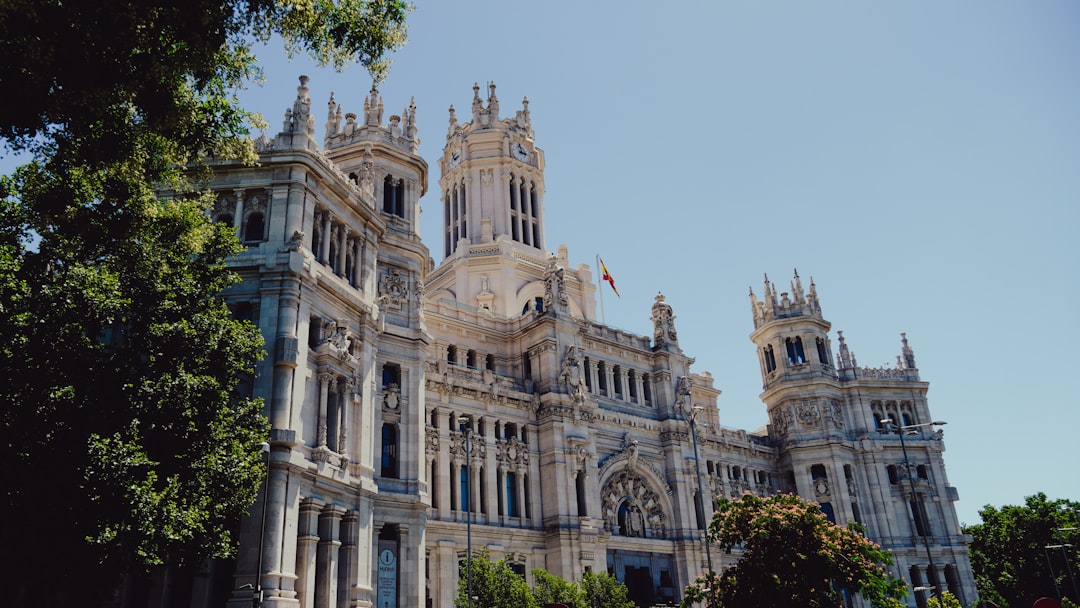
AI-assisted trip planning tools have become increasingly capable of aggregating and personalising this kind of contextual information, and Secret World's platform represents a reasonable option for travellers who want a structured starting point without committing to a pre-packaged tour. The tool is most useful not as a replacement for local knowledge but as a way of building a base layer of information — neighbourhoods, logistics, opening hours — before you arrive and start making your own discoveries. Treat any AI itinerary as a draft, not a script.
Il consiglio del team
Use planning tools to identify what you want to avoid as much as what you want to do. Knowing in advance that the Prado is genuinely overwhelming on summer weekends is as useful as knowing the opening hours.
Madrid does not reveal itself to people who are in a hurry, and it does not particularly care whether you like it. This is not hostility — Madrileños are, on the whole, more openly warm than their reputation suggests — but it is a kind of indifference to approval that the city shares with its residents. It has been a capital since 1561, when Philip II moved the court here from Toledo, and in the centuries since it has absorbed enough history, enough violence, enough reinvention to have developed a thick skin.
What I have tried to describe in this list is not the city's highlights but its texture — the quality of attention it rewards. The map in the naval museum, the walled garden behind the wooden door, the plate of migas in a bar where nobody expected you to order it. These are not substitutes for the Prado or the Royal Palace. They are the things that make the Prado and the Royal Palace make sense — that give you enough context to understand what you're looking at when you finally stand in front of it.
Madrid is a city that gets better the more you know about it. That is either a recommendation or a warning, depending on how much time you have.
What I have tried to describe in this list is not the city's highlights but its texture — the quality of attention it rewards. The map in the naval museum, the walled garden behind the wooden door, the plate of migas in a bar where nobody expected you to order it. These are not substitutes for the Prado or the Royal Palace. They are the things that make the Prado and the Royal Palace make sense — that give you enough context to understand what you're looking at when you finally stand in front of it.
Madrid is a city that gets better the more you know about it. That is either a recommendation or a warning, depending on how much time you have.