10 Best Things to Do in Dublin, Ireland — beyond the obvious
A long-term resident's honest account of what the city actually rewards, once you've stopped doing what everyone tells you to do
L
Una guida di
Lena Hofmann
Aggiornata il
21 ottobre 2026
Lettura
13 minuti
Comprende
8 luoghi · mappa interattiva
★ Guida d'Italia 2026
Pianifica con cura. Viaggia più a fondo.
1.3M+ luoghi curati nel mondo, mappe offline e itinerari intelligenti — tutto in un'app gratuita.
1.3M+ luoghiMappe offlineItinerari AIGratis
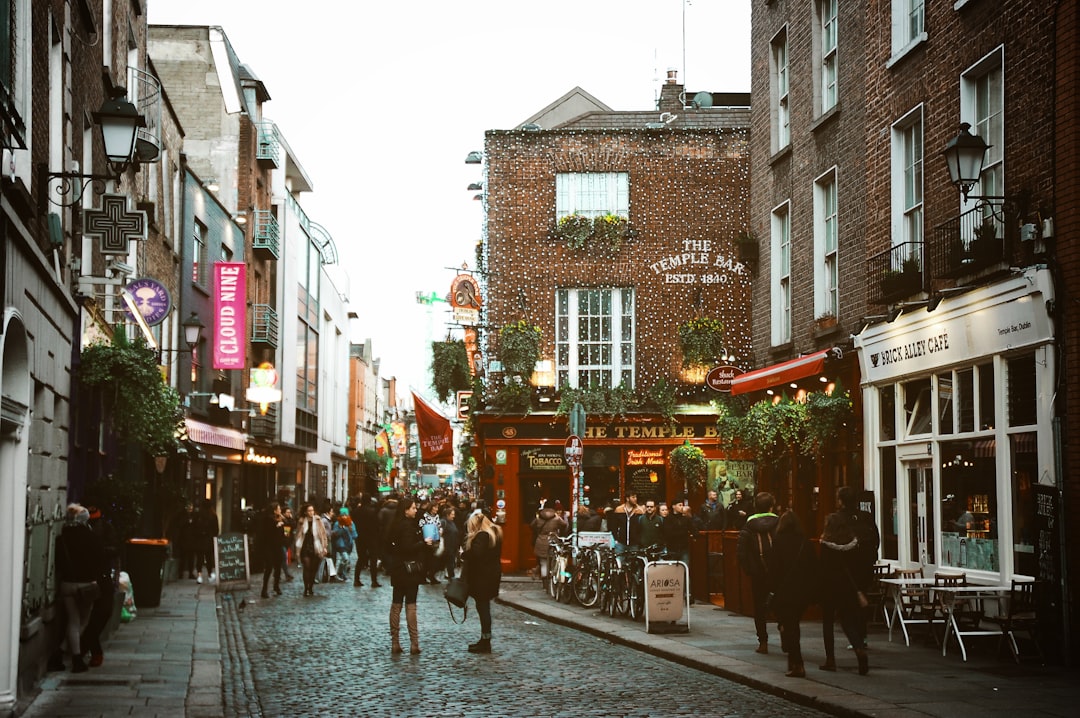
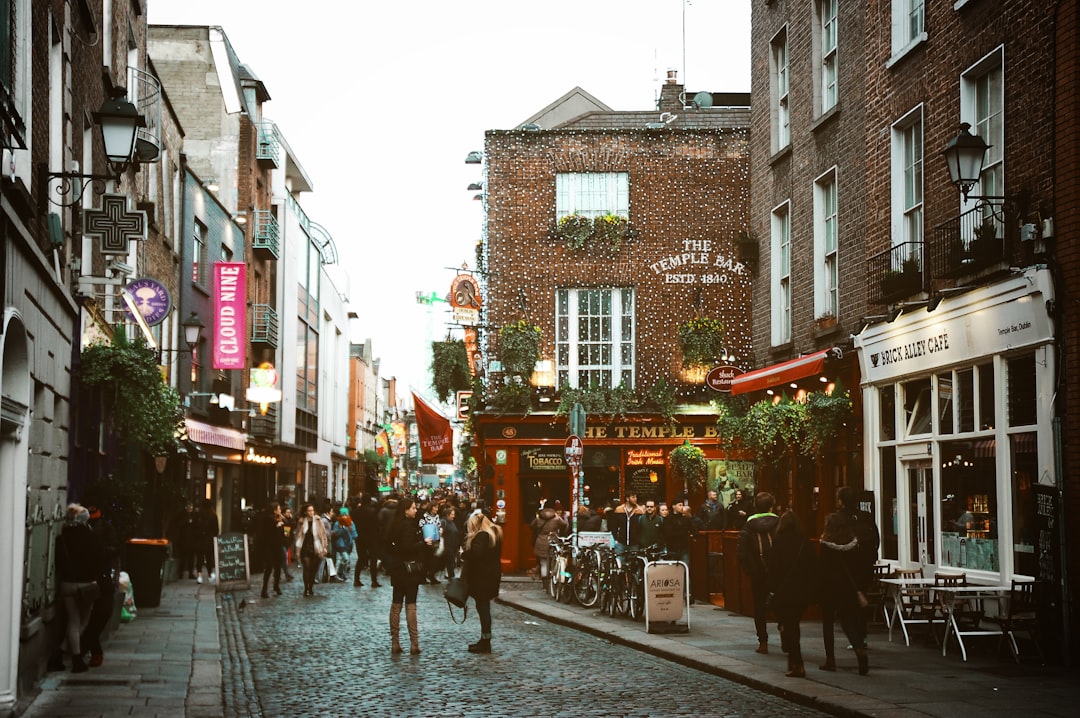
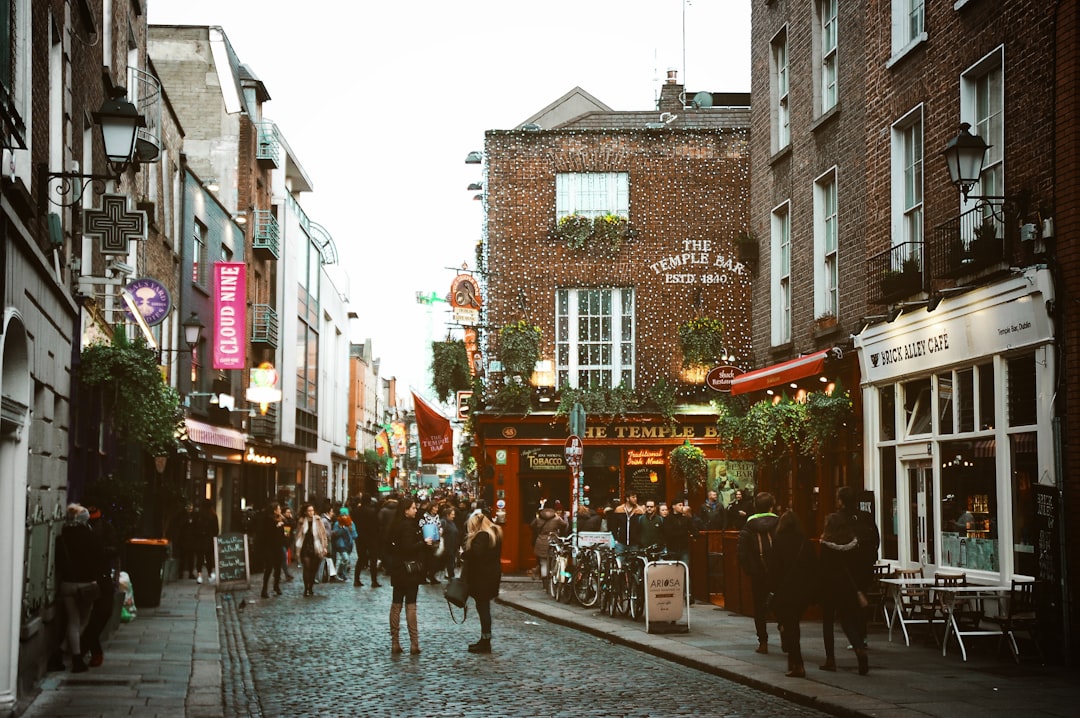
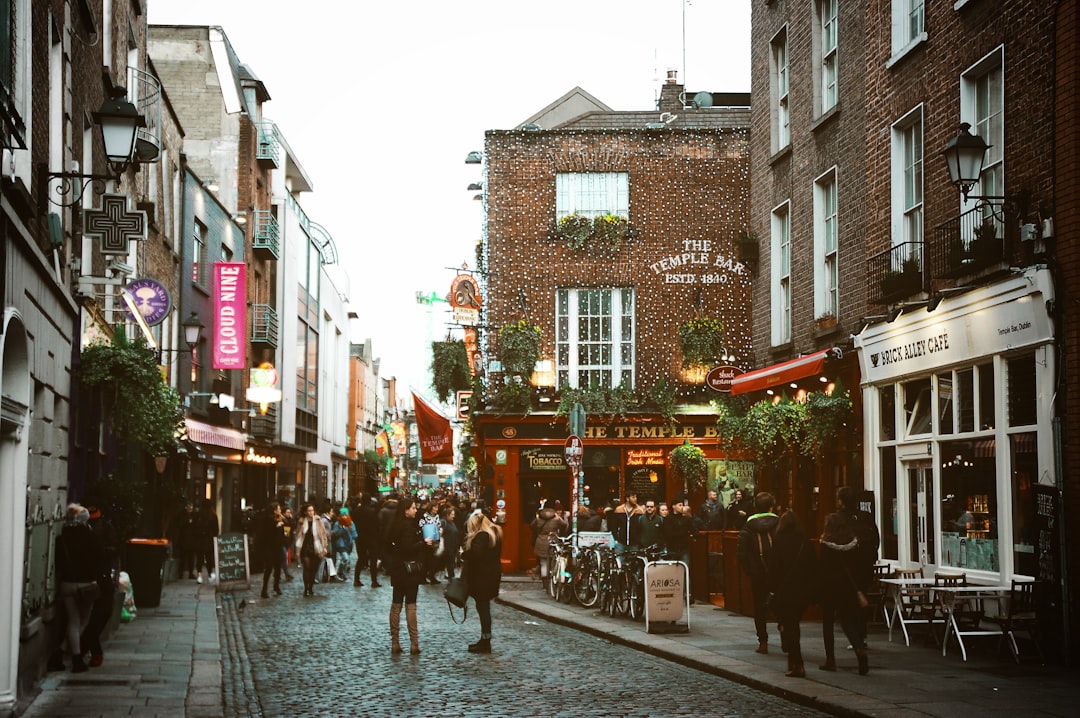
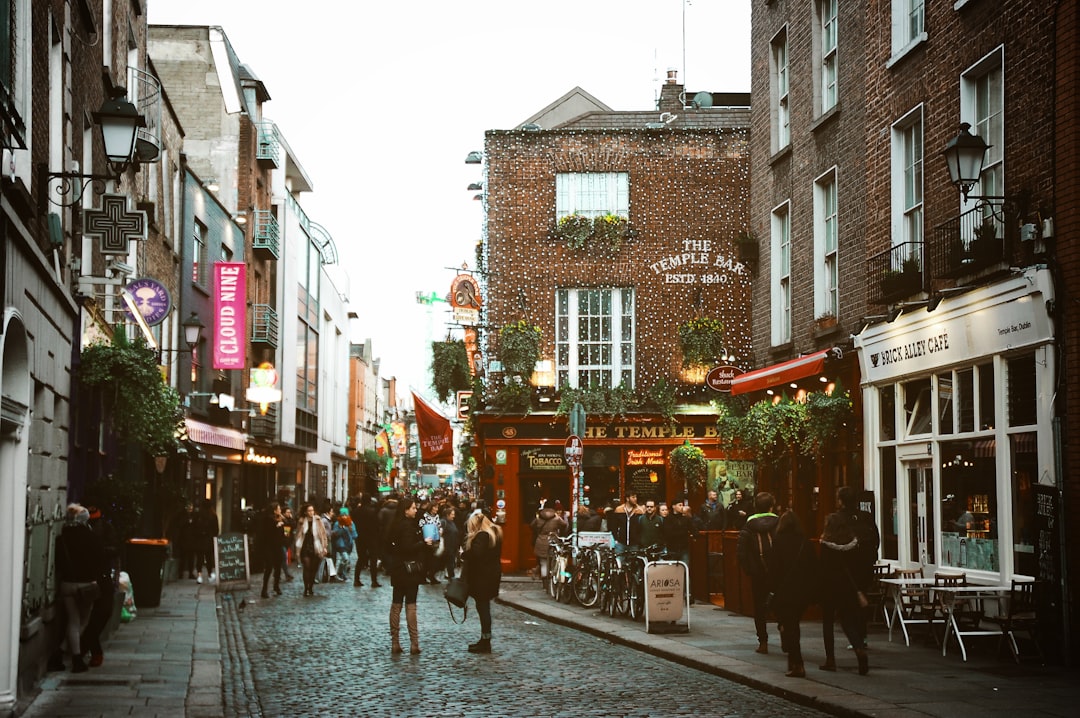
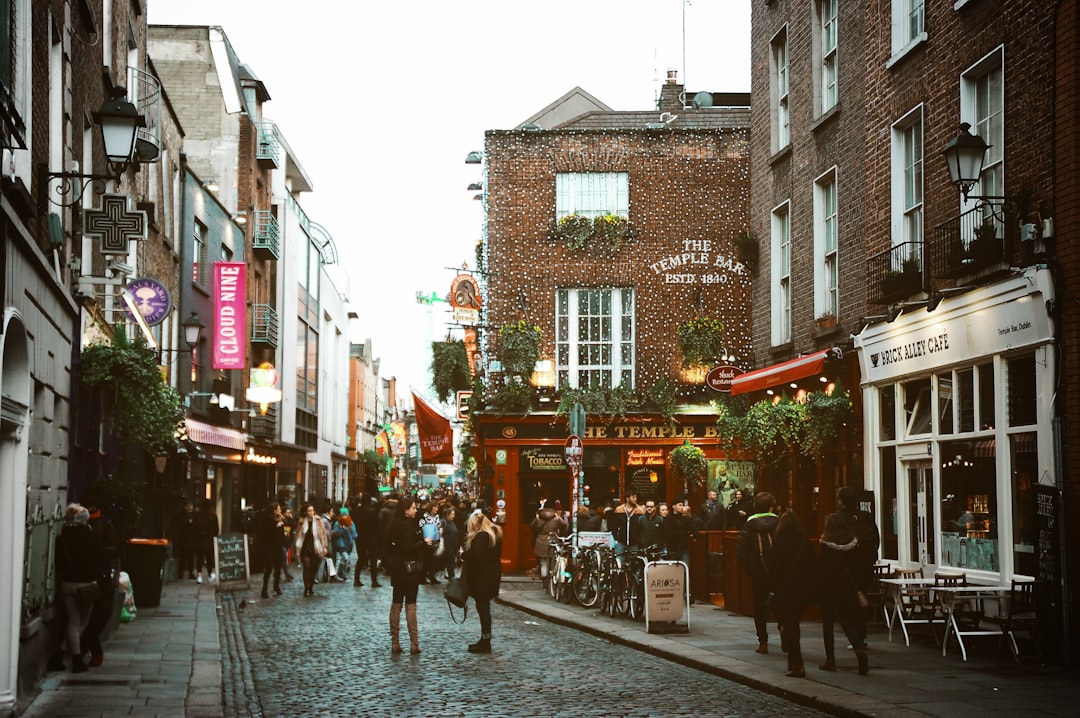
I arrived in Dublin for the first time in my late twenties with a list that could have been generated by any travel algorithm: Trinity College, Temple Bar, the Guinness Storehouse, Kilmainham Gaol, a pint of something dark in a pub with exposed timber and a fiddle player. I did all of it. The Storehouse gave me a headache from the crowds and a glass of Guinness I'd have been charged half the price for around the corner. Temple Bar on a Friday night is less a cultural quarter than a bachelor-party logistics exercise. The Long Room at Trinity is genuinely moving, but you'll experience it mostly through the raised smartphones of seventy other people.
None of this means Dublin is a disappointment. It means Dublin is a city that has learned to perform itself for visitors, and the performance — like most performances — is not the thing itself. The thing itself is stranger, quieter, more contradictory. It's a city of roughly 1.4 million people that still feels, in certain streets and at certain hours, like a large town that hasn't quite decided what it wants to be. It's a post-colonial capital with an ambivalent relationship to its own history. It has some of the best pub conversation in Europe and some of the worst pub food. It rains with a consistency that stops being funny after the second day.
What follows is not an alternative itinerary in the smug sense — I'm not going to tell you to skip the Book of Kells, because you probably shouldn't. But there are layers to Dublin that take a little more patience to reach, and most of them are worth the effort. Some involve walking farther than you planned. A few involve getting slightly wet.
Before you arrive in Dublin, the question of how to structure your time matters more than most cities, because Dublin's geography is deceptive. The centre is compact but the worthwhile things are distributed unevenly — some in the Liberties, some out along the coast, some in suburbs that don't photograph well but reward actual presence. Secret World recensione 2026: testato a Dublino, vale davvero? is a question worth taking seriously in the context of AI-assisted travel planning, which has matured considerably. The honest answer, based on testing, is: partly. Tools like this can surface overlooked itinerary combinations and flag opening hours with reasonable accuracy, but they still struggle with the texture of a place — the fact that a particular street is worth walking on a Tuesday morning and not a Saturday afternoon, or that a neighbourhood changes character entirely after six p.m.
Il consiglio del team
Use any AI planning tool as a skeleton, then ask a local — your Airbnb host, the person at the hotel desk who actually lives in the city — to break it. The discrepancy between those two versions of Dublin is often where the interesting things live.
Come pianificare un viaggio a Dublino con l'AI nel 2026 is a question that would have seemed faintly absurd a decade ago and now feels entirely practical. The city's tourism infrastructure has become sophisticated enough that AI tools can navigate it with some fluency — they'll tell you that the DART coastal rail line runs from Malahide in the north to Greystones in the south, that most museums in the centre are free, that the Luas tram system added a cross-city line that changed how the northside and southside connect. What they won't tell you is that Dublin's best experiences tend to be analogue and slightly accidental: a conversation that starts in a queue, a bookshop you walked past three times before going in, a chip shop at midnight that turns out to be the best meal of the trip.
Il consiglio del team
If you're using an AI itinerary builder, deliberately leave two to three hours each day unscheduled. Dublin rewards digression in a way that a tight schedule actively prevents.
Viaggio a Dublino: Consigli Pratici e Itinerari per il 2026 sounds like a guidebook chapter heading, and in a sense it is — but the practical advice that actually matters is rarely the kind that gets written down. Dublin is a city where the quality of your experience is disproportionately affected by small logistical decisions: which side of the Liffey you base yourself on (the southside has more of the Georgian architecture and the better bookshops; the northside has Smithfield, Stoneybatter, and a more lived-in feeling), whether you walk or take the Luas (walk, almost always — the distances are shorter than they look on a map), and whether you book the Kilmainham Gaol tour in advance (you do, or you stand outside it looking at a sold-out sign in the rain, which is its own kind of Dublin experience).
Il consiglio del team
The stretch of the Grand Canal between Baggot Street and Leeson Street bridges is one of the better urban walks in the city — flat, quiet, and lined with plane trees. Patrick Kavanagh's bench is there. Sit on it if it's free.
Come Pianificare un Viaggio a Dublino nel 2026 con l'AI addresses a real tension in contemporary travel: the more efficiently you plan, the more you risk optimising away the things that make a place worth visiting. Dublin in particular suffers from over-planning because its most distinctive quality — a kind of sociable, slightly melancholic talkativeness — is not schedulable. You can't put 'genuine pub conversation' in a calendar slot. What you can do is choose your neighbourhoods deliberately. The Liberties, roughly southwest of Christ Church Cathedral, is where the city's working-class Protestant and Catholic histories collide in the same streets. Stoneybatter, on the northside, has the density and slightly scruffy energy of a neighbourhood that hasn't yet been fully colonised by coffee shops, though the process is underway.
Il consiglio del team
Francis Street in the Liberties has a concentration of antique dealers that is genuinely old-fashioned in the best sense — the kind of shops where the owner knows the provenance of everything and will tell you about it at length whether you're buying or not.
Weekend a Dublino: l'itinerario perfetto con Secret World raises a question about what 'perfect' means in a city where the weather will make at least one of your plans impossible. A more honest weekend itinerary might look like this: Saturday morning at the Dún Laoghaire farmers' market, Saturday afternoon walking the pier (more on that shortly), Saturday evening in a pub in Ranelagh or Rathmines where the clientele is mostly local. Sunday morning at the Chester Beatty Library — free, genuinely world-class, and usually uncrowded before noon — followed by a slow walk through the Iveagh Gardens, which are the city's best-kept open secret and not to be confused with St. Stephen's Green, which is larger and more chaotic.
Il consiglio del team
The Chester Beatty Library closes on Mondays and has unusual opening hours on Sundays — check before you go. The roof terrace café is worth the trip on its own on a clear day, which Dublin provides roughly twice per weekend.
Migliori app viaggio 2026: Dublino e Secret World AI is a category that has expanded faster than most travellers can track. For Dublin specifically, the apps that are actually useful tend to be mundane: the Transport for Ireland journey planner, which has become genuinely reliable for DART and Luas connections; Google Maps in offline mode for the inevitable moment your data drops in a Georgian basement; and the Dublin Bikes app, which covers the city's bike-share scheme and is the most efficient way to move between, say, the National Museum on Kildare Street and the Irish Museum of Modern Art in Kilmainham. The AI travel apps are best understood as a first draft — useful for generating a framework, less useful for anything that requires knowing what a place actually feels like on a Wednesday in February.
Il consiglio del team
Dublin Bikes has a station on Merrion Square that is almost always stocked in the morning. The cycle along the quays to Kilmainham takes about twenty minutes and passes enough of the city's history that it functions as an accidental tour.
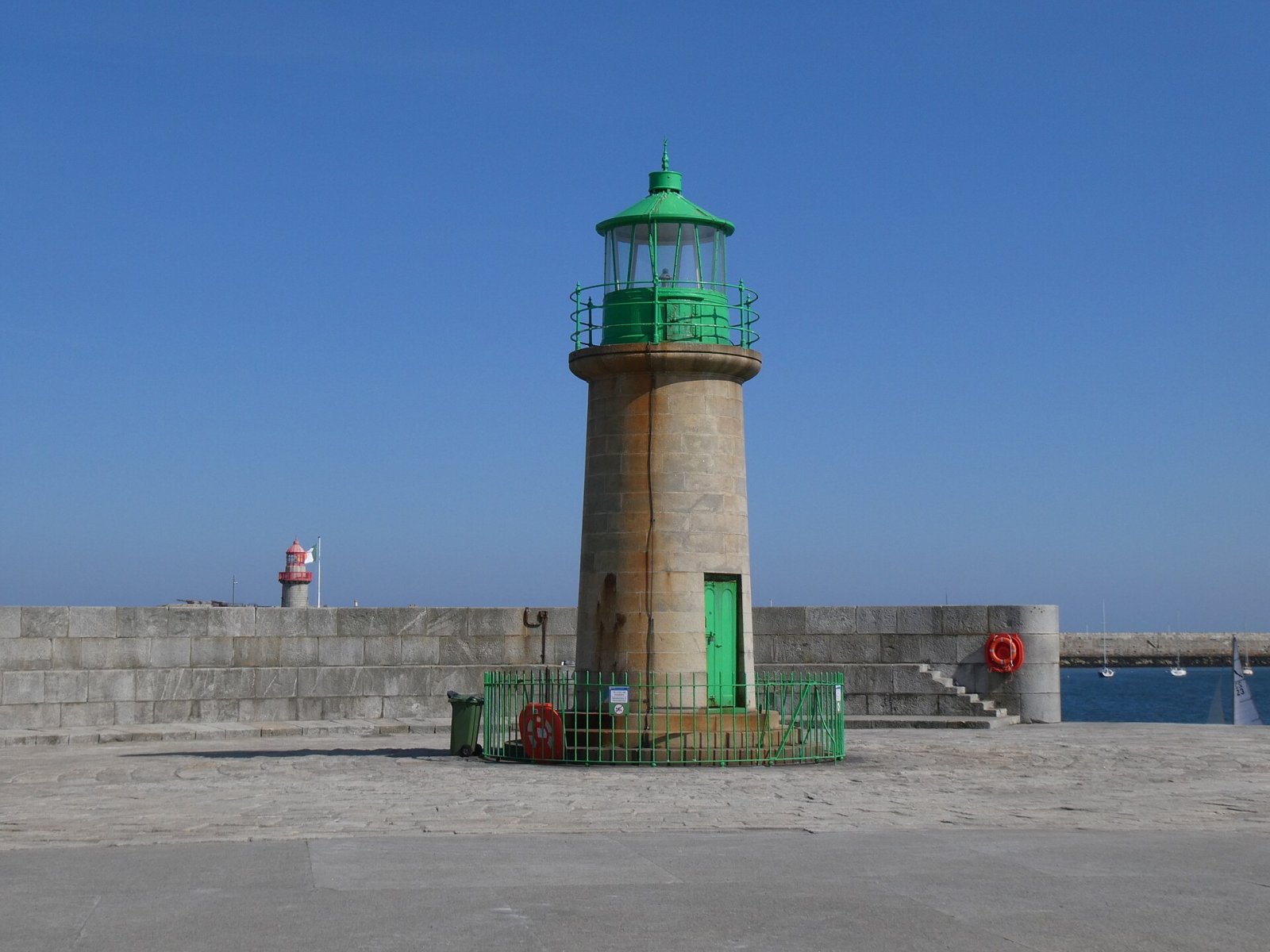
About ten kilometres south of the city centre, the Dun Laoghaire West Lighthouse marks the end of the West Pier, one of two great granite arms that reach into Dublin Bay from the Victorian harbour town of Dún Laoghaire. The pier walk is one of the better things you can do in the Dublin area and it costs nothing, which in a city that has become expensive makes it additionally appealing. The West Pier is slightly less walked than the East and has a rougher, windier quality — in a stiff easterly, the spray comes over the parapet. The lighthouse itself is a working structure, not a visitor attraction, which means there's no queue, no entry fee, and no gift shop. You walk to the end, look back at the Wicklow Mountains to the south and the Howth headland to the north, and then you walk back. It takes about forty minutes each way.
Il consiglio del team
The DART from Pearse Street to Dún Laoghaire takes about twenty-five minutes. Buy a return ticket from a machine rather than on the platform to avoid the small surcharge. The train runs along the coast for much of the journey, which is its own form of arrival.
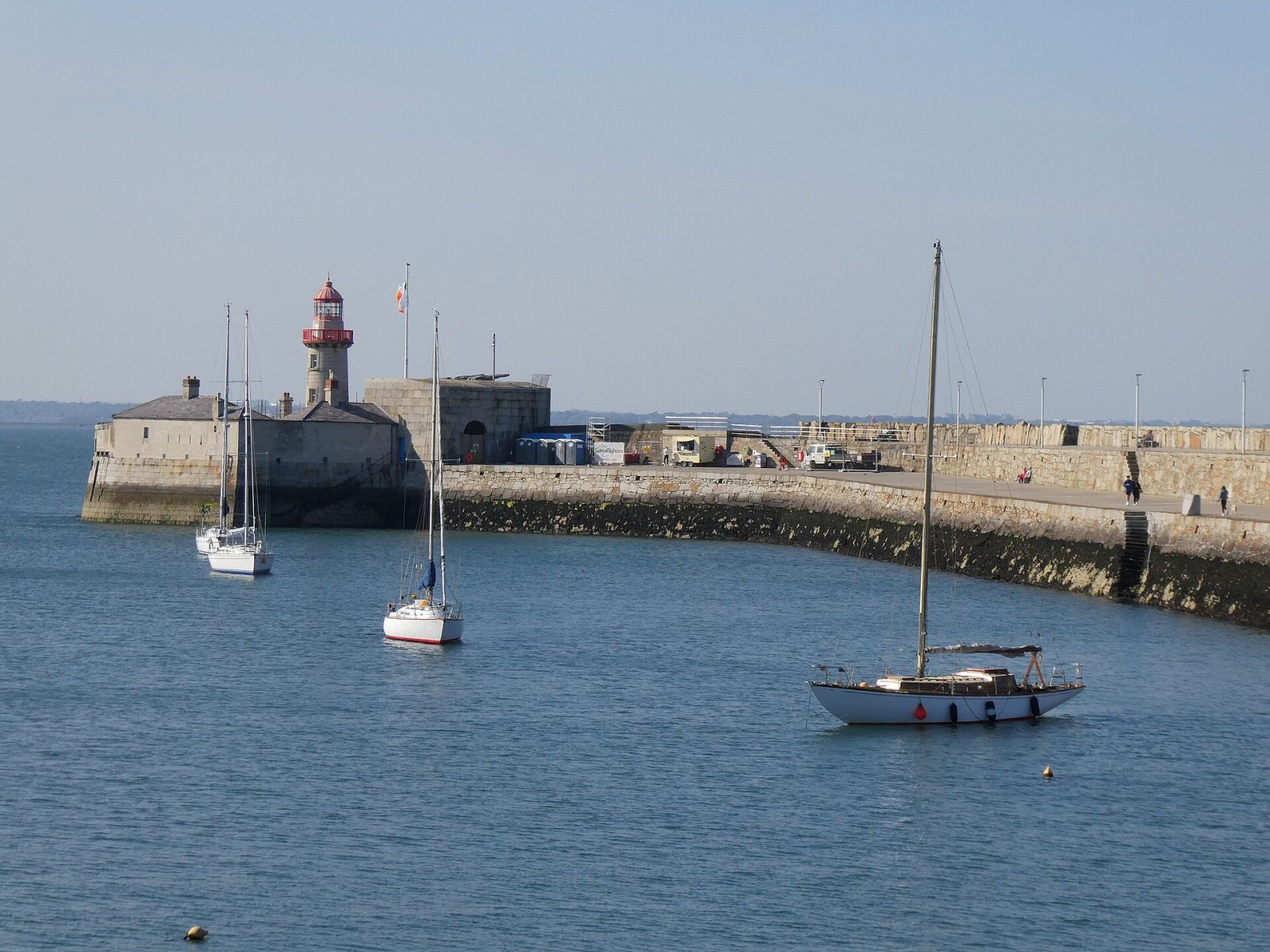
If the West Pier is the rougher, less social of the two piers, the East Pier — marked at its tip by the Faro di Dun Laoghaire East — is where Dún Laoghaire comes to be seen. On a Sunday morning the East Pier is a procession: runners, elderly couples, families with dogs, teenagers who have come down from Dublin on the DART for no particular reason. There's a bandstand partway along that dates from the Victorian era and occasionally hosts actual bands. The pier is about a kilometre long and the lighthouse at the end is painted white and sits low against the water. The view from the end on a clear day takes in the full arc of the bay, from the chimney stacks of Poolbeg in the north to the beginning of the Wicklow coast in the south. It is not a dramatic landscape in the Alpine sense, but it has a particular horizontal quietness that the city itself rarely offers.
Il consiglio del team
The People's Park in Dún Laoghaire, a short walk from the pier, hosts a good farmers' market on Sundays. Arrive before noon for the better bread and cheese, or after two p.m. when the crowds thin and the remaining stallholders are often willing to talk.
Dublin is a city that will frustrate you if you approach it as a checklist, and reward you if you approach it as a conversation — one that moves slowly, doubles back on itself, and occasionally goes somewhere you didn't expect. It has the virtues and the limitations of a place that has been shaped by centuries of difficult history: a certain wry fatalism, a suspicion of grandeur, an ability to find the comic angle on almost anything. It also has a housing crisis, a traffic problem, and a tourist economy that has made parts of the centre feel like a theme park version of itself, which is worth knowing before you arrive.
But the city underneath that performance is still there. It's in the Iveagh Gardens on a Tuesday. It's on the East Pier at Dún Laoghaire on a Sunday morning when the wind is coming in from the Irish Sea and everyone is walking into it with their heads down. It's in a pub in Stoneybatter at six in the evening, before the music starts, when the conversation is still possible. None of these things require a plan, exactly. They require a willingness to be in a place rather than to consume it, which is a distinction Dublin makes with particular clarity.
★ Guida tascabile
Porta questa guida con te.
Salvala offline, ottieni le indicazioni a piedi e scopri migliaia di luoghi come questi.
May and June offer the best combination of reasonable weather and manageable crowds. July and August are warmer but considerably busier, and accommodation prices rise sharply. September is underrated — the light is good, the tourist numbers drop, and the city feels more like itself. Winter in Dublin is grey and wet but not especially cold, and the cultural programme (theatre, music, gallery exhibitions) is often stronger than in summer.
How do I get from Dublin Airport to the city centre?
The Aircoach and Dublin Express bus services run frequently from the airport to the city centre and are significantly cheaper than taxis. The journey takes between thirty and sixty minutes depending on traffic, which on the M1 corridor can be unpredictable. There is no direct rail link from the airport to the city centre as of 2024, though a DART underground extension has been discussed for years. A taxi from the airport will cost roughly €25–35 to the city centre.
Is Dublin expensive for visitors?
Yes, more so than most comparable European capitals. Accommodation in particular has become costly, and eating and drinking in the tourist centre of the city — Temple Bar especially — carries a significant premium. The practical mitigation is to eat where locals eat (the Liberties, Rathmines, Ranelagh, Stoneybatter all have better and cheaper options than the centre), use Dublin Bikes rather than taxis for short journeys, and take advantage of the city's many free museums, which include the National Gallery, the National Museum, the Chester Beatty Library, and the Hugh Lane.
How do I get to Dún Laoghaire from the city centre?
The DART commuter rail runs from Pearse Street and Tara Street stations in the city centre to Dún Laoghaire in approximately twenty-five minutes. Trains run frequently during the day and the journey follows the coast for much of its length. A single fare is in the range of €3–4 depending on your origin station. Dún Laoghaire itself is walkable from the station — the piers are about five minutes on foot.
What should I actually skip in Dublin?
Temple Bar as an evening destination, unless you specifically want to be in a large crowd paying high prices for average drinks. The Guinness Storehouse is a well-run attraction but it is expensive, very crowded, and the pint you get at the top costs more than it would in any pub in the city. The Wax Museum on Westmoreland Street is the kind of attraction that seems like a reasonable idea and isn't. None of these are fraudulent — they simply offer a version of Dublin that has been packaged for export, and the actual city is more interesting.
★ Leggila quando vuoi
Salvala sul tuo telefono.
Aggiungi questa guida ai preferiti, pianifica il viaggio offline, scopri luoghi come questi.