


Copenhagen is compact in a way that flatters the visitor into overconfidence. You can walk from the Central Station to Nyhavn in twenty minutes, and from Nyhavn to the opera house in another fifteen, and from this you conclude that you have its measure. What takes longer to understand is the city's particular relationship with its own self-image: the pride in design and cycling infrastructure and the welfare state, the faint embarrassment at the tourist-industrial complex around the Little Mermaid, the genuine intellectual seriousness that sits beneath the surface of a place often dismissed as merely pleasant.
I have been back six times since that November. I have eaten at the kind of restaurants that require planning months ahead, and I have eaten far better at places with no online presence whatsoever. I have queued, I have been overcharged, I have taken wrong turns in Christiania and ended up somewhere I was not supposed to be. What follows is not a definitive list. It is, rather, ten things that have stayed with me — some famous, some not, all worth your time if you are willing to look at them properly.
The Teatermuseet: A Theatre Inside a Palace
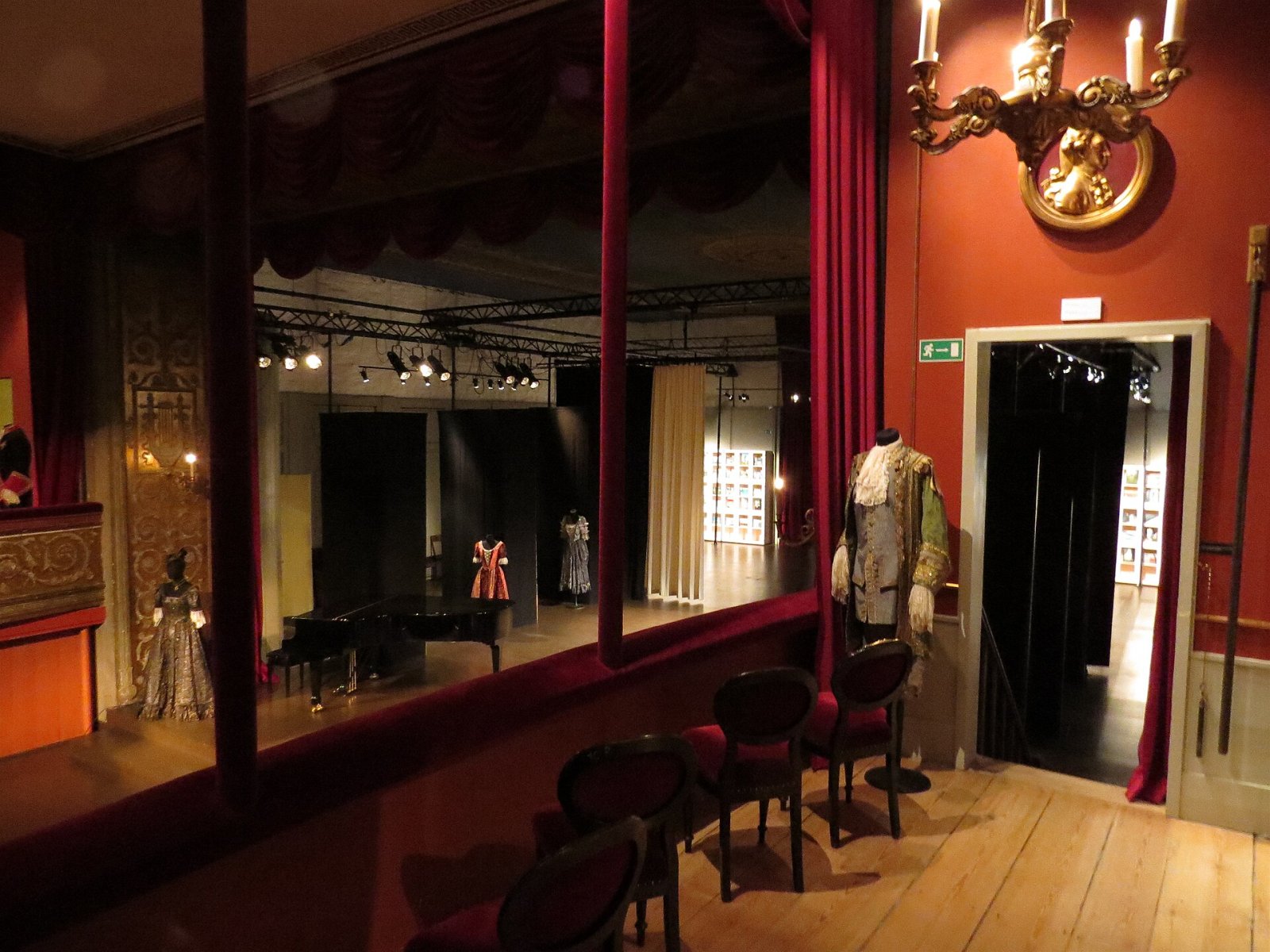
What it does not do is shout for your attention. There are no interactive screens competing with the architecture. The rooms are quiet in a way that Copenhagen's more prominent museums rarely are, and the building's relationship to power — it sits inside the seat of government — gives the whole thing an odd, layered quality that a standalone museum could not manufacture.
Il consiglio del team
Entry is inexpensive and the museum is rarely crowded even in high summer. Combine it with a visit to the palace's Great Hall, which is open at specific hours and requires a separate ticket.
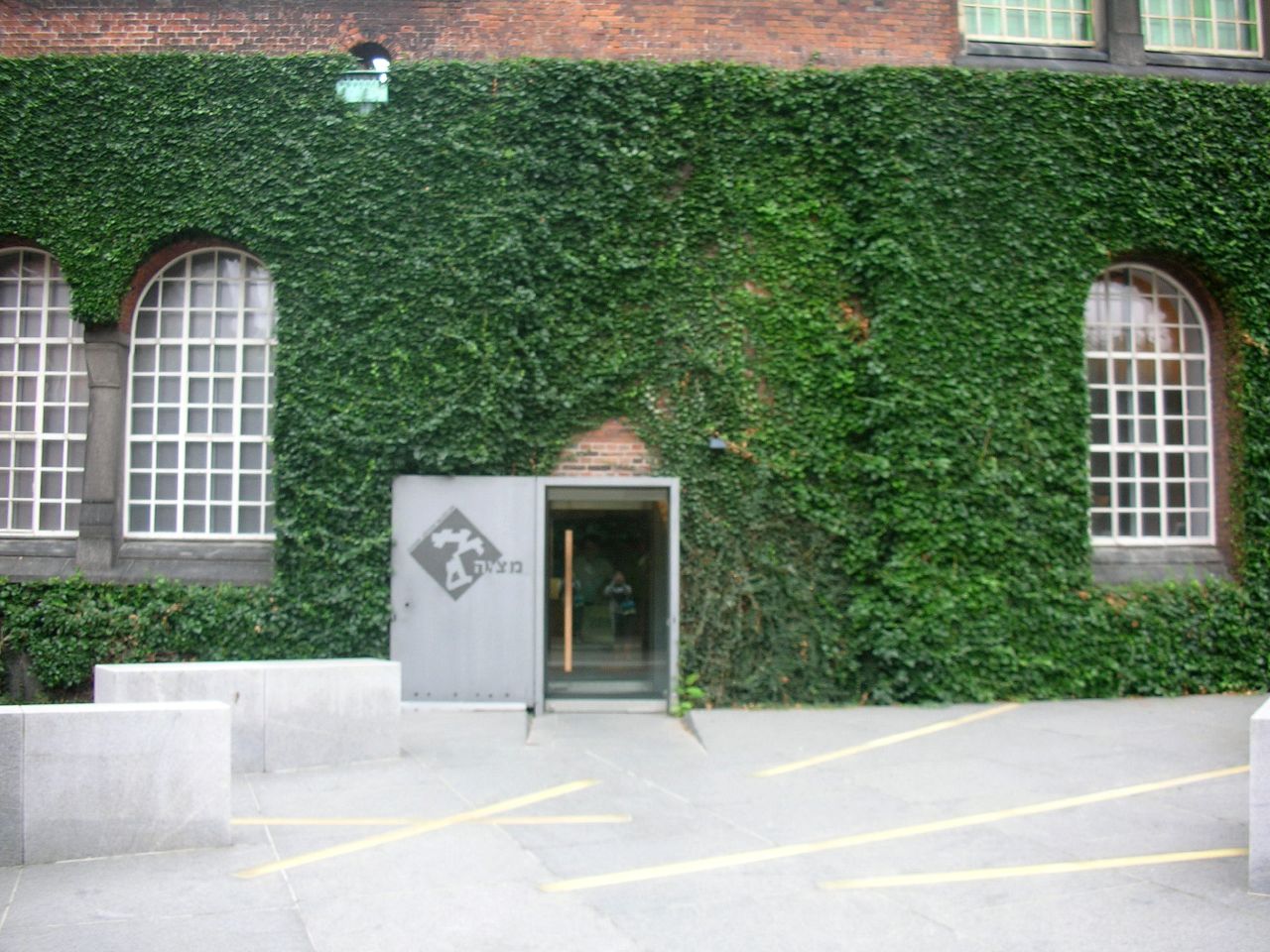
The Danish Jewish Museum: Libeskind's Most Intimate Work
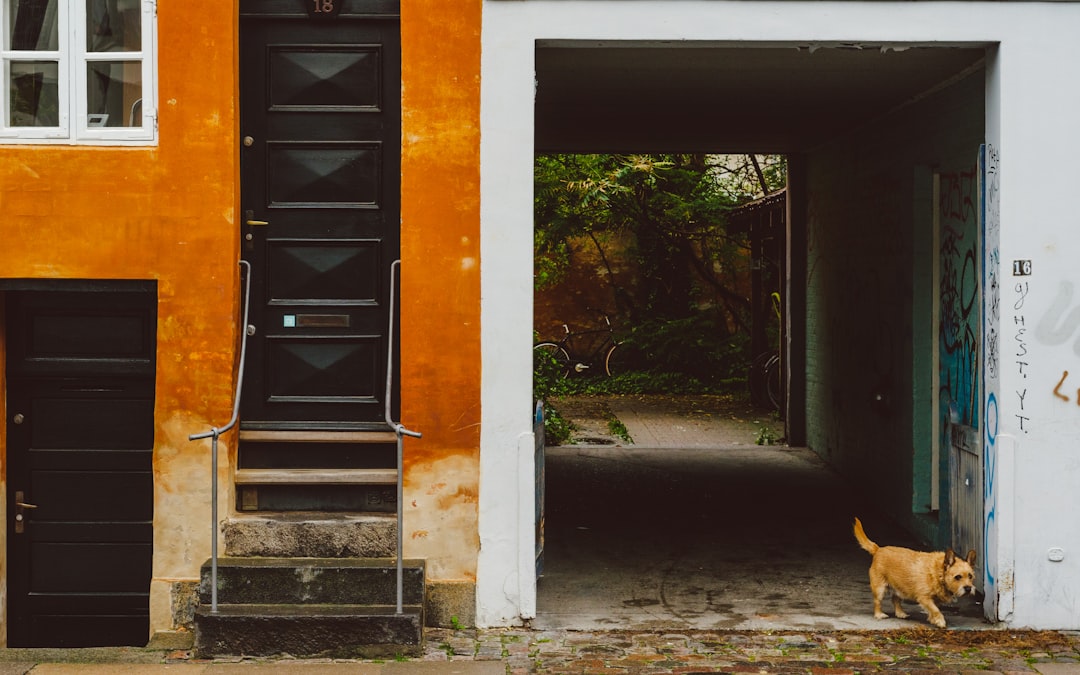
The collection itself traces the history of Jewish life in Denmark from the seventeenth century, including the extraordinary events of October 1943, when the Danish population helped ferry the majority of the country's Jewish community across the Øresund to neutral Sweden. The museum handles this history without sentimentality and without triumphalism, which is harder than it sounds.
Il consiglio del team
The museum is a short walk from Christiansborg through the old library courtyard. If you go on a weekday morning, you will likely have several of the rooms to yourself.
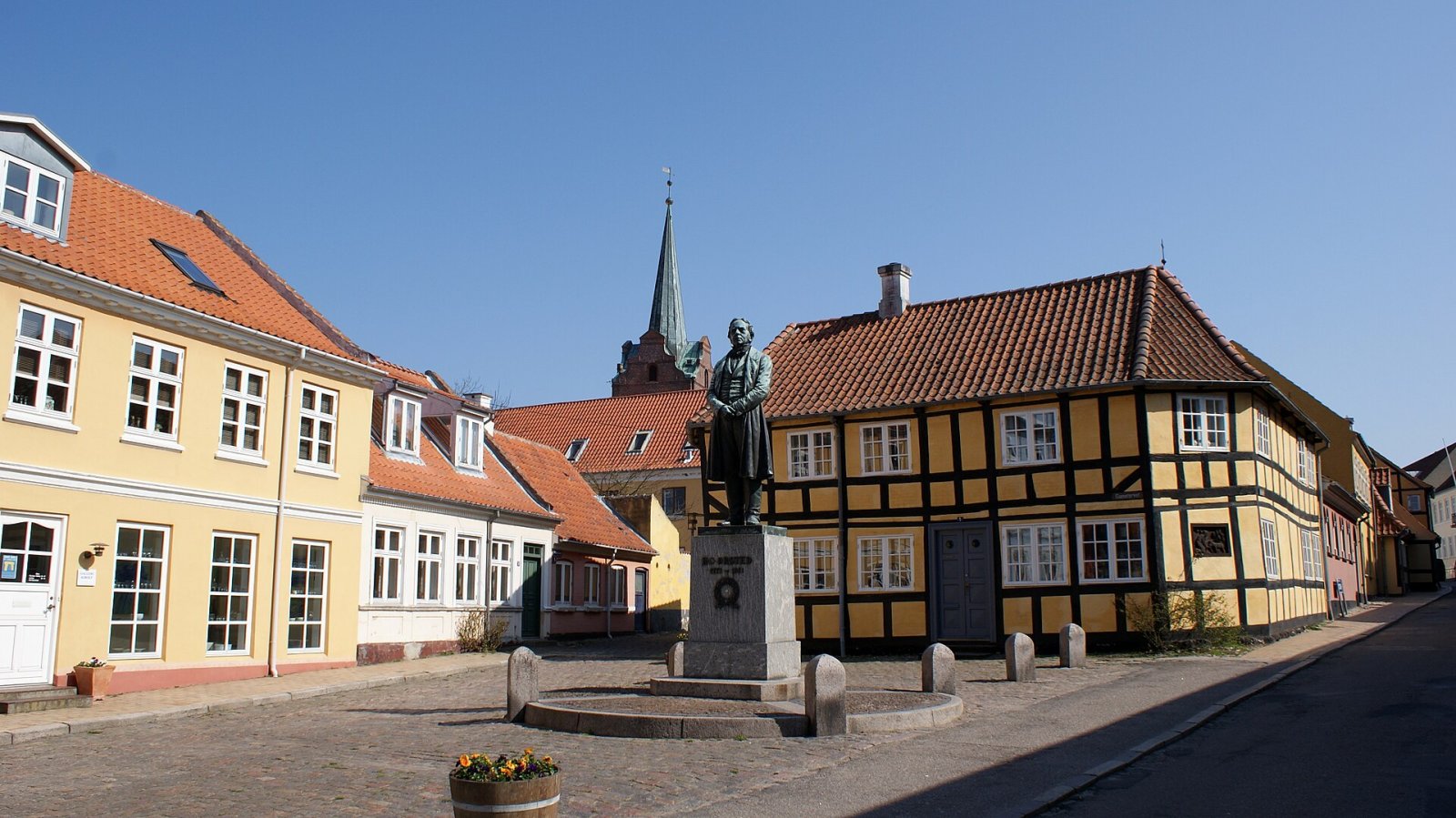
The Ørsted Park Statue: Science in the Shade
The park itself is worth the detour regardless. It functions as a genuine neighbourhood green, used by locals for lunch breaks and evening runs, and it sits at a comfortable distance from the more trafficked sights.
Il consiglio del team
The park is directly accessible from the Nørreport metro and S-train station, making it an easy stop between the city centre and the Nørrebro neighbourhood.
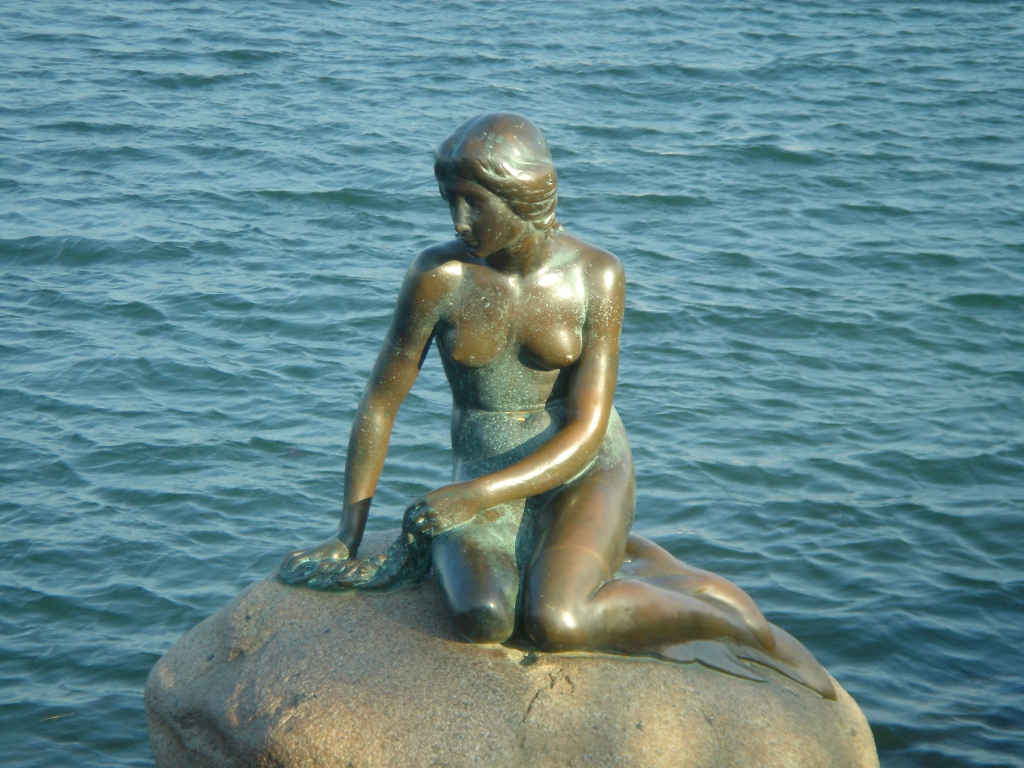
The Little Mermaid: Go Anyway, But Go Prepared

The reason to go is not the statue itself but the promenade around it, which stretches along the harbour's edge toward the Kastellet fortress and is, particularly in the early morning or late evening, one of the more peaceful walks in the city. The Little Mermaid, seen from a distance, without the crowd, in flat grey northern light, is actually doing something rather subtle. You just have to earn the view.
Il consiglio del team
Arrive before 8am or after 7pm in summer. The walk from the statue back along the canal toward Nyhavn takes about twenty-five minutes and passes through Kastellet, a seventeenth-century star fortress that most visitors skip entirely.
Budget Copenhagen: The City's Affordable Architecture

Vacanze Copenaghen Low Cost is less a specific destination than a frame of mind: the understanding that the city's public spaces — its parks, its harbourfront, its cycling infrastructure — are themselves a kind of amenity, and that the best way to experience them costs nothing. The free beaches at Amager Strandpark are twenty minutes by metro from the centre. The harbour baths at Islands Brygge are open in summer. None of this requires a reservation.
Il consiglio del team
The city's bakeries — particularly those in Nørrebro and Vesterbro — offer morning pastries at a fraction of what the tourist-facing cafés charge. A rundstykke with butter and cheese from a local bageri is a better breakfast than most hotel offerings.
Planning Your Meals with Geographical Sense
This means choosing a base area for each half-day and eating within it. Vesterbro, the old meatpacking district turned residential neighbourhood, has enough good food within a ten-minute walk to sustain an entire afternoon without requiring any transport. The same is true of Nørrebro, which has a denser concentration of immigrant-owned restaurants and bakeries than anywhere else in the city.
Il consiglio del team
The Torvehallerne market at Nørreport is excellent for provisions but genuinely crowded on weekends. Go on a Tuesday or Wednesday morning and it is a different experience entirely.
Wanderlog in Copenhagen: What the App Gets Right and Wrong

The more fundamental problem with any planning tool in Copenhagen is that the city's best experiences tend to be unscheduled: a conversation with a stranger at a harbour bath, a bookshop discovered by accident in Frederiksberg, an afternoon that starts as a walk and becomes something else.
Il consiglio del team
Use mapping tools for logistics — transport connections, opening hours, distances — and leave at least one half-day in your itinerary deliberately unplanned. Copenhagen rewards this more than most cities.
Secret World and the Alternatives: Navigating the AI Travel Layer
Copenhagen is a city with enough genuine depth — in its architecture, its food culture, its political history, its relationship to the sea — that the planning stage should probably involve reading as much as it involves routing. Knausgård on Denmark. Isak Dinesen on the landscape. Even a few hours with a good history of the city will change what you notice when you arrive.
Il consiglio del team
The Copenhagen Card, which covers public transport and museum entry, is worth buying if you plan to visit more than three paid attractions in a day. Do the arithmetic before you commit — for a slow, neighbourhood-focused visit, it often does not pay.
The Parks of Copenhagen: What the Guidebooks Call 'Green Space'

An Itinerario perfetto Copenaghen 2026 that ignores the parks is missing something structural about how the city functions. Copenhageners use green space as a social technology — for running, for drinking beer in the evening, for the particular Scandinavian practice of sitting in direct sunlight for as long as it lasts, which in summer means until ten at night.
Il consiglio del team
Assistants Kirkegård in Nørrebro is a functioning cemetery that doubles as a park, with the graves of Kierkegaard and Hans Christian Andersen among its residents. It is open to the public and is one of the quieter places in the city.
Pianifica con Secret World: The Value of a Considered Itinerary
What no itinerary can plan for is the weather, which in Copenhagen is a genuine variable. A grey, drizzling Tuesday in October is not a failed day — it is a different kind of day, one that pushes you indoors into the Glyptotek or a neighbourhood café, and these enforced detours are often where the city reveals itself most honestly.
Il consiglio del team
Build your itinerary around transport hubs rather than attractions. Nørreport, the central interchange, puts you within fifteen minutes of most of the city's major sights and most of its best neighbourhoods.
There is a version of Copenhagen that is easy to visit and easy to leave feeling satisfied with: you walked the canals, you ate a pastry, you photographed the Little Mermaid and confirmed that it was smaller than expected, you had a meal that cost more than it should have and was better than you feared. This is a perfectly legitimate way to spend three days in a city, and Copenhagen is well-organised enough to support it without any friction.
But the city that has kept pulling me back is something else: quieter, more internally consistent, more interested in its own contradictions than in resolving them for the visitor's convenience. It is a city that has thought seriously about how people should live together — cycling infrastructure, welfare architecture, the particular social contract of Scandinavian public life — and then built a physical environment that reflects those conclusions. Whether you find this admirable or faintly suffocating probably depends on your temperament.
What I keep noticing, on each return, is how much the city rewards the decision to slow down. Not to see fewer things, necessarily, but to see them with more patience — to stand in front of the Ørsted statue long enough to actually think about what electromagnetism meant for the world, to walk the Langelinie promenade at a pace that lets the harbour do its work. Copenhagen is generous to visitors who give it time. It is merely polite to those who do not.
But the city that has kept pulling me back is something else: quieter, more internally consistent, more interested in its own contradictions than in resolving them for the visitor's convenience. It is a city that has thought seriously about how people should live together — cycling infrastructure, welfare architecture, the particular social contract of Scandinavian public life — and then built a physical environment that reflects those conclusions. Whether you find this admirable or faintly suffocating probably depends on your temperament.
What I keep noticing, on each return, is how much the city rewards the decision to slow down. Not to see fewer things, necessarily, but to see them with more patience — to stand in front of the Ørsted statue long enough to actually think about what electromagnetism meant for the world, to walk the Langelinie promenade at a pace that lets the harbour do its work. Copenhagen is generous to visitors who give it time. It is merely polite to those who do not.