


The Mother City — a nickname that sounds warm until you consider that it implies all other South African cities are somehow derivative — was founded by Dutch settlers in 1652, and it has been accumulating contradictions ever since. It is a city where a world-class restaurant and a soup kitchen can occupy the same block. Where the mountain that defines the skyline also defines who has access to green space and who does not. Where the word 'neighbourhood' carries historical weight that visitors from elsewhere rarely grasp on a first trip.
This list is not a greatest-hits compilation. It is closer to a set of recommendations from someone who has made most of the obvious mistakes — queued an hour for a cable car only to be turned back by cloud, paid tourist prices at the Waterfront, missed the last bus from Camps Bay — and learned, slowly, where the city actually lives. Some of these places are well known. The point is how you approach them.
The District Six Museum
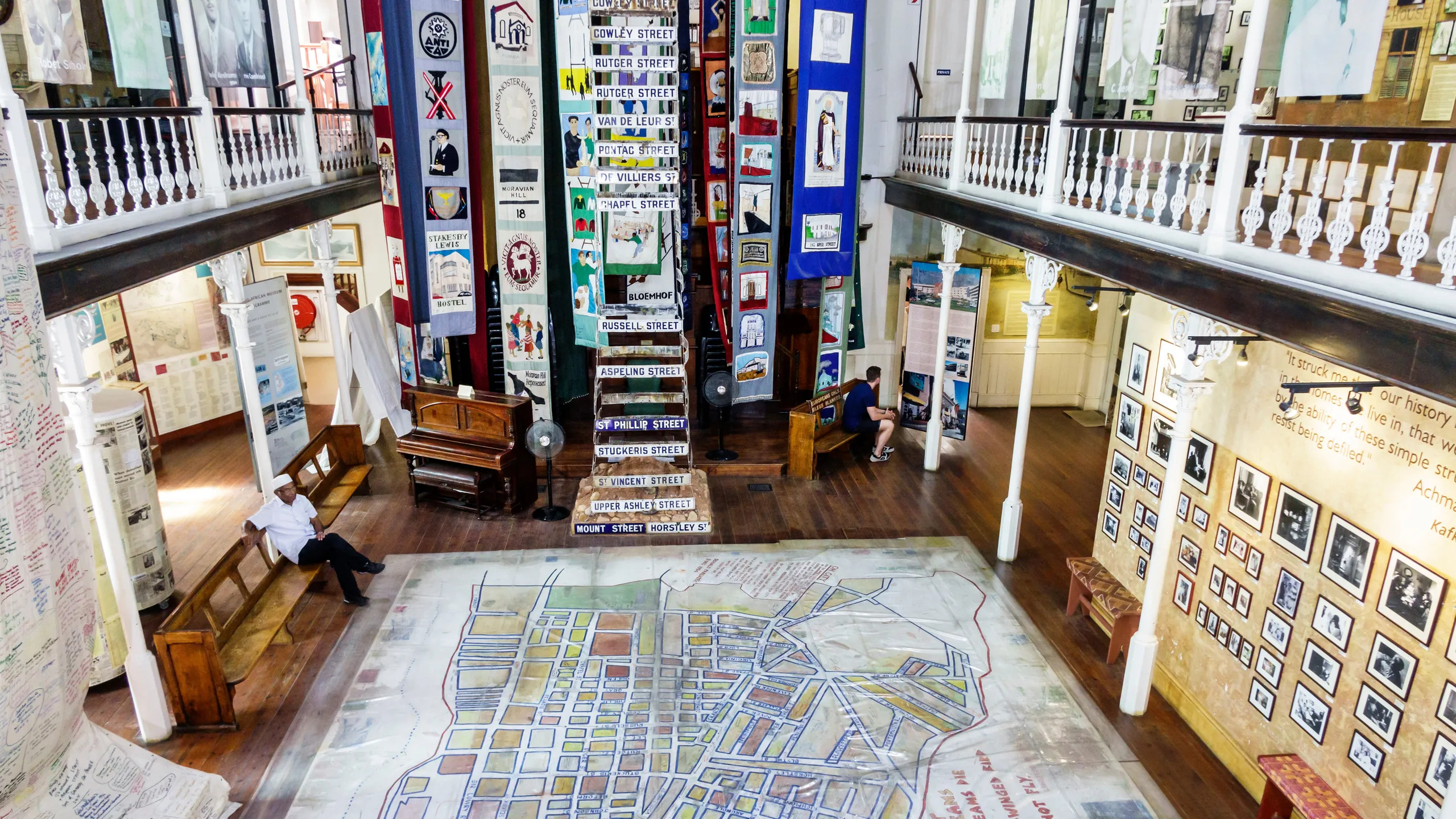
The District Six Museum is not a comfortable visit, and it is not designed to be. The exhibits are dense, the testimonies are specific, and the building itself — an ordinary church repurposed into an act of collective memory — carries a particular gravity. Allow two hours minimum. Do not rush the floor map.
Il consiglio del team
On certain days, former residents serve as volunteer guides. If one is available when you arrive, take the tour. Their knowledge of the neighbourhood's pre-removal geography is exact in ways that no printed label can replicate.
Castle of Good Hope
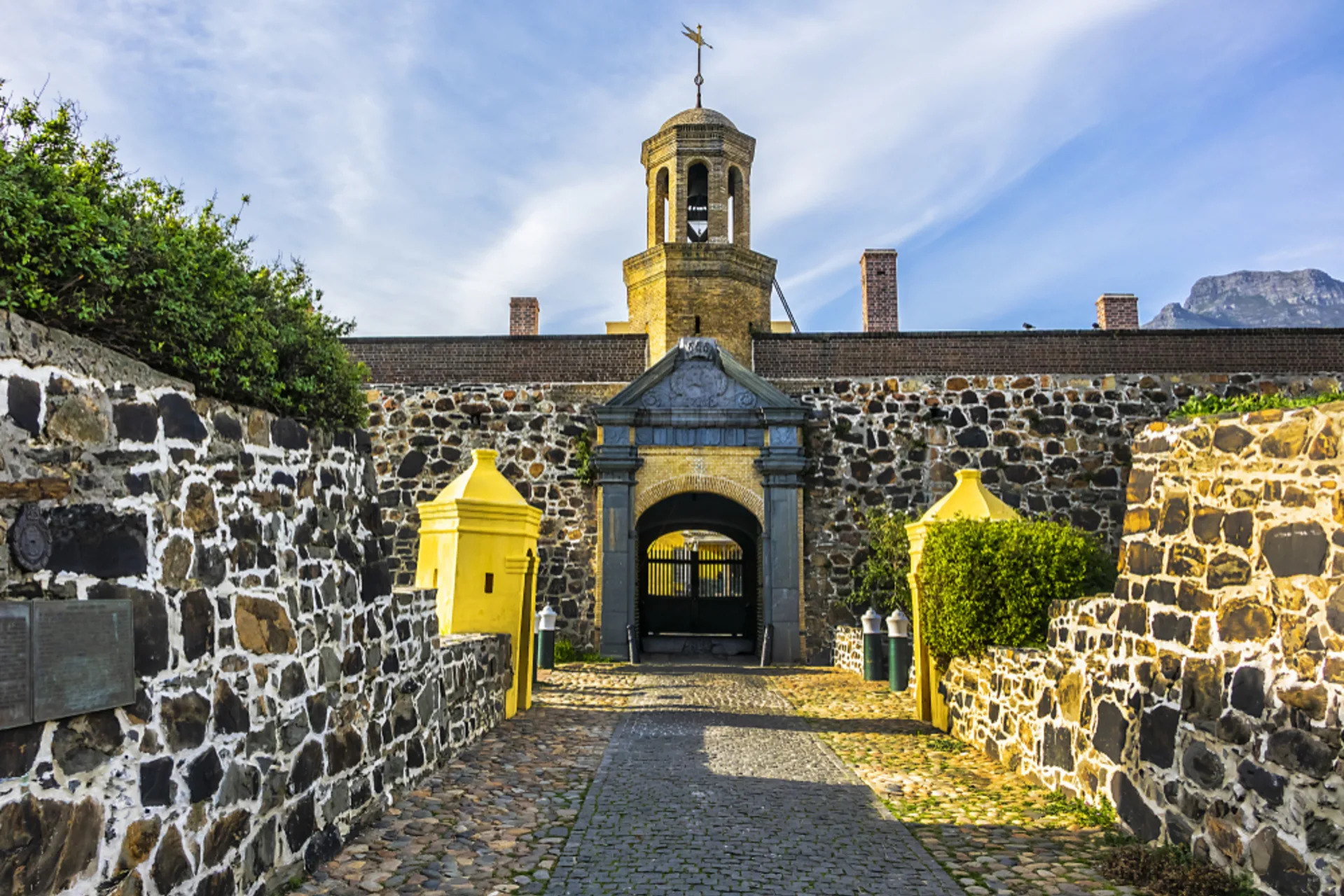
Most visitors walk through quickly, photograph the William Fehr Collection of historical paintings, and leave. The more interesting use of the castle is to treat it as a slow read: the architecture itself is a document of colonial anxiety, designed by engineers who expected siege. The courtyard in midmorning, before the tour groups arrive, is one of the quieter spots in the city centre. The castle sits perhaps 400 metres from the central station, which means you can combine it with the District Six Museum on foot without much difficulty.
Il consiglio del team
The key ceremony — a daily ritual of changing the guard and locking the castle gates — happens at noon on weekdays and draws a small, genuinely interested crowd rather than a manufactured spectacle. Worth timing your visit around it.
Bo Kaap: one of the most photographed areas of Cape Town
The Nurul Islam mosque on Dorp Street, the smell of boeber during Ramadan, the sound of the adhan echoing off cobblestones on a Friday morning — these are the things that give the neighbourhood its actual character. The gentrification pressures here are real and ongoing, and some long-term residents have been priced out. Go, but go with some awareness of what you are walking through. The Bo Kaap Museum on Wale Street is small but worth an hour.
Il consiglio del team
If you want to understand Cape Malay cooking rather than just photograph it, look for cooking classes run by families from the neighbourhood itself rather than hotel-affiliated operators. The spice use alone is an education.
Cape Town, una città tutta da scoprire
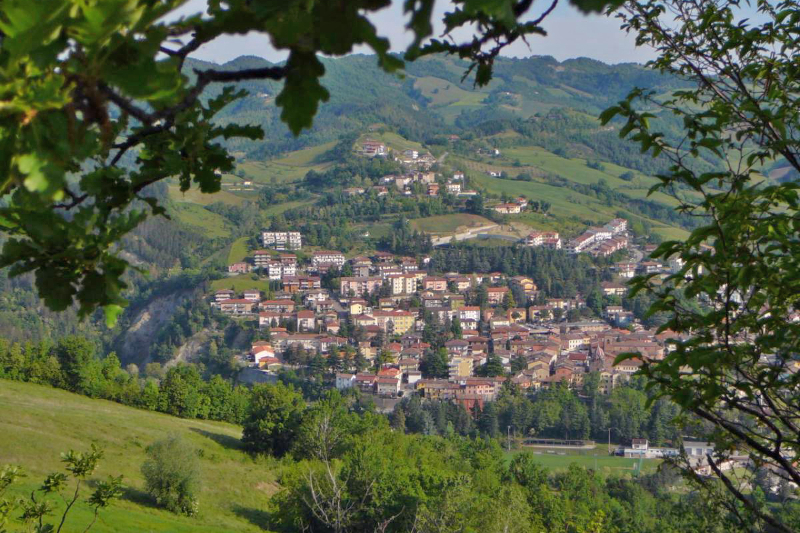
Woodstock's industrial streets, where a serious food scene developed over the last decade in former warehouse spaces, sit about two kilometres from the central business district. Observatory, a few kilometres further along the lower slopes, has the density and scruffiness of a university neighbourhood that has not yet been entirely colonised by brunch culture. Salt River, between the two, is where the city's garment trade still operates, and where you can eat a decent samoosa at a pavement stall for less than the price of a coffee at the Waterfront. Cape Town as a city tutta da scoprire — entirely to be discovered — is not a marketing slogan. It is a practical instruction.
Il consiglio del team
The Golden Arrow bus network is underused by visitors and covers most of the inner city and southern suburbs. A single journey costs a fraction of a rideshare, and the routes through Woodstock and Observatory are direct.
Secret World vs Wanderlog a Cape Town 2026: Chi Vince?
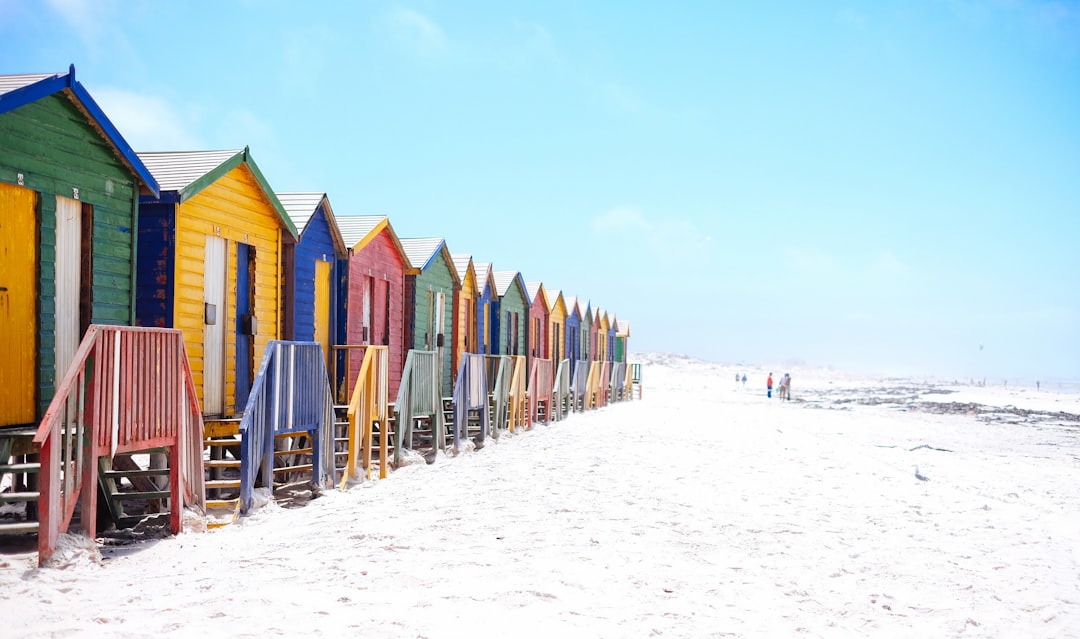
The more useful approach to Cape Town's green spaces in 2026 — as the city continues to manage drought cycles and access inequalities — is to look beyond the obvious anchors and ask which parks serve the communities around them. De Waal Park in Gardens, for instance, is a neighbourhood park that functions as a neighbourhood park: dogs, children, people eating lunch. No entrance fee, no queue.
Il consiglio del team
The South African National Biodiversity Institute manages several lesser-known reserves within the Cape Peninsula. Their website lists access points and trail conditions that most travel apps do not aggregate.
The South African Astronomical Observatory (SAAO)
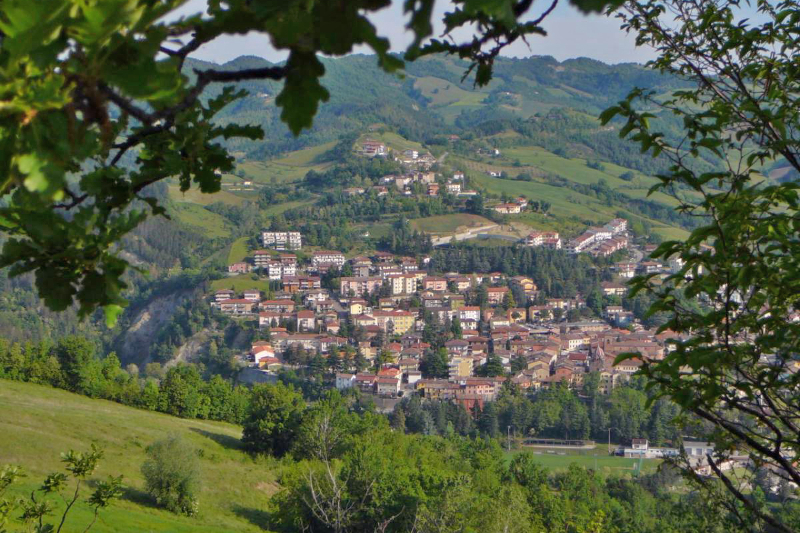
The SAAO now operates its primary research telescopes from Sutherland in the Karoo, where the skies are dark, but the Cape Town site still functions and offers public open evenings on certain Saturdays. The grounds are modest, the telescopes are genuinely old, and the staff astronomers who run the public sessions speak about their work with a directness that institutional science rarely manages in public-facing contexts.
Il consiglio del team
Book the Saturday public evening well in advance — they fill quickly and the SAAO does not heavily advertise them. Bring a warm layer; the ridge catches the south-easter and the evening cools fast.
Maclear's Beacon: La Vista Iconica di Cape Town
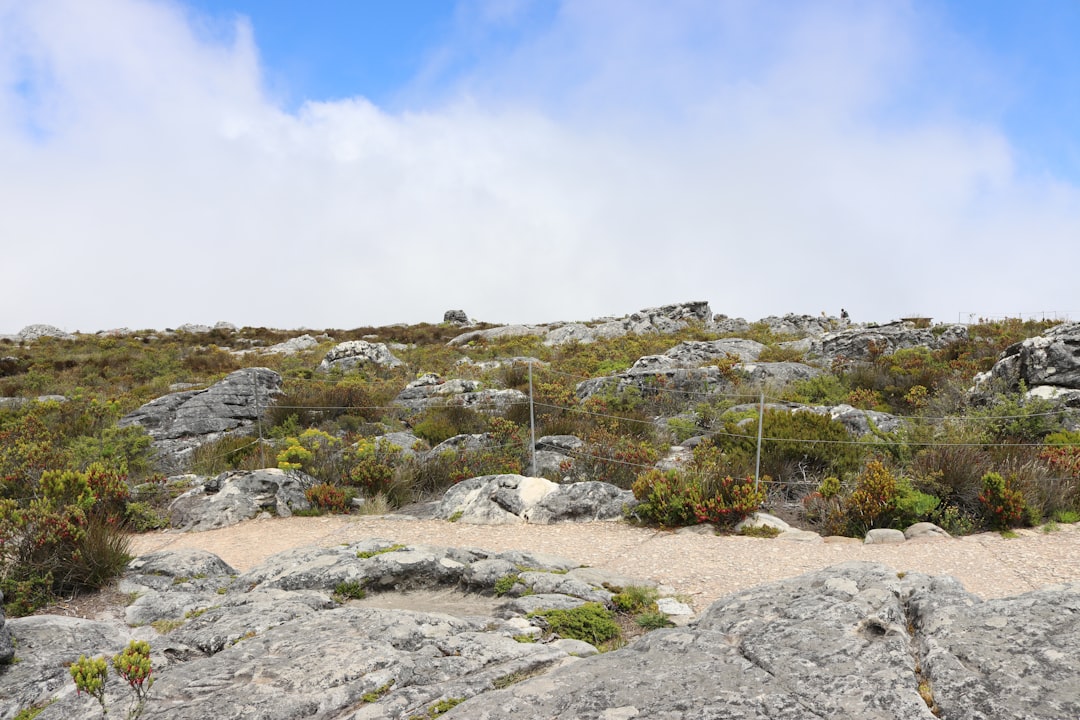
The plateau walk to Maclear's Beacon is not technically demanding, but the mountain's weather changes with a speed that catches people out every season. The cloud that rolls in from the south-east — the tablecloth, Capetonians call it — can reduce visibility to a few metres in under ten minutes. The path is marked, but marked paths on Table Mountain have a way of becoming ambiguous in mist. Go early, carry water, and take the cloud forecasts seriously.
Il consiglio del team
The Maclear's Beacon walk is best done as an extension of a cable car visit rather than a standalone hike from below, unless you are an experienced trail runner. The return cable car queue in late afternoon can be long; factor that into your timing.
Kasteelspoort, the enjoyable ascent up the 12 Apostles
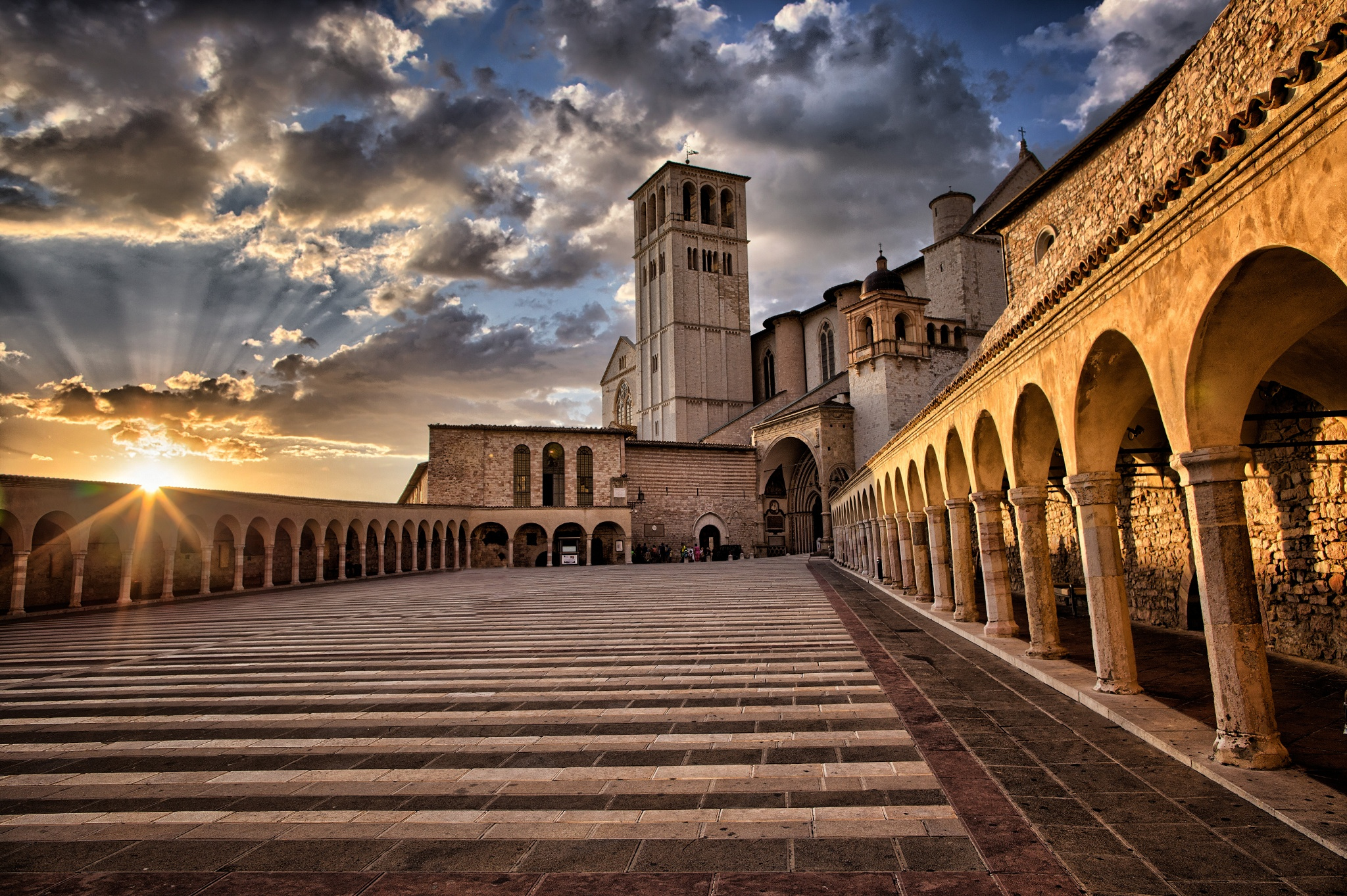
The route begins from the upper reaches of Camps Bay, and the views west over the Atlantic open up early in the ascent. The fynbos on these slopes is dense and specific — proteas, ericas, restios — and if you walk in spring you will pass through sections of flowering that have a quality of accumulated biological patience that no garden replicates. The mountain, from this angle, feels less like a landmark and more like a landscape you are inside.
Il consiglio del team
Kasteelspoort is a popular trail and the lower sections can be busy on weekend mornings. Starting before 8am on a weekday changes the experience significantly. The trailhead parking fills quickly; rideshare drop-off is a more reliable option.
Kirstenbosch National Botanical Garden
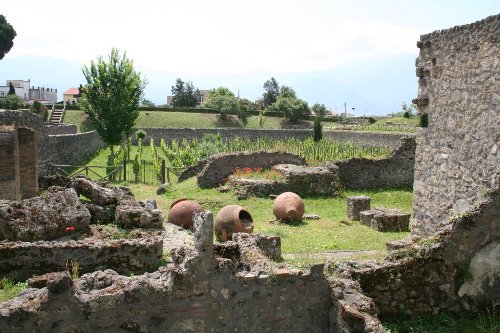
The garden holds more than 22,000 indigenous plant species, with particular depth in Cape fynbos, which is one of the world's six floral kingdoms and occurs nowhere else on earth. The Sunday afternoon concerts on the lawn are a Cape Town institution. They are also extremely crowded. Go on a Tuesday morning instead.
Il consiglio del team
The Boomslang canopy walkway, which curves through the tree canopy at height, is worth the entrance fee on its own. It is busiest in the first hour after opening; arriving at 8am on a weekday gives you the canopy largely to yourself.
Kirstenbosch, South Africa's world-famous botanical garden — and what it overlooks
The garden's relationship to the city around it is worth thinking about. It is, in one sense, a preserved enclave of indigenous ecology in a city that has paved and planted over most of its natural landscape. In another sense, it is a reminder of what the Cape Peninsula looked like before settlement — a landscape of extraordinary biological specificity that has been reduced, outside protected areas, to fragments. Walking through Kirstenbosch with that knowledge does not diminish the experience. It deepens it.
Il consiglio del team
The garden's upper sections, above the formal planting and toward the mountain fynbos, are less visited and give a clearer sense of the natural vegetation that once covered the entire peninsula. A trail map from the entrance gate marks the upper paths clearly.
Cape Town is a city that flatters visitors and frustrates residents, sometimes simultaneously. It has a habit of looking its best at the precise moment you are about to leave — the light on the mountain as your taxi to the airport passes De Waal Drive, the smell of the south-easter dropping off the mountain into the bowl of the city at dusk — and this is either a gift or a kind of emotional manipulation, depending on your mood.
What the city asks of you, if it asks anything, is a willingness to hold its contradictions without resolving them too quickly. The beauty is real. The inequality is real. The history is not decorative. The mountain is not a backdrop. These things coexist, and the visit that engages with all of them — that goes to the District Six Museum and also eats a Cape Malay curry in Bo Kaap and also walks the Kasteelspoort trail at dawn and also sits in a Woodstock coffee shop reading a local newspaper — is a different experience from the one that processes the highlights and moves on.
I still haven't figured the place out. I have stopped expecting to. That, I think, is the appropriate relationship to have with a city of this complexity.
What the city asks of you, if it asks anything, is a willingness to hold its contradictions without resolving them too quickly. The beauty is real. The inequality is real. The history is not decorative. The mountain is not a backdrop. These things coexist, and the visit that engages with all of them — that goes to the District Six Museum and also eats a Cape Malay curry in Bo Kaap and also walks the Kasteelspoort trail at dawn and also sits in a Woodstock coffee shop reading a local newspaper — is a different experience from the one that processes the highlights and moves on.
I still haven't figured the place out. I have stopped expecting to. That, I think, is the appropriate relationship to have with a city of this complexity.