Borghi&Tesori by Secret World — la più grande guida di viaggio al Mondo
En · Guida di viaggio
Guida di viaggio · Edizione 2026

10 Best Things to Do in Amsterdam, Netherlands — beyond the obvious.

A long-term resident's guide to the city that rewards patience and punishes haste.

L
Una guida di
Lena Hofmann
Aggiornata il
9 maggio 2026
Lettura
13 minuti
Comprende
10 luoghi · mappa interattiva
10 Best Things to Do in Amsterdam, Netherlands — beyond the obvious.
★ Guida d'Italia 2026

Pianifica con cura. Viaggia più a fondo.

1.3M+ luoghi curati nel mondo, mappe offline e itinerari intelligenti — tutto in un'app gratuita.

1.3M+ luoghi Mappe offline Itinerari AI Gratis
I arrived in Amsterdam for the first time on a November afternoon, convinced I already understood it. I had done the canal cruise, I had a timed entry to the Rijksmuseum, I had read the Wikipedia article on the Dutch Golden Age on the train from Schiphol. What I had not accounted for was the bicycle that nearly killed me on the Damrak, the inexplicable twenty-minute queue for a stroopwafel, or the way the grey light off the Amstel makes everything look simultaneously melancholy and beautiful in a way that no photograph has ever quite captured. Amsterdam is a city that has spent four centuries being misread by visitors, and it has learned to be patient about it.

The problem is that Amsterdam's most famous version of itself — the Anne Frank House, the Red Light District, the Van Gogh Museum, the Heineken Experience — is not false, exactly, but it is a single layer of a much thicker cake. The city is also a place where a 17th-century church sits fifty metres from a Surinamese roti shop, where a greenhouse contains a living plant older than the Dutch Republic, and where a courtyard of medieval origin exists in near-silence two minutes' walk from one of Europe's busiest shopping streets.

What follows is not a list of secrets. Most of these places appear on maps. Some of them have queues. But they are the places where Amsterdam stops performing for tourists and starts being itself — and that, after many visits and eventually a longer stay, is the version of the city I find worth writing about. A word of warning: the distances here are deceptive. You will feel close to everything and arrive late to all of it.
1 Museum · 0.8 km

The Allard Pierson Museum: archaeology without the crowds
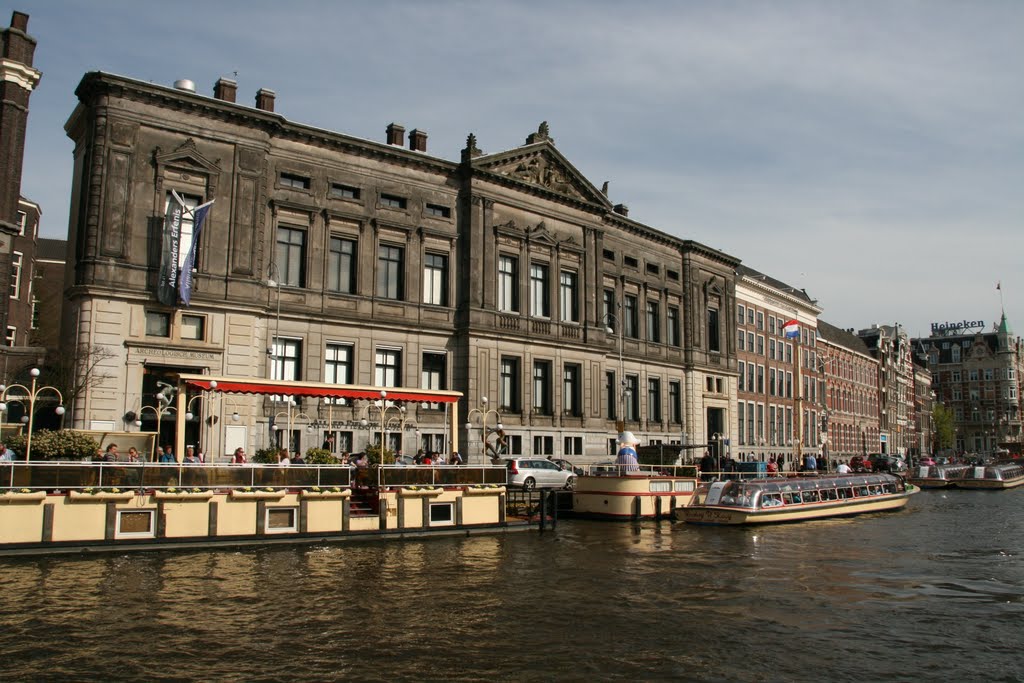
The Allard Pierson Museum: archaeology without the crowds
The Allard Pierson Museum is the archaeological museum of the University of Amsterdam, housed on the Oude Turfmarkt — a street that most visitors walk past on their way to somewhere more photographed. The collection spans ancient Egypt, Greece, Rome, and the Near East, and it has the particular quality of university museums everywhere: things are labelled carefully, the rooms are not overwhelmed with visitors, and the objects feel like they are there to be studied rather than experienced as content. A Roman funerary relief sits near a case of Etruscan pottery. Nobody is taking a selfie with either of them.

There is something clarifying about spending an hour here before walking the canal ring. Amsterdam was built on trade with distant civilisations, and the Allard Pierson makes that lineage tangible in a way that the more famous museums, with their emphasis on the Dutch Golden Age, do not.
Il consiglio del team The museum occasionally hosts temporary exhibitions that draw from the university's research collections — worth checking the website before you visit, as these tend to be more specialist and more interesting than the permanent displays alone.
2 Church · 1.0 km

The Basilica of St. Nicholas: a Catholic church that earned its place
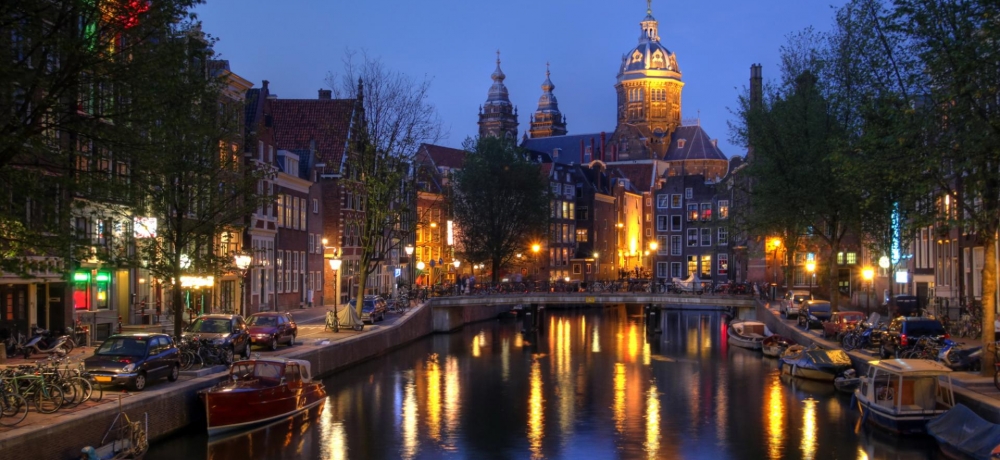
The Basilica of St. Nicholas: a Catholic church that earned its place
The Basilica of Saint Nicholas stands at the edge of the Old Centre, close enough to Centraal Station that most people walk past it pulling wheeled luggage. It is the city's major Catholic church, completed in 1887, and its presence here is historically loaded: Amsterdam was a Protestant city for most of the preceding three centuries, and Catholics had been confined to clandestine worship in private house churches — the most famous of which, Ons' Lieve Heer op Solder, sits a few streets away. The Basilica was, in a sense, a statement.

Inside, the scale is larger than the exterior suggests. The nave is wide, the vaulting high, and the decoration runs toward the ornate without quite tipping into excess. On a weekday morning it is almost empty, which is the right time to visit. The light through the windows falls differently depending on the season, and in winter it has the particular quality of northern European ecclesiastical architecture: cold, precise, and not unmoving.
Il consiglio del team Mass is still celebrated regularly, and the acoustic quality of the space during a sung service is worth planning around if your visit overlaps.
3 Historic courtyard · 1.0 km

The Begijnhof: silence that requires effort to find
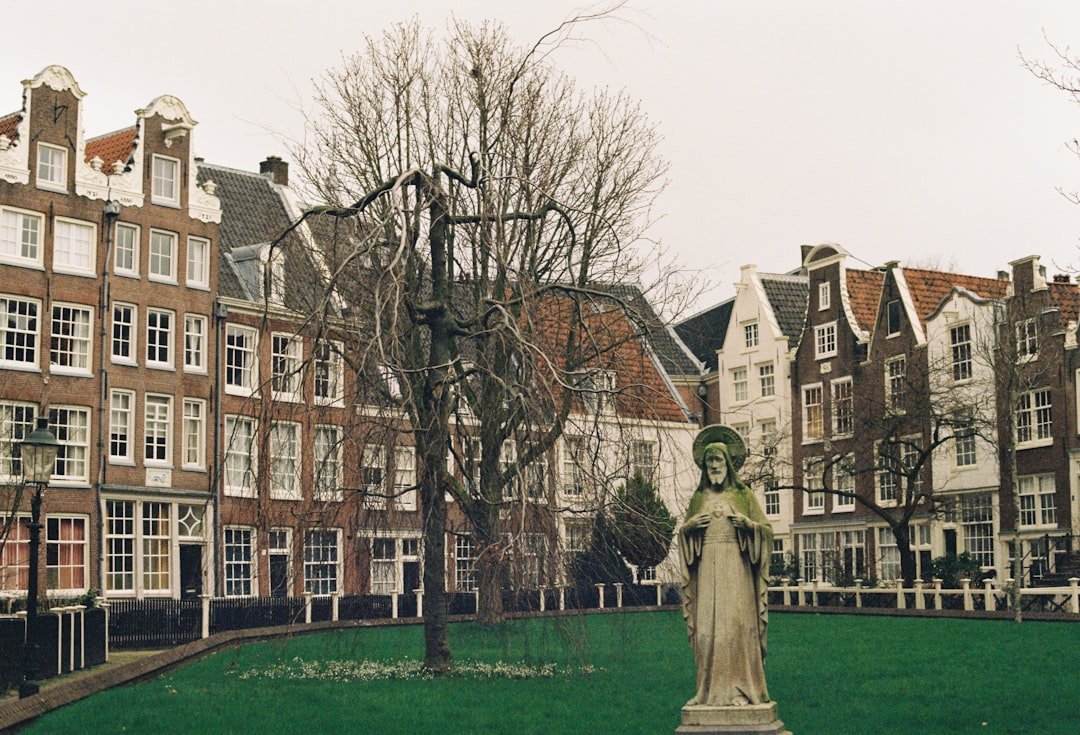
The Begijnhof: silence that requires effort to find
The Begijnhof is a courtyard of medieval origin in the heart of Amsterdam — a residential enclosure that once housed the Beguines, lay Catholic women who lived in community without taking formal vows. The oldest surviving wooden house in Amsterdam stands here, dating to around 1420. The courtyard is green, quiet, and surrounded by houses that are still occupied as private residences, which gives the place a quality that most 'historic' sites in Amsterdam have lost: the sense that time is actually passing here, rather than being preserved in amber for inspection.

The friction is real: it appears on every list, every walking tour, every Instagram grid. On summer afternoons it can feel more like a film set than a place of retreat. The solution is to arrive early — before nine in the morning — or in the rain, which in Amsterdam is never a long wait.
Il consiglio del team The small English Reformed Church inside the courtyard has a connection to the Pilgrim Fathers, who worshipped in Leiden before departing for America. The church is usually open and the interior is plain in the way that Calvinist interiors are supposed to be.
4 Church · 1.6 km

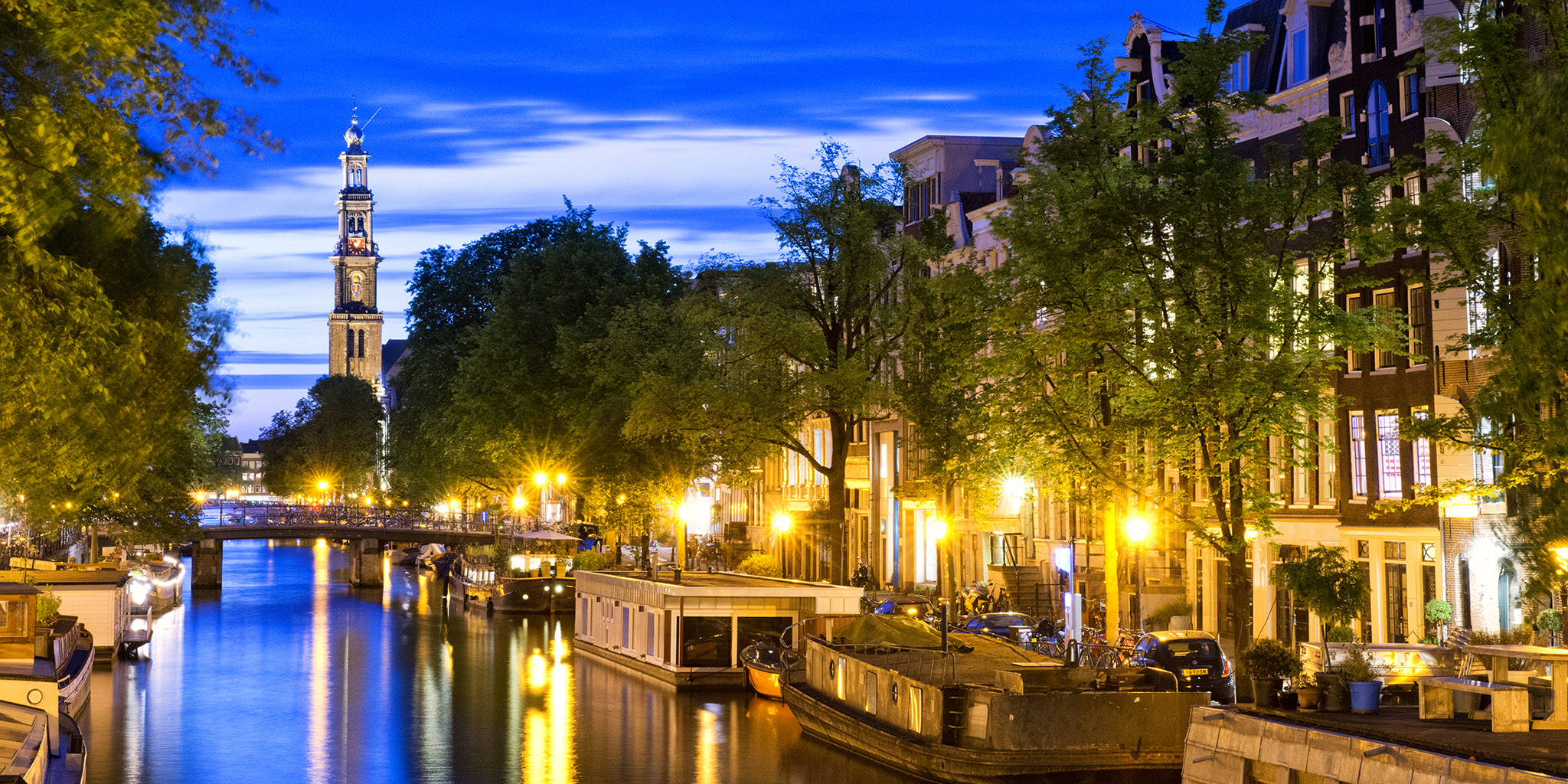
Westerkerk: the tower, not the church

Westerkerk: the tower, not the church
The Westerkerk is the biggest church in Amsterdam, built between 1619 and 1631, and it is the most important Protestant church in the city. Rembrandt is buried here, though the precise location of his grave is not known. Anne Frank wrote about hearing its bells from the annex on the Prinsengracht, which is why the church appears in so many accounts of that period. All of this is true and worth knowing, but the reason to come here — rather than simply pass it on the way to the Anne Frank House queue — is the tower.

The Westerkerk Tower is the tallest church tower in Amsterdam, and the climb is guided, which means you go up in a small group with someone who knows the history. The view from the top is not panoramic in the dramatic sense; Amsterdam is a flat city and its skyline is horizontal. But the geometry of the canal ring laid out below you, the way the streets follow the water rather than the other way around, makes the logic of the city suddenly legible.
Il consiglio del team Tower climbs run at specific times and the groups are small — book in advance, particularly between May and September, when the combination of Anne Frank House visitors and general canal-ring tourism makes the surrounding streets genuinely difficult to move through.
5 Botanical garden · 0.3 km

Hortus Botanicus di Amsterdam: a plant older than most countries
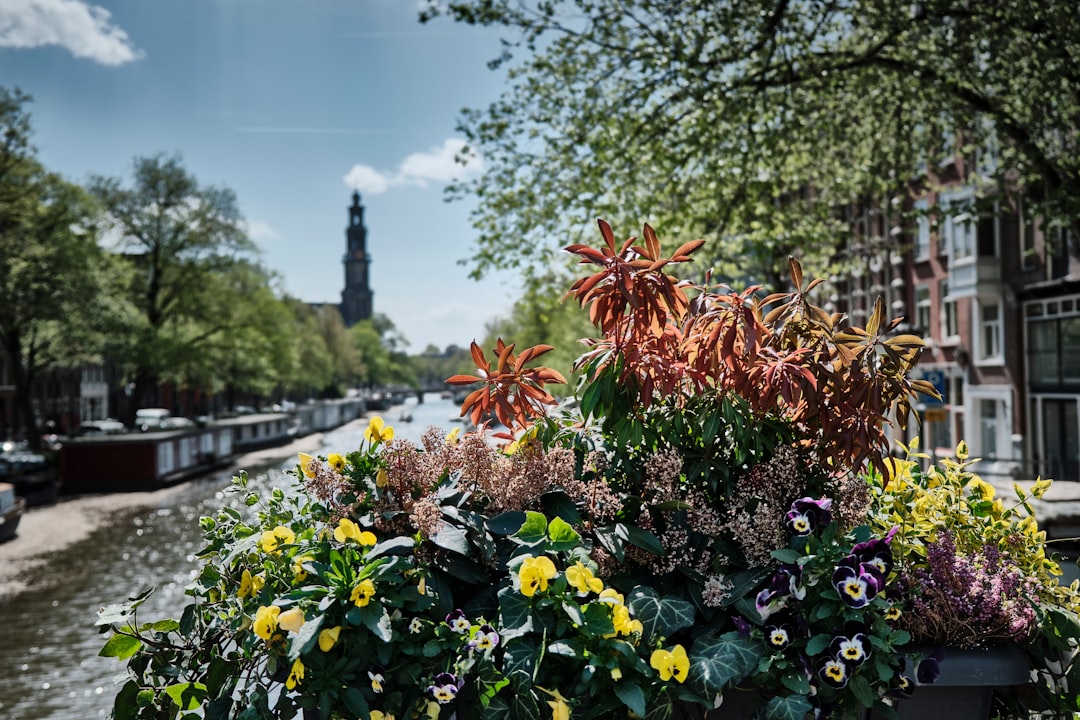
Hortus Botanicus di Amsterdam: a plant older than most countries
There is a cycad from the Eastern Cape of South Africa growing in the main greenhouse of the Hortus Botanicus di Amsterdam that was planted over three hundred years ago. It is one of the oldest living potted plants in the world, and it sits in its greenhouse with the particular indifference of something that has outlasted every human institution in the city around it. The Hortus was established in 1638, originally as a medicinal herb garden for Amsterdam's physicians and apothecaries. The VOC — the Dutch East India Company — used it as a holding ground for plants brought back from trading voyages, which is how coffee and other crops eventually spread from here to other parts of the world.

The garden covers about 1.2 hectares, which makes it compact by botanical garden standards. This is not a place to spend a full day. It is a place to spend ninety minutes, slowly, reading the labels, and thinking about the distance between Amsterdam and the Eastern Cape.
Il consiglio del team The butterfly greenhouse, a warm glass enclosure attached to the main building, is open year-round and is particularly worth visiting in winter, when the contrast between the cold outside and the humid interior is at its most extreme.
6 Orientation · 0.0 km

Understanding Amsterdam's distances: the city that shrinks and expands
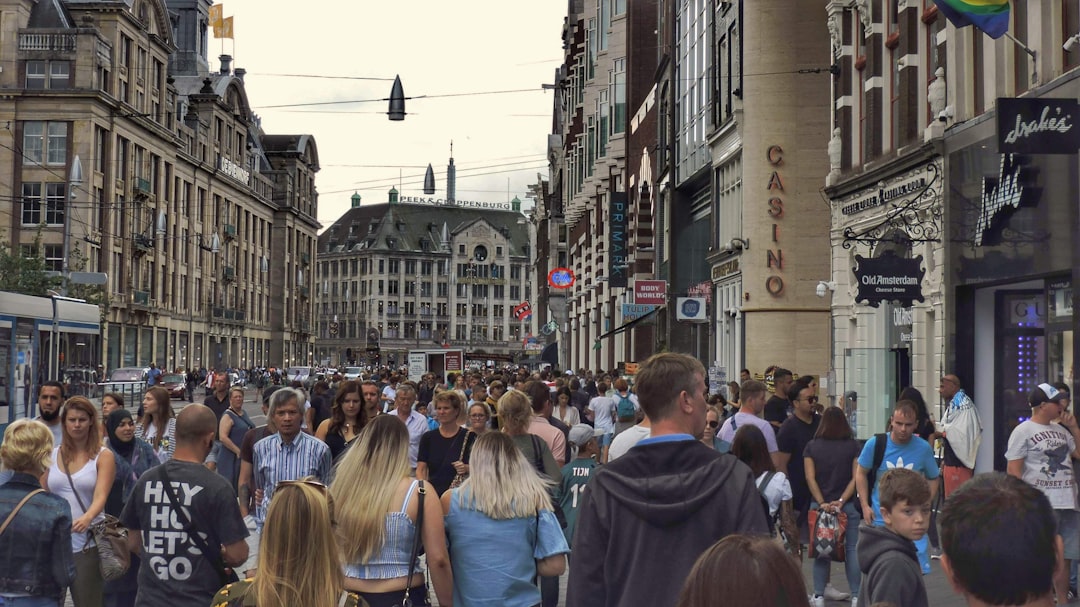
Understanding Amsterdam's distances: the city that shrinks and expands
Amsterdam has a problem that every traveller discovers too late: the distances deceive. The Rijksmuseum and the Van Gogh Museum are barely 800 metres apart, but between the canals, the bridges, and the cycling infrastructure — which operates with a confidence that pedestrians find alarming — what looks like a short walk on a map becomes a twenty-minute negotiation with urban space. The canal ring, a UNESCO World Heritage Site since 2010, was designed for boats and for feet, and it resists the logic of grid navigation entirely.

The practical consequence is that Amsterdam rewards a different kind of movement than most European capitals. The city is best understood not as a series of destinations connected by routes, but as a series of neighbourhoods with their own internal logic — the Jordaan, the Pijp, the Plantage — each of which gives back more the slower you move through it. Renting a bicycle is the standard advice, and it is correct, but only once you have spent at least one day walking and getting genuinely lost.
Il consiglio del team The free GVB ferry services from behind Centraal Station — particularly the one to Amsterdam-Noord — offer one of the better free perspectives on the city's waterfront and take you into a neighbourhood that most visitors never reach.
7 Food and markets · 0.0 km

Eating Amsterdam on a budget: where the city actually feeds itself
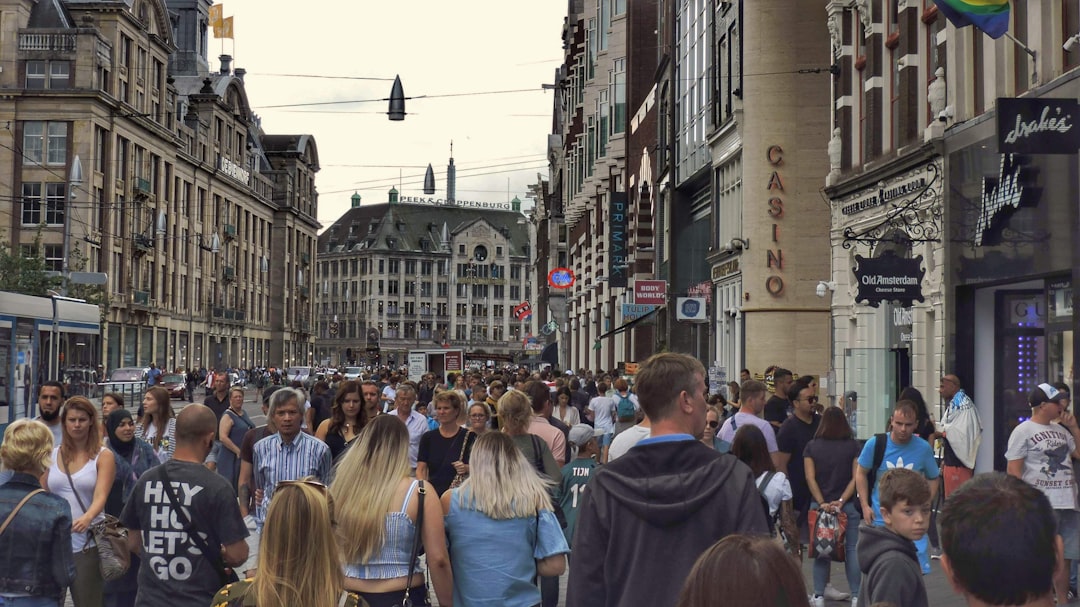
Eating Amsterdam on a budget: where the city actually feeds itself
Amsterdam is an expensive city, and the tourist infrastructure around food is particularly good at extracting money for mediocre results. The canal-side restaurants with English menus and photographs of their dishes exist in a separate economy from the places where the city actually eats. The Albert Cuyp Market in the De Pijp neighbourhood runs on weekdays and Saturdays and is the largest outdoor market in the Netherlands — a long, dense street of stalls selling herring, stroopwafels made fresh rather than packaged, Indonesian snacks, Dutch cheeses, and produce at prices that are not calibrated to tourist wallets.

The Surinamese and Indonesian food traditions in Amsterdam are genuinely worth seeking out — a legacy of Dutch colonial history that produced a cuisine more interesting than anything the Dutch developed on their own. A rijsttafel, properly done, is a meal that takes time and requires no apology for ordering.
Il consiglio del team The Foodhallen in the Oud-West neighbourhood is a covered food market that draws a local crowd in the evenings. It is not cheap, but it is a better introduction to the range of what Amsterdam eats than any restaurant district aimed at visitors.
8 Budget travel · 0.0 km

Travelling Amsterdam without spending heavily: the city's genuine free culture
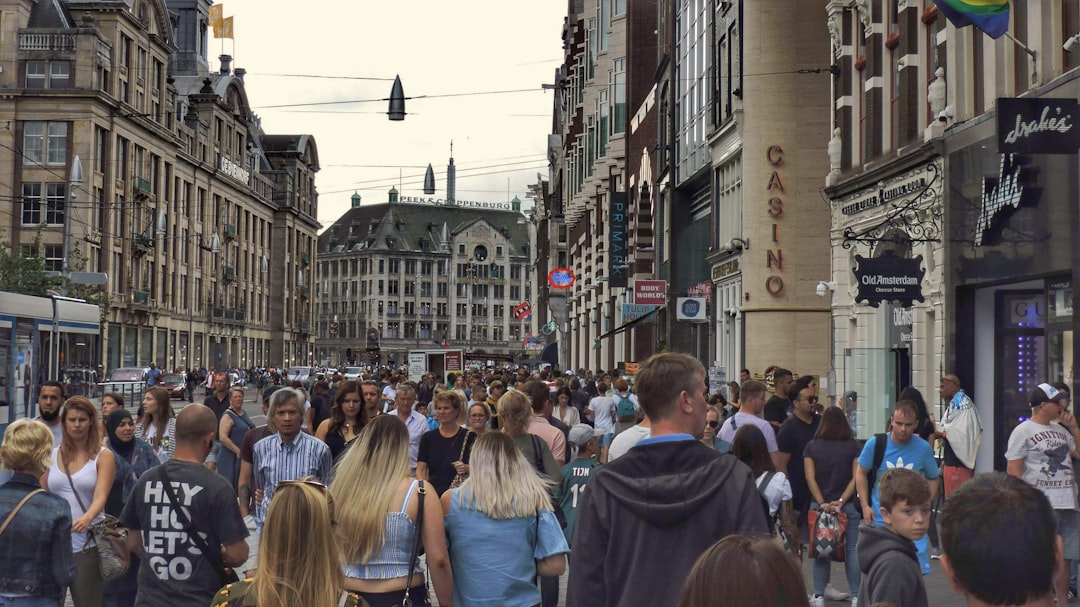
Travelling Amsterdam without spending heavily: the city's genuine free culture
The assumption that Amsterdam requires significant money to experience well is partly true and partly a failure of planning. The Museumplein is free to walk through. The canal ring is free to walk along. The Begijnhof costs nothing to enter. The Westerkerk is free to enter (the tower climb is not). The Vondelpark, Amsterdam's largest and most used park, is a functioning public space where people actually sit, cycle, read, and eat lunch rather than simply pass through for photographs.

The I Amsterdam City Card, sold at tourist offices, makes mathematical sense only if you are genuinely planning to visit multiple paid museums in a short window. For most visitors, the better strategy is to choose two or three museums carefully, pay for those, and spend the remaining time in the streets, the markets, and the parks — which is, in any case, where the city is most itself.
Il consiglio del team The Rijksmuseum's garden, accessible without a museum ticket, contains sculptures and a sense of the building's exterior architecture that the entrance queue obscures. On a clear day it is worth thirty minutes of anyone's time.
9 Travel planning · 0.0 km

Planning tools for Amsterdam in 2026: what actually helps
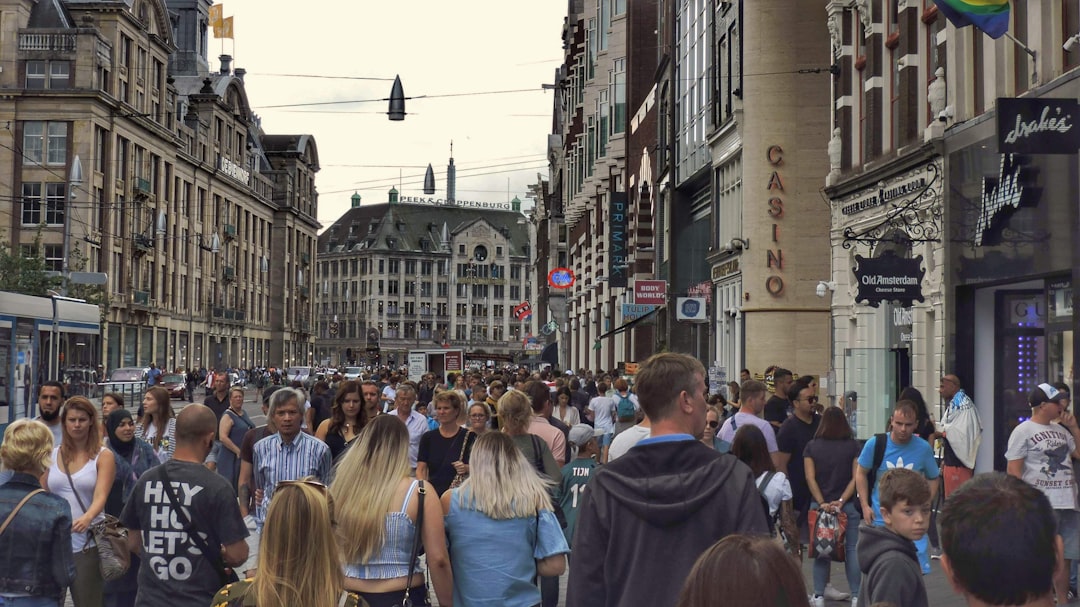
Planning tools for Amsterdam in 2026: what actually helps
The proliferation of trip-planning applications has not made Amsterdam easier to visit so much as it has made it easier to over-schedule. Apps like Wanderlog and its various alternatives — the category of tools sometimes described as Wanderlog alternatives 2026 — are useful for building itineraries and storing booking confirmations in one place, but they tend to encourage a style of tourism that treats a city as a list to be completed rather than a place to be inhabited. Amsterdam, more than most cities, resists this approach.

The more useful function of any planning tool in Amsterdam is distance and transport calculation — specifically, understanding which museums and neighbourhoods are genuinely walkable from each other and which require a tram or metro. The GVB transit app, combined with Google Maps in transit mode, handles this more reliably than most dedicated travel apps, which have a tendency to route you past attractions rather than toward them.
Il consiglio del team Build deliberate gaps into any Amsterdam itinerary. The city has a way of producing unexpected things — a market you didn't know about, a canal view at a particular angle of light, a bookshop that turns out to be worth an hour — and an over-scheduled day leaves no room for any of them.
10 Cultural preparation · 0.0 km

Reading Amsterdam before you arrive: the city as text
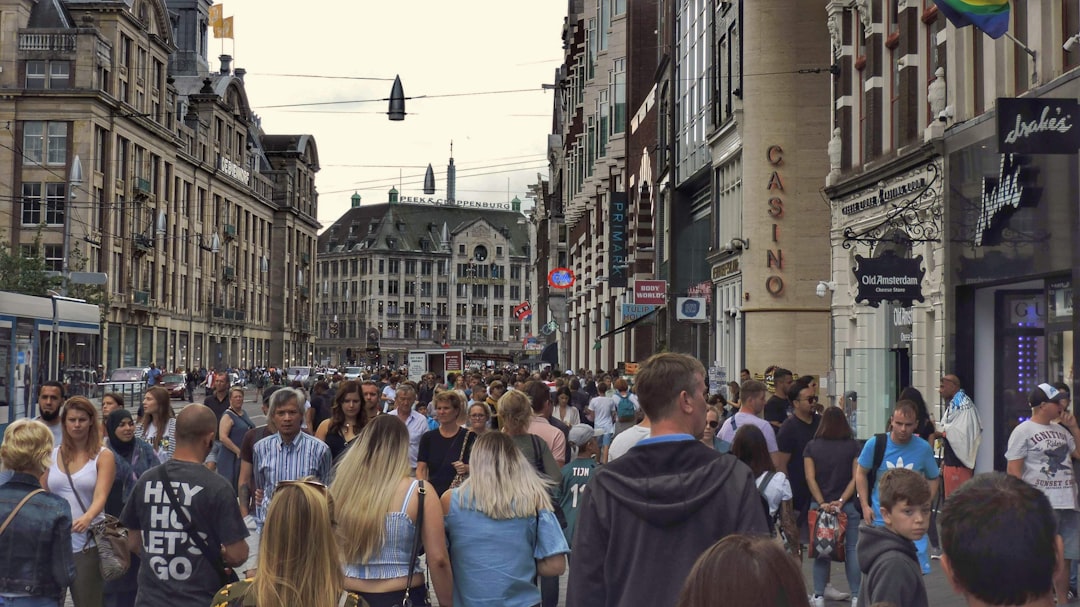
Reading Amsterdam before you arrive: the city as text
Amsterdam is a city with a substantial literary and intellectual tradition that most visitors arrive knowing nothing about, which is a missed opportunity. Geert Mak's Amsterdam: A Brief Life of the City is the standard recommendation and it earns that status — it is a history of the city told through specific streets and buildings, and it makes the canal ring legible in a way that no walking tour can replicate. Reading it before arrival, rather than after, changes what you see.

The city also has a long tradition of what might be called Le migliori alternative a Wanderlog per Amsterdam 2026 — the persistent human instinct to find a better system for navigating a complex place. The honest answer is that no app or guide replaces the experience of arriving somewhere without a fixed agenda. Amsterdam is a city that has been planned and replanned for four centuries. It can handle a visitor who hasn't.
Il consiglio del team The American Book Center on the Spui sells a well-curated selection of English-language books about Amsterdam and the Netherlands. It is a better souvenir than most of what is sold in the canal-side shops.
There is a version of Amsterdam that exists primarily for visitors, and it is well-maintained and efficiently delivered. The canal cruises depart on schedule. The museums are clean and the audio guides are translated into twelve languages. The stroopwafels are available at every corner. This version of the city is not dishonest, but it is incomplete in the way that all performed versions of places are incomplete.

The other Amsterdam — the one that emerges in the early morning on the Prinsengracht, or in the Hortus Botanicus beside a plant that has been growing since before the city's canal ring was finished, or in the Albert Cuyp Market on a grey Tuesday in October — requires slightly more patience and slightly less planning than most visitors arrive with. It also requires a willingness to be wrong about the city, which is harder than it sounds. Amsterdam has been attracting confident visitors since the 17th century, and it has developed a quiet talent for humbling them.

The best thing I can say about Amsterdam is that I have been there enough times to stop being surprised by it, and it still surprises me. That is not a small thing for a city to achieve.
★ Guida tascabile

Porta questa guida con te.

Salvala offline, ottieni le indicazioni a piedi e scopri migliaia di luoghi come questi.

Salva offline Percorsi smart Tesori nascosti
App Store Google Play AppGallery

Tutti i luoghi sulla mappa

Dati cartografici © OpenStreetMap contributors.

Domande dei lettori

Le domande più frequenti su questa guida.

What is the best time of year to visit Amsterdam?

April and May are the most popular months, coinciding with tulip season and the Keukenhof gardens, which means the canal ring is at its most crowded. September and October offer cooler weather, fewer visitors, and the particular quality of northern European autumn light that makes the canal architecture look its best. Winter is genuinely cold and sometimes wet, but the Christmas market period and the absence of peak-season crowds make it worth considering for visitors who don't require sunshine.

How do I get around Amsterdam without renting a bicycle?

The GVB tram network covers the central city comprehensively, and a single OV-chipkaart — a reloadable transit card available at Centraal Station — works across trams, metro, and buses. Walking is genuinely viable for most of the canal ring; the distances are shorter than they feel on a map. Taxis exist but are expensive, and the ride-share options available in other European cities operate under different regulations in Amsterdam. The free ferries from behind Centraal Station to Amsterdam-Noord are worth using at least once.

Do I need to book Amsterdam museums in advance?

For the Anne Frank House, advance booking is not optional — it sells out weeks ahead in summer and the walk-up queue is not a reliable alternative. The Rijksmuseum and Van Gogh Museum strongly recommend advance booking and frequently sell out timed slots on peak days. The Allard Pierson Museum, the Hortus Botanicus, and most smaller institutions can generally be visited without pre-booking, though checking the websites before arriving is sensible.

Is Amsterdam safe for solo travellers?

Amsterdam is broadly safe, but it has specific friction points that solo travellers should know about. The Red Light District at night attracts a crowd that includes a significant proportion of people who are intoxicated, and petty theft — particularly bicycle theft and pickpocketing in crowded tourist areas — is common enough to warrant basic precautions. The main train station area and the Damrak have a higher concentration of street scams than the rest of the city. Outside these zones, the city is navigable and generally low-friction.

How many days do I need in Amsterdam?

Three full days is the minimum to move beyond the most obvious layer of the city. Two days is enough to see the major museums and walk the canal ring, but not enough to spend a morning in the Plantage neighbourhood, explore the Jordaan properly, or visit the Albert Cuyp Market and eat lunch nearby. Five days allows for day trips — Haarlem and Leiden are both under thirty minutes by train — without feeling rushed in the city itself. More than a week starts to reveal the city's slower rhythms, which is when it becomes genuinely interesting.

★ Leggila quando vuoi

Salvala sul tuo telefono.

Aggiungi questa guida ai preferiti, pianifica il viaggio offline, scopri luoghi come questi.

Preferiti Offline 60+ lingue
App Store Google Play AppGallery