


I have spent enough time in this city to know that the places which genuinely surprise you are rarely the ones that have been kept secret. They are the ones that sit in plain sight, misread or underestimated. A metro station that doubles as a gallery. A palace that almost nobody enters because the one next door is more famous. A dish eaten by Swedish children every week that no tourist thinks to order. A square that holds seven centuries of civic memory without advertising the fact.
The fifteen places in this editorial are not secret. Several of them appear in guidebooks. What makes them feel hidden is the gap between how much they deserve attention and how little of it they actually receive. That gap, in a city this rewarding, is where the interesting travel happens. Stockholm does not hide its treasures. It simply trusts that you will look carefully enough to find them.
Part one — The essentials
Arvfursten Palace in Stockholm: the palace that forgot to be famous

What makes it genuinely worth pausing for is the contrast it creates with its surroundings. Gustav Adolfs Torg is one of Stockholm's great formal spaces, and Arvfursten Palace anchors its northern edge with a seriousness that the square's busier landmarks tend to overshadow. Stand with your back to the water and let the geometry of the thing register properly.
Il consiglio del team
The square is best experienced early on a weekday morning, before the tour groups arrive, when the light from the water catches the palace's facade at an angle that no afternoon photograph will replicate.
Bonde Palace in Stockholm: Sweden's empire, in stone

The palace was designed by Nicodemus Tessin the Elder and Jean de la Vallée in the seventeenth century, and it carries that era's conviction that civic architecture should communicate authority without apology. It has served various administrative functions over the centuries, which perhaps explains why it registers as a working building rather than a monument — and why so many people walk straight past it.
Il consiglio del team
Position yourself on the narrow lane to the south of the building to see how its scale was designed to dominate the medieval street plan around it — an effect that disappears if you only view it from the main square.
Stadshuset in Stoccolma: the building Swedes love most
Östberg spent decades on this project, and it shows in the obsessive detail of every corridor and courtyard. The Nobel Prize banquet has been held here since 1930, which is well known; what is less appreciated is how much of the building remains accessible to curious visitors willing to take a guided tour.
Il consiglio del team
Book a tower climb for the late afternoon — the view over Riddarfjärden at that hour is the kind of thing that recalibrates your sense of the city's geography.
The Hallwyl Palace: a private obsession made public

The result is one of Stockholm's most peculiar and rewarding interiors: a late-nineteenth-century aristocratic home preserved not by accident but by design, which gives it an uncanny quality that conventional historic houses rarely achieve. The collection ranges from medieval armour to Flemish paintings to Wilhelmina's own correspondence, all organised with the methodical intensity of someone who understood that the mundane details of a life are exactly what posterity tends to lose.
Il consiglio del team
The free guided tours offered on certain days go into the archive rooms not included in the standard visit — worth checking the museum's schedule before you arrive.
Part two — A little deeper
Saint James's Church in Stockholm: seven centuries in plain sight

For a church first mentioned in the fourteenth century, it receives a remarkably modest amount of foot traffic from visitors, perhaps because it lacks the narrative hook of the Cathedral or the dramatic setting of Riddarholmen. What it offers instead is the particular atmosphere of a building that has been used continuously for worship across seven centuries — a quality that no amount of restoration can manufacture.
Il consiglio del team
Enter on a weekday afternoon when services are not scheduled — the interior light at that hour, filtered through the windows, is as close to contemplative as central Stockholm gets.
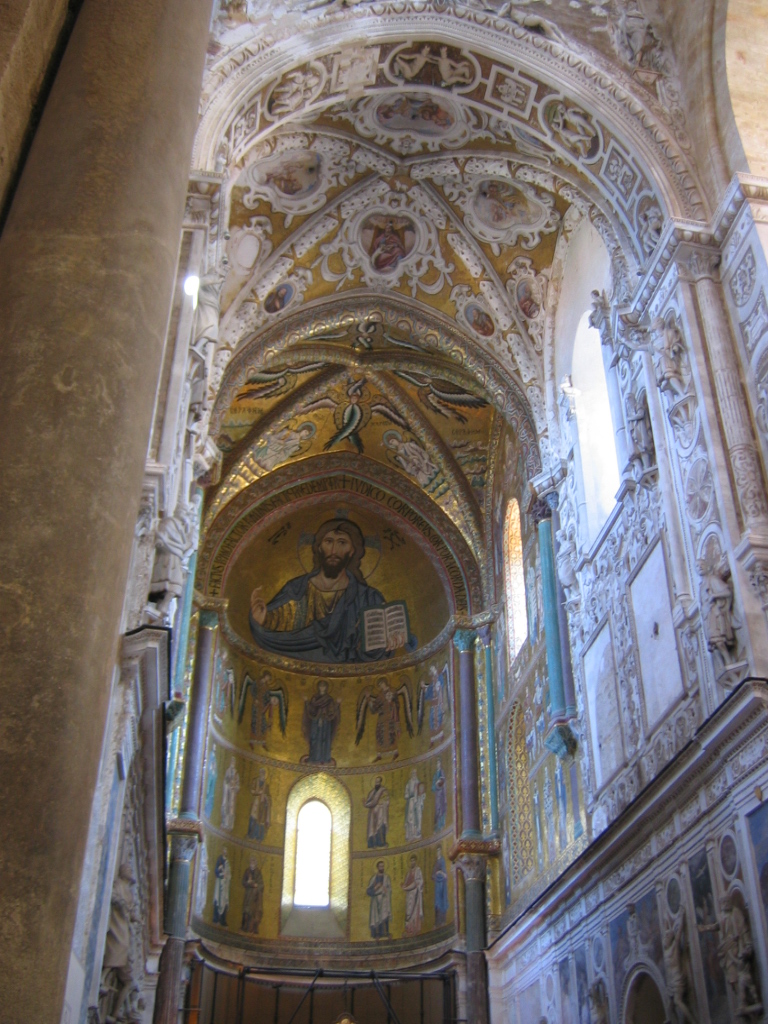
Storkyrkan (Cattedrale di Stoccolma): the medieval heart of Gamla Stan
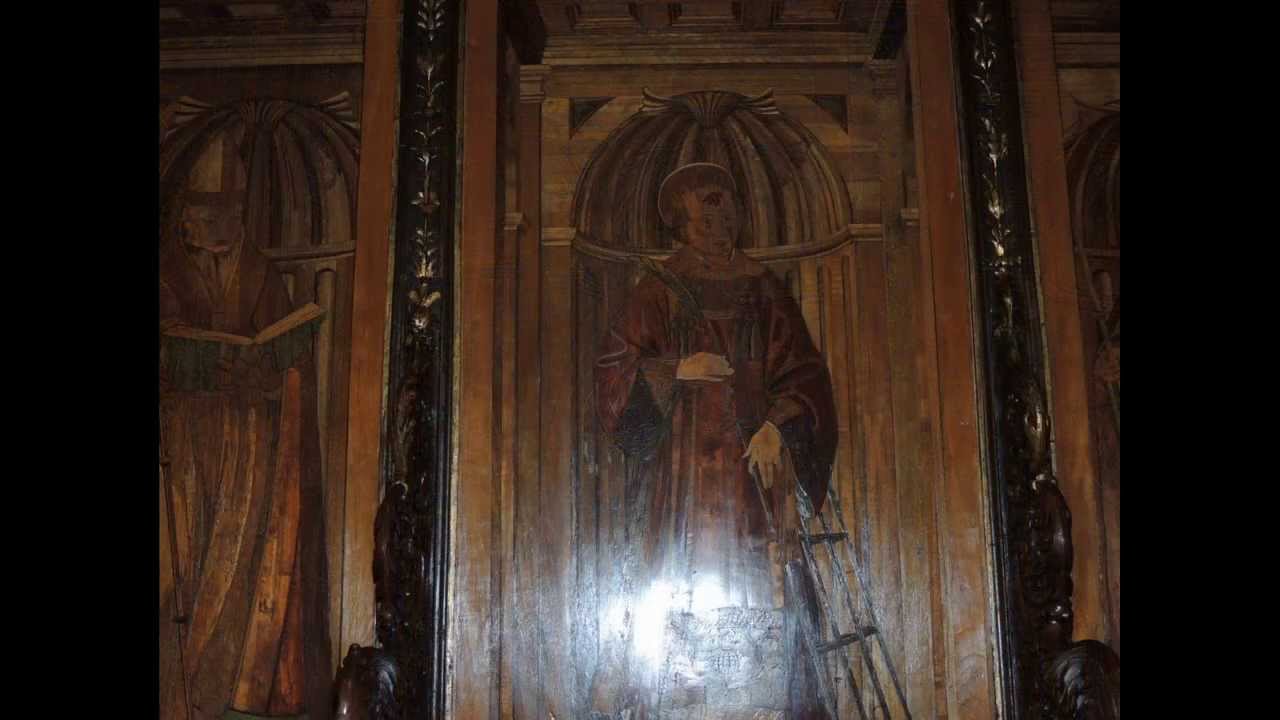
The interior is where the real interest lies. The Saint George and the Dragon sculpture, carved in oak and elk antler in the late fifteenth century, is one of the most significant pieces of medieval art in Scandinavia, and it stands in the nave with a ferocity that the cathedral's otherwise measured atmosphere makes more rather than less striking. The painting known as Vädersolstavlan, depicting a rare atmospheric phenomenon observed over Stockholm in 1535, hangs here and constitutes one of the oldest known depictions of the city.
Il consiglio del team
The Vädersolstavlan painting is easy to walk past — it hangs in a side area and is not dramatically lit. Slow down and look for it specifically; it repays close attention.
Stockholm and the old Abbey of the Blackfriars: Finland's church in exile
Finland was part of Sweden until 1809, and the national parish of the Finnish community in Stockholm was established in 1533, initially housed in the old abbey of the Blackfriars — a Dominican foundation whose physical traces remain embedded in the building that stands today. The Finnish Church, as it is now known, occupies a corner of Gamla Stan that most visitors pass without registering what they are looking at: a structure whose history encodes both the political geography of early modern Scandinavia and the persistence of a diaspora community across five centuries.The church continues to serve Stockholm's Finnish-speaking community, which gives it a living quality that purely heritage-oriented buildings tend to lack. The courtyard adjacent to the church is one of the quieter outdoor spaces in Gamla Stan — a neighbourhood not known for its quiet outdoor spaces.
Il consiglio del team
The courtyard is accessible during the church's opening hours and is worth entering for its own sake — it offers a sense of the medieval urban fabric that the main streets of Gamla Stan have largely lost to renovation.
Stortorget: Stockholm's Oldest Square — the square that remembers everything
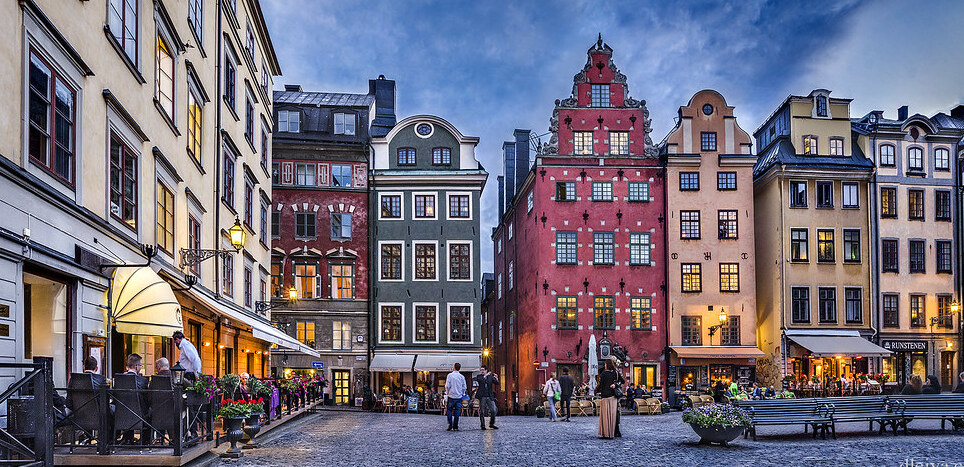
That history includes the Stockholm Bloodbath of 1520, in which the Danish King Christian II executed dozens of Swedish nobles and clergy in this square — one of the most consequential political events in Scandinavian history, and one that is easy to forget when you are standing among the painted facades on a bright summer afternoon. The square holds both things simultaneously, and the tension between them is more interesting than either alone.
Il consiglio del team
Come in the early morning before the cafes open their outdoor seating — the square in its unoccupied state, with the painted facades catching the first light, reads as a genuinely historical space rather than a backdrop.
Part three — Off the obvious path
Kungsträdgården, una delle stazioni metro più belle al mondo: the gallery you ride through

The irony is that Kungsträdgården is also the name of one of Stockholm's most visited parks, directly above the station — which means that most people who pass through the station are in a hurry to get somewhere else. The station rewards the opposite approach: arrive with no particular agenda and spend twenty minutes simply being in it.
Il consiglio del team
The platform level is where the most interesting design decisions are concentrated — do not just pass through the concourse; take the escalator all the way down and look back up at the ceiling before you board.
Stockholm | Kulturhuset: La Casa della Cultura — more than a museum
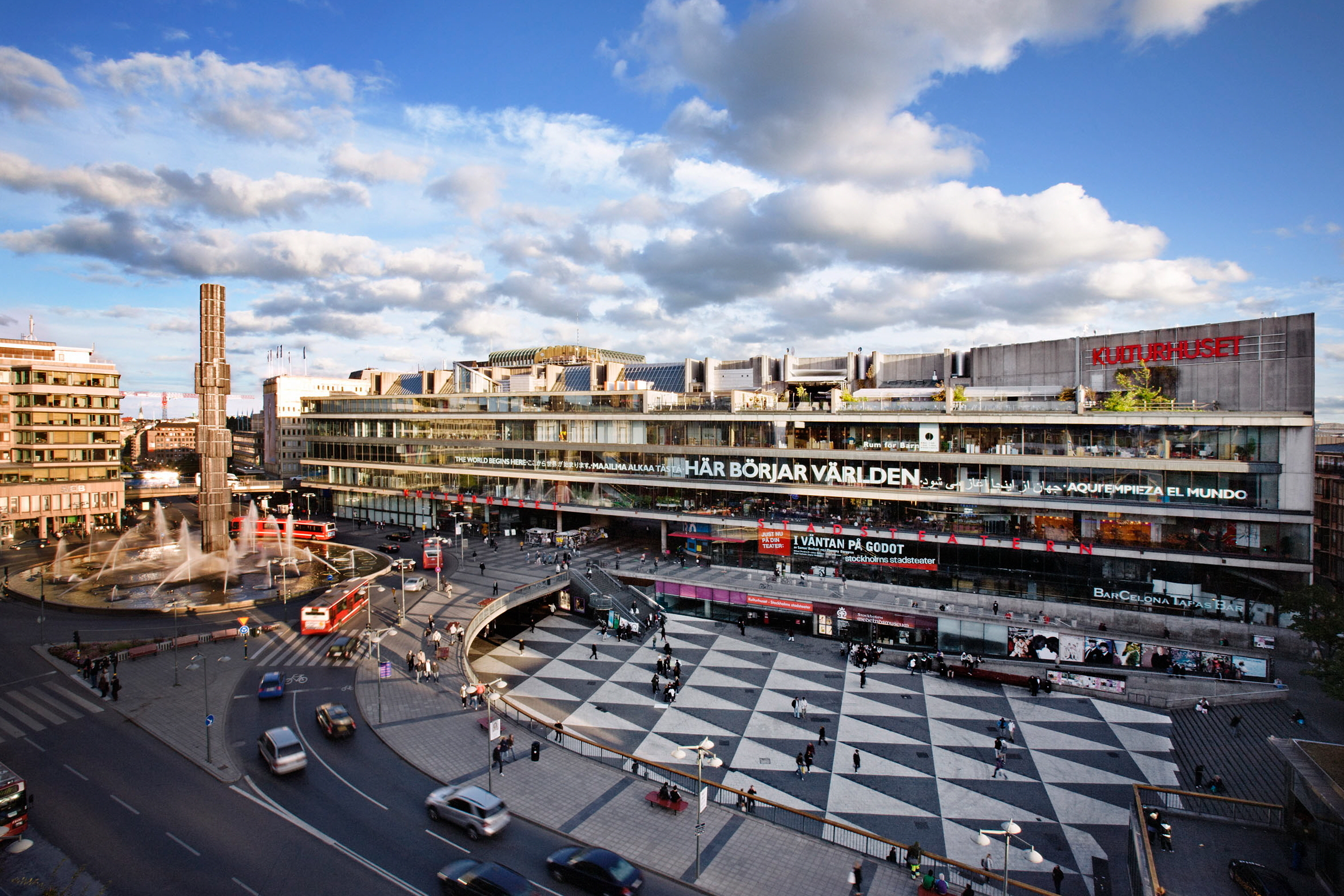
It is the kind of institution that Stockholmers use rather than visit, which is both its strength and the reason it tends not to appear on tourist itineraries. The top-floor restaurant and the various public spaces throughout the building are accessible without purchasing tickets, and the view from the upper levels over Sergels Torg — with its famous circular fountain and the city spreading out behind it — is one of the better perspectives on central Stockholm's postwar urban planning.
Il consiglio del team
The children's library floor, Rum för barn, is worth a look even for adults — it is one of the most thoughtfully designed public children's spaces in Europe and says a great deal about Swedish attitudes toward public culture.
Kungliga Slottet (Palazzo Reale) - Stockholm: the palace people see but do not enter
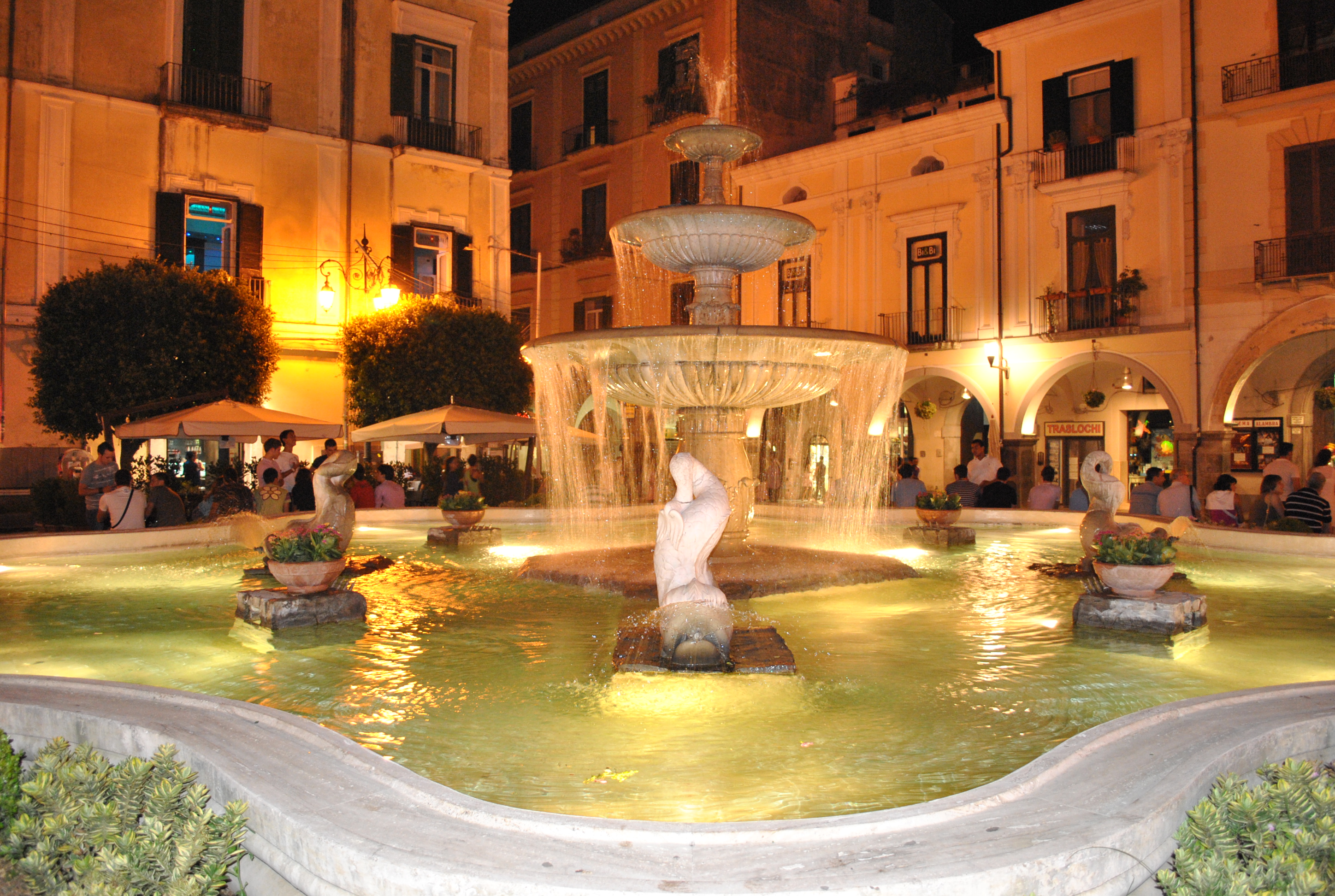
This is partly a function of scale — the palace is so large that it is difficult to know where to begin — and partly a function of the changing of the guard being sufficiently theatrical that it satisfies the visit without requiring anyone to go further. The Treasury, which houses the Swedish crown jewels, and the Museum of Antiquities are particularly worth the admission.
Il consiglio del team
The Museum of Antiquities, containing the classical sculpture collection assembled by Gustav III in the eighteenth century, is among the least-visited rooms in the palace and among the most interesting — allow at least forty-five minutes for it.
Stockholm is one of the most beautiful cities in Europe: the view that earns the cliché
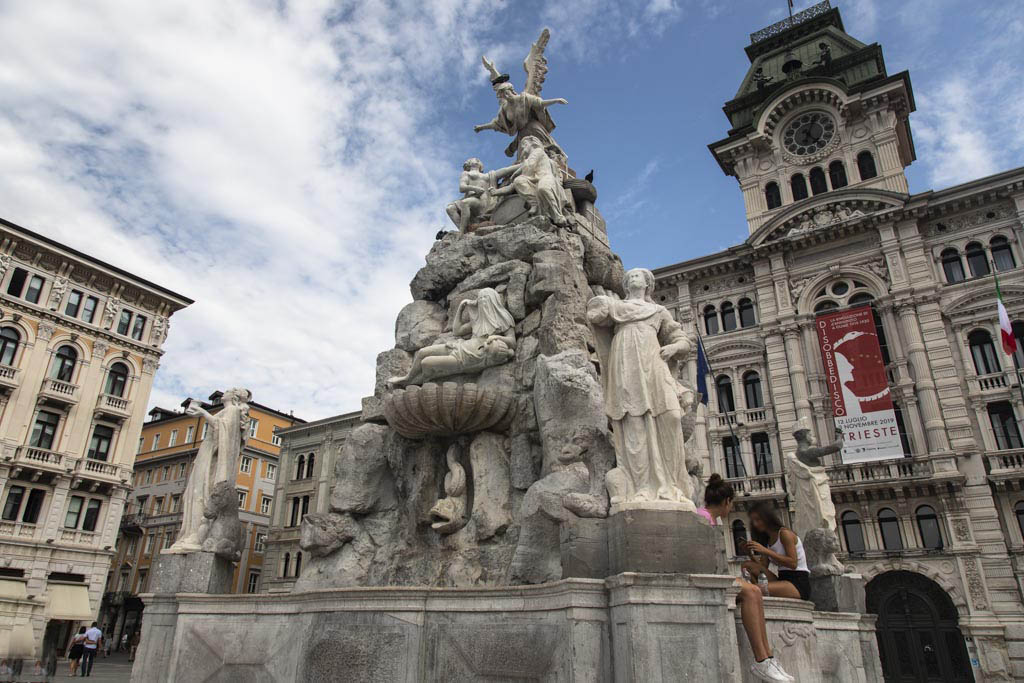
The point is not to repeat the superlative but to find the vantage points from which it becomes specific rather than general. The city's topography rewards vertical movement — climbing to elevated positions reveals a Stockholm that the street-level experience, however pleasant, cannot fully communicate. The interplay of water, sky, and roofline is the thing that the photographs are always trying and failing to capture.
Il consiglio del team
The view from Fjällgatan on Södermalm, overlooking the entire northern waterfront, is the panorama that Stockholmers tend to take visitors to when they want to make the city's geography legible in a single image.
Part four — Around and beyond
Falukorv, the swedish sausage: the dish that Sweden feeds its children
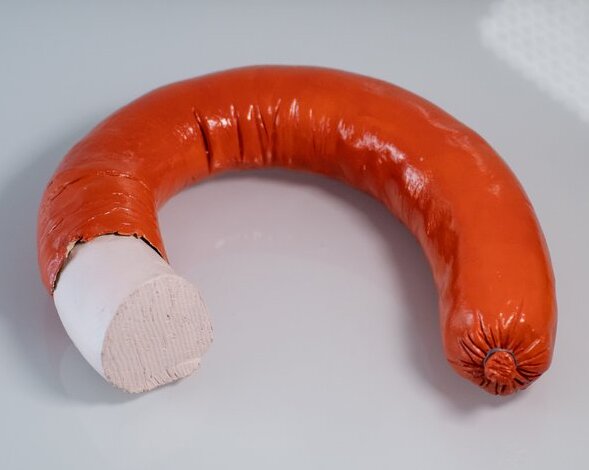
There is an argument, which I find persuasive, that the most honest way to understand a food culture is to eat what the locals eat without ceremony rather than what they prepare for guests. Falukorv is that dish in Sweden: unglamorous, deeply familiar, and more interesting than its reputation suggests.
Il consiglio del team
Look for Falukorv in the prepared food section of a Swedish supermarket or at a lunch canteen — eating it in the context in which Swedes actually eat it is more instructive than any restaurant version.
Gravad lax, il famoso salmone sepolto: the buried fish that survived its own history

The recipe is straightforward — the quality of the salmon and the balance of the cure are what distinguish a good gravad lax from a mediocre one — and eating it in Stockholm, where the ingredients are local and the preparation is taken seriously, is a different experience from encountering it abroad. It is a dish that rewards attention to provenance.
Il consiglio del team
At Christmas markets and traditional delicatessens, gravad lax is often sold by the slice alongside mustard dill sauce — eating it standing up, in the cold, is the correct approach.
There is a version of Stockholm that exists entirely within the frame of the postcard — the painted facades of Gamla Stan, the silhouette of the City Hall tower, the waterways catching afternoon light. That version is real, and it is genuinely worth your time. But the city that stays with you after you leave is made of smaller things: the particular quality of silence in a medieval courtyard, the way a metro station can function as an argument about what public space should be, the instruction to be extravagantly generous with the whitefish roe when you really want to celebrate something.
Stockholm does not withhold itself from curious visitors. It simply has too much to offer for any single visit to cover, and the places that tend to get left out are not lesser — they are just quieter about their own significance. The most useful thing you can do, in a city this layered, is to slow down enough to let the less obvious things register. They will.
Stockholm does not withhold itself from curious visitors. It simply has too much to offer for any single visit to cover, and the places that tend to get left out are not lesser — they are just quieter about their own significance. The most useful thing you can do, in a city this layered, is to slow down enough to let the less obvious things register. They will.