


I have been coming to Seville for longer than I care to admit, and I still find myself surprised. Not by novelty, exactly, but by depth — by the way a square you have crossed a dozen times will suddenly reveal a detail you missed, or the way a building you assumed was decorative turns out to be one of the more quietly radical structures in southern Europe. The places gathered here are not secrets in the Instagram-influencer sense of the word. Several of them are famous. What makes them feel hidden is the way mass tourism processes them: quickly, reverently, and without curiosity.
This list is for the traveller who has already done the postcard version of Seville and wants something that sits a little differently in the memory. It is also, I will admit, for the traveller who has never been but wants to arrive already knowing which angle to look from. Both are legitimate ambitions. Seville rewards preparation and it rewards patience, but most of all it rewards the willingness to slow down inside a place rather than simply pass through it.
Part one — The essentials
Metropol Parasol, the World's Largest Wooden Structure: the mushroom that divided a city
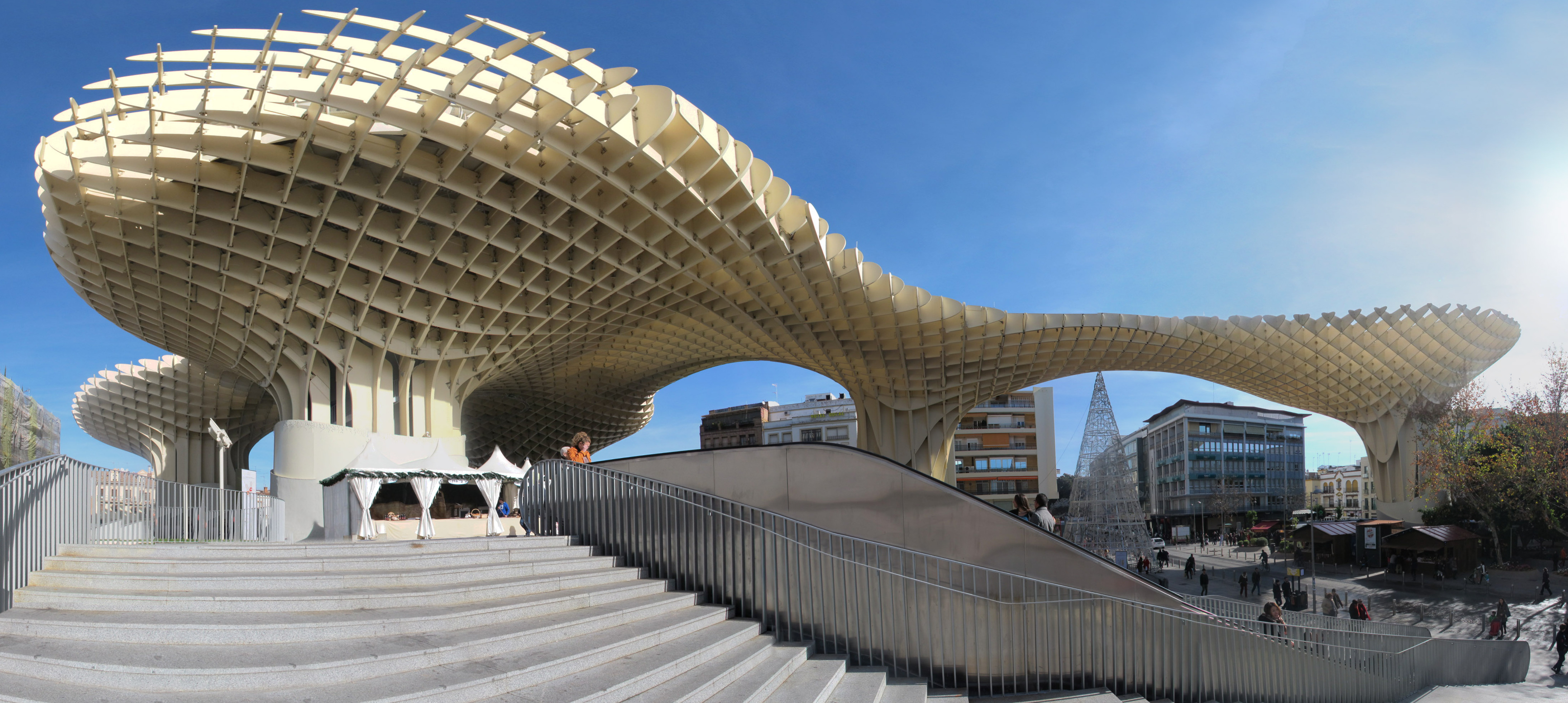
What the arguments about aesthetics tend to obscure is the archaeology museum housed in the base. Excavations during construction uncovered Roman and Moorish remains that now sit beneath the structure in a climate-controlled undercroft, making the Parasol a kind of accidental time machine. The rooftop walkway at dusk, meanwhile, offers a perspective on Seville's skyline that no other vantage point replicates — the Cathedral, the Giralda, and the Guadalquivir all visible in a single slow turn.
Il consiglio del team
The rooftop bar opens in the evening and the ticket price includes a drink. Go just before sunset when the light on the old city turns the colour of old terracotta.
Alcazar Siviglia, il palazzo dei sultani: the living palace
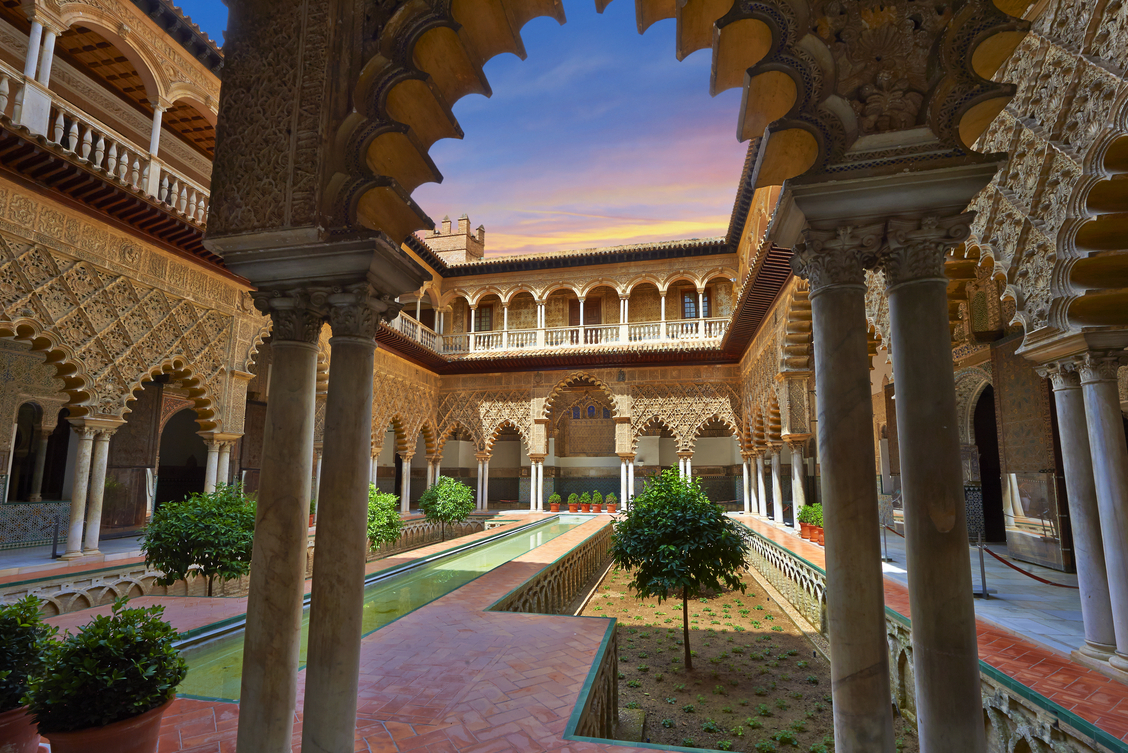
The gardens are where most visitors lose their sense of itinerary, which is exactly the right thing to happen. The labyrinthine hedges, the mercury pond, the pavilion of Carlos V — these spaces were designed to disorient in the most pleasurable possible way. Come early, before the tour groups consolidate, and you will find corners of the garden where the only sound is water moving through channels that have been doing exactly this for the better part of a millennium.
Il consiglio del team
The Alcázar issues a limited number of early-morning tickets that allow entry before the main crowds. Check the official website well in advance — they sell out weeks ahead in spring.
The Alcalá de Guadaíra Castle in Seville: the fortress at the edge of the map
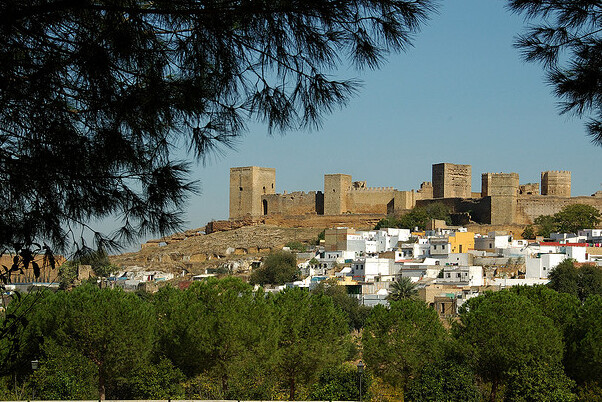
The town of Alcalá de Guadaíra below it is a working Andalusian municipality with no particular interest in being picturesque for outsiders, which is itself a form of relief. The castle grounds offer views across the Guadaíra river that feel genuinely removed from the Seville of horse-drawn carriages and flamenco dinner shows. This is what the region looked like before it became a destination.
Il consiglio del team
Rent a car or take a local bus rather than a taxi — the journey through the outskirts of Seville is part of the experience, and you will want the flexibility to stay longer than any driver will appreciate.
Part two — A little deeper
Cathedral of Sevilla: the building that ate a mosque
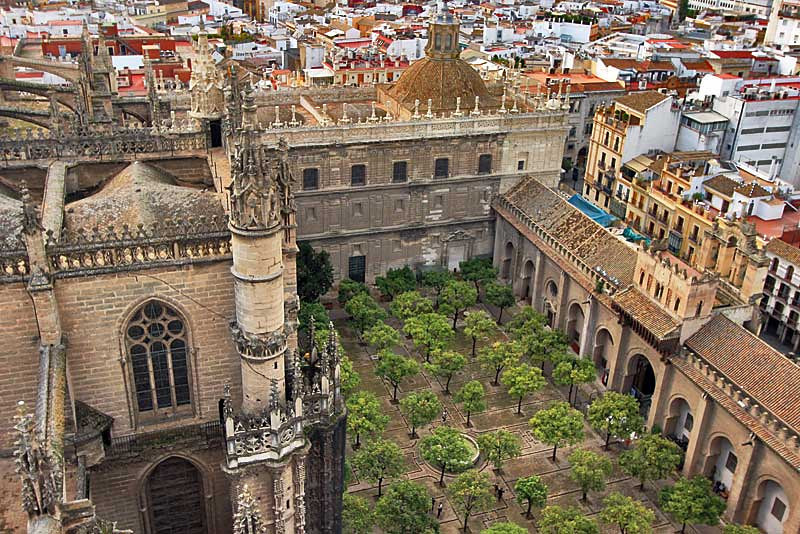
What most visitors miss, hurrying toward Columbus's tomb and the main altar, are the side chapels. There are dozens of them, each containing altarpieces and painted panels that would anchor an entire museum in a smaller city. The Chapel of Saint Anthony alone contains a Murillo that is worth the entrance fee independently of everything else the building contains.
Il consiglio del team
Climb the Giralda via its ramp rather than stairs — it was designed for horses, and the gradual ascent gives you time to notice the brickwork at close range in a way the view from the top tends to make you forget.
Golden Tower in Sevilla: the watchtower that outlived its purpose
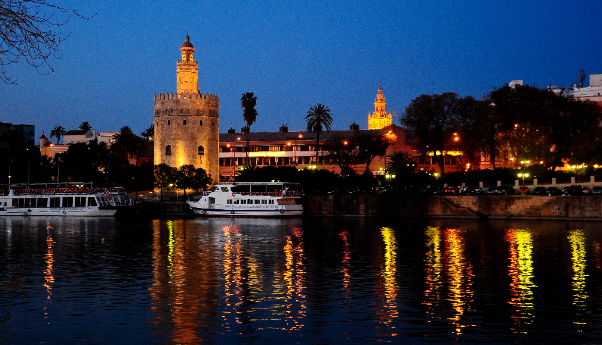
The museum itself is modest — a collection of maps, models, and maritime instruments that rewards the curious without overwhelming anyone. But the real reason to go inside is the rooftop terrace, from which the relationship between the river, the bullring, and the old city resolves into a composition that no ground-level photograph can approximate.
Il consiglio del team
The tower is closed on Mondays. On Sunday mornings, entry is free, and the promenade outside is quiet enough to hear the river.
La Plaza de España di Siviglia: the set that became a square
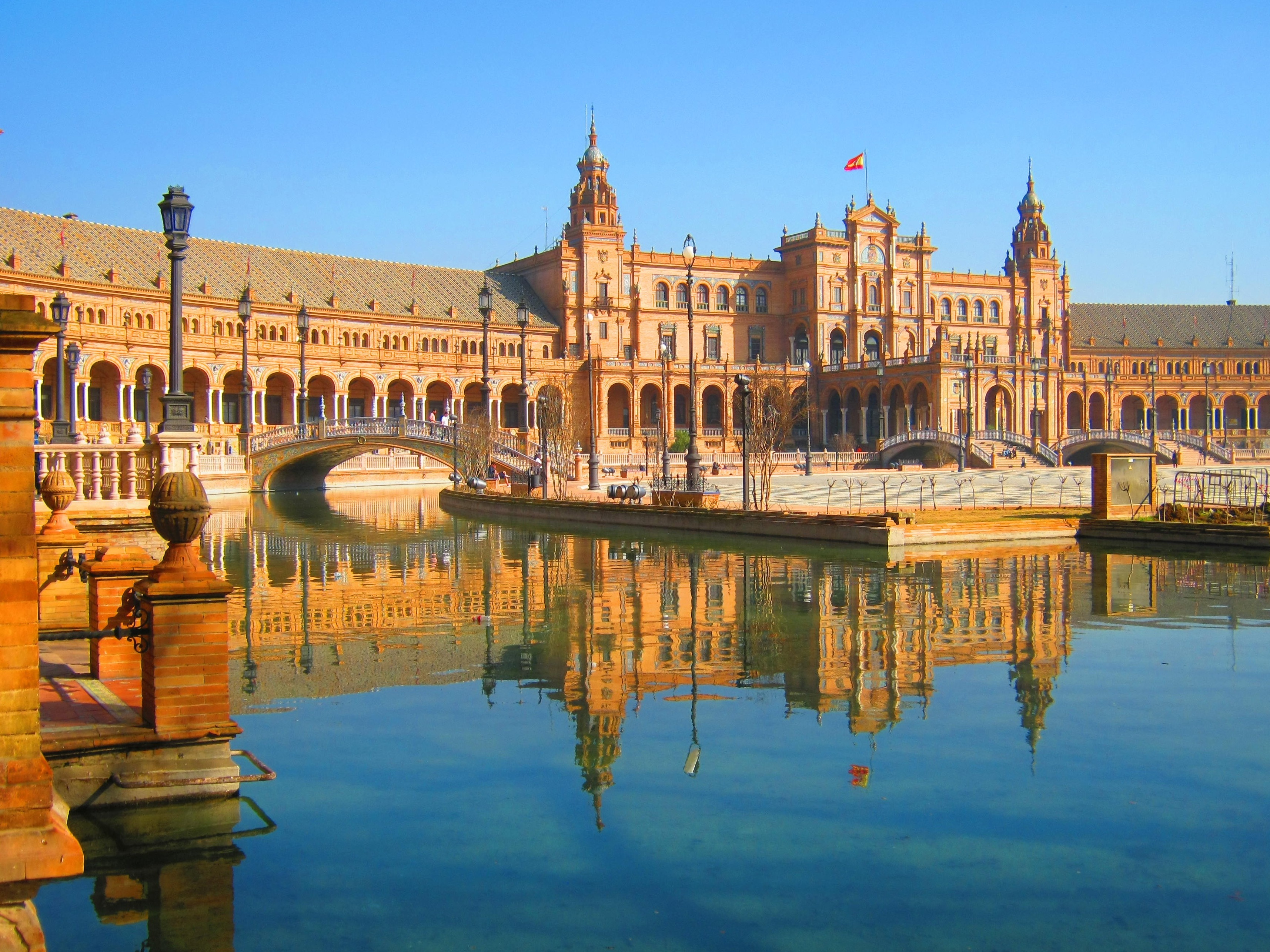
The tiles are the detail that repays close attention. Each provincial alcove contains a map and a scene from local history, executed in the Triana ceramic tradition that Seville has practised for centuries. Most visitors photograph the canal and the bridges and leave. The alcoves, examined slowly, are a portrait of a country's idea of itself at a particular, complicated moment in its history — which is a different and more interesting thing.
Il consiglio del team
The rowing boats available for hire on the canal are almost universally ignored by serious travellers, which is their loss. From water level, the scale of the building becomes genuinely disorienting.
Part three — Off the obvious path
The Plaza de Virgen de los Reyes in Seville: the square that never stops performing
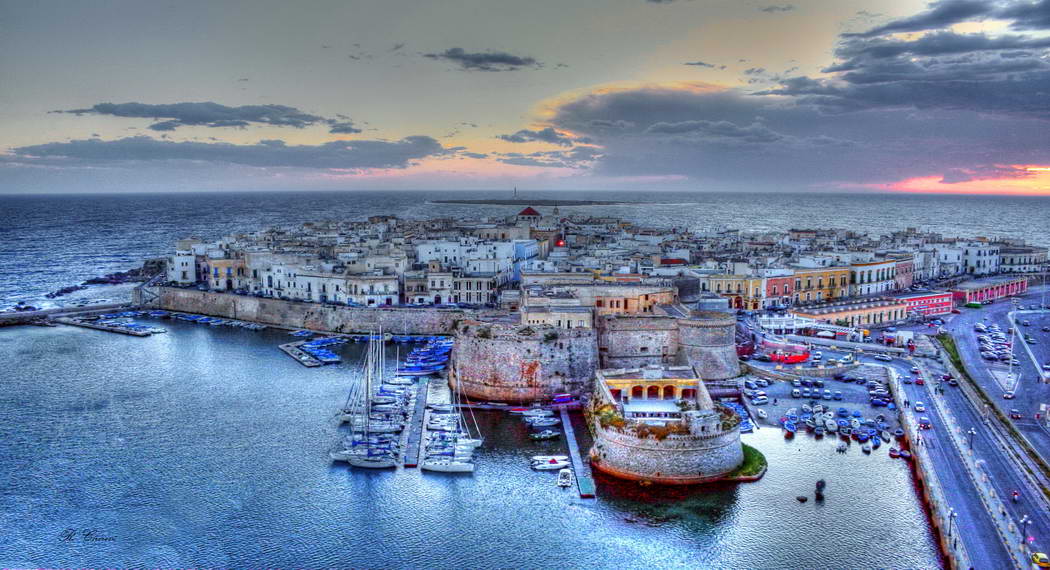
What makes this square worth sitting in rather than walking through is the layering. The Giralda dominates one side. A Baroque palace anchors another. The convent of La Encarnación closes a third. It is a compressed history of Seville's relationship with power and faith, and it rewards the traveller who arrives with a coffee and no particular schedule.
Il consiglio del team
The square is at its most atmospheric in the early morning before the carriage drivers arrive — around 7:30am you will have it almost entirely to yourself, with the Cathedral bells marking the half-hour.
Il Teatro Lope de Vega di Siviglia: the theatre that the park forgot to mention
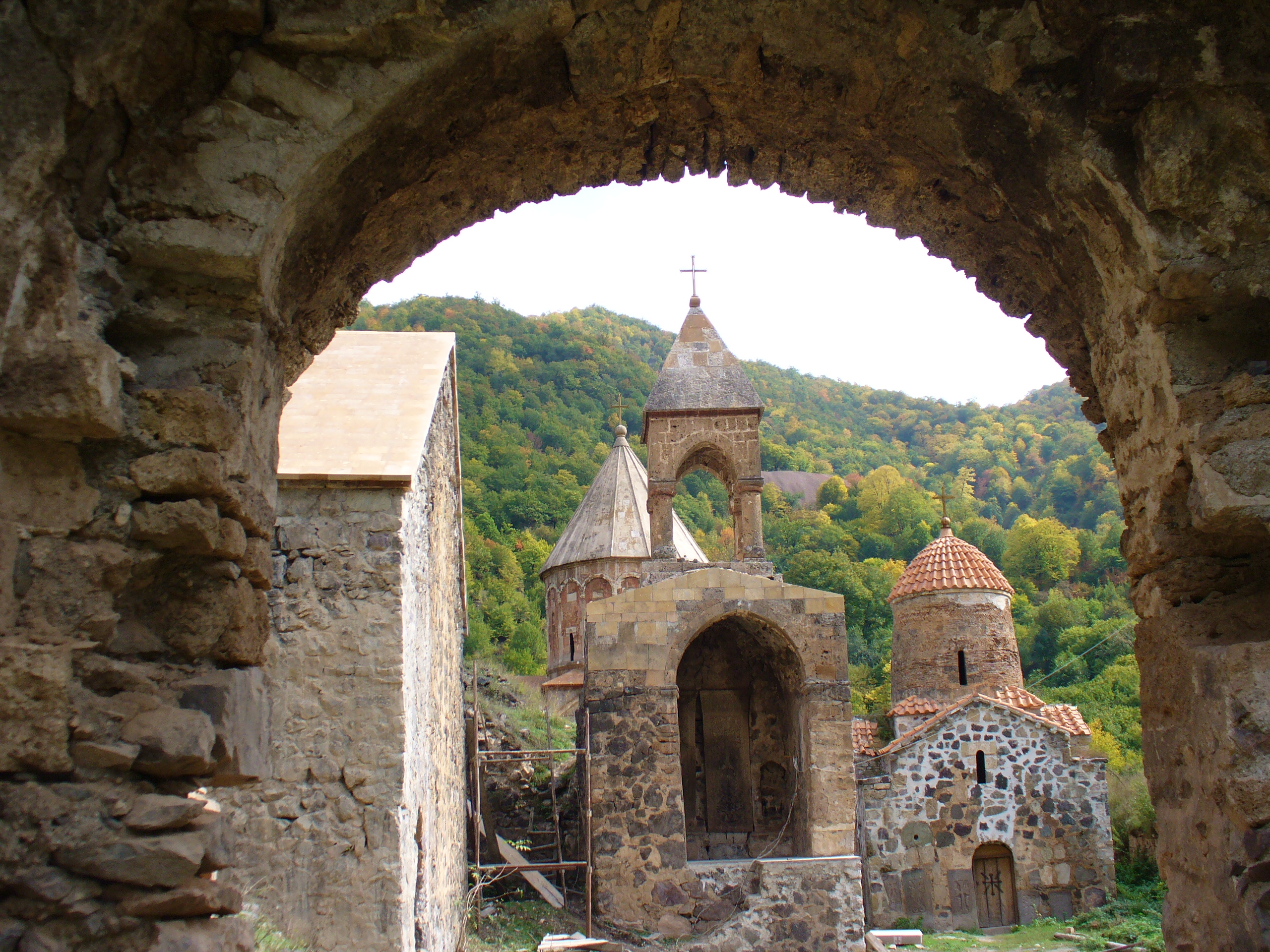
The theatre functions as Seville's main venue for drama, opera, and large-scale dance productions, and its programme is consistently more adventurous than its traditional exterior suggests. Attending a performance here is one of the more effective ways to spend an evening with Sevillians rather than alongside tourists — the audience, the interval conversations, the particular energy of a working civic theatre, all of it is a form of access that no guided tour provides.
Il consiglio del team
Check the programme before you arrive in Seville and book in advance — tickets are reasonably priced by European standards and the house fills quickly for popular productions.
Plaza de Toros de la Maestranza: the ring and its contradictions
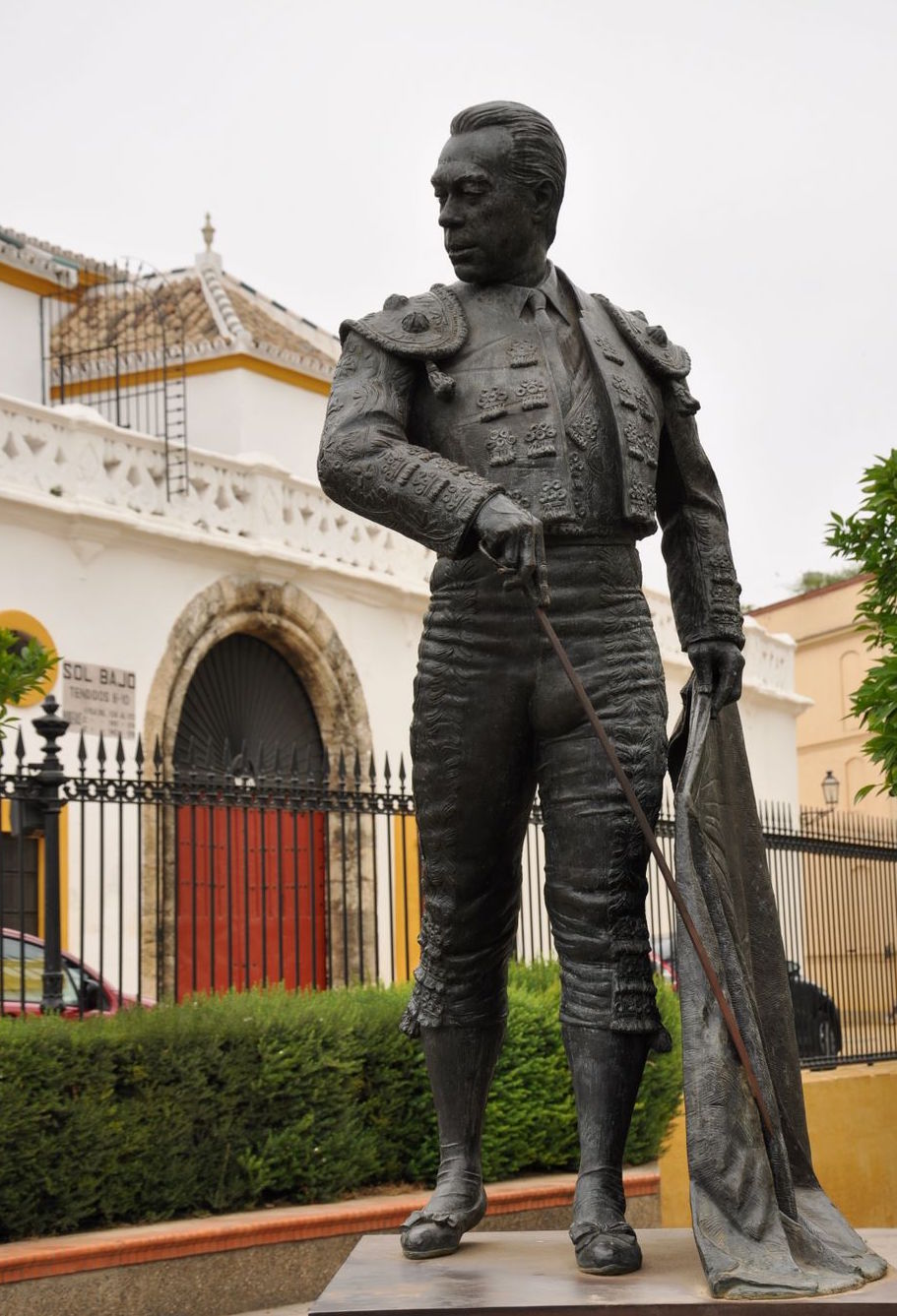
The guided museum tour, available on non-corrida days, takes you through the infirmary, the chapel where matadors pray before entering the ring, and the royal box with its gilded excess. The museum's collection of costumes and posters is a genuine archive of a performance tradition that has been practised in this specific building for nearly three centuries. Whatever you think of the spectacle, the history is serious.
Il consiglio del team
The museum tour includes access to the ring itself, where you can stand on the sand and look up at the empty terraces — an experience that reframes the building's scale in a way photographs cannot.
Part four — Around and beyond
The Alamillo Bridge: the counterweight that changed the skyline
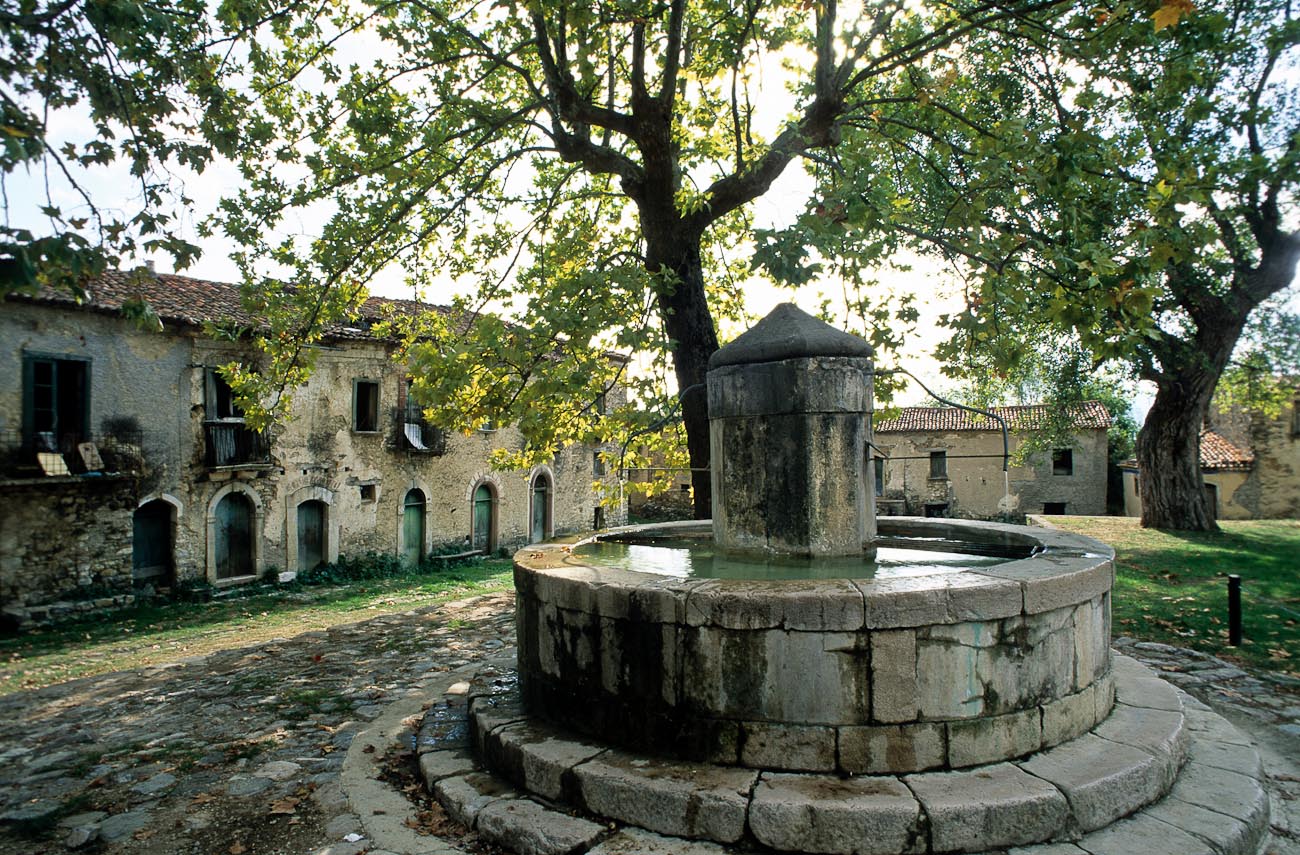
The bridge connects the Isla de la Cartuja to the Triana district, and most people who cross it are doing so for practical reasons, which means they are not stopping to look at it. Walk across rather than drive, and pause at the midpoint — the view along the Guadalquivir from this position is one the city's tourist infrastructure has not yet fully monetised.
Il consiglio del team
The bridge is best seen from the riverbank on the Triana side in the late afternoon, when the white pylon catches the western light and the cables throw shadows across the water.
Best trip planner Sevilla 2026: la guida definitiva: the meta-question of how to arrive
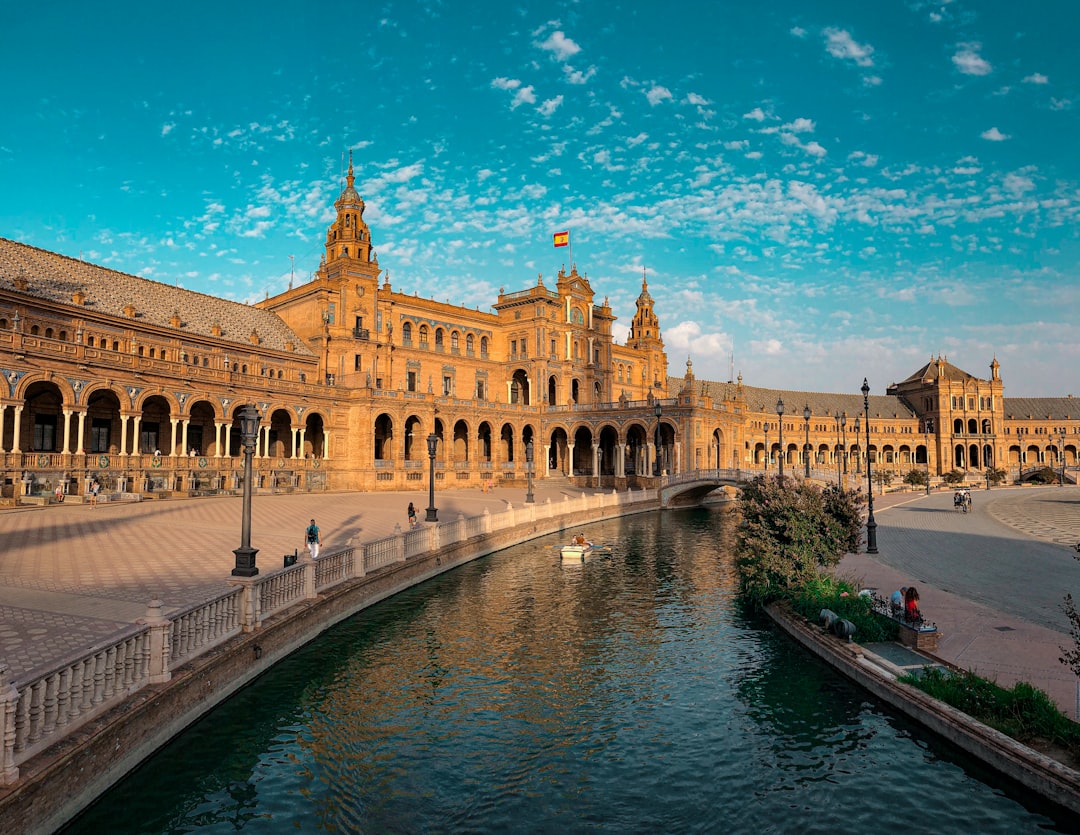
Choosing how to organise your time here — which neighbourhoods to sleep in, which hours to move through the historic centre, which days to venture to the periphery — is itself a kind of editorial act. The traveller who arrives having thought about these questions will find a different city than the one who follows a standard itinerary. The parks and gardens of Seville, in particular, reward the visitor who treats them as destinations rather than connective tissue between monuments.
Il consiglio del team
Plan at least one full day with no monuments on the agenda — spend it in the Triana neighbourhood and the María Luisa park, moving at whatever pace the heat allows.
La Torre dell'Oro: Un Viaggio nei Sapori di Siviglia: the tower as a culinary threshold
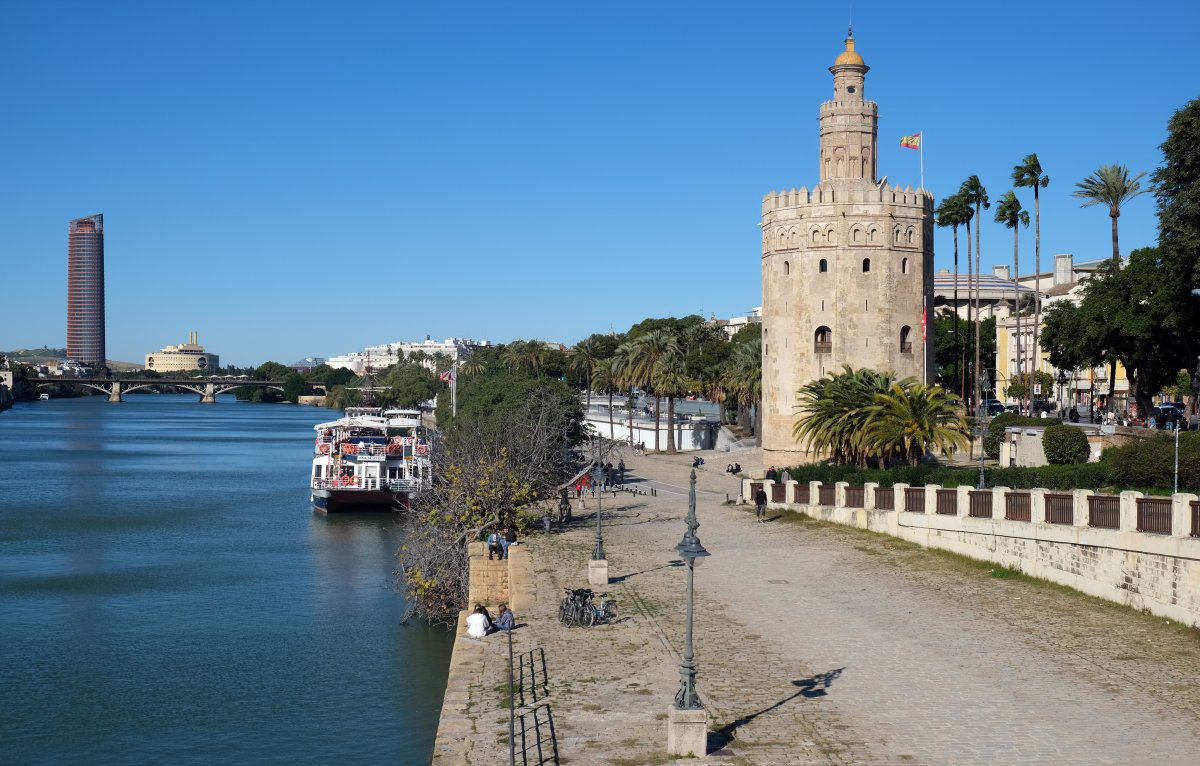
The bars and restaurants in the immediate vicinity of the tower vary considerably in quality and honesty of purpose, as riverfront tourist zones tend to. But the streets behind the bullring and toward the Triana bridge contain establishments that have been feeding Sevillians rather than visitors for generations. The distinction matters, and it is usually legible within about thirty seconds of reading a menu.
Il consiglio del team
Walk across the Triana bridge and turn immediately left along the riverbank — the bars on the Triana side of the Guadalquivir offer the same view of the Torre dell'Oro with considerably less tourist pricing.
Seville is a city that has been performing itself for so long that the performance has become indistinguishable from the reality. The Cathedral is genuinely vast. The Alcázar is genuinely ancient. The river at evening genuinely does turn the colour the postcards promise. None of this is manufactured, and the fact that it has been photographed ten million times does not diminish it.
What I have tried to do here is not to argue against the famous places but to suggest that they contain more than their reputations. The traveller who stands in the Casa de Pilatos upper gallery, or crosses the Alamillo Bridge on foot, or sits in the Alcázar gardens in the last light of the afternoon, is not having a more authentic experience than the one who photographs the Giralda from the Plaza Virgen de los Reyes. They are simply having a longer one. And in Seville, length — the willingness to stay inside a moment rather than document it — is the only currency that really matters.
Come back a second time if you can. The city will have rearranged itself entirely.
What I have tried to do here is not to argue against the famous places but to suggest that they contain more than their reputations. The traveller who stands in the Casa de Pilatos upper gallery, or crosses the Alamillo Bridge on foot, or sits in the Alcázar gardens in the last light of the afternoon, is not having a more authentic experience than the one who photographs the Giralda from the Plaza Virgen de los Reyes. They are simply having a longer one. And in Seville, length — the willingness to stay inside a moment rather than document it — is the only currency that really matters.
Come back a second time if you can. The city will have rearranged itself entirely.