


And so the real work of travelling in Prague is not finding what is hidden — very little here is truly hidden — but learning to see past what is aggressively visible. The city operates on layers. The first layer is the one that fills the selfie screens and the tour-group itineraries. The second layer is what informed travellers seek: the quieter square, the synagogue with the improbable interior, the restaurant wedged inside a medieval bell tower. The third layer, the one that genuinely rewards patience, is the layer where even people who have visited a dozen times suddenly stop walking and say: I had no idea.
What follows is not a list of secrets. It is a list of things that feel secret, which is a different and arguably more useful category. Some of these places receive thousands of visitors. Some are practically unknown. What they share is the quality of making you feel, for a moment, that the city has leaned in and told you something it does not tell everyone. Prague has 1,400 years of practice at that particular trick. The least we can do is pay attention.
Part one — The essentials
Municipal House is a beautiful Art Nouveau building: the building Prague built to prove a point

Most visitors photograph the facade and move on. The interior — the café with its dark wood and brass fittings, the concert hall upstairs, the corridors lined with allegorical murals — is where the building actually makes its argument. It is one of the most coherent Art Nouveau interiors in Central Europe, and it sits in plain sight on náměstí Republiky, which is precisely why so many people walk past it.
Il consiglio del team
Book a guided tour of the ceremonial halls rather than just visiting the café — the Smetana Hall and the Lord Mayor's Salon are rarely crowded and the detail at close range is extraordinary.
Dancing House in Prague: the building that broke the rules and made them irrelevant
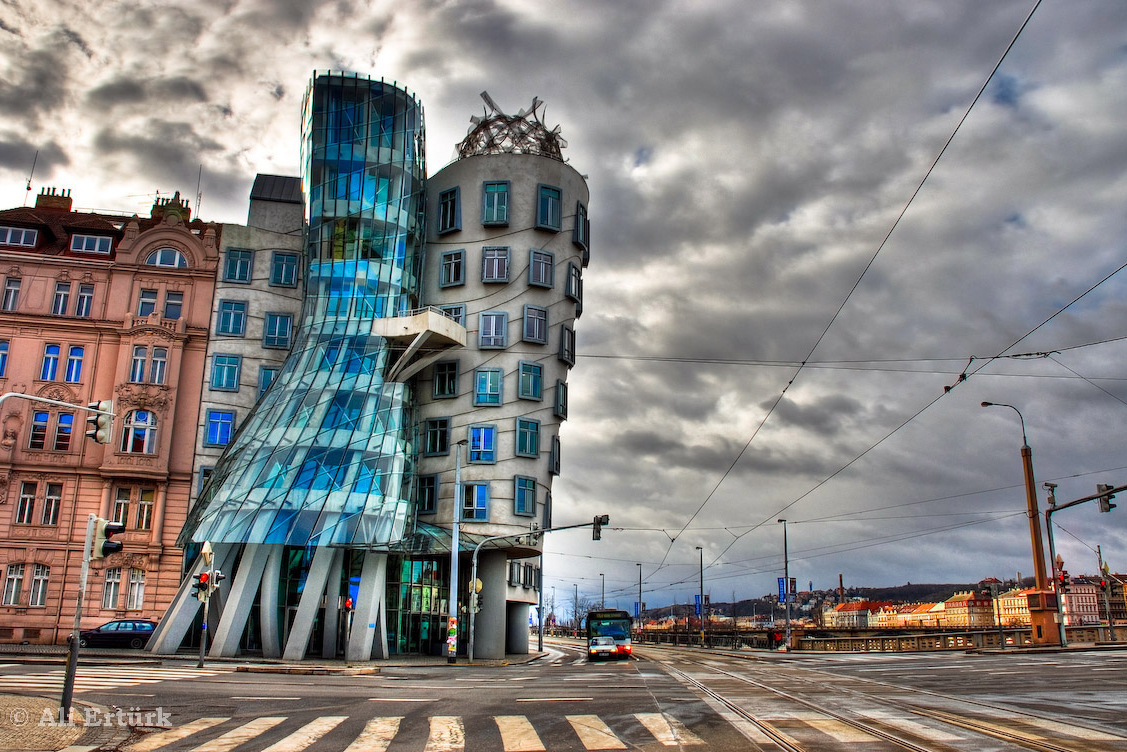
What makes the building worth lingering over is not its fame but its relationship with its surroundings. Stand on the embankment and watch how the curved glass tower catches and distorts the reflections of the river and the older buildings around it. The building is not rejecting its context; it is in conversation with it, which is a more interesting thing to look at than simple rebellion.
Il consiglio del team
The rooftop restaurant has a terrace with an unobstructed view of the Vltava and the castle; arrive for a late afternoon drink rather than dinner and you will have the terrace largely to yourself.
Národní Muzeum (National Museum): the building that was closed longer than most visitors have been alive
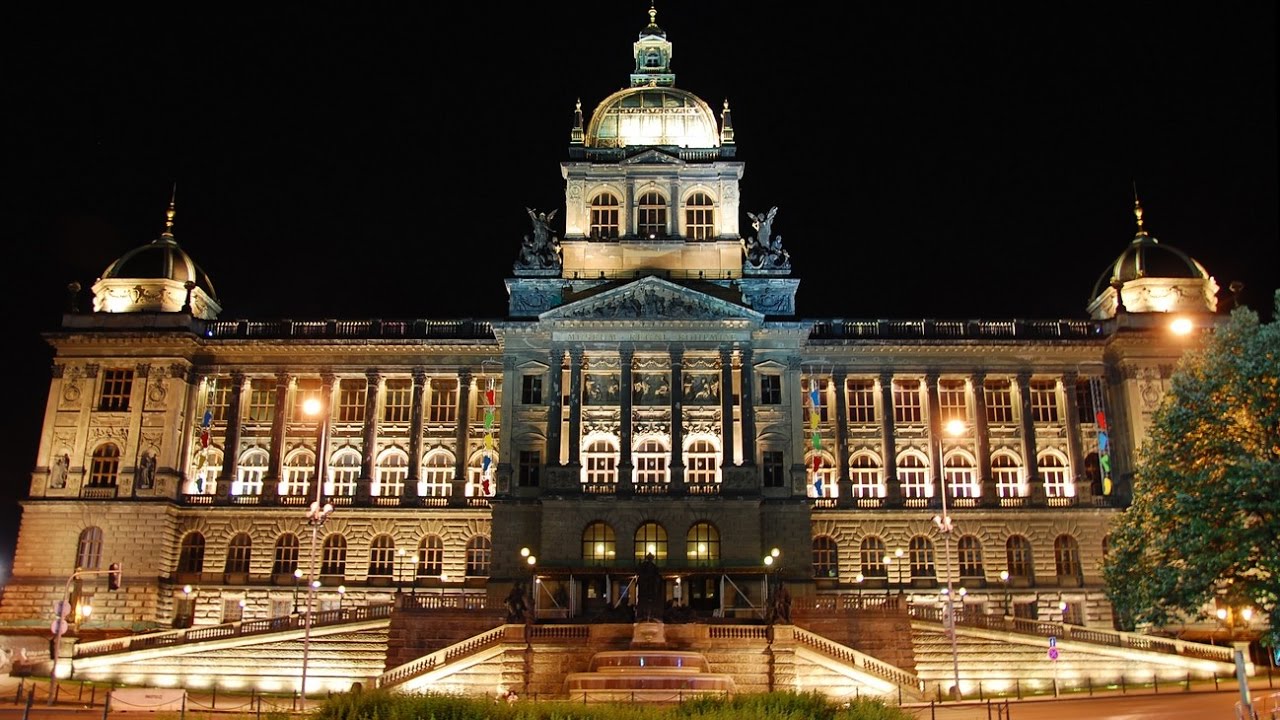
The building itself is the exhibit that surprises people most. The ceremonial staircase, the painted ceilings, the marble halls — they carry the specific grandeur of 19th-century national self-confidence, the same impulse that built the Municipal House a few decades later. The bullet holes in the facade, remnants of the Soviet invasion of 1968, have been preserved as deliberate scars.
Il consiglio del team
The bullet-hole preservation on the facade is documented with small plaques — stand at the corner of the building and look carefully at the stonework before you go inside.
Prague: St. Martin's Church: the church that became a house and never quite forgot it

The building sits in an area of Nové Město that tourists cross through rather than stop in, which means it receives a fraction of the attention lavished on churches with more prominent addresses. That quiet is part of its value. It was also the first church in Bohemia to offer communion in both kinds — bread and wine — to the laity, a detail that places it at the beginning of the Hussite reforms that shaped Czech religious history for centuries.
Il consiglio del team
The church is not always open for casual visits; check with the local parish for current opening hours rather than assuming it will be accessible on arrival.
Part two — A little deeper
Cathedral of Saints Cyril and Methodius: the crypt that history chose
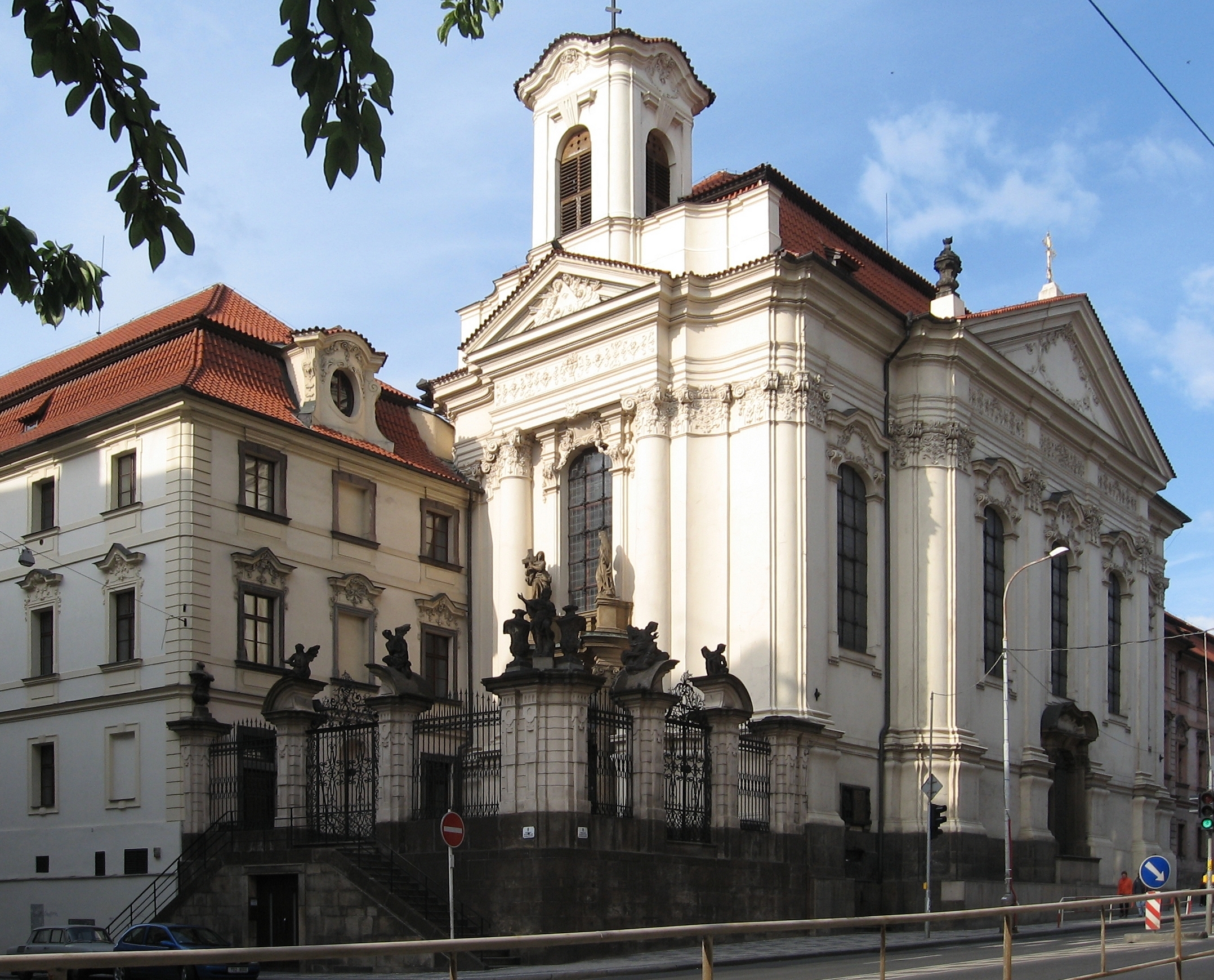
The church itself is a functioning Orthodox cathedral, dedicated to the two Byzantine missionaries who brought literacy to the Slavic world in the 9th century. The memorial in the crypt is one of the most affecting spaces in the city — quiet, unadorned, and completely honest about what happened there.
Il consiglio del team
The small museum in the crypt is free or very low-cost to enter; visit on a weekday morning when it is nearly empty and the silence has its full weight.
Spanish Synagogue, Prague: the Moorish interior that nobody expects in Bohemia
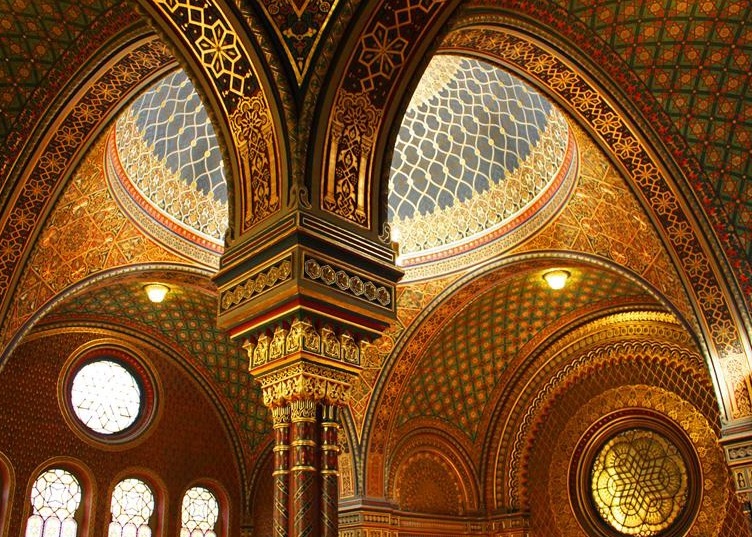
Josefov draws significant crowds, most of them following the standard Jewish Quarter circuit. The Spanish Synagogue tends to be the last stop on that route, which means it is often the least crowded — a strange reward for its position at the end of the itinerary.
Il consiglio del team
The upper gallery houses a permanent exhibition on the history of Czech Jews from Emancipation to the present; it is more nuanced and less visited than the main floor.
Il ponte Carlo: le statue che esaudiscono i desideri: what the crowds are actually touching
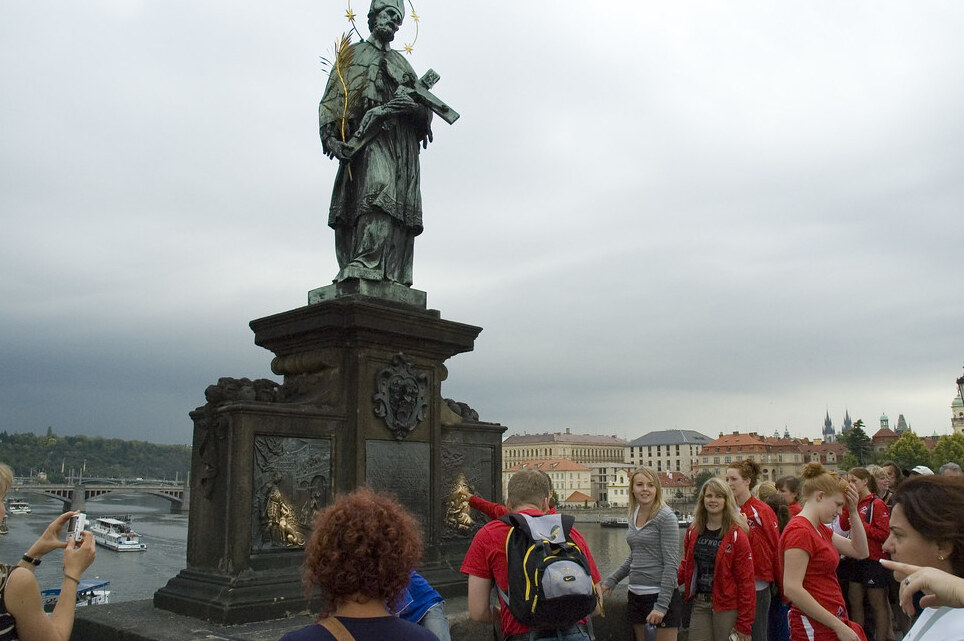
The tradition of touching the bronze plaque on the statue of St. John of Nepomuk for luck has polished it to a mirror shine, which is itself a kind of historical document — centuries of accumulated hope, worn smooth. The bridge is best understood not as a thoroughfare but as an open-air gallery that most of its visitors walk through without reading.
Il consiglio del team
Cross the bridge before 7am. The light is better, the air is cooler, and you will have the statues largely to yourself — which is the only way to actually look at them.
Praha | Restaurant Zvonice: il Ristorante nel Campanile: dinner at altitude, inside a Gothic tower
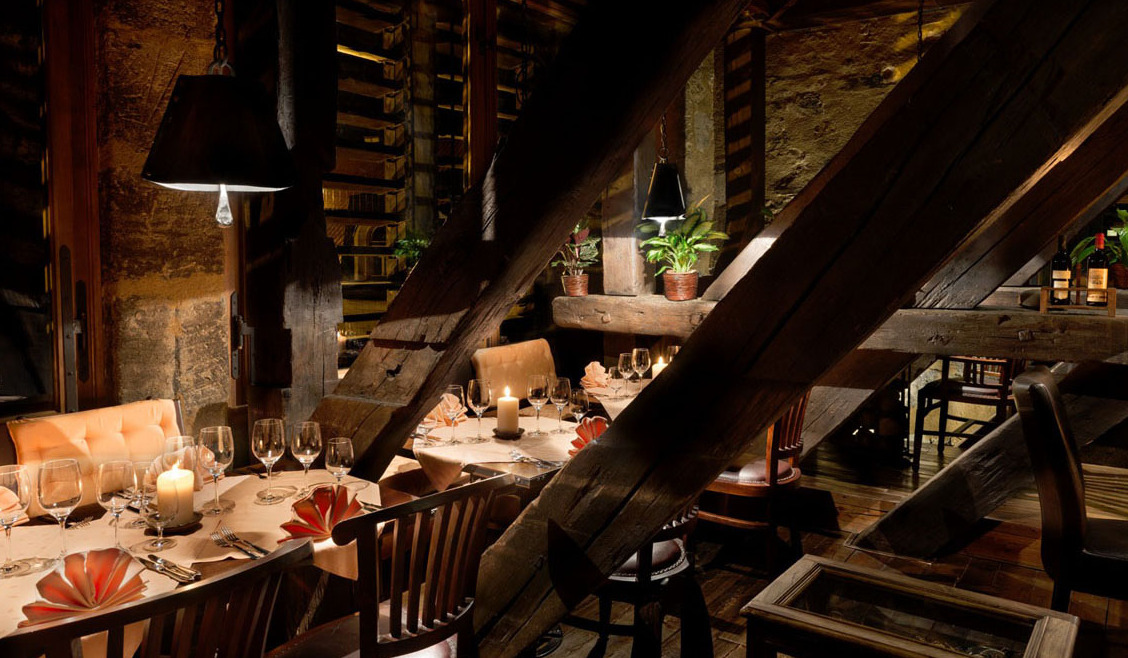
The food is Czech with Central European inflections — the kind of cooking that takes its ingredients seriously without requiring the diner to take notes. But the room is the reason to come. There are very few places in the world where you eat dinner inside a functioning medieval bell tower, and Prague, characteristically, has managed to make this feel almost casual.
Il consiglio del team
Reserve a window table on the upper floor and ask specifically for a view toward the Old Town — the narrow Gothic window frames the roofline in a way that no photograph adequately captures.
Part three — Off the obvious path
Wenceslas Square in Praha: the boulevard that keeps changing its mind about what it is
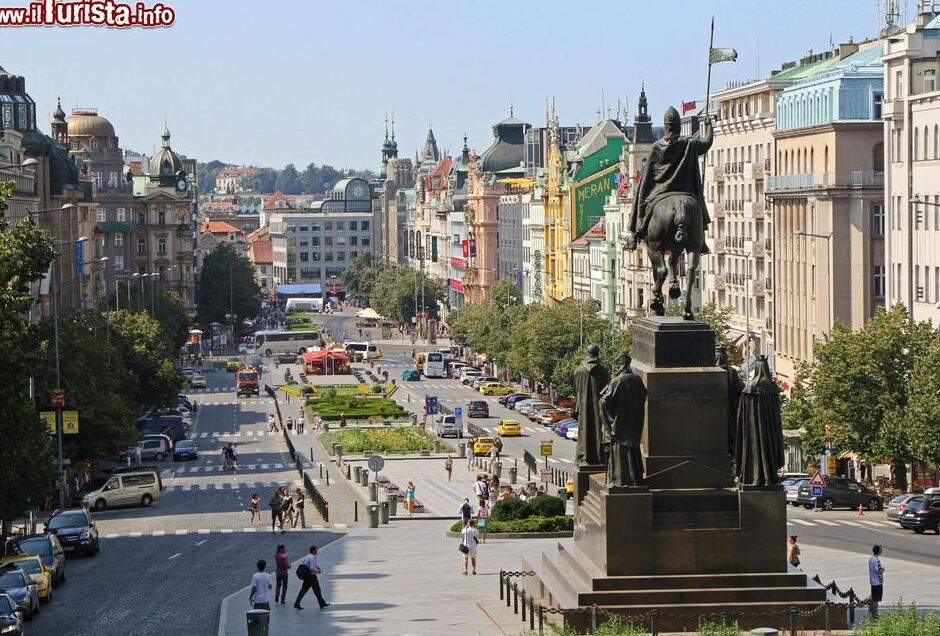
The gap between what the square has witnessed and what it currently presents is itself worth contemplating. The equestrian statue of Saint Wenceslas at the upper end, where crowds gathered in 1989, is a quieter place than you might expect — people pass it without stopping, which is perhaps the most Prague thing about it.
Il consiglio del team
The small memorial to Jan Palach and Jan Zajíc near the base of the Wenceslas statue is easy to miss; it is set into the pavement rather than raised, and it rewards a moment of deliberate attention.
The Old Town Square in Prague: the square that performs itself
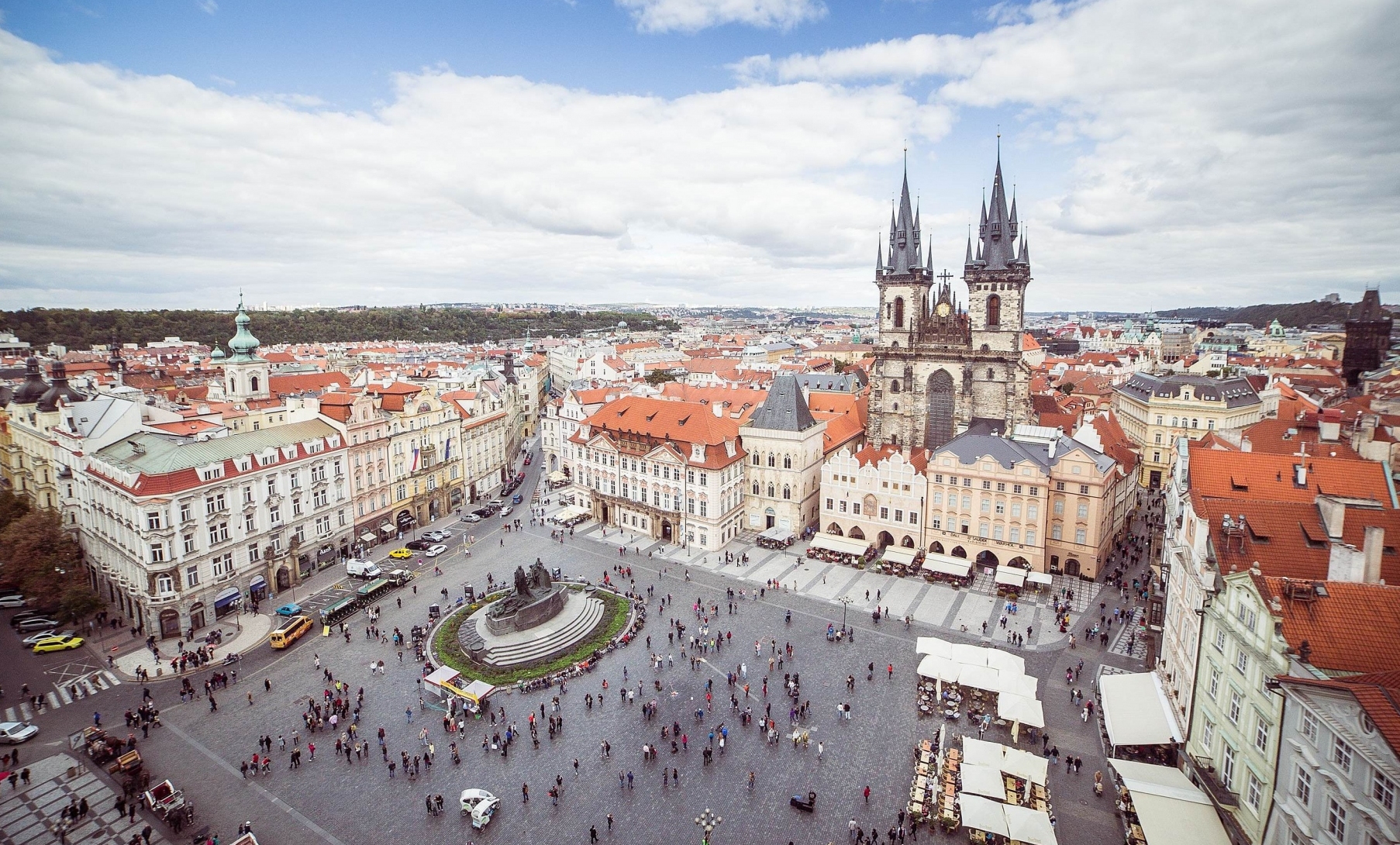
What is easy to miss, precisely because everything else is so insistent, is the Jan Hus Memorial at the centre of the square — unveiled in 1915, six centuries after Hus was burned as a heretic, it is one of the most politically freighted public sculptures in Central Europe. Most visitors photograph it as a backdrop. It deserves to be read as a foreground.
Il consiglio del team
The square's surrounding streets — Týnská, Štupartská, Malá Štupartská — are quieter and contain some of the best-preserved medieval streetscapes in the city; walk them rather than cutting directly across the square.
Isola di Kampa, la Venezia di Praga: the island that the city keeps almost forgetting
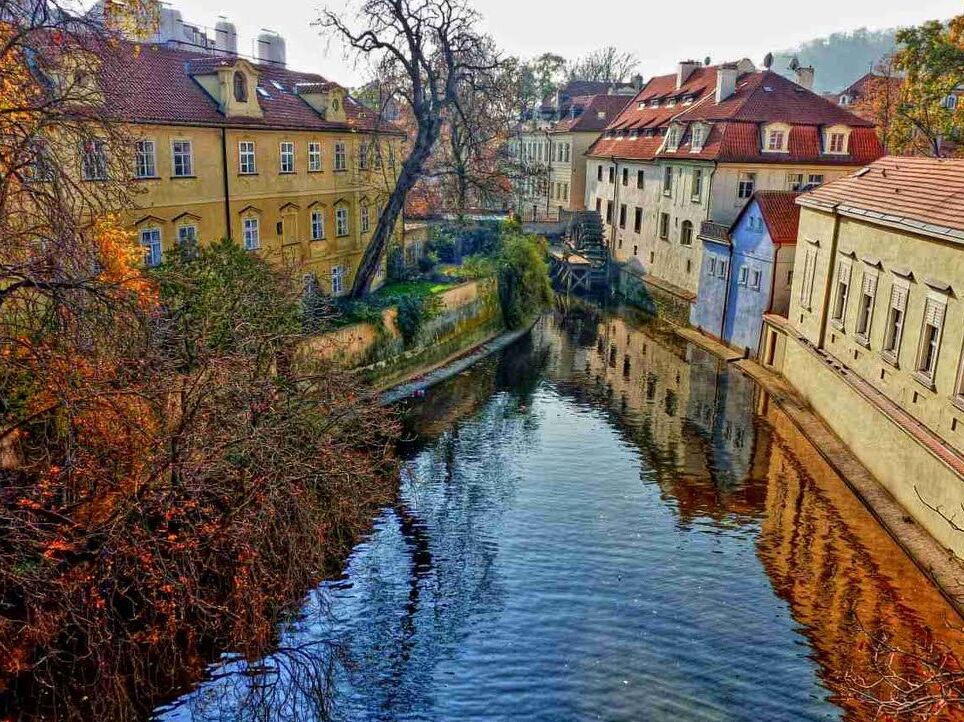
The comparison to Venice is the kind of thing that gets said about any city with water in it, and Kampa earns it only partially. What it actually resembles is a village that got absorbed into a capital city and never entirely adjusted. The northern end, near the bridge, is busy; the southern end, where the park opens onto the river, is often quiet enough to hear the water. The Museum Kampa, dedicated to Central European modern art, occupies a converted mill building at the park's edge.
Il consiglio del team
The John Lennon Wall is nearby and perpetually crowded; walk past it and continue south along the Čertovka for five minutes and the crowd disappears entirely.
I Giardini di Havlíček – Grébovka: the Italian garden that Prague keeps to itself
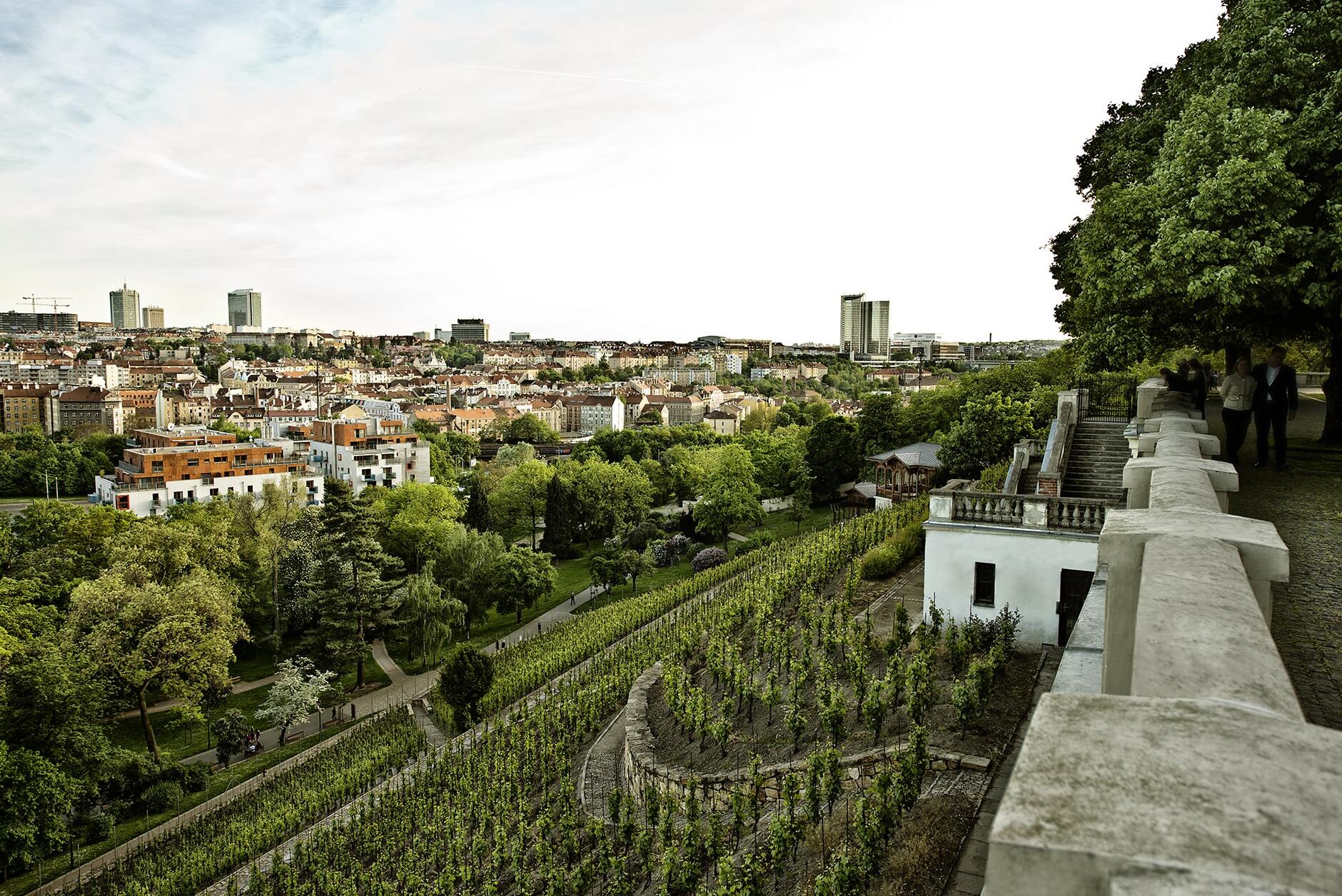
The vineyard produces a modest harvest each autumn, the grapes pressed into a wine that is ceremonially distributed to locals — a tradition that connects the garden to the wine-growing history of Vinohrady (the name itself means 'vineyards'). On a weekday afternoon, the garden is occupied almost exclusively by people who live nearby.
Il consiglio del team
The artificial grotto at the upper end of the garden is easy to walk past — go inside and let your eyes adjust; the interior is more elaborate than the entrance suggests.
Part four — Around and beyond
Dead Horse: a huge sculpture of a dead horse in Lucern: the statue that Wenceslas never asked for

Most people walk through the Lucerna arcade to reach the cinema or the music club. The horse hangs above them. Some look up; most do not. It is, in its way, a perfect encapsulation of how Prague operates — the subversive thing is right there, in plain sight, waiting for someone to actually look.
Il consiglio del team
The Lucerna arcade also contains a café and a 1930s-era cinema; the interior of the passage itself, with its Art Nouveau and Cubist detailing, is worth a slow circuit even if you skip the horse.
AI Trip Planner 2026: pianifica Praga con l'intelligenza artificiale: the new layer on an ancient city
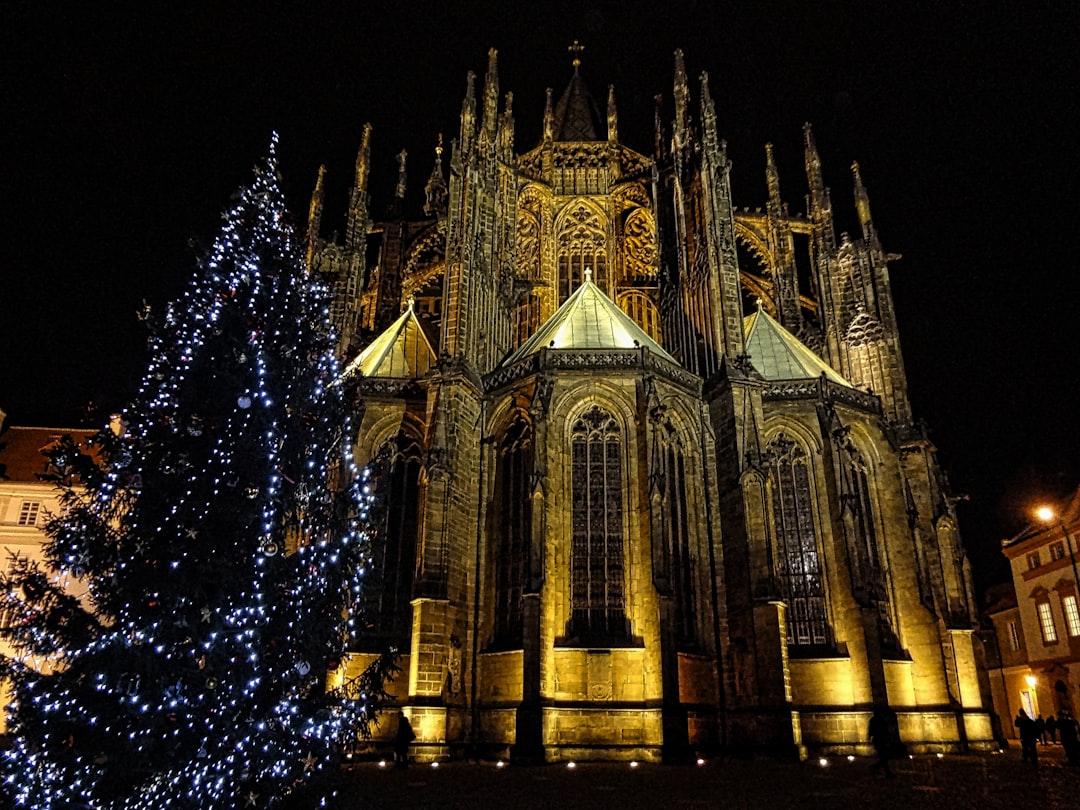
The value of these tools in Prague specifically is that the city's density rewards granular planning. A neighbourhood like Žižkov or Vinohrady can absorb an entire afternoon, but only if you know which streets to walk and which courtyards to look for. The gap between what a first-time visitor sees and what a well-prepared visitor finds is unusually large here — and that gap is precisely where digital planning tools, used thoughtfully, can make a genuine difference.
Il consiglio del team
Use AI planning tools to identify current opening hours for smaller museums and churches before you go — these change frequently and are often not updated on major travel platforms.
Secret World vs TripIt: quale app organizza i tuoi viaggi a Praga?: choosing your instrument before you play the city
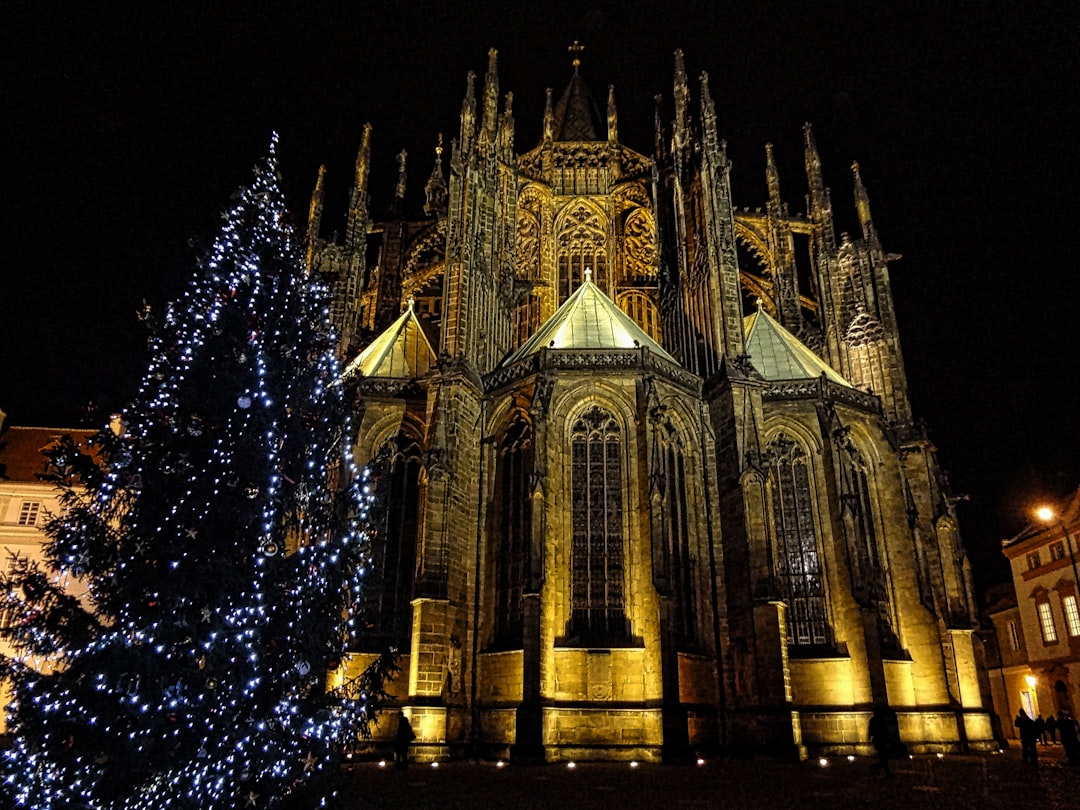
TripIt and its competitors operate on a logistics model: they consolidate bookings, manage schedules, and reduce the friction of moving between places. Newer tools with editorial or AI components attempt something more ambitious — they try to sequence a visit so that the city reveals itself in a coherent order rather than as a series of disconnected stops. In Prague, where the relationship between neighbourhoods is part of the story, that sequencing matters more than in cities with a simpler spatial logic.
Il consiglio del team
Whatever tool you use, build in at least one completely unplanned half-day — Prague's best discoveries tend to happen when you have nowhere specific to be and enough time to follow a street that looks interesting.
There is a particular kind of traveller who arrives in Prague already disappointed — not by the city, but by the idea that a city this famous cannot possibly have anything left to offer them. They are wrong, and Prague takes a quiet, centuries-old pleasure in demonstrating this.
The places in this list are not secrets. Several of them are on every map, in every guidebook, visible from the main thoroughfares. What makes them feel secret is the quality of attention they require — and reward. A dead horse hanging from a ceiling. A garden that a city keeps almost to itself. A crypt where history made an irreversible decision. A bell tower with tablecloths inside it.
Prague does not hide its best things. It simply places them where only the curious will think to look. That has always been the city's method, and after fourteen centuries of practice, it has become very good at it. The postcard, as ever, is just the beginning.
The places in this list are not secrets. Several of them are on every map, in every guidebook, visible from the main thoroughfares. What makes them feel secret is the quality of attention they require — and reward. A dead horse hanging from a ceiling. A garden that a city keeps almost to itself. A crypt where history made an irreversible decision. A bell tower with tablecloths inside it.
Prague does not hide its best things. It simply places them where only the curious will think to look. That has always been the city's method, and after fourteen centuries of practice, it has become very good at it. The postcard, as ever, is just the beginning.