


The places in this piece are not secret in any strict sense. Several sit on streets that receive tens of thousands of footfalls a day. A few are technically famous. But there is a particular category of place — well-documented, occasionally photographed, present on maps — that remains functionally invisible because the crowd moves past it too quickly, or because it lacks the branding of the Duomo or the Castel Nuovo. Naples is full of these places. They reward the traveller who has already done the obvious things and is now, quietly, looking for something else: a building that holds a story nobody bothered to tell them, a café that carries the weight of a century in its mirrors, a fountain that was almost something entirely different.
What follows is not a list of secrets. It is a list of things hiding in plain sight — which, in Naples, amounts to the same thing.
Part one — The essentials
Piazza del Plebiscito: the square that performs emptiness
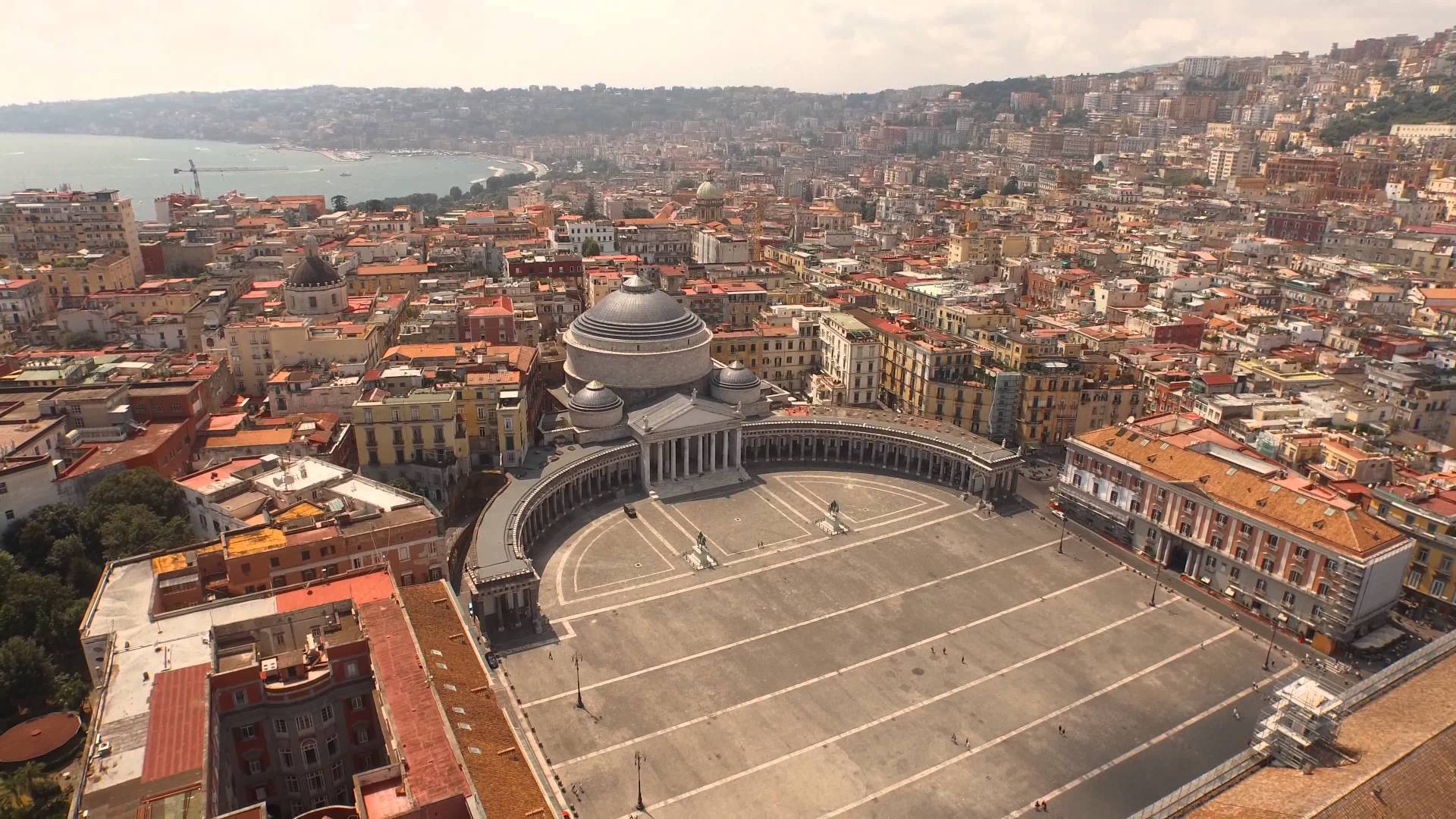
The piazza has had several lives: a royal parade ground, a car park (briefly, shamefully), a concert venue, and now a daily gathering point for Neapolitans who treat it with the casual familiarity that only comes from having grown up beside something monumental. That casualness is the real exhibit.
Il consiglio del team
Come at 7am, when the light falls at a low angle across the cobblestones and the square belongs almost entirely to dog walkers and delivery drivers. The geometry reads completely differently without a crowd in it.
Piazza Plebiscito: the Pizzofalcone perspective
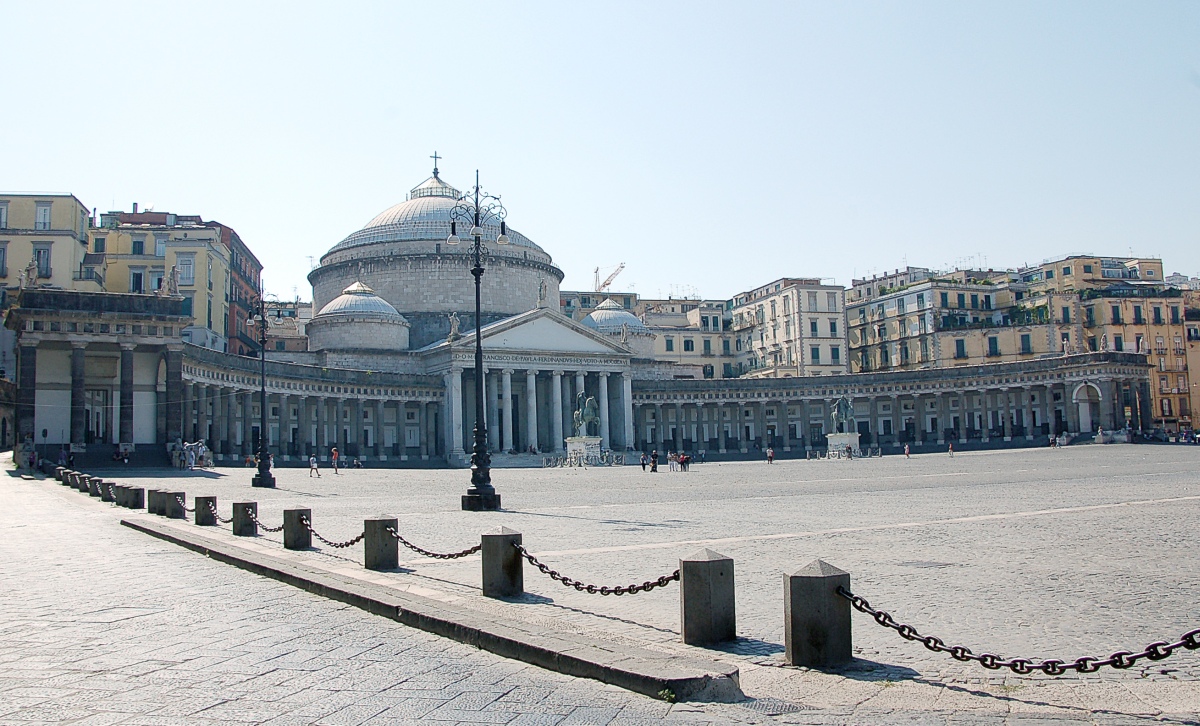
Walking up into Pizzofalcone from the piazza's edge, the square suddenly becomes a stage set viewed from the wings. The relationship between power and topography, between the Bourbon state and the city's older, scrappier geography, becomes legible in a way it never does from ground level.
Il consiglio del team
Take the narrow Via Egiziaca a Pizzofalcone up the hill immediately after visiting the piazza. The view back down, framed by laundry and satellite dishes, is the antidote to the piazza's official grandeur.
Fontana del Carciofo - Napoli: the fountain that was a compromise

There is something very Neapolitan about this: the provisional becoming permanent, the compromise outlasting the original intention, the city absorbing its own contingencies until they become heritage.
Il consiglio del team
Look at the fountain's base closely — the worn bronze shows the evidence of decades of casual contact, hands resting on it, children climbing it. The patina is a social history in miniature.
Galleria Umberto I: iron and glass and the art of loitering
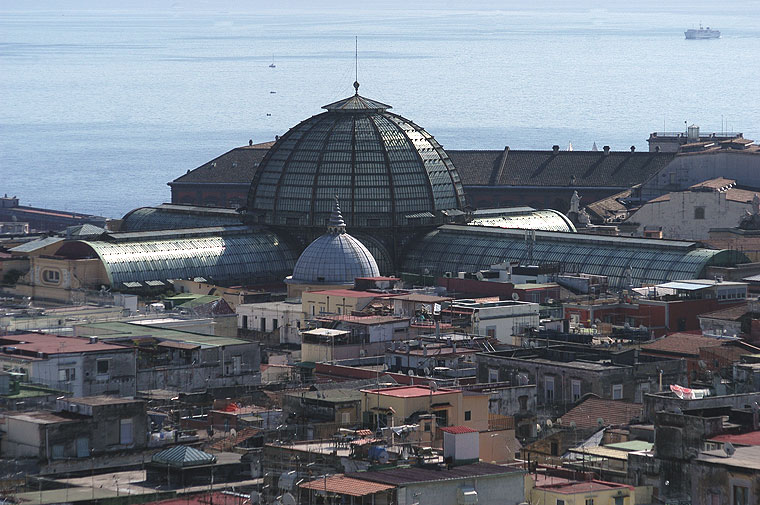
Today, the galleries mix the faded and the functional: a few tourist-facing shops alongside businesses that appear to have been there since the building was new. The floor's mosaic work, particularly at the central octagonal hub beneath the dome, is extraordinary and routinely walked over without a downward glance. Tilt your head up, then tilt it down. Both directions reward the effort.
Il consiglio del team
The gallery's upper levels, visible from the central hub, are largely inaccessible to the public but occasionally open for cultural events — check local listings, particularly in autumn, when the city's cultural calendar thickens.
Part two — A little deeper
Basilica Reale Pontificia di San Francesco di Paola: the Roman temple that isn't Roman

Inside, the scale surprises. The dome's interior is cooler and quieter than the piazza outside, and the light that falls through the oculus has the same quality that made the Roman original so affecting. It is a copy that has, over two centuries, acquired its own gravity.
Il consiglio del team
The interior is often quieter than you would expect given the basilica's prominent position. Visit mid-morning on a weekday and you may have the nave almost to yourself — the tour groups tend to photograph the exterior and move on.
Chiesa di San Ferdinando: the church that named a square and then lost it
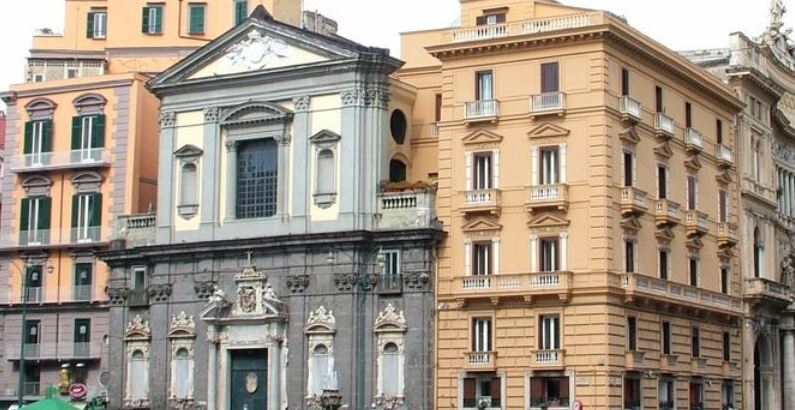
The church sits in a position of considerable urban prominence, yet it is consistently overlooked by people crossing the piazza in the direction of the Galleria or the Teatro San Carlo. Its interior contains artworks that would attract serious attention in a less distracted city. In Naples, they wait quietly for the visitor who thinks to push open the door.
Il consiglio del team
The church's connection to the Jesuits left traces in its decorative programme that are worth examining slowly. Ask the sacristan if you want context — the church's keepers are generally forthcoming with visitors who show genuine interest.
Palazzo Reale di Napoli: the palace that kept changing masters
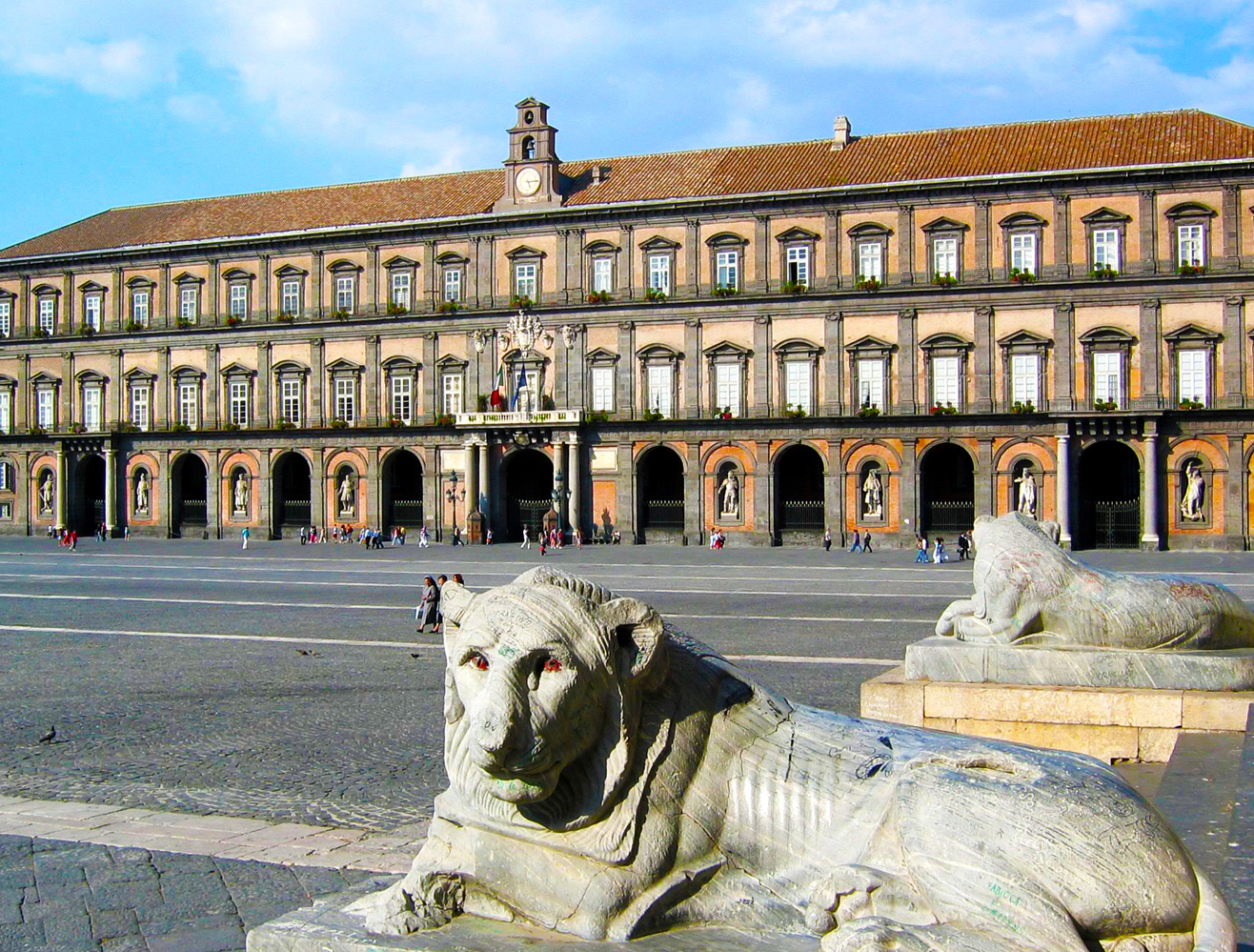
What most visitors miss — because they are focused on the state rooms — is the building's relationship to the city around it. The palace's facade, stretching along the Piazza del Plebiscito, contains niches with statues of the various dynasties that ruled Naples. It is a peculiarly honest piece of architecture: a building that acknowledges its own complicated ownership history in stone.
Il consiglio del team
The palace's library, the Biblioteca Nazionale, occupies part of the building and holds one of Italy's most significant collections of papyri from Herculaneum. Access requires advance arrangement but is worth pursuing for the seriously curious.
I palafrenieri a guardia dei giardini di Palazzo Reale: the horses that arrived from Saint Petersburg

There is something affecting about the statues' current situation: diplomatic tokens from a relationship between two cities that no longer exists in the political form that produced them, standing quietly in a garden that most people cross to reach the palace entrance. They have outlasted the friendship they were meant to commemorate.
Il consiglio del team
The garden entrance is sometimes overlooked in favour of the main palace doors. The gardens themselves, modest by royal standards, offer an unexpectedly calm pause in a noisy neighbourhood — and the statues read better from a few metres' distance.
Part three — Off the obvious path
Palazzo Zevallos Stigliano e l'ultimo Caravaggio: the bank that became a museum
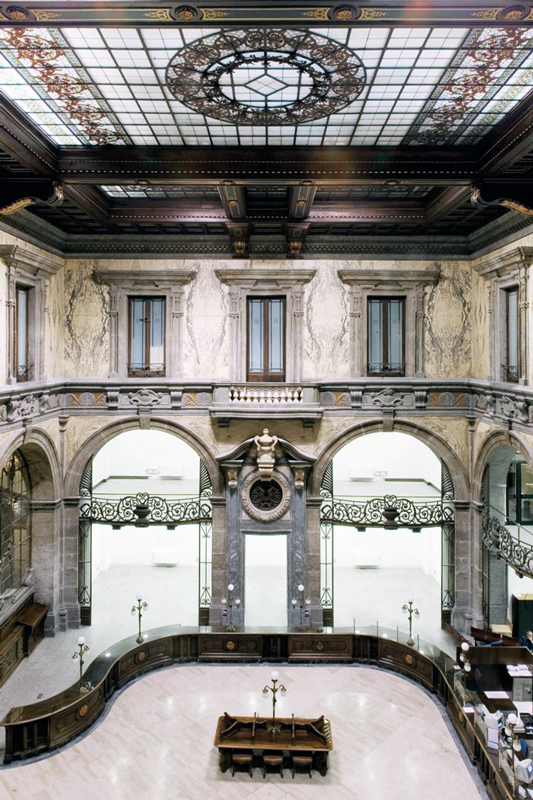
The palazzo itself is a seventeenth-century building that was subsequently modified and is now immaculately maintained. The contrast between the street outside — loud, commercial, perpetually in motion — and the interior, where the last Caravaggio waits in a carefully controlled light, is one of the more arresting transitions the city offers.
Il consiglio del team
The permanent collection extends beyond the Caravaggio to include a significant body of Neapolitan and southern Italian painting from the seventeenth to the twentieth centuries. Budget more time than you think you need — the building consistently rewards a second circuit.
Archivio fotografico Parisio, un pezzo di storia di Napoli: the city's memory in negative
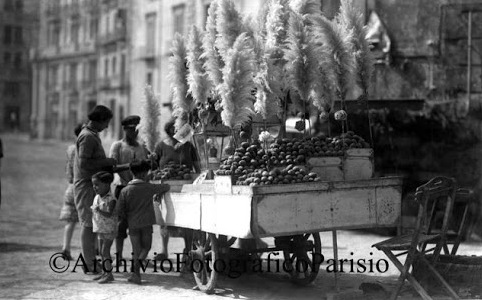
To spend time here is to encounter Naples in a state of becoming: the city in the process of being the city it would later be photographed as being. The archive makes visible the gap between the Naples of the postcards — the one that has been reproduced so many times it feels like fact — and the Naples that was actually lived in, worked in, and changed without anyone's permission.
Il consiglio del team
Access and opening arrangements for the archive should be confirmed in advance, as this is not a standard museum operation. Contact directly before visiting — the staff's knowledge of the collection is itself worth the conversation.
Napoli | Caffè Gambrinus: Uno dei bar più belli d'Italia — the café that survived being fashionable
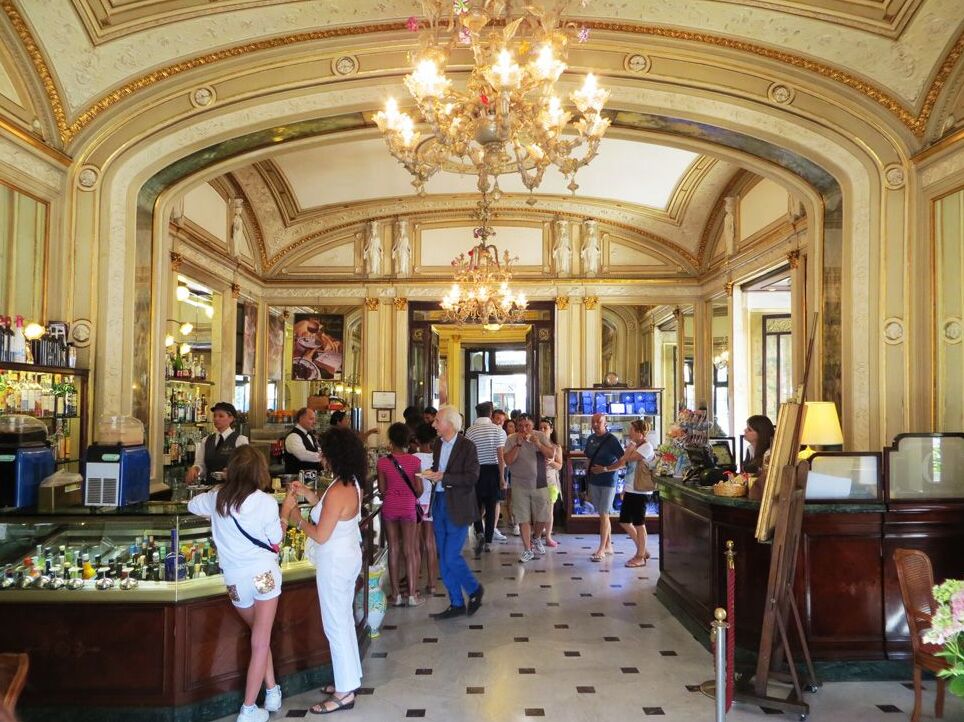
The interior is the thing: a sequence of mirrored rooms with gilded detailing, frescoed ceilings, and marble surfaces that have absorbed a century and a half of conversation, argument, and caffeine. The coffee is very good. The pastries are very good. But the real reason to sit here, at a table rather than at the bar, is to understand what a Neapolitan café was designed to be: not a place to consume quickly, but a place to occupy.
Il consiglio del team
Sitting at a table costs more than standing at the bar — this is standard Italian practice — but the price difference buys you legitimate occupation of one of the city's finest interiors. Order the sfogliatella and take your time.
Il Salone Margherita, primo cafè-chantant italiano: the basement that invented an Italian entertainment form

Contemporary accounts suggest that at its peak, the Salone drew visitors from across Italy who preferred its atmosphere to anything Paris could offer — a claim that tells you something about both the venue and the particular confidence of fin-de-siècle Naples. The space has had various subsequent lives, but the bones of the original remain.
Il consiglio del team
Check current programming before visiting — the Salone has operated in different formats across the years and its status as a functioning venue rather than a historic shell depends on the current cultural calendar.
Part four — Around and beyond
La Pizza la sua Storia - Secret World: the origin story that refuses to settle
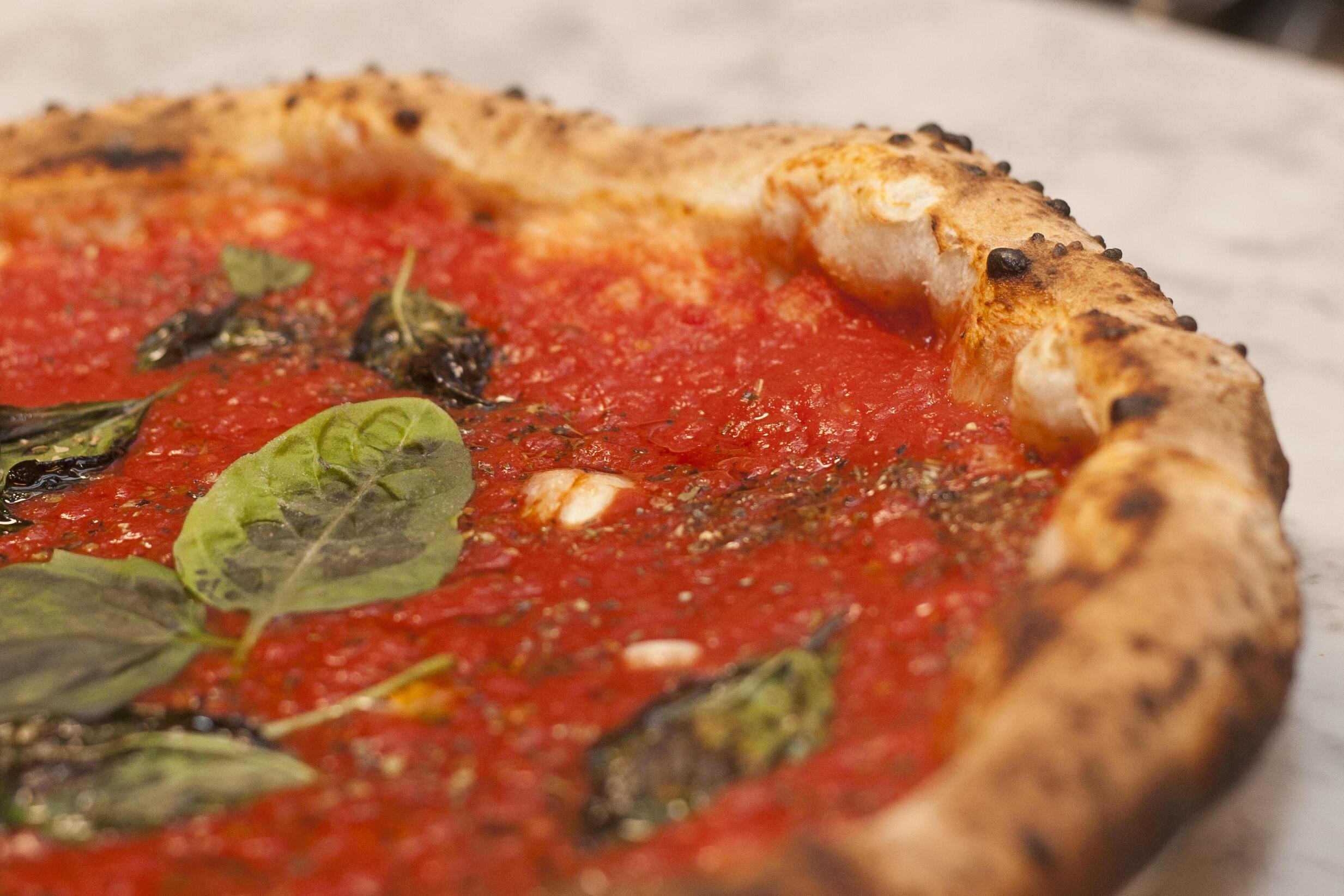
The 'Secret World' framing suggests an experiential or educational encounter with this history — a reminder that even the most familiar foods have layers that the postcard version never shows.
Il consiglio del team
The most instructive pizza conversations in Naples tend to happen not in the famous establishments but in the neighbourhood pizzerie where the clientele is almost entirely local. Watch how Neapolitans eat pizza — folded, standing, quickly — and you will understand something the sit-down tourist version obscures.
Napoli: Castle dell'Ovo e la sua leggenda - Secret World: the egg that holds up a city
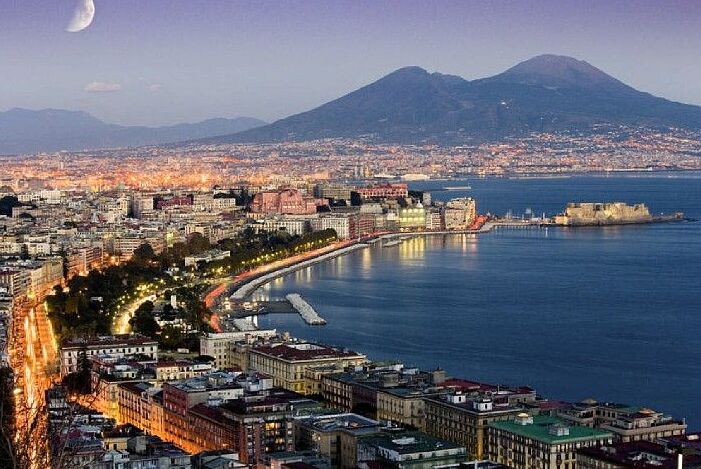
The castle itself has a history that predates the legend: it occupies the site of a Roman villa, was fortified by the Normans, and has been modified by virtually every subsequent power that controlled Naples. The 'Secret World' framing here points toward the legend as the real subject — the story the city tells about why it is still standing.
Il consiglio del team
The castle is accessible and the views across the bay from its upper levels are among the most considered in the city — not because the panorama is unusual but because the position, on water, changes your relationship to the Naples skyline entirely. Go late afternoon.
Naples resists the tidy conclusion. You leave it feeling that you have understood something and immediately suspect that understanding is provisional — that the city has already rearranged itself behind you, tucking away the thing you thought you'd found. The fifteen places in this piece share a quality that has nothing to do with obscurity and everything to do with attention: they reward the visitor who slows down, who reads the plaque, who asks the sacristan, who orders the coffee and stays to drink it rather than photographing it first.
The city is not hiding from you. It is simply very old, very layered, and entirely indifferent to whether you notice it or not. That indifference is, paradoxically, what makes noticing feel like something worth doing. Come back. Come back again. Each time, Naples will have moved something.
The city is not hiding from you. It is simply very old, very layered, and entirely indifferent to whether you notice it or not. That indifference is, paradoxically, what makes noticing feel like something worth doing. Come back. Come back again. Each time, Naples will have moved something.