


This is what I mean when I talk about places feeling hidden even when they are technically famous. It is not about footfall. It is about the quality of attention that most visitors bring — and, frankly, about the quality of attention that most guidebooks encourage. A place can receive ten thousand visitors a day and still be, in every meaningful sense, unseen.
Milan rewards the traveller who slows down, who reads the plaques, who orders the dish that takes forty minutes to prepare, who asks the custodian what that brass line on the floor actually does. The city is not hiding from you. It is simply waiting to see whether you are serious. The following fifteen places — some famous, some genuinely obscure — are my answer to that question.
Part one — The essentials
Duomo di Milano: the building that never stopped being built
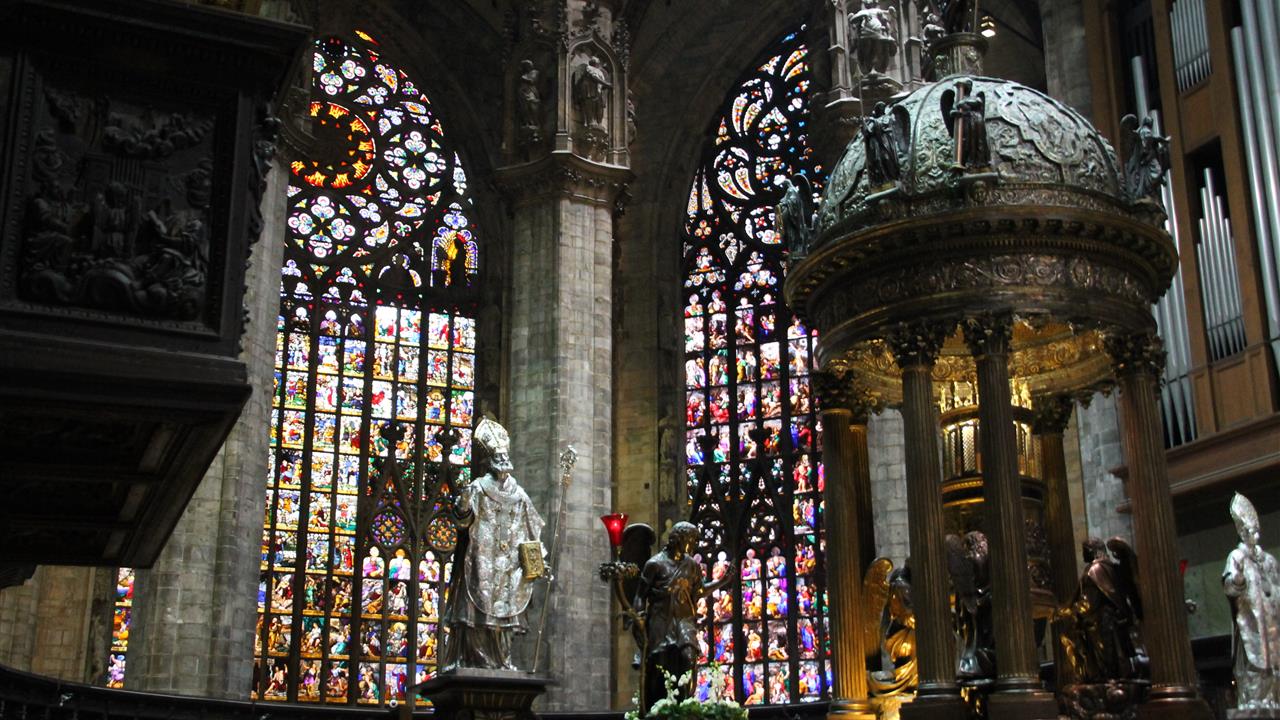
The light inside shifts hour by hour through stained glass that has been filtering the same Lombard sun for centuries. Most people spend twelve minutes here. The building deserves twelve hours.
Il consiglio del team
Arrive at opening time on a Tuesday or Wednesday. The piazza empties out and the interior light, particularly in the apse, is at its most coherent. Bring a torch if you want to read the floor inscriptions properly.
La Meridiana de Duomo: the sundial that lost its sun
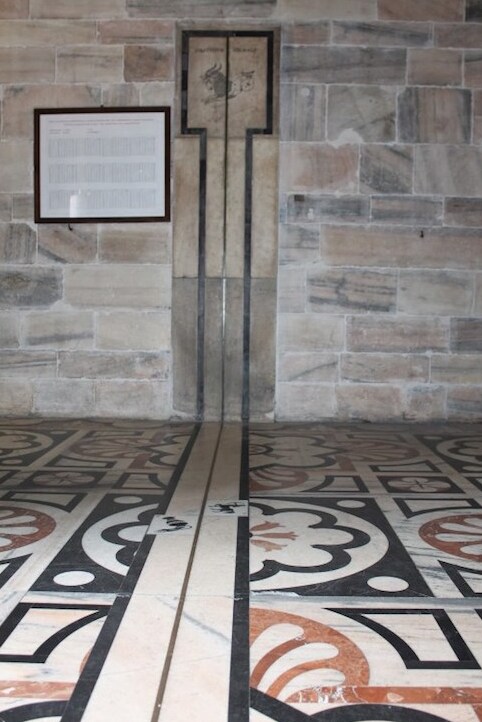
This is the detail that separates the attentive visitor from the tourist: not the spires, which are impossible to miss, but the brass line on the floor, which is impossible to notice unless someone has already told you it exists.
Il consiglio del team
The meridian line is close to the main entrance — look for the brass inlay running across the marble floor. Ask a custodian to point you toward the aperture in the wall; on sunny days you can still see where the beam would have landed.
Milan Cathedral: the rooftop as a second city
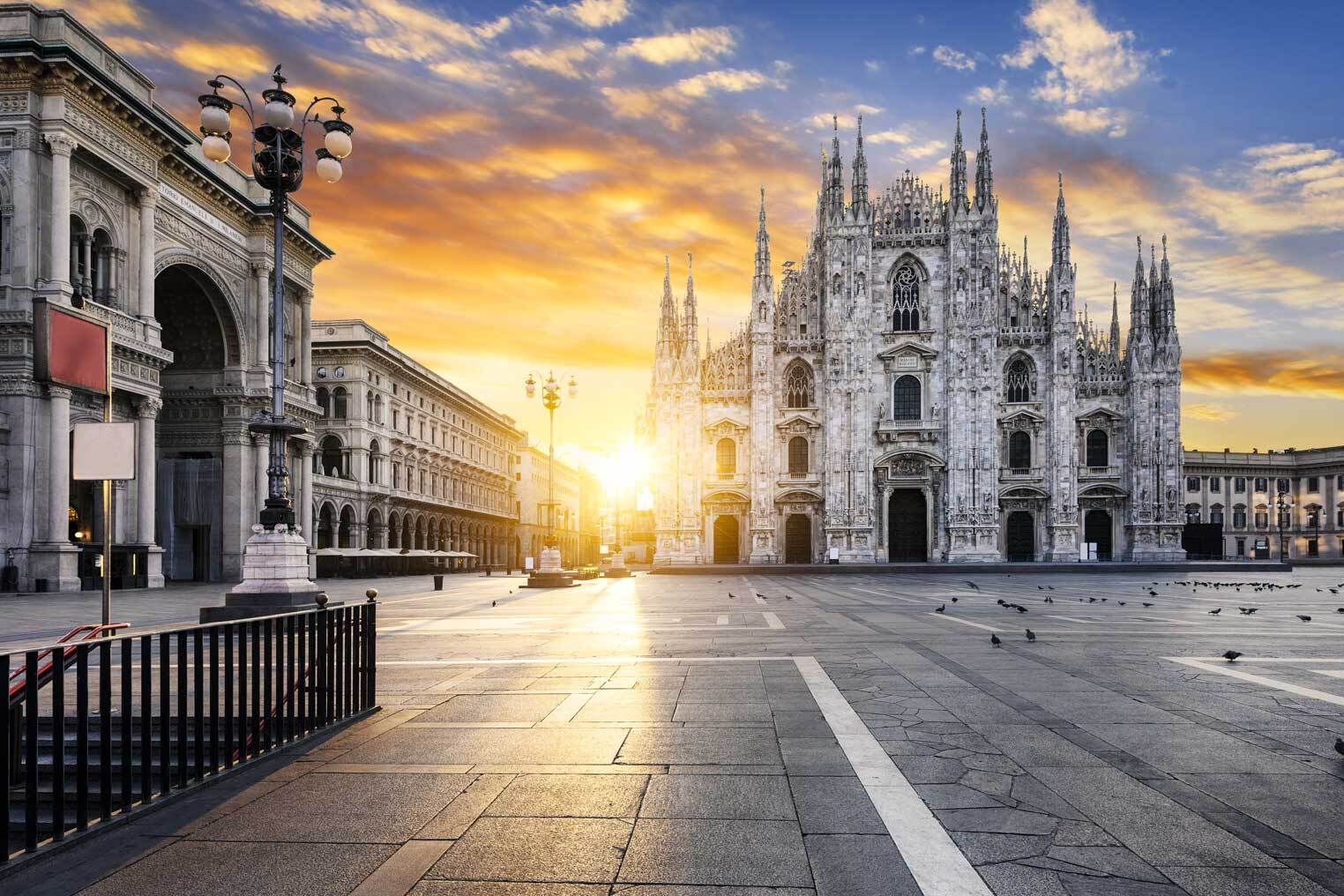
The fifth-largest church in the world is also, from this vantage point, the most vertiginous garden in Milan. The detail on the upper stonework — gargoyles, saints, decorative tracery — was carved for an audience that was never meant to see it this closely. It was carved for God, or for the sky.
Il consiglio del team
Take the stairs rather than the lift. The intermediate landings give you views of the flying buttresses at eye level that the lift skips entirely. Pre-book your slot online; weekend queues for the terrace can consume an entire afternoon.
Museo del Duomo di Milano: the cathedral's own autobiography
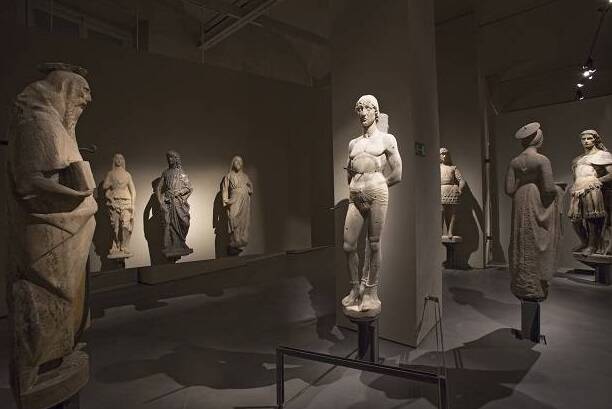
The collection of over four thousand objects is dense but not overwhelming, and the interpretive approach is unusually honest about the cathedral's contradictions — a Gothic building completed partly in the Baroque period, a northern European form built on a Mediterranean plain.
Il consiglio del team
The combined ticket with the cathedral and rooftop terrace represents good value. The museum is rarely crowded even when the piazza outside is heaving — mid-afternoon on a Saturday is a perfectly comfortable time to visit.
Part two — A little deeper
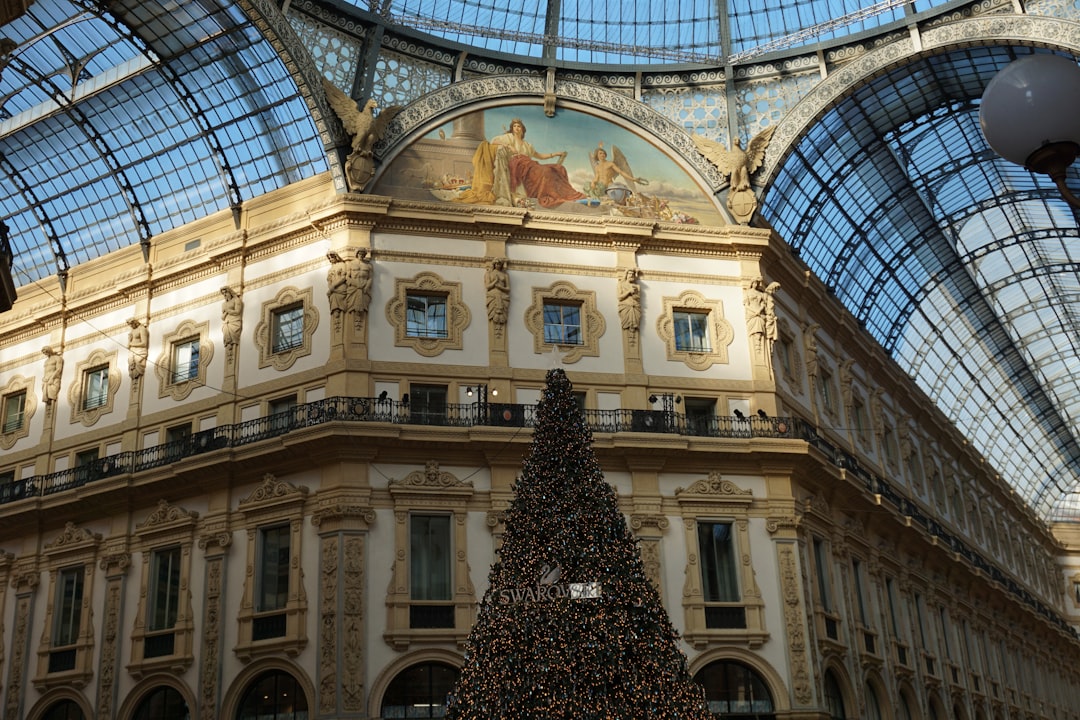
Milano | Galleria Vittorio Emanuele II: the salotto that swallowed its own irony
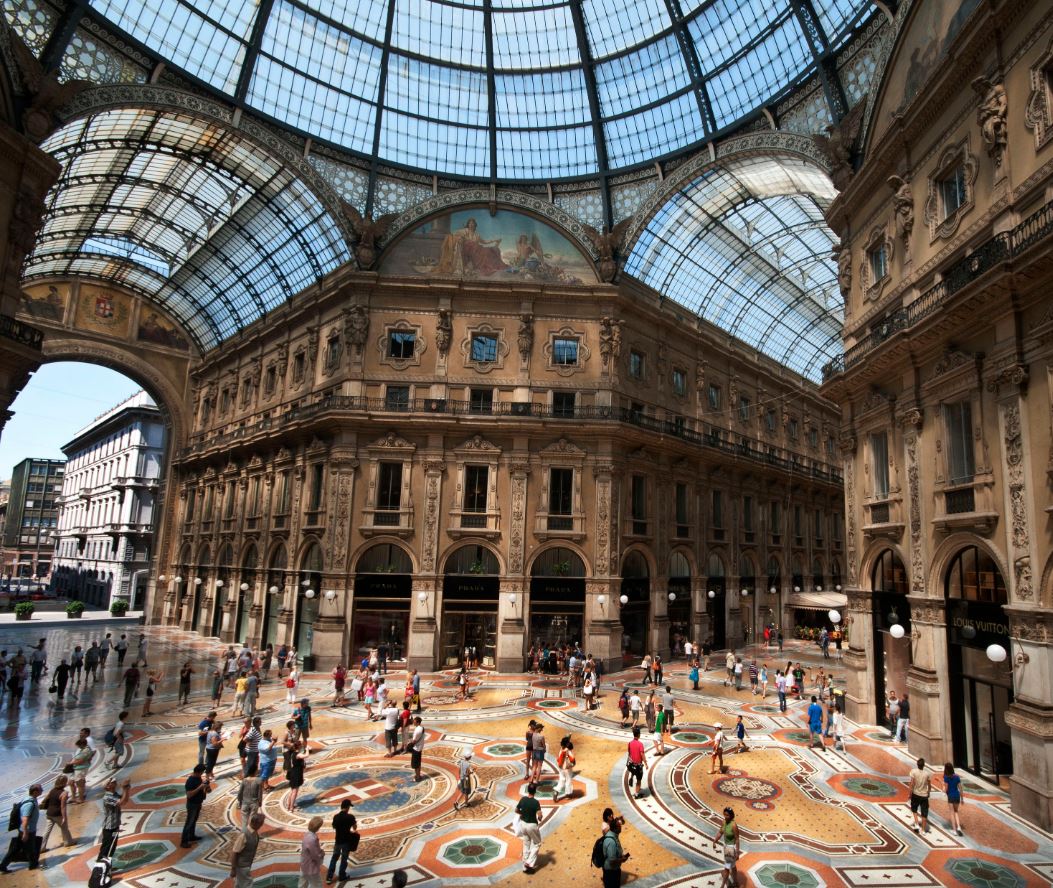
The trick with the Galleria is to visit it at the wrong time — early morning, when the shops are still shuttered and the light comes down through the glass vault in long, clean diagonals. At that hour, before the crowds arrive, the building reveals what it always was: a covered street trying to be a cathedral.
Il consiglio del team
Stand at the central octagon and look up at the mosaic floor rather than the dome. The bull mosaic has a tradition attached to it involving a heel and a wish — locals will tell you whether it works, though they tend to do so with a certain scepticism.
Milano | Fontana del Piermarini: the city's first fountain, and its most forgotten
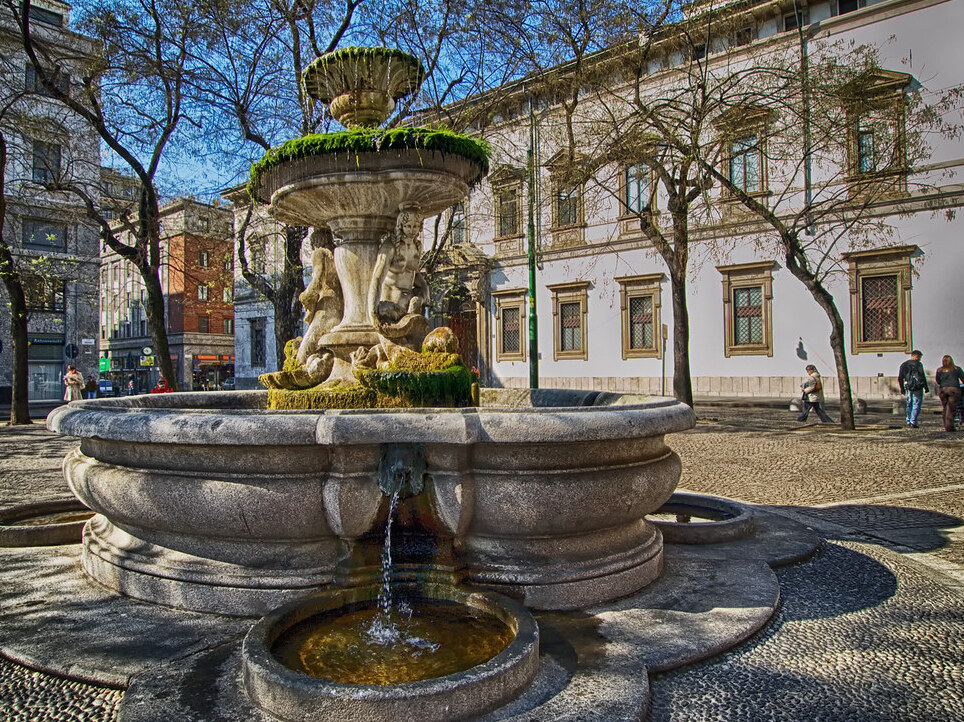
Piermarini is better known as the architect of La Scala, and the fountain carries the same compositional logic as his theatre work: proportion over decoration, material quality over ornamental excess.
Il consiglio del team
The pink Baveno granite of the basins has a particular quality in low evening light. If you are in the area around aperitivo hour, it is worth a five-minute detour to see the stone at its most sympathetic.
Milano | Cripta di S. Giovanni in Conca: a basilica swallowed by a piazza
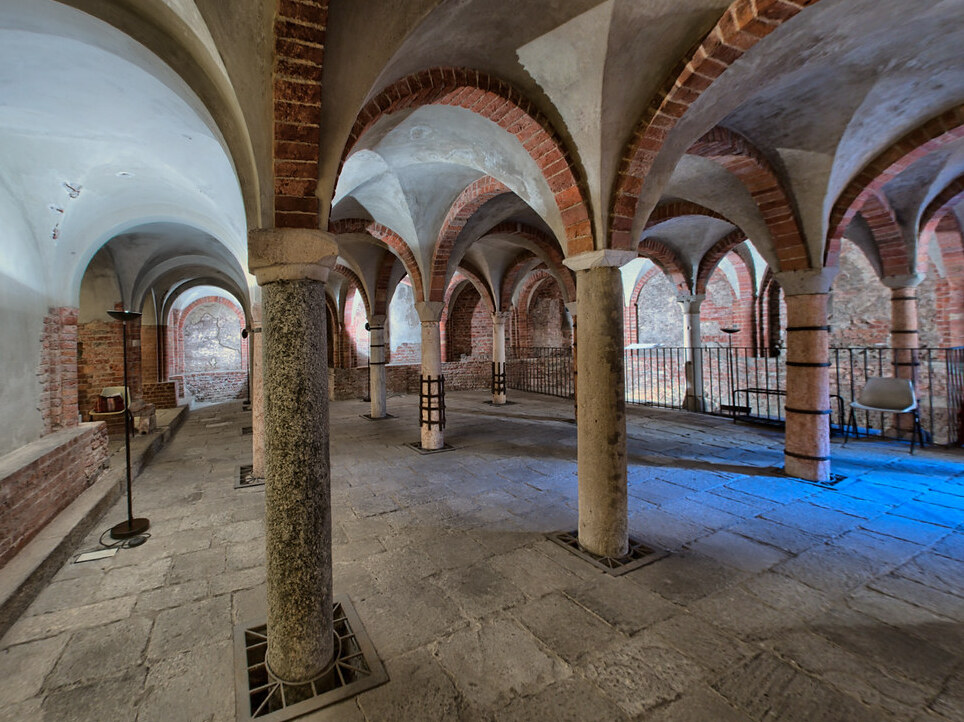
The piazza above it is not particularly beautiful. That is almost the point. The contrast between the mundane urban surface and the layered history below it is a specifically Milanese experience — the city built on top of itself so many times that the ground level is almost entirely fictional.
Il consiglio del team
Access to the crypt interior is limited and varies by season — check opening hours before making a specific journey. The exterior remains are visible at all times and reward close attention, particularly the apse fragment.
Milano | Cripta di San Sepolcro: where San Carlo Borromeo came to think

The crypt itself is a place of genuine atmospheric density: low vaults, stone that has absorbed several centuries of silence, and the particular quality of sacred spaces that have been used privately rather than publicly. It is not a museum. It is a room that still feels inhabited.
Il consiglio del team
The crypt is accessed through the church above, which itself contains works worth pausing for. Visit outside of Sunday morning hours if you want the space to yourself — it is rarely on the standard itinerary.
Part three — Off the obvious path
Mozart e l'Organo della Chiesa di Sant'Antonio Abate: the instrument a prodigy played
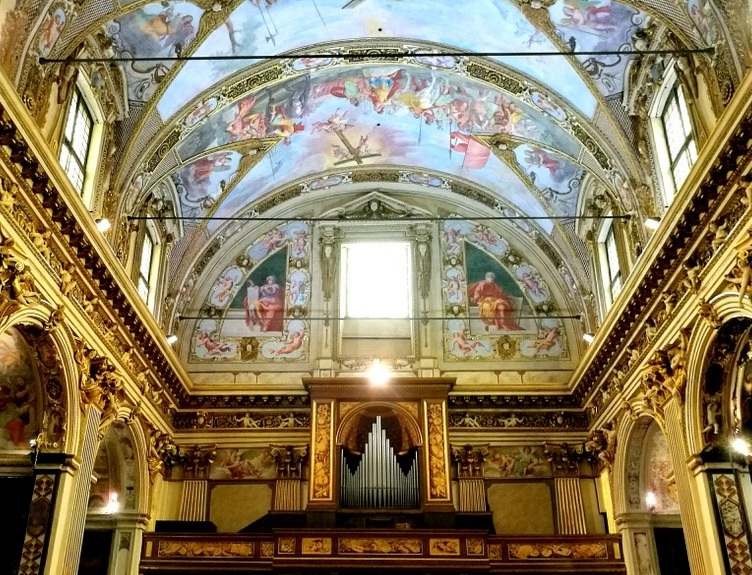
This is the kind of detail that Milan keeps in its pocket — not a grand monument to a famous association, but a functional object in a functioning church, going about its business, waiting for someone to ask about it.
Il consiglio del team
The church occasionally hosts organ concerts that allow visitors to hear the instrument in context. Check local listings for the Amici dell'Organo or similar associations, which tend to programme events in lesser-known churches throughout the year.
Orto Botanico di Brera: the garden that belongs to a university and a century
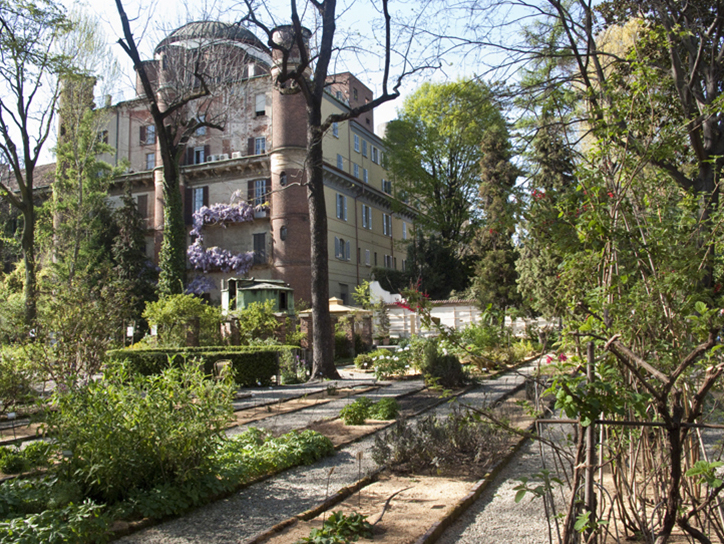
The scale is intimate — this is not Kew Gardens — but the intimacy is the point. The garden operates on the frequency of careful attention rather than spectacle, and it rewards visitors who are willing to read the labels and follow the logic of botanical classification as a way of understanding how the Enlightenment organised the world.
Il consiglio del team
The garden is often quieter than the Pinacoteca immediately adjacent to it. If you are visiting the gallery on a warm day, the garden makes an excellent place to decompress between the rooms — bring the gallery catalogue and read it here.
Milano: città Europea — the city as a long argument with itself
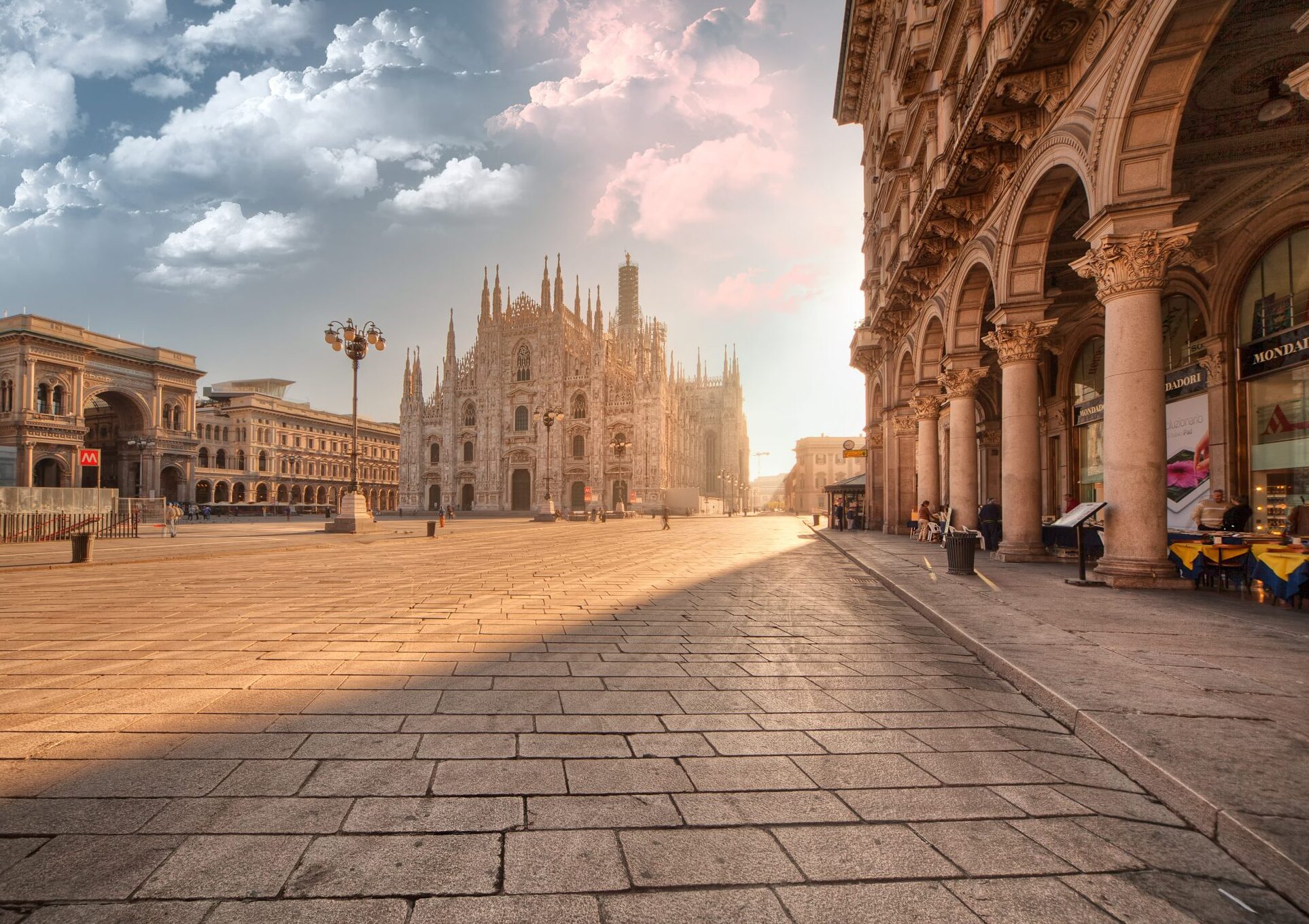
This is the panorama that repays the most sustained attention: not a single monument, but the whole restless, contradictory, European skyline of a city that never quite settled for what it already had.
Il consiglio del team
The best free elevated views of the city are from the Duomo rooftop (ticketed, but worth it) and from the public terraces of certain buildings in the Porta Nuova district. Early morning, before the haze builds, gives the clearest sightlines to the Alps on clear days.
Top 5 travel apps Milano 2026: scopri Secret World — the city through a screen, and what that means
What is interesting is the gap between what the apps surface and what they miss — the brass meridian line, the Piermarini fountain, the organ that a child prodigy played. The city's most interesting details remain stubbornly analogue.
Il consiglio del team
Digital navigation tools are useful for logistics but tend to flatten the experience of discovery. Use them to get to the neighbourhood, then put the phone away and walk without a destination for at least thirty minutes. Milan rewards this approach more than most cities.
Part four — Around and beyond
Ossobuco alla Milanese: the dish that requires a marrow spoon and patience
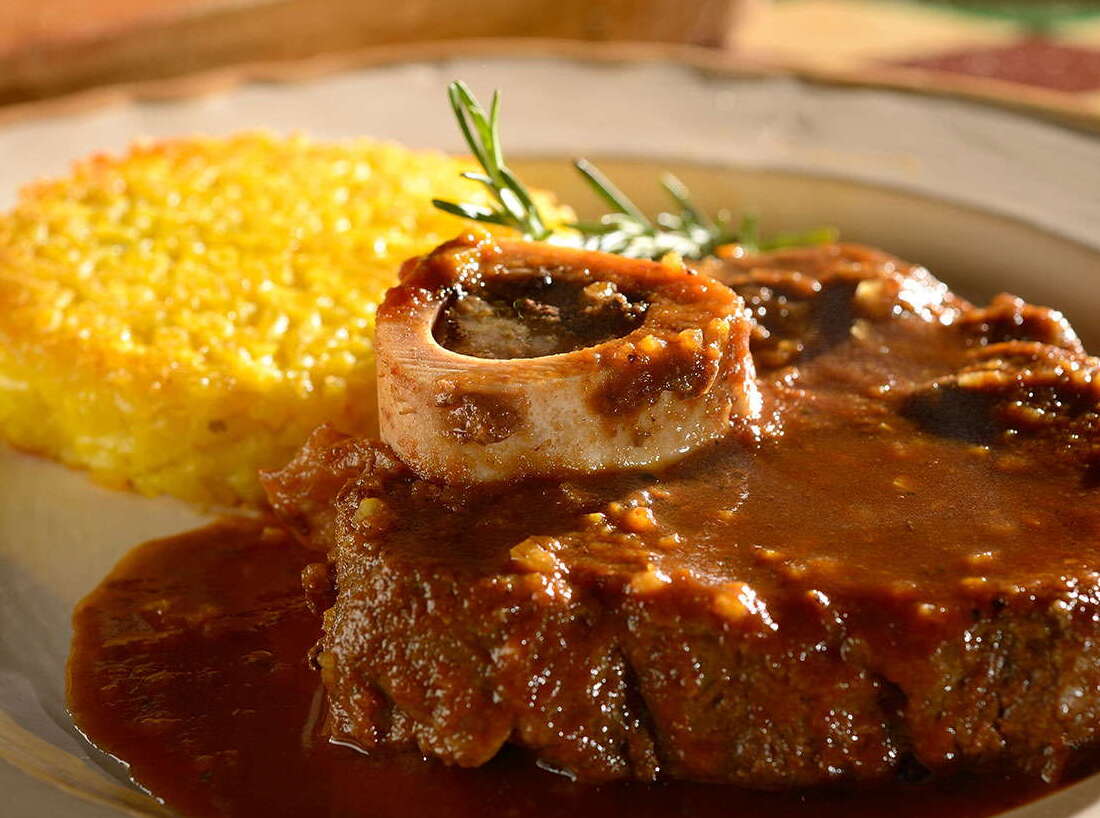
The gremolata — lemon zest, garlic, parsley — that finishes the dish is not optional. It is the element that cuts through the richness and prevents the whole thing from becoming a meditation on heaviness. Order it where it takes time to arrive.
Il consiglio del team
Ask specifically for the marrow spoon (il cucchiaino per il midollo) when you order — not every restaurant provides it automatically, and eating ossobuco without extracting the marrow is like reading a book and skipping the last chapter.
Milano ed il Risotto allo zafferano: the yellow rice that carries a legend
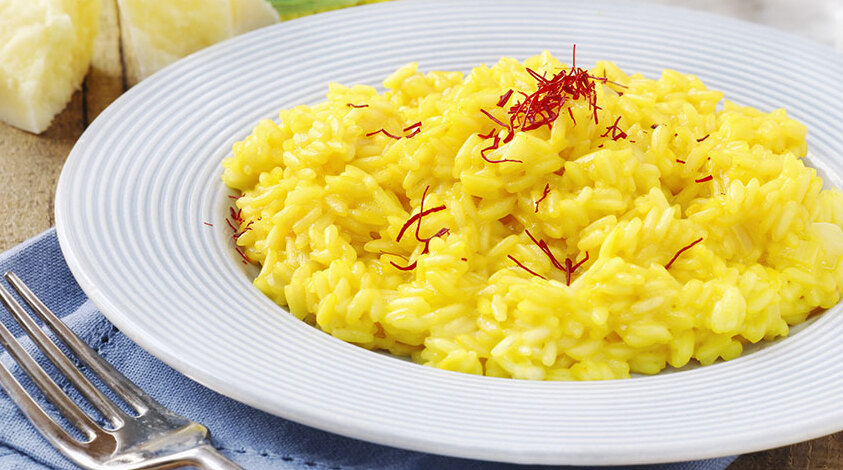
This is a dish that cannot be rushed and cannot be reheated, which makes it an implicit argument against the kind of dining that most tourist itineraries encourage. Eating risotto allo zafferano properly requires sitting down, ordering nothing else first, and giving the kitchen the time it needs.
Il consiglio del team
The best versions of this dish are found in trattorias that serve it as a primo, not as a side. Look for places where it is listed with a waiting time — twenty-five to thirty minutes is a good sign. Avoid anywhere that produces it in under ten.
Museo del Novecento: the twentieth century, arranged around a Velasca view
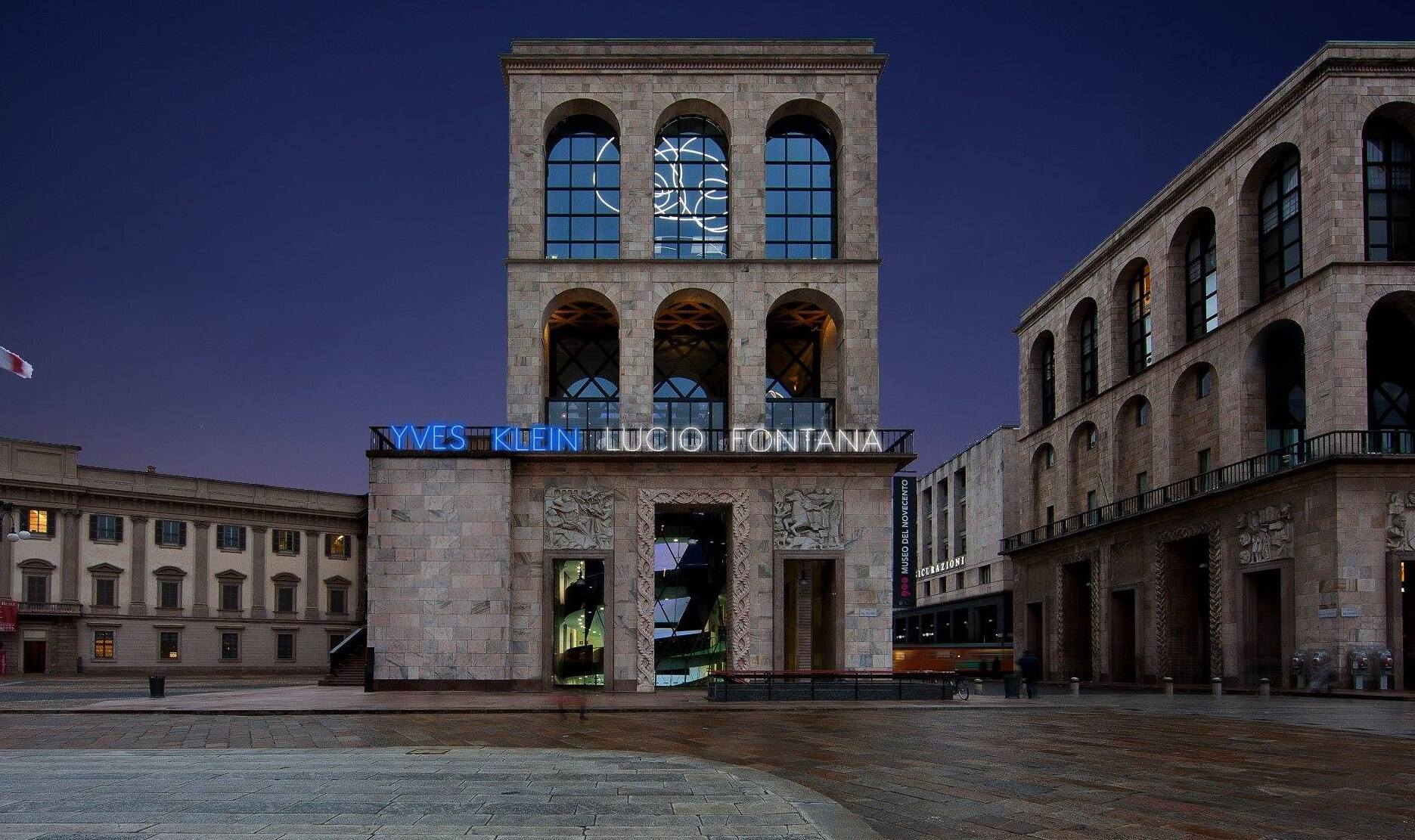
The top floor offers a view of the Duomo through glass that frames the Gothic facade as though it were itself a work of art — which, of course, it is. The museum's permanent collection includes Futurism, Arte Povera, and the full arc of Italian modernism, presented with the kind of curatorial confidence that comes from not needing to compete for attention.
Il consiglio del team
The museum is free on the first and third Tuesday evening of each month. At that hour, with the Duomo illuminated outside the windows and the galleries relatively quiet, it offers one of the better free cultural experiences in the city.
The thing about Milan is that it does not perform accessibility. Paris performs accessibility. Rome performs accessibility, loudly, in several languages simultaneously. Milan assumes you will do some of the work yourself, and it is not entirely wrong to make that assumption. The city's best experiences — the meridian line on the cathedral floor, the Piermarini fountain standing alone in the morning light, the ossobuco that takes forty minutes and requires a specific spoon — are not hidden in any meaningful sense. They are simply waiting for a visitor who has decided to be present rather than merely present-and-photographing.
I have been coming to Milan for longer than I care to calculate, and I still find things I had not noticed before. That is not a function of the city's size. It is a function of the quality of attention it demands, and rewards. Come prepared to look carefully. The city will meet you halfway — but only halfway.
I have been coming to Milan for longer than I care to calculate, and I still find things I had not noticed before. That is not a function of the city's size. It is a function of the quality of attention it demands, and rewards. Come prepared to look carefully. The city will meet you halfway — but only halfway.