


The paradox of Florence is that its most celebrated attractions — the Uffizi, the Duomo, the Piazza della Signoria — are so aggressively present in the cultural imagination that they function almost as screens, blocking the view of everything behind them. Tourists orbit these monuments with a kind of gravitational inevitability, and the city, which receives well over fifteen million visitors a year, has quietly arranged itself to accommodate this. The souvenir shops multiply. The queues lengthen. The city's actual texture — its medieval alleyways, its peculiar stones, its street food eaten at a stand-up counter — retreats a few metres and waits.
What I mean by 'hidden' here is not secret in the conspiratorial sense. Most of what follows is findable on a map. Some of it is literally in the middle of the most famous square in Tuscany. Hidden, in Florence, means overlooked: the thing you walk past because you are looking at something else, the detail that requires you to stop rather than proceed, the flavour that demands a certain willingness to trust the city rather than the guidebook. These fifteen places and experiences ask for that willingness. In return, they offer a Florence that most visitors — even well-travelled, well-read ones — never quite find.
Part one — The essentials
Florence: Piazza della Signoria

The problem is that most visitors arrive looking for a backdrop rather than a text. Stand still for ten minutes — genuinely still, without a phone — and the spatial logic of the piazza begins to declare itself. The asymmetry is intentional. The power is in the details.
Il consiglio del team
Go early on a weekday morning, before 8am, when the light is low and the square is almost empty. The absence of crowds changes the acoustics and the atmosphere entirely.
Firenze e l'autoritratto nascosto di Benvenuto Cellini
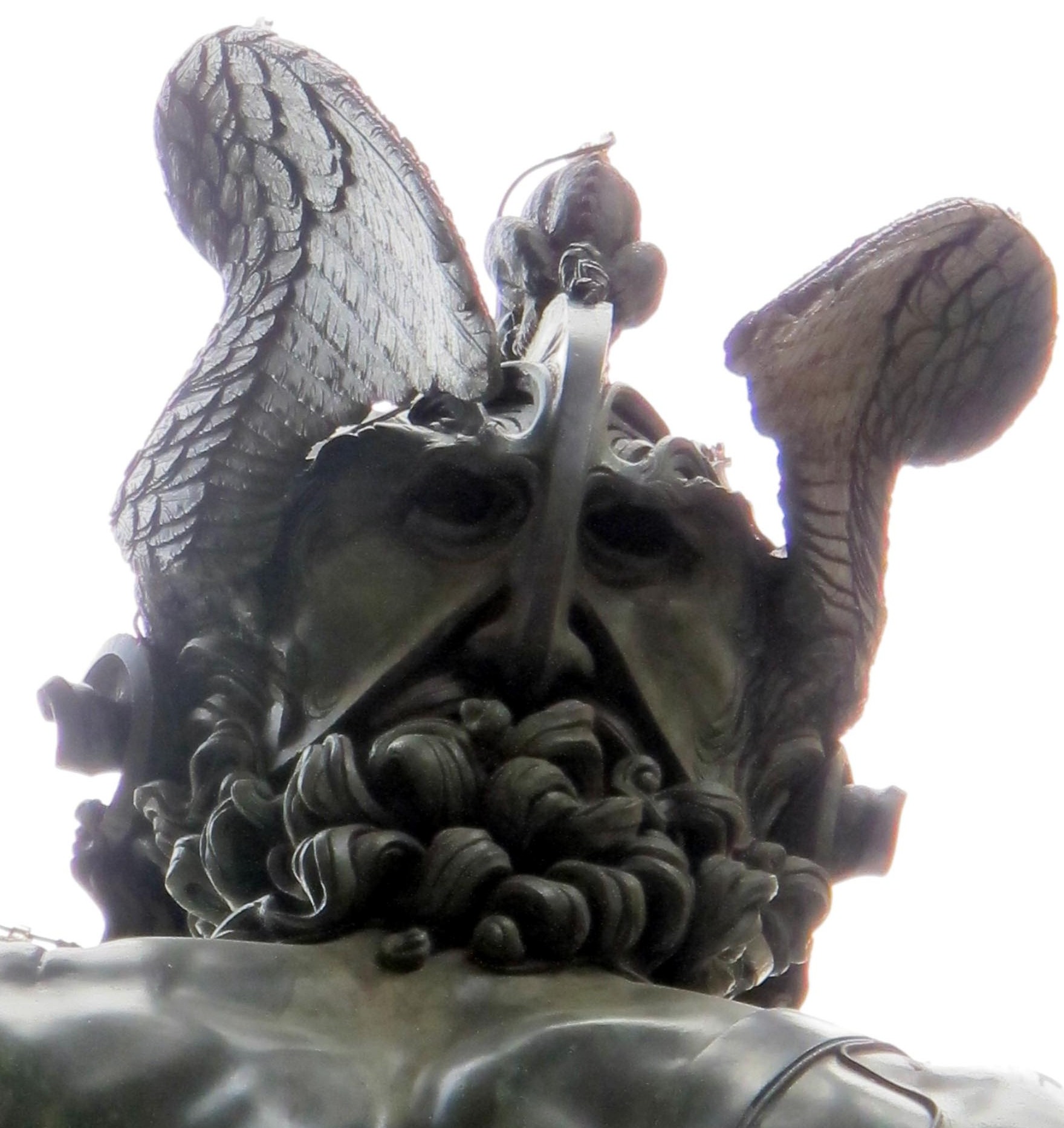
On the back of Perseus's helmet, Cellini worked a small self-portrait into the bronze: a bearded face, barely larger than a fist, tucked into the metalwork with the quiet vanity of a man who knew exactly what he had made. It is not hidden in any conspiratorial sense — it has been documented for centuries — but the positioning means most visitors simply never look. This is Florence's preferred method of concealment.
Il consiglio del team
Walk around the back of the Perseus base and look up at the rear of the helmet. The face is small but unmistakable once you know it is there.
Palazzo Vecchio ed il Volto segreto di Michelangelo

The profile is not announced by any prominent signage. You find it by knowing where to look, or by following someone who does. In a city where every surface has been studied and catalogued, the persistence of this small uncertainty — was it him? was it not? — feels like the city withholding judgment on purpose.
Il consiglio del team
Stand close to the wall to the right of the main portal and look for the incised profile at roughly eye level. It is easier to see in raking afternoon light.
Chiesa e Museo di Orsanmichele
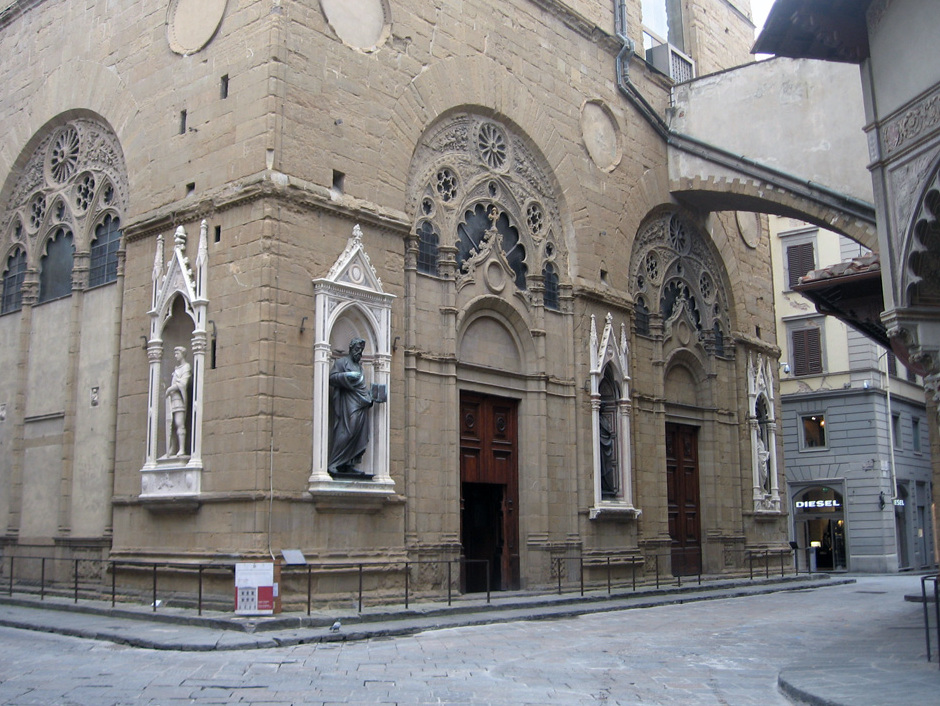
The exterior niches contain some of the finest guild-commissioned sculpture in Florence, including works by Ghiberti, Donatello, and Verrocchio. Most visitors walk past on their way between the Uffizi and the Duomo. The museum upstairs, which houses many of the original sculptures (the ones outside are copies), is frequently quiet.
Il consiglio del team
The museum on the upper floors is free and often nearly empty. It holds the original Donatello St. George, which is worth the climb alone.
Part two — A little deeper
Firenze e la Meridiana più alta del Mondo

The Duomo draws enormous crowds throughout the year, but the solstice event is largely unannounced and unmarketed. The cathedral becomes, briefly, a functioning scientific instrument, and the tourists photographing the ceiling are mostly unaware that the floor beneath them is telling the time.
Il consiglio del team
Visit around noon on any day close to the 21st of June. The light event lasts only a few minutes but is quietly extraordinary in the context of a cathedral this size.
Firenze: Il Sasso di Dante e la sua famosa memoria
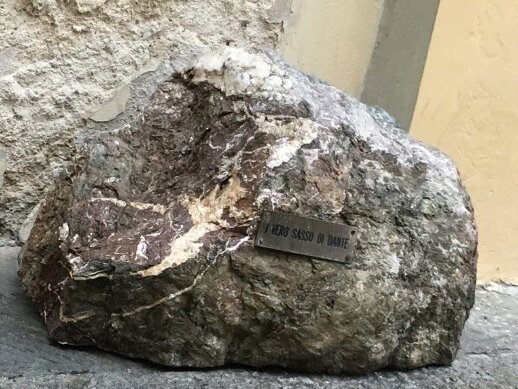
The stone sits in a pedestrian flow of considerable density. People walk past it hundreds of times a day without registering it. It is perhaps the most ignored monument in a city of monuments.
Il consiglio del team
The stone is at pavement level with no barrier and no queue. You can sit on it, as Dante supposedly did, and no one will stop you — though they may look at you strangely.
La Casa di Beatrice
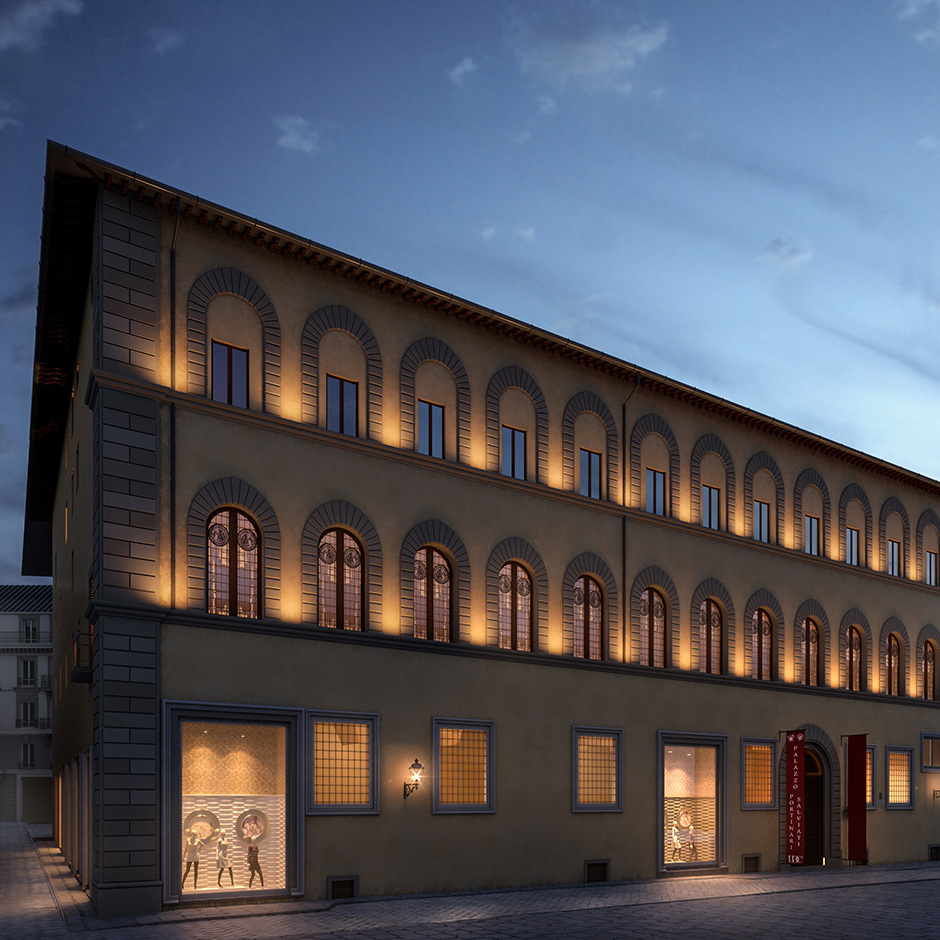
What is less disputed is the building's broader significance. The Portinari were a serious Florentine family, and the palazzo retains its medieval core beneath later modifications. The street itself — Via del Corso — is one of the more authentic commercial arteries in the centre, walked by Florentines as much as by tourists.
Il consiglio del team
The building is not always open to visitors, but the exterior and the street context are worth the short walk from Piazza della Repubblica. Combine it with the nearby church of Santa Margherita.
Dante e la chiesa di Santa Margherita

Inside, visitors leave notes and mementos for Beatrice at a small basket near the altar, a tradition that has developed organically over decades. The church has no formal tourist infrastructure. You push open a door and you are simply inside a thousand-year-old room where people still come to think about love.
Il consiglio del team
The church keeps irregular hours but is often open in the late morning. The basket of notes left by visitors has become a minor literary archive in its own right — worth reading.
Part three — Off the obvious path
Ponte Vecchio
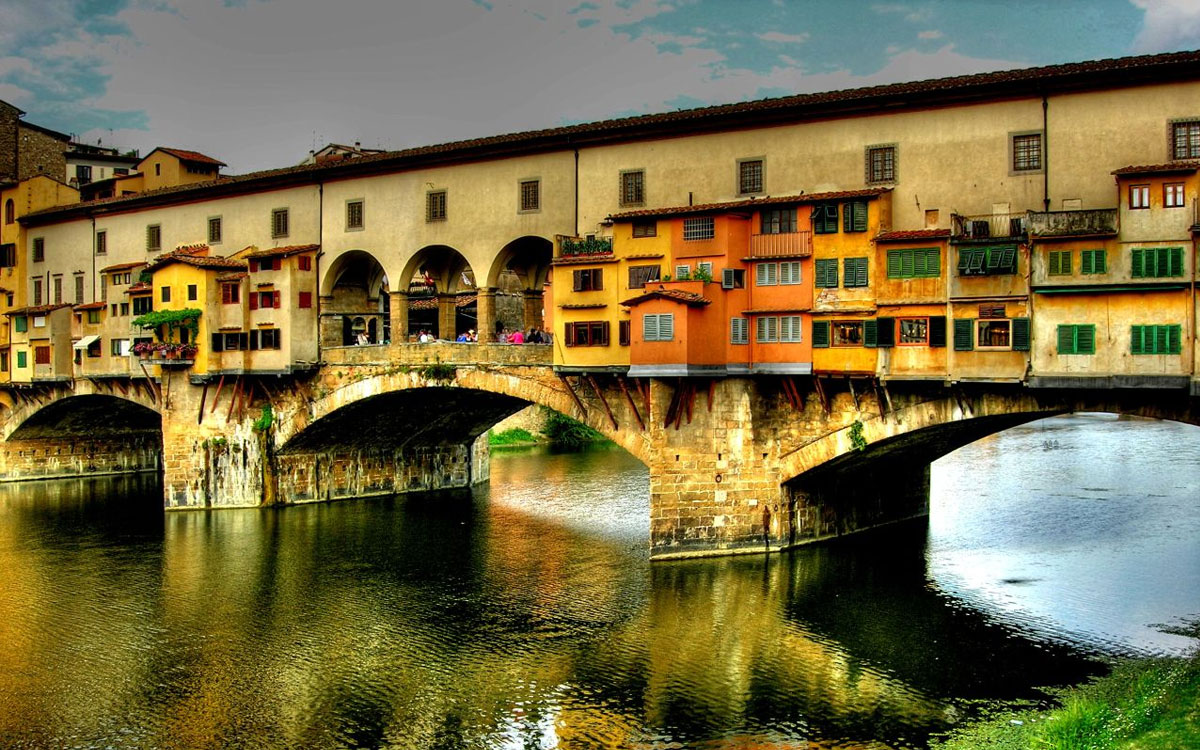
The bridge's history is layered: it survived the Second World War intact while the surrounding bridges were destroyed, allegedly on Hitler's direct order (the story is disputed but persistent). Above the shops runs the Vasari Corridor, the elevated private walkway built for the Medici in 1565, connecting the Palazzo Vecchio to the Pitti Palace — a reminder that this bridge has always served power as much as commerce.
Il consiglio del team
Walk the bridge after 10pm on a weeknight. The shops are shut, the crowds are thin, and the Arno reflects the lamplight in a way that the daytime photographs never capture.
Panino con la trippa alla fiorentina
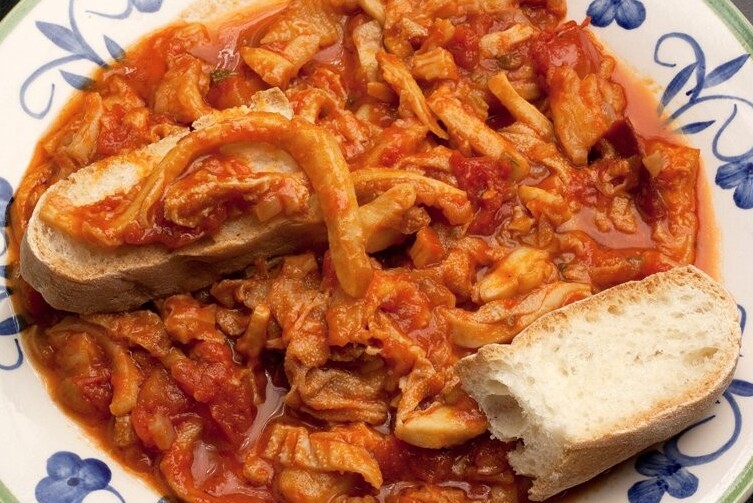
For centuries, tripe was the food of the poor — the cuts that remained after the wealthy had taken what they wanted. Florence never abandoned it, and the trippai who still operate near the Mercato Centrale and around Piazza della Repubblica are a direct line to that culinary history. Eating one standing at a cart, in the rain if necessary, is more Florentine than any restaurant meal.
Il consiglio del team
Ask for it bagnato — wet — meaning the roll is dipped briefly in the cooking broth before assembly. This is the local preference and it makes a significant difference.
Firenze: il Lampredotto
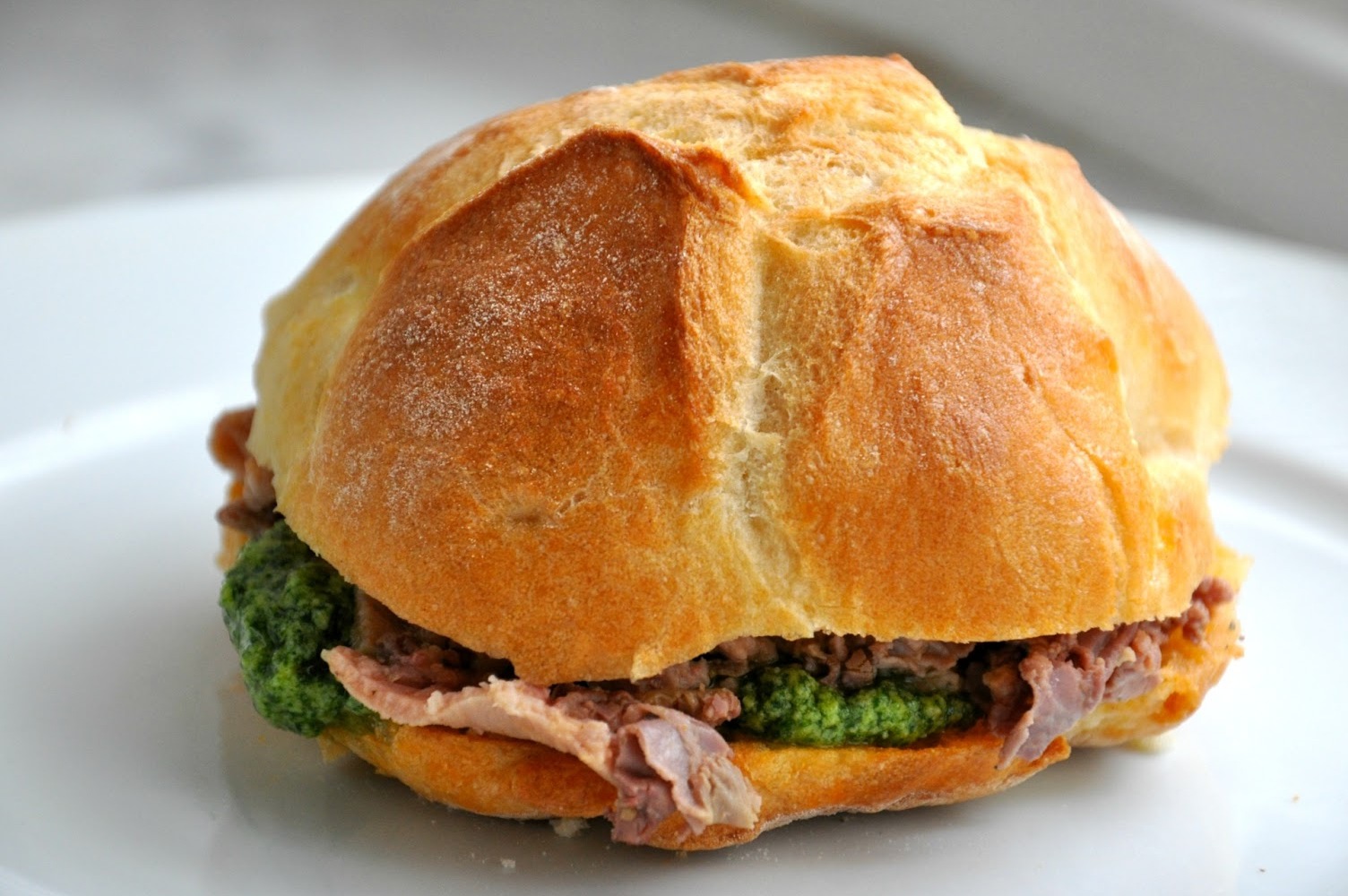
Lampredotto is not a dish that requires bravery so much as willingness to eat something that the city has been eating for five hundred years without apology. The lampredottai who prepare it are typically fast, unsentimental, and entirely uninterested in explaining the dish to the uncertain. Order confidently, dress it with salsa piccante if you want heat, and eat it standing up.
Il consiglio del team
Nerbone, inside the Mercato Centrale, is one of the most reliable places to eat lampredotto in a context that feels genuinely local rather than curated for visitors.
Toscana | "IL PAN DI RAMERINO"

The bread is sold in small, slightly flattened rounds, scored on top in a cross pattern. It is not glamorous. It does not photograph particularly well. But eaten warm, with nothing added, it is one of the more direct connections available to the food culture of pre-industrial Tuscany.
Il consiglio del team
Look for it in the traditional forno (bakery) rather than in cafés or tourist shops. Forno Sartoni on Via dei Cerchi and similar neighbourhood bakeries are more likely to make it properly.
Part four — Around and beyond
Cosa vedere a Firenze nel 2026: guida ai luoghi imperdibili
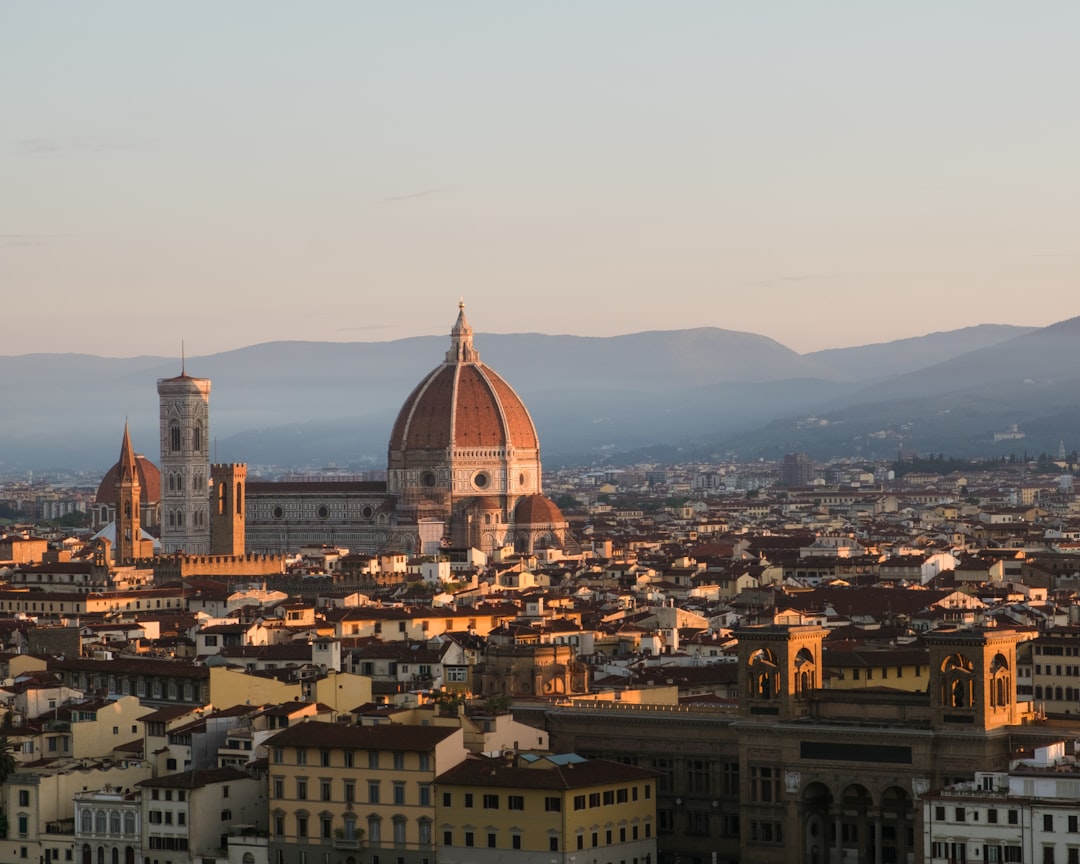
The Boboli Gardens in particular — the formal garden behind the Pitti Palace, laid out in the sixteenth century — offer something that is genuinely difficult to find in central Florence: space, quiet, and the sensation of being in a city that is not performing for you.
Il consiglio del team
The Boboli Gardens share a combined ticket with several other city museums. Entering mid-afternoon on a weekday, particularly in the shoulder seasons, you can walk for an hour without encountering a crowd.
Secret World vs Google Trips: Il Miglior Trip Planner per Firenze
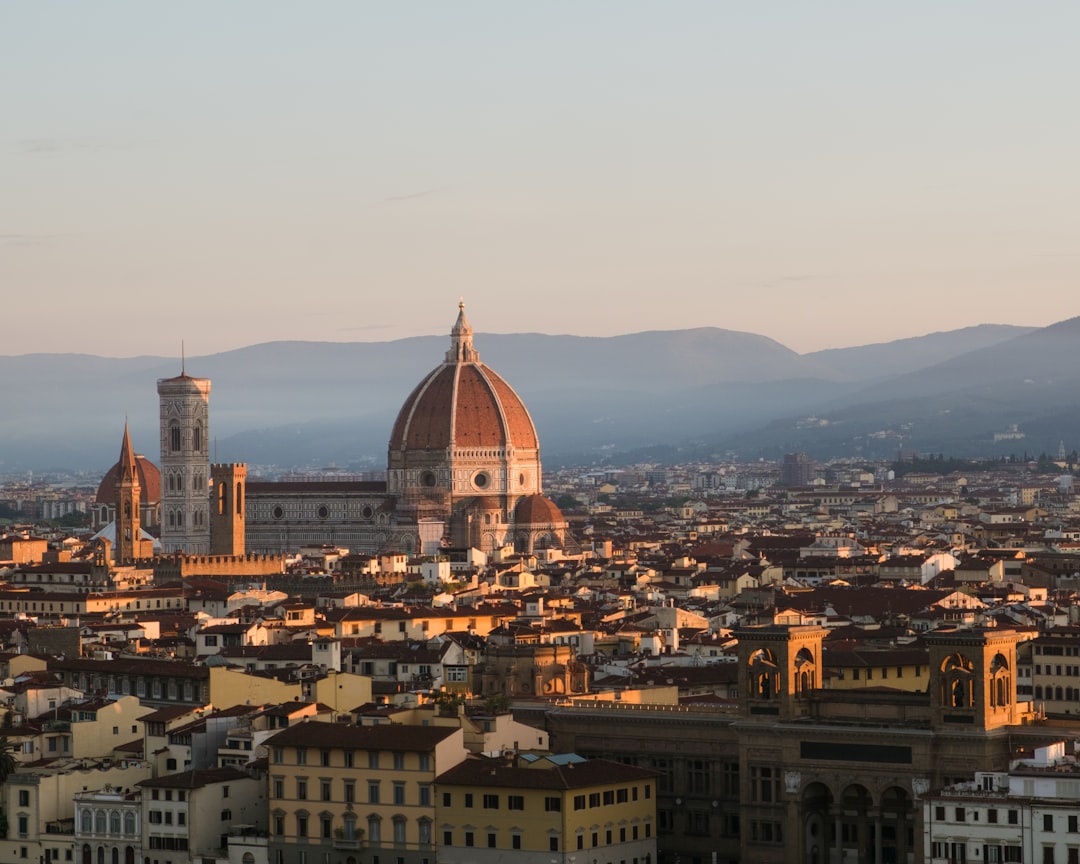
The green spaces of Florence — the Cascine park along the Arno, the hillside gardens of Bardini, the less-visited paths above Fiesole — rarely appear in algorithmic itineraries because they do not generate the same volume of reviews as ticketed attractions. They are, for this reason, among the most reliably peaceful places in the city. A morning in the Bardini Garden, looking back at the city from the hill, resets the relationship between visitor and place in a way that no queue-jump ticket can.
Il consiglio del team
The Bardini Garden (Giardino Bardini) in the Oltrarno is less well-known than the Boboli and shares a similar hillside position. It is frequently uncrowded and offers some of the best elevated views of the city.
Secret World vs Google Trips: il Miglior Planner per Firenze 2026
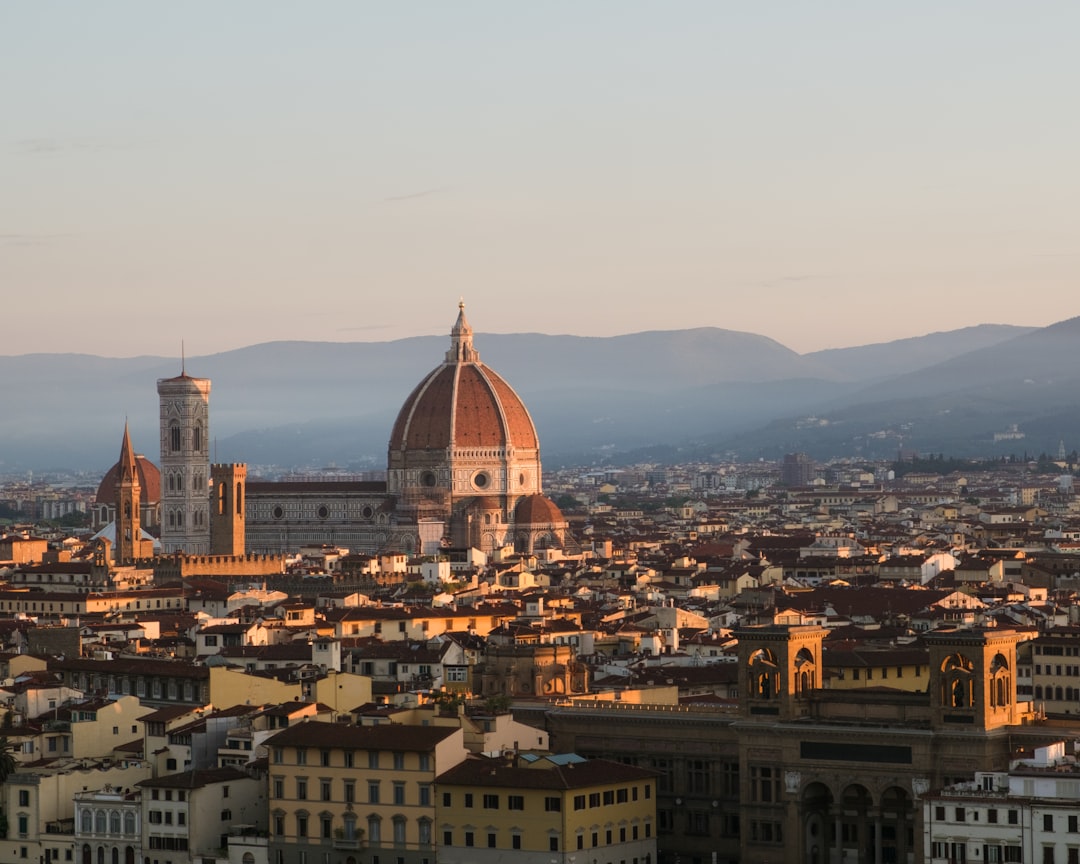
This is not a romantic argument against planning. It is a practical one. The visitor who builds one genuinely unscheduled morning into a Florence trip — no tickets, no queues, just walking in a direction that is not the Uffizi — almost invariably reports that it was the part of the trip they remember most clearly.
Il consiglio del team
The church of San Miniato al Monte, on the hill above the Piazzale Michelangelo, is one of the finest Romanesque buildings in Tuscany and is consistently less visited than its quality warrants. Walk up in the late afternoon and stay for Vespers if the monks are singing.
Florence is a city that has been looked at, painted, described, and photographed for seven centuries. It is entirely possible that there is nothing left to discover in the conventional sense. What remains, instead, is the act of looking differently: more slowly, more laterally, with more willingness to stop and less urgency to proceed.
The places in this list are not secrets. They are simply things that require a different quality of attention from the one that mass tourism tends to produce. A stone on a pavement. A face carved into a wall. A sandwich eaten standing up in a market. A beam of light crossing a cathedral floor at noon in June. None of these will appear in the highlight reel of your trip. All of them will be what you remember when the photographs have blurred together and the queues have faded from memory.
That, I think, is what a city actually is: not its monuments, but the texture of the attention you paid to it.
The places in this list are not secrets. They are simply things that require a different quality of attention from the one that mass tourism tends to produce. A stone on a pavement. A face carved into a wall. A sandwich eaten standing up in a market. A beam of light crossing a cathedral floor at noon in June. None of these will appear in the highlight reel of your trip. All of them will be what you remember when the photographs have blurred together and the queues have faded from memory.
That, I think, is what a city actually is: not its monuments, but the texture of the attention you paid to it.