Borghi&Tesori by Secret World — la più grande guida di viaggio al Mondo
En · Guida di viaggio
Guida di viaggio · Edizione 2026

15 Hidden Gems in Dublin — beyond the postcard

The city rewards those who look sideways

L
Una guida di
Lena Hofmann
Aggiornata il
13 maggio 2026
Lettura
13 minuti
Comprende
14 luoghi · mappa interattiva
15 Hidden Gems in Dublin — beyond the postcard
★ Guida d'Italia 2026

Pianifica con cura. Viaggia più a fondo.

1.3M+ luoghi curati nel mondo, mappe offline e itinerari intelligenti — tutto in un'app gratuita.

1.3M+ luoghi Mappe offline Itinerari AI Gratis
There is a particular kind of invisibility that afflicts well-known places. Dublin is full of them — buildings, institutions, and quiet corners that appear in every guidebook and yet somehow remain unseen, walked past by the very tourists who came specifically to find them. I have spent more time in this city than I care to admit, and I still catch myself noticing something I have never properly looked at before. That is not a failure of attention. It is what Dublin does.

The problem with most travel writing about Dublin is that it confuses 'famous' with 'understood.' The city's Georgian architecture gets photographed constantly and comprehended rarely. Its literary history is invoked like a spell — Joyce, Beckett, Wilde — without anyone pausing to ask where that history actually lives, physically, in stone and glass and shelved paper. Its coastal villages are technically on the DART map and yet feel, when you arrive, as though you have slipped sideways into a different country.

What follows is not a list of secrets. Most of these places have opening hours and entrance fees. Some have gift shops. What makes them feel hidden is something more interesting than obscurity: it is the gap between their reputation and their reality, between the postcard version of Dublin and the city that exists when you put the postcard down. A few entries in this list are, I will be honest, not conventional travel destinations at all — they are ideas, provocations, ways of thinking about a city that is changing faster than its mythology suggests. I have included them because Dublin in 2025 is not the Dublin of the tourist brochure, and pretending otherwise would be a disservice to both the city and the reader.
Part one — The essentials
1 Historic Site · 0.5 km

The Custom House in Dublin: the building everyone photographs and nobody reads
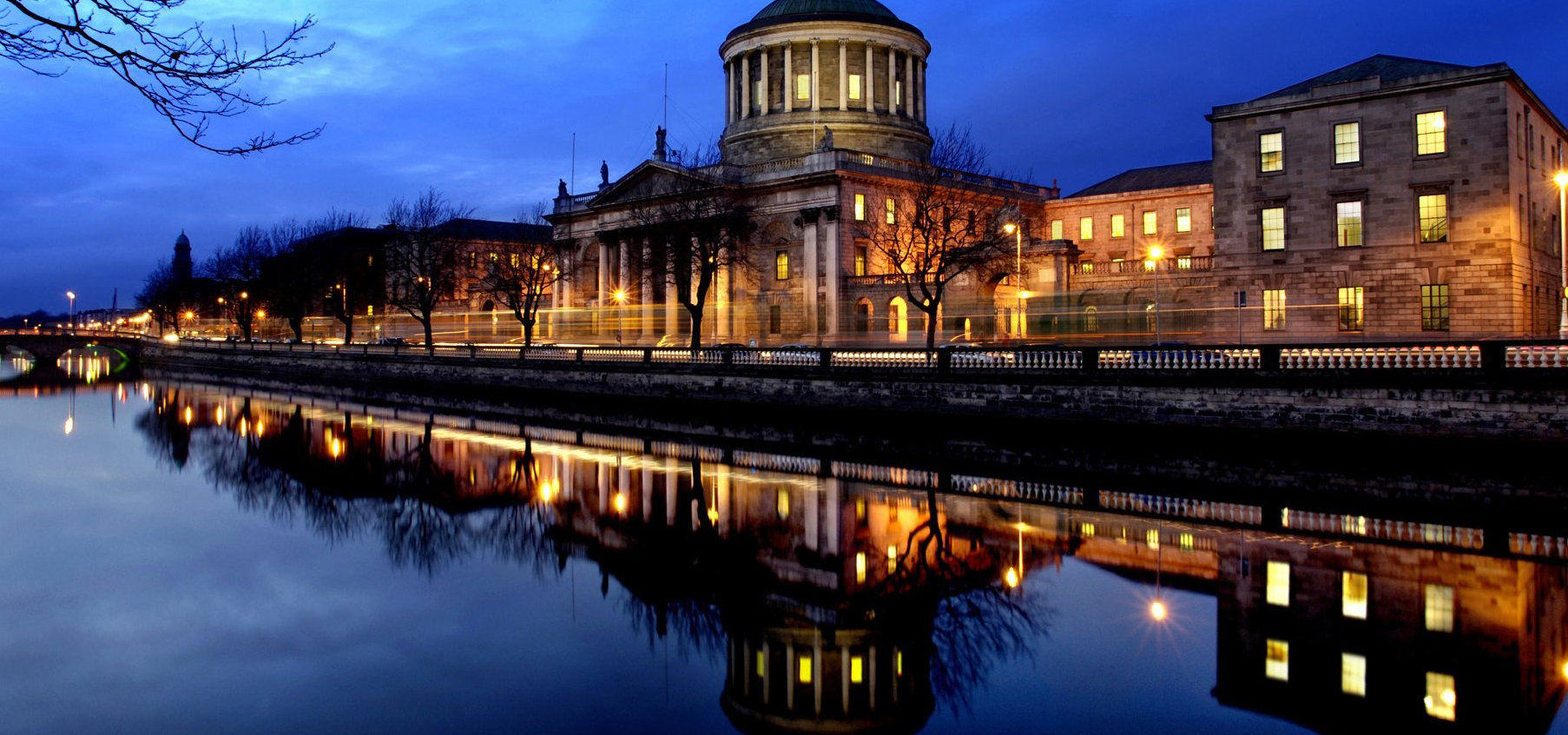
The Custom House in Dublin: the building everyone photographs and nobody reads
Perched beside the Liffey on Custom House Quay, this is one of the finest neoclassical buildings in these islands — and one of the most thoroughly ignored. Completed in 1791 to a design by James Gandon, it was built to centralise the collection of customs and excise duties, a function that made it immediately controversial and eventually made it a target: it was gutted by fire during the 1921 War of Independence. The restored building now houses government offices, which perhaps explains why most visitors treat it as a backdrop for selfies rather than a subject of study.

Look properly at the riverfront facade and you will find fourteen heads representing the rivers of Ireland carved in stone, along with allegorical figures representing the Atlantic Ocean. The detail is extraordinary. The irony is that the building's very grandeur — its refusal to be modest — causes the eye to slide off it.
Il consiglio del team Walk around to the north side, away from the river, where there is far less foot traffic and the proportions of the dome become suddenly legible. The small visitor exhibition inside is free and almost always empty.
2 Palace / Castle · 0.6 km

Dublin Castle: less fortress, more accidental museum
Dublin Castle: less fortress, more accidental museum
Located off Dame Street in the heart of the city, Dublin Castle has a political history so layered and contradictory that most visitors absorb only the surface — a courtyard, a tower, a guided tour that moves briskly. For centuries it served as the administrative seat of British rule in Ireland, which gives it a particular charge that the pleasant Georgian architecture does its best to disguise. The Record Tower, the oldest surviving part of the complex, dates to the thirteenth century and sits in quiet incongruity beside the elegant eighteenth-century State Apartments.

What most visitors miss is that the castle is not really a castle in any military sense — it was always more of a bureaucratic compound, which makes it a more honest monument to how power actually operates. The Chester Beatty Library, housed within the castle grounds, contains one of the world's great collections of manuscripts, and regularly has shorter queues than its quality deserves.
Il consiglio del team The Undercroft, accessible on the guided tour, reveals the original Viking and Norman fortifications beneath the current buildings — a genuinely disorienting experience of compressed time that the castle's polished upper floors do nothing to prepare you for.
3 Palace / Castle · 12.3 km

Ireland: The Malahide Castle: eight centuries of one family, then a tax bill
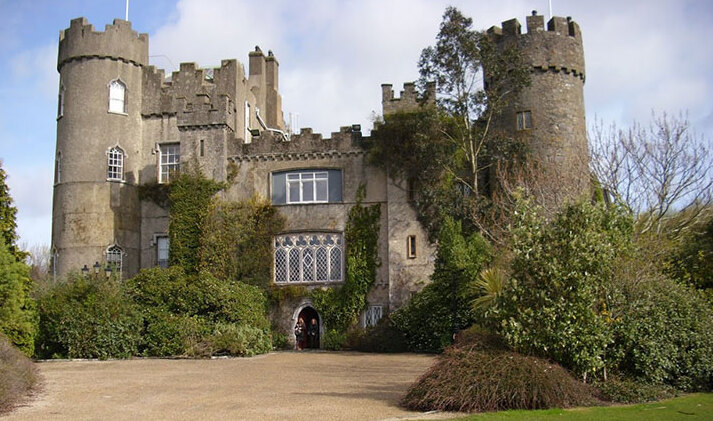
Ireland: The Malahide Castle: eight centuries of one family, then a tax bill
About thirty minutes north of Dublin by train, Malahide Castle sits inside grounds that feel improbably calm given how close they are to the city. The castle was home to the Talbot family for nearly eight hundred years — an almost absurd span of continuous occupation — until death duties in the 1970s forced the state to acquire it. That backstory alone makes it more interesting than the building's fairy-tale exterior suggests.

The restored medieval interior is genuinely atmospheric, and the surrounding parkland contains a botanical garden that rarely appears in Dublin itineraries. The village of Malahide itself, a short walk from the castle, has a quality of settled prosperity that feels entirely separate from the capital's churn — a good place to have lunch slowly and without any particular plan.
Il consiglio del team The castle's Great Hall contains a collection of portraits that includes a particularly striking set of Talbot family members who, according to local tradition, all breakfasted together on the morning of the Battle of the Boyne in 1690 — and none returned alive. The guides tell this story well, if you let them.
4 Curiosity / Outdoor · 0.9 km

Dublin | The Hungry Tree: a bench, a tree, and a slow act of consumption
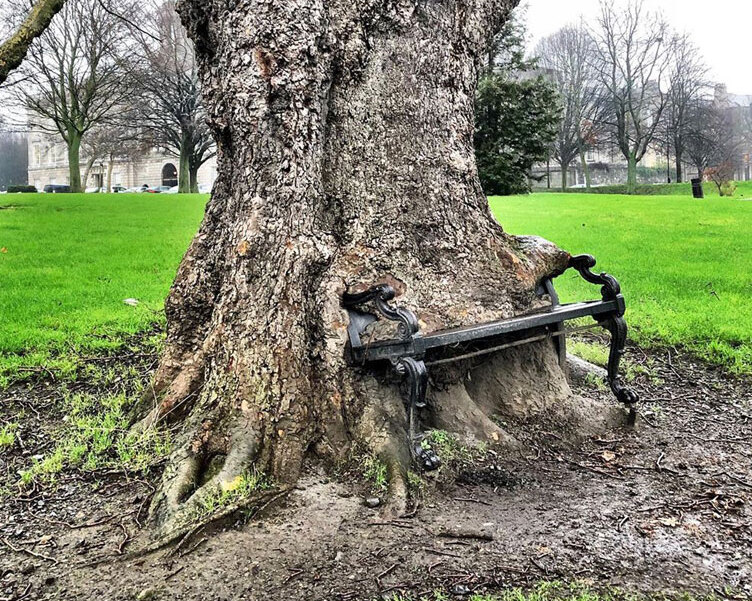
Dublin | The Hungry Tree: a bench, a tree, and a slow act of consumption
In the grounds of the King's Inns, Dublin's historic legal institution on Henrietta Street, there is an oak tree that has been slowly eating a cast-iron bench for decades. The tree has grown around the bench's armrests with the patient indifference of something that does not know it is doing anything unusual. It is, by any reasonable measure, a minor thing — a curiosity, a footnote. And yet it has a quality of quiet persistence that feels, in a city with Dublin's political and cultural weight, almost allegorical.

The King's Inns grounds are not heavily visited, which is itself a small puzzle — Henrietta Street, just outside, is one of the finest Georgian streets in Europe and has only recently begun to receive the attention it deserves. The Hungry Tree is the kind of thing you find when you are walking without a destination.
Il consiglio del team The King's Inns building itself is by Gandon, the same architect responsible for the Custom House, and the library within is occasionally open to visitors. Henrietta Street's tenement museum at number fourteen is one of the most thoughtfully curated small museums in the city.
Part two — A little deeper
5 Historic Site · 3.4 km

Kilmainham Gaol (jail): where history refuses to be comfortable
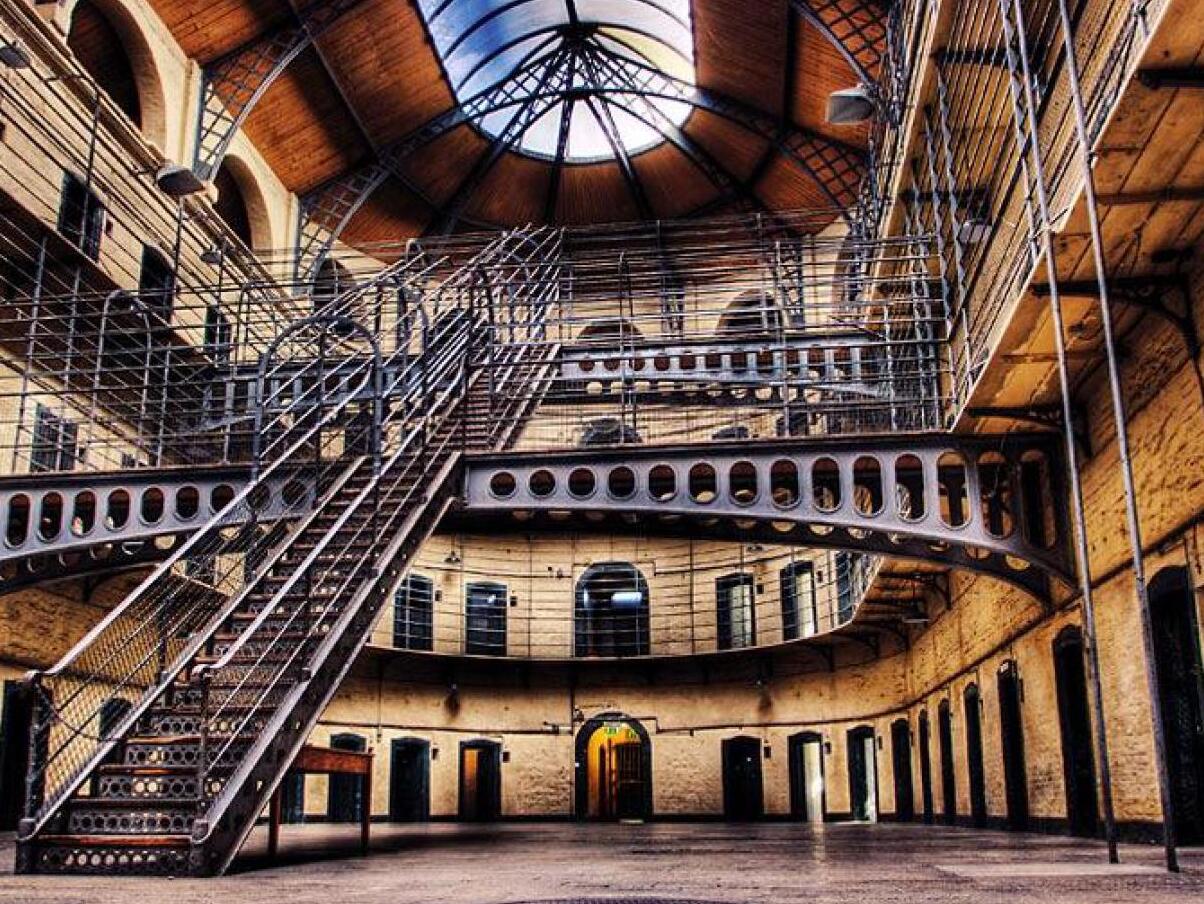
Kilmainham Gaol (jail): where history refuses to be comfortable
Kilmainham Gaol opened in 1796 and closed in 1924, and in those years it held a significant portion of Irish nationalist history within its limestone walls. The leaders of the 1916 Easter Rising were executed in the stone-breakers' yard; the building itself was left to decay after independence before volunteers restored it in the 1960s. That restoration story — citizens reclaiming a symbol of state violence and turning it into a memorial — is almost as interesting as the gaol's original history.

The building is not comfortable to visit, which is precisely the point. The east wing, with its Victorian panopticon design, is architecturally striking in a way that feels obscene given its purpose. Guided tours are the only way in, and they are conducted with a seriousness that the subject demands.
Il consiglio del team Book your tour well in advance — this is one of the most popular sites in Dublin and same-day tickets are rarely available. The small museum on the ground floor, often rushed through at the end of tours, contains documents and personal effects that reward slow reading.
6 Village / Coastal · 13.0 km

Dalkey: a place to live: the coastal village that forgot to be a tourist attraction

Dalkey: a place to live: the coastal village that forgot to be a tourist attraction
Dalkey sits about thirteen kilometres south of Dublin city centre, reachable in half an hour by DART, and it has the slightly unreal quality of a place that has been prosperous for so long that it has stopped trying to impress anyone. The village has a real, lived-in texture — independent shops, a castle that functions as a heritage centre, a main street that moves at a pace the city centre has largely abandoned. It has been home to a disproportionate number of Irish writers and musicians, though the locals are too well-mannered to make much of this.

The coastal path from Dalkey towards Killiney is one of the better walks in the greater Dublin area, with views across the bay that shift dramatically depending on the weather. The weather, in Ireland, can be relied upon to shift.
Il consiglio del team Coliemore Harbour, a short walk from the village centre, looks across to Dalkey Island — a small uninhabited island with a Martello tower and the ruins of a church. Boat trips run from the harbour in summer and are rarely crowded.
7 Lighthouse · 13.9 km

The Baily Lighthouse: the light at the end of the peninsula
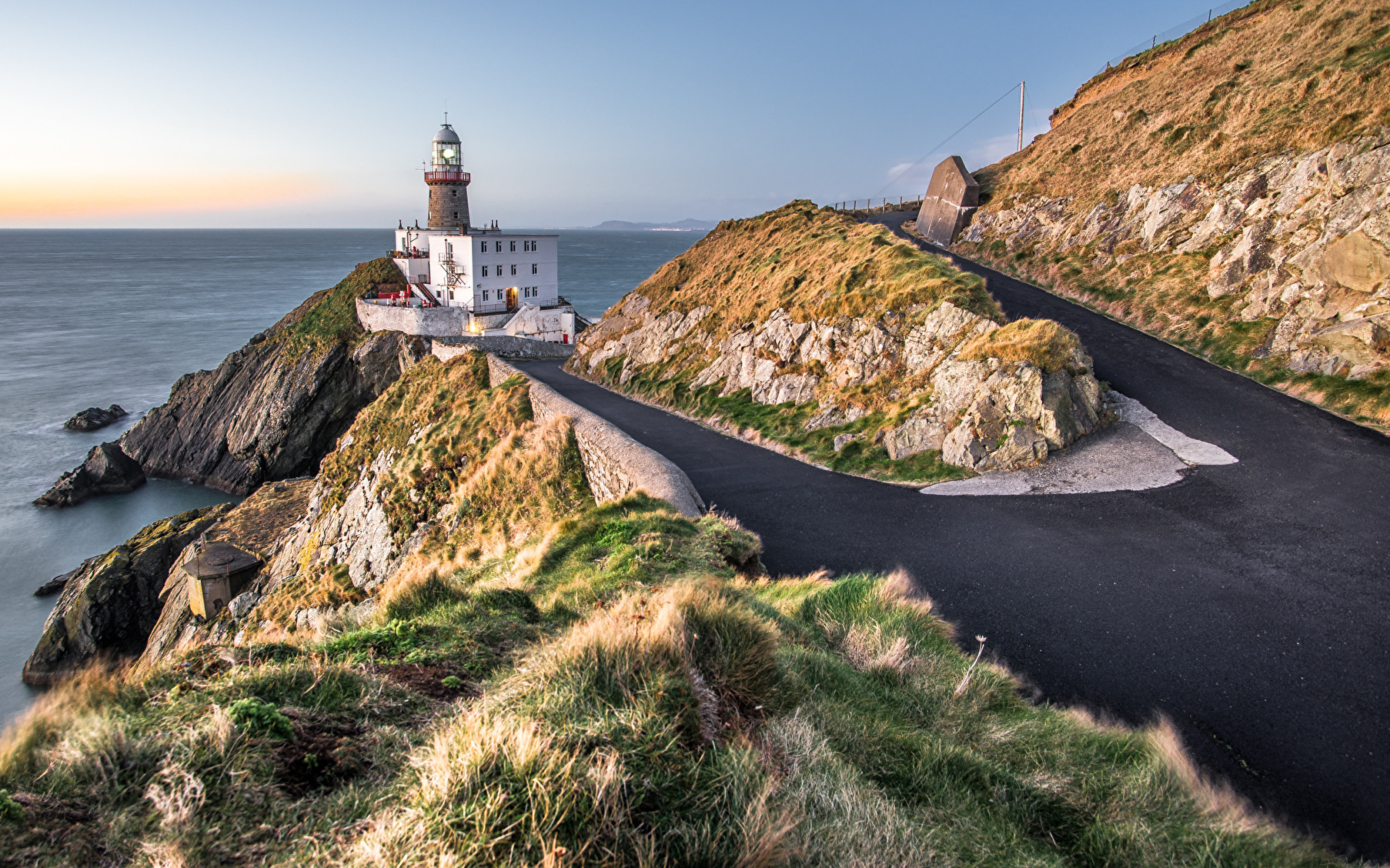
The Baily Lighthouse: the light at the end of the peninsula
Built in 1814 on a rocky promontory on the Howth peninsula, the Baily Lighthouse stands 134 feet above the sea and has been guiding ships into Dublin Bay for over two centuries. It is not accessible to the general public in the conventional sense — the lighthouse itself is operational and managed by Irish Lights — but the walk along the Howth cliff path that brings you within sight of it is among the finest short walks accessible from any European capital city.

Howth itself, the fishing village at the end of the peninsula, is well known to Dubliners and considerably less known to visitors who confine themselves to the city centre. The harbour, the cliff walk, the summit views, and the lighthouse at the far point of the headland form a coherent half-day that requires almost no planning.
Il consiglio del team The cliff walk from Howth village to the lighthouse and back takes roughly two to three hours at an unhurried pace. Wear shoes with grip — the path is genuine coastal terrain, not a manicured promenade, and the rocks are honest about being wet.
8 Art / Museum / Library · 0.5 km

The gorgeous Library of Trinity College Dublin: the book of Kells is the alibi, not the point
The gorgeous Library of Trinity College Dublin: the book of Kells is the alibi, not the point
The Long Room at Trinity College Library is one of the great interior spaces in Europe — sixty-five metres of barrel-vaulted ceiling, dark oak galleries, and approximately two hundred thousand of the library's oldest books. Most visitors arrive for the Book of Kells, the ninth-century illuminated manuscript displayed in the Treasury below, and treat the Long Room as a bonus. This is the wrong order of priorities. The manuscript is extraordinary, but it is small, enclosed in glass, and surrounded by people. The Long Room is vast, and in it you can breathe.

Trinity College Library is the largest library in Ireland and holds legal deposit status, meaning it receives a copy of every book published in Ireland and the United Kingdom. The weight of that accumulation is somehow present in the room.
Il consiglio del team The least crowded time to visit is mid-morning on a weekday in autumn or winter. Pre-booking is essential year-round. The college itself — the grounds, the campanile, the cobbled squares — is free to walk through and worth an hour of unhurried wandering.
Part three — Off the obvious path
9 Art / Museum · 0.6 km

Dublin City Gallery: the Hugh Lane and the studio that arrived in pieces
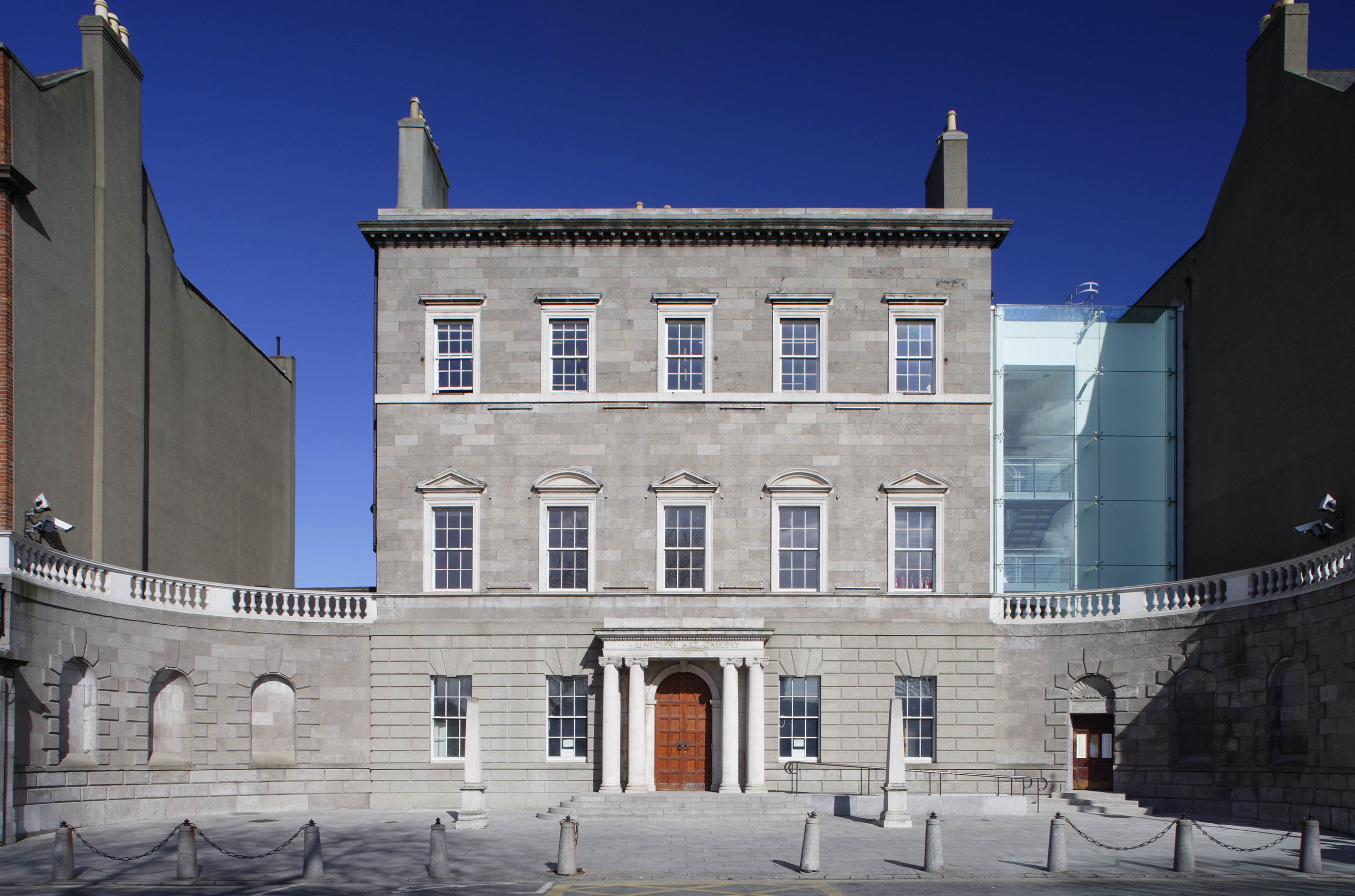
Dublin City Gallery: the Hugh Lane and the studio that arrived in pieces
The Dublin City Gallery, known as the Hugh Lane, occupies Charlemont House on Parnell Square — a Georgian townhouse that feels appropriately intimate for a collection of this quality. The gallery first opened in 1908 and houses a superb collection of modern and contemporary Irish and international art, including works by Manet, Monet, and Renoir alongside a strong Irish twentieth-century collection. The admission is free, which may partly explain why it is not taken quite as seriously as it should be.

The gallery's most singular possession is the reconstructed studio of Francis Bacon, transported piece by piece from London and reinstalled here with forensic accuracy. The chaos of the studio — the torn canvases, the paint-encrusted surfaces, the thousands of catalogued fragments — is a more vivid portrait of the artist than any biography.
Il consiglio del team The Francis Bacon studio is viewable through a glass wall rather than entered directly, which initially frustrates and then makes complete sense — you are looking at a preserved working environment, not a display. Allow more time than you think you need.
11 Religious Site · 1.4 km

Saint Patrick Church in Dublino: the cathedral that Swift made his own
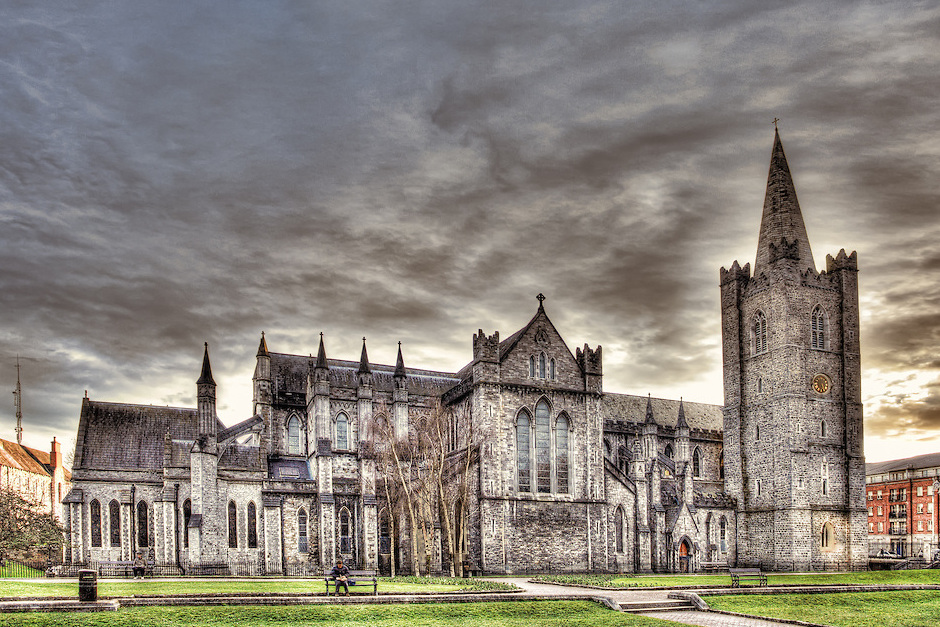
Saint Patrick Church in Dublino: the cathedral that Swift made his own
Construction of Saint Patrick's Cathedral began in the twelfth century, and it was elevated to cathedral status in 1224. It is the largest church in Ireland, built in English Gothic style, and it sits in a part of the city — the Liberties — that has its own distinct character, distinct from the Georgian northside and the tourist southside. Jonathan Swift served as Dean of Saint Patrick's from 1713 until his death in 1745, and his presence is still felt here in a way that is more than merely commemorative: his tomb is in the nave, and the epitaph he wrote for himself — translated from Latin, it speaks of going where 'fierce indignation can no longer tear the heart' — is one of the great pieces of prose in the English language.

The cathedral's choir school is one of the oldest in Ireland, and choral services, when they occur, transform the acoustic of the building.
Il consiglio del team The cathedral charges an entry fee, which many visitors resent and which funds the ongoing maintenance of a medieval building in a damp climate. The fee is reasonable. Go on a weekday morning when tour groups are sparse and the light through the west window is at its most useful.
12 Parks & Gardens / Experiential · 0.0 km

Secret World recensione 2026: testato a Dublino, vale davvero?: the question behind the review
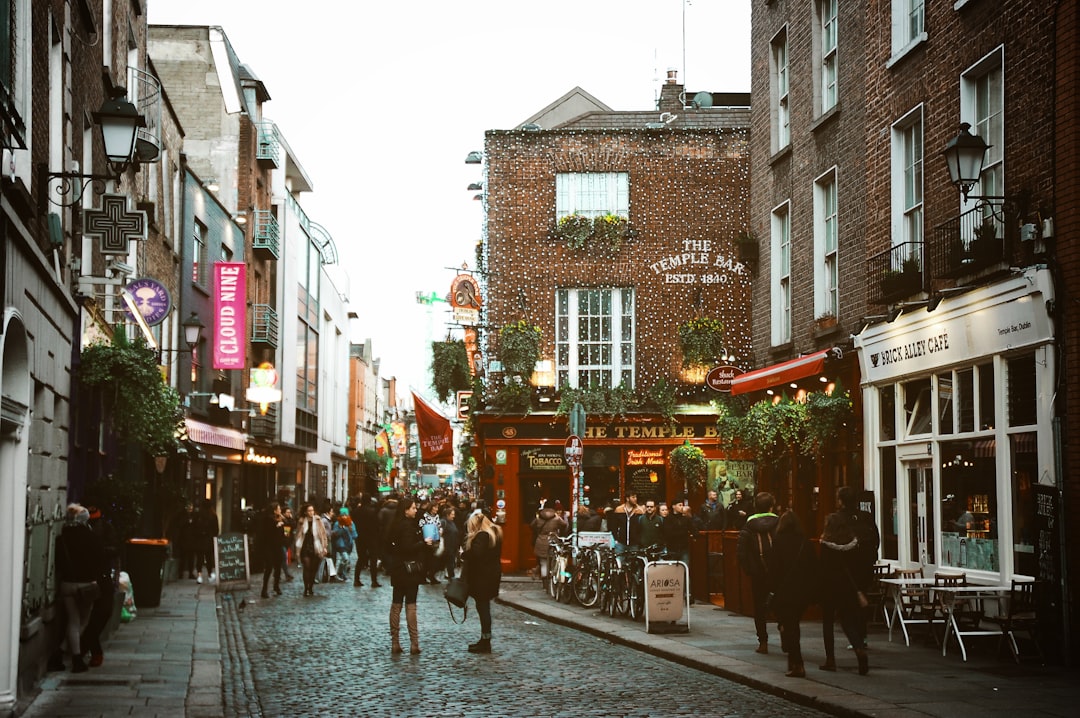
Secret World recensione 2026: testato a Dublino, vale davvero?: the question behind the review
There is a particular genre of travel content — the tested review, the 'does it deliver?' format — that has become the dominant mode through which people now approach cities. This entry is, in a sense, a placeholder for that genre itself: the impulse to arrive in Dublin with a list as long as the Liffey and to move through the city in a spirit of auditing rather than attention. The three-day Dublin itinerary that tries to cover Trinity, Kilmainham, the Guinness Storehouse, Temple Bar, and a day trip is a real phenomenon, and it produces a real kind of exhaustion.

What the review format misses is that Dublin's texture — its particular quality of being a small city with an outsized literary and political self-consciousness — reveals itself in gaps and pauses, not in the completion of lists. The 'secret world' of Dublin is not a place. It is a pace.
Il consiglio del team If you find yourself in Dublin with three days and a long list, consider abandoning the list after day one. Walk without a destination on day two. The city will show you something the reviews missed.
13 Parks & Gardens / Conceptual · 0.0 km

Come pianificare un viaggio a Dublino con l'AI nel 2026: the algorithm and the city it cannot quite see
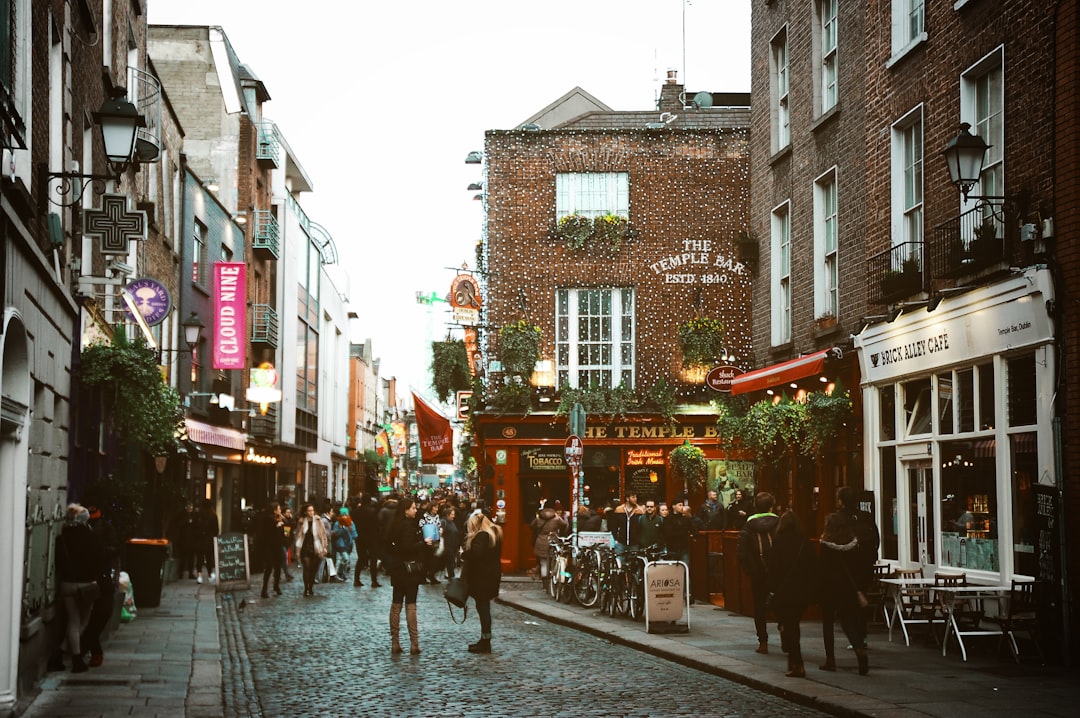
Come pianificare un viaggio a Dublino con l'AI nel 2026: the algorithm and the city it cannot quite see
Planning a trip to Dublin with artificial intelligence in 2026 is, technically, straightforward. The tools are capable, the itineraries they generate are coherent, and the practical information — transport, opening hours, booking requirements — is largely accurate. What the algorithm cannot do is tell you why a particular Tuesday afternoon in October, walking along the North Wall Quay with the light going flat over the Liffey, feels like something worth having come for. That quality is not in any database.

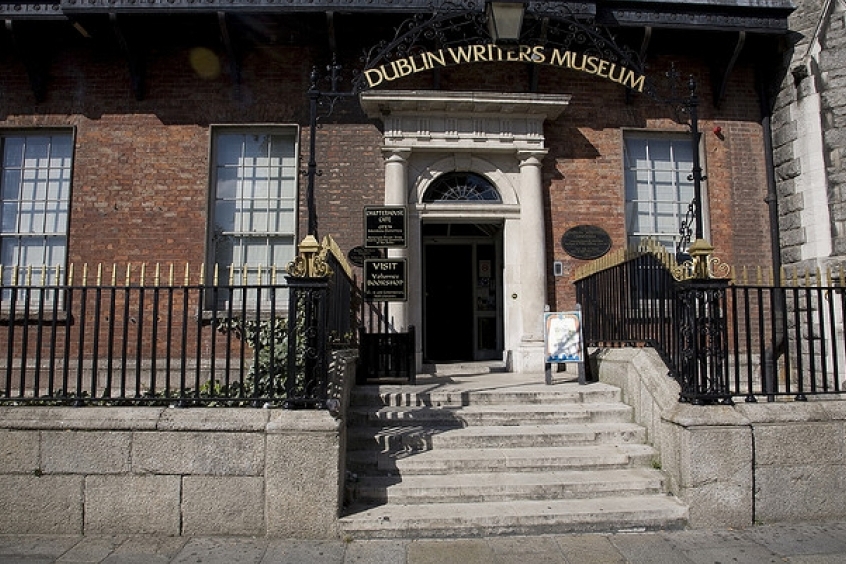
This is not a criticism of the tools — it is a description of what travel writing is still for. The AI can optimise your route between the Custom House and the Writers Museum. It cannot tell you to stop walking and look at the river for ten minutes without a reason. That instruction has to come from somewhere else.
Il consiglio del team Use AI planning tools for logistics — transport, booking windows, neighbourhood orientation — and use your own instincts for everything else. The two are not in competition.
Part four — Around and beyond
14 Parks & Gardens / Practical · 0.0 km

Viaggio a Dublino: Consigli Pratici e Itinerari per il 2026: the practical city and its inconvenient richness
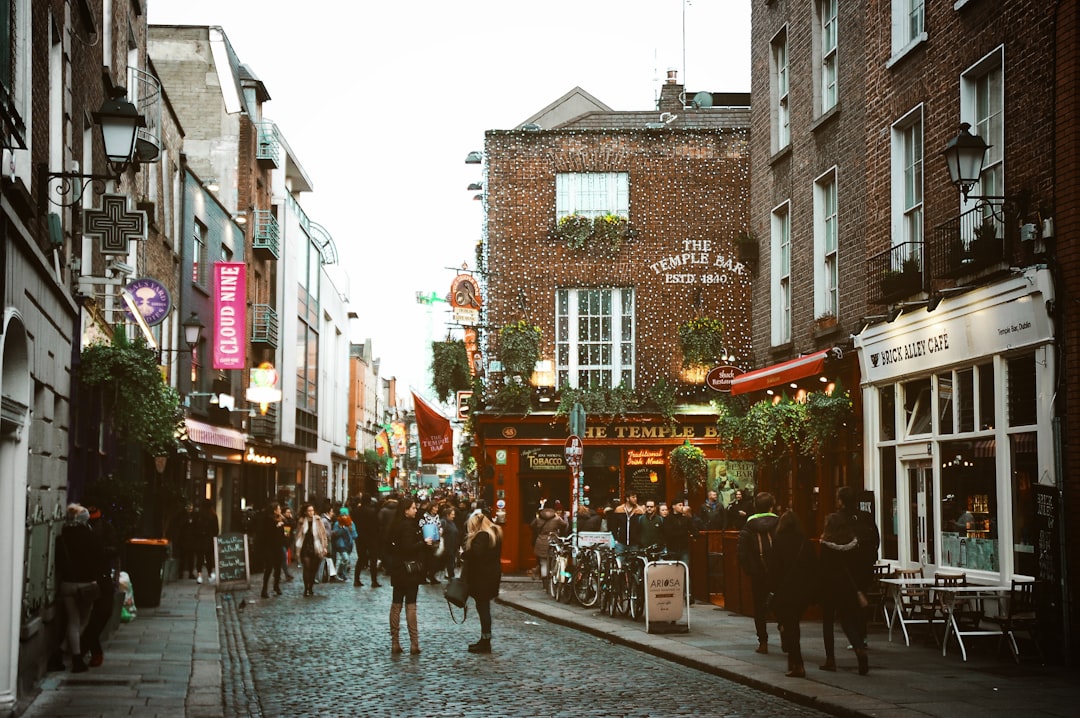
Viaggio a Dublino: Consigli Pratici e Itinerari per il 2026: the practical city and its inconvenient richness
Dublin in 2026 is a city navigating a particular kind of tension: it is historically rich, physically compact, and increasingly expensive in ways that affect both residents and visitors. Practical advice for a trip to Dublin has to reckon with this honestly. Accommodation costs have risen significantly. The city centre is walkable, which helps. The DART coastal rail line is one of the great underused assets of any European city — for the price of a local train ticket, it connects the city to Howth in the north and Bray in the south, passing through Dalkey, Killiney, and a coastline that requires no further recommendation.

The practical city and the atmospheric city are not separate things. Knowing that the National Museum of Ireland has free admission, or that Parnell Square has three significant cultural institutions within fifty metres of each other, is itself a kind of cultural knowledge.
Il consiglio del team A Leap Card — the reloadable transport card used across Dublin's bus, DART, and Luas tram networks — pays for itself within a day if you are moving between the city centre and the coastal suburbs. Get one at the airport or any newsagent.
15 Parks & Gardens / Conceptual · 0.0 km

Come Pianificare un Viaggio a Dublino nel 2026 con l'AI: the city that exists before the plan
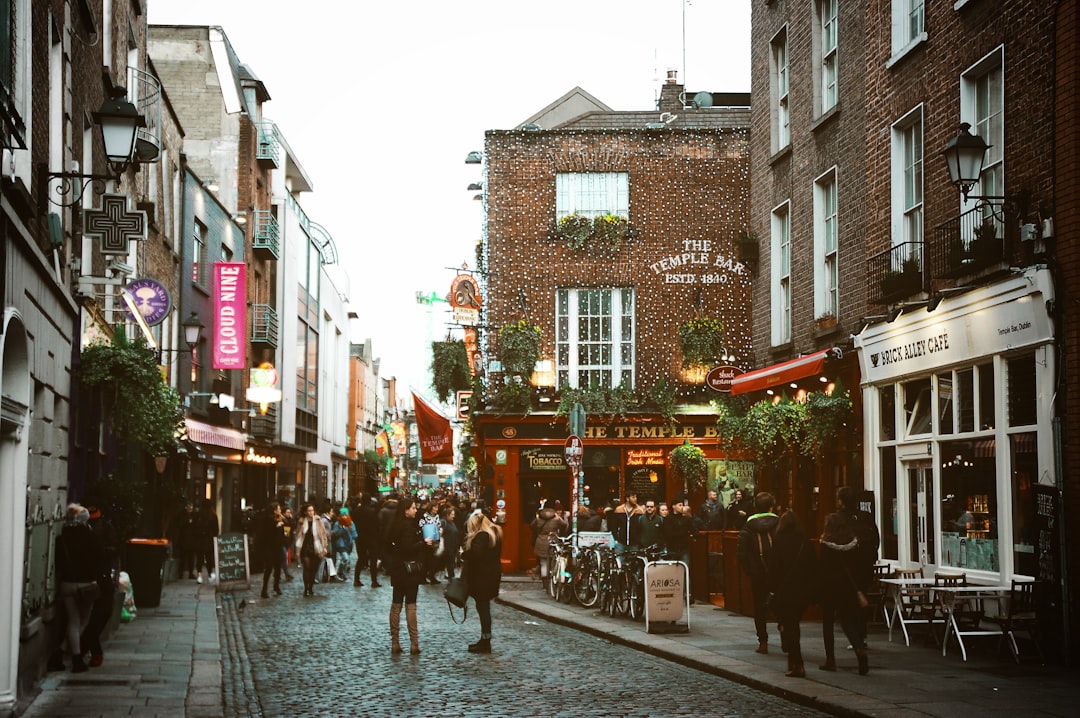
Come Pianificare un Viaggio a Dublino nel 2026 con l'AI: the city that exists before the plan
Dublin is a city rich in history, culture, and a vibrant atmosphere that draws visitors from across the world — and this is true, and it is also the kind of sentence that could describe forty other cities without changing a word. The particular truth about Dublin is harder to summarise: it is a city that has been talking about itself, in print and in pubs, for long enough that it has developed a slight ironic awareness of its own mythology. The Joycean Dublin, the rebel Dublin, the literary Dublin — these are real, and they are also costumes the city wears with varying degrees of conviction.

Planning a perfect trip to Dublin in 2026 begins, perhaps, with accepting that perfection is not available and that the interesting version of the city will require some tolerance for weather, ambiguity, and the occasional closed door.
Il consiglio del team Leave at least one afternoon in your itinerary with no booking, no destination, and no particular intention. Dublin is a city that rewards the unscheduled hour more reliably than almost anywhere else I have spent time.
I have been writing about cities long enough to be suspicious of the word 'discover.' Nobody discovers Dublin. It has been written about, sung about, argued over, and mythologised for centuries, and it will continue to be long after the current wave of visitors has moved on to somewhere newer. What travel can offer is not discovery but attention — the practice of looking at something that is already there and actually seeing it.

The places in this list are not secrets. Several of them are in every guidebook ever printed about the city. What makes them worth returning to — and worth visiting for the first time with some care — is the gap between their reputation and their reality, between the version of Dublin that exists in the cultural imagination and the city that is standing there, in the rain, on a Tuesday, waiting to be looked at properly.

Dublin rewards the curious and mildly inconveniences the incurious. That seems like a fair arrangement.
★ Guida tascabile

Porta questa guida con te.

Salvala offline, ottieni le indicazioni a piedi e scopri migliaia di luoghi come questi.

Salva offline Percorsi smart Tesori nascosti
App Store Google Play AppGallery

Tutti i luoghi sulla mappa

Dati cartografici © OpenStreetMap contributors.

Domande dei lettori

Le domande più frequenti su questa guida.

What is the best way to get between Dublin city centre and the coastal villages like Dalkey and Howth?

The DART (Dublin Area Rapid Transit) coastal rail line is the most practical option and also one of the most scenic short rail journeys in Ireland. Dalkey is roughly 30 minutes south of the city centre; Howth is about 30 minutes north. A Leap Card gives you the cheapest fare and works across buses, DART, and the Luas tram network.

Do I need to book the Trinity College Library and the Book of Kells in advance?

Yes, pre-booking is strongly recommended year-round and effectively essential during summer months and school holidays. Tickets sell out days or weeks in advance during peak season. Book directly through the Trinity College Dublin website to avoid third-party markups.

Is Kilmainham Gaol accessible without a guided tour?

No — entry to Kilmainham Gaol is by guided tour only, and tours must be booked in advance through the official Heritage Ireland website. Same-day tickets are rarely available. The tour lasts approximately one hour and covers the main cell blocks, the execution yard, and the ground-floor museum.

Which major Dublin attractions are free to enter?

The Dublin City Gallery (Hugh Lane) on Parnell Square is free. The National Museum of Ireland has multiple sites, all free, including the Archaeology and Decorative Arts collections. The Chester Beatty Library at Dublin Castle is free. Trinity College grounds are free to walk through, though the Library and Book of Kells exhibition charge admission.

How many days do I realistically need to see Dublin properly?

Three days covers the city centre comfortably if you are selective; four or five days allows for day trips to Malahide, Dalkey, or Howth without feeling rushed. The temptation to compress everything into two days is understandable but produces a particular kind of exhausted non-experience. Dublin is a walking city, and walking takes time.

★ Leggila quando vuoi

Salvala sul tuo telefono.

Aggiungi questa guida ai preferiti, pianifica il viaggio offline, scopri luoghi come questi.

Preferiti Offline 60+ lingue
App Store Google Play AppGallery