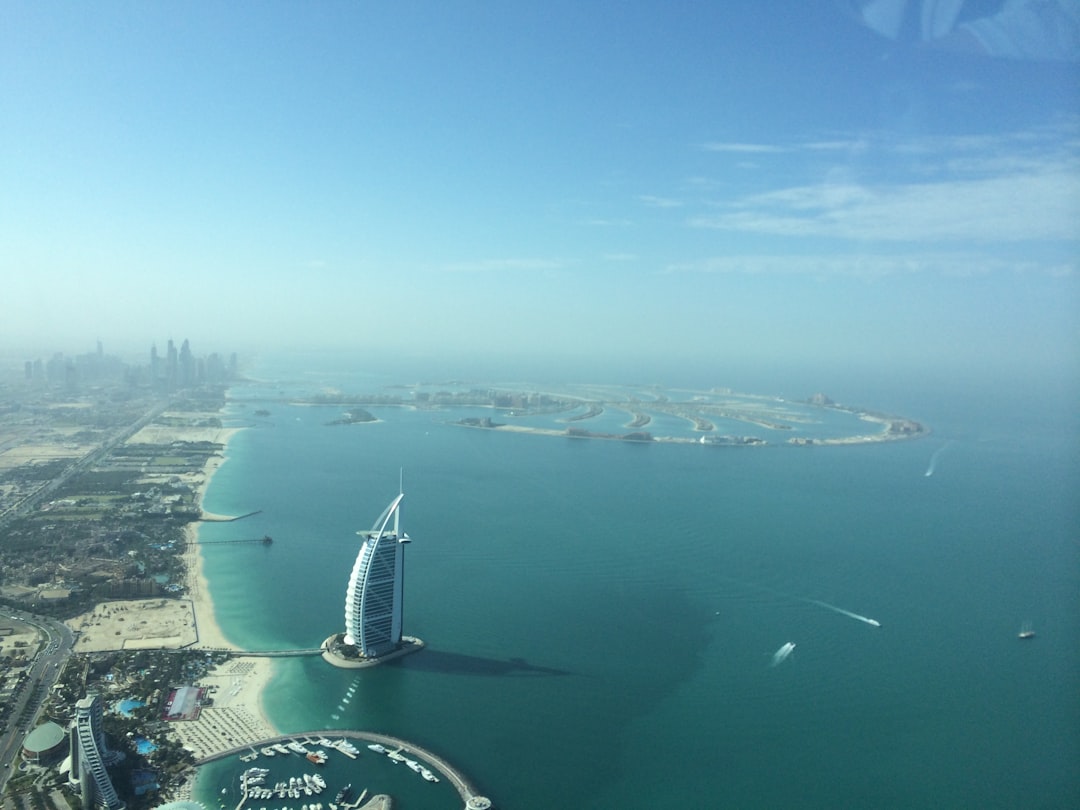
A city that performs spectacle so loudly it accidentally conceals itself
L
Una guida di
Lena Hofmann
Aggiornata il
17 giugno 2026
Lettura
12 minuti
Comprende
13 luoghi · mappa interattiva
★ Guida d'Italia 2026
Pianifica con cura. Viaggia più a fondo.
1.3M+ luoghi curati nel mondo, mappe offline e itinerari intelligenti — tutto in un'app gratuita.
1.3M+ luoghiMappe offlineItinerari AIGratis
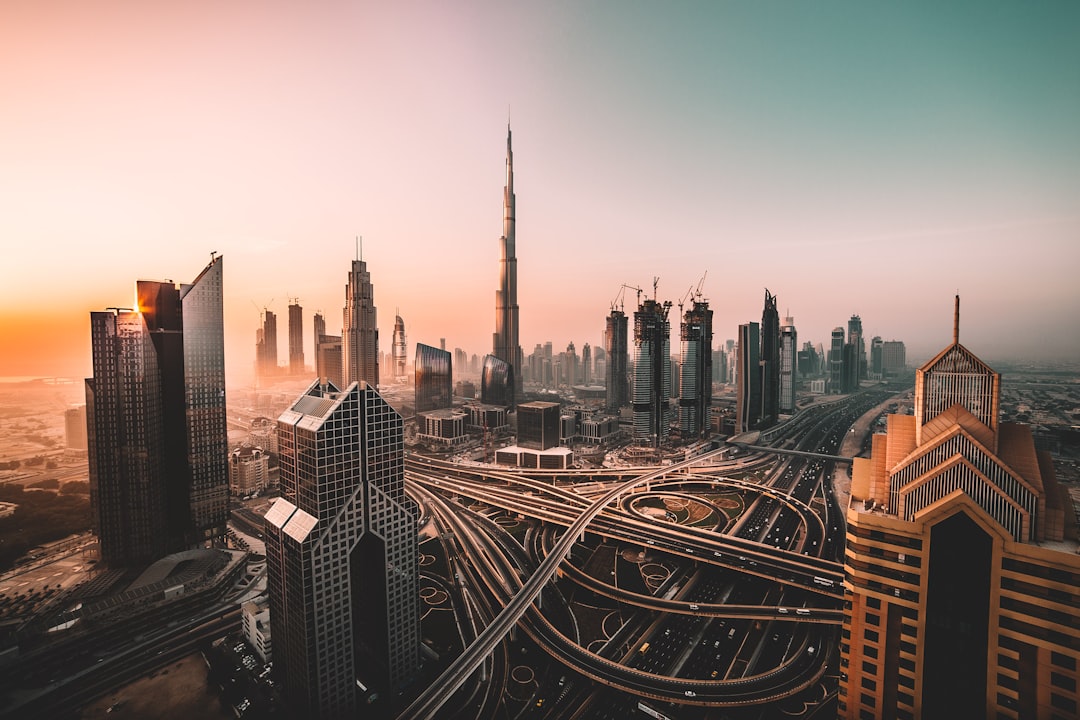
There is a particular kind of invisibility that belongs only to famous places. Dubai has perfected it. The city spends so much energy announcing itself — the tallest, the largest, the most expensive — that the announcement becomes the wallpaper, and everything behind it disappears. I have been coming here for years, and I still catch myself walking past something genuinely worth stopping for because the skyline is doing something distracting seventeen blocks away.
The places I want to write about are not unknown. That would be dishonest, and dishonesty is the first sin of travel writing. What they are is systematically underattended — skipped by the tourist who has already filled their itinerary with the obvious, and overlooked by the expat who stopped being curious about the city six months after they arrived. They exist in the gap between the postcard and the experience, which is, frankly, where all the interesting things live.
Dubai is also a city that punishes the unplanned. Distances are deceptive. The heat is not metaphorical. A neighbourhood that looks adjacent on a map can be forty minutes by car in traffic. So part of what makes something feel hidden here is not obscurity but logistics — the friction of actually getting there, the absence of a queue telling you it's worth it, the lack of a famous photograph to validate your visit.
What follows is not a checklist. It is closer to a set of arguments for paying attention differently. Some of these places are grand. Some are modest. All of them reward the traveller who arrives without expecting to be impressed.
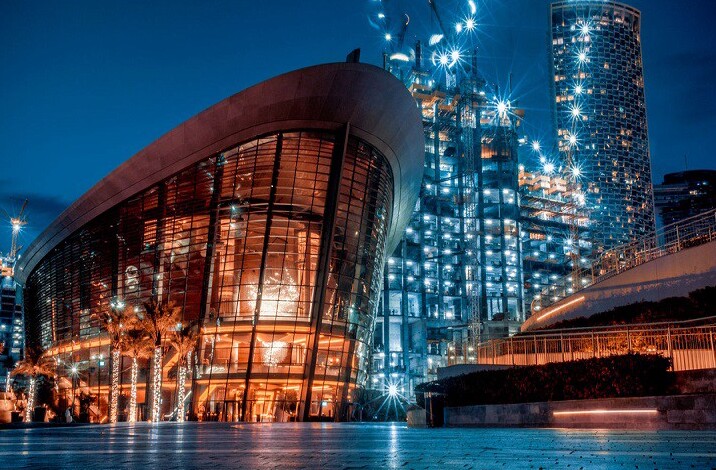
Most visitors to Downtown Dubai photograph the Burj Khalifa from the fountain plaza and consider the architecture question settled. They are missing the building directly behind them. Dubai Opera was designed to evoke the hull of a traditional dhow, the wooden sailing vessels that have worked the Gulf for centuries, and the reference is not merely decorative — the entire structure opens at both ends like a boat's hold, flooding the interior with light or sealing it for performance depending on the occasion. The programming is genuinely eclectic: opera shares the calendar with stand-up comedy, classical orchestras, and contemporary dance. It is one of the few venues in the city where the architecture and the programme are equally ambitious.
The building rewards a slow exterior walk at dusk, when the cladding shifts colour and the fountain show begins across the water without anyone asking you to pay attention to it.
Il consiglio del team
The terrace bar on the upper level is accessible without a performance ticket on most evenings. It offers one of the better elevated views of the Burj Khalifa that does not involve queuing for an elevator.
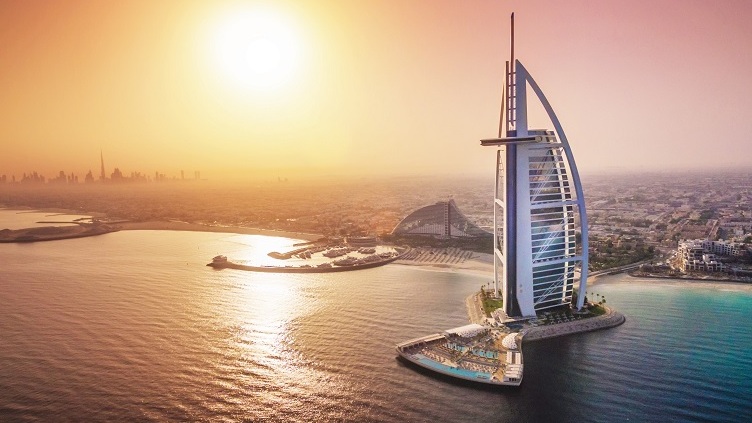
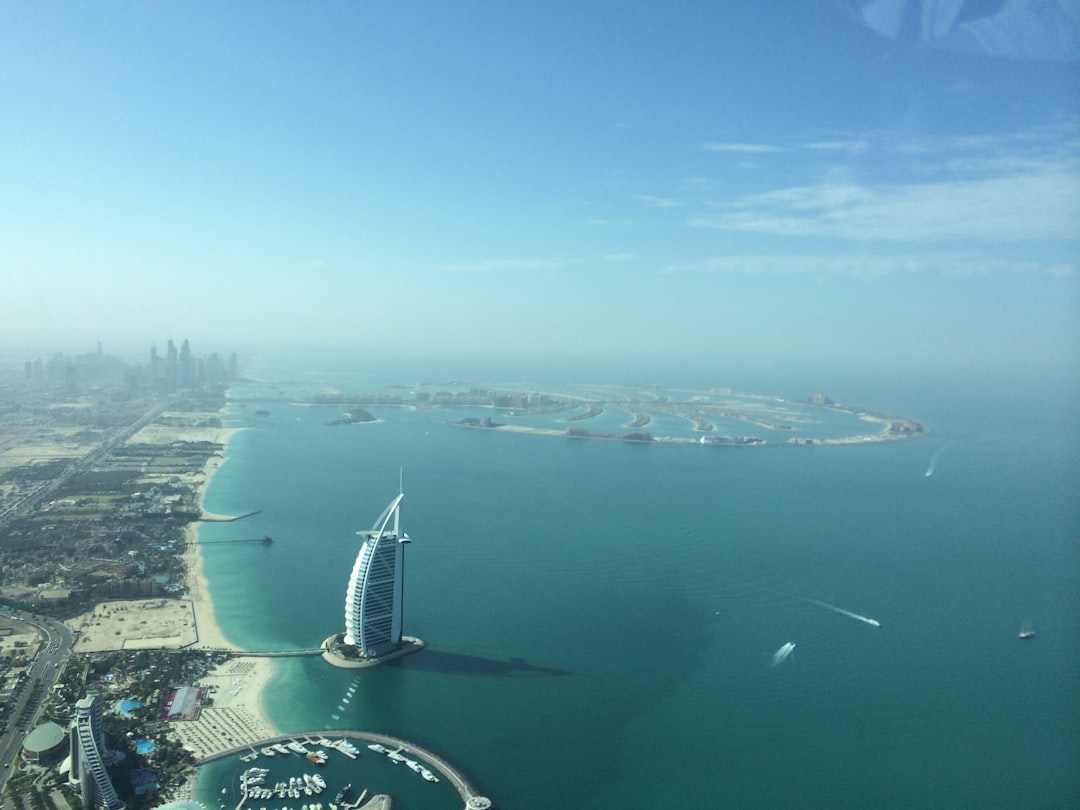
It seems perverse to include the Burj al-Arab in an article about overlooked places. But here is the thing: almost everyone photographs it from the beach road and almost no one gets close enough to understand what it actually is. Built on an artificial island 280 metres offshore, shaped to suggest a dhow's sail, the tower is a piece of structural theatre that rewards proximity. The engineering required to build a hotel on a purpose-made island in the Gulf — and to make that island stable enough to carry a 321-metre structure — is a story that the postcard version entirely omits.
The interior, which relatively few visitors enter, is a maximalist exercise in the design language of early-2000s luxury that has since become its own period style — neither dated nor timeless, but genuinely specific to a moment in Dubai's self-invention.
Il consiglio del team
An afternoon tea reservation is the most affordable way to access the interior legally. Book well in advance and treat it as an architectural visit with refreshments, not the other way around.
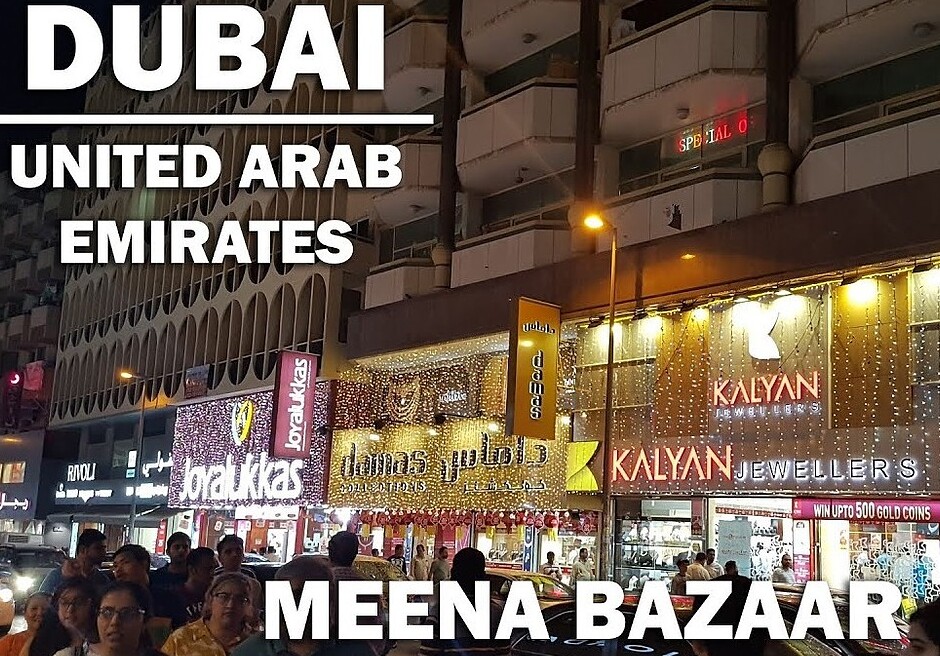
The conversation about Dubai shopping begins and ends with malls, which means Meena Bazaar exists in a kind of deliberate blind spot. Located along Al Ghubaiba Road, this is a street-level commercial district that operates at a different speed and temperature than anything in Downtown. The shops — selling fabric, jewellery, household goods, and clothing — line both sides of the road in a density that feels closer to Mumbai or Karachi than to the sanitised retail environments Dubai is internationally known for. The clientele is largely South Asian, the prices are negotiable, and the experience of simply walking through it is one of the more honest encounters with the city's actual demographic complexity.
This is Dubai before the rebranding — functional, layered, and entirely indifferent to tourism.
Il consiglio del team
Go on a weekday morning before the heat peaks. The area around Al Ghubaiba metro station connects you to Bur Dubai's older districts, which are worth exploring on the same visit.
The Gold Souk in Deira is sometimes described as a tourist attraction, which is both accurate and misleading. It is also a functioning commercial market where residents of Dubai and the wider region come to buy gold jewellery at prices that are directly tied to the daily international gold rate — a transparency that is posted publicly and is non-negotiable on the base metal price, even if the craftsmanship premium is. Over 300 retailers trade under a covered arcade that has been here in various forms since the mid-twentieth century, and the sheer volume of gold on display — necklaces, bangles, rings stacked in lit vitrines — creates an atmosphere that is genuinely unlike any other shopping environment in the world.
It is also, notably, one of the few places in Dubai where the experience has not been aesthetically curated for an international audience.
Il consiglio del team
Bring cash and know the day's gold rate before you arrive — it is easily found online. The rate applies to the metal; the making charge is where there is room for discussion.
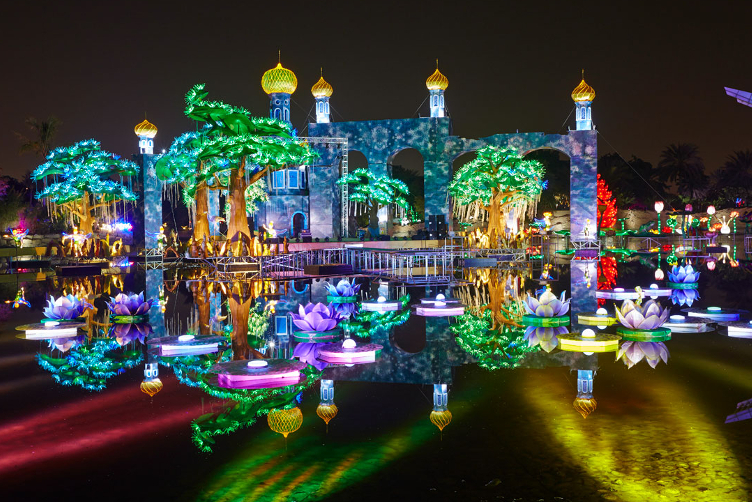
Dubai Garden Glow occupies a section of Zabeel Park and operates on a principle that is refreshingly unpretentious: cover a large area with illuminated sculptures and let families walk through it. The installation uses recycled materials — reportedly millions of energy-saving bulbs — to create figures, landscapes, and environments that are vivid without being technically sophisticated. It is not trying to be an art installation in the contemporary sense. It is trying to be a pleasant evening out for residents of a city where outdoor public space is underused for most of the year due to heat.
What makes it quietly interesting to the informed traveller is precisely this local orientation. The crowd here is not the Downtown crowd. It is families from across the city's residential districts, and the atmosphere is correspondingly relaxed and unhurried.
Il consiglio del team
The park is best visited on a weeknight. Weekends draw larger crowds and the pathways between installations can become congested. Arrive after 7pm when the illuminations are at their most effective.
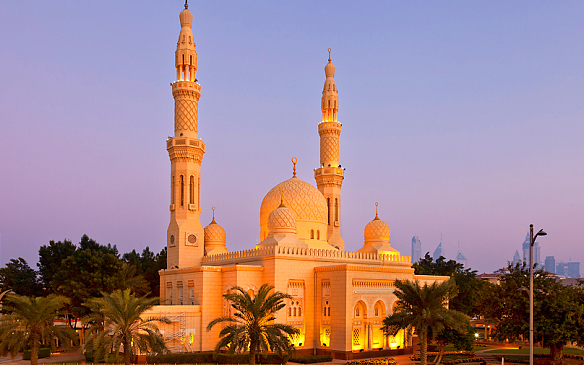
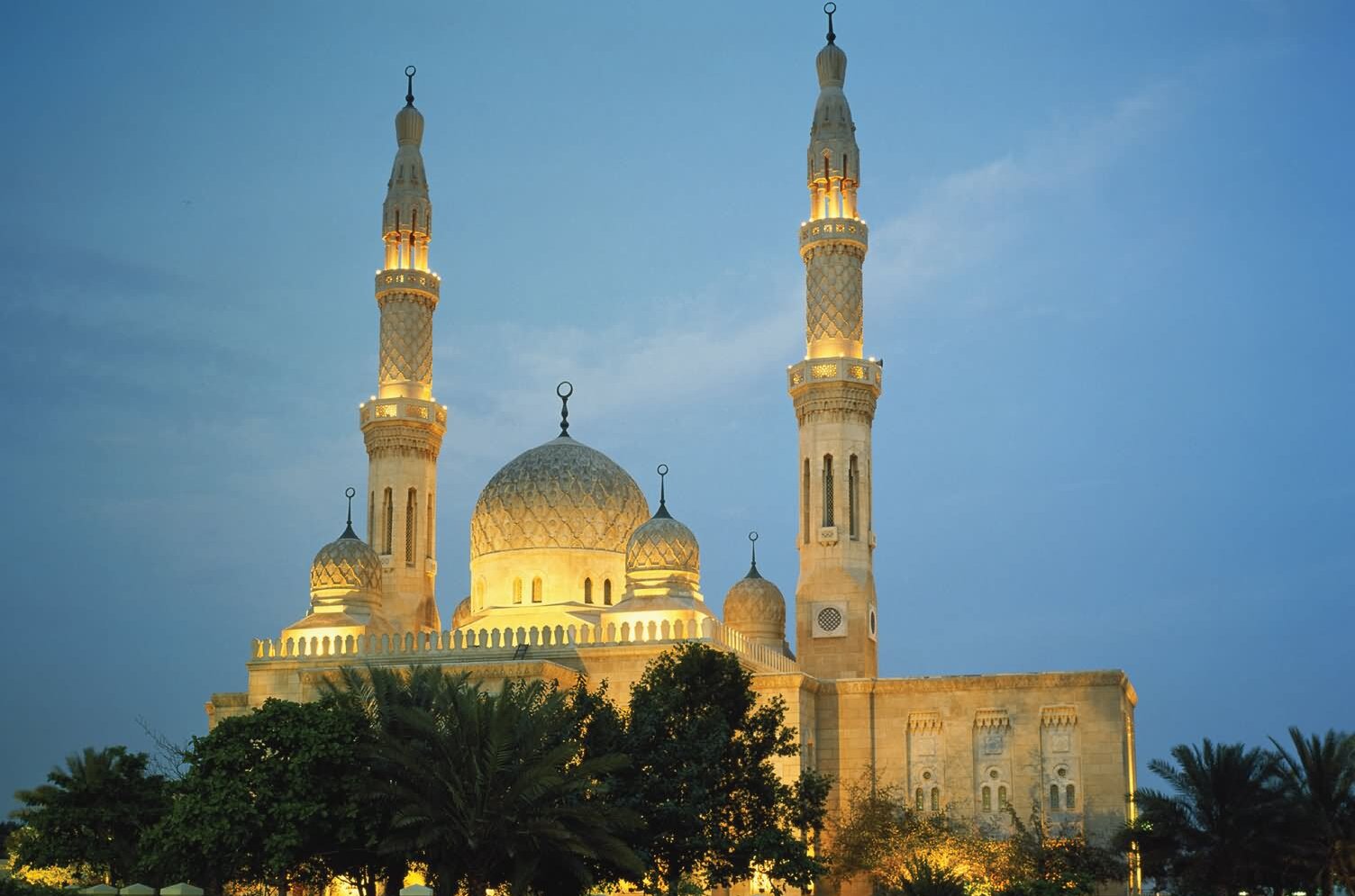
Dubai is a Muslim city that has built its international reputation on a version of itself that brackets that fact. The Jumeirah Mosque is one of the more direct invitations to reconsider that bracketing. Built in the Fatimid style, with twin minarets and a central dome that are particularly striking in the early morning light, the mosque is one of the few in the UAE that actively welcomes non-Muslim visitors through a structured tour programme. The Sheikh Mohammed Centre for Cultural Understanding runs these sessions with a candour that is unusual — questions about Islamic practice and Emirati culture are answered directly, without the diplomatic evasion that characterises many such programmes elsewhere.
The building itself, completed in the 1970s, is a considered piece of religious architecture in a city where considered architecture of any kind from that period is rare.
Il consiglio del team
Tours typically run on selected mornings and include a brief explanation of prayer practice and mosque etiquette. Dress conservatively and arrive a few minutes early — the sessions are popular and fill quickly.
It is worth approaching the Jumeirah Mosque from the street rather than arriving directly at the entrance, because the street-level view — the mosque set against a residential neighbourhood that has been slowly absorbed by commercial development — tells a story about Dubai's pace of change that the interior visit does not. The mosque has become, in recent years, a reference point for the city's efforts to position itself as a place of cultural dialogue rather than simply commercial exchange. Whether that positioning is entirely successful is a question worth sitting with.
What is not in question is the quality of the building. The white stone facade and the proportions of the minarets are genuinely well-judged, and the mosque remains one of the more photographically coherent structures in a city that is not always concerned with coherence.
Il consiglio del team
The surrounding Jumeirah Beach Road area has a number of older low-rise buildings that give a sense of what the neighbourhood looked like before the current development cycle. Worth a short walk before or after your visit.
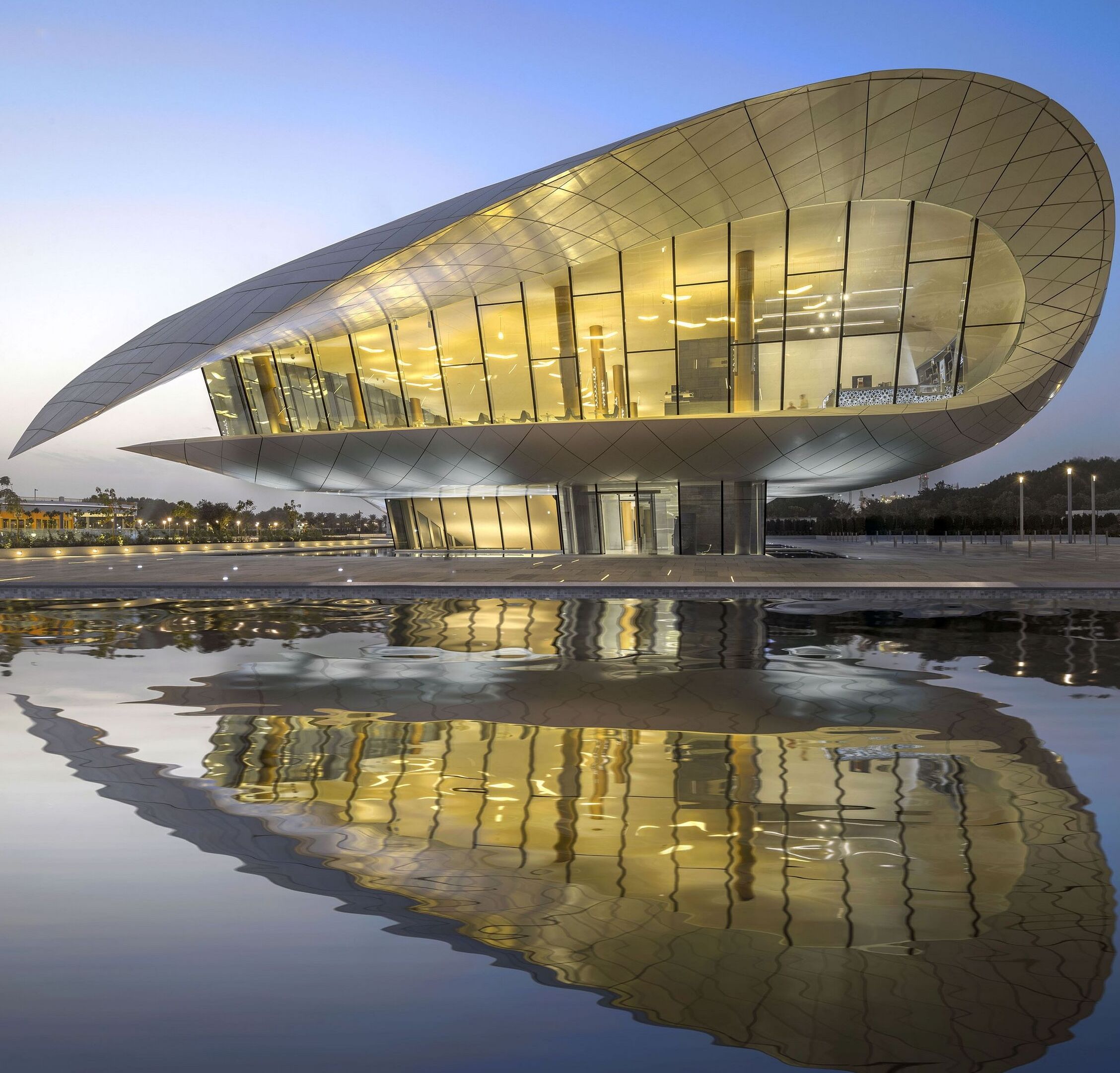
The Etihad Museum opened in Jumeirah in 2017 and tells the story of the UAE's formation as a federation — a political event that occurred in 1971 and that most visitors to Dubai know almost nothing about. The building itself is architecturally significant: its curved form references the shape of the document signed at the founding of the nation, and the interior spaces are designed to move visitors through the narrative chronologically. The collection includes personal objects, state documents, and audiovisual material that gives texture to what might otherwise be an abstract political history.
It is one of the newer cultural institutions in the city and has not yet accumulated the visitor numbers it deserves, which means the galleries are often quiet — a rarity in Dubai's cultural calendar.
Il consiglio del team
The museum is located near the site of the Union House, where the federation was formally declared. The building and its grounds are included in the visit and provide useful geographical context for the exhibits inside.
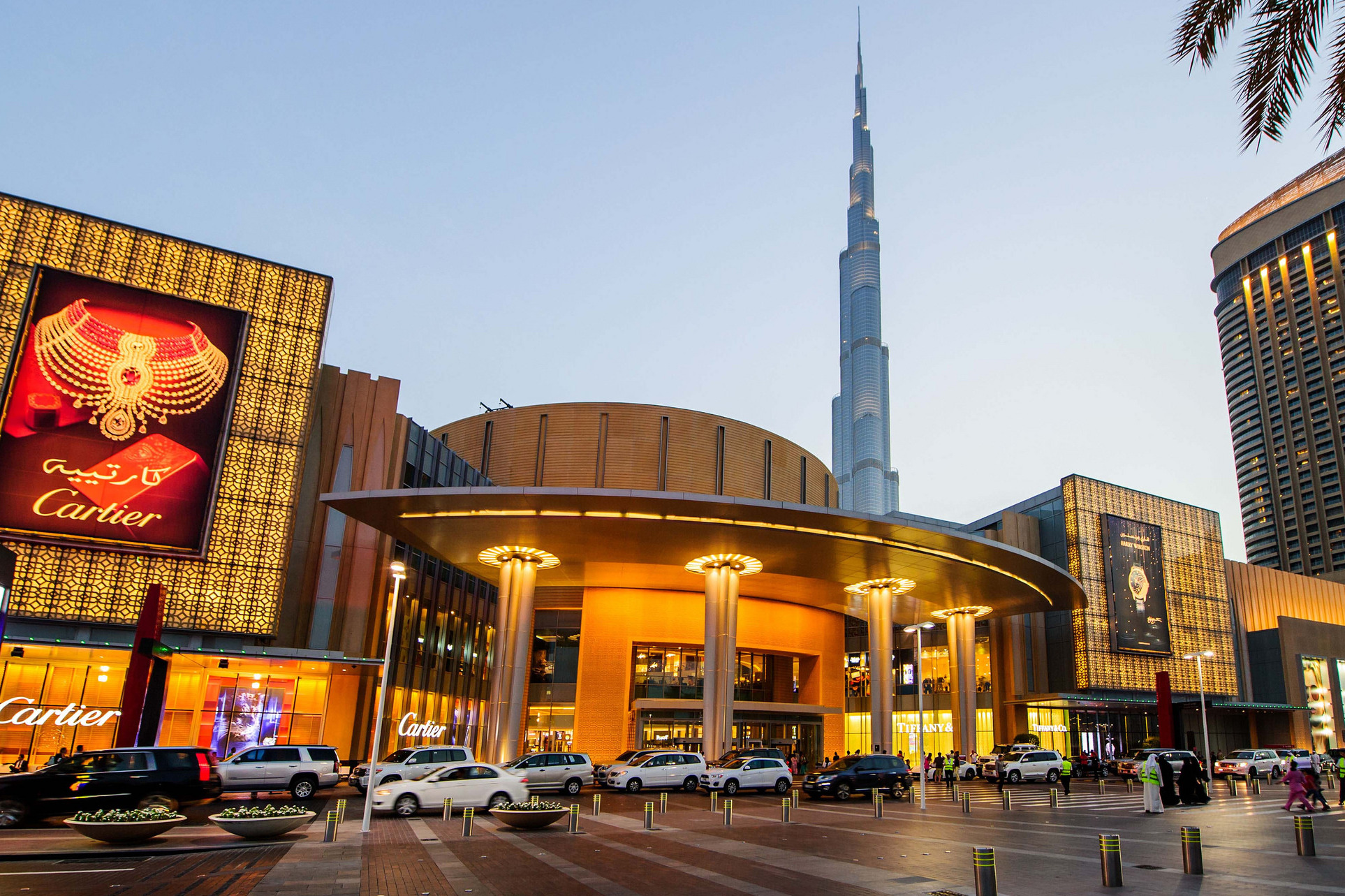
Writing about the Dubai Mall in an article that resists obvious choices requires a particular kind of honesty. The mall is not hidden. It receives tens of millions of visitors annually and contains 1,200 shops across a floor area that is, by any measure, absurd. But the honest observation is this: most visitors experience only a fraction of it, following the signage toward the aquarium, the ice rink, or the fountain view, and missing the quieter internal streets, the bookshop that is better than it has any right to be, and the food court that is a genuinely useful index of the city's culinary demographics.
The mall is also, structurally, an argument about what public space means in a climate where outdoor public space is hostile for much of the year. That argument is worth engaging with rather than dismissing.
Il consiglio del team
The older sections of the mall, away from the Burj Khalifa-facing atrium, are significantly less crowded and contain a number of independent retailers that do not appear in the mall's official directory. Worth exploring deliberately.
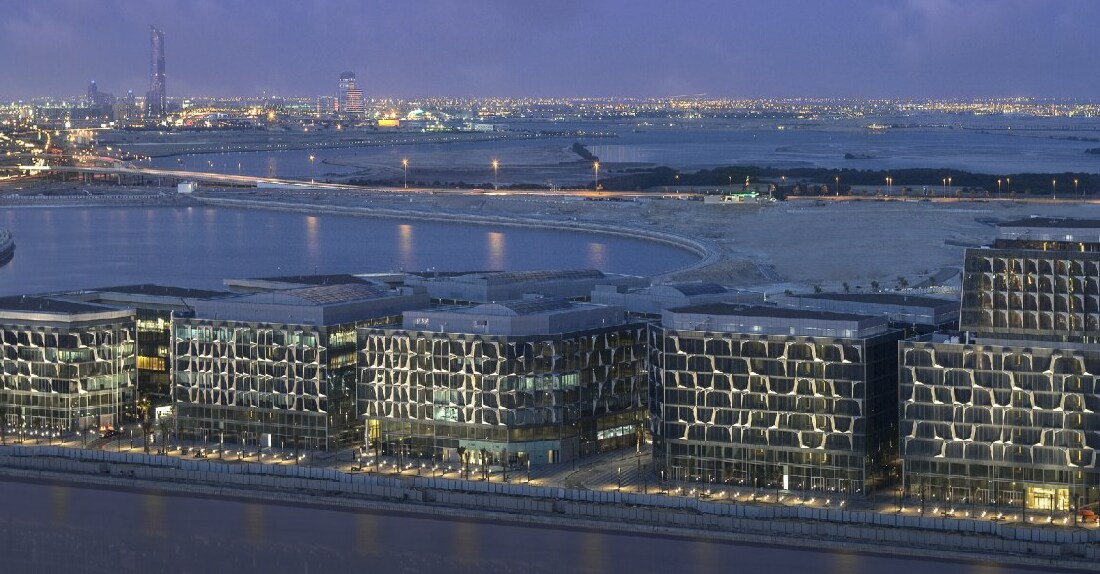
Dubai's attempt to create a creative district — d3, as it is known — is one of the more interesting urban experiments the city has undertaken, partly because it is still genuinely unresolved. The Design District was conceived as a hub for fashion, art, and design businesses, and the comparison to Shoreditch or the Meatpacking District is one that its developers have made explicitly. Whether those comparisons are accurate is a question that the district itself seems to be working through. The architecture is considered, the public spaces are well-designed, and the galleries and studios that have moved in are doing legitimate work.
What it lacks, still, is the accidental quality that makes those other districts interesting — the thing that happens when creative people occupy space that was not designed for them. That may come with time.
Il consiglio del team
The district hosts a number of open studio events and design weeks throughout the year. Check the programming calendar before visiting — an empty d3 on a quiet afternoon is pleasant but less rewarding than arriving when something is happening.
Dubai is, by objective measure, one of the most logistically complex cities in the world to plan independently. The distances between attractions are significant, the booking requirements for major sites are strict, and the temperature differential between winter and summer months changes the entire logic of an itinerary. AI-assisted planning tools have emerged as a practical response to this complexity — capable of mapping routes that account for opening hours, heat, metro access, and the kind of sequencing that used to require either a local guide or a very organised spreadsheet.
The interesting thing is not the technology itself but what it reveals: that Dubai rewards planning more than almost any other city, and that the traveller who arrives with a considered itinerary will have a categorically different experience from one who does not.
Il consiglio del team
Use AI planning tools for logistics, not for discovery. Let the tool handle sequencing and transit; make your own decisions about which neighbourhoods and institutions actually interest you.
The gap between knowing that Dubai is large and experiencing what that largeness actually means in practice is one that catches most first-time visitors off guard. The Burj Khalifa requires advance booking. The souk districts of Deira are 35 minutes by metro from Downtown. The heat between May and September makes outdoor exploration a matter of careful timing rather than spontaneity. Travel applications tested specifically against these conditions — rather than generic city guides — have become a practical necessity rather than a convenience.
What the best of these tools do is not replace curiosity but protect it: ensuring that the traveller who wants to visit the Dubai Museum and the Gold Souk on the same morning does not discover, on arrival, that the sequencing is impossible.
Il consiglio del team
Download offline maps before arriving. Mobile data can be unreliable in some older districts, and the ability to navigate without a signal is more useful in Dubai than in most comparable cities.
There is a version of travel writing that treats the question of apps and digital tools as beneath the editorial register. That version has not spent a summer afternoon trying to find a taxi in Deira with a dead phone and no shade. Dubai is a city where the practical infrastructure of travel — how you move, how you book, how you find the thing you are looking for — is as much a part of the experience as the destinations themselves. Applications that have been tested against the city's specific conditions, rather than adapted from generic travel platforms, represent a genuine editorial category.
The five that consistently emerge from field testing share a common quality: they account for Dubai's scale honestly, without pretending that everything is conveniently located or that spontaneity is always rewarded.
Il consiglio del team
The RTA app for Dubai's public transport system is more useful than most international guides acknowledge. The metro covers more of the city than visitors typically expect, and the air-conditioned stations are a practical resource in summer months.
There is a version of Dubai that exists entirely in the photographs — the sail-shaped hotel, the tower with the observation deck, the fountain that dances to music. That version is real. It is also incomplete in the way that all postcards are incomplete: they show you what the city decided to say about itself, not what the city actually is.
The places in this piece are not alternatives to that Dubai. They coexist with it, in the same streets and the same heat and the same improbable ambition. What they offer is a different register — slower, less announced, occasionally more honest about the complexity of a city that built itself in decades rather than centuries and is still, visibly, working out what it means.
The traveller who leaves Dubai having only confirmed what they already knew from the photographs has not wasted their time, exactly. But they have left something on the table. That something is what curiosity is for.
★ Guida tascabile
Porta questa guida con te.
Salvala offline, ottieni le indicazioni a piedi e scopri migliaia di luoghi come questi.
What is the best time of year to explore Dubai's less-visited districts on foot?
October through March offers the most comfortable conditions for walking. Temperatures during these months are typically between 20 and 30 degrees Celsius, making the older districts of Bur Dubai, Deira, and the Al Fahidi area genuinely walkable. From May through September, outdoor exploration should be limited to early mornings before 9am or evenings after sunset, and even then the humidity near the creek can be significant.
Is the Dubai Metro sufficient for visiting the places in this article, or is a car necessary?
The metro covers the Downtown area, the Dubai Mall, and extends toward Deira and the Gold Souk with reasonable efficiency. The Design District, the Etihad Museum, and Jumeirah Mosque are less well served by public transport and typically require a taxi or ride-hailing app. The RTA app handles both metro journey planning and taxi booking, making it a practical single tool for navigating the city.
Are there dress code requirements for visiting the Jumeirah Mosque?
Yes. Visitors should dress conservatively — shoulders and knees covered for both men and women. Women are typically provided with an abaya at the entrance if required, but arriving already dressed appropriately is courteous and practical. The Sheikh Mohammed Centre for Cultural Understanding, which runs the tours, publishes clear guidance on its website.
How far in advance should visits to the Dubai Opera and the Burj al-Arab be booked?
Dubai Opera performances should be booked as soon as programming is announced, particularly for high-profile shows — popular events sell out weeks in advance. The Burj al-Arab's afternoon tea requires a reservation and typically books out several days ahead, sometimes longer during peak season from November through February. Both can be booked directly through official websites.
Is the Gold Souk in Deira safe for tourists, and are the prices reliable?
The Gold Souk is a well-established commercial district and is considered safe. Prices for gold are regulated against the daily international gold rate, which is displayed publicly, so the base metal cost is transparent. The making charge — the premium for craftsmanship — varies between retailers and is the element where comparison shopping is worthwhile. Carrying cash and checking the day's rate online before visiting will put you in a stronger position.
★ Leggila quando vuoi
Salvala sul tuo telefono.
Aggiungi questa guida ai preferiti, pianifica il viaggio offline, scopri luoghi come questi.