


What follows is not a list of secrets. Copenhagen does not really do secrets. Almost everything here is documented, mapped, and findable with a reasonable search. What these places share is something subtler: they exist in the gaps between the itinerary items, in the ten minutes before a museum opens or the wrong turn down a cobbled side street. They are hidden not by obscurity but by the gravitational pull of the obvious — by the fact that Nyhavn is right there, glittering and convenient, and the human instinct is always to stop at the glittering thing.
These fifteen places ask you to keep walking. Some are grand institutions that tourists walk through without really inhabiting. Others are districts or streets that function as connective tissue between the highlights, overlooked precisely because they do not announce themselves. A couple are genuinely peripheral — one requires a bus ride and a willingness to feel briefly like you have left the twenty-first century entirely. All of them will make you feel, in that specific and irreplaceable way, that you have earned your understanding of a city rather than simply purchased it.
Part one — The essentials
The Round Tower is the oldest observatory in Europe: a staircase that rewrites your sense of time
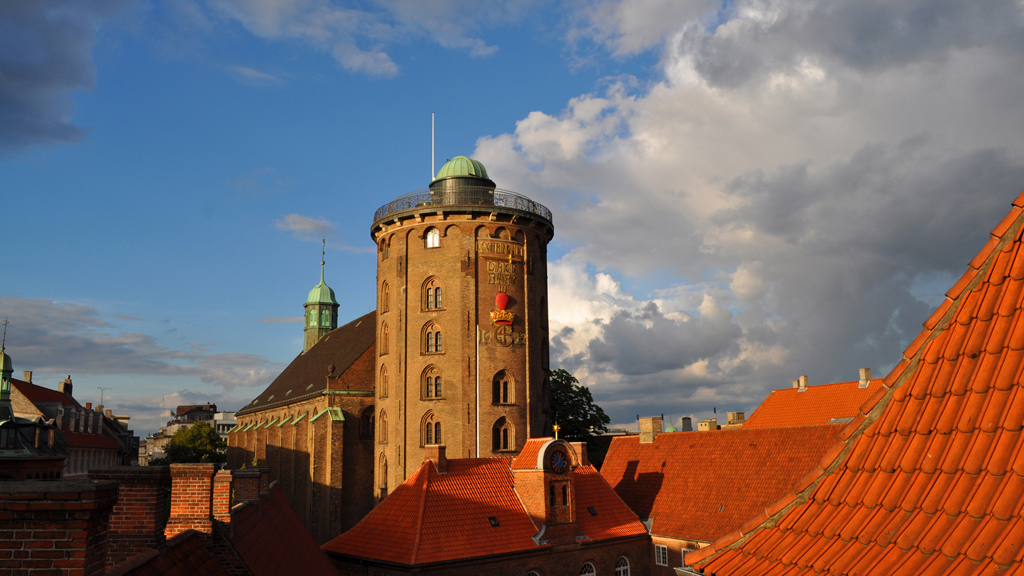
From the open platform at the top, the view over the medieval city centre is one of the least-crowded elevated perspectives in Copenhagen. The tower still functions as a public observatory on winter evenings, which means you can look at the same sky that seventeenth-century astronomers charted, through telescopes that are only marginally more sophisticated than their original instruments.
Il consiglio del team
Visit on a Tuesday or Wednesday evening in autumn or winter when the observatory is open to the public. The queue is short and the experience of looking through a working telescope over a lit city is quietly extraordinary.
The Baroque Christiansborg Palace: the building that refused to be finished
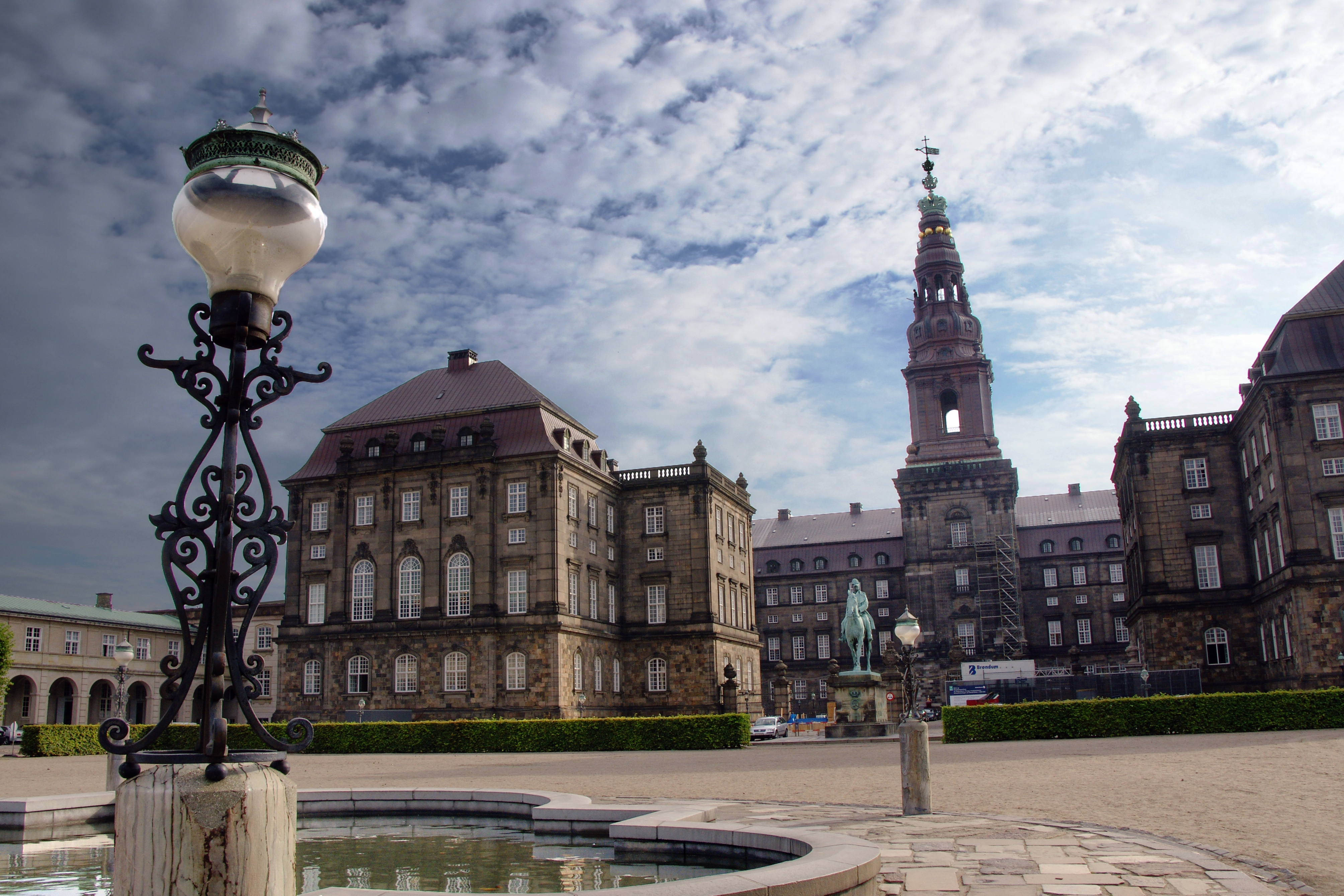
The Royal Stables, the riding ground, and the palace chapel survive from different centuries and in different architectural registers, giving the complex a layered quality that rewards slow exploration. The tower, at 106 metres, is the tallest in Copenhagen, and access to the viewing platform is free — a fact that an improbable number of travellers have never been told.
Il consiglio del team
The free tower access is often overlooked because it is signposted modestly. Enter through the courtyard, follow signs for the tower, and you will find yourself above the city without having paid a krone.
Frederik's Church (The Marble Church): the dome that took 150 years to close
The interior is all muted gold and pale stone, Lutheran in its restraint but baroque in its proportions — a combination that produces a specific kind of architectural calm. On Sunday mornings, the church fills with light from the high windows in a way that no photograph has ever quite captured, possibly because the photographers are all at Nyhavn.
Il consiglio del team
Guided tours of the dome are offered on weekends and give access to the outer walkway with views toward Amalienborg and the harbour. Book ahead; groups are small and places go quickly.
Amalienborg, the winter residence of the Danish royals: four palaces hiding in plain sight
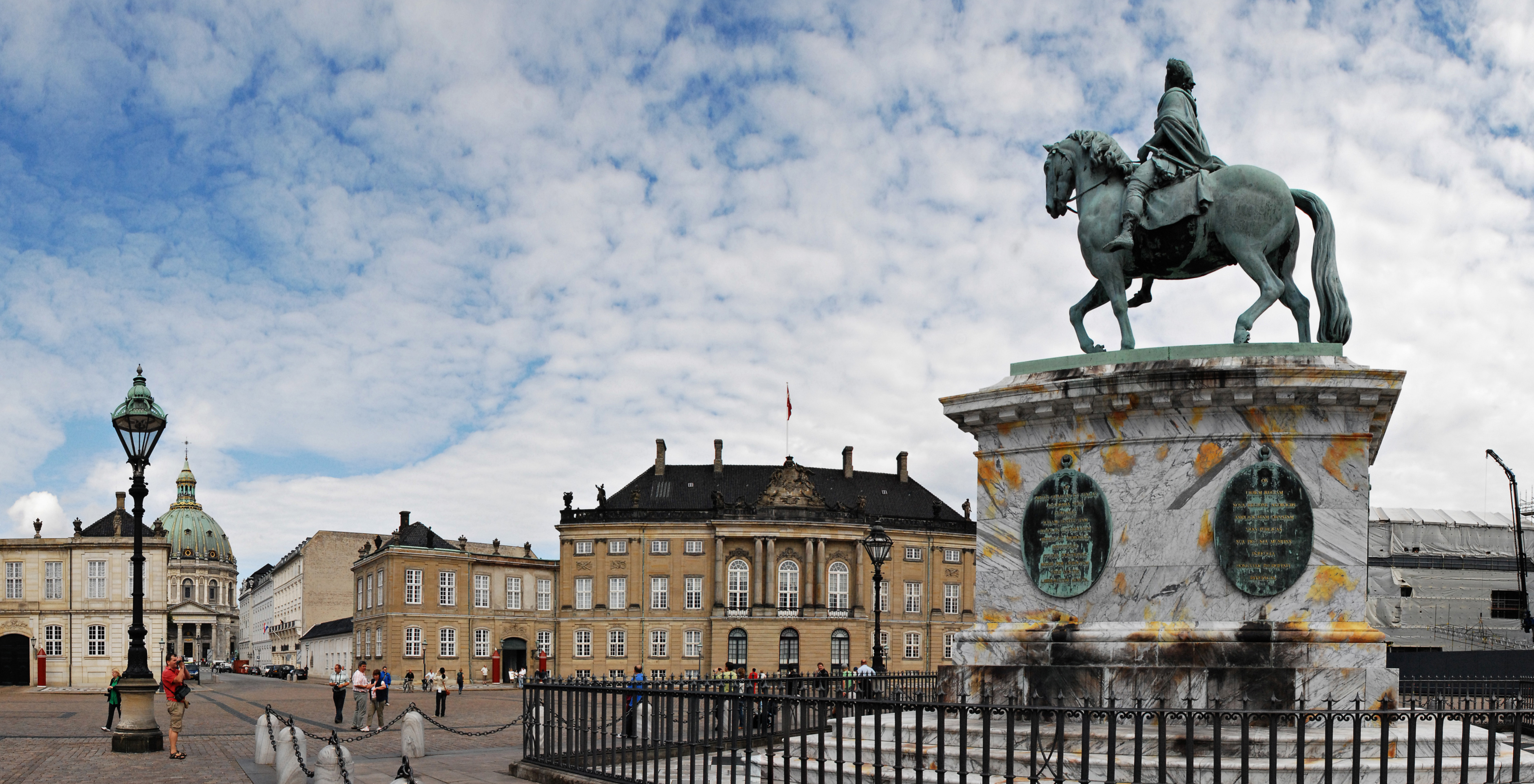
One of the four palaces, Christian VIII's Palace, functions as a museum open to the public, containing royal apartments preserved largely as they were in the nineteenth century. The furniture, the wallpapers, the accumulated domestic detail of royal life — it is a more intimate portrait of Danish monarchy than the ceremonial grandeur of Christiansborg, and considerably less crowded.
Il consiglio del team
The museum wing is often empty in the early afternoon when tour groups have moved on. The royal silver and porcelain collection in the lower rooms is particularly fine and receives almost no attention.
Part two — A little deeper
Churchillparken is a public park in Copenhagen, Denmark: the green corridor that history forgot to name
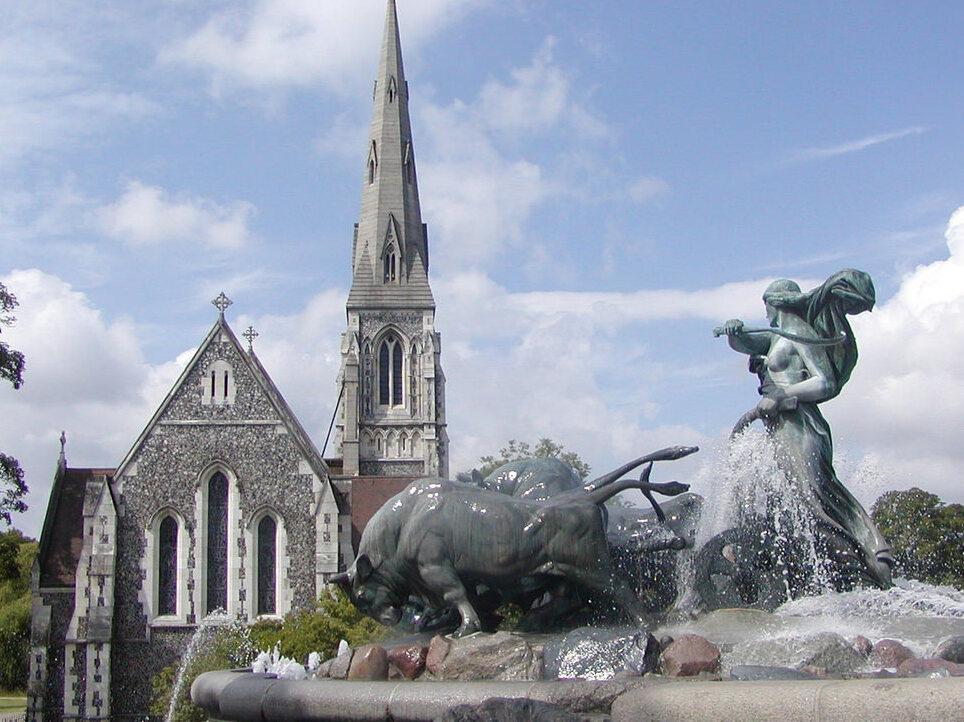
This is a shame, because the park contains the Danish Resistance Museum (Frihedsmuseet) and sits in the shadow of Kastellet's earthen ramparts, which are among the best-preserved Renaissance military fortifications in northern Europe. The fortress itself is still an active military installation, but the outer grounds — the moat, the ramparts, the windmill — are open to the public and almost always quiet, even on summer weekends when the rest of the waterfront is dense with visitors.
Il consiglio del team
Walk the full circuit of Kastellet's ramparts rather than cutting through the centre. The views over the inner moat and the old barracks buildings give a sense of the seventeenth-century city that is entirely absent from the tourist quarter.
Itinerario perfetto Copenaghen 2026: la guida AI completa: the city as a planning problem worth solving slowly

What this entry represents, beyond its database origins, is the genuine intellectual challenge of moving through Copenhagen well. The city rewards those who resist the urge to optimise and instead allow the itinerary to breathe — who accept that the journey between Vesterbro and Frederiksberg on foot will take longer than expected and that this extra time is where the city actually lives. The canals, the cycling infrastructure, the neighbourhood transitions: these are experienced in transit, not at destinations.
Il consiglio del team
Build at least one unscheduled hour into each day specifically for walking between destinations rather than cycling or taking the metro. The neighbourhoods between the landmarks are frequently more interesting than the landmarks themselves.
Wanderlog alternatives 2026: le migliori app per Copenaghen: navigating a city that resists being navigated

The deeper point here is about the relationship between planning tools and actual urban experience. Copenhagen's most interesting districts — Nørrebro, Vesterbro, the streets around Frederiksberg — do not resolve well into itinerary items. They are experienced as texture, as the accumulation of small observations: a bakery, a courtyard, a church that is never quite where the map suggests. The best navigation tool for this city remains peripheral vision.
Il consiglio del team
The Rejseplanen app is the definitive public transport tool for Copenhagen and covers buses, metro, and S-trains with real-time accuracy. Use it for logistics, then put the phone away.
Nationalmuseet (National Museum): the Viking age is only one floor of many

The Children's Museum, occupying a wing of the building, is one of the best in Scandinavia and worth seeing even without children, if only for the quality of the interpretation. The museum's café occupies a glass-roofed courtyard that is one of the more pleasant places to sit in central Copenhagen on a grey afternoon, which is to say, on most afternoons.
Il consiglio del team
The museum is free for under-18s and for Danish residents. For international visitors, the permanent collection is included in the Copenhagen Card. Arrive at opening time on weekdays and the Viking rooms are almost empty.
Part three — Off the obvious path
The Royal Museum of Fine Art: the collection that Danish art history built

The museum also holds significant works by Matisse, Picasso, and the Flemish masters, but these are the rooms that attract the queue. The Danish rooms, by contrast, are frequently quiet enough that you can stand in front of a large landscape painting for several minutes without anyone walking through your line of sight.
Il consiglio del team
The museum's sculpture garden, which connects the old and new buildings, is accessible without a ticket and contains a rotating programme of contemporary works. It is a useful place to understand what Danish public art looks like when it is not performing for tourists.
Il Nyhavn è un iconico canale di Copenaghen: the harbour that was never meant for tourists

The transformation of Nyhavn into a leisure district happened gradually through the late twentieth century, and the result is a place that has been thoroughly aestheticised without being entirely hollowed out. The canal still contains historic wooden ships. The buildings are genuinely old. The atmosphere, particularly early in the morning before the tour groups arrive, retains something of its original density.
Il consiglio del team
Walk the south side of the canal rather than the north. The south side is in shadow for most of the day, which means fewer tables, fewer crowds, and a better view of the coloured facades opposite.
Nyhavn is a beautiful harbor district in Copenhagen: reading a place against its own mythology
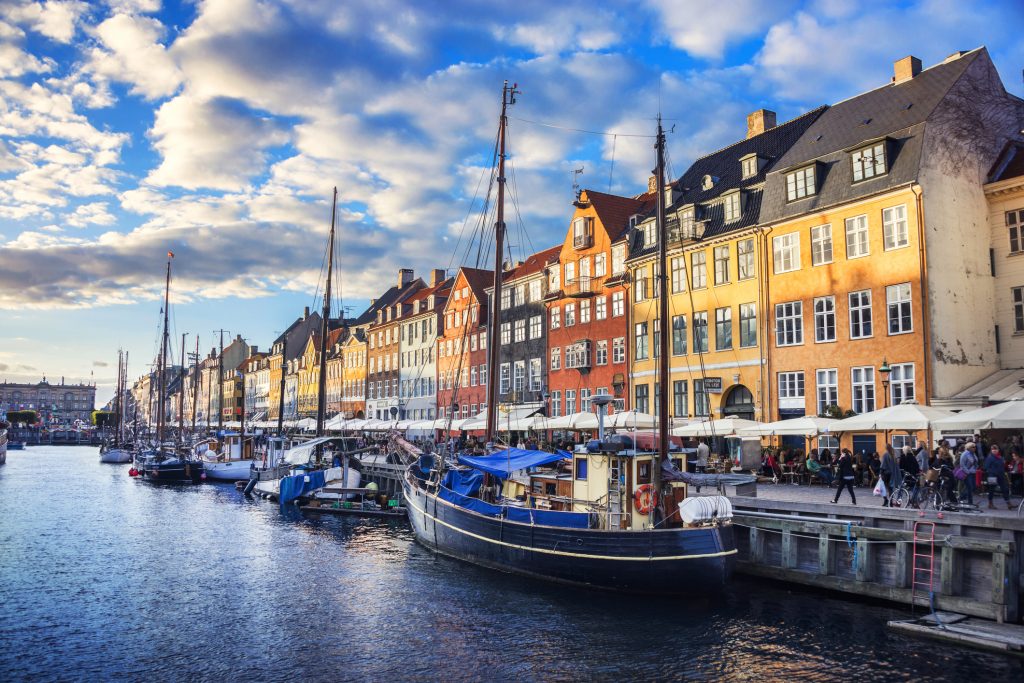
Nyhavn rewards visitors who arrive with the intention of watching rather than photographing. The canal has been a gathering point for the city for over three centuries, and the social life that happens along its edges — the conversations, the movement, the way Copenhageners use the space — is more interesting than the architecture that frames it.
Il consiglio del team
The boats moored in the canal are not props — several are privately owned and some are available for charter. The harbour tour boats that depart from Nyhavn are among the cheapest ways to see the city from the water.
Stroget, one of the longest pedestrian zones in the world: the street that contains multitudes

The street is often dismissed as a shopping thoroughfare, which it partly is, but the squares it passes through are architecturally significant and the side streets that branch off it — Kompagnistræde, Læderstræde, the lanes around Gammel Strand — contain the kind of independent bookshops, antique dealers, and small galleries that give a city its texture. Strøget is not the destination; it is the spine from which the real city branches.
Il consiglio del team
Turn south off Strøget at Amagertorv and walk toward Gammel Strand. The streets in this area are among the oldest in Copenhagen and the building scale drops dramatically, giving a sense of the medieval city that the main street has long since outgrown.
Part four — Around and beyond
Strøget | The Main Pedestrian Shopping Street in the city: how a street becomes a public living room

This history is invisible to most visitors, who experience Strøget as simply a shopping street — which it is, and a very good one, running from H&M at one end to luxury brands at the other. But the street is also a forty-year experiment in what happens when you give a city's centre back to its pedestrians, and the results, visible in the density and variety of human activity on any given afternoon, remain instructive.
Il consiglio del team
The street performers who work the wider sections of Strøget near Amagertorv are subject to city licensing and tend to be of higher quality than the average. The best acts appear in late afternoon on weekdays when the tourist crowds have thinned.
Dragør | An historic fishing Town: the village that the twentieth century almost missed
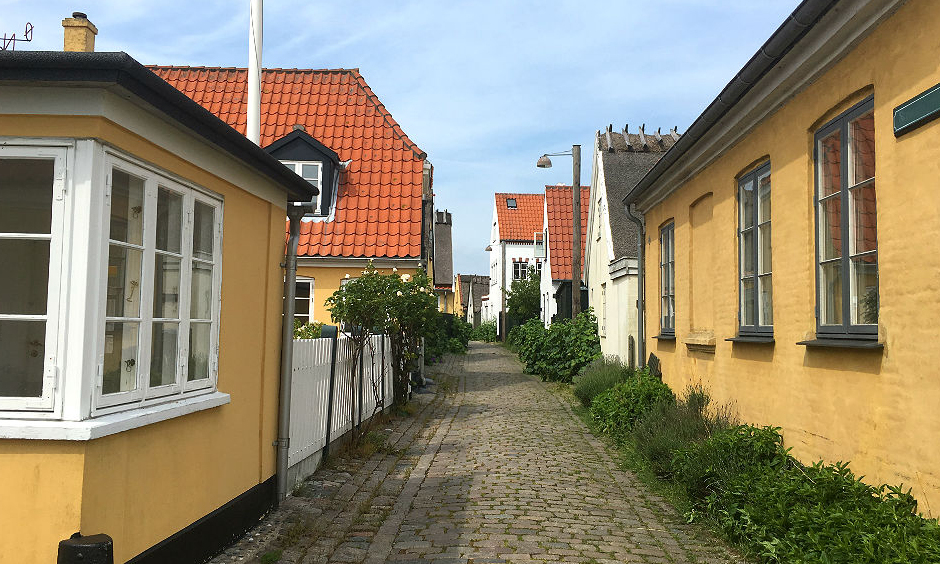
The town's history is bound up with the Dutch settlers who came to drain the Amager marshes in the sixteenth century at the invitation of Christian II, and traces of this Dutch influence persist in the architecture and in the local surnames that appear on the older gravestones in the churchyard. It is a place that requires no particular effort to appreciate — you simply walk through it slowly and pay attention.
Il consiglio del team
The Dragør Museum, housed in a former merchant's home near the harbour, is small but well-curated and gives the historical context that makes the walk through the old town considerably richer. Allow ninety minutes minimum for the town itself.
Copenhagen is a city that has made a kind of peace with being admired. It accepts the attention graciously, offers its most photogenic angles without complaint, and quietly reserves its actual character for those who stay long enough, or walk far enough, or take the forty-minute bus to a fishing village on a Tuesday in October when the light is flat and there is no one else on the harbour wall.
The fifteen places in this piece are not secrets. They are simply places that require a slightly different quality of attention than the postcard demands — a willingness to look at something you already think you understand and ask what else might be true about it. The Round Tower is not just a landmark; it is a philosophy of access. Nyhavn is not just a photograph; it is three centuries of working harbour life that happened to become beautiful. Dragør is not just a day trip; it is evidence that a city's edges often tell you more about its character than its centre.
Go slowly. Turn south off Strøget. Take the bus.
The fifteen places in this piece are not secrets. They are simply places that require a slightly different quality of attention than the postcard demands — a willingness to look at something you already think you understand and ask what else might be true about it. The Round Tower is not just a landmark; it is a philosophy of access. Nyhavn is not just a photograph; it is three centuries of working harbour life that happened to become beautiful. Dragør is not just a day trip; it is evidence that a city's edges often tell you more about its character than its centre.
Go slowly. Turn south off Strøget. Take the bus.