Borghi&Tesori by Secret World — la più grande guida di viaggio al Mondo
En · Guida di viaggio
Guida di viaggio · Edizione 2026

15 Hidden Gems in Amsterdam — beyond the postcard

A city famous for revealing itself slowly, Amsterdam still keeps secrets from people who think they already know it

L
Una guida di
Lena Hofmann
Aggiornata il
9 maggio 2026
Lettura
13 minuti
Comprende
14 luoghi · mappa interattiva
15 Hidden Gems in Amsterdam — beyond the postcard
★ Guida d'Italia 2026

Pianifica con cura. Viaggia più a fondo.

1.3M+ luoghi curati nel mondo, mappe offline e itinerari intelligenti — tutto in un'app gratuita.

1.3M+ luoghi Mappe offline Itinerari AI Gratis
There is a particular kind of invisibility that only very famous cities can produce. Amsterdam has mastered it. You arrive, you navigate the canal rings, you queue for the museums everyone queues for, and you leave convinced you have seen the place. You have seen a place — a very beautiful, very curated version of it — but the city that locals actually inhabit has been quietly going about its business a few metres from your elbow the entire time.

What makes something feel hidden in Amsterdam is rarely remoteness. The city is compact enough that nothing is truly far. What hides things here is density: the sheer number of beautiful distractions stacked on top of one another, the way a canal bends and cuts off a sightline, the Dutch cultural habit of not advertising what does not need advertising. A courtyard can exist a hundred metres from Dam Square and still feel like a secret because the entrance is a door in a wall that looks like every other door in every other wall.

I have been coming to Amsterdam for fifteen years, and I still find myself stopping short in front of something I walked past a dozen times before. That is not a romantic exaggeration — it is a structural feature of the city. The grid is not a grid; the distances are not what the map suggests; the categories blur. A church sits in the middle of a red-light district. A diamond workshop operates out of a building that looks like a municipal office. A floating market has been there since 1862 and still surprises people who stumble onto it.

What follows is not a list of secrets. It is a list of places that reward the kind of attention most itineraries do not leave time for.
Part one — The essentials
1 Church · 0.9 km

De Oude Kerk (The Old Church): the cathedral that never left the neighbourhood
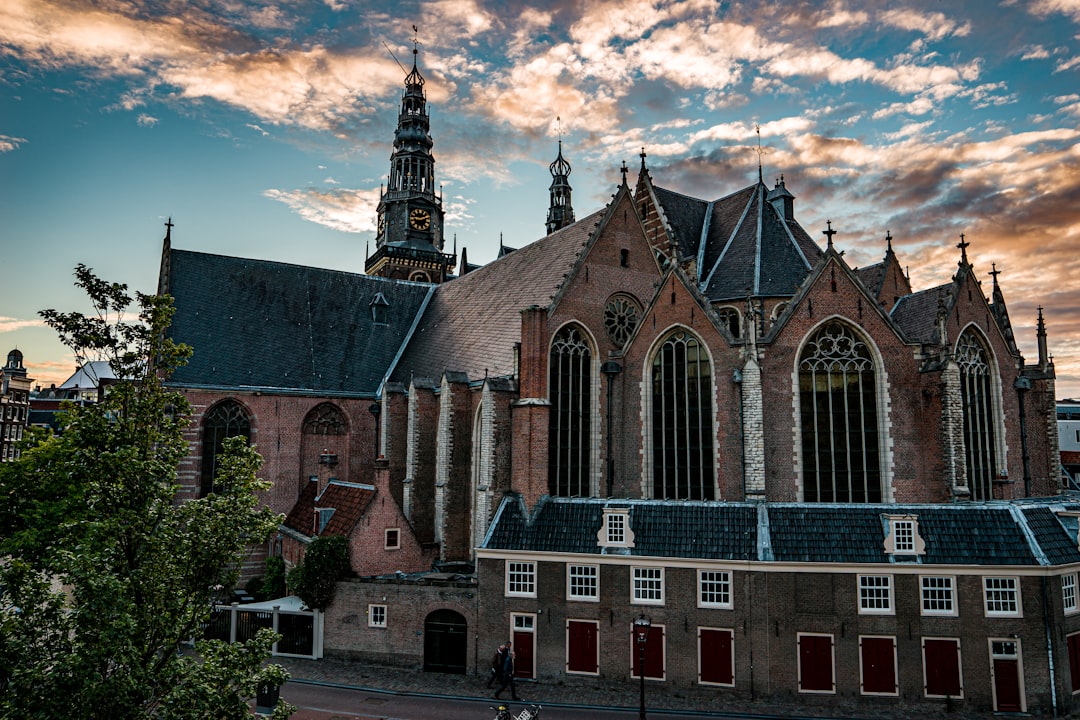
De Oude Kerk (The Old Church): the cathedral that never left the neighbourhood
There is something almost confrontational about De Oude Kerk. Amsterdam's oldest surviving building — construction began in the early 14th century — sits at the physical and moral centre of the Red Light District, its Gothic bulk rising above windows that have been lit a different shade of red for entirely different reasons since the 17th century. The church does not apologise for its postcode, and that refusal is what makes it worth your time. Inside, the vast nave still carries the faint geometry of its Catholic origins, despite the Calvinist stripping of the Reformation. The floor is a mosaic of grave slabs, including that of Rembrandt's wife Saskia. Contemporary art exhibitions are mounted here regularly, and the juxtaposition — medieval vaulting, modern video installation, canal light filtering through clear glass — is quietly disorienting in the best sense.

Most visitors photograph the exterior and keep walking. The ones who go in find a building that has absorbed five centuries of the city's contradictions without resolving any of them.
Il consiglio del team Visit on a weekday morning when tour groups are thin and the light through the clerestory windows is at its most oblique. The volunteer guides know stories about the grave slabs that are not in any guidebook.
2 Historic Site · 1.0 km

Begijnhof - one of the oldest inner courts: the city Amsterdam forgot to demolish
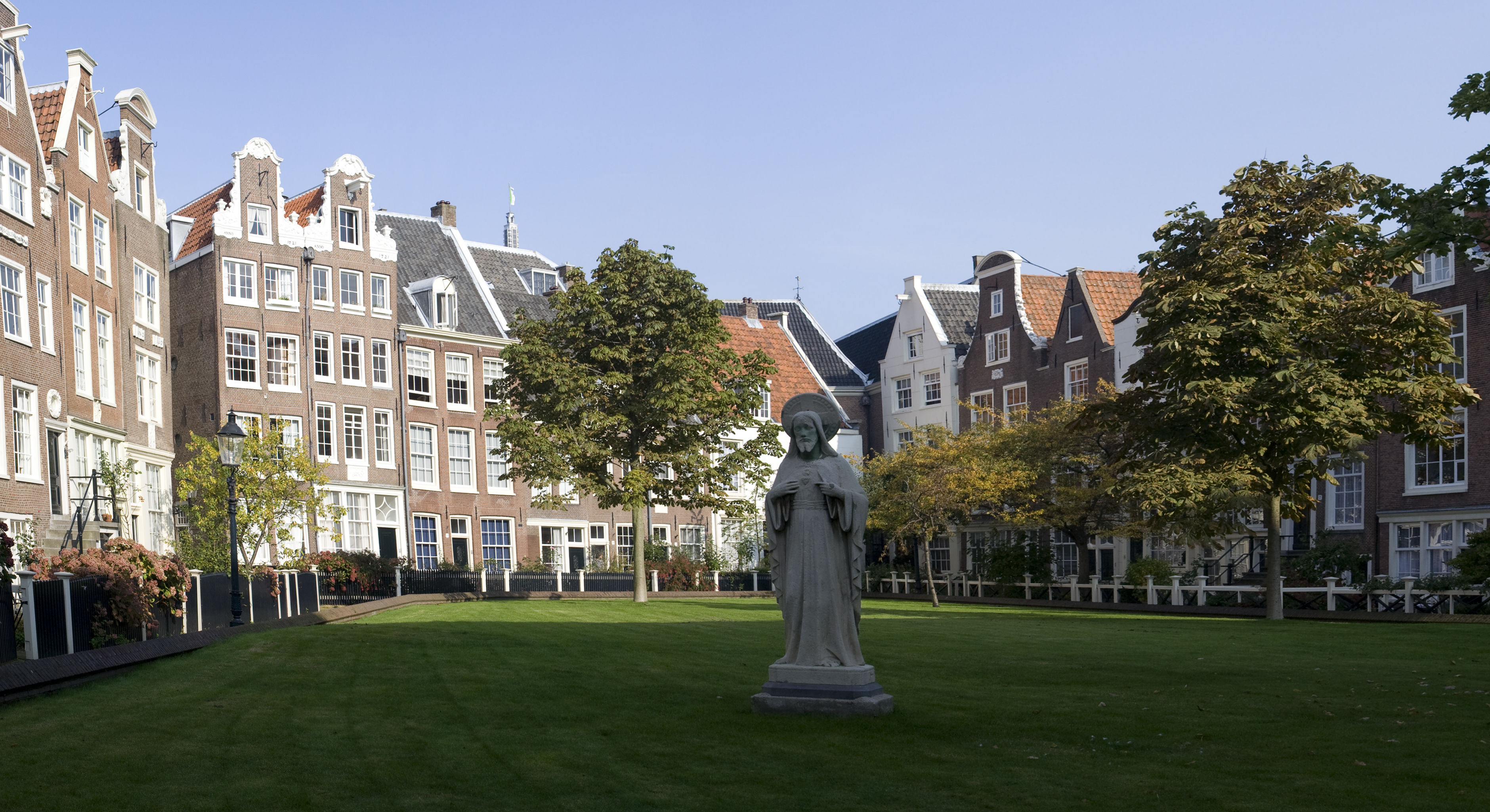
Begijnhof - one of the oldest inner courts: the city Amsterdam forgot to demolish
The Begijnhof is the kind of place that makes you distrust your own sense of direction. You enter through an unremarkable door off a busy shopping street, and the city simply stops. The courtyard — one of the oldest in Amsterdam, its origins traceable to the 14th century — was home to the Beguines, a lay Catholic sisterhood who lived here without taking formal vows. The last Beguine died in 1971, which means this was a functioning religious community within living memory, in the middle of one of Europe's most secular cities. The houses around the courtyard are still occupied, which is why the posted signs asking for quiet carry a particular weight — there are actual residents behind those windows, not mannequins in period costume.

The wooden house at number 34 is among the oldest surviving timber-framed houses in Amsterdam. The English Reformed Church on the south side has been used by the city's English-speaking Protestant community since 1607.
Il consiglio del team The entrance on Gedempte Begijnensloot is easy to miss — look for the low wooden door rather than the more obvious archway. Come at opening time before the midday foot traffic builds.
3 Palace · 1.1 km

The Royal Palace of Amsterdam: the town hall that became a throne room
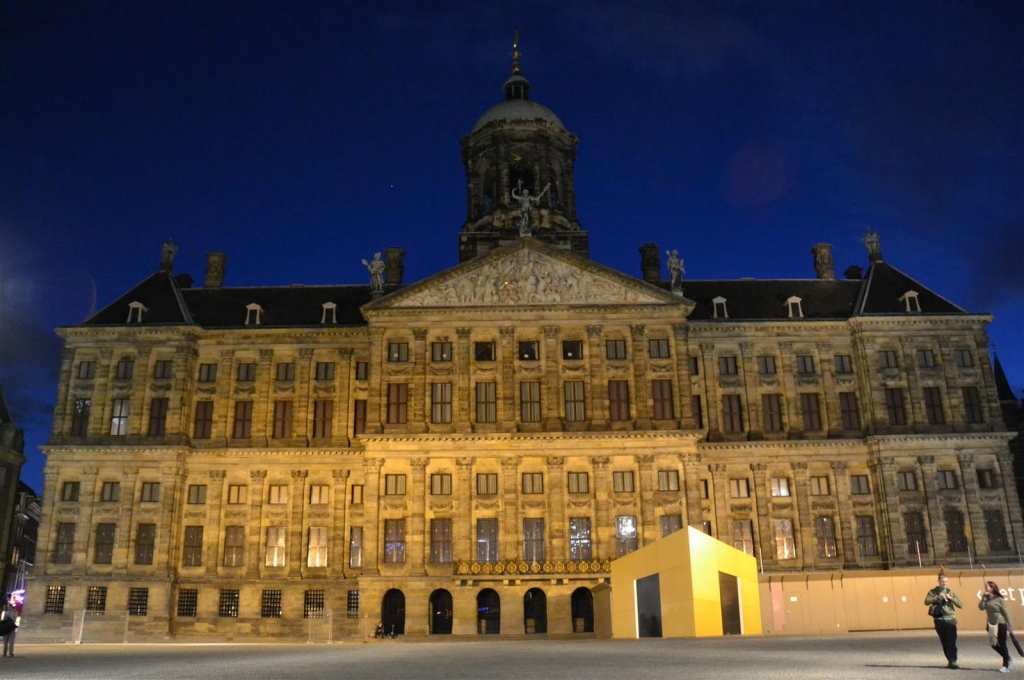
The Royal Palace of Amsterdam: the town hall that became a throne room
The Royal Palace on Dam Square is one of those buildings that suffers from being too visible. It is enormous, it is right there, and most people photograph it from across the square and move on, assuming it is ceremonial and therefore empty of interest. This is a mistake. The building was not designed as a palace at all — it was built in the mid-17th century as Amsterdam's new town hall, a deliberate statement of civic confidence at the height of the Dutch Golden Age. The architect Jacob van Campen produced something so monumental that when Louis Bonaparte arrived as King of Holland in 1808, he simply moved in and converted it. The interior is a series of marble-floored halls decorated with allegorical sculptures that narrate Amsterdam's self-image as the centre of world trade — which, at the time of construction, was not entirely delusional.

The Citizens' Hall, with its inlaid marble maps of the Eastern and Western hemispheres, is one of the most ambitious interior spaces of the Dutch Golden Age.
Il consiglio del team Book tickets in advance online — the palace is still used for state functions and occasionally closes without much warning. The audio guide is unusually good and covers the building's shift from civic to royal without the usual patriotic gloss.
4 Church · 1.0 km

Basilica of St. Nicholas: the church that arrived after the tolerance ran out
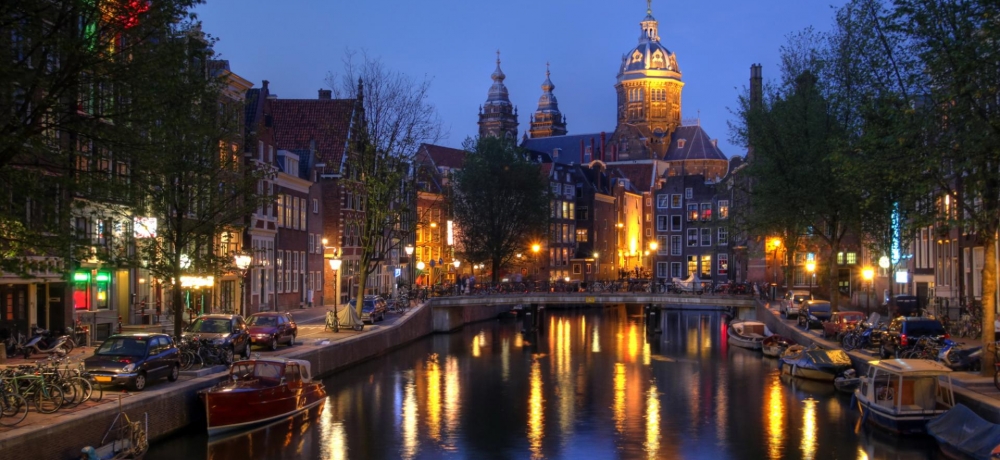
Basilica of St. Nicholas: the church that arrived after the tolerance ran out
The Basilica of Saint Nicholas occupies a strange historical position. Completed in 1887, it was built as a deliberate act of Catholic reassertion — a large, confident, neo-baroque structure positioned just outside Amsterdam's central station, impossible to miss. For more than two centuries before its construction, Catholics in Amsterdam had been forced to worship in hidden churches (the most famous of which, Ons' Lieve Heer op Solder, is a few streets away). The Basilica is therefore not just a church but a statement about the end of a particular kind of enforced invisibility. The interior is richly decorated with a painted ceiling and carved wooden furnishings that feel deliberately exuberant after centuries of Protestant restraint.

Most visitors arriving at Centraal Station walk straight past the Basilica toward the canal ring without registering it. Which is, given the building's history, a rather ironic form of invisibility.
Il consiglio del team The Basilica is open for visits outside of Mass times and is rarely crowded. The side chapels contain devotional art that rewards slow looking — bring patience rather than a wide-angle lens.
Part two — A little deeper
5 Museum · 0.3 km

Rembrandthuis (Casa di Rembrandt): the house that bankruptcy preserved
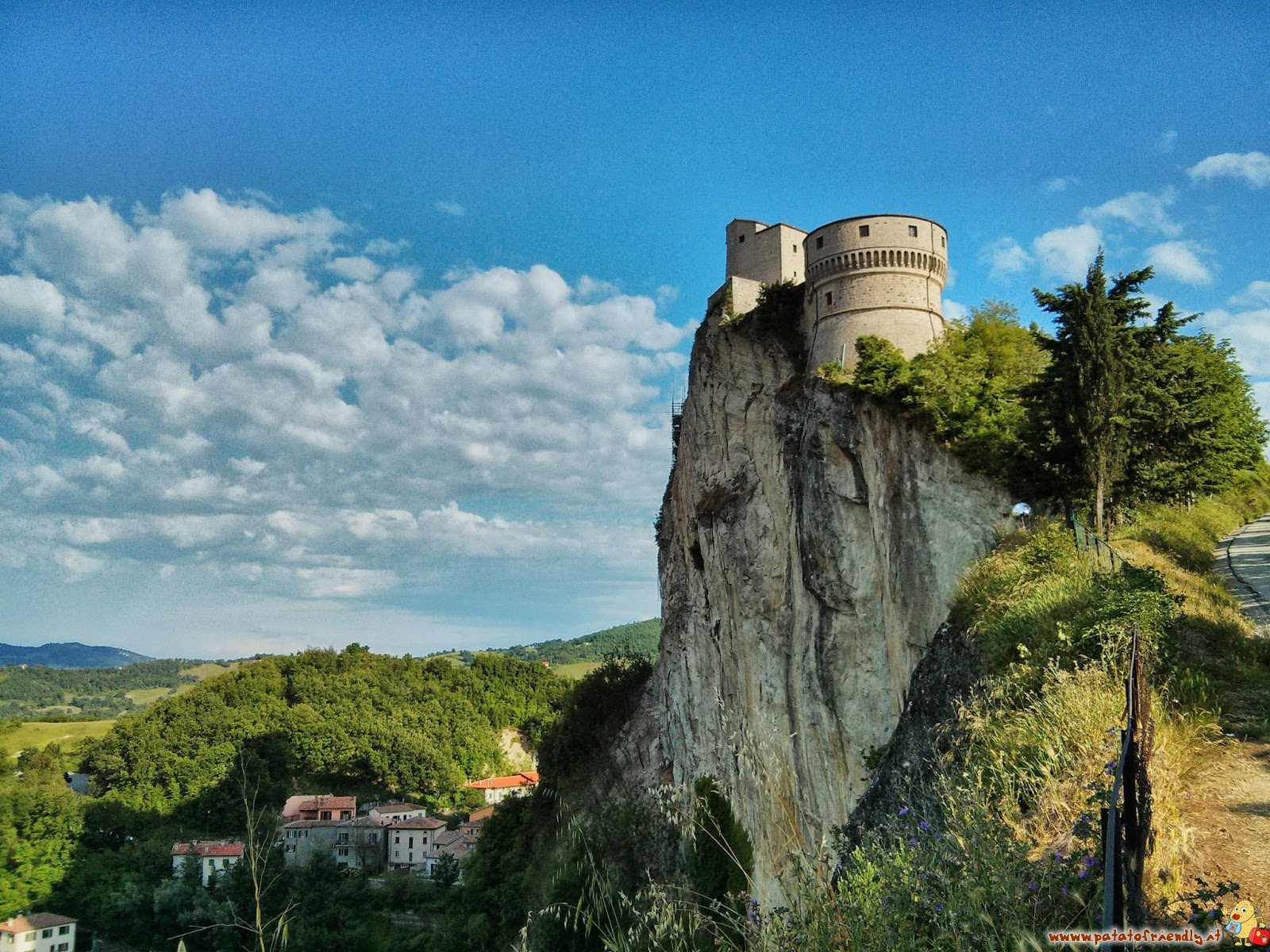
Rembrandthuis (Casa di Rembrandt): the house that bankruptcy preserved
There is a grim irony at the heart of the Rembrandthuis. Rembrandt van Rijn bought this substantial merchant's house on the Jodenbreestraat in 1639, at the peak of his fame and earning power. He lived here for seventeen years, filling it with an extraordinary collection of objects — weapons, plaster casts, shells, stuffed animals — that served as both studio props and expressions of his restless visual curiosity. Then the debts caught up with him. In 1656 he was declared insolvent, and the house and its contents were inventoried and sold. That inventory, preserved in the Amsterdam city archives, is what made the current restoration possible: curators worked from the room-by-room list to reconstruct the interior with a precision that most period houses cannot match.

The result is less a museum than a working hypothesis about how a 17th-century painter actually lived and thought. The light in the studio — north-facing, diffuse — explains something about the paintings that no amount of gallery wall text can.
Il consiglio del team The daily etching demonstrations in the studio are included in the entry price and run several times a day. Watching the process makes the prints in the collection suddenly legible in a way they are not when viewed behind glass.
6 Museum · 0.3 km

The Rembrandt House Museum: the same address, a different kind of attention
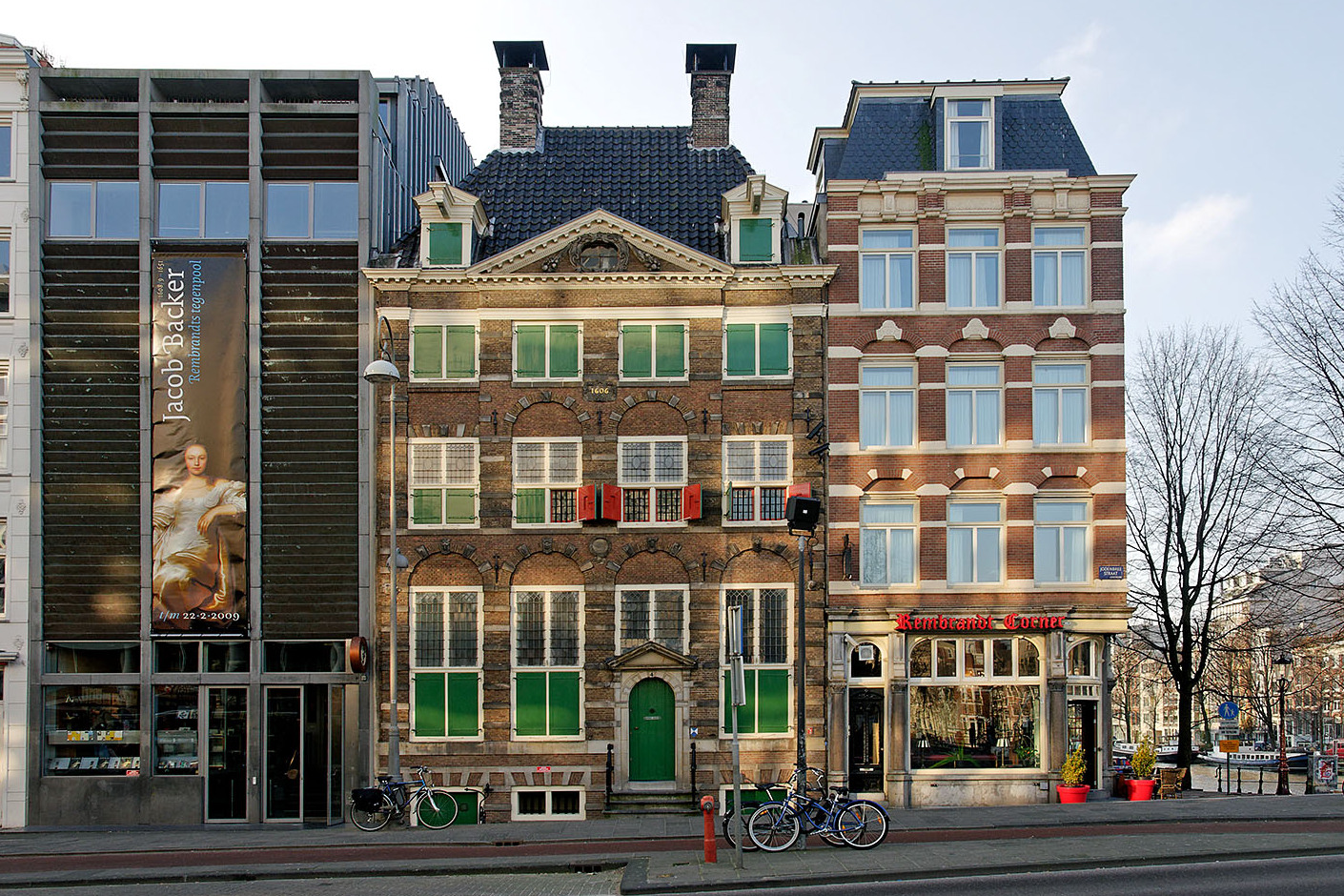
The Rembrandt House Museum: the same address, a different kind of attention
It is worth acknowledging the slight confusion that exists between the Rembrandthuis and the Rembrandt House Museum — they are, in fact, the same institution, known by both names depending on which language you encounter it in. The Dutch name emphasises the building; the English name emphasises the collection and the interpretive project. What the English framing adds is a useful reminder that this is a museum with a curatorial argument, not simply a preserved domestic space. The argument is about process: how Rembrandt gathered visual material, how he trained his students, how the studio functioned as an economic and creative enterprise rather than a lone-genius garret.

The collection of Rembrandt's own etchings — one of the largest in the world — is displayed in rotating selections, which means that repeat visitors will encounter different works. The prints are intimate in a way that the large paintings in the Rijksmuseum are not, and the house is the right scale for them.
Il consiglio del team The museum shop sells high-quality facsimile prints of Rembrandt's etchings at prices that are reasonable given the quality. They make considerably better souvenirs than anything available on the Damrak.
7 Craft · 0.2 km

Amsterdam and the Diamonds: the workshop that survived the war

Amsterdam and the Diamonds: the workshop that survived the war
Amsterdam's diamond industry is one of those facts about the city that everyone knows and almost no one investigates. The trade established itself here in the 16th century, partly because Antwerp's guild restrictions were less onerous in Amsterdam, and partly because of the city's position as a global trading hub. By the 19th century, Amsterdam was the world's diamond capital. Gassan Diamonds, founded in 1945 in the immediate aftermath of the Second World War — a founding date that carries its own weight given the near-total destruction of Amsterdam's Jewish community, which had dominated the diamond trade — operates from a 19th-century building that still functions as a working factory. The free tours take you through the actual cutting and polishing floors, where the work is genuinely skilled and the machinery is less glamorous than the showroom would have you believe.

This is not a showroom visit dressed up as a tour. The craft is real, the history is complicated, and the building itself is worth the detour.
Il consiglio del team The tour is free and does not require a purchase — the sales pitch at the end is present but low-pressure. Go for the cutting demonstration and the industrial history; the jewellery cases are secondary.
8 Museum · 0.3 km

Hermitage Museum of Saint Petersburg: the branch that changed what a satellite museum could be
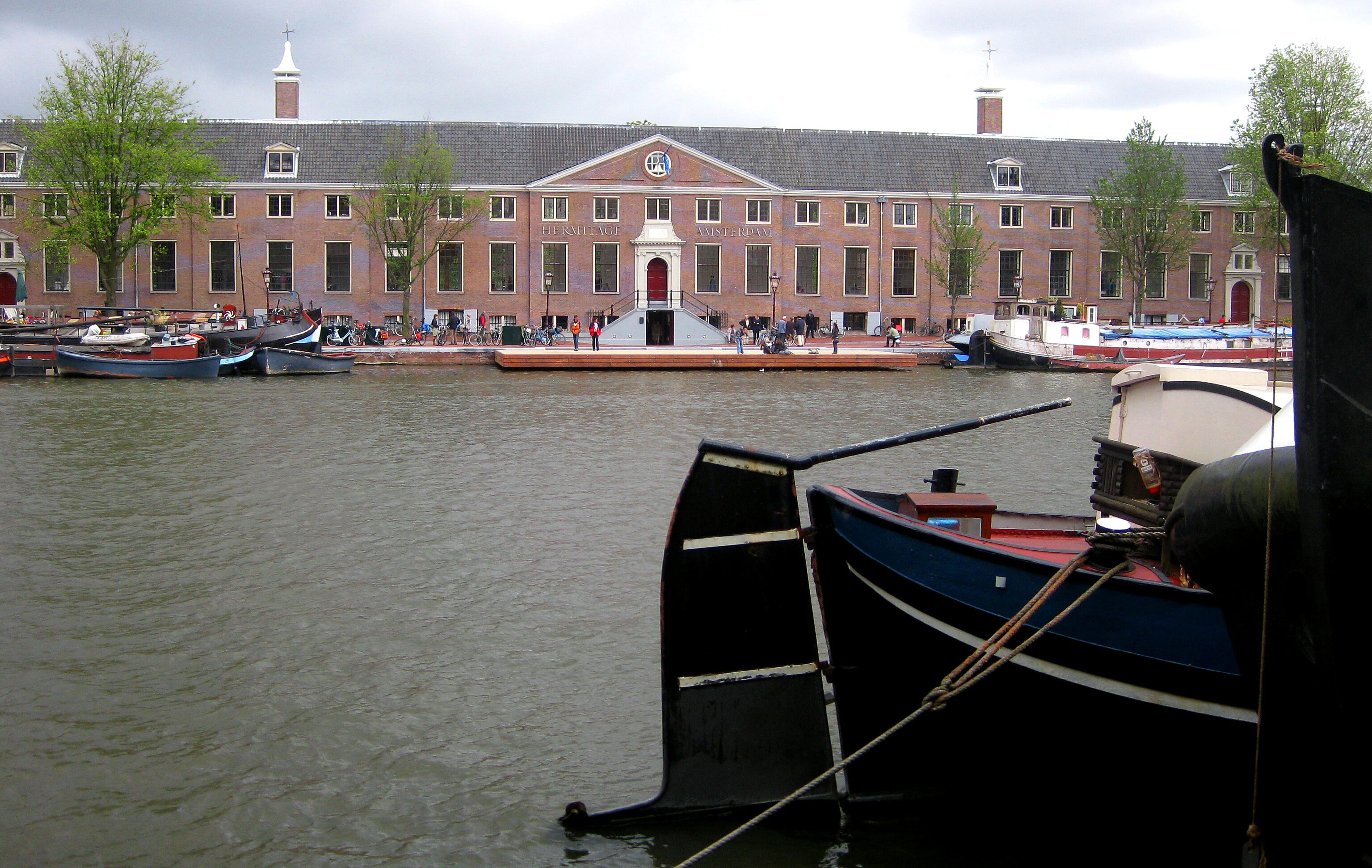
Hermitage Museum of Saint Petersburg: the branch that changed what a satellite museum could be
The Hermitage Amsterdam — housed in the Amstelhof, a former almshouse on the Amstel river — operated for years as a satellite of the Saint Petersburg institution, bringing major exhibitions from the Russian collection to a building that was itself historically significant. The relationship between the two institutions was always an unusual one: a Dutch civic building hosting Russian imperial art, in a city that Peter the Great visited personally in 1697 while studying shipbuilding. That connection — Amsterdam as a place where Peter learned the craft that would build his navy and, eventually, his city — gave the partnership a historical logic that went beyond the merely commercial. The Amsterdam location has since evolved, but the building and its position on the Amstel remain, a reminder that the city's relationship with Russia is older and stranger than recent politics suggest.

The Amstelhof itself, built in the 17th century to house elderly women, is worth examining as architecture before you consider what it contains.
Il consiglio del team Walk along the Amstel side of the building rather than the street side — the view of the river from here is one of the quieter waterfront perspectives in the city, away from the canal-ring crowds.
Part three — Off the obvious path
9 Square · 0.9 km

Dam Square in Amsterdam: the civic space that never quite settled down
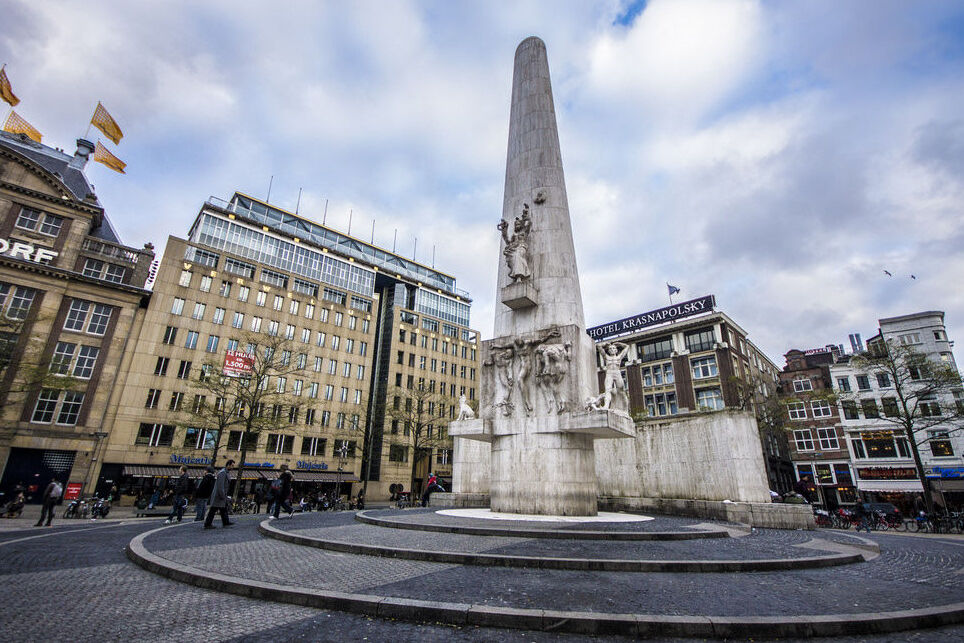
Dam Square in Amsterdam: the civic space that never quite settled down
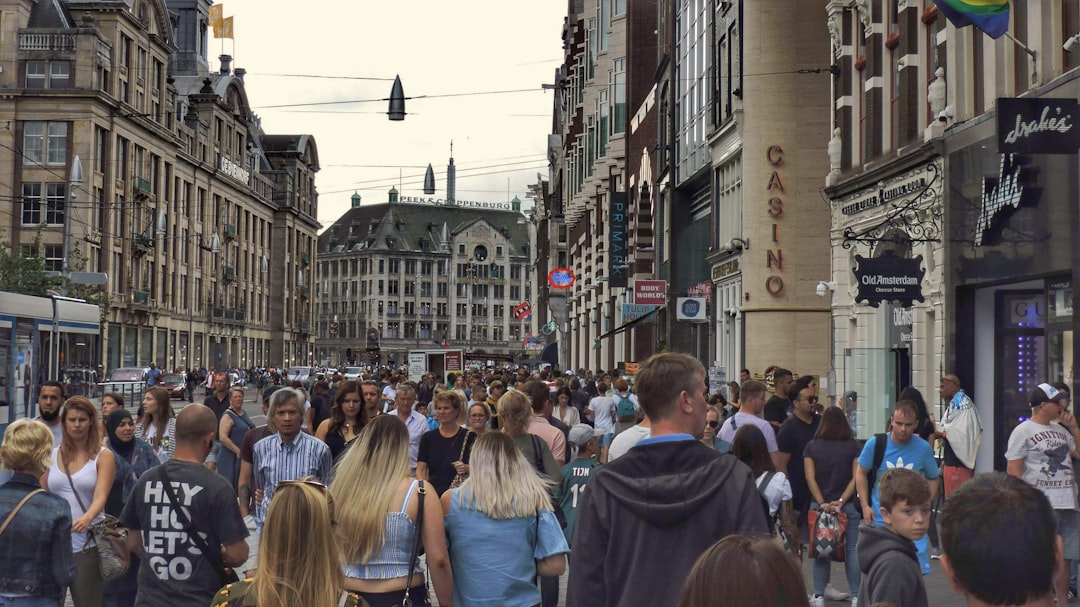
Dam Square is so thoroughly documented — so thoroughly photographed, so thoroughly used as a backdrop — that it has become almost transparent to the people moving through it. But the square repays attention precisely because it is the city's unresolved centre. Created in the 13th century when the Amstel was dammed (hence both the square's name and the city's), it has been a market, an execution ground, a hippie gathering point, a protest space, and a tourist staging area, sometimes simultaneously. The National Monument, erected in 1956 to commemorate the Second World War dead, sits in the middle of all this with a gravity that the surrounding commerce does not entirely diminish. The square in the 1960s became famous for its countercultural gatherings — a reputation that has faded but not entirely disappeared from the city's self-understanding.

The buildings around the square — the Royal Palace, the Nieuwe Kerk, the Bijenkorf department store — represent three centuries of Dutch civic ambition laid out in a rough semicircle.
Il consiglio del team Sit on the steps of the National Monument at dusk rather than midday. The light on the Royal Palace facade changes dramatically, and the square empties enough to let you read it as a space rather than a thoroughfare.
10 UNESCO Heritage · 0.7 km

Unesco: i Canali di Amsterdam: the engineering project that became a way of life
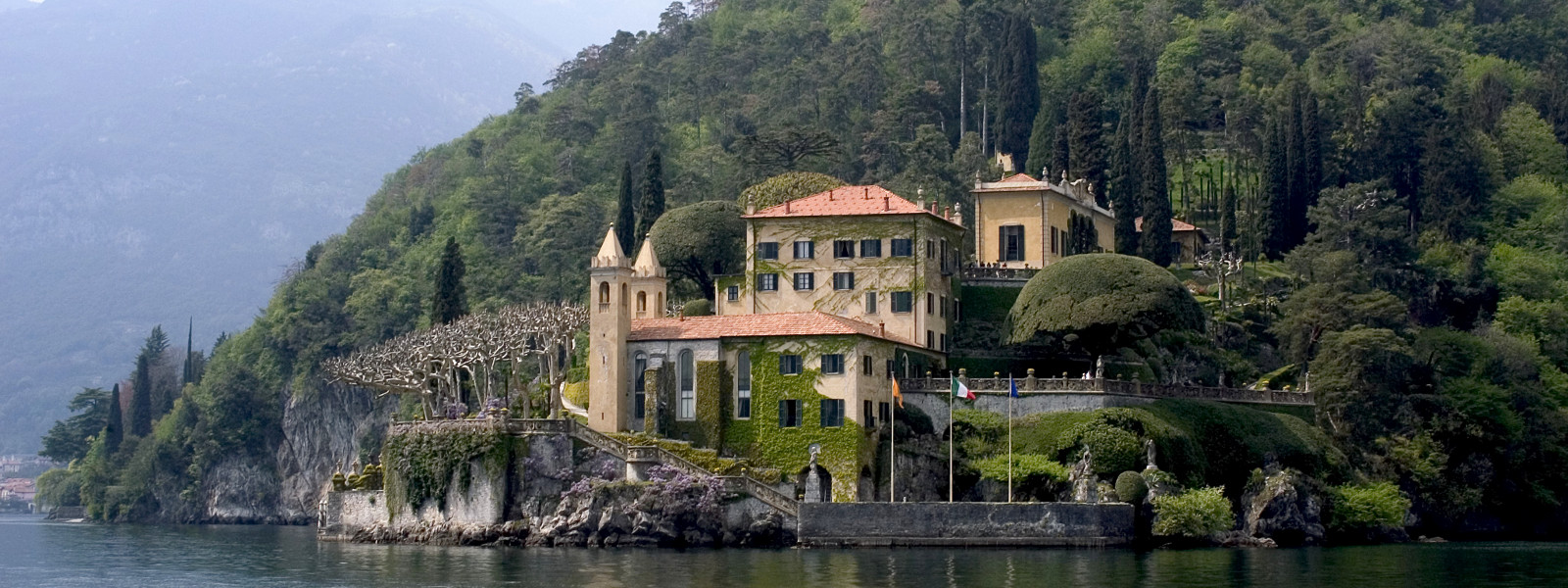
Unesco: i Canali di Amsterdam: the engineering project that became a way of life
The canal ring — the Grachtengordel — received UNESCO World Heritage status in 2010, which was either an overdue recognition or a bureaucratic rubber stamp depending on your view of such things. What the designation cannot fully convey is the scale of the original ambition. The three main canals — Herengracht, Keizersgracht, and Prinsengracht — were planned and dug in the early 17th century as part of a single urban expansion project, one of the first examples of large-scale city planning in European history. The result was not just infrastructure but a real-estate market: the canal-side lots were sold to merchants who built the narrow, deep houses that define Amsterdam's silhouette, each one competing in decorative gable design while adhering to a shared set of proportional rules.

The system is still functional. These are not ornamental canals — they are connected to the IJ and the broader Dutch water management system, and they are still used for transport, drainage, and the occasional houseboat.
Il consiglio del team Rent a small electric boat rather than joining a glass-topped tour vessel. At water level, the proportions of the houses change entirely, and you can navigate into smaller canals that the larger boats cannot reach.
11 Market · 0.8 km

The Amsterdam Flower Market: the floating market that has outlasted every trend
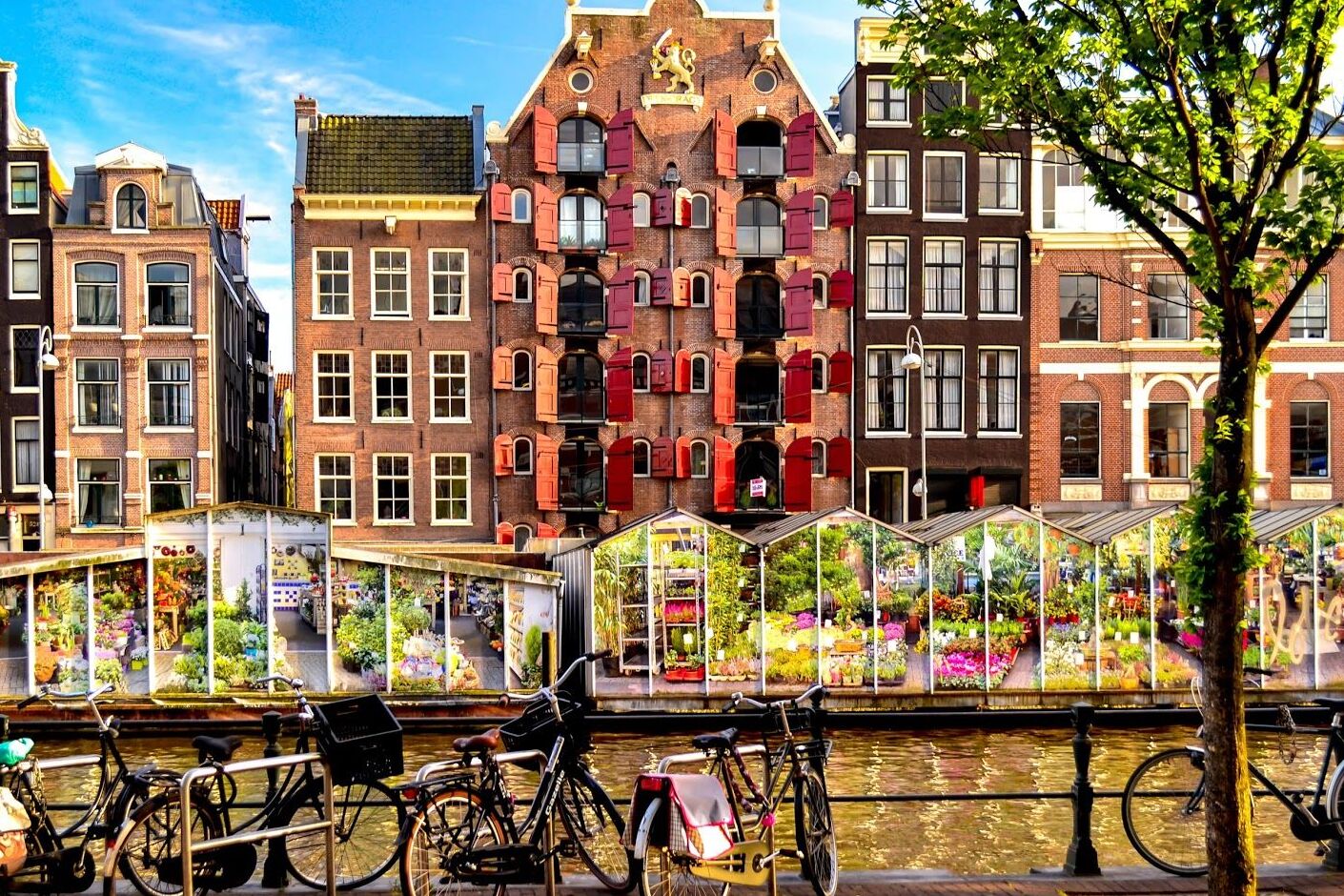
The Amsterdam Flower Market: the floating market that has outlasted every trend
The Bloemenmarkt on the Singel canal has been operating since 1862, which means it predates the Dutch tulip mania mythology by about two centuries and outlasted the 20th century's various attempts to modernise it out of existence. The market is technically floating — the stalls are built on barges moored to the canal bank — though the permanent structures above them have made this somewhat academic. What is not academic is the density of colour and the particular smell of cut flowers mixed with canal water, which is specific to this place and no other. The market sells tulip bulbs, cut flowers, seeds, and an amount of tourist merchandise that you can choose to ignore.

The bulbs, incidentally, are a legitimate purchase. Dutch flower bulbs sold here are properly certified for export and will actually grow in most Northern European gardens, which is more than can be said for many market souvenirs.
Il consiglio del team The market is busiest between 10am and 2pm. Go early or late and focus on the working florists rather than the souvenir stalls — the flower selection at the professional end of the market is considerably more interesting.
12 Park · 0.7 km

Vondelpark è il più grande parco in città di Amsterdam: the park that functions as a civic living room
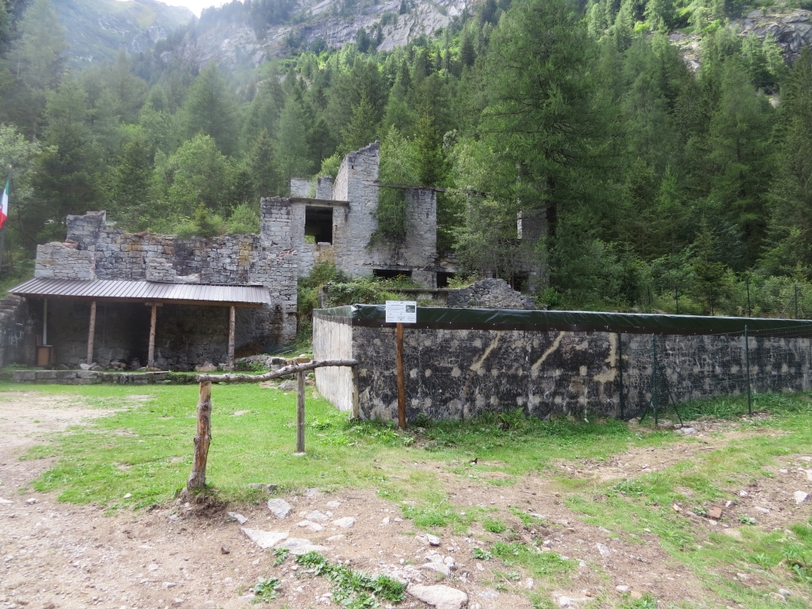
Vondelpark è il più grande parco in città di Amsterdam: the park that functions as a civic living room
Vondelpark was laid out in 1865 in the English landscape style — the deliberately informal, naturalistic design that was fashionable across Europe as a counter to the geometric formality of earlier garden design. It was funded by a group of wealthy Amsterdam citizens and named after the 17th-century playwright Joost van den Vondel, which tells you something about the cultural aspirations of its founders. The park is the largest in the city and functions less as a tourist attraction than as a public utility — on a summer weekend, it fills with the full demographic range of Amsterdam, from families with pushchairs to elderly men playing chess to groups of students occupying every available patch of grass.

The open-air theatre in the park runs free performances in summer, a fact that is well-known to locals and consistently underdiscovered by visitors who have already spent their cultural budget on museum tickets.
Il consiglio del team The park's café, Café Vertigo, is housed in a 19th-century pavilion and is considerably better than its tourist-adjacent location would suggest. It is a working local café, not a tourist trap — the distinction is audible from the conversation at neighbouring tables.
Part four — Around and beyond
14 Travel Tool · 0.0 km

Wanderlog alternatives 2026: le migliori app per Amsterdam: the digital layer that now sits over every city
Wanderlog alternatives 2026: le migliori app per Amsterdam: the digital layer that now sits over every city
There is a growing genre of travel content that addresses the tools of travel rather than the destinations themselves — apps, platforms, digital itinerary builders — and Amsterdam has become a test case for all of it. The city is compact enough that navigation apps feel slightly absurd (you can walk across the canal ring in twenty minutes), but complex enough — with its irregular street pattern, its cycling infrastructure, its mixture of Dutch and English signage — that first-time visitors consistently underestimate it. The distances in Amsterdam are genuinely deceptive: the Rijksmuseum and the Van Gogh Museum are 800 metres apart, but between canals, bridges, and bicycle lanes, that 800 metres can take considerably longer than expected.

The more interesting question the app-versus-analogue debate raises is about what kind of attention you want to pay to a city: the optimised route, or the one that goes wrong in productive ways.
Il consiglio del team Download an offline map before you arrive — Amsterdam's canal ring is notoriously difficult for GPS to navigate accurately, and the difference between Herengracht and Keizersgracht is not always obvious from a moving screen.
15 Travel Planning · 0.0 km

Vacanze Amsterdam low cost: come visitare la città spendendo poco: the city that rewards the slow and the solvent-but-careful
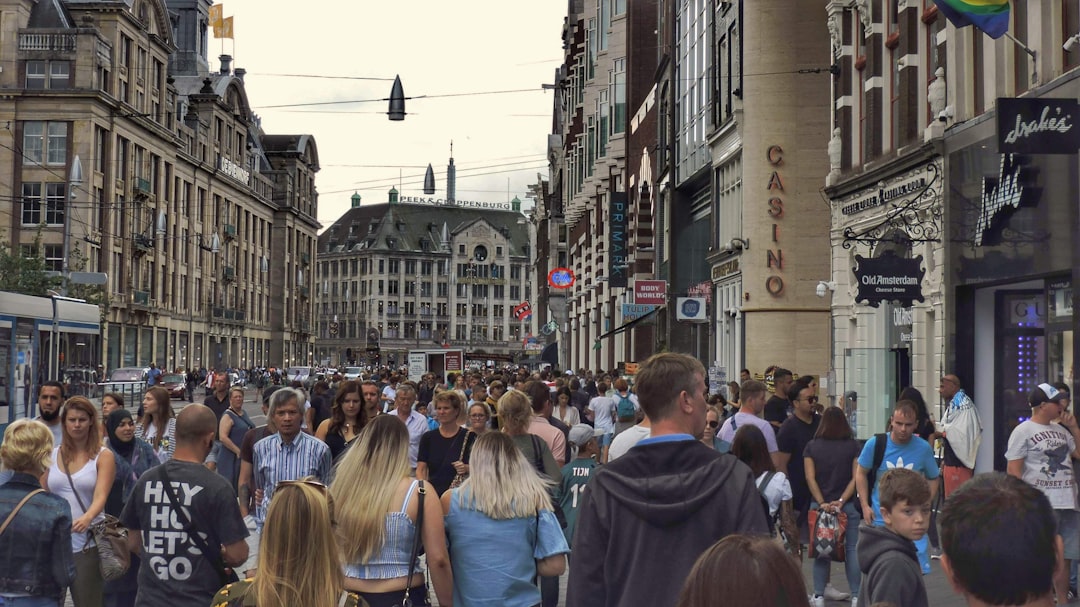
Vacanze Amsterdam low cost: come visitare la città spendendo poco: the city that rewards the slow and the solvent-but-careful
Amsterdam has a reputation for being expensive, which is partially deserved and partially a function of how most visitors choose to experience it. The museum ticket prices are real; the hotel rates in the canal ring are real; the cost of a beer in a tourist-facing café on the Leidseplein is real. But the city also has a parallel economy that is accessible without much effort: the Vondelpark is free, the canal ring is free to walk, the weekly markets are free to browse, and many of the city's best experiences — cycling, sitting by a canal, watching the light change on a gable — cost nothing at all. The I amsterdam City Card offers bundled museum access that can reduce costs significantly for visitors who plan to cover multiple institutions in a short time.

The most cost-effective version of Amsterdam is also, arguably, the most honest one: the city at street level, on foot or by bicycle, without a queue or a ticket barrier between you and it.
Il consiglio del team Buy a 24-hour or 48-hour GVB transit pass on arrival — it covers trams, buses, and the metro, and the tram network reaches most of the city's neighbourhoods that visitors rarely see. The 9 and 14 lines are particularly useful for getting off the tourist circuit.
Amsterdam is a city that has been written about so thoroughly that the writing has become part of the landscape. The canal ring, the Golden Age merchants, the tolerance, the bicycles — these are not myths, but they are stories that have been told so many times they have acquired a kind of smoothness, like a stone in a river. What I keep returning to, after fifteen years of visits, is the texture underneath the smooth surface: the grave slabs in the Oude Kerk, the inventory list that made the Rembrandthuis possible, the founding date of a diamond company in 1945. These details do not make Amsterdam more exotic. They make it more specific, which is a different and more durable kind of interest. The city rewards the visitor who is willing to let the postcard version recede and wait for whatever is actually in front of them to come into focus. It takes longer than a weekend. It is worth the time.
★ Guida tascabile

Porta questa guida con te.

Salvala offline, ottieni le indicazioni a piedi e scopri migliaia di luoghi come questi.

Salva offline Percorsi smart Tesori nascosti
App Store Google Play AppGallery

Tutti i luoghi sulla mappa

Dati cartografici © OpenStreetMap contributors.

Domande dei lettori

Le domande più frequenti su questa guida.

What is the best way to get between the sites listed in this article without using a taxi?

Amsterdam's tram network is the most efficient surface transport option — the GVB lines cover the city centre comprehensively, and a 24-hour or 48-hour pass is cost-effective if you plan to make more than four or five journeys. For the canal ring area, walking is often faster than any vehicle, since the one-way street system and canal crossings add significant time to short journeys. Bicycle rental is widely available and is the fastest option for distances between one and five kilometres.

Are the museums in Amsterdam worth booking in advance, or can you usually walk in?

For the major institutions — the Rijksmuseum, the Van Gogh Museum, the Anne Frank House — advance booking is effectively mandatory, particularly between April and October. For smaller museums like the Rembrandthuis and the Basilica of Saint Nicholas, walk-in entry is usually possible, though the Rembrandthuis can sell out on peak summer days. The Royal Palace on Dam Square is worth booking online to avoid the queue, even though the building's profile on Dam Square makes it look as though it should be perpetually open.

Is Amsterdam genuinely navigable on foot, or do you need a bicycle?

The city centre — roughly the area enclosed by the canal ring — is entirely walkable, and many visitors find that walking is the most revealing way to experience it. The distances are deceptive in both directions: some things that look close on a map are separated by canal crossings that add significant walking time, while some things that look far are actually a fifteen-minute walk. A bicycle is useful if you want to explore neighbourhoods beyond the canal ring, such as the Jordaan, De Pijp, or the eastern docklands, but it is not necessary for the sites covered in this article.

What time of year is Amsterdam least crowded, and does it affect what you can see?

January and February are the quietest months in terms of tourist volume, and the city is genuinely different in winter — the canal light is lower and more dramatic, the queues at major museums are shorter, and the cafés are functioning as local spaces rather than tourist overflow. The downside is that some outdoor markets and the open-air theatre in Vondelpark operate on reduced or suspended schedules. November and early March offer a reasonable compromise: fewer crowds than the spring tulip season, but milder weather than midwinter.

Is the I amsterdam City Card worth buying, and where can you get it?

The I amsterdam City Card provides free or discounted entry to a significant number of Amsterdam's museums and attractions, plus unlimited use of the GVB public transport network. Whether it represents value depends entirely on your itinerary — if you plan to visit four or more major museums in 48 hours, the mathematics usually work in your favour. It is available at the Amsterdam Visitor Centre near Centraal Station, at Schiphol Airport, and online in advance. Check the current list of included attractions before purchasing, as the participating institutions change periodically.

★ Leggila quando vuoi

Salvala sul tuo telefono.

Aggiungi questa guida ai preferiti, pianifica il viaggio offline, scopri luoghi come questi.

Preferiti Offline 60+ lingue
App Store Google Play AppGallery