10 Best Day Trips from Venice — by train, car, and boat
Where to go, how to get there, and what actually matters when you arrive
L
Una guida di
Lena Hofmann
Aggiornata il
22 ottobre 2026
Lettura
12 minuti
Comprende
10 luoghi · mappa interattiva
★ Guida d'Italia 2026
Pianifica con cura. Viaggia più a fondo.
1.3M+ luoghi curati nel mondo, mappe offline e itinerari intelligenti — tutto in un'app gratuita.
1.3M+ luoghiMappe offlineItinerari AIGratis
Venice has a way of making you feel like leaving it is a mistake. The light off the lagoon at seven in the morning, the particular silence of a calle before the crowds arrive — you start to think, why would anyone go anywhere else? But here's the honest truth after years of doing this route: Venice is also expensive, occasionally claustrophobic, and structurally unable to give you the kind of afternoon where you sit at a café table for two hours without someone rolling a suitcase over your foot. That's when a day trip stops being a tourist impulse and starts being a genuine act of sanity.
A good day trip from Venice earns its travel time. It gives you something the city itself cannot: space, silence, a different century's logic. It should be reachable without a car if you don't have one, rewarding enough to justify the round trip, and honest about what it actually is — not everything within 50 kilometres of Venice deserves your limited hours.
The destinations in this piece are all clustered around Padova, which sits roughly 35 kilometres west of Venice and is, frankly, one of the most underestimated cities in northern Italy. It has a medieval university, Giotto's greatest work, a café that was once the most famous in the country, and a Roman arena that most visitors walk past without realising what it is. The train from Venice Santa Lucia to Padova takes about 25 minutes on a fast regional service. That's less time than it takes to walk from the Rialto to the Accademia. You have no excuse.
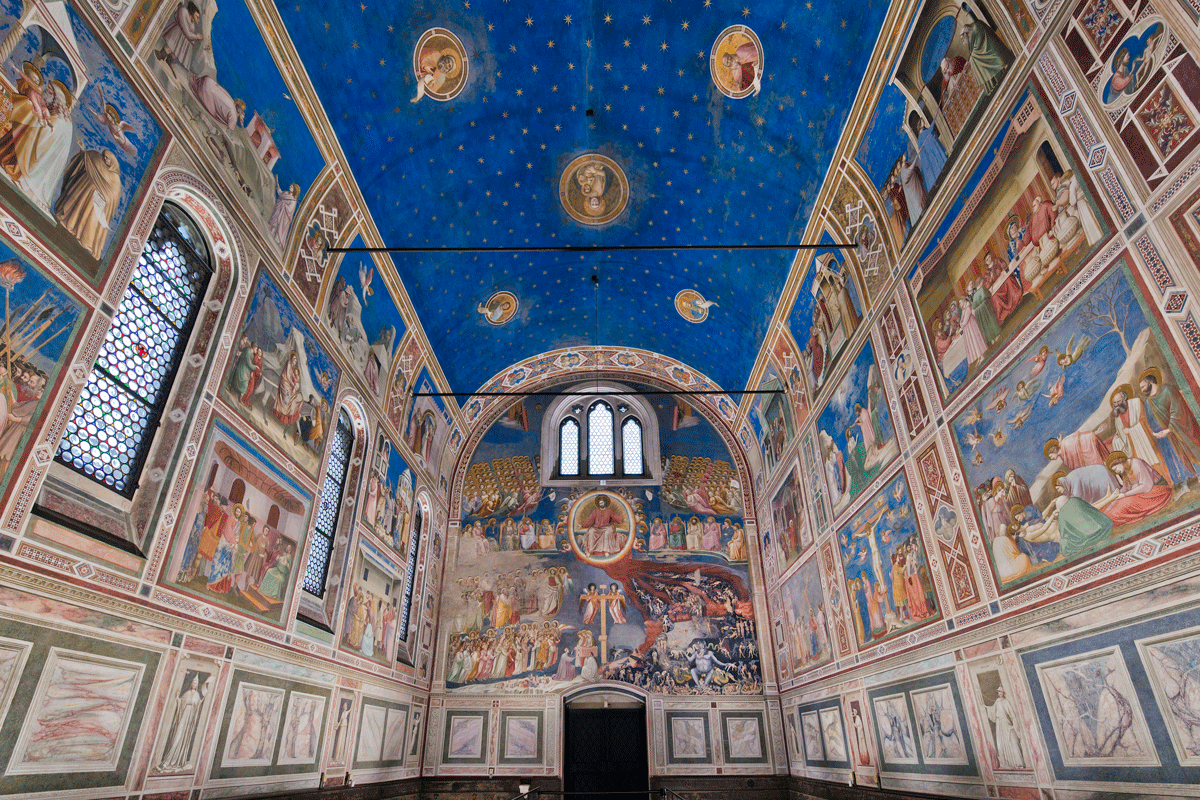
The train from Venice Santa Lucia to Padova runs frequently — roughly every 20 to 30 minutes on regional services, and every hour on faster Frecciabianca trains — and the journey takes between 25 and 45 minutes depending on the service. From Padova station, the Scrovegni Chapel is a 15-minute walk or a short tram ride. This is the reason you come to Padova. Enrico Scrovegni commissioned Giotto to fresco the interior of this small chapel in the early 14th century, and what resulted is considered one of the foundational moments in Western painting — the point where flat Byzantine symbolism gave way to human emotion and spatial depth. The cycle covers the lives of the Virgin and Christ across 37 scenes. On arrival: book your timed entry slot weeks in advance (capacity is strictly limited to around 25 people per 15-minute session); stand in the acclimatisation room before entry and use every second of your allotted time; walk the perimeter slowly before standing at the centre; and look at the Last Judgment on the entrance wall last, not first.
Il consiglio del team
Booking is non-negotiable. Walk-up tickets are essentially a myth in high season. The Musei Civici degli Eremitani ticket includes the chapel and the adjacent museum — buy the combined ticket online. Morning slots before 10am have the calmest light.
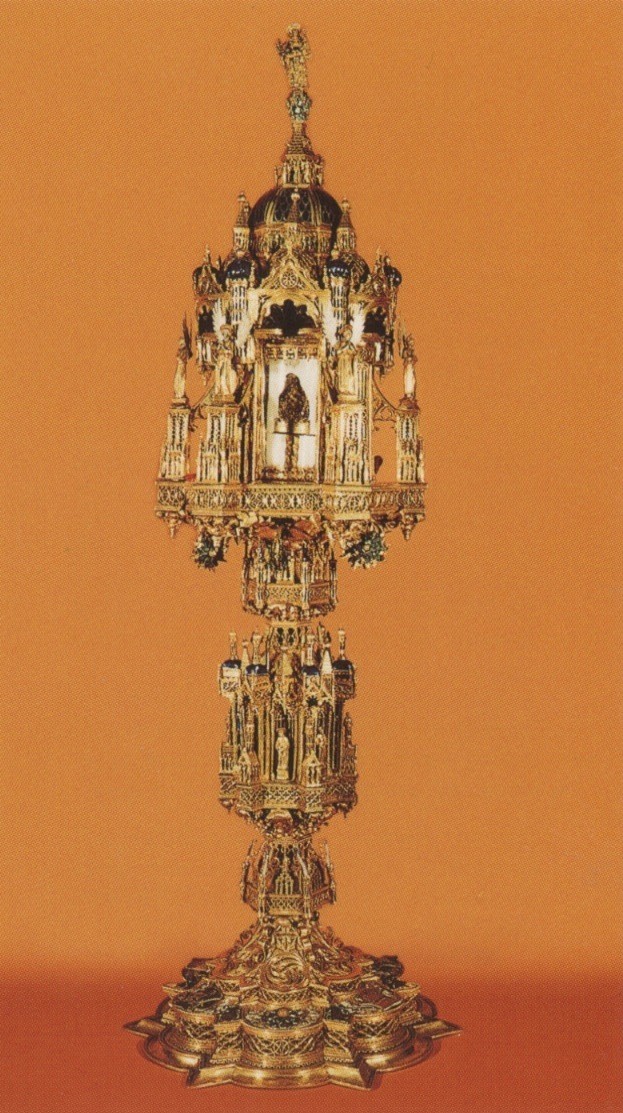
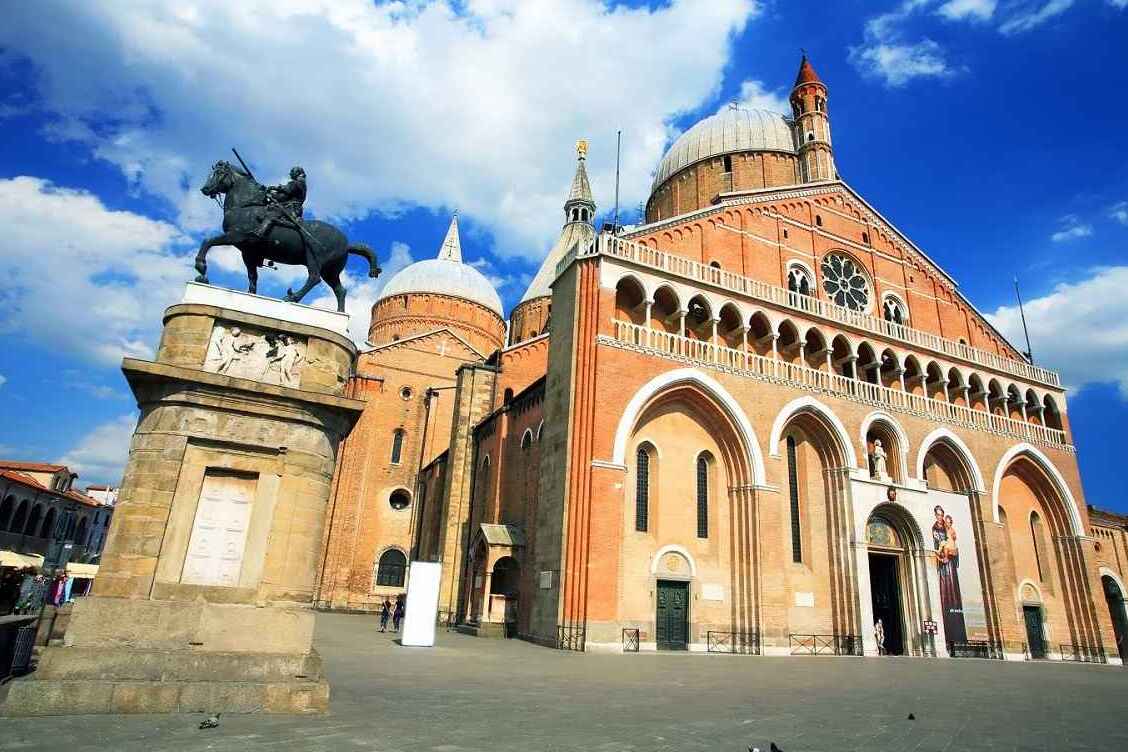
From the Scrovegni Chapel, it's a 20-minute walk south to the Basilica of Sant'Antonio — one of the great pilgrimage churches of Catholic Europe, with its cluster of Byzantine domes visible from half the city. Inside, among the reliquaries in the Chapel of the Relics, is the preserved tongue of Saint Anthony of Padua, removed when his body was exhumed 30 years after his death in 1231. The tongue showed no decomposition. Whether you approach this as a believer, a sceptic, or simply someone interested in the history of the body and the sacred, it is an object that produces a genuine reaction. On arrival: enter through the main portal and let your eyes adjust to the scale; visit Donatello's bronze reliefs on the high altar; find the Chapel of the Relics in the left transept; and spend time in the cloisters, which are quieter than the nave and give you the building's proportions properly.
Il consiglio del team
The basilica is free to enter but gets extremely crowded between 11am and 2pm, particularly on Fridays and Sundays. Arrive before 9:30am or after 3pm. Photography is restricted near the relics — don't argue with the volunteers about this.
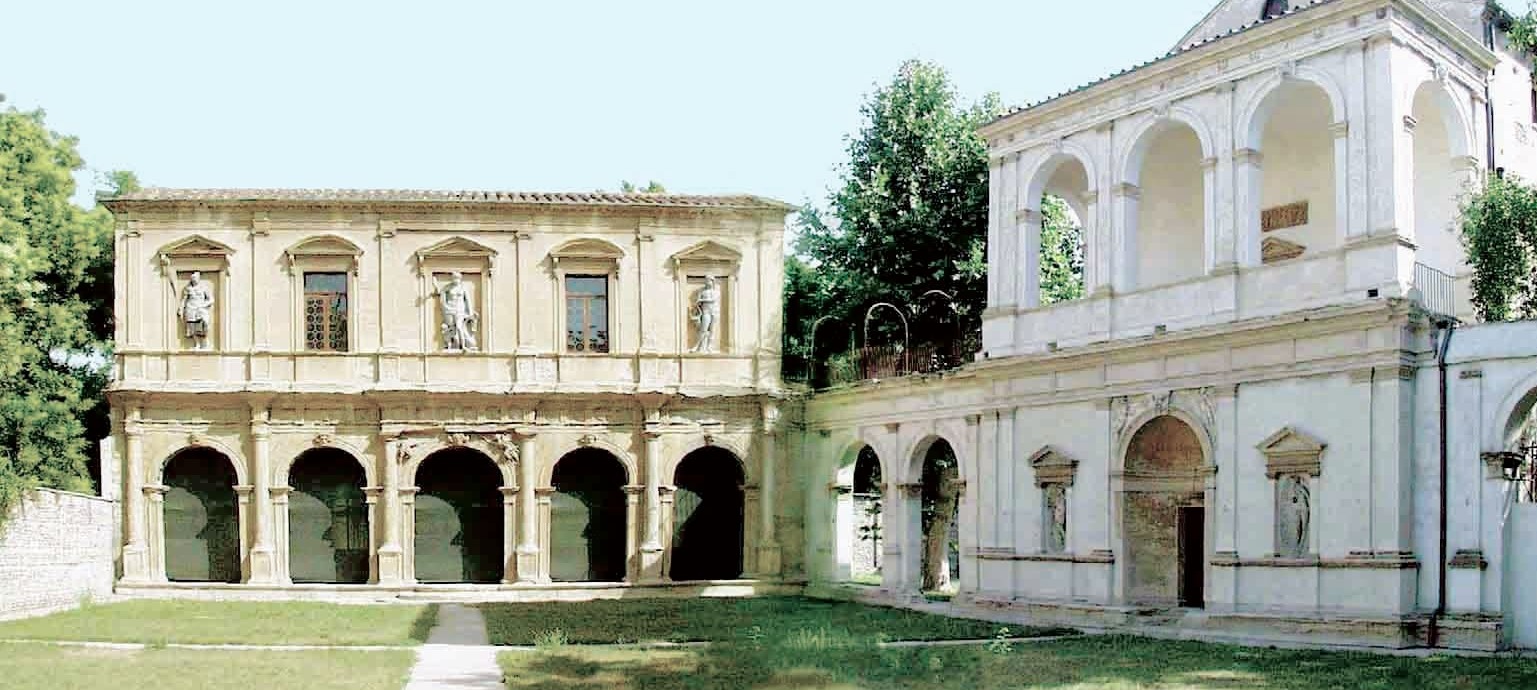
This one requires effort to find, which is partly why it's worth finding. Hidden behind a doorway on Via Cesarotti, a short walk from the Basilica, the Loggia and Odeo Cornaro are two Renaissance structures built for Alvise Cornaro, a 16th-century Venetian nobleman who settled in Padova and became an unlikely patron of humanist culture. The Loggia was designed as a theatrical stage; the Odeo, a small octagonal building, was used for music and intimate performances. The architect was Giovanni Maria Falconetto, and the ensemble represents some of the earliest Renaissance architecture in the Veneto. On arrival: check opening hours before you go, as the gate is frequently closed and access is limited; if open, walk the full perimeter of the courtyard; examine the Odeo's exterior decorative programme carefully; and note the contrast between this private world and the public monumentality of the basilica you've just left.
Il consiglio del team
Opening hours are genuinely irregular. The Comune di Padova manages access and the schedule changes seasonally. Your best chance is a Tuesday or Thursday morning visit. If the gate is shut, the courtyard is sometimes partially visible through the arch — still worth the detour.
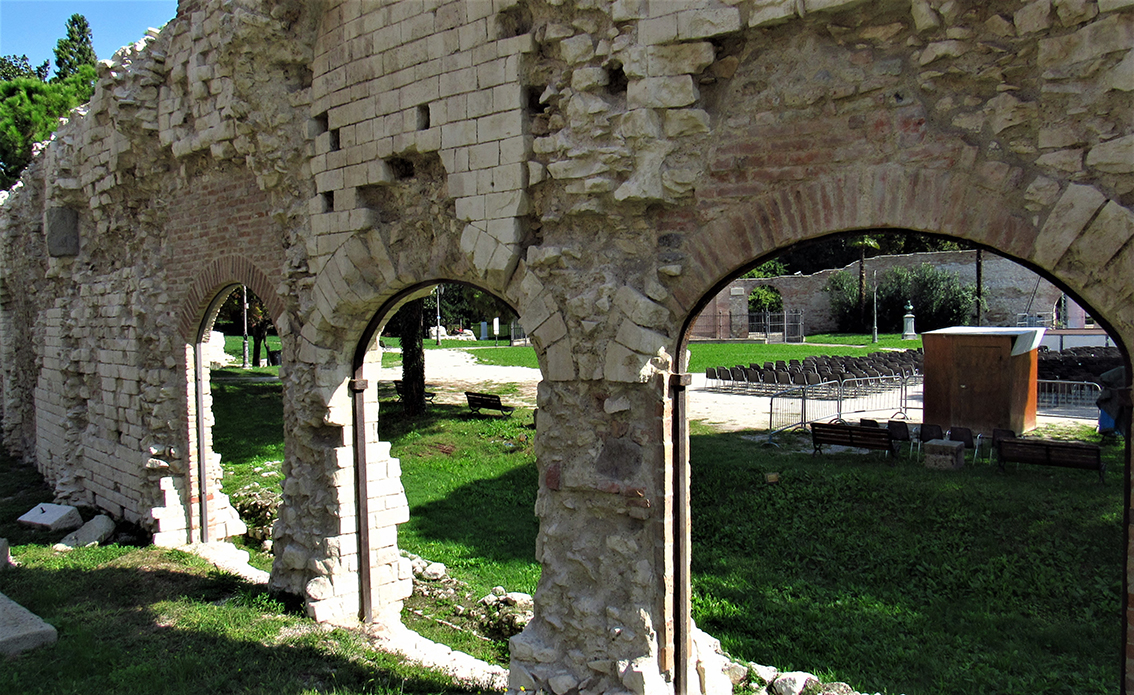
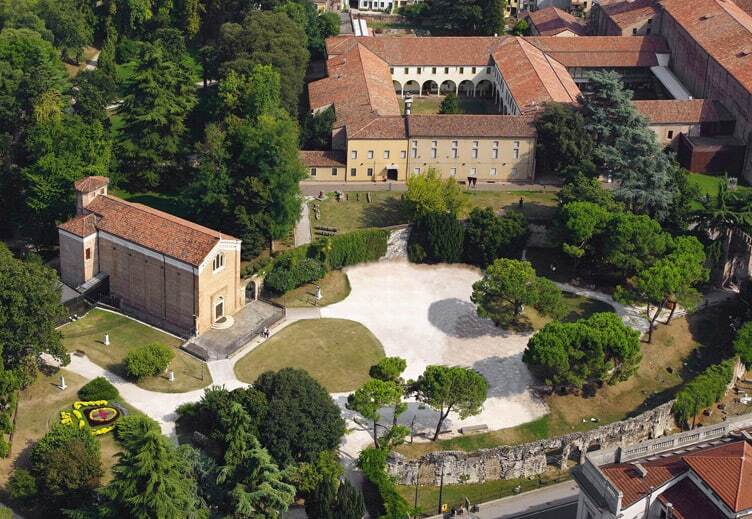
Padova — ancient Patavium — was one of the wealthiest cities in the Roman Empire, and the evidence is still there if you know where to look. The remains of the Roman theatre sit adjacent to the Giardini dell'Arena, encircled by an elliptical brick wall that most visitors mistake for a medieval remnant. The structure dates to the 1st century AD and was a substantial entertainment venue — the sand spread on its floor gave rise to the Italian word 'arena.' What survives is fragmentary but legible: you can trace the curve of the seating banks, understand the orientation of the stage, and feel the scale of what Roman civic life required. On arrival: walk the full exterior ellipse before entering; cross into the adjacent Giardini dell'Arena to see the relationship between the theatre and Giotto's chapel; read the informational panels, which are more useful than they look; and look for the embedded Roman stonework in the surrounding walls.
Il consiglio del team
The site is not heavily signposted from the main tourist routes. Approach from Corso Garibaldi rather than from the chapel side — you'll see the elliptical wall clearly and understand the layout immediately. Entry is free or low-cost; verify current access on the Padova Musei website.
Every Italian city has a piazza that functions as its civic and emotional centre. In Padova, it's the Piazza del Santo — the broad, slightly irregular square in front of the Basilica of Sant'Antonio — rather than the more famous Piazza delle Erbe. The square enjoys a partial status of extraterritoriality, a historical legal quirk tied to the basilica's ecclesiastical standing. It contains Donatello's equestrian statue of Gattamelata (1453), one of the first large-scale bronze equestrian statues cast since antiquity, and is flanked by the Oratorio di San Giorgio, the Scuola del Santo, and the Museo Civico Antoniano. On arrival: stand in front of Gattamelata and consider what it meant to cast this in 1453; visit the Oratorio di San Giorgio for its Altichiero frescoes; walk the full perimeter of the square at a slow pace; and sit on the steps of the basilica in the late afternoon when the light changes.
Il consiglio del team
The Oratorio di San Giorgio and the Scuola del Santo charge a small admission fee and are often skipped. Don't skip them. The Altichiero frescoes in the Oratorio predate Pisanello and are remarkable. Combined, they take about 45 minutes and are never crowded.
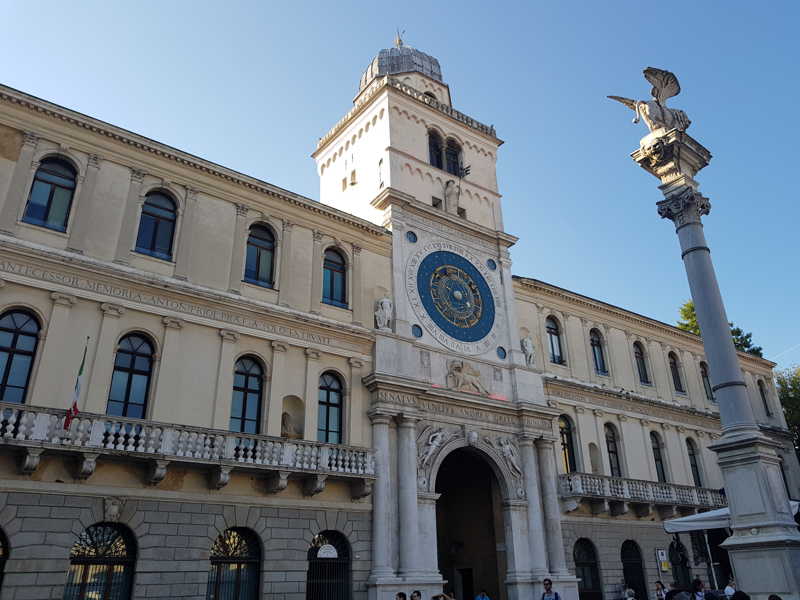
On the far side of the Piazza dei Signori — Padova's other great public square, distinct from the Piazza del Santo — stands the Palazzo del Capitano, and on its tower is what is claimed to be one of the first astronomical clocks made in Italy. The Orologio Astrario was originally built in the 14th century by Jacopo de' Dondi, though the current mechanism is a later reconstruction. It displays not just the time but the positions of the sun and moon, the signs of the zodiac, and a calendar of saints' days. It is a medieval attempt to map the entire cosmos onto a clock face, and it is genuinely extraordinary as an object of intellectual history. On arrival: stand directly beneath it and spend at least ten minutes reading the face; walk into the Piazza dei Signori itself, which is less visited than the Piazza delle Erbe next door; find the Loggia della Gran Guardia on the opposite side; and return at the hour to watch the mechanism.
Il consiglio del team
The Piazza dei Signori is quieter than the Piazza delle Erbe at almost all hours. If you want to photograph the clock without other tourists in frame, arrive before 8:30am. The tower interior is not always accessible to visitors — check current status with the local tourist office.
The Giardini dell'Arena occupy the space between Corso Garibaldi and Via Porciglia, running along the edge of the old Roman theatre site and directly adjacent to the Scrovegni Chapel. As public parks go, this one is unusually loaded with historical context — you are walking on and around the footprint of a Roman entertainment district in a garden laid out in the 19th century. It functions today as a genuine neighbourhood park: locals use it for lunch breaks, children play in it, and it provides the kind of unhurried urban greenery that Venice, with its canals and calli, structurally cannot offer. On arrival: enter from Corso Garibaldi and walk the full length; note the relationship between the park's layout and the Roman theatre's elliptical wall; find the benches facing the chapel's exterior wall for a quiet moment; and observe how Padovans actually use the space — this is a working city, not a museum.
Il consiglio del team
The park is the best place to eat lunch if you've brought food from the market in Piazza delle Erbe. It gets busy with office workers between 12:30 and 1:30pm on weekdays — arrive slightly before or after. It's also the calmest approach to the Scrovegni Chapel if you have a late-morning booking.
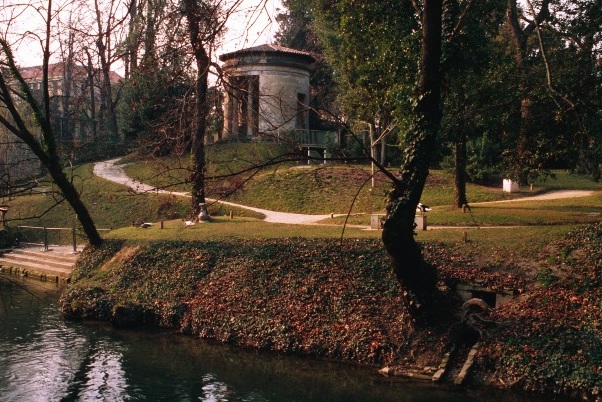
Giuseppe Jappelli was the architect behind some of the most significant landscape and architectural projects in the Veneto in the early 19th century — the Caffè Pedrocchi among them — and the Parco Treves de' Bonfili, built between 1829 and the 1830s, is his contribution to Padova's green infrastructure. It was the first park specifically designed for the city, commissioned by the Treves de' Bonfili family, and it follows the English romantic landscape tradition: irregular paths, carefully placed specimen trees, water features, and a sense of controlled wildness. It is not central — it sits in a residential area of Padova — which means it is almost entirely free of tourists. On arrival: enter and walk without a map for the first ten minutes; identify the major tree specimens, several of which are over 150 years old; find the water feature at the park's lower level; and allow yourself to simply be in a city that is not performing for visitors.
Il consiglio del team
Getting here from the train station takes about 25 minutes on foot or 10 minutes by bus. Check the bus lines from Piazzale Stazione before you go — lines change seasonally. The park is free to enter. Opening hours vary by season; the Comune di Padova website has current times.
This entry is less a destination than a practical framework — a way of thinking about Padova as a full-day itinerary rather than a collection of individual stops. The city is compact enough to walk almost entirely, but its attractions cluster in two main zones: the northern area around the Scrovegni Chapel and the Roman theatre, and the southern zone around the Piazza del Santo and the basilica. The Piazza delle Erbe and Piazza dei Signori sit between them and make a natural midday pivot. A well-sequenced day might run: Scrovegni Chapel at 9am (pre-booked), Roman theatre and Arena gardens by 10:30am, Piazza delle Erbe for a coffee by 11am, Orologio Astrario at 11:30am, lunch in the market area, Piazza del Santo and basilica from 2pm, Loggia Cornaro at 4pm if open, and Caffè Pedrocchi before the train back. On arrival: pick up a printed map at the tourist office near the station; load the tram app for backup; note which sites require advance booking; and build in 20 minutes of margin at either end.
Il consiglio del team
The tram line (SIR) runs from the train station toward the Basilica and is useful if your legs give out or if you're running late for a booking. A single tram ticket is valid for 75 minutes. Validate it immediately on boarding — inspectors do check.
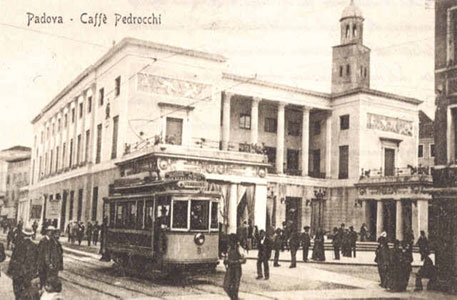
By the mid-19th century, Caffè Pedrocchi was considered one of the most famous cafés in Italy and, by some accounts, the most architecturally significant. Designed by Giuseppe Jappelli — the same architect behind the Parco Treves de' Bonfili — and built in phases between the 1820s and 1840s, it occupies a corner near the university in a neoclassical building that still commands its piazzetta with authority. It was known as the 'café without doors' because it reportedly stayed open continuously, and it became a centre of political and intellectual life in the Risorgimento period. The upper floor contains themed rooms — Egyptian, Greek, Gothic, Renaissance — that function today as a small museum. On arrival: order a coffee at the ground-floor bar and drink it standing, as locals do; take the stairs to the upper-floor Museo del Risorgimento e dell'Età Contemporanea; walk through each of the themed rooms; and sit for a few minutes in the Sala Verde, the original green room that gave the café its alternative name.
Il consiglio del team
Sitting at a table costs significantly more than standing at the bar — this is standard Italian café practice, but the price difference here is notable. If you want the full experience of the upper rooms, the museum admission is separate and modest. Go on a weekday afternoon when the university crowd has thinned.
Every one of these destinations is in or immediately around Padova, which tells you something useful: the best day trip from Venice is not always the one that goes furthest. Padova sits 25 minutes away by fast train, costs almost nothing to reach, and contains more serious things to look at — Giotto, Donatello, a Roman theatre, a Renaissance courtyard, an astronomical clock, a café that shaped Italian intellectual life — than most cities twice its size. The mistake most Venice visitors make is treating it as a single stop on the way to somewhere else. It isn't. It's a full day, possibly two, and it rewards the kind of attention that Venice's crowds make genuinely difficult to sustain. Go early. Book the chapel. Drink the coffee standing. Come back before dark, because the train ride across the lagoon as the light drops is its own reward — and you'll have earned it.
★ Guida tascabile
Porta questa guida con te.
Salvala offline, ottieni le indicazioni a piedi e scopri migliaia di luoghi come questi.
What is the best time of year to do a day trip from Venice to Padova?
April, May, September, and October are the most practical months. Summer (June–August) brings significant heat and crowds, particularly around the Basilica and the Scrovegni Chapel, and Scrovegni tickets in July and August can be fully booked weeks in advance. Winter visits are quieter and often cheaper, but some gardens and outdoor sites have reduced hours. Spring and autumn give you manageable crowds, good light, and the best chance of securing last-minute bookings.
Do I need a rail pass to travel from Venice to Padova, and is it worth getting one?
No rail pass is necessary or particularly cost-effective for this route. A single regional train ticket from Venezia Santa Lucia to Padova costs a few euros and can be bought at the station, at ticket machines, or through the Trenitalia or Italo apps. If you're making multiple train trips during your stay in Venice — to Padova, Verona, or elsewhere — a point-to-point ticket strategy is almost always cheaper than a pass for short distances within the Veneto. Passes make more sense for longer multi-country itineraries.
Is it worth driving to Padova from Venice rather than taking the train?
Rarely. Driving from Venice to Padova is straightforward on the A4 motorway, but parking in central Padova is limited and paid. The historic centre has restricted traffic zones (ZTL) that will generate automatic fines if you enter without a permit. The train is faster door-to-door for most visitors, drops you 15 minutes' walk from the main sights, and removes all parking anxiety. A car becomes useful only if you're combining Padova with a rural site or a destination not served by rail — none of which apply to the destinations in this article.
How far in advance do I need to book the Scrovegni Chapel?
In high season (April through October), book at least two to three weeks in advance, and longer if you're visiting in July or August or during Italian public holidays. The chapel limits entry to approximately 25 people per 15-minute slot, and popular morning slots fill quickly. Booking is done through the Padova Musei system online. If you arrive without a booking, there is a standby system, but it is unreliable and not worth building your day around. The combined ticket with the Musei Civici degli Eremitani is the standard option.
Can I realistically see everything in this article in a single day?
Not comfortably. The Scrovegni Chapel, the Roman theatre, the Piazza del Santo and basilica, the Orologio Astrario, and Caffè Pedrocchi form a coherent full-day itinerary for a focused visitor. The Parco Treves de' Bonfili and the Loggia Cornaro are best added on a second visit or if you're specifically interested in Jappelli's work. The Arena gardens work as connective tissue between sites rather than a standalone stop. Prioritise the Scrovegni Chapel above everything else — if you only have four hours, that and the Piazza del Santo are your non-negotiables.
★ Leggila quando vuoi
Salvala sul tuo telefono.
Aggiungi questa guida ai preferiti, pianifica il viaggio offline, scopri luoghi come questi.