10 Best Day Trips from Prague — by train, car, and boat
A working guide to getting out of the city, written by someone who has done it too many times to count
L
Una guida di
Lena Hofmann
Aggiornata il
22 ottobre 2026
Lettura
12 minuti
Comprende
10 luoghi · mappa interattiva
★ Guida d'Italia 2026
Pianifica con cura. Viaggia più a fondo.
1.3M+ luoghi curati nel mondo, mappe offline e itinerari intelligenti — tutto in un'app gratuita.
1.3M+ luoghiMappe offlineItinerari AIGratis
Prague is a city that rewards patience, but it also punishes it. By mid-morning on any summer day, the Charles Bridge is a slow-moving queue, Old Town Square has been colonised by selfie sticks, and the narrow lanes of Malá Strana smell faintly of bus exhaust and overpriced trdelník. If you have more than two days in Bohemia, and especially if you have three or four, leaving the city for a full day is not a luxury — it is a form of self-preservation.
A good day trip has a few non-negotiable qualities. First, it has to be reachable without a full travel day. Anything over two hours each way starts to feel punishing, and you spend the afternoon watching the clock instead of the landscape. Second, it has to offer something the city itself cannot — a different scale, a different silence, a different relationship with history. Third, it has to be honest about crowds. Half the destinations within 90 minutes of Prague are on the same tour-bus circuit, and arriving at 10am means arriving with 400 other people who had the same idea.
I have made every trip in this list by multiple means of transport. I have taken the slow regional train and the fast intercity express. I have driven on a Tuesday in November and on a Saturday in July. I have taken a river boat when the mood was right and the timetable cooperated. What follows is not a brochure. It is a field report — what works, what does not, and when to leave.
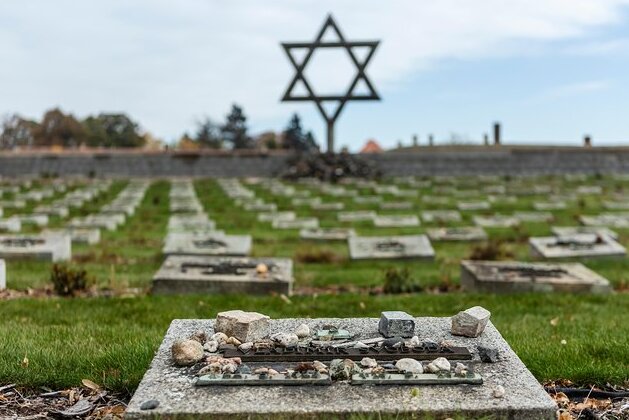
Terezín sits about 60 kilometres north of Prague, and the train journey — changing at Lovosice or taking a direct bus from Florenc — takes roughly an hour to an hour and a quarter depending on connections. It is not a comfortable trip, and it is not meant to be. What you find on arrival is a town that looks, from a distance, almost ordinary: a grid of yellow-ochre barracks buildings, a church, a central square. The horror is in the detail and in the numbers. During the Second World War, the Nazis used Terezín as a transit ghetto and GESTAPO prison; 140,000 people passed through it, and the majority were eventually deported to extermination camps further east. The Small Fortress, the Ghetto Museum, and the Magdeburg Barracks each tell a different layer of the same story. Allow a full day. Do not rush it. The walk between the two main sites takes about 15 minutes along a road flanked by fields, and that walk itself — the space and the quiet — is part of the experience.
Il consiglio del team
Take the earliest bus from Florenc (departs around 8am). Tour groups from Prague tend to arrive by 10:30am. Being there before them means you will have the Magdeburg Barracks almost to yourself, which is the right way to experience the children's drawings on display there.
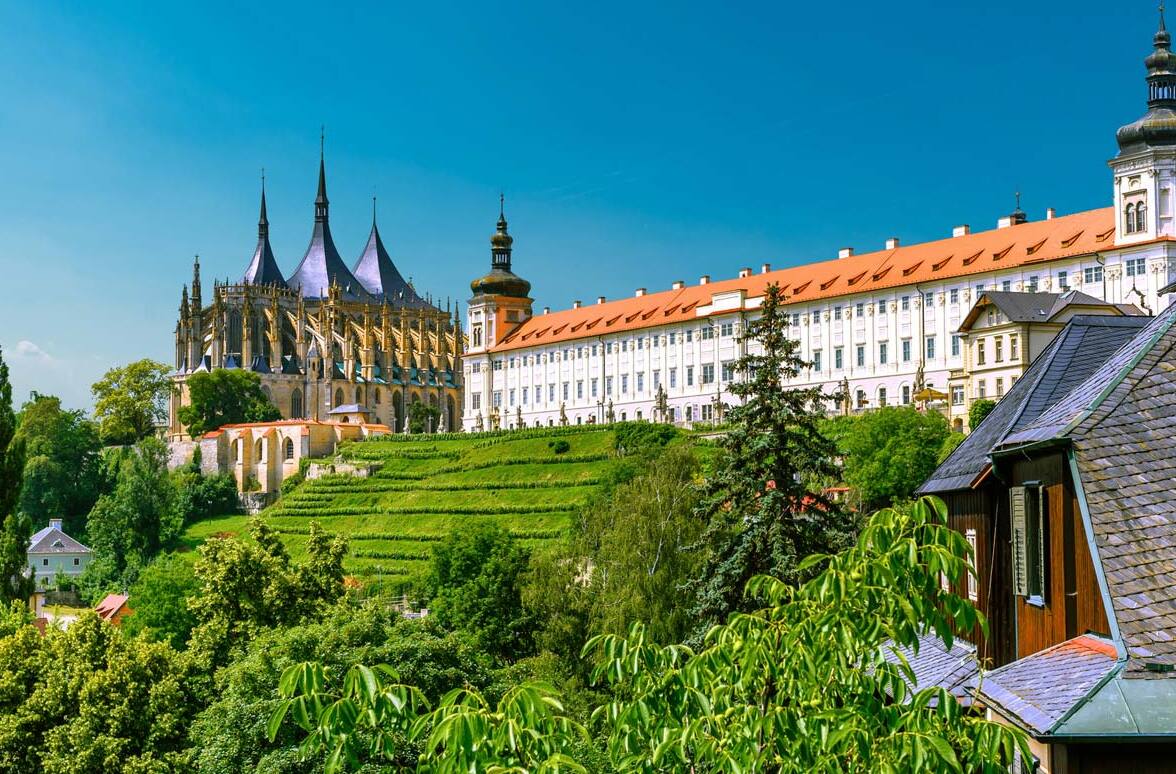
Kutná Hora is the most popular day trip from Prague for a reason, and that reason has nothing to do with marketing. The town, roughly 60 kilometres southeast of the capital, was once the second most important city in Bohemia — its silver mines funded the Bohemian crown for centuries, and the Cathedral of Saint Barbara, built by the miners themselves, is one of the great Gothic buildings in Central Europe. Direct trains from Prague's Hlavní nádraží run regularly and take about 55 minutes to an hour. On arrival, the Sedlec Ossuary — officially listed separately in this guide — is a short walk or a quick local bus ride from the main station. The town centre, with its Italian Court (the former royal mint), the cathedral, and the steep lanes dropping toward the valley, is compact enough to cover on foot in three to four hours. The combination of genuine medieval urban fabric and the slightly surreal ossuary makes this the single most complete day trip in the Czech Republic.
Il consiglio del team
Arrive on the first train (before 9am) and go directly to the ossuary at Sedlec before the tour groups from Prague show up. Then walk or take the local bus into the town centre. Most visitors do it the other way around and spend the ossuary experience shoulder-to-shoulder with strangers.
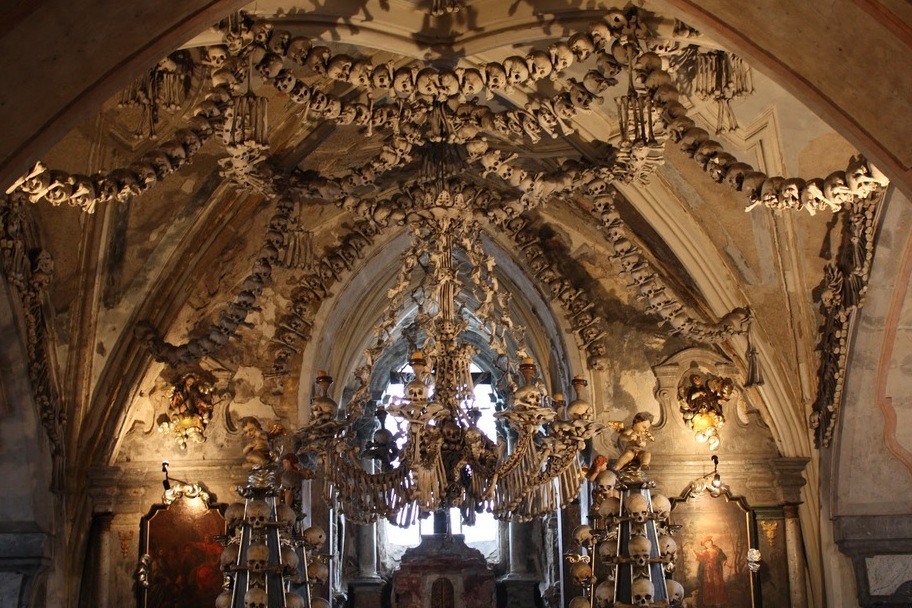
The Sedlec Ossuary is technically a suburb of Kutná Hora, and most visitors pair it with the main town — as they should. But it deserves its own entry because it is, in itself, one of the most singular spaces in Europe. The medieval Gothic chapel has held the remains of approximately 40,000 people for centuries. In the late 19th century, a local woodcarver named František Rint was commissioned to arrange the bones decoratively. What he created — chandeliers of femurs, garlands of skulls, a coat of arms made entirely from human remains — sits somewhere between memento mori and something you have no category for. It takes about 45 minutes to visit properly. The ossuary is a short walk from Kutná Hora's Sedlec train station, which is the first stop on the line from Prague before the main Kutná Hora station. Get off here first.
Il consiglio del team
The ossuary opens at 9am. The first direct train from Prague arrives at Sedlec station just before 9am on most days. Check the timetable the evening before on the Czech Railways website (cd.cz) — schedules vary by day of week and season.
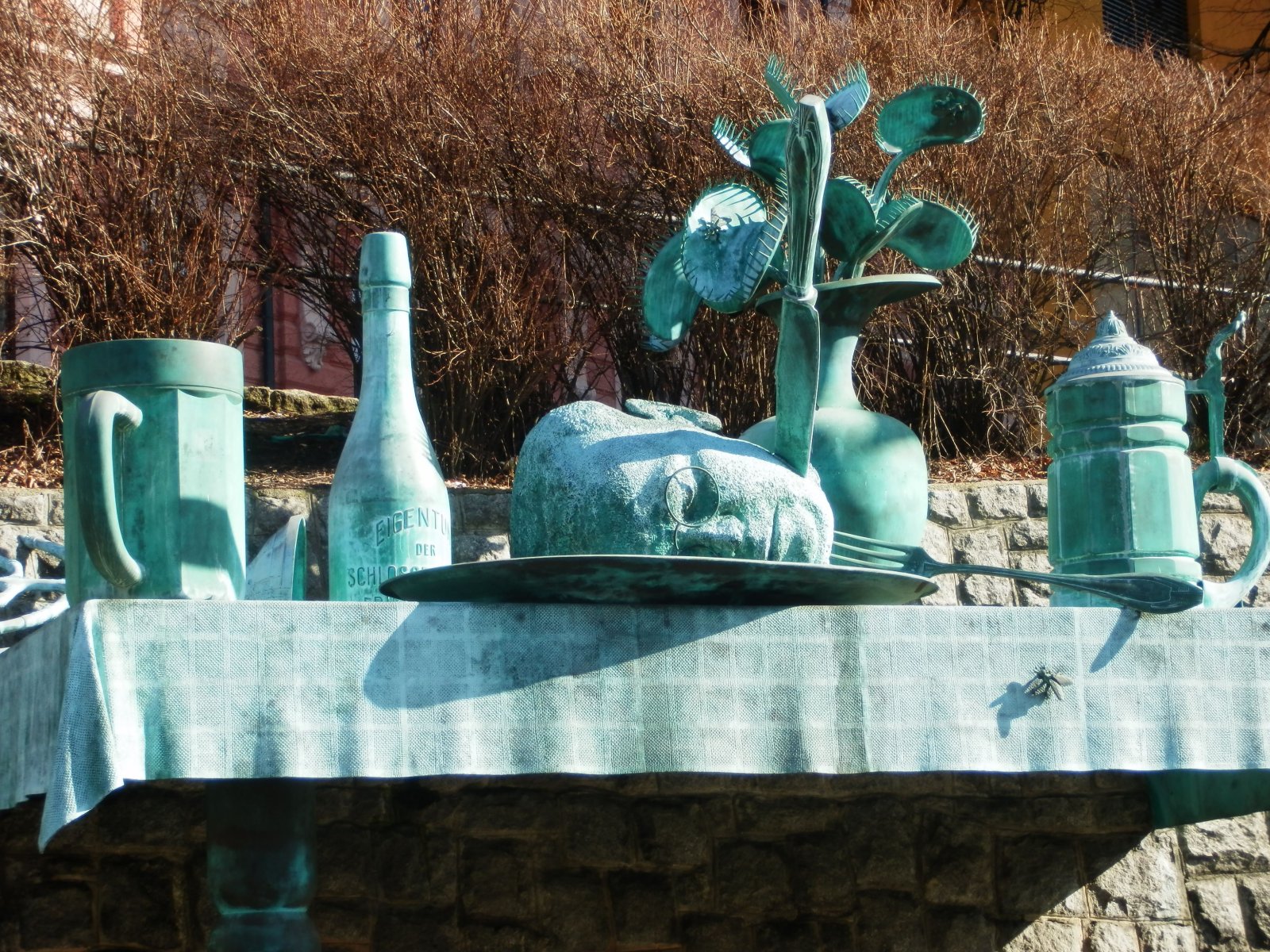
Liberec is about 90 kilometres north of Prague, and direct trains from Hlavní nádraží take roughly 90 minutes. It is not on every tourist itinerary, and that is partly why it is worth going. The city sits at the foot of the Jizera Mountains and has an architectural identity shaped by its German-speaking industrial past — the town hall is a deliberate imitation of Vienna's, built in the late 19th century when the city was a centre of textile manufacturing. During the Second World War, Liberec became the epicentre of the German nationalist movement in what is now Czechia, and from 1938 until the end of the war it was part of Nazi Germany. That history is present in the city if you know where to look, and the Hostina Obru (Feast of Giants) installation offers one of the more thought-provoking ways to engage with it. Beyond the historical layer, the city has a functioning zoo, a regional gallery, and a cable car up to Ještěd — the television tower and hotel perched on the ridge above the city, which is an architectural landmark in its own right.
Il consiglio del team
The Ještěd cable car gets busy on weekend afternoons. Take it up first thing in the morning when the light is better anyway, then come back down and spend the middle of the day in the city centre. Last trains back to Prague run until late evening.
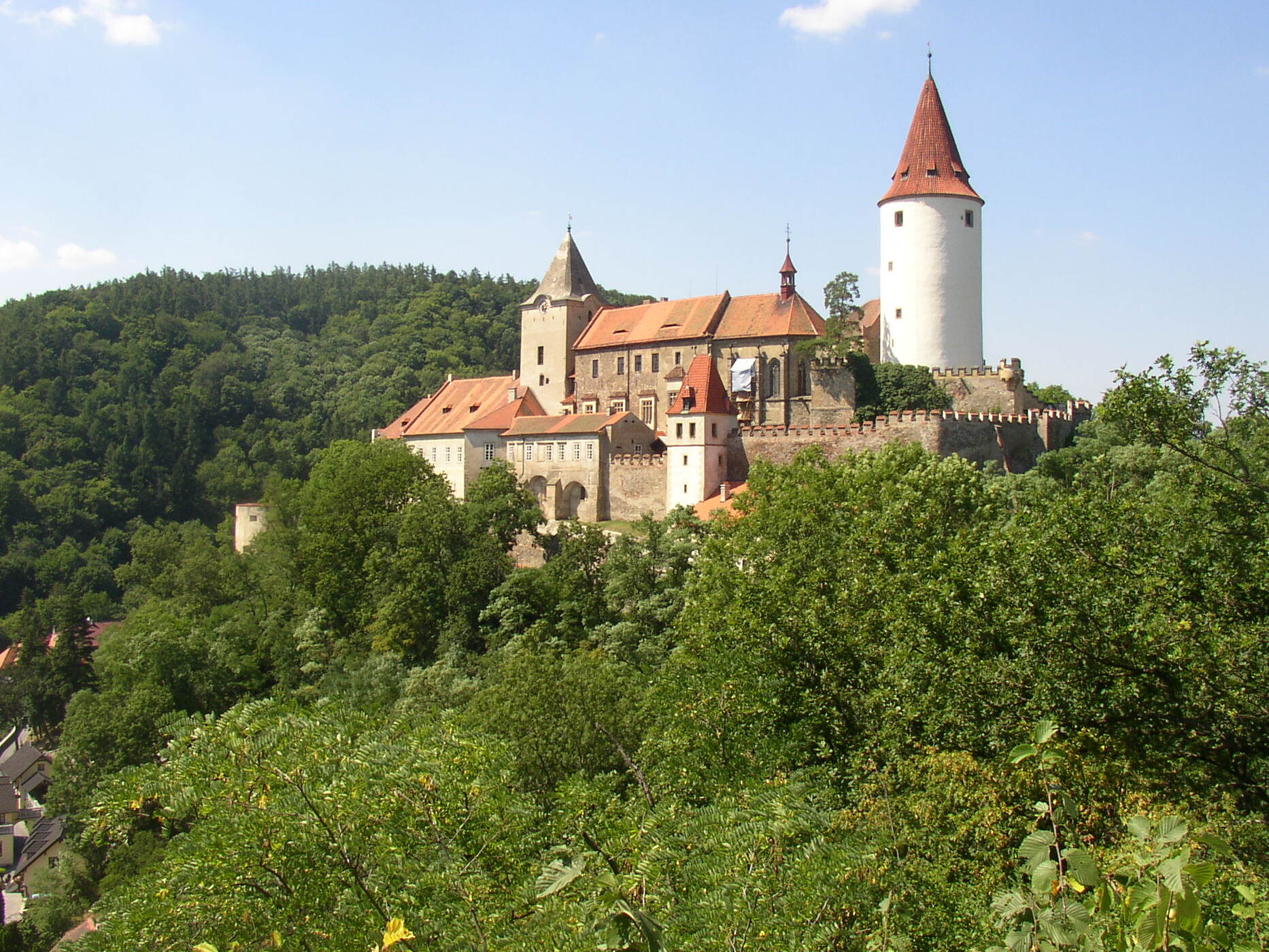
Křivoklát Castle — listed here under its alternative designation — sits about 40 kilometres southwest of Prague in the Protected Landscape Area of Křivoklátsko, surrounded by dense forest that has been managed for centuries as royal hunting ground. It is reachable by train from Beroun, but the drive is the better option: the road through the Berounka valley is one of the more pleasant approaches to any castle in Bohemia, and having a car means you can stop along the river on the way back. The castle itself is a genuine medieval royal residence, not a Baroque remodel, and its Gothic chapel and keep are among the best-preserved in the country. The surrounding landscape is protected, which means no development, no motorway noise, and actual forest. Walk the perimeter of the castle hill before going inside — the views down into the valley give you the geography of why kings chose this spot.
Il consiglio del team
Parking near the castle fills up by 10am on summer weekends. Leave Prague by 7:30am at the latest. The castle itself does not open until 9am, so use the extra time to walk the village and the river path below the walls.
Doksany is about 46 kilometres north of Prague, and it is not a place most visitors find by accident. The monastery here was founded in 1144 — probably — by Vladislav II, making it one of the older monastic foundations in Bohemia. Its heyday was in the 13th and 14th centuries, and it has passed through periods of complete desolation since then. What makes Doksany interesting is precisely its obscurity: the complex sits in flat agricultural land near the Ohře river, and the combination of Romanesque foundations, later Baroque additions, and general quietness gives it a quality that the more famous monasteries — Strahov, Břevnov — no longer have. It has also been used as a film location, which is its own kind of recommendation. The drive from Prague takes 45 minutes to an hour depending on traffic, and there is almost no reason to combine it with anything else: Doksany rewards slow attention.
Il consiglio del team
Opening hours at Doksany are limited and vary by season. Call ahead or check the monastery's website before driving out — arriving to find the gate closed is a real possibility and a real disappointment. Best visited on a weekday when the surrounding fields are working farmland and the silence is genuine.
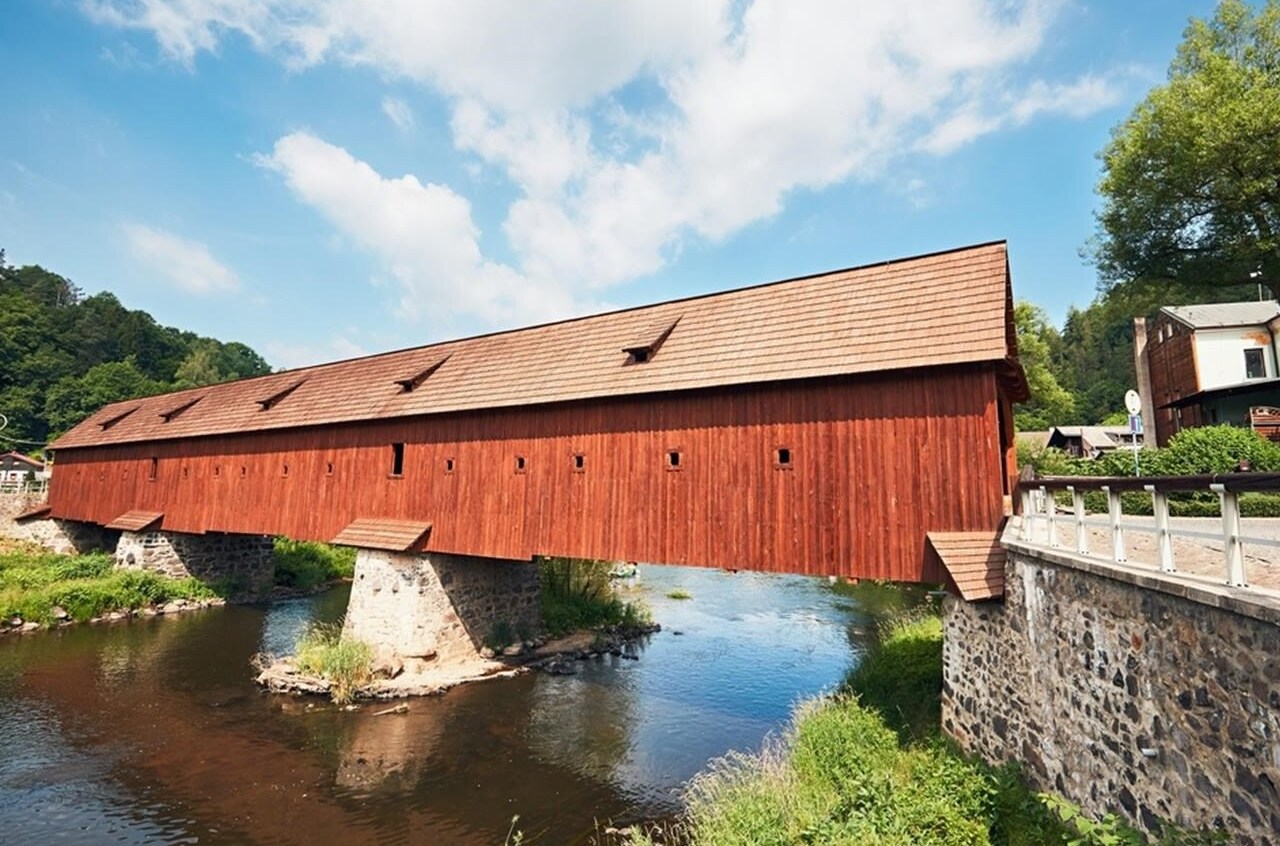
The Radošov Bridge — Radošovský most — is a wooden covered bridge over the Ohře river in the village of Radošov, part of the Kyselka municipality, about 105 kilometres west of Prague. It is not a major destination in the conventional sense, and that is the point. Covered wooden bridges are rare in Central Europe, and this one is the kind of structure that exists quietly in its landscape, doing its job, without any particular ambition to attract visitors. The Ohře river flows through the picturesque landscape of western Bohemia, and the drive from Prague through Karlovy Vary or along the river valley is genuinely good. Combine this with a walk along the Ohře, a stop in Kyselka — a former spa village with an interesting ruined history — and you have a half-day itinerary that feels nothing like a tour package.
Il consiglio del team
This works best as a there-and-back drive combined with a longer stay in the Karlovy Vary area, or as a stop on the way to or from the Saxon Switzerland parks. On its own it is a 20-minute stop — factor that into your planning rather than treating it as a standalone destination.
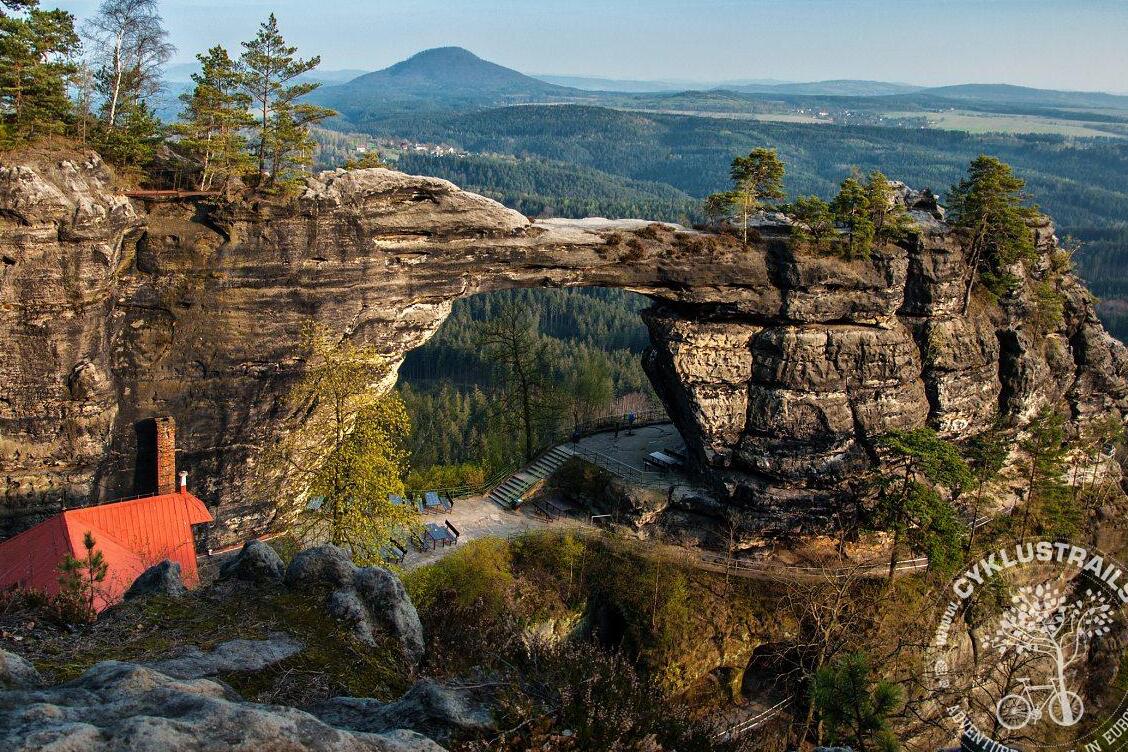
Bohemian Switzerland is the youngest of the four Czech national parks, and it shares a landscape and a river — the Elbe — with its German neighbour across the border. The park is about 90 kilometres north of Prague, and the most atmospheric way to arrive is by train to Děčín and then by boat along the Elbe gorge, though the boat services are seasonal and require advance planning. By car, the drive takes about an hour and 20 minutes. The centrepiece of the Czech side is the Pravčická brána, the largest natural sandstone arch in Europe, which sits above a dramatic landscape of eroded rock towers and deep forest. The hike up to the arch from the village of Hřensko takes about an hour each way on a well-marked path. The gorges of the Kamenice river — navigable by flat-bottomed ferry — offer a different perspective on the same geology.
Il consiglio del team
Hřensko village, the entry point for most visitors, is extremely congested on summer weekends. Arrive before 8:30am or after 4pm. The Pravčická brána itself has a timed entry system in peak season — check the national park website before you go and book if required.
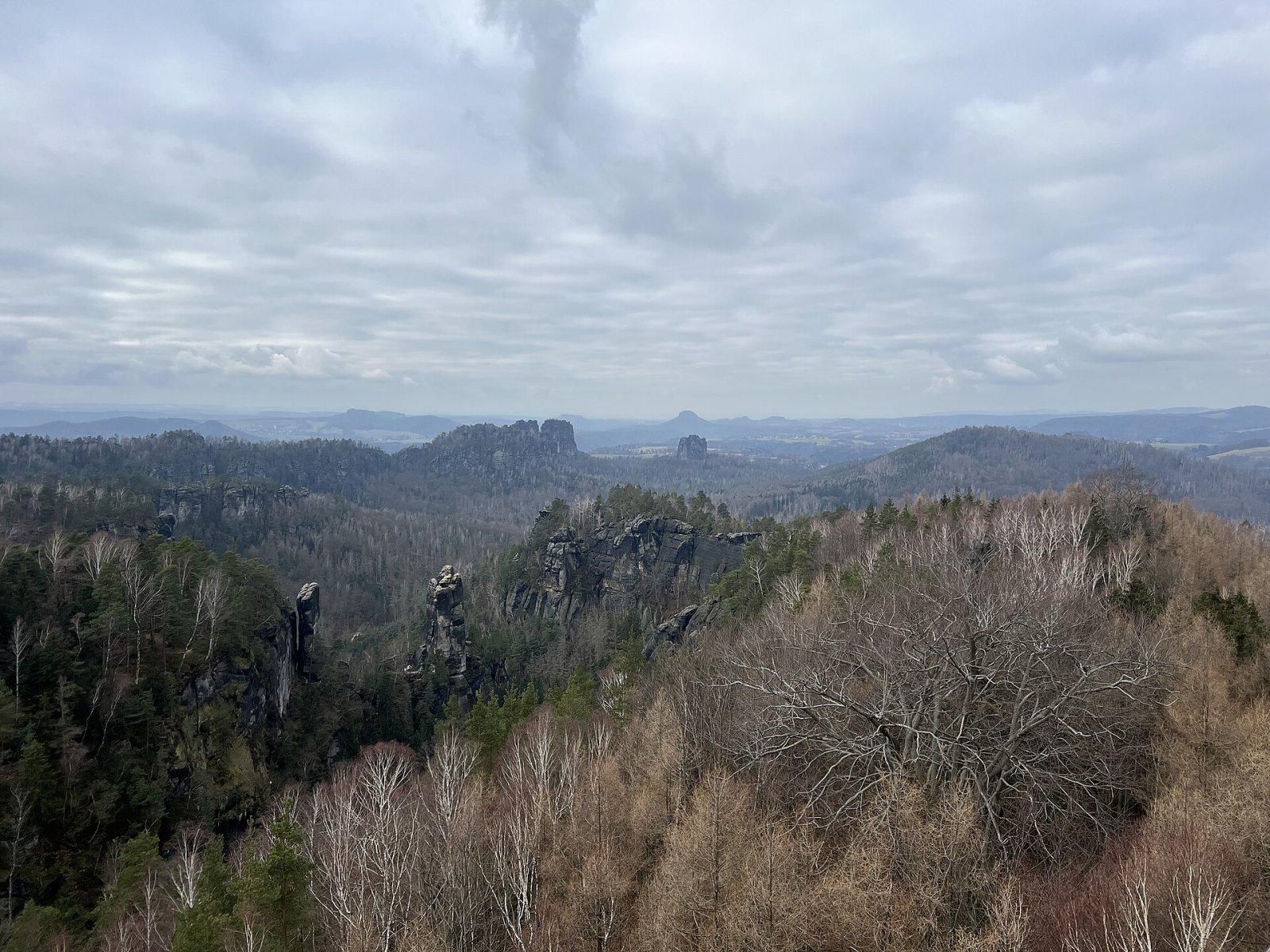
Saxon Switzerland — Sächsische Schweiz — sits just across the German border from its Czech counterpart, and the two parks together form one of the most dramatic river landscapes in Central Europe. The German side is centred on Bad Schandau, reachable by train from Prague via Dresden in about two to two and a half hours, or by car in roughly 90 minutes. The park offers a different character from the Czech side: more developed trail infrastructure, more visitor facilities, and the extraordinary rock formations of the Elbe Sandstone Mountains rising above the river. The boat journey along the Elbe between Bad Schandau and Bastei — where the river makes a wide bend below the famous bridge — is one of the better ways to understand the scale of the landscape. River ferries operate seasonally and connect several of the main trailheads.
Il consiglio del team
If you are crossing from the Czech side by car, the border crossing at Hřensko-Schmilka is straightforward but the road is narrow. In summer, congestion backs up significantly. Cross early in the morning and plan to return in the late afternoon when traffic has eased.
Bastei is the most famous rock formation in Saxon Switzerland, and the Bastei Bridge — a 19th-century stone walkway connecting several sandstone pillars above a 200-metre drop to the Elbe — is the image most people associate with the entire region. It is about 100 kilometres from Prague, reachable by train to Rathen station and then a 30-minute uphill walk, or by car to the Bastei car park. The bridge itself takes about 10 minutes to cross, but the surrounding path system — the Basteiweg — extends the experience considerably. The Felsenburg Neurathen, a medieval rock fortress built into the sandstone formations adjacent to the bridge, is worth the additional entry fee. The views from the bridge platform down to the Elbe and across to the Czech hills on the far bank are genuinely disorienting in the best way — the scale of the erosion becomes legible from up here.
Il consiglio del team
Bastei Bridge is at its worst between 10am and 3pm on any summer weekend. The Rathen ferry and the uphill path fill with day-trippers. Take the first S-Bahn from Dresden to Rathen (or arrive by car before 8am), walk up before the crowds, and have the bridge to yourself for 20 minutes. It makes a difference.
Every city has an escape valve, and Prague's is unusually good. Within two hours in almost any direction, the landscape changes character completely — from the silver-mining Gothic of Kutná Hora to the sandstone canyons of the Saxon border, from a 12th-century monastery in a flat field to a covered wooden bridge over a river that most maps barely bother to label. What these trips share is a quality that Prague's centre, for all its beauty, struggles to provide after the first day: the sense that you are somewhere specific, somewhere with its own logic and its own pace, somewhere that is not performing for you. The best day trips are not extensions of the tourist experience. They are interruptions of it. Take the early train. Bring a paper map as backup. Leave before the tour buses do.
★ Guida tascabile
Porta questa guida con te.
Salvala offline, ottieni le indicazioni a piedi e scopri migliaia di luoghi come questi.
What is the best time of year for day trips from Prague?
Late April through early June and September through October are the practical sweet spots. Summer (July–August) is fully operational in terms of transport and opening hours, but crowds at Kutná Hora, Bohemian Switzerland, and Bastei are significant. Spring and autumn give you better light, fewer people, and more honest pricing. Winter works well for Terezín — the starkness suits the subject — but some castle sites and national park boat services close or run reduced hours from November through March. Always check seasonal opening times before you go.
Is a European rail pass worth buying for these day trips?
Probably not, unless you are also travelling across multiple countries. Czech domestic train fares are inexpensive by Western European standards — a return ticket from Prague to Kutná Hora or Liberec rarely costs more than 10–15 euros if booked through the Czech Railways website (cd.cz) or the Můj vlak app. A Eurail or Interrail pass covers Czech trains but the savings over individual tickets are modest for short domestic journeys. For the Saxon Switzerland destinations, a Saxony day ticket (Sachsen-Ticket) from any German DB machine covers the German regional trains and is worth buying if you plan to cross the border.
Is driving in the Czech Republic straightforward for visitors?
Generally yes, with a few practical points. You need a highway vignette (dálniční známka) to use Czech motorways — these are sold at border crossings, petrol stations, and online. The vignette is electronic and linked to your number plate, so there is no sticker. For most day trips in this guide, you will use a mix of motorway and regional roads. Parking in smaller towns like Křivoklát or Doksany is free or very cheap, but spaces fill early on summer weekends. GPS works well throughout the region. Speed limits are strictly enforced, especially in village zones (30 or 50 km/h).
Are there actual boat trips that work as transport, not just as scenic cruises?
Yes, but they require planning. The Elbe river ferries in Saxon Switzerland — particularly the crossing at Rathen and the service between Bad Schandau and Hřensko — function as genuine transport links and are the most atmospheric way to connect trailheads in the canyon. These run seasonally, typically April through October, with reduced frequency outside summer. The Kamenice gorge ferries in Bohemian Switzerland are short (15–20 minutes) and more tourist-oriented, but they do connect parts of the trail network that would otherwise require significant backtracking. Check current timetables at the national park websites for both German and Czech sides — schedules change year to year.
How do I avoid the worst of the crowds at Kutná Hora and Bohemian Switzerland?
At Kutná Hora: take the first train from Prague (before 9am), start at the Sedlec Ossuary, and reach the town centre by 10:30am before the tour bus convoys arrive. At Bohemian Switzerland: arrive at Hřensko before 8:30am in summer, or go on a weekday rather than a weekend. The Pravčická brána arch has a timed entry system in peak season — book online in advance through the national park website. At Bastei: the Rathen approach on foot is always less crowded than the car park approach, and arriving before 9am puts you ahead of the majority of visitors. In all cases, the single most effective strategy is the same: leave Prague earlier than feels reasonable.
★ Leggila quando vuoi
Salvala sul tuo telefono.
Aggiungi questa guida ai preferiti, pianifica il viaggio offline, scopri luoghi come questi.