Borghi&Tesori by Secret World — la più grande guida di viaggio al Mondo
En · Guida di viaggio
Guida di viaggio · Edizione 2026

10 Best Day Trips from Milan — by train, car, and boat

A working guide to getting out of the city, written by someone who has done it too many times to romanticize it

L
Una guida di
Lena Hofmann
Aggiornata il
1 maggio 2026
Lettura
13 minuti
Comprende
9 luoghi · mappa interattiva
10 Best Day Trips from Milan — by train, car, and boat
★ Guida d'Italia 2026

Pianifica con cura. Viaggia più a fondo.

1.3M+ luoghi curati nel mondo, mappe offline e itinerari intelligenti — tutto in un'app gratuita.

1.3M+ luoghi Mappe offline Itinerari AI Gratis
Milan is a city that rewards leaving. Not because it lacks for things to do — it doesn't — but because it sits at the center of one of the most varied day-trip networks in northern Europe, and staying put feels, after a few days, like a small waste of geography. Within an hour in any direction you have pre-Alpine lakes, a UNESCO-listed industrial village frozen in the nineteenth century, a museum dedicated entirely to bread, a hydroelectric power station that looks like a cathedral, and a fountain tied to Saint Augustine. The range is almost absurd.

A good day trip has a few non-negotiable qualities. It has to be reachable in under ninety minutes by at least one practical means of transport. It has to offer something you cannot get by staying in the city — a different pace, a different scale, a different kind of quiet. And it has to leave you enough time to actually experience it rather than simply arrive and turn around. The worst day trips are the ones where you spend four hours traveling and forty-five minutes looking at something.

I have done every trip on this list multiple times: by regional train, by car on the A4 and the SS36, and where the geography allows, by boat. I have arrived too early and too late, parked in the wrong place, missed the last train back, and eaten lunch standing up beside a canal. What follows is what I would tell a friend with two days to spare and no patience for vague advice. These are real places with real logistics, and the logistics are half the story.
1 Canal / Urban waterway · 30.2 km

Milano: Naviglio della Martesana: the canal Milan forgot to Instagram
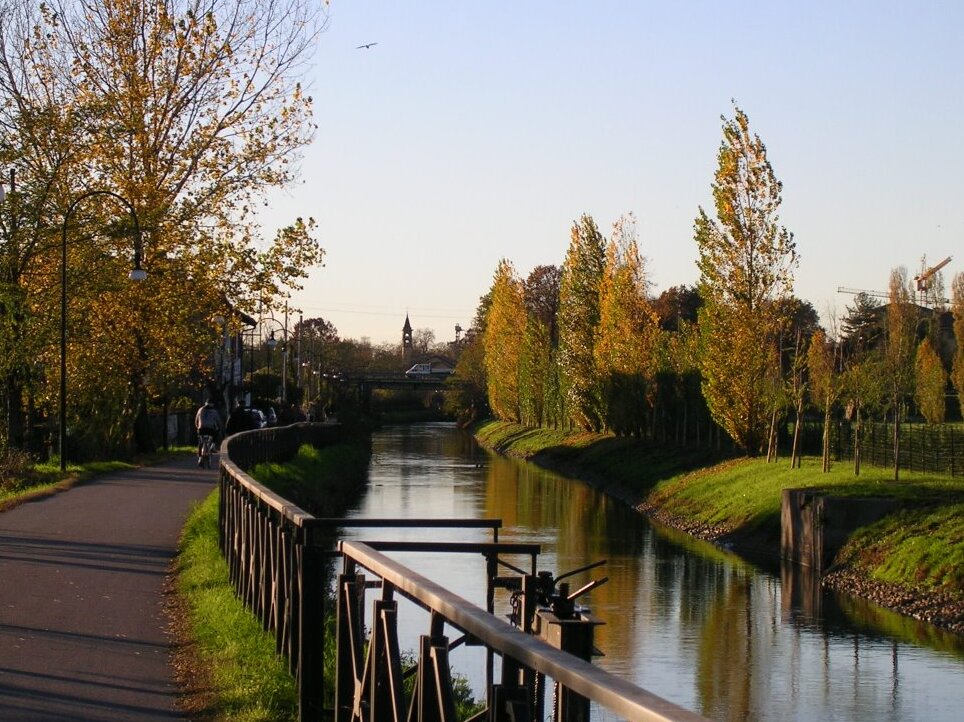
Milano: Naviglio della Martesana: the canal Milan forgot to Instagram
Everyone talks about the Naviglio Grande. The Martesana, which runs northeast out of Milan toward Cassano d'Adda, is the one worth walking. It sits about 30 kilometers from the city center and the contrast between its quiet towpath and the Naviglio Grande's bar terraces is significant. Leonardo da Vinci worked on this canal system, and traces of that engineering history are visible in the lock structures if you know what you are looking for.

Get here by bicycle — the towpath is largely flat and the ride from the city's eastern edge takes about an hour and a half at a relaxed pace. By car, follow the SS11 northeast. Once you are out of the suburban sprawl, the canal becomes genuinely pastoral. Walk the towpath, look at the lock gates, find one of the small trattorias in the villages along the route, and take your time heading back. This is not a destination so much as a corridor, and the point is the corridor.
Il consiglio del team Weekday mornings before 10am the towpath is almost empty. On Sunday afternoons it fills with cyclists from the city and the villages become crowded. If you are driving, park in Gorgonzola or Cassano and walk back along the water rather than fighting the outbound traffic.
2 Industrial heritage / Architecture · 30.5 km

La centrale idroelettrica di Crespi d'Adda: industrial architecture that earns its detour
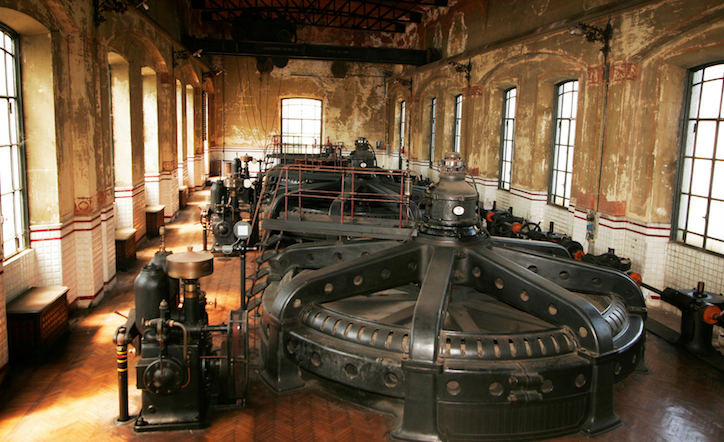
La centrale idroelettrica di Crespi d'Adda: industrial architecture that earns its detour
Most people who visit the UNESCO village of Crespi d'Adda walk past the hydroelectric power station on the left bank of the Adda without stopping. That is a mistake. Built in the late nineteenth century to power the cotton mill, the building has the proportions and decorative ambition of a Lombard church. The turbine hall, when it is accessible, is one of the more quietly impressive industrial interiors in northern Italy.

The station sits about 30.5 kilometers from Milan. You reach it the same way you reach the village — by car via the A4 toward Bergamo, exit Capriate, about 35 minutes in normal traffic. There is no direct train. Once there, pair the power station with a walk through the village itself. The combination of workers' housing, the factory, the church, and this building tells a coherent story about paternalistic industrialism that you will not find explained this clearly anywhere else in Lombardy.
Il consiglio del team The power station is not always open to visitors independently — check current opening hours before you go, as access is sometimes guided-tour only. Arriving before 10am means you have the exterior and the riverside entirely to yourself.
3 UNESCO World Heritage / Historical site · 30.7 km

Crespi D'Adda: the company town that time preserved
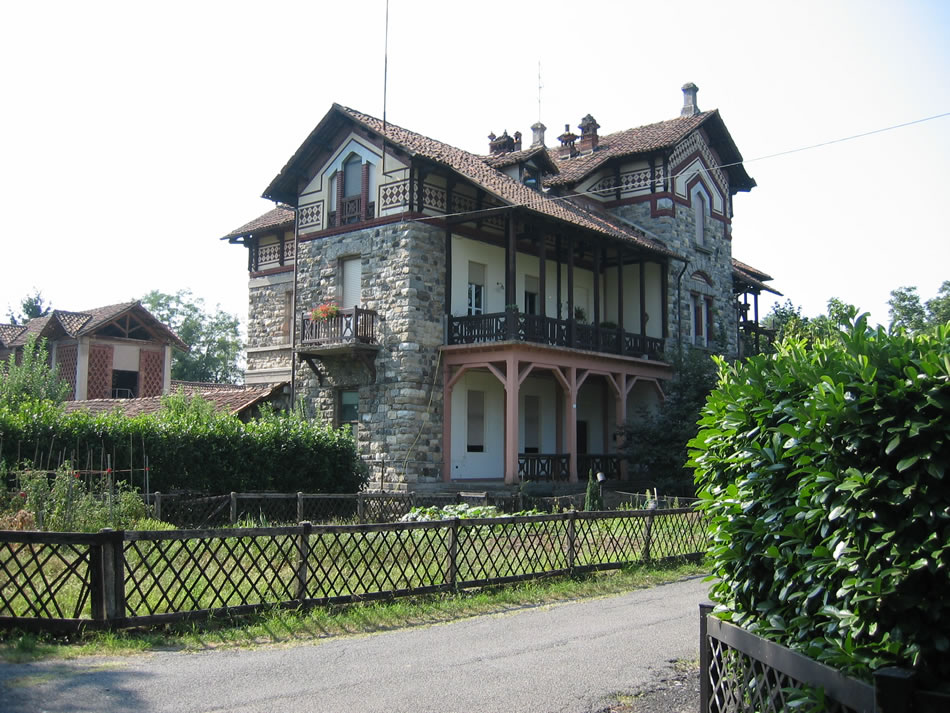
Crespi D'Adda: the company town that time preserved
Crespi d'Adda is one of the best-preserved examples of a nineteenth-century company town in Europe, and it has UNESCO World Heritage status to prove it. The Crespi family built an entire self-contained world here for their cotton mill workers: houses, a school, a church, a hospital, a swimming pool, and a cemetery in which the family mausoleum towers over the workers' graves with a frankness about hierarchy that is either honest or chilling depending on your mood.

The village is about 30.7 kilometers from Milan. Drive the A4 toward Bergamo and exit at Capriate San Gervasio — the whole journey takes under 40 minutes. There is no useful train connection. Walk the main street, visit the cemetery (the mausoleum alone is worth the trip), look at the factory building from the bridge over the Adda, and read the interpretive panels, which are unusually good. This is a place that requires almost no prior knowledge to understand — the architecture explains itself.
Il consiglio del team The village is free to walk through and there are no ticket queues. However, the car park fills quickly on weekend mornings from late spring onward. Arrive before 9:30am or after 3pm to avoid the coach tour overlap.
4 Art collection / Villa · 30.4 km

La Quadreria Crivelli: a small collection that asks more of you than the Brera
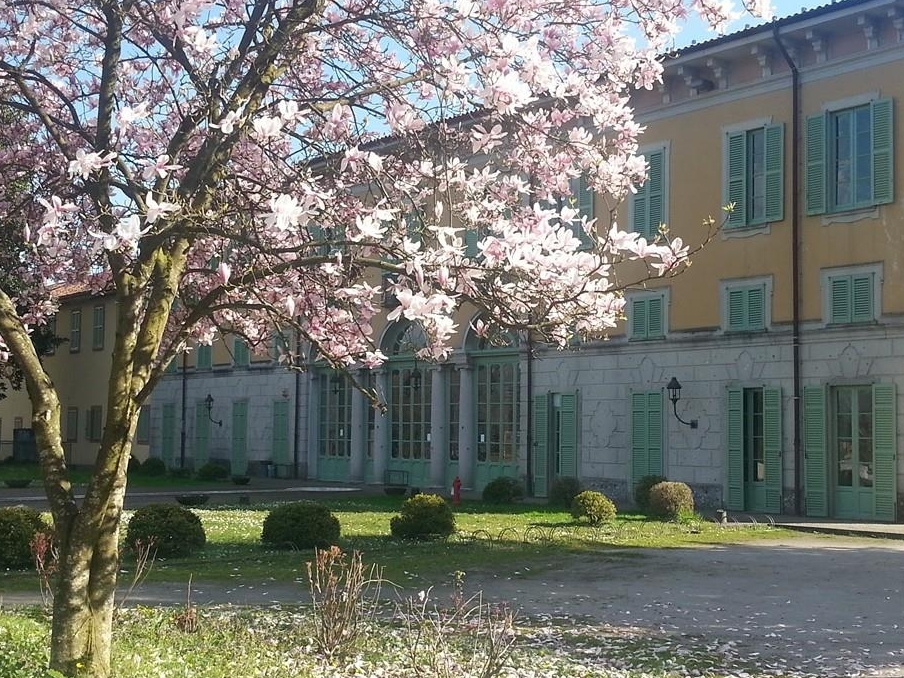
La Quadreria Crivelli: a small collection that asks more of you than the Brera
The Quadreria Crivelli sits inside the Villa Comunale in Limbiate, which also houses the local Manzoni library. The collection — paintings, prints, furniture, and objects — was assembled over time and reflects the kind of serious provincial collecting that happened in Lombardy among educated families in the eighteenth and nineteenth centuries. It is not a blockbuster museum. It is better than that: it is a place where you can actually look at things without being moved along by a crowd.

Limbiate is about 30 kilometers north of Milan. By car, take the SP527 north; by suburban rail, the S4 line reaches the area in around 30 minutes. Combine a visit to the Quadreria with a walk through the villa's gardens and, if you have time, a look at the surrounding Brianza countryside, which is underrated and largely ignored by visitors focused on the lakes. Allow two hours minimum.
Il consiglio del team Call ahead or check the municipal website before visiting — opening hours for small civic collections like this one change seasonally and are not always updated on third-party platforms. A Tuesday morning visit is usually the quietest option.
6 Religious site / Historical fountain · 31.7 km

Fontana di S. Agostino: a pilgrimage site that most visitors drive past
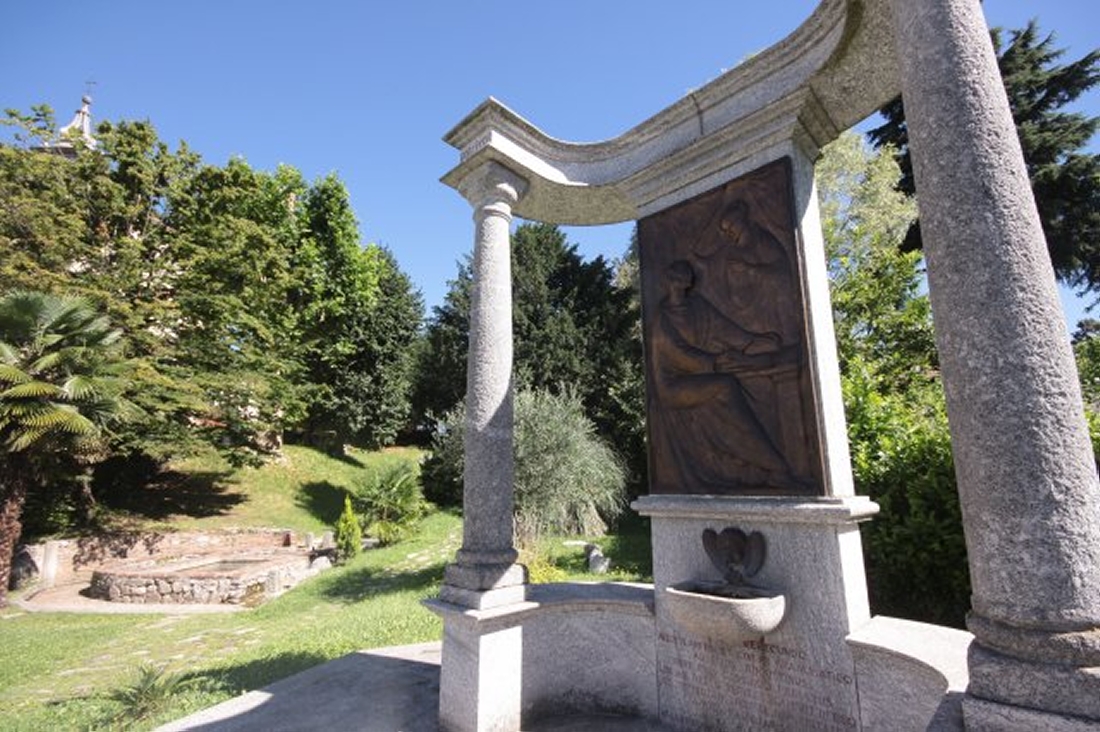
Fontana di S. Agostino: a pilgrimage site that most visitors drive past
Near Cassago Brianza, this fountain is connected to a popular devotion rooted in the historical fact — or strong tradition — that Saint Augustine stayed in this area in 386–387 AD, before his baptism by Ambrose in Milan. The fountain marks a place of local memory and quiet religious continuity that has nothing to do with tourist infrastructure and everything to do with how communities hold onto their history.

Cassago Brianza is about 31.7 kilometers northeast of Milan, in the Brianza hills. Drive the SS36 toward Lecco and take the Nibionno exit — around 35 minutes in light traffic. There is no practical train connection to this specific site. The fountain itself is modest; the point is the context. Combine it with a walk through the village and a drive into the surrounding Brianza hills, which offer views toward the Lecco branch of Lake Como on clear days. This is a half-day trip best paired with another nearby stop.
Il consiglio del team There are no facilities at the fountain itself — no parking attendant, no café, no signage in English. Go with a map downloaded offline. The site is most atmospheric in early morning light, before the commuter traffic builds on the SS36.
7 Historic palace / Literary heritage · 36.8 km

Il Palazzo Visconti e l'Innominato dei promessi Sposi: Manzoni's castle, more or less
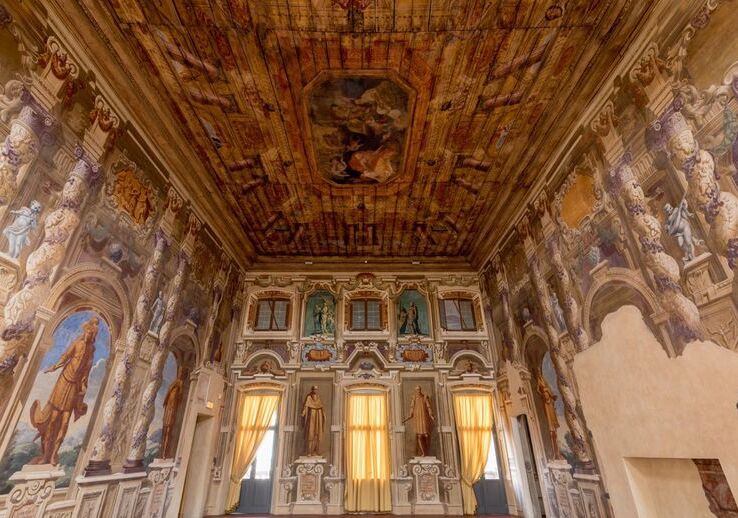
Il Palazzo Visconti e l'Innominato dei promessi Sposi: Manzoni's castle, more or less
The tradition — and it is a tradition rather than a documented fact — holds that this palazzo near Vercurago, above the Adda valley, was the model for the castle of the Innominato in Alessandro Manzoni's I Promessi Sposi. The core of the building, the Palazzo Vecchio, dates from the late sixteenth century. Whether or not Manzoni had this specific building in mind, the setting — high above the river, commanding the valley — fits the novel's geography with uncomfortable accuracy.

The palazzo is about 37 kilometers from Milan, near Lecco. Drive the SS36 to the Lecco area — around 45 minutes. The building is privately held and not always open for interior visits, but the exterior and the surrounding landscape are accessible and worth the detour for anyone who has read the novel. Combine with a stop in Lecco itself, which has a Manzoni museum in the villa where he grew up.
Il consiglio del team Do not attempt this on a summer Saturday without checking road conditions on the SS36 first. The Lecco lakeside road becomes a slow queue by mid-morning in July and August. Go on a weekday, or leave Milan before 7:30am.
8 Historical site / Scientific heritage · 38.3 km

Tomba di Camnago o di Alessandro Volta: a physicist's grave in a village that took his name
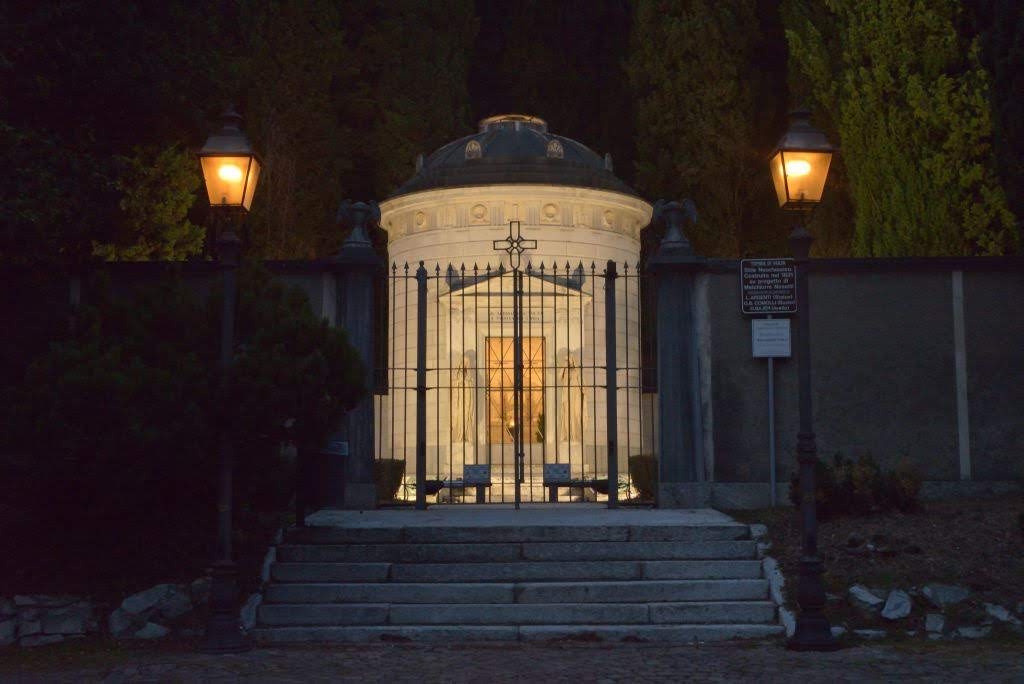
Tomba di Camnago o di Alessandro Volta: a physicist's grave in a village that took his name
The village of Camnago Volta — it adopted the name in 1863 in honor of Alessandro Volta, the inventor of the electric battery who was born and died in Como — contains the tomb of Volta himself. The grave sits in the local church and the village is small enough that the whole visit, including a walk around the surrounding area, takes less than an hour. But that hour has a particular quality: you are in a place that took the trouble to rename itself after a man buried within it.

Camnago Volta is about 38 kilometers from Milan, north of Como. Drive the A9 toward Como and then follow local roads north — around 50 minutes total. Combine with a visit to Como itself (the Volta Temple on the lakefront, the cathedral) to make a full day. By train, take a fast service to Como San Giovanni (about 35 minutes from Milan) and then a taxi or local bus to Camnago.
Il consiglio del team The church is sometimes locked outside of Mass times. Arrive on a Sunday morning when it is reliably open, or check with the local parish office in advance. The village has no tourist infrastructure — bring water and expect no café.
9 Lake town / Planning resource · 39.1 km

Secret World vs TripIt a Como: Il Miglior Trip Planner 2026: planning your Como day before you arrive
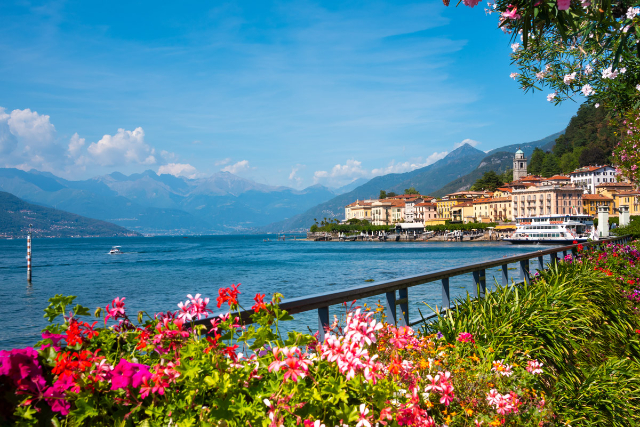
Secret World vs TripIt a Como: Il Miglior Trip Planner 2026: planning your Como day before you arrive
Como is one of the most logistically complex day trips from Milan precisely because it is so popular. The town sits at the southern tip of its lake, about 39 kilometers north of Milan, and it is reachable in roughly 35–40 minutes by fast train from Milano Centrale to Como San Giovanni. The slower Trenord regional service from Milano Cadorna to Como Nord Lago drops you closer to the lakefront but takes longer.

The challenge with Como is not getting there — it is managing the day once you arrive. The lakefront fills quickly on weekends from April through October. The ferry network connecting Como to Bellagio, Varenna, and the villages further north is efficient but runs on a schedule that rewards pre-planning. Book your ferry legs the day before if possible. Walk the old town walls, take the funicular up to Brunate for the view over the lake, and give yourself at least three hours before you need to catch a train back.
Il consiglio del team The last fast train back to Milan from Como San Giovanni runs around 10pm, but the last comfortable one with a seat — especially on Sundays — fills by 8pm. If you are taking a boat trip to Bellagio and back, build in a minimum 45-minute buffer for ferry delays.
10 Culinary heritage / Lake culture · 39.1 km

I Missoltini con polenta: a dish that explains the lake
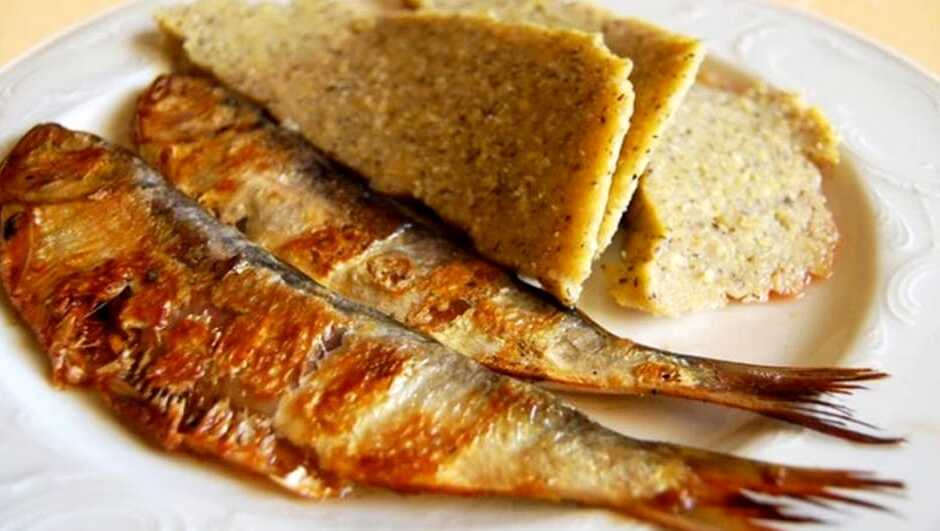
I Missoltini con polenta: a dish that explains the lake
Missoltini are dried agoni — a small lake fish native to Lake Como — pressed, salted, and dried in tin containers called missolte. They are served with polenta and are one of the most distinctively local things you can eat in the villages on the Como lakefront. The dish appears on menus in the smaller restaurants around the lake's western and eastern shores, less commonly in Como town itself, which has drifted toward a more generic tourist offer.

This is not a destination so much as a reason to extend your Como day trip into the lake villages. Take the ferry north from Como toward Argegno or Lenno on the western shore, or toward Varenna on the eastern shore via the car-ferry crossing at Bellagio. Find a restaurant that has been there for more than ten years and order the missoltini. The combination of the dried fish's intensity and the polenta's softness is an acquired taste that becomes, after one or two tries, difficult to leave behind.
Il consiglio del team Ask specifically whether the missoltini are house-prepared or bought in. In the better places, they will have been dried on the premises. Avoid ordering this dish in Como town's lakefront tourist restaurants — the quality drops significantly compared to the smaller village trattorias accessible only by boat or on foot.
Every city has a radius of escape, and Milan's is unusually rich. What strikes me, having done these trips repeatedly over the years, is how different the experience is depending on how you arrive. The same village feels different on foot from a train platform than it does from a car park. The lake looks different from a ferry deck than from a lakeside road. Mode of transport is not just logistics — it shapes what you notice and what you miss.

The trips on this list are not ranked by importance. They are ranked by the order in which they appeared in a database, which is as honest a way as any to present them. Some will suit you and some will not. What I can tell you is that none of them will waste your day if you go in with realistic expectations and a train schedule downloaded to your phone. Milan is an excellent city. Its surroundings are better than most people who stay in the city ever discover.
★ Guida tascabile

Porta questa guida con te.

Salvala offline, ottieni le indicazioni a piedi e scopri migliaia di luoghi come questi.

Salva offline Percorsi smart Tesori nascosti
App Store Google Play AppGallery

Tutti i luoghi sulla mappa

Dati cartografici © OpenStreetMap contributors.

Domande dei lettori

Le domande più frequenti su questa guida.

What is the best time of year for day trips from Milan?

April, May, September, and October give you the best combination of manageable crowds, reliable weather, and full transport schedules. July and August are hot, the lake roads are congested on weekends, and some smaller museums reduce their hours. Winter (November through February) is underrated for the Adda valley and canal trips — the light is good, the crowds are gone, and the drive times are shorter. Avoid major Italian public holidays (particularly Ferragosto on August 15th) for any car-based trip.

Is an Interrail or Eurail pass useful for these day trips?

For the Como trips, yes — a regional pass or a Trenitalia day pass will save money if you are making multiple rail trips. For the Adda valley and Brianza destinations, most of the interesting sites are not on direct rail lines, so a pass adds limited value. The Trenord regional network around Milan operates on a zone-based fare system that is separate from national rail passes, so check whether your pass covers Trenord services before assuming it does. For Como specifically, the fast Frecciabianca and InterCity services require a supplement even with a pass.

What are the parking realities for car-based trips?

Crespi d'Adda has a small free car park that fills by 10am on weekends from April to October — arrive before 9:30am or accept a 15-minute walk from roadside parking. Sant'Angelo Lodigiano (Museo del Pane) has adequate parking near the castle. The Lecco area and the SS36 corridor become genuinely difficult on summer weekends — if you are heading toward the Palazzo Visconti or Camnago Volta on a Saturday in July or August, leave Milan before 7am or go by train to Como or Lecco and taxi from there. Google Maps real-time traffic is reliable for these routes.

How do the Lake Como ferries work, and how do I book them?

Navigazione Laghi operates the ferry network on Lake Como. There are three service types: the ordinary ferry (battello), the faster hydrofoil (aliscafo), and the car ferry (traghetto) that crosses between Bellagio, Varenna, and Cadenabbia. For a day trip from Milan, the ordinary ferry from Como to Bellagio takes about two hours and gives you the full lake experience. The hydrofoil is faster but you see less. Tickets can be bought at the dock on the day, but on peak summer weekends the hydrofoil fills quickly — buy online or arrive 30 minutes before departure. The last ferry back to Como from Bellagio typically runs around 7–8pm depending on the season; check the current timetable on the Navigazione Laghi website.

Are these trips realistic with children or elderly travelers?

The canal walk along the Martesana is flat and easy for all ages. Crespi d'Adda is entirely walkable on flat ground. The Museo del Pane involves stairs in a castle building — manageable but not fully accessible. The Fontana di S. Agostino and Camnago Volta involve some uneven village paving. The Como funicular to Brunate is an easy and enjoyable option for anyone who finds walking difficult. For elderly travelers, the train-to-Como route is the most consistently comfortable option: good seating, no parking stress, and a flat lakefront once you arrive. The car-based Brianza and Adda valley trips involve more walking on uneven terrain and are better suited to travelers who are reasonably mobile.

★ Leggila quando vuoi

Salvala sul tuo telefono.

Aggiungi questa guida ai preferiti, pianifica il viaggio offline, scopri luoghi come questi.

Preferiti Offline 60+ lingue
App Store Google Play AppGallery