


A good day trip has a few non-negotiable qualities. It should be reachable within two hours, ideally one. It should offer something you genuinely cannot get from a city — a different scale, a different silence, a different relationship with time. And it should be honest about its limitations: not every village is worth a full day, and not every ancient ruin justifies a ninety-minute drive on roads that weren't designed for rental cars.
I've done every trip on this list multiple times. Some by DART and intercity rail, some by car with a map that argued with me, one by ferry across a stretch of water that reminded me how small Ireland's cities really are. What follows is not a ranked list so much as a curated set of real choices, grouped by how you'll actually travel. Each one has a reason to go, a reason to leave early, and at least one thing the guidebooks don't tell you.
Glendalough means "the glen of two lakes": where monastic Ireland still breathes
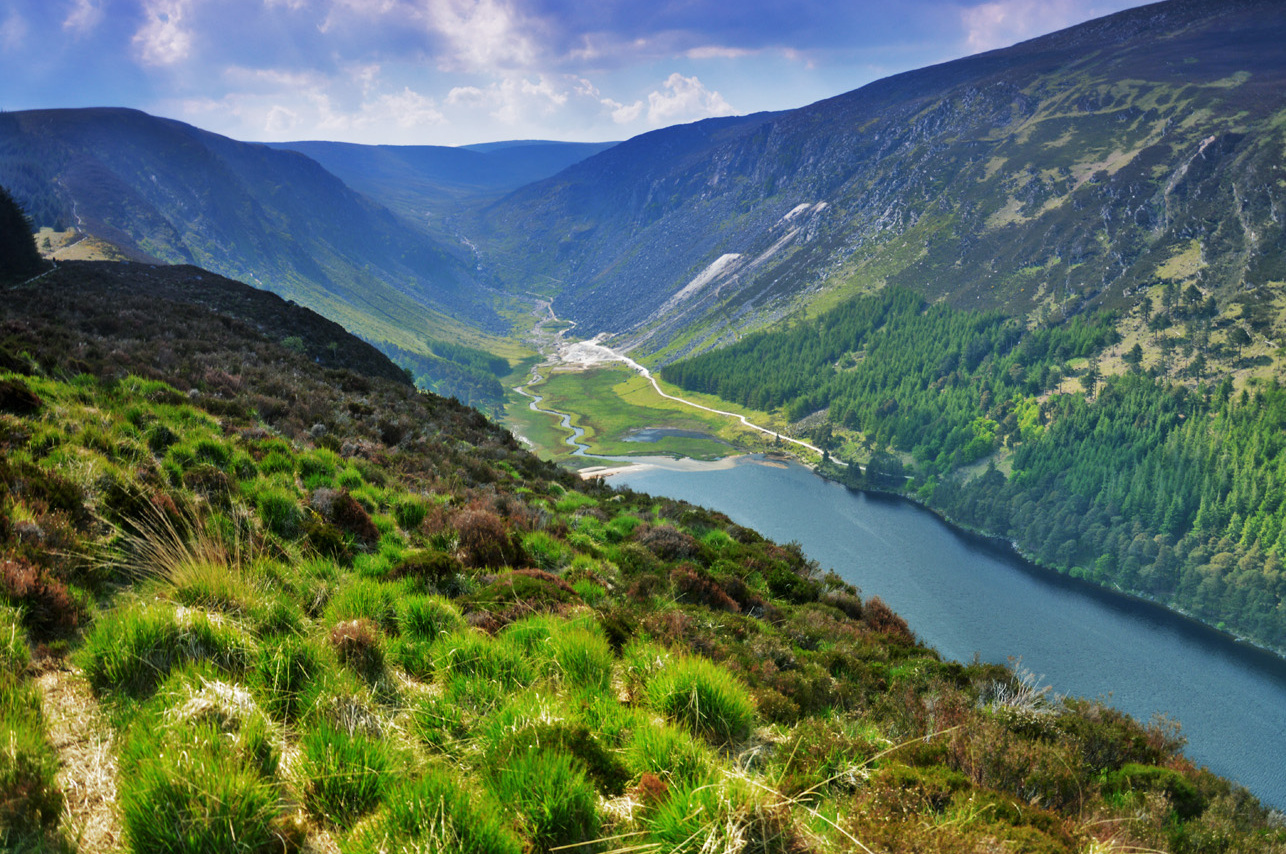
The most practical route without a car is the St. Kevin's Bus Service from Dublin city centre, which runs twice daily and takes roughly ninety minutes. By car, it's about an hour via the N11 and R755, though the car park at the lower lake fills by 10am on summer weekends — arrive before 9am or accept a walk from the overflow. Once you're there: walk the green trail around the upper lake, visit the cathedral ruins, climb the path above the valley for a view that reframes everything, and sit quietly by the water for at least ten minutes. That last one is not optional.
Il consiglio del team
The St. Kevin's Bus departs from outside the Mansion House on Dawson Street. Book online in advance — it fills up, especially on dry weekends between May and September. The first bus out gives you the valley almost to yourself for the first hour.
The round Tower of Glendalough: thirty metres of medieval engineering
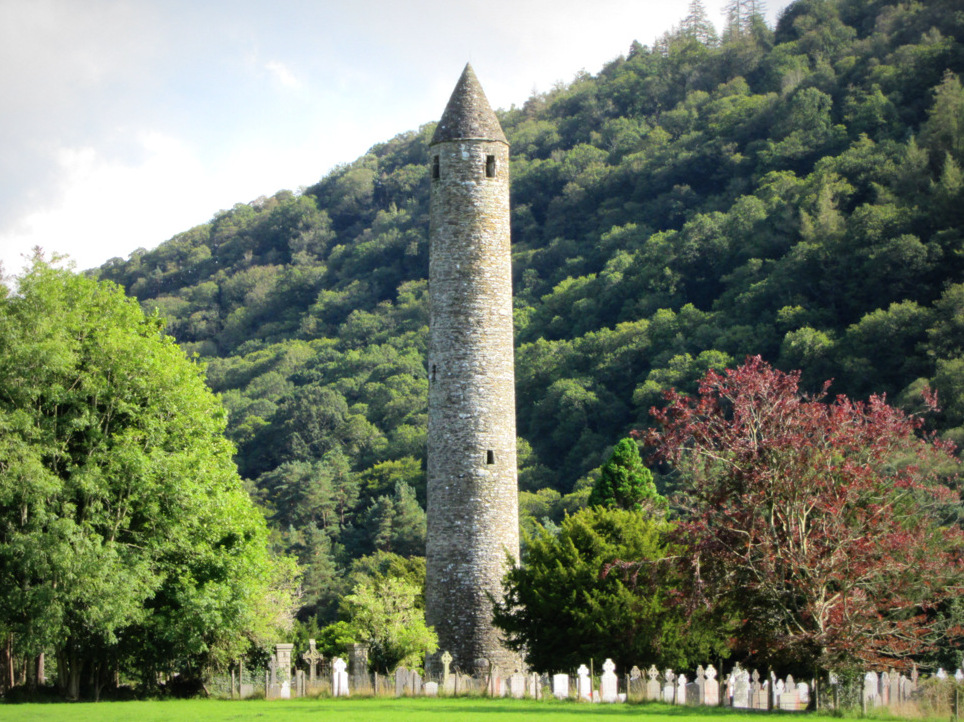
This is technically the same site as the broader Glendalough valley entry, but it deserves its own attention. Walk the monastic enclosure properly: read the grave slabs, find the Priest's House, note the way the cathedral's nave and chancel reflect different building phases across centuries. The Heritage Ireland visitor centre at the lower lake provides context that makes the ruins speak rather than simply stand.
Il consiglio del team
The visitor centre charges a small admission fee and is worth it for the scale model alone. If you arrive after 3pm in high season, the centre may be winding down — go there first, then walk the site.
Miners' Village: a journey into Irish industrial history
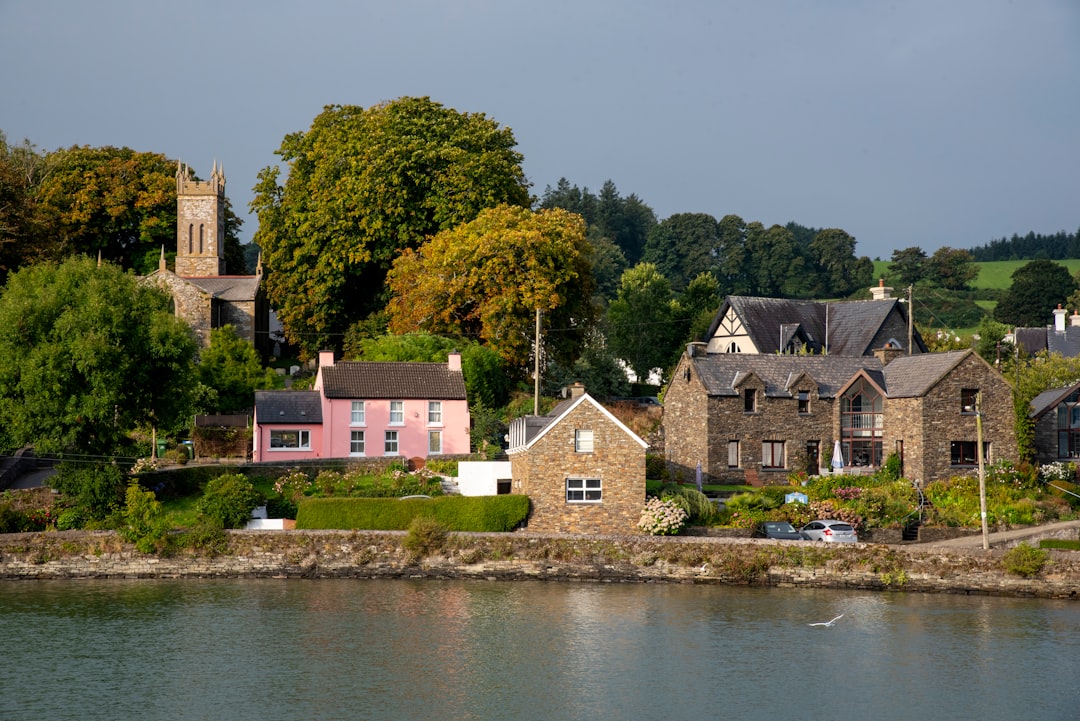
This is a less visited corner of the Glendalough experience, which is precisely its appeal. If you've come by car, the road up to the upper valley is narrow but passable. Walk the trail past the old mine workings, read the interpretation boards about the lives of the mining families who lived and worked here year-round, and take the path that climbs above the valley for a perspective that connects the monastic and industrial eras in a single view. It's a sobering and genuinely interesting two hours that most Glendalough visitors miss entirely.
Il consiglio del team
The upper valley car park is smaller than the lower one and closes earlier. If you're combining the monastic site and the Miners' Village in one day, drive to the upper valley first, then walk down to the lower lake. You'll avoid the worst of the afternoon crowd.
The mysterious Brownshill Dolmen, the largest in Europe: a capstone that weighs more than a house
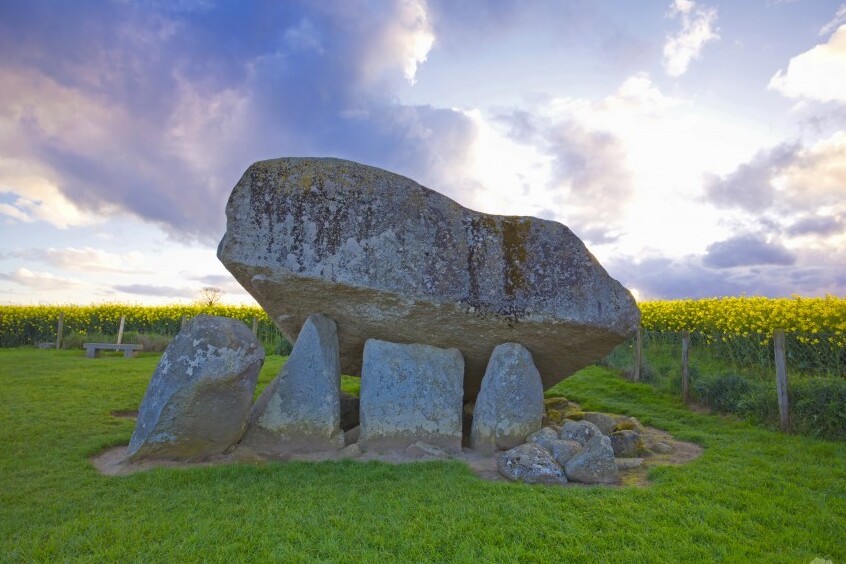
Carlow is about seventy kilometers from Dublin on the M9 motorway — roughly an hour's drive. The dolmen is signposted from the town and accessed via a short walk across a field managed by the OPW; admission is free. Spend time walking around it from every angle. Visit Carlow town itself for lunch — it's an underrated stop with a compact medieval core. Then drive back via the scenic R726 if time allows.
Il consiglio del team
There is limited parking at the site entrance. Arrive before noon on weekends to avoid tour buses. The field path can be muddy after rain — wear shoes you don't mind getting dirty, because the alternative is standing on the road and squinting.
Kilkenny County: Dunmore Cave — limestone chambers and Viking-age history
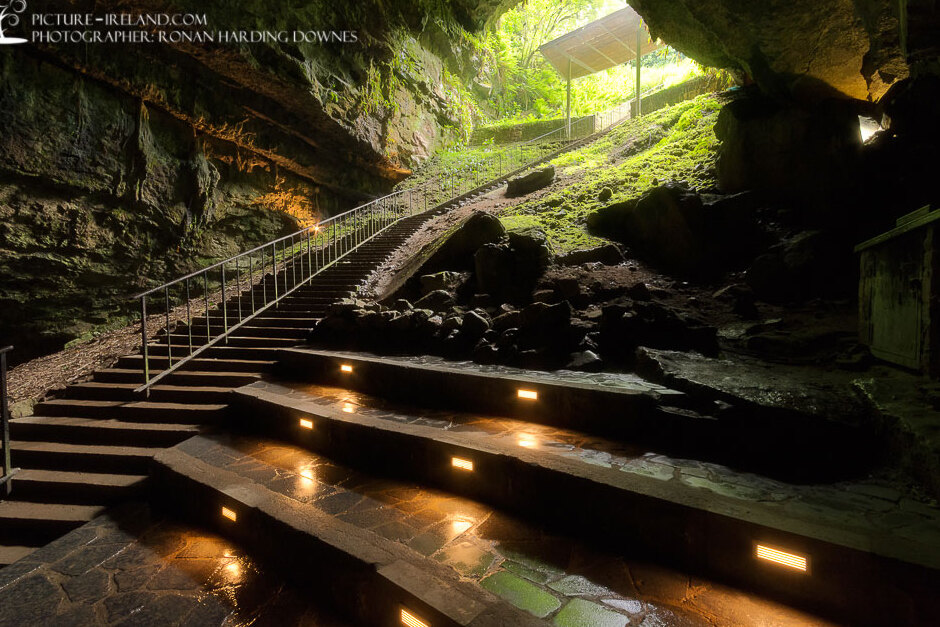
The cave is managed by the OPW and guided tours run at regular intervals — check the Heritage Ireland website for current times before you go, because they vary by season. The tour lasts about forty-five minutes and takes you through the main chambers including the Market Cross, a calcite formation over six metres tall. Combine this with a visit to Kilkenny town, which is only a short drive south. The drive from Dublin on the M9 takes about ninety minutes.
Il consiglio del team
The cave temperature is a constant 10°C year-round. Bring a layer regardless of what the weather is doing outside. The last tour of the day fills quickly in summer — book ahead or arrive at least thirty minutes before the final departure.
Kilkenny, one of the most romantic towns in Europe: medieval streets that actually deliver
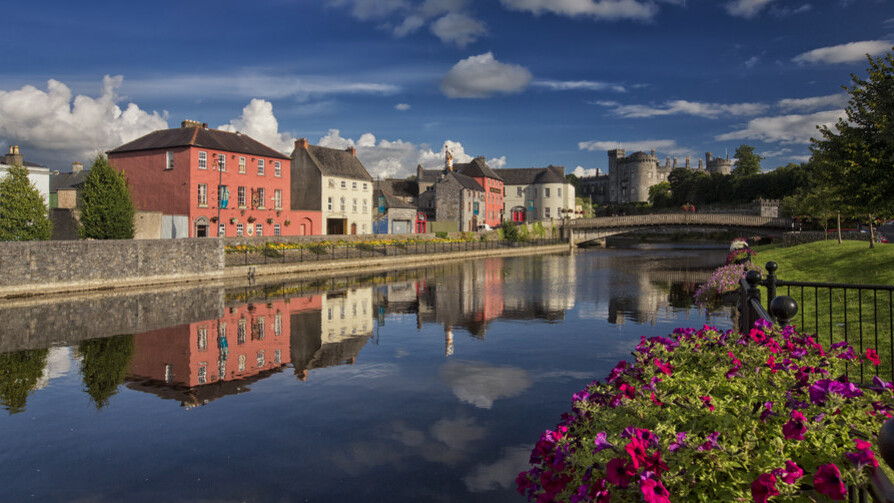
From Dublin by train, Kilkenny is served by Irish Rail from Heuston Station — journey time around ninety minutes, with multiple departures daily. By car on the M9, it's about ninety minutes as well. Walk the Medieval Mile from the castle to St. Canice's Cathedral, climb the round tower at the cathedral for a view over the town, explore the Kilkenny Design Centre in the castle stables, and take the riverside path along the Nore. That's a full day, done properly.
Il consiglio del team
The castle grounds are free to enter; the castle interior charges admission. The round tower at St. Canice's requires a separate ticket and involves a ladder-style climb — it's worth it but not suitable for everyone. Trains back to Dublin run until late evening, which makes this the most forgiving day trip on the list in terms of timing.
Ireland: Birr Castle Demesne — a working estate that takes gardens seriously
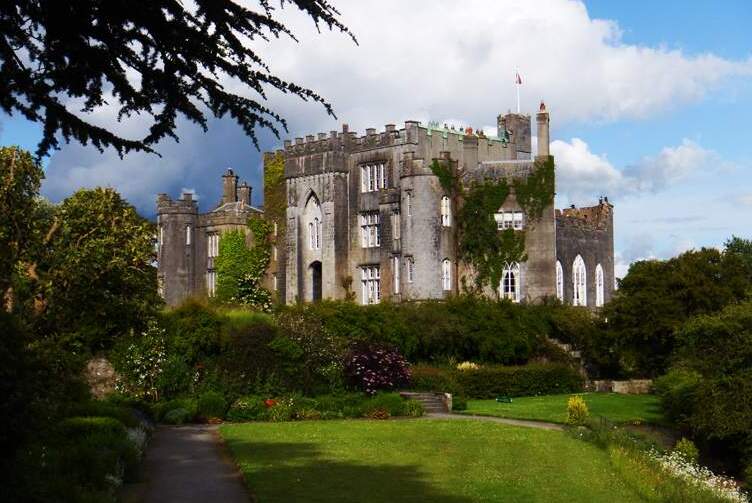
The demesne is home to the Parsons family, descendants of the Earls of Rosse, and the grounds contain the restored Great Telescope — the Leviathan of Parsonstown — which was the largest telescope in the world from 1845 until 1917. Walk the formal gardens with their box hedges, magnolias, and wisteria. Visit the Historic Science Centre. Walk along the river through the wider parkland. The town of Birr itself is one of the better-preserved Georgian towns in Ireland and worth an hour of your time before or after.
Il consiglio del team
Birr is far enough from Dublin that you want to leave by 8:30am to make the most of it. The demesne opens at 9am. There is no direct train to Birr — this is a car-only destination. Check the castle website for seasonal opening hours, as the science centre and castle interiors have different schedules from the grounds.
Peel Castle on St. Patrick's Island: Vikings, bishops, and the Irish Sea
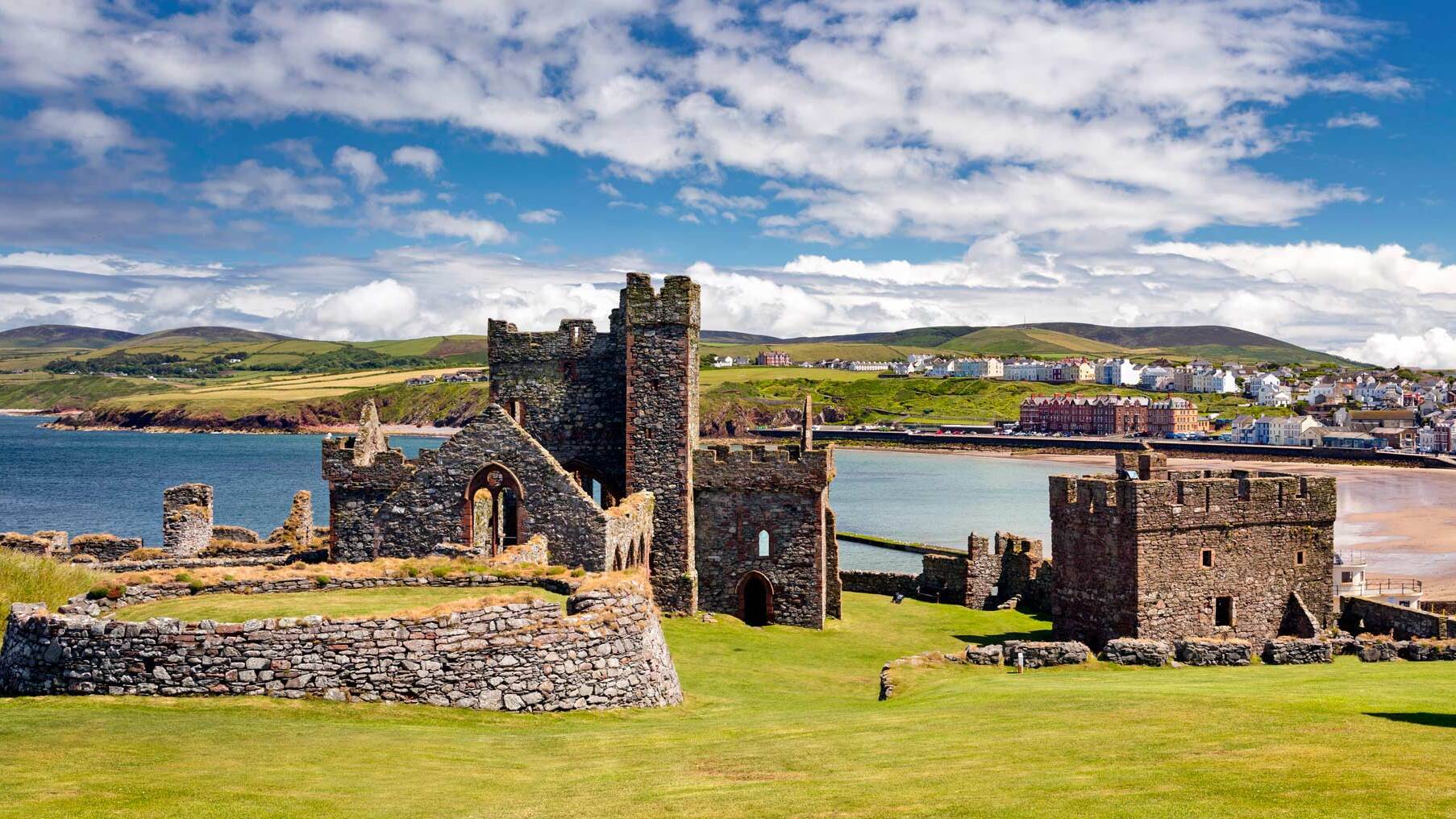
St. Patrick's Isle has layers: early Christian missionaries, Norse kings who made it a seat of government, a cathedral that was the centre of the Diocese of Sodor and Man. Walk the full circuit of the castle walls, visit the site museum in the town, and take the coastal path north of Peel for a view back to the island. The town's harbour is quiet and functional, not prettified for tourists, which is part of its appeal.
Il consiglio del team
The fast ferry from Dublin does not run daily — check the Steam Packet schedule well in advance and book early, especially in summer. An early sailing gets you to Peel by mid-morning. The last ferry back to Dublin is not late, so plan your time on the island tightly. This is a long day; it rewards early starts and minimal dawdling.
Portmeirion: how a naturally beautiful site can be developed without spoiling — an architect's argument in built form
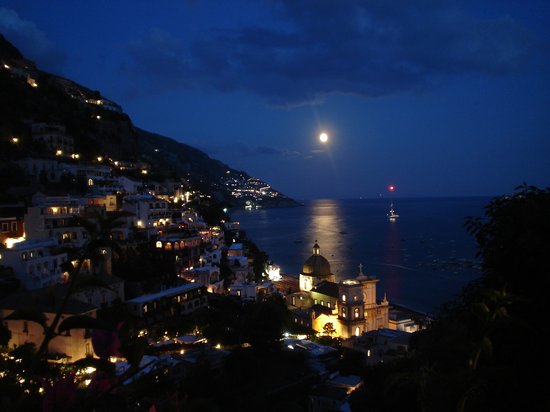
From Dublin, the practical route is by ferry to Holyhead — Irish Ferries and Stena Line both operate this crossing, taking roughly three hours and fifteen minutes — followed by a drive south on the A55 and A487, about ninety minutes from Holyhead. Portmeirion charges an admission fee for the village. Walk the Gwyllt woodland gardens, find the Pantheon, eat lunch at one of the on-site cafés, and take the path down to the estuary shore. It is unlike anywhere else in these islands.
Il consiglio del team
The Holyhead ferry crossing means this is a very long day from Dublin — realistically twelve to fourteen hours door to door. Consider whether an overnight stay in Portmeirion or nearby Porthmadog makes more sense. If you insist on doing it as a day trip, take the earliest possible sailing and accept that you will be tired on the return crossing.
South Stack Lighthouse: four hundred steps and the edge of Wales
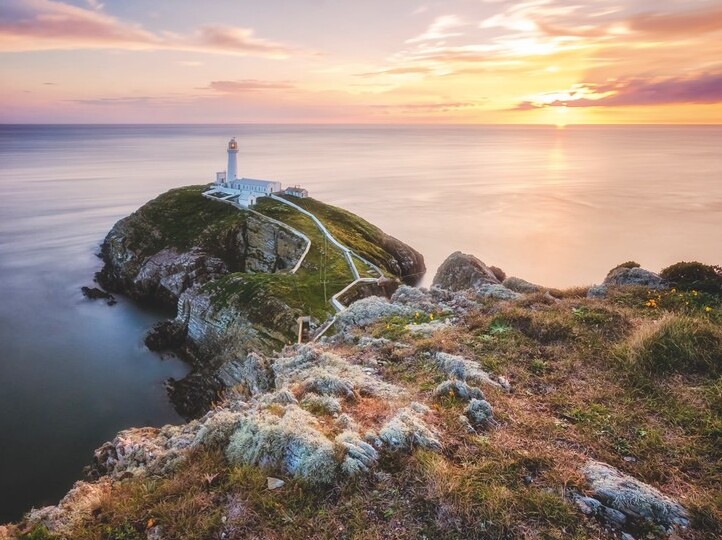
The route from Dublin combines the Holyhead ferry with a train to Holyhead station, then a taxi or local bus to the RSPB reserve at South Stack, about four kilometers from town. The cliffs here are important habitat for choughs, razorbills, and puffins in season. The lighthouse itself offers guided tours in summer. Stand on the cliff path above the island and look west: on a clear day, the Irish coast is visible. It is a useful reminder of how close these islands actually are.
Il consiglio del team
The RSPB visitor centre at Ellin's Tower, near the top of the steps, is free and has telescopes pointed at the cliff-nesting seabirds. Visit between April and July for the best chance of seeing puffins. The steps down to the bridge are steep and uneven — take your time on the descent and be aware that the return climb is harder than it looks.
Every city has its radius of escape, and Dublin's is unusually rich — not because the destinations are all world-famous, but because the distances are honest. You can be in a Wicklow valley that has barely changed in a thousand years within an hour of leaving O'Connell Street. You can stand in front of a megalithic capstone that no modern engineer has fully explained, and be back for dinner. You can cross the Irish Sea and find yourself on a Welsh headland or a Manx island that operates by entirely different assumptions about time and scale.
The trips that stay with you are rarely the ones that go perfectly. They're the ones where the ferry was rough, or the cave was colder than expected, or the car park was full and you ended up walking an extra mile and found something you weren't looking for. Leave early. Come back late. The city will still be there.
The trips that stay with you are rarely the ones that go perfectly. They're the ones where the ferry was rough, or the cave was colder than expected, or the car park was full and you ended up walking an extra mile and found something you weren't looking for. Leave early. Come back late. The city will still be there.