


But not all day trips are equal. A good one has a clear logic: the journey time should not exceed the time you actually spend at the destination. It should offer at least three things to do, so that if one falls flat, the day isn't wasted. It should have a realistic return window — if you're driving back into Dubai after 6 p.m. on a Thursday, you're sitting in traffic for ninety minutes. And it should justify the effort in a way that a Google image search simply cannot replicate.
I've done all ten of these trips by different means — hired car, the Abu Dhabi bus from Union Station, and chartered boats out of Dibba. Some I've done badly the first time and well the second. The notes below reflect both experiences. What follows is not a wishlist. It's a working itinerary guide, written for people who have one day and want to spend it correctly.
Sheikh Zayed Grand Mosque, the largest one in the world: scale that changes your sense of proportion
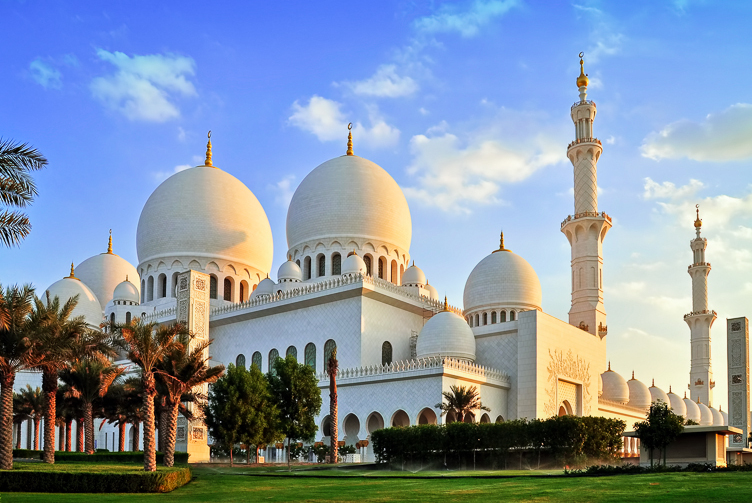
The mosque accommodates 40,000 worshippers and is built around a marble courtyard that reflects light in a way that changes completely between morning and afternoon. Three specific things to do: first, take the free guided tour that departs from the main entrance — guides are knowledgeable and the tour runs about 45 minutes. Second, walk the full perimeter of the courtyard slowly; the 82 domes read differently up close than in photographs. Third, visit the interior prayer hall, where the carpet — reportedly one of the world's largest hand-knotted carpets — is worth studying at floor level. Non-Muslim visitors are welcome outside of prayer times. Dress code is strict: full coverage, abaya provided at entrance if needed.
Il consiglio del team
Arrive by 9 a.m. on any day except Friday. By 10:30 the tour groups have arrived in force and the courtyard becomes difficult to navigate. The mosque is closed to non-Muslim visitors during Friday prayers — check the schedule before you leave Dubai.
Zaha Hadid: Ponte dello sceicco Zayed ad Abu Dhabi — an engineering argument made in steel and concrete
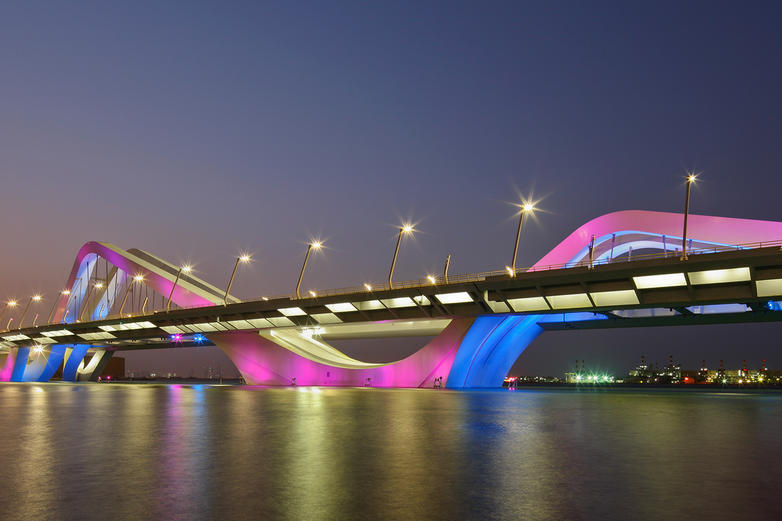
Three things to do: cross it once in each direction if traffic allows, stop at the viewing point on the Abu Dhabi side to photograph the full span, and at night — if you're staying late — the illuminated arches are worth a detour. Hadid's design was one of her first major infrastructure commissions and the engineering complexity is visible in the asymmetric rhythm of the arches. It's a bridge that rewards a second look.
Il consiglio del team
The best photographic angle is from the Maqta area on the Abu Dhabi mainland side, early morning, when the light comes from the east and the bridge is not backlit. Do not attempt to stop on the bridge itself — traffic enforcement is active.
The Hili Archaeological Site - Unesco Heritage: the oldest village in the UAE, still undervisited
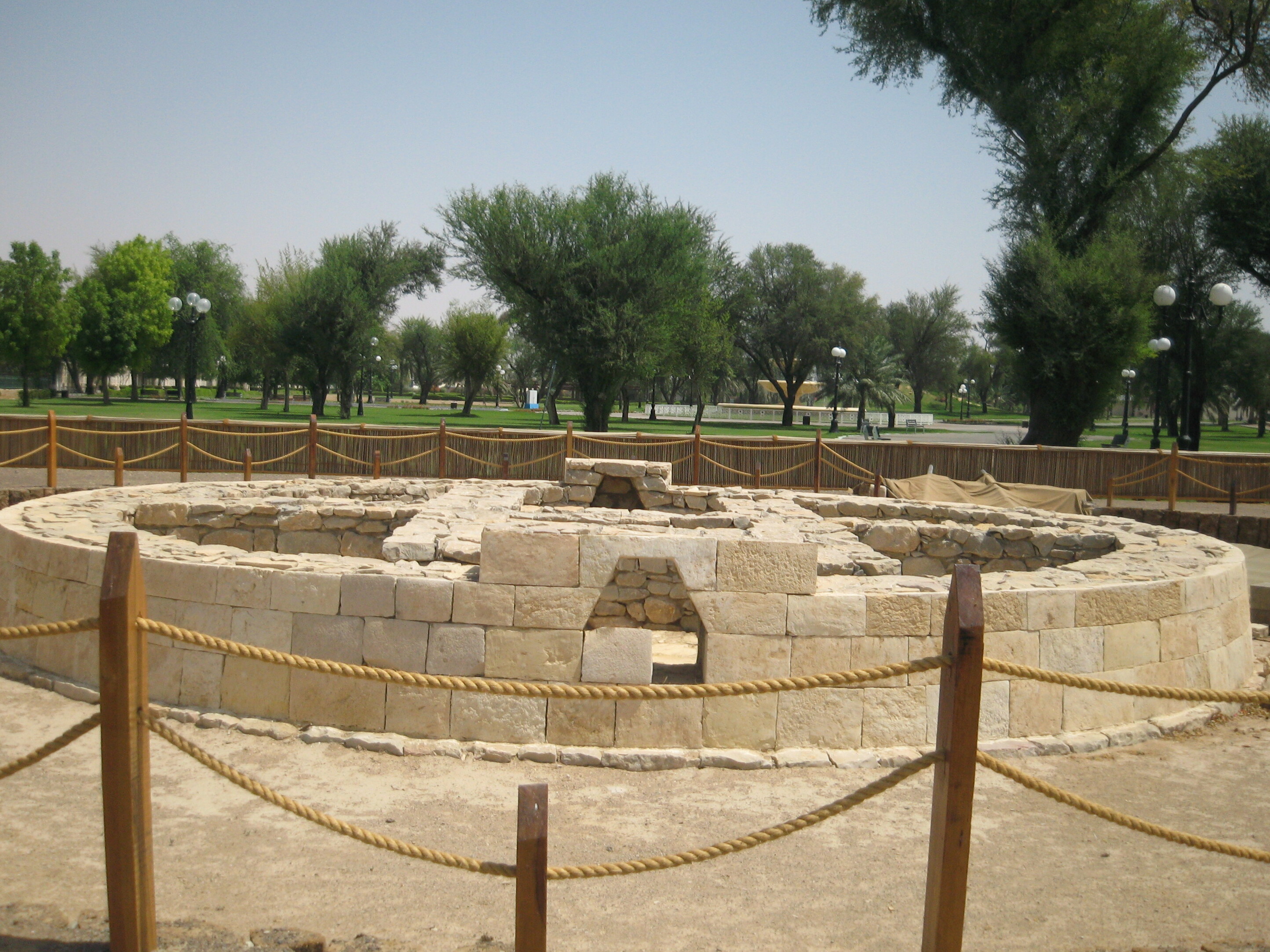
Hili contains evidence of agricultural settlement dating to approximately 3200 BCE — the Bronze Age — making it one of the earliest known farming communities in the UAE. The site is part of the Al Ain UNESCO World Heritage designation. Three things to do: walk the excavated Grand Tomb, a circular structure with carved reliefs that remain remarkably clear; read the interpretive panels carefully — they're unusually informative for a Gulf heritage site; and spend time in the surrounding Hili Archaeological Park, which is a functional public park that most tourists ignore entirely in favour of the central monument. That park is pleasant and shaded. Fourth, if you have time, the nearby Al Ain National Museum provides context for what you've just seen.
Il consiglio del team
The site is best visited on a weekday morning. Weekend afternoons bring local families to the park, which is lovely but means the archaeological area gets busier. The interpretive signage was updated relatively recently and is genuinely worth reading.
Abu Dhabi| Al A'ankah Fort, near the village of Remah: a desert fort that most guidebooks skip

Al A'ankah Fort is a traditional UAE mud-brick fort, now sometimes referred to as Remah Fort, that sits quietly along a road most visitors drive past without stopping. Three things to do: walk the full exterior perimeter and examine the construction technique — the mud-brick walls are thick and the watchtower design is typical of inland UAE defensive architecture; photograph the contrast between the fort and the surrounding flat desert landscape, which is unlike anything on the Abu Dhabi coastal strip; and, if access to the interior is available, note the internal courtyard layout. This is a good pairing with the Hili site — both in a single day if you start before 8 a.m.
Il consiglio del team
Access conditions at this fort can vary. Check recent visitor reports before making it the centrepiece of your day. Pair it with Hili or Jebel Hafeet as a supporting stop rather than a standalone destination.
Jebel Hafeet Mountain in United Arab Emirates: the UAE's most rewarding road, if you leave early
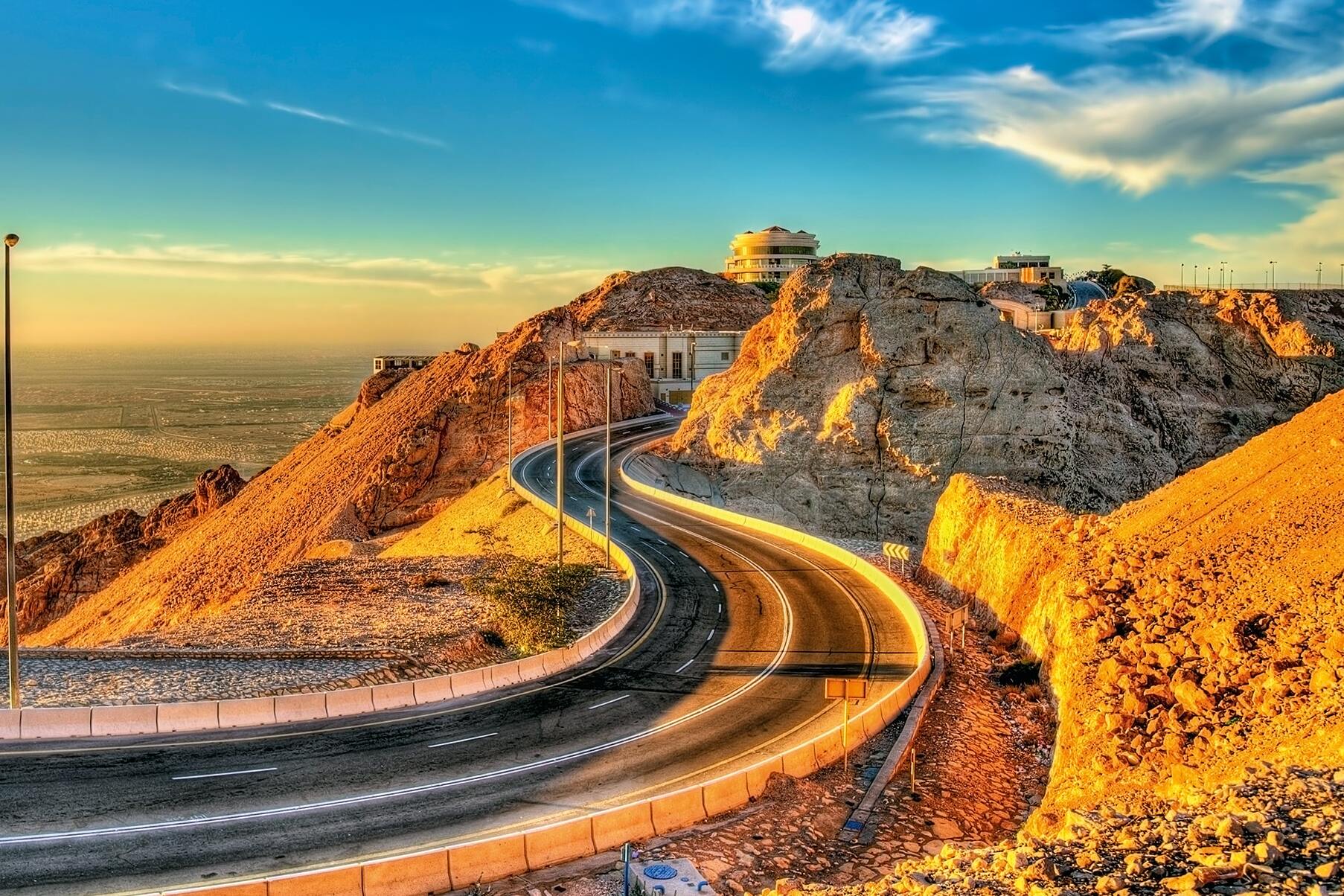
Three things to do: drive the summit road at dawn when the air temperature is 10 to 15 degrees cooler than the desert floor and the light is horizontal and clear; stop at the summit car park and walk the short path to the viewpoint overlooking Al Ain's grid of streets below; and on the descent, pull into one of the layby areas and look north toward the Hajar Mountains. The Green Mubazzarah hot springs at the mountain's base are worth 45 minutes if you have them — natural thermal pools in a landscaped park.
Il consiglio del team
Leave Dubai no later than 5:30 a.m. to reach the summit by sunrise. The road is open 24 hours. By 9 a.m. in summer the summit temperature is already climbing and the haze reduces visibility significantly. Winter mornings are the reward for the early alarm.
Scopri Jibal Asasimah: un angolo di natura incontaminata in Oman — a hill that earns its quietness
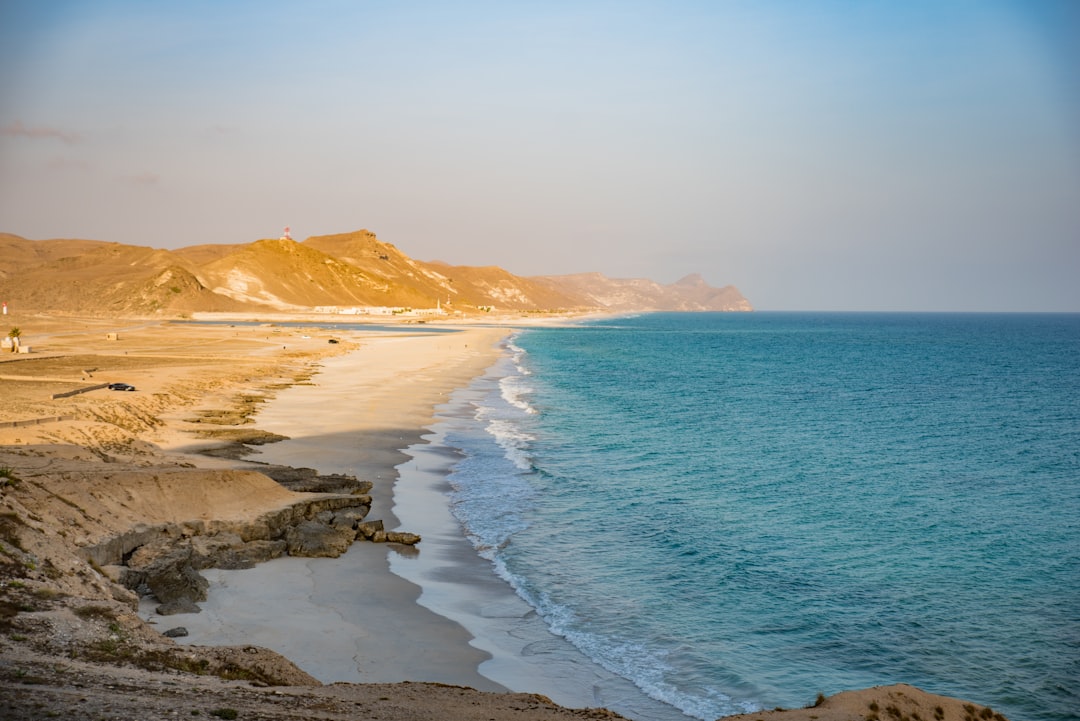
Jibal Asasimah is a hill in Oman that offers what the UAE's more developed nature sites increasingly cannot: genuine quiet and an undeveloped landscape. The experience is less about a checklist of attractions and more about the quality of the environment itself. Three things to do: walk the terrain without a fixed path and pay attention to the geology — the rock formations here are part of the Hajar range system; find a high point and sit with the view for longer than feels comfortable; and note the vegetation patterns, which differ from the UAE side of the border in ways that reflect differences in elevation and rainfall. This is a trip for people who are comfortable with unstructured time outdoors.
Il consiglio del team
Ensure your rental car agreement explicitly permits driving into Oman — many standard Dubai rental contracts do not. Specialist cross-border insurance is available from several providers near Dubai's border crossings. Check visa requirements for your nationality before departure.
Abu Dhabi: The world's first Ferrari-branded theme park — a theme park that knows exactly what it is
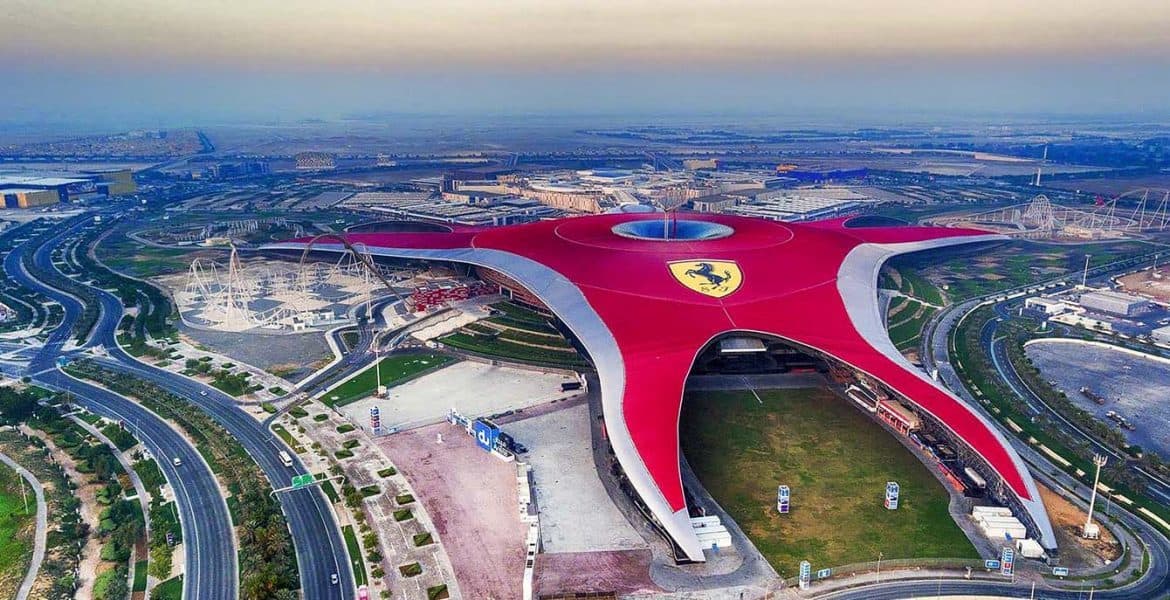
Ferrari World Abu Dhabi does not pretend to be anything other than what it is: a large indoor theme park built around a single brand, with rides calibrated for different age groups and a retail operation that is, by any measure, substantial. The Formula Rossa roller coaster is one of the fastest in the world. Three things to do beyond the headline ride: the driving simulators offer a genuine sense of what Formula 1 machinery feels like at speed; the Maranello section provides context about Ferrari's racing history that is more interesting than you might expect; and the Italian dining options inside are, by theme park standards, a cut above. Book tickets online — the discount versus door price is significant.
Il consiglio del team
Tuesday and Wednesday are the quietest days. Avoid school holiday periods entirely — the queues for Formula Rossa on a busy Friday can exceed 90 minutes. Arrive when the gates open and do the headline rides in the first two hours.
Yas Waterworld offers plenty of hi-tech splashy fun: a water park that justifies the drive
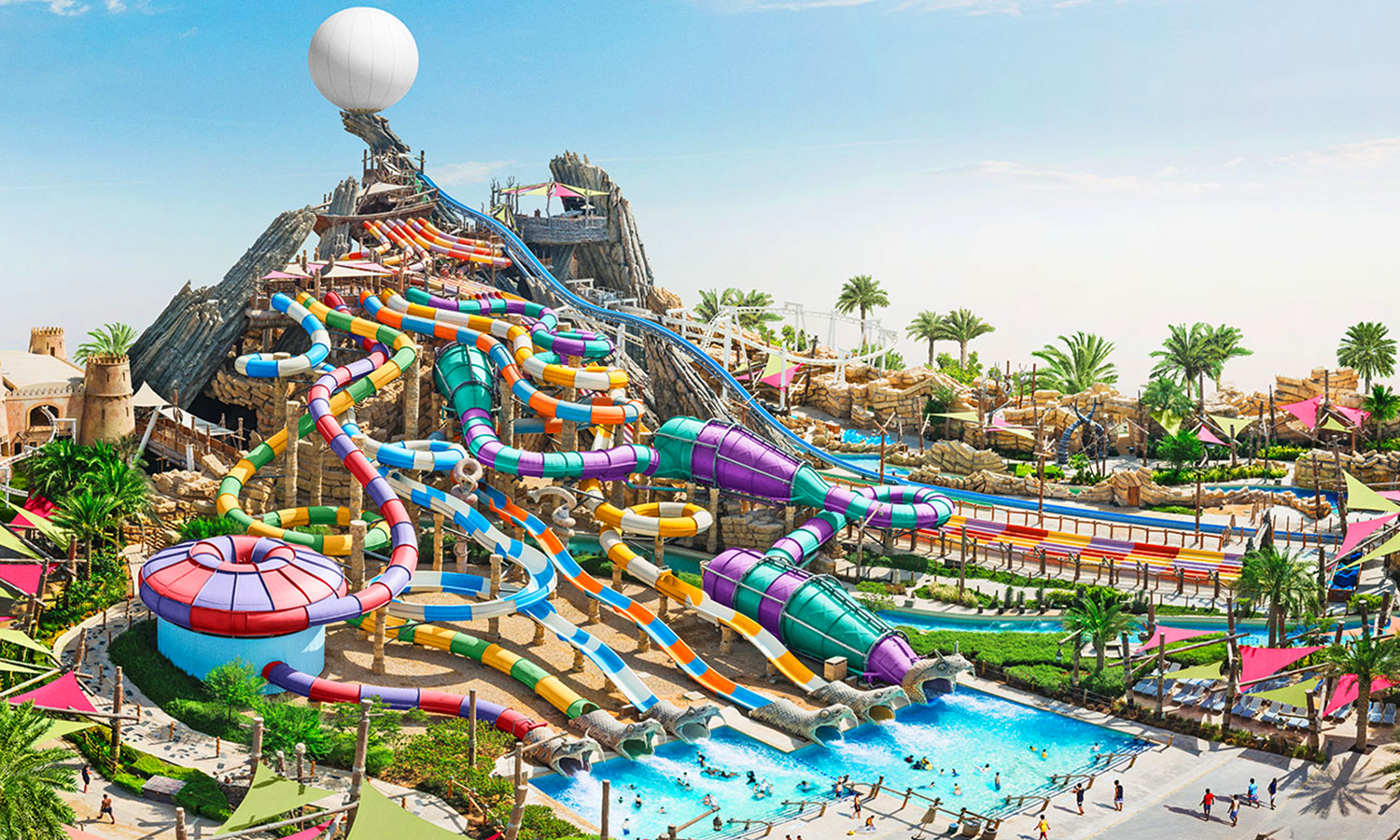
Yas Waterworld's design integrates technology into its water attractions in ways that go beyond the standard slide-and-pool formula: laser effects in water tunnels, tornado slides with genuine drop angles, and a wave pool that is larger than most. Three things to do: the Dawwama tornado slide is the signature attraction and worth the queue; the lazy river circuit is longer than average and a good way to decompress between high-adrenaline attractions; and the dedicated children's zones are extensive enough that families with mixed age groups can split without anyone feeling shortchanged. The park is fully shaded in key areas — a detail that matters enormously in a climate where summer temperatures exceed 40 degrees.
Il consiglio del team
Lockers fill up quickly near the main entrance. Go to the secondary locker banks near the back of the park — they're always less congested. Waterproof phone pouches are sold on-site but are cheaper if you bring your own.
Don't miss the Musandam Peninsula | Oman: the Gulf's fjords, reached by dhow

Three things to do: swim in the inlets — the water is clear and the rocky walls create a microclimate that is noticeably cooler than open sea; watch for dolphins, which are a regular presence in the Musandam channels and often follow the dhow; and if your tour includes a stop at Telegraph Island — the site of a 19th-century British cable relay station — walk the small ruins and consider the logistics of being posted there in the 1860s. Most full-day dhow tours include lunch and snorkelling equipment.
Il consiglio del team
Book a tour that departs from Dibba rather than Khasab — Dibba is two hours from Dubai versus four to Khasab, and the scenery is comparable. Check whether your tour operator handles the Oman border crossing paperwork; most do, but confirm before you pay. Friday departures are busier — go on a weekday if you can.
There's a version of the Dubai day trip that ends with you stuck on the E11 at 7 p.m., sunburned and regretting the whole enterprise. I've had that day. The difference between that version and a good one is almost entirely logistical: leaving earlier than feels necessary, having a realistic return window, and not trying to compress two full destinations into a single itinerary. The Gulf region has a habit of looking manageable on a map and then expanding in practice — distances are real, heat is real, and border crossings take the time they take.
What these ten trips collectively offer is a more complete picture of what this corner of the world actually is: Bronze Age villages, Omani fjords, mountains that rise from flat desert, architecture that earns its reputation. Dubai is a useful base. These destinations are the reason the base is worth having. Pick one, leave early, and come back before dark.
What these ten trips collectively offer is a more complete picture of what this corner of the world actually is: Bronze Age villages, Omani fjords, mountains that rise from flat desert, architecture that earns its reputation. Dubai is a useful base. These destinations are the reason the base is worth having. Pick one, leave early, and come back before dark.