


The Danish capital sits at the center of a radius that, within ninety minutes in almost any direction, delivers medieval cathedrals, white chalk cliffs dropping into the Baltic, moated Renaissance castles that nobody seems to know about, and a contemporary art museum that regularly makes visitors forget they were planning to catch a train home. That last part is the real risk.
A good day trip earns its travel time. It gives you something you cannot get by staying in the city — a different scale, a different silence, a different relationship with the landscape. It also has to be honest about its logistics. The train that leaves at 8:14 matters. The car park that fills by 10:00 on a Saturday matters. The ferry that only runs in summer matters enormously if you're visiting in March.
I've done all ten of these trips multiple times, in different seasons, by different means. Some I've done alone with a notebook, some with children who had opinions about lunch. The advice here is built from those accumulated hours on platforms and in car parks, not from a press release. Take it accordingly.
Roskilde Cathedral: where Danish kings sleep in stone
Beyond the cathedral, walk down to the harbor and the Viking Ship Museum, where five original Viking vessels — raised from the fjord in the 1960s — sit in a building designed around them. Allow two hours minimum there. The old town between the cathedral and the harbor is compact and navigable on foot. Grab lunch at one of the harbor-side spots before the afternoon crowds arrive from Copenhagen.
Il consiglio del team
The first train of the day leaves Copenhagen Central just after 5:00 AM on weekdays; for day-trippers, the 8:00–9:00 AM window is realistic and gets you to the cathedral before the school groups arrive around 10:30. On Saturdays, the cathedral sometimes closes sections for weddings — check the official website the morning you go.
Louisiana Museum of Modern Art: the building is half the point
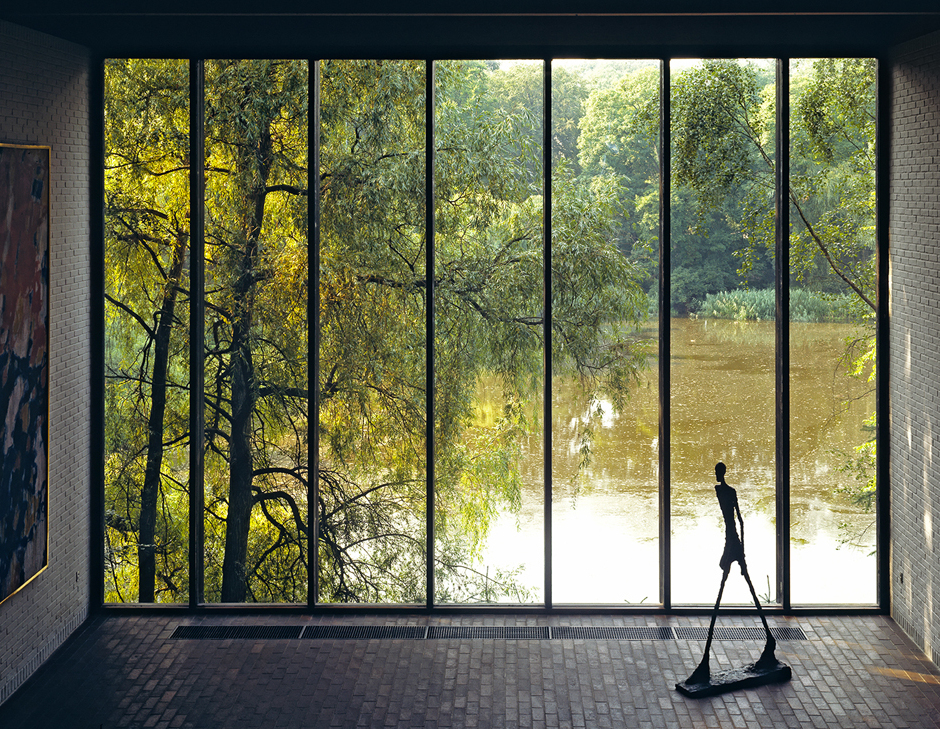
The museum was designed in the late 1950s and expanded carefully over decades — a series of low, interconnected pavilions that follow the slope of the land down to the Øresund strait. The permanent collection is genuinely strong in postwar European and American work, and the temporary exhibitions are among the best-programmed in Scandinavia. But the real experience is the relationship between the architecture, the sculpture garden, and the water view. You will spend time just sitting and looking at the strait toward Sweden. Budget a full day: most people who plan three hours end up staying five. The museum café is expensive but the terrace is worth it for the view alone.
Il consiglio del team
Tuesday evenings Louisiana stays open until 10:00 PM and is significantly less crowded than weekend afternoons. If you're visiting on a weekend, arrive when it opens at 11:00 AM — by 1:00 PM the café queue is long and the most popular galleries fill up. The last train back to Copenhagen from Humlebæk runs late enough to cover an evening visit comfortably.
Frederiksborg Castle: Renaissance ambition in brick and copper
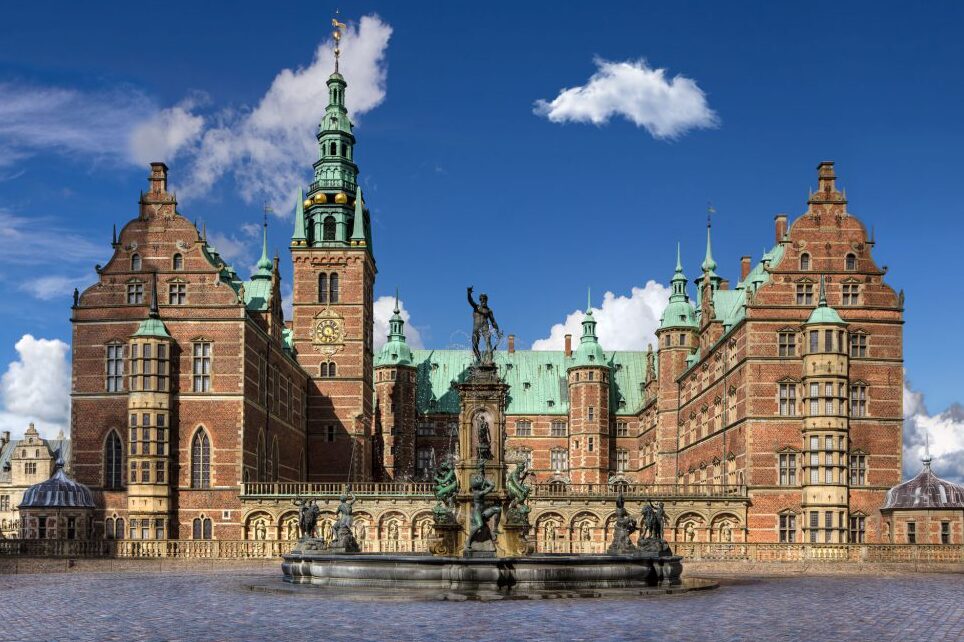
Inside, the National History Museum occupies the main building, with portraits and painted ceilings covering Danish history from the sixteenth century onward. The chapel is the highlight — original interior, extraordinary craftsmanship, and a Compenius organ from 1610 that is still played on Thursdays and Sundays in summer. The baroque garden on the south side was restored in the 1990s and is worth a slow circuit. The town of Hillerød itself is quiet and pleasant for lunch.
Il consiglio del team
The organ recitals happen on Thursday afternoons and Sunday afternoons in summer — specific times are posted on the museum website and they fill the chapel. If you want a seat, arrive thirty minutes early. Parking exists if you're driving, but the train is genuinely easier and drops you closer than the main car park.
Helsingør | One of the best places to visit in Denmark: Hamlet's castle and a working ferry port
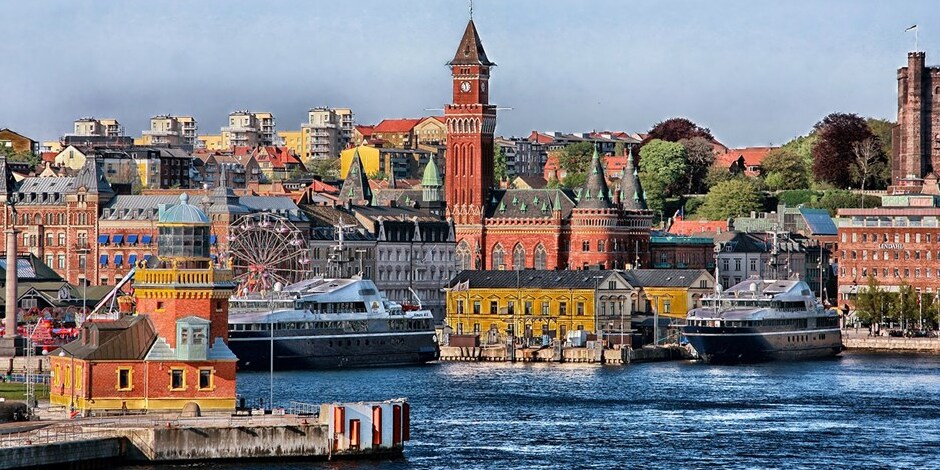
Kronborg is worth two to three hours: the great hall, the casemates where a statue of the legendary Holger Danske sleeps, and the maritime museum below the castle courtyard. But Helsingør is also a real town with a medieval street grid, the Carmelite monastery of Sankt Olai, and a harbor where ferries to Sweden leave every twenty minutes. Walk the old town, visit the cathedral, and if time allows, take the fifteen-minute ferry crossing to Helsingborg for coffee and a different country before the last train home.
Il consiglio del team
The Kronborg casemates are genuinely dark and damp — bring a layer even in summer. The castle gets very busy on weekend afternoons in July and August. A Tuesday or Wednesday visit in June or September gives you the same experience with a fraction of the crowd. The ferry to Helsingborg is a separate ticket and takes fifteen minutes each way — budget ninety minutes if you want to cross and come back.
Vallø Slot: il castello rinascimentale danese sul fossato — the moated castle almost nobody visits
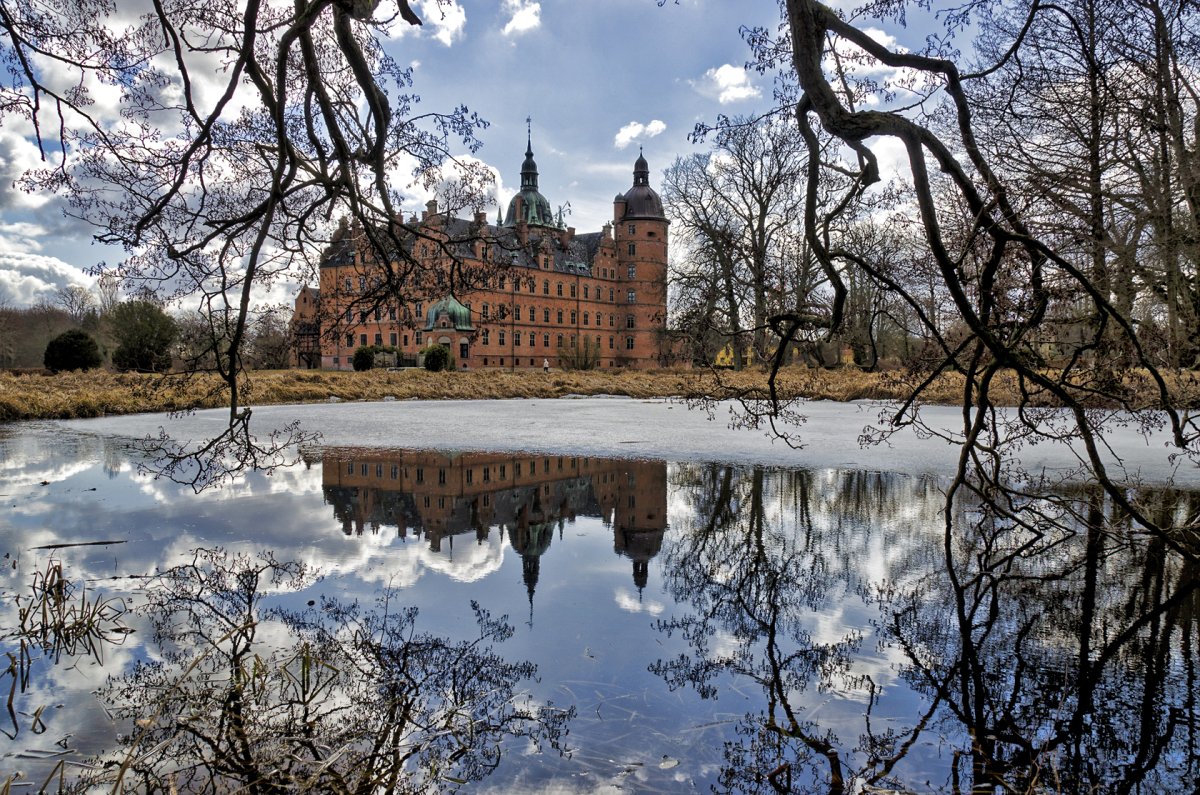
The grounds are open and the exteriors are freely viewable; interior access depends on current arrangements, so check before you go. The moat reflection, the towers, and the surrounding parkland are the main draw — this is a place for a long walk and a quiet hour, not a packed itinerary. The nearby town of Køge has a well-preserved medieval center worth an hour if you want to add substance to the drive.
Il consiglio del team
The car park near the castle is small. On weekday mornings it's rarely a problem; on sunny weekend afternoons in summer it fills and people park along the approach road. Arrive before 10:30 AM or after 3:00 PM. Combine with Køge's medieval center for a full day — the two are fifteen minutes apart by car.
Dragsholm Slot: One of the most haunted places in the World. — a medieval prison with a Michelin-starred kitchen
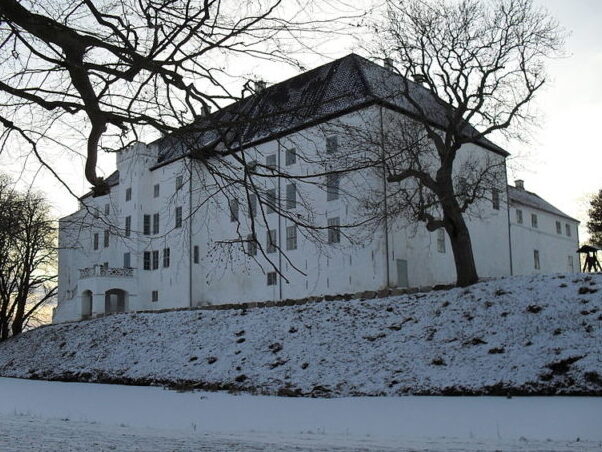
You do not need to stay overnight to visit. The restaurant has earned serious culinary recognition for its use of local and foraged ingredients, and a lunch reservation is achievable as a day-tripper. The grounds are walkable, the setting on the edge of the Lammefjord is atmospheric, and the ghost stories — three documented apparitions according to the castle's own history — are told with appropriate seriousness by the staff.
Il consiglio del team
Book the restaurant weeks in advance for dinner; lunch is somewhat easier to secure. If you're coming purely for the atmosphere and the grounds, a weekday in the shoulder season (May or September) gives you the place almost to yourself. The drive back through Odsherred along the coast road adds thirty minutes but is considerably more interesting than the motorway.
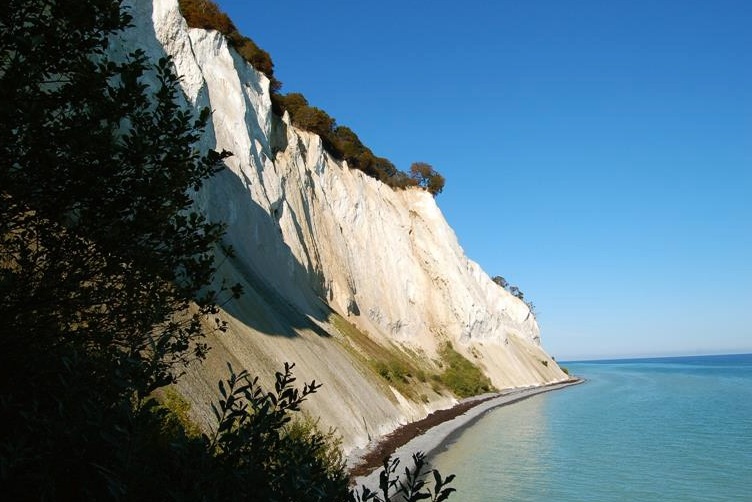
Island of Møn | Some of Denmark's most dramatic scenery: frescoes, forests, and the edge of the Baltic
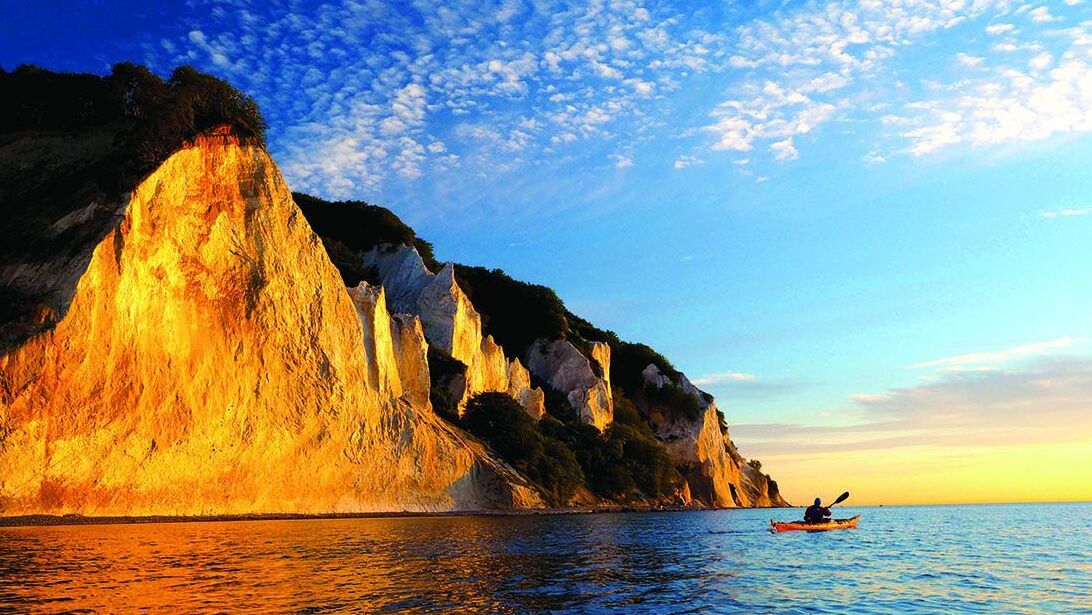
The villages are small and quiet, the landscape is agricultural and wooded in a way that feels different from the flat plains of much of Denmark, and the southern tip of the island leads to the cliffs. The GeoCenter Møns Klint visitor center near the cliffs is well-designed and worth an hour before you descend to the beach. Plan for a full day: the island rewards slow movement.
Il consiglio del team
The churches are often unlocked during daylight hours but occasionally close without notice — if one is locked, try the next one. The road to the cliff car park gets congested on summer weekends after 11:00 AM. Arrive at the cliffs first thing, then work your way back through the island's interior and churches in the afternoon.
La"Meraviglia del Baltico": le bianche scogliere di Mon — the Baltic's white cliffs from the water's edge
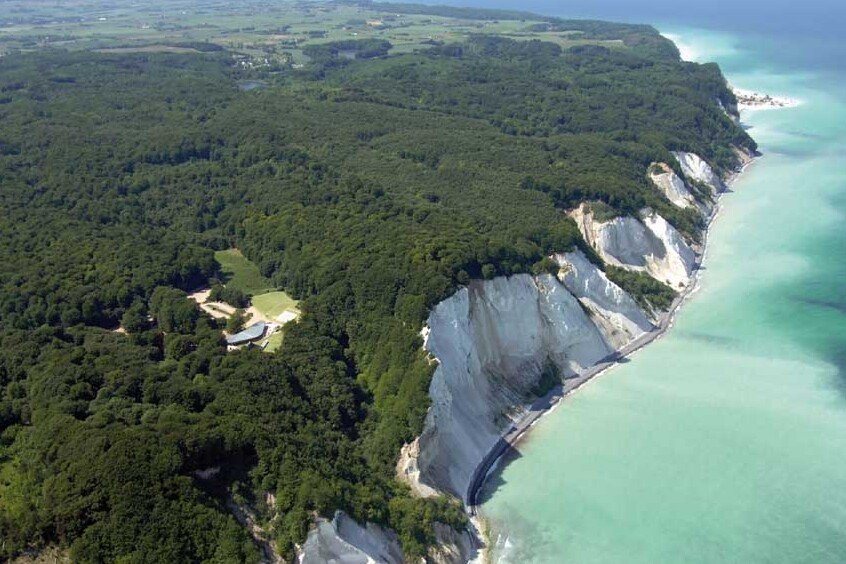
Kayaking along the cliff base is possible in calm conditions and several operators on Møn offer rentals and guided paddles in summer. From water level the cliffs are a different proposition entirely — the scale becomes apparent in a way it doesn't from the top. The beach itself is pebbly and not particularly suited to swimming, but for walking and looking, it is one of the more unusual stretches of Danish coastline.
Il consiglio del team
Kayak operators typically run from late May through early September; book in advance for July. The cliff base walk north from the main stairs leads to quieter sections of beach within fifteen minutes — most visitors turn back at the first good viewpoint, so keep walking. Early morning light hits the white chalk dramatically from the east.
Denmark | Kerteminde: a harbor town that takes painting seriously
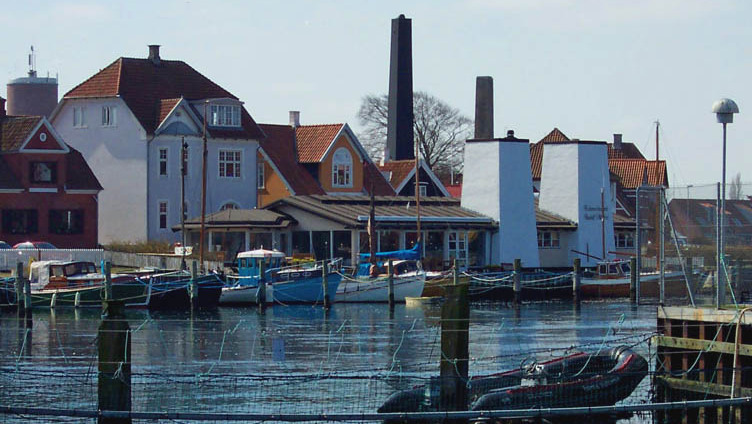
Kerteminde is a small harbor town with a history as an artists' colony in the early twentieth century. The Johannes Larsen Museum, dedicated to the Funen Painters and their Nordic impressionist work, is the main cultural draw — the building itself was Larsen's home and studio and the garden has been preserved. The harbor is active and genuine, not prettified for tourism. Walk the old streets, visit the museum, and eat at the harbor. If you're driving, the road along the Kerteminde Fjord is worth taking slowly.
Il consiglio del team
Combining Kerteminde with Odense — Hans Christian Andersen's birthplace, with a strong museum — makes the long journey worthwhile as a full day. Odense is the natural lunch stop; reach Kerteminde by early afternoon. The last bus back to Odense for the intercity train runs early evening — check the Fynbus timetable the morning you travel, as Sunday schedules are reduced.
Ten trips, three ways of getting there, and a range of distances that tests your willingness to commit to a day. The honest truth about day-tripping from Copenhagen is that the city's transport infrastructure makes the shorter runs — Roskilde, Louisiana, Helsingør, Frederiksborg — almost frictionless. You can decide at breakfast and be standing in front of a Viking ship or a Calder sculpture by mid-morning. The longer drives to Møn or Dragsholm require more intention, but they also deliver something the short hops cannot: a genuine change of landscape, a sense that Denmark is larger and stranger than its compact geography suggests.
What I keep coming back to, having done all of these more times than I can accurately count, is that the trips which hold their value are the ones that ask something of you — a longer walk, an earlier start, a willingness to get a little lost on a country road. Copenhagen will be there when you return. It keeps well.
What I keep coming back to, having done all of these more times than I can accurately count, is that the trips which hold their value are the ones that ask something of you — a longer walk, an earlier start, a willingness to get a little lost on a country road. Copenhagen will be there when you return. It keeps well.