10 Best Day Trips from Chicago — by train, car, and boat
A working writer's guide to getting out of the city without wasting the day
L
Una guida di
Lena Hofmann
Aggiornata il
22 ottobre 2026
Lettura
12 minuti
Comprende
6 luoghi · mappa interattiva
★ Guida d'Italia 2026
Pianifica con cura. Viaggia più a fondo.
1.3M+ luoghi curati nel mondo, mappe offline e itinerari intelligenti — tutto in un'app gratuita.
1.3M+ luoghiMappe offlineItinerari AIGratis
Chicago is a city that rewards loyalty, but it also punishes people who never leave. After years of writing about travel from this base, I've noticed a particular kind of restlessness that sets in around late March — the lake is still grey, the Loop is doing what the Loop always does, and the calendar is suddenly full of free Saturdays that feel like they're asking something of you. Day trips are the answer, but only if you do them right. A bad day trip — the kind where you spend four hours in traffic to walk around a parking lot and eat a disappointing sandwich — is worse than staying home. A good one resets your relationship with where you live. It reminds you that Chicago sits at the center of something: a web of rail lines, a shoreline that stretches into three states, a cluster of mid-sized cities and natural landscapes that most people who live here have never bothered to visit. What makes a day trip worth the effort? Three things, in my experience. First, the journey itself has to be honest — I'll tell you exactly how long it takes and by what means, not the optimistic version. Second, there has to be a reason to arrive, not just a reason to go. And third, you need to be able to get home for dinner without feeling like you've been punished. Everything in this list meets those three tests. I've done all of these trips multiple times, by different means of transport, in different seasons. I'll tell you what I actually found.
The Chicago Botanic Garden sits 33 kilometers north of the city center in Glencoe, and the Union Pacific North Metra line gets you to the Braeside station in about 45 minutes from Ogilvie Transportation Center. From the station it's a short walk or a free shuttle to the garden entrance — no car required, which matters here because parking on a summer Saturday is a genuine ordeal. The garden opened more than 40 years ago and has grown into one of the world's serious living museums and conservation science centers, which is a phrase that sounds institutional until you're actually standing in the Japanese garden watching herons work the water. Plan to spend three to four hours. Walk the island gardens, spend time in the Regenstein Fruit & Vegetable Garden if it's summer, and don't skip the Evening Island loop — it's the part most day visitors miss because it requires crossing a bridge that isn't immediately obvious. The model railroad garden, if you're traveling with children or just have a weakness for miniature infrastructure, is worth 30 minutes on its own.
Il consiglio del team
Go on a weekday if at all possible. Weekend trains are fine, but the garden itself gets dense by 11am on Saturdays from May through September. The first Metra departure from Ogilvie around 7am gets you there before the tour groups arrive. Check the Metra schedule the night before — service frequency drops sharply on Sundays.
South Bend is 117 kilometers from Chicago, and the South Shore Line — one of the last remaining interurban rail lines in the United States — runs directly from Millennium Station to South Bend Airport, from which a local bus or rideshare covers the remaining distance to campus. Total travel time is roughly two to two-and-a-half hours each way, which is on the edge of comfortable for a day trip, so you need to be efficient on arrival. The Golden Dome atop the main administration building has become one of the most recognizable symbols of Notre Dame — it was rebuilt after a fire and topped with a gilded statue that catches afternoon light in a way that justifies the photographs. Beyond the dome, walk to the Basilica of the Sacred Heart, which is genuinely impressive and often overlooked by visitors who came only for the football stadium. The Snite Museum of Art on campus is free and has a serious permanent collection. Then walk the main quad slowly — the scale of the campus architecture is the point.
Il consiglio del team
Avoid any weekend when Notre Dame has a home football game. The South Shore Line runs extra trains but they're crowded and slow, and South Bend becomes difficult to navigate. Check the football schedule before you book anything. Off-season — late October through April — the campus is quieter and the light on the dome is better anyway.
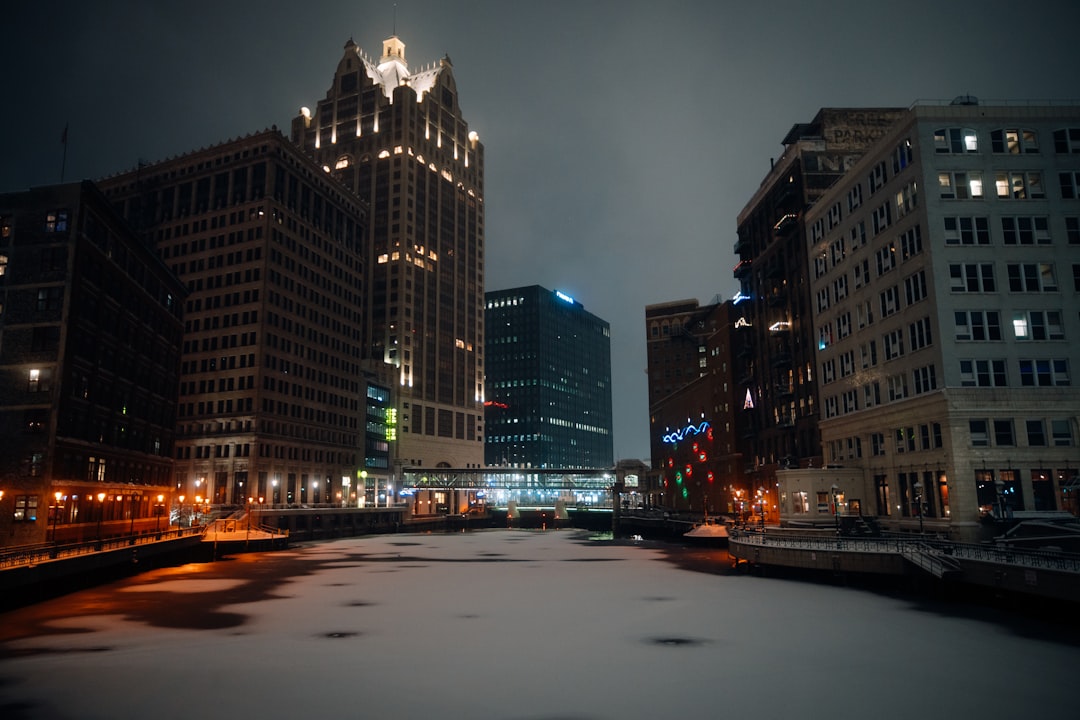
Milwaukee is 131 kilometers from Chicago, and the Amtrak Hiawatha service — one of the most-used short-distance Amtrak corridors in the country — runs the route in about 90 minutes, with multiple departures daily from Union Station. This is one of those trips where the train genuinely beats the car: parking in Milwaukee's Third Ward or near the lakefront costs money and attention you'd rather spend elsewhere. Milwaukee is a vivid, underestimated city — rich in history, culture, and the kind of mid-century architecture that doesn't get enough attention. Walk the Third Ward neighborhood for its market and independent shops. The Milwaukee Art Museum, with its Calatrava-designed Quadracci Pavilion on the lakefront, is worth two hours minimum. Walk or cycle along the Riverwalk downtown. The Historic Mitchell Street corridor offers a different side of the city entirely — working-class, predominantly Latino, and far more representative of what Milwaukee actually is than the brewery tourism would suggest.
Il consiglio del team
The Hiawatha's last return train to Chicago departs Milwaukee around 9:30pm, which gives you a full day. Buy your ticket in advance online — the corridor is popular and the cheaper fare buckets sell out. If you're driving instead, I-94 is fast until it isn't: Friday afternoon traffic between the two cities can add 45 minutes with no warning.
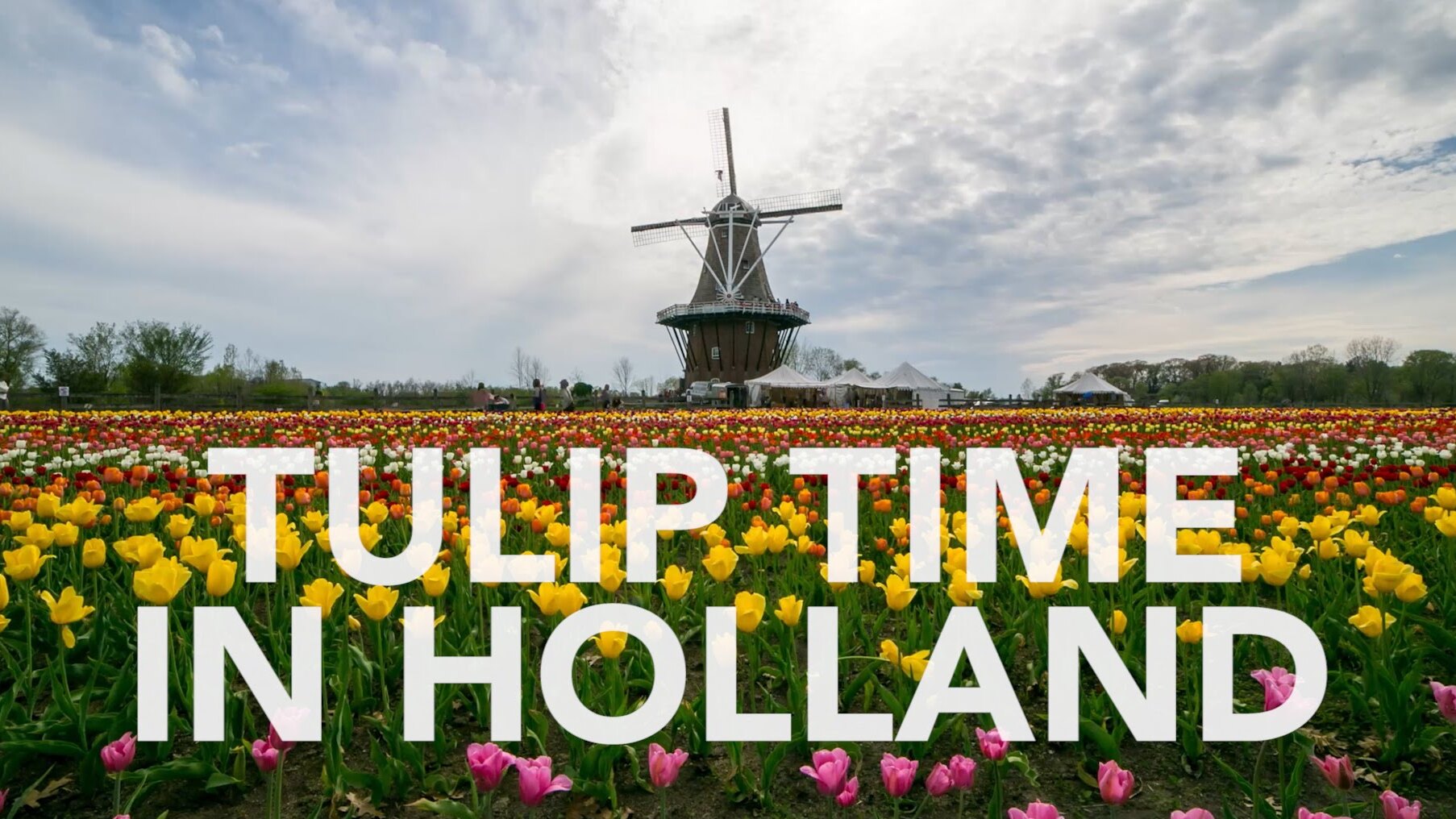
Holland, Michigan sits about 161 kilometers from Chicago across the Indiana Toll Road and up through the southwestern corner of the state — roughly two hours in normal traffic, closer to two-and-a-half on a festival weekend, which is the only time most people come. The Tulip Time Festival is an annual event rooted in Holland's Dutch settler heritage, and it draws visitors from across the Midwest in numbers that can overwhelm the town's modest infrastructure. That said, if you plan correctly, it's a genuinely colorful and specific experience that you won't find replicated anywhere in the region. The downtown is walkable and the Dutch architecture, while partly performative, is well-maintained. Walk Centennial Park when the tulips are at peak bloom, explore the Windmill Island Gardens, and allow time for the Dutch Village cultural attraction if you're traveling with family. The festival typically runs in early May — check the exact dates each year, as they shift.
Il consiglio del team
Parking in downtown Holland during festival weekend is a serious problem. Arrive before 9am or use one of the remote parking lots with shuttle service — the festival organizers publish shuttle locations on their website. If you come midweek during the festival rather than Saturday, you'll find the crowds roughly half what they are on weekends. The tulips don't care what day it is.
If the previous entry on Madison was about moving fast, this one is about what happens when you slow down. Madison, the capital of Wisconsin, rewards a more deliberate pace — its lakes, its market culture, its historic architecture, and the green corridors that connect them are all things that reveal themselves gradually. The Olbrich Botanical Gardens on the east side of Lake Monona are far less visited than the equivalent gardens in larger cities, and they're better for it. The grounds include a Thai pavilion donated by the Thai government — an unexpected and genuinely beautiful element in a Midwestern park. Walk the Capitol building's interior, which is open to visitors and architecturally serious. Then find a spot on the Memorial Union Terrace on the Lake Mendota shore in the late afternoon — it's one of the better places in the Midwest to watch the light change over water without anyone trying to sell you anything.
Il consiglio del team
Parking in downtown Madison near the Capitol is metered and competitive on weekdays. On weekends it's easier, but the garages off State Street fill up by mid-morning. The city has a solid bike-share system — consider parking once on the edge of the isthmus and cycling between points. The isthmus is only about three kilometers wide; everything is closer than it looks on the map.
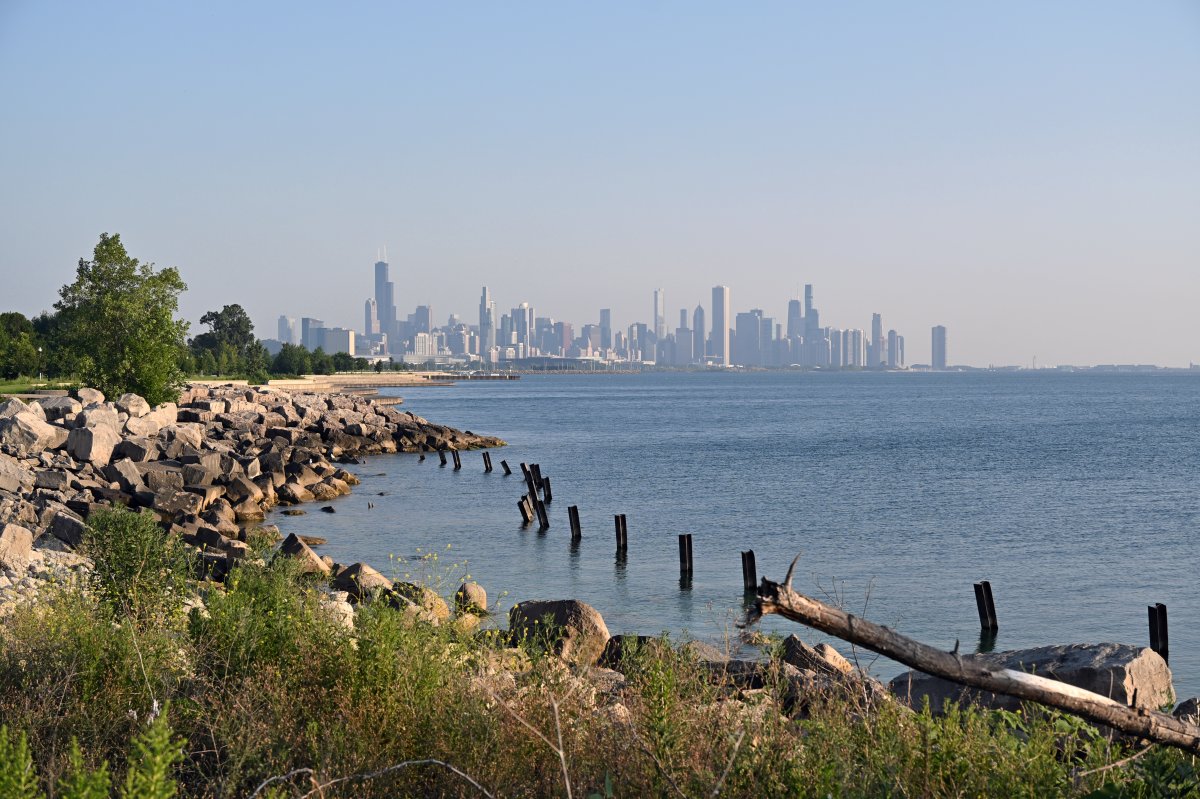
Lake Michigan is not a destination in the conventional sense — it's a condition. One of the largest freshwater lakes in the world, it covers more than 57,000 square kilometers and borders four states, with its western and southern shores running directly past Chicago. But the lake as a day-trip subject means getting out of the city and finding a stretch of it that isn't urban — the Indiana Dunes National Park on the southern shore, accessible by South Shore Line or by car in under an hour, is the most obvious choice. The dunes themselves are a legitimate geological phenomenon: wind-shaped sand formations that rise sharply from the shoreline and offer views back across the water toward Chicago's skyline. Walk the Dune Succession Trail for ecological context, then descend to the beach. The water is cold for most of the year — even in July, Lake Michigan runs colder than people expect — but the shoreline is wide and the light on the water in late afternoon is worth the trip on its own terms.
Il consiglio del team
The Indiana Dunes are reachable by South Shore Line to the Dune Park station, which puts you within walking distance of several trailheads — no car required. If you drive, the West Beach parking lot fills completely by 10am on summer Saturdays. Come on a weekday in September: the crowds are gone, the water is at its warmest, and the dune grasses have turned color.
Every city has a radius of possibility that its residents systematically ignore. Chicago's is larger than most — a two-hour circle that takes in a Great Lake, two state capitals, a world-class university, a Dutch-American festival, and gardens that have been quietly maturing for decades. I've made all of these trips in a hurry and at a slower pace, by train and by car and once by ferry on a morning when the lake was flat and the Chicago skyline looked, from the water, like something someone had built as a proposal rather than a fact. The point of a day trip isn't escape — it's perspective. You leave, you see something that isn't yours, and you come back knowing something you didn't know in the morning. Chicago rewards that. Go out. Come back. The city will still be here, doing what it does.
★ Guida tascabile
Porta questa guida con te.
Salvala offline, ottieni le indicazioni a piedi e scopri migliaia di luoghi come questi.
What is the best time of year for day trips from Chicago?
Late May through early October covers most destinations comfortably, but the honest answer is that it depends on the trip. The Indiana Dunes and Lake Michigan shoreline are best in September — warm water, thin crowds. The Chicago Botanic Garden has a strong case for February if you go for the greenhouse displays. The Tulip Time Festival in Holland, Michigan is locked to early May. Madison and Milwaukee work year-round. Notre Dame is best avoided during home football Saturdays from September through November. Each trip has its own seasonal logic; check conditions specific to your destination rather than applying a single seasonal rule.
Do I need a rail pass for the Metra and South Shore Line?
No pass is needed or particularly useful for these trips. Metra operates on a zone-based fare system — you buy a ticket for your specific origin and destination, either on the Metra app, at a station vending machine, or from the conductor on board (with a small surcharge). The South Shore Line to South Bend uses a separate ticketing system through the Northern Indiana Commuter Transportation District; buy tickets at Millennium Station or online. Amtrak's Hiawatha to Milwaukee is a separate booking through Amtrak.com. None of these services accept Chicago Transit Authority Ventra cards, which is a common mistake — they are entirely separate systems.
What are the realistic driving times from Chicago, accounting for traffic?
Add 20 to 40 percent to any Google Maps estimate for Friday afternoons and Saturday mornings heading out of the city, and for Sunday evenings heading back. The specific bottlenecks: the I-90/94 merge on the north side, the Indiana Toll Road entrance near the state line, and I-94 north toward Milwaukee between 3pm and 7pm on Fridays. Milwaukee is nominally 90 minutes but budget two hours on a Friday. Madison is nominally two hours but budget two-and-a-half. Holland, Michigan is two hours in clean traffic; on a festival weekend Saturday, plan for three. Leave before 7am if you want the optimistic version of any of these drive times.
Can all of these trips genuinely be done in a single day?
Most of them, yes, with caveats. The Chicago Botanic Garden and the Indiana Dunes are easy half-days — you can be home for an early dinner. Milwaukee and Madison are full days but manageable. Notre Dame via South Shore Line is tight — you're looking at roughly five hours of travel for a four-to-five-hour visit, which works if you're efficient. The ferry crossing to Muskegon via Milwaukee is the most ambitious: it requires either an overnight in Milwaukee or an early departure from Chicago, and the return logistics need to be planned carefully. Holland during Tulip Time is a full day by car. Be honest with yourself about how much time you actually have before you commit.
Is it worth renting a car for these trips, or is public transit sufficient?
For Milwaukee and the Chicago Botanic Garden, the train is genuinely better than driving — faster door-to-door, no parking costs, and you can read or sleep on the way back. For Notre Dame, the South Shore Line works well if you don't mind the connection. For Madison, Holland, and the Indiana Dunes by car, driving gives you more flexibility to move between sites. The ferry crossing requires a car only if you want to bring one across — foot passengers have a perfectly good day in Muskegon using rideshare. The general rule: if the destination has a train connection, use it. If it doesn't, drive and leave early.
★ Leggila quando vuoi
Salvala sul tuo telefono.
Aggiungi questa guida ai preferiti, pianifica il viaggio offline, scopri luoghi come questi.