Borghi&Tesori by Secret World — la più grande guida di viaggio al Mondo
En · Guida di viaggio
Guida di viaggio · Edizione 2026

10 Best Day Trips from Brussels — by train, car, and boat

Where to actually go, how to actually get there, and what to do when you arrive

L
Una guida di
Lena Hofmann
Aggiornata il
11 maggio 2026
Lettura
13 minuti
Comprende
7 luoghi · mappa interattiva
10 Best Day Trips from Brussels — by train, car, and boat
★ Guida d'Italia 2026

Pianifica con cura. Viaggia più a fondo.

1.3M+ luoghi curati nel mondo, mappe offline e itinerari intelligenti — tutto in un'app gratuita.

1.3M+ luoghi Mappe offline Itinerari AI Gratis
Brussels has a reputation for being a city people pass through rather than one they linger in. That reputation is, frankly, unfair — but it does contain a useful truth: the city sits at the geographic and rail heart of a small country that packs an extraordinary density of history, architecture, and waterways into a space roughly the size of Maryland. Within ninety minutes in any direction, you can stand inside a Gothic cathedral that took two centuries to finish, walk the deck of a working river barge, or eat gray shrimp at a harbor-side table while the North Sea wind argues with your napkin.

A good day trip from Brussels has to clear a few practical bars. First, it needs to be reachable without a car if you want one — Belgium's intercity rail network is genuinely excellent, and driving in and out of Antwerp or Ghent at rush hour will cost you an hour you cannot get back. Second, it needs to offer enough depth that you're not standing around wondering what to do by 11am. Third, and this is the one most travel writing ignores: it needs to work on the specific day you have available, not on some idealized Tuesday in May when the light is perfect and the crowds have stayed home.

I've done every trip on this list multiple times — by train, by car, once memorably by a canal boat that moved at the speed of mild anxiety. What follows is not a promotional brochure. It's an honest account of what's worth your time, what to skip, and when to leave the house. The distances are short. The decisions are yours.
2 Historic Site · 41.2 km

Antwerp | First Stock Exchange: where modern finance was born in a courtyard

Antwerp | First Stock Exchange: where modern finance was born in a courtyard
Built in 1531, the Antwerp Bourse was the first purpose-built stock exchange in the world, and it served as the direct architectural and conceptual model for the exchanges that followed in London, Amsterdam, and beyond. The building has had several lives since — it burned, was rebuilt, served as a post office, fell into disrepair — and the ongoing restoration work means the experience of visiting changes depending on when you arrive. But the courtyard, with its arcaded galleries and the ghost of ten thousand commercial transactions still somehow present in the stonework, is worth seeking out.

This is not a museum in the conventional sense. There are no interactive displays explaining derivatives. What you get instead is a physical encounter with the moment when trade became abstracted from goods — when you could buy and sell a promise rather than a barrel. That's a bigger idea than most buildings can hold, and this one holds it reasonably well.
Il consiglio del team Access and opening hours have fluctuated with restoration phases. Check the current status before you go — the Antwerp tourism website (visitantwerpen.be) is more reliable than third-party aggregators for this particular site.
3 Arte, Teatri e Musei · 34.6 km

Antwerpen | Zimmer Tower and the Jubilee Clock: thirteen dials and one very old wall
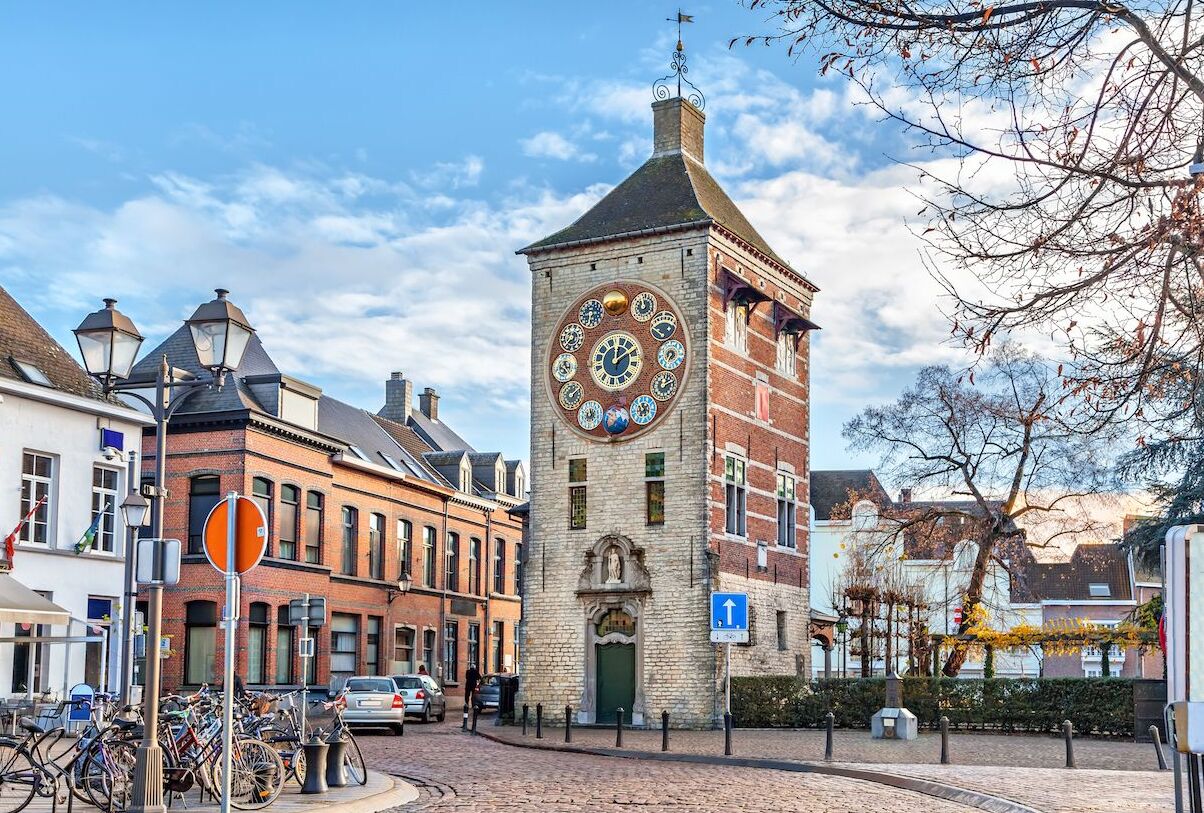
Antwerpen | Zimmer Tower and the Jubilee Clock: thirteen dials and one very old wall
The Zimmer Tower is not in Antwerp — it's in Lier, a smaller town about 18 kilometers southeast of Antwerp city center, reachable by a short regional train or bus connection. The tower itself is all that remains of the medieval city wall, and the Jubilee Clock mounted on its face is the work of Louis Zimmer, a local watchmaker who spent decades building a mechanism that simultaneously displays 13 different astronomical and calendrical cycles. The result is genuinely difficult to read, which is part of the point — it is a clock designed to show you how much is happening in the universe at any given moment, not just what time it is.

The interior houses an additional astronomical clock and a planetarium room. It is a quiet, slightly eccentric attraction that rewards patience. Lier itself is a well-preserved Flemish town that most day-trippers from Brussels never reach, which is a reasonable argument for going.
Il consiglio del team Combine Lier with Antwerp on the same day — take the early train to Antwerp, spend the morning there, then catch a regional connection to Lier for the afternoon. The last direct train back to Brussels from Antwerp runs late enough to give you a full evening if you want one.
4 Parchi e giardini · 41.4 km

Scopri la Cattedrale di Anversa: un tesoro di cultura e storia — the cathedral that took longer to build than most empires last
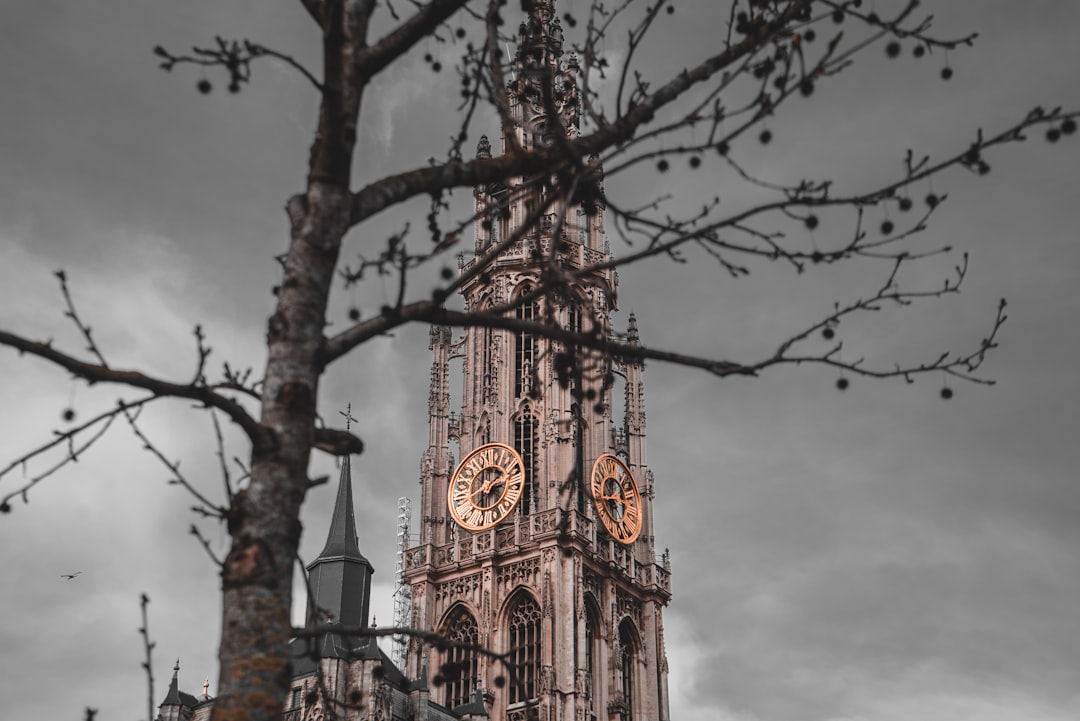
Scopri la Cattedrale di Anversa: un tesoro di cultura e storia — the cathedral that took longer to build than most empires last
The Onze-Lieve-Vrouwekathedraal — Our Lady's Cathedral — dominates the Antwerp skyline in a way that feels almost aggressive. Construction began in 1352 and wasn't completed for nearly two centuries, which explains both the scale and the stylistic layering visible if you look carefully at the stonework. The interior holds several major Rubens paintings, including the Descent from the Cross, which hangs in the north transept and is larger and more physically overwhelming than any reproduction prepares you for.

The cathedral sits in the Groenplaats, a square that fills with tourists by mid-morning. Arrive when it opens. The light through the nave in early morning is genuinely different from the light at noon — cooler, more directional, less contested by crowds. The tower is climbable, and the view over the old port district from the top justifies the effort.
Il consiglio del team The cathedral charges an entry fee for the interior (the Rubens paintings are the reason). If you're visiting on a Sunday morning and attending mass, entry is free — but the paintings may be partially obscured during the service. Plan accordingly.
5 Arte, Teatri e Musei · 41.3 km

The Hendrik Conscience Library: the most beautiful room in Antwerp that most visitors walk past
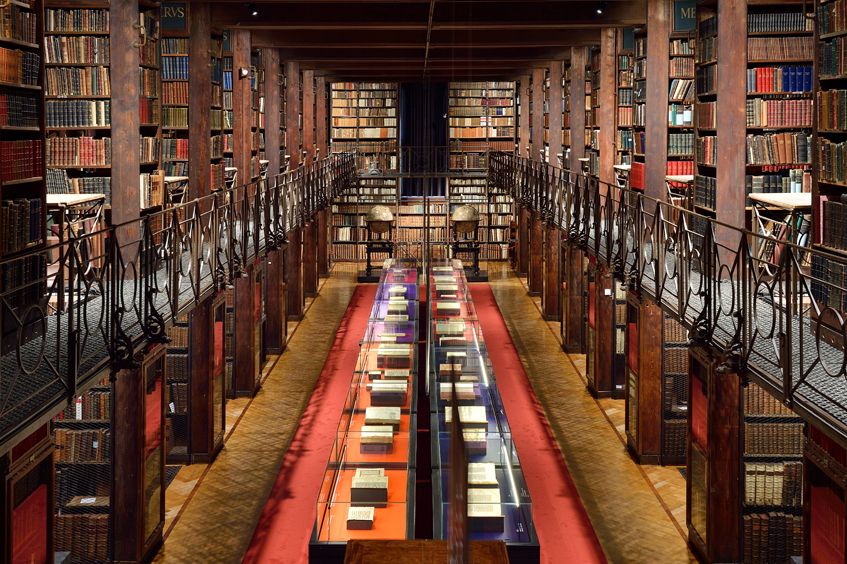
The Hendrik Conscience Library: the most beautiful room in Antwerp that most visitors walk past
Named after the 19th-century Flemish novelist Hendrik Conscience, this library occupies a former Jesuit church on the Conscienceplein, a small square just north of the cathedral. The building dates from the early 17th century, and the conversion from church to library has been handled with unusual intelligence — the shelving follows the lines of the original architecture rather than fighting them, and the reading room retains a quality of silence that most libraries have to work much harder to achieve.

The collections focus on Dutch literature and Antwerp's history, which means much of the material is in Dutch. That is not a barrier to visiting. The building is the point. It is open to the public, free to enter, and almost always quieter than the cathedral square two minutes away. Sit down. Read something. Watch the light move across the vaulted ceiling.
Il consiglio del team The library is closed on Sundays and public holidays. If you're planning an Antwerp day trip over a Belgian public holiday weekend, check the calendar first — Belgium has more public holidays than most of its neighbors, and several cluster in spring.
7 Palazzi, Ville e Castelli · 49.1 km

Geeraard de Duivelsteen in Ghent, Belgium: the Devil's Stone and what it says about medieval urban planning

Geeraard de Duivelsteen in Ghent, Belgium: the Devil's Stone and what it says about medieval urban planning
The name translates roughly as 'Gerald the Devil's Stone,' named after the knight Geeraard Vilain who had it built in the 13th century. The building served originally as a private fortified residence — a common arrangement in medieval Flemish cities where wealthy families essentially built small castles within the urban fabric — and later as a defense of the Portus Ganda, the city's river port. It has since served as a seminary, an orphanage, a lunatic asylum, and a police archive, which is a biographical range that few buildings can match.

Today the building is used for public functions and is not always open for interior visits, but the exterior is freely accessible and the structure itself tells you something important about how medieval Ghent organized power and space. It sits near the confluence of the Leie and Scheldt rivers, which is where the city's commercial logic was concentrated for centuries.
Il consiglio del team The building's current public access varies. Walk past it as part of a broader riverside route rather than making it your sole destination — the waterfront between here and the Gravensteen castle covers more medieval urban history per meter than almost anywhere in northern Europe.
8 Piatti tipici · 39.4 km

Crevette Grise: One of the Top Belgian foods — a reason to drive to the coast that has nothing to do with the beach
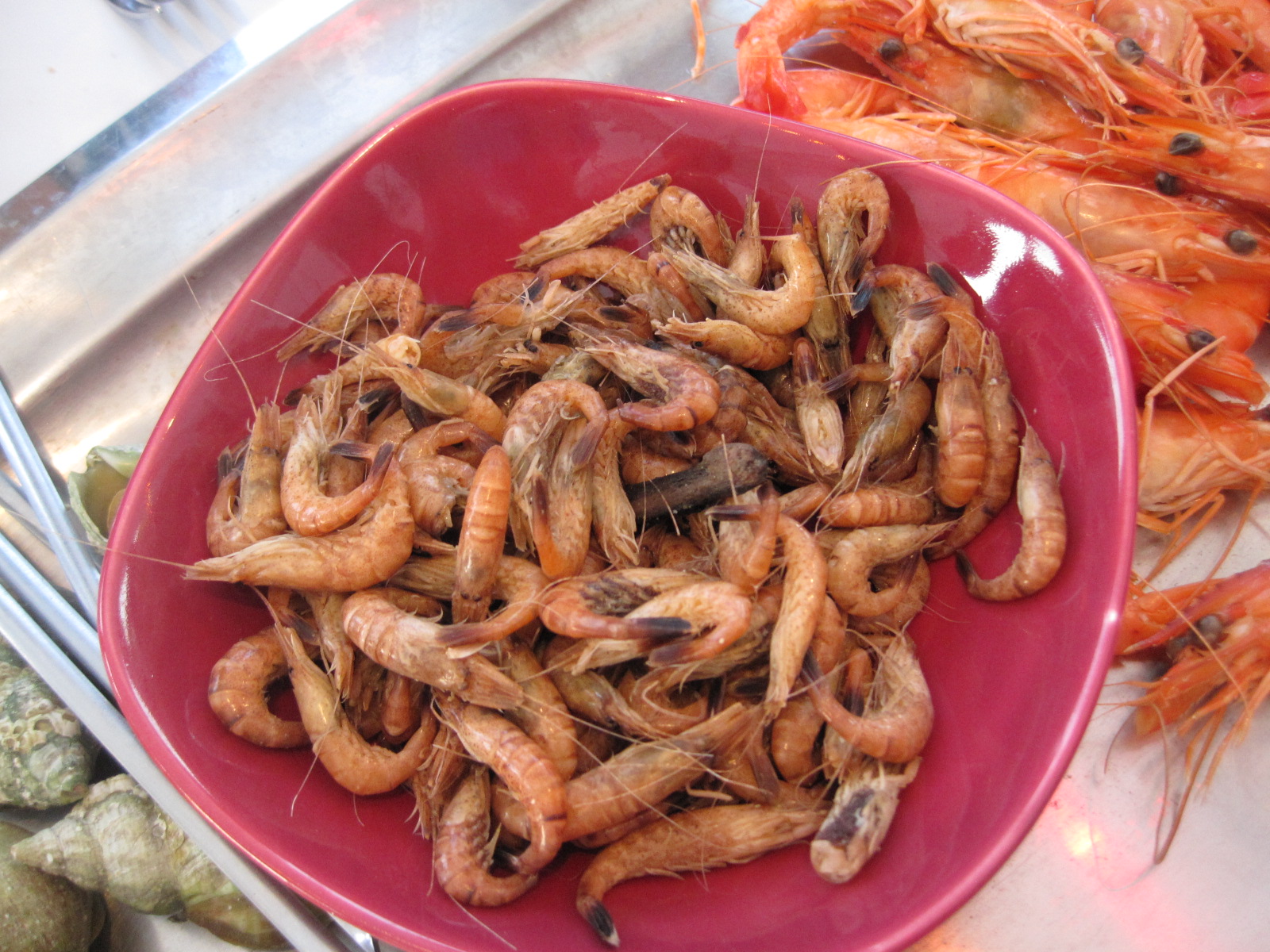
Crevette Grise: One of the Top Belgian foods — a reason to drive to the coast that has nothing to do with the beach
The gray shrimp — crevette grise in French, grijze garnaal in Dutch — is a North Sea crustacean that is smaller, more intensely flavored, and more texturally interesting than the cold-water shrimp you'll find in most European supermarkets. The coastal fishing towns of the Belgian coast, reachable by car in roughly 90 minutes from Brussels or by train via Bruges with a connection, are where you eat them properly: freshly peeled, served in a bowl with bread and butter, at a table close enough to the harbor that you can hear the boats.

Some seafood restaurants along the coast will bring them out as a complimentary snack while you look at the menu, which is either hospitality or a form of commercial strategy, and probably both. Either way, eat them. The season runs year-round but the shrimp are at their best in autumn when the water is colder and the tourist crowds have thinned.
Il consiglio del team Drive rather than train for the coastal towns if you want flexibility — the Belgian coast tram (De Lijn's Kusttram) runs the full 67km of coastline and is genuinely useful, but the schedule thins out in winter. If you're going in November or February, a car gives you the freedom to follow the shrimp boats rather than the timetable.
9 Altro · 39.4 km

Paling in't groen - A traditional Flemish dish: eels, green sauce, and a river that no longer provides either

Paling in't groen - A traditional Flemish dish: eels, green sauce, and a river that no longer provides either
Paling in't groen — eels in green sauce — is one of those dishes that tells you more about a place's history than most museum exhibits. Fishermen caught eels in the river Scheldt and cooked them with whatever green herbs were growing on the riverbank: sorrel, watercress, parsley, chervil. The dish is intensely local in the way that only food born from immediate geography can be. The Scheldt no longer provides the eels — pollution and overfishing ended that — but the dish survives in traditional Flemish restaurants, particularly in the towns along the old river routes between Brussels, Ghent, and Antwerp.

This is not a dish you go looking for in a tourist restaurant. You find it in a brown-café-style eetcafé in a town like Dendermonde or along the river road between Ghent and Antwerp. It is worth seeking out specifically because it requires you to drive roads that most visitors never take.
Il consiglio del team The N41 road along the Scheldt between Ghent and Antwerp passes through a string of small riverside towns where traditional Flemish cooking survives in unpretentious family restaurants. This is a car trip, not a train trip — and it works best on a weekday when the lunch trade is local rather than tourist.
Belgium is a country that rewards the willingness to move. Brussels is an excellent base not because it is central in some abstract geographic sense, but because its rail connections are genuinely fast, its roads fan out in useful directions, and the things worth seeing are close enough to visit in a day without feeling like you've done them a disservice.

What I've learned from doing these trips repeatedly is that the second visit is usually better than the first. The first time you go to Antwerp, you're orienting. The second time, you know which train to take and where to eat and that the cathedral looks different at 9am than it does at noon. The third time, you start to understand the city rather than just the landmarks.

Day trips are not a substitute for staying somewhere. But they are a way of expanding your understanding of a place — of understanding that Brussels exists in a web of cities and rivers and coastlines that all, in some way, explain each other. Take the train. Drive the river road. Eat the gray shrimp. Come back.
★ Guida tascabile

Porta questa guida con te.

Salvala offline, ottieni le indicazioni a piedi e scopri migliaia di luoghi come questi.

Salva offline Percorsi smart Tesori nascosti
App Store Google Play AppGallery

Tutti i luoghi sulla mappa

Dati cartografici © OpenStreetMap contributors.

Domande dei lettori

Le domande più frequenti su questa guida.

What is the best time of year for day trips from Brussels?

April through June and September through October are the most practical windows. Spring gives you long days without peak summer crowds. Autumn is particularly good for coastal trips — the mussel season is at its best, the beaches are empty, and the light is low and directional in a way that makes the Flemish towns look like the paintings they inspired. July and August are viable but expect crowds at Antwerp and Ghent to be significantly heavier, and parking in coastal towns to be nearly impossible on weekends.

Is a rail pass worth buying for day trips from Brussels?

For most visitors doing two or three day trips, a rail pass is unlikely to save you money over point-to-point tickets. Belgian domestic fares are relatively affordable, and the SNCB (Belgian rail) website sells discounted weekend return tickets that undercut most pass prices. Where a pass earns its cost is if you're combining Belgian day trips with cross-border travel to the Netherlands, France, or Germany — in that case, a Benelux or Eurail pass may make sense. Check the SNCB website directly for current promotions before buying any pass.

Is driving into Antwerp and Ghent practical for a day trip?

Honest answer: no, not into the city centers. Both Antwerp and Ghent have Low Emission Zones (LEZ) that require registration for non-local vehicles, and parking in the historic centers is expensive and limited. The better approach is to drive to a park-and-ride on the city periphery and take a tram or bus in. Alternatively, take the train from Brussels and save the car for the coastal and river road trips, where driving actually gives you flexibility that the train cannot.

How early should I leave Brussels to make the most of a day trip to Antwerp or Ghent?

Leave by 8:30am at the latest if you want a full day. Both cities are under an hour by fast train, which means you can be walking the old city by 9:30am — before the tour groups arrive and before the main attractions hit their midday capacity. If you're planning to visit multiple sites in one day, the extra hour you gain by leaving at 8:30 rather than 10:00 is worth more than any amount of planning. The last trains back to Brussels from both cities run well past 10pm, so there's no pressure on the return.

Can I do a coastal day trip from Brussels without a car?

Yes, and it's more straightforward than many people expect. The standard route is Brussels to Bruges by fast train (about 55 minutes), then Bruges to Ostend or another coastal town by a connecting regional train (12 to 20 minutes). From Ostend, the De Lijn coastal tram runs the entire Belgian coastline in both directions, so you can move between towns without a car. The limitation is that the tram schedule thins out in winter evenings, so if you're going between October and March, check the last departure time before you commit to an itinerary.

★ Leggila quando vuoi

Salvala sul tuo telefono.

Aggiungi questa guida ai preferiti, pianifica il viaggio offline, scopri luoghi come questi.

Preferiti Offline 60+ lingue
App Store Google Play AppGallery