10 Best Day Trips from Berlin — by train, car, and boat
A working guide for people who actually want to leave the city and come back having done something real
L
Una guida di
Lena Hofmann
Aggiornata il
20 settembre 2026
Lettura
12 minuti
Comprende
10 luoghi · mappa interattiva
★ Guida d'Italia 2026
Pianifica con cura. Viaggia più a fondo.
1.3M+ luoghi curati nel mondo, mappe offline e itinerari intelligenti — tutto in un'app gratuita.
1.3M+ luoghiMappe offlineItinerari AIGratis
Berlin has a way of making you feel like you never need to leave. The city is enormous, layered, and genuinely inexhaustible — and yet, after a few days, or a few years, the Brandenburg flatlands start calling. The light changes out there. The pace drops. You remember that Germany is not just a capital city with a complicated history; it is also forests, rivers, baroque gardens, engineering projects so absurd they border on performance art, and small towns that have been quietly excellent for centuries without needing anyone to notice.
A good day trip from Berlin earns its place on a short itinerary. That means it has to justify the round-trip travel time, deliver something you genuinely cannot replicate inside the S-Bahn ring, and get you back before you've lost a full night's sleep. The worst day trips are the ones where you spend four hours traveling to stand in front of something for forty-five minutes. The best ones are the ones where you miss your planned return train because you weren't finished yet.
I've done all of the trips in this list multiple times, by different means, in different seasons. Some I've done alone with a notebook. Some with children who needed snacks every twenty minutes. Some I've done wrong the first time and had to go back to do correctly. What follows is not a promotional inventory. It is a practical account of where to go, how to get there, what to do when you arrive, and — critically — what to know before you go so you don't waste the one free Saturday you have this month.
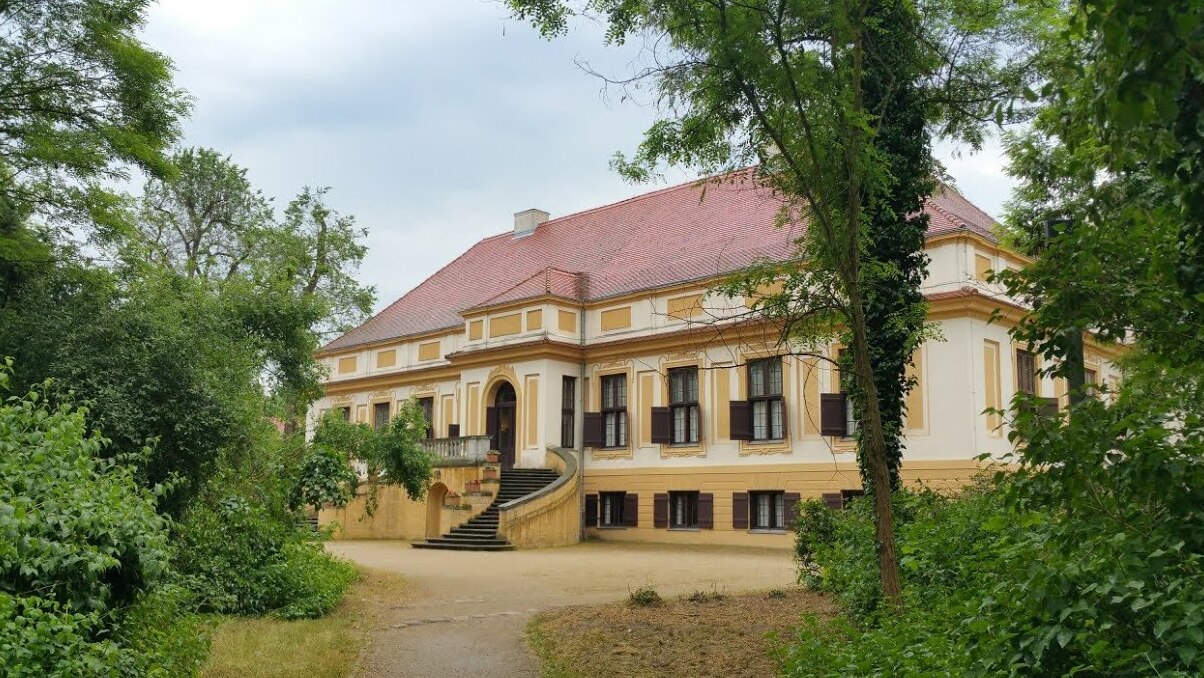
Caputh sits about 35 kilometers southwest of central Berlin, and if you time the S-Bahn correctly — S7 to Potsdam Hauptbahnhof, then regional bus 606 — you can be standing in front of Einstein's wooden summer house in under an hour and a half. The house itself is modest to the point of being disarming: a single-story timber structure that Einstein had built in 1929 and where he spent summers sailing on the Schwielowsee until 1932, the year he left Germany for good and never returned. The interior is preserved with the kind of restraint that actually works — no wax figures, no theatrical lighting, just the rooms as they were. Walk ten minutes east and you reach Caputh Castle, built in 1662 and extended in 1671, which sits in a park that Berliners and Potsdamers have been using as a weekend escape for over a century. The castle's baroque tile stove room alone is worth the detour. Between the two sites, allow three hours minimum. The lake path connecting them is flat and walkable, and in summer the water reflects the tree line in a way that makes it obvious why someone who thought about space and time chose to spend his free hours here.
Il consiglio del team
The Einstein house is closed on Mondays and has limited capacity — arrive before 11am or book ahead online. The castle can fill up with school groups mid-morning on weekdays; aim for a weekday afternoon or Saturday morning to have the park largely to yourself.
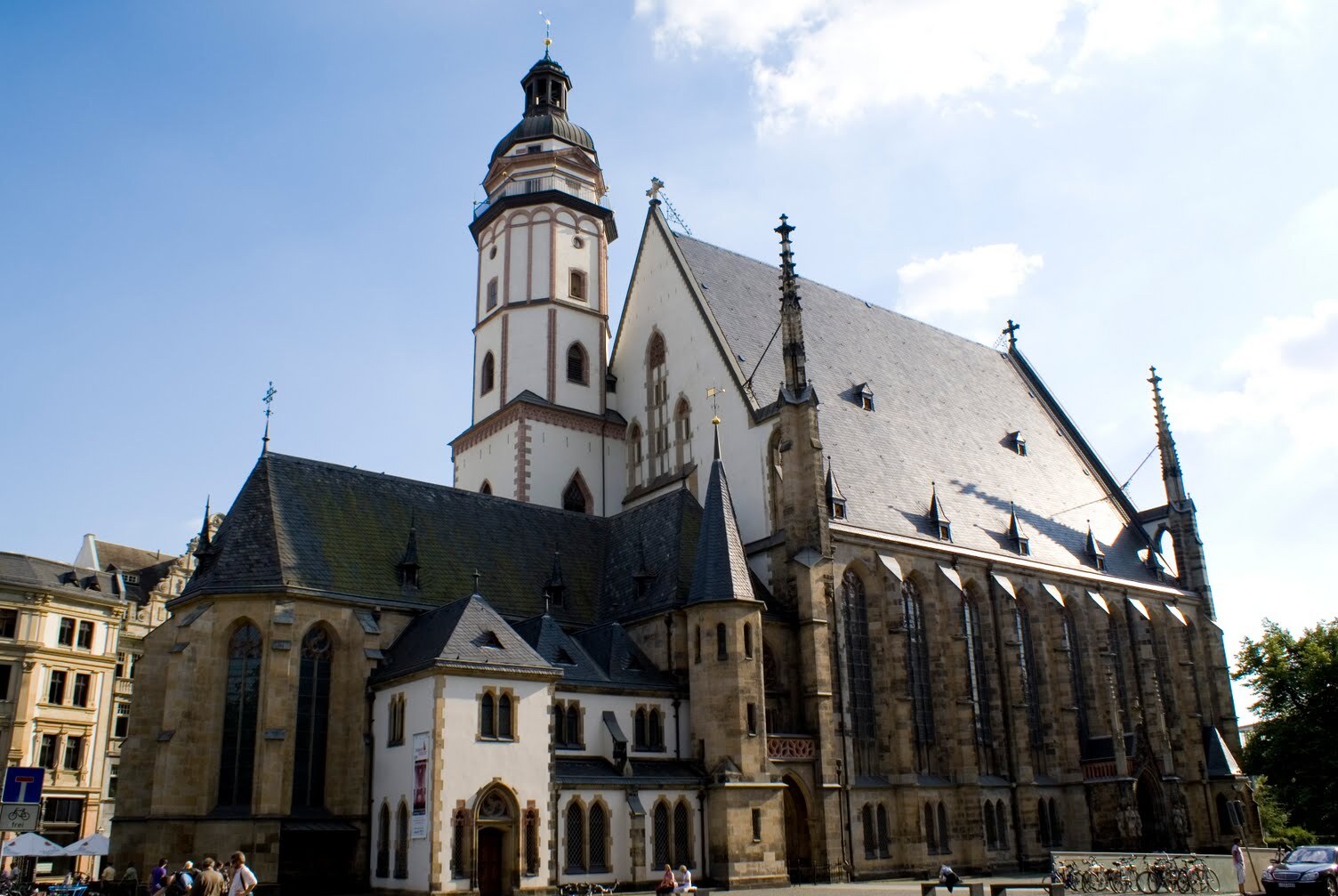
Leipzig is 149 kilometers from Berlin, and the ICE gets you there in about 68 minutes from Berlin Hauptbahnhof — which means you can leave at 8am and be inside St Thomas Church by 9:30. Bach worked here as Kapellmeister from 1723 until his death in 1750, and his remains have been in the church since 1950. The building itself is Gothic, heavily restored, and carries the particular atmosphere of a place that has been used continuously for serious music for centuries. The Thomanerchor — the boys' choir Bach directed — still performs here on Fridays and Saturdays, and if you can time your visit to coincide with a rehearsal or performance, do it. The Bach Museum directly opposite the church is small, well-curated, and takes about ninety minutes to do properly. After that, Leipzig's city center is compact enough to walk: the Mädler Passage arcade, the Nikolaikirche where the 1989 Monday demonstrations began, and the old market square. Leipzig is a city that has been underrated for decades and is now correcting that reputation rapidly. Go before the hotel prices fully catch up.
Il consiglio del team
The choir performs Motets on Fridays at 6pm and Saturdays at 3pm — check the Thomanerchor website before you book your train. The last ICE back to Berlin runs late enough that you can attend a Saturday afternoon Motet and still be home for dinner.
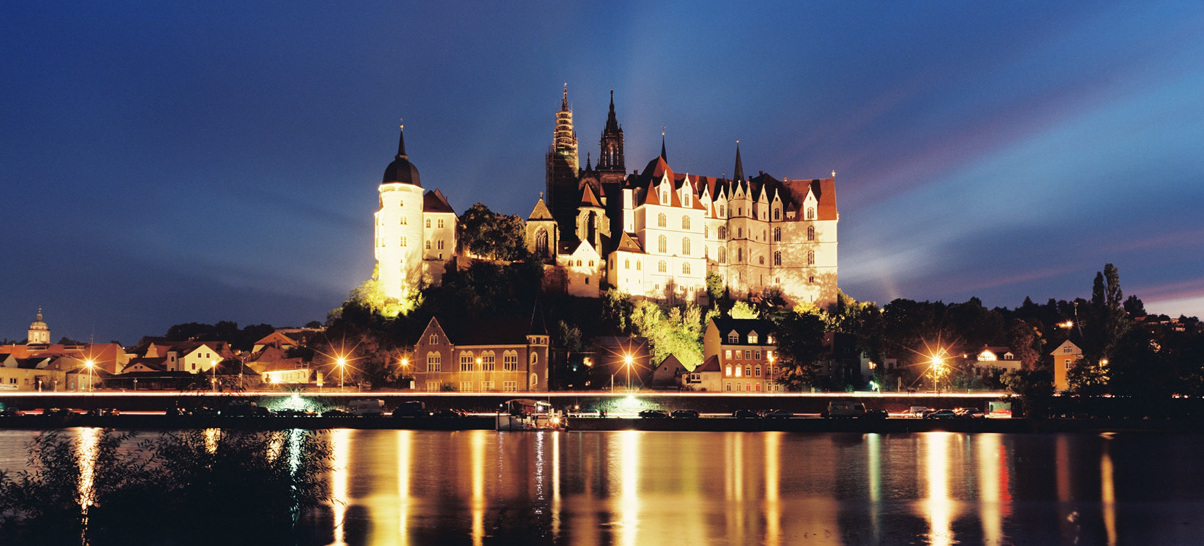
Meissen is 150 kilometers from Berlin, which puts it at the outer edge of a comfortable day trip — plan for a 7am departure and you'll be fine. Take the ICE to Dresden (about 2 hours), then a regional S-Bahn along the Elbe for another 35 minutes, and you arrive in a town that has been producing porcelain since 1710, when alchemist Johann Friedrich Böttger cracked the secret of hard-paste porcelain under orders from Augustus the Strong. The Albrechtsburg Castle, which looms over the town from a rocky promontory above the Elbe, was the original manufacturing site — the combination of medieval fortress and industrial history in a single building is genuinely strange and interesting. The Meissen Porcelain Manufactory, still operating, offers guided tours of the production process: watching a painter apply blue onion-pattern decoration by hand at a speed that seems impossible is one of those experiences that recalibrates your understanding of skilled labor. The old town below the castle is small, quiet, and largely free of the crowds that hit Dresden. Walk the market square, cross the old stone bridge, and take the steep path up to the castle at least once.
Il consiglio del team
The Manufactory tour books out on weekends — reserve online at least a week in advance. If you're going on a weekday, the morning tour is less crowded and the light in the painting workshops is better before noon.
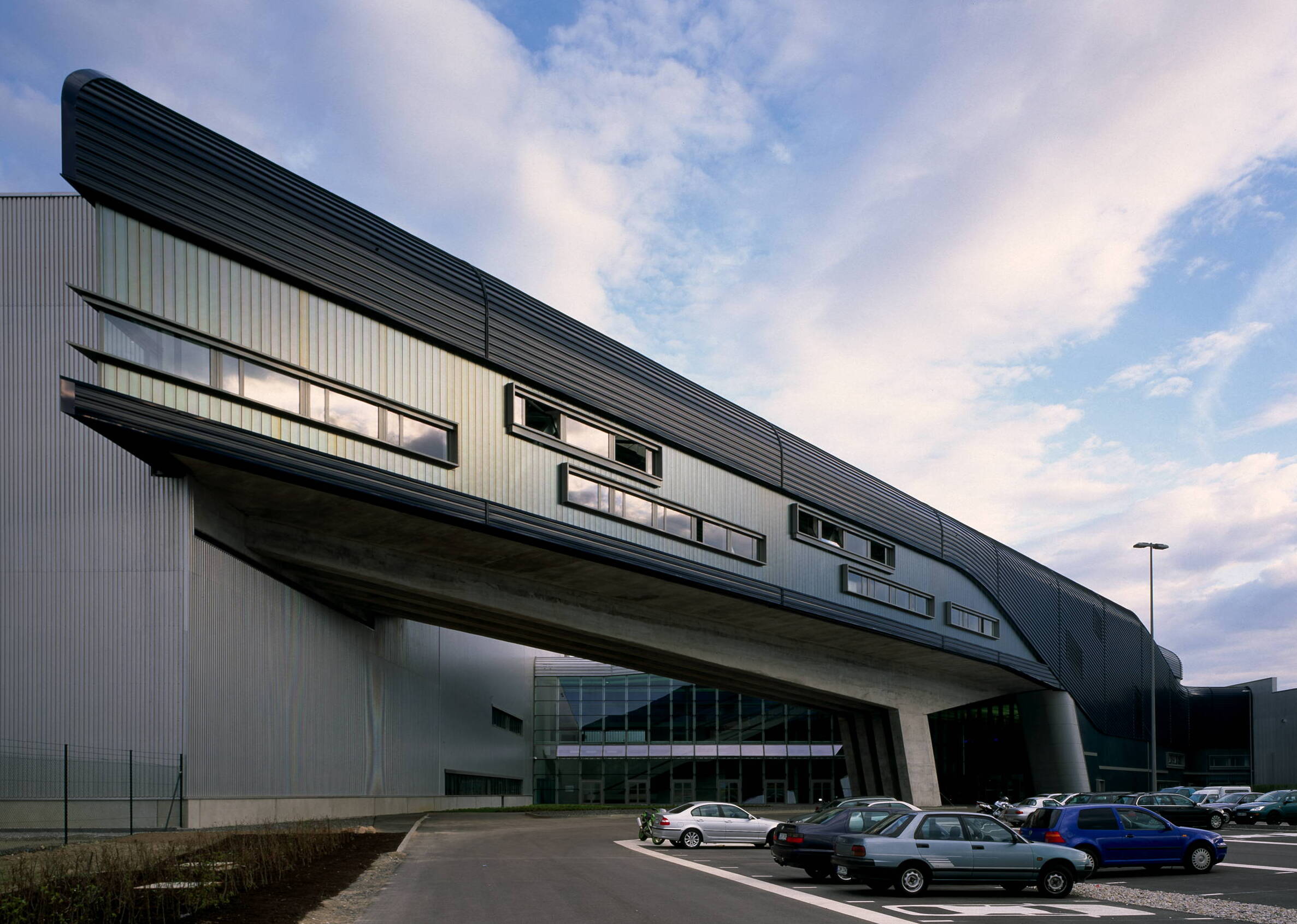
This one requires a specific kind of motivation: you are going to Leipzig to look at a building. But if architecture is something you take seriously, the BMW Central Building — completed in 2005, designed by Zaha Hadid — is worth the 140-kilometer journey. The building occupies 27,000 square meters and serves as the administrative and logistical hub connecting three separate production facilities on the Leipzig BMW plant campus. What Hadid designed is essentially a building that makes the movement of cars and workers visible: conveyor belts carrying car bodies pass through the central atrium overhead, production flows through the architecture rather than around it. It is one of the most coherent realizations of Hadid's spatial ideas in an industrial context, and it functions. Tours of the plant are available and include the building. Combine this with the Bach and St Thomas Church visit — both are in Leipzig, and the BMW plant is accessible by tram from the city center. Two destinations, one train ticket.
Il consiglio del team
BMW plant tours must be booked in advance through the BMW Leipzig website and have specific departure times. The tour lasts about 90 minutes. Book the earliest available slot so you have the afternoon for the city center.
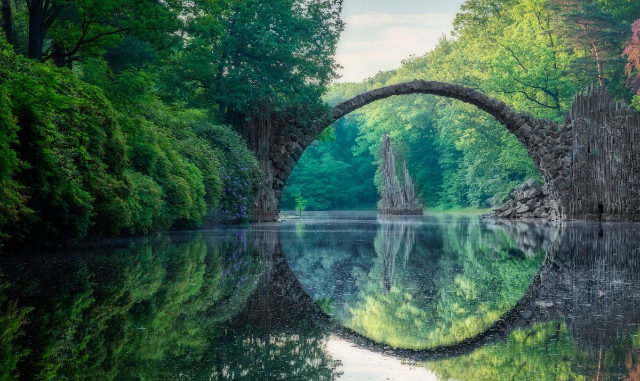
The Rakotzbrücke in Kromlau is about 138 kilometers from Berlin, and while it is technically reachable by train — regional services to Weißwasser, then a taxi — the honest answer is that a car makes this trip significantly more manageable. The bridge was built in the 19th century with one precise intention: that it and its reflection in the Rakotzsee would form a perfect circle at all times. It does. The surrounding Azalea and Rhododendron Park Kromlau is the setting, and in late April through May, when the rhododendrons are in bloom, the combination of the Gothic basalt bridge, the still water, and the flowering shrubs creates a scene that feels slightly unreal. Outside bloom season, the park is quieter and the bridge is easier to appreciate without crowds. The drive from Berlin takes about 90 minutes via the A12 and B115. Park in Kromlau village and walk ten minutes to the park entrance. Allow two hours in the park itself — there are several lakes, follies, and walking paths beyond the famous bridge.
Il consiglio del team
The bridge is currently under restoration and access to the immediate bank has been restricted at various points — check the Gablenz municipality website before you go. Early morning visits in any season mean better light and far fewer people with cameras.
This entry and the previous one refer to the same structure — the Rakotzbrücke — listed separately in the source database, which suggests the park itself (the Azalea and Rhododendron Park Kromlau, in the municipality of Gablenz, Görlitz district, Saxony) deserves its own attention beyond the bridge. And it does. The park was designed in the English landscape tradition, with a network of paths around multiple lakes, decorative rock formations, and a layout that rewards wandering rather than marching to a single viewpoint. The Gablenz municipality context is worth noting for navigation: GPS sometimes routes drivers to the wrong village. Set your destination as 'Kromlau Park' or 'Rhododendronpark Kromlau' rather than just 'Gablenz' to avoid a frustrating detour through agricultural roads. The Görlitz district itself is one of the most architecturally preserved areas of eastern Germany — if you have time, continue 40 kilometers east to Görlitz proper, which has a remarkably intact Wilhelmine and Art Nouveau city center and sits directly on the Polish border.
Il consiglio del team
If you combine Kromlau with Görlitz, you have a full and genuinely excellent day. Leave Berlin by 7:30am, reach the park by 9am, spend two hours, then drive to Görlitz for lunch and the afternoon. The return drive is about 2.5 hours.
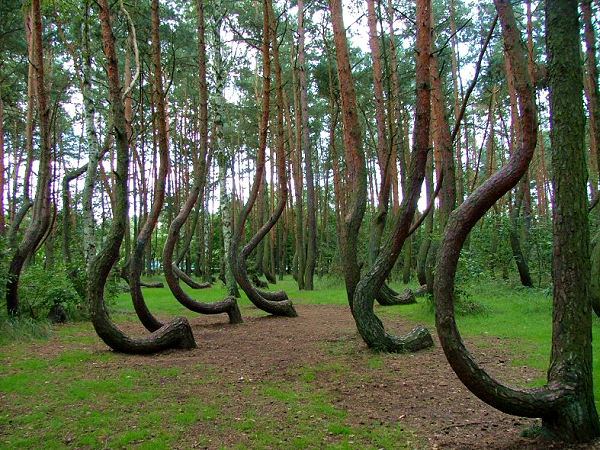
The Crooked Forest is in West Pomerania, Poland, outside the village of Nowe Czarnowo — about 104 kilometers from central Berlin, which puts it closer than several German destinations on this list. By car, the drive takes roughly 90 minutes via the A11 and Polish roads. The grove contains approximately 100 pine trees, all planted around 1930, all bent at the base with a sharp northward curve before growing straight upward. Nobody has established a definitive explanation for the curvature — theories include snow load, human manipulation during growth, and gravitational anomalies, none of which fully hold up. The grove is small. You will see everything in 20 minutes. That is fine. The point is to stand among the trees, notice how strange they are, and accept that not everything has a resolved explanation. Combine the visit with the town of Szczecin, 20 kilometers north — a large Polish city with a real old town, a good waterfront, and a park worth visiting in its own right. This makes the drive worthwhile as a full day.
Il consiglio del team
You need a valid passport or EU ID to cross into Poland. The forest itself has no entrance fee and no facilities. The access road from Nowe Czarnowo is unpaved — a standard car handles it fine in dry conditions, but check weather before going in winter or after heavy rain.
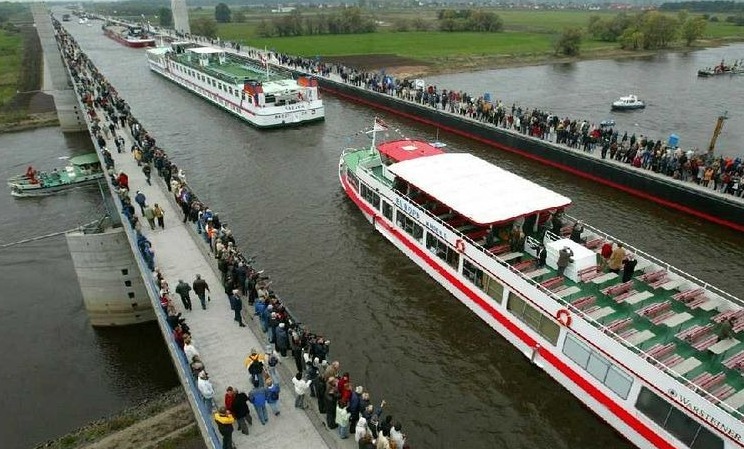
The Magdeburg Water Bridge is 119 kilometers from Berlin and about 90 minutes by car via the A2. It is a navigable aqueduct — a canal crossing over a river — that connects the Elbe-Havel Canal to the Mittelland Canal, allowing ships to pass over the Elbe River without using a time-consuming lock system. At 918 meters, it is the longest navigable aqueduct in Europe. The engineering logic is straightforward once explained: a canal bridge carries the same weight regardless of whether ships are present, because a ship displaces exactly its own weight in water. What is not straightforward is the experience of standing on the bridge walkway and watching a barge float past at eye level while a river flows beneath you. Magdeburg itself is worth a few hours: the cathedral is one of the oldest Gothic cathedrals in Germany, and the city has an interesting post-reunification urban character. The water bridge is on the western edge of the city — combine it with the cathedral and the old town market square for a complete day.
Il consiglio del team
The best viewing angle for the water bridge is from the bank of the Elbe below, not from the bridge walkway itself. Park near the Elbe bank on the southern side and walk up. Barge traffic is heaviest on weekday mornings — worth timing your visit accordingly if watching ships is the point.
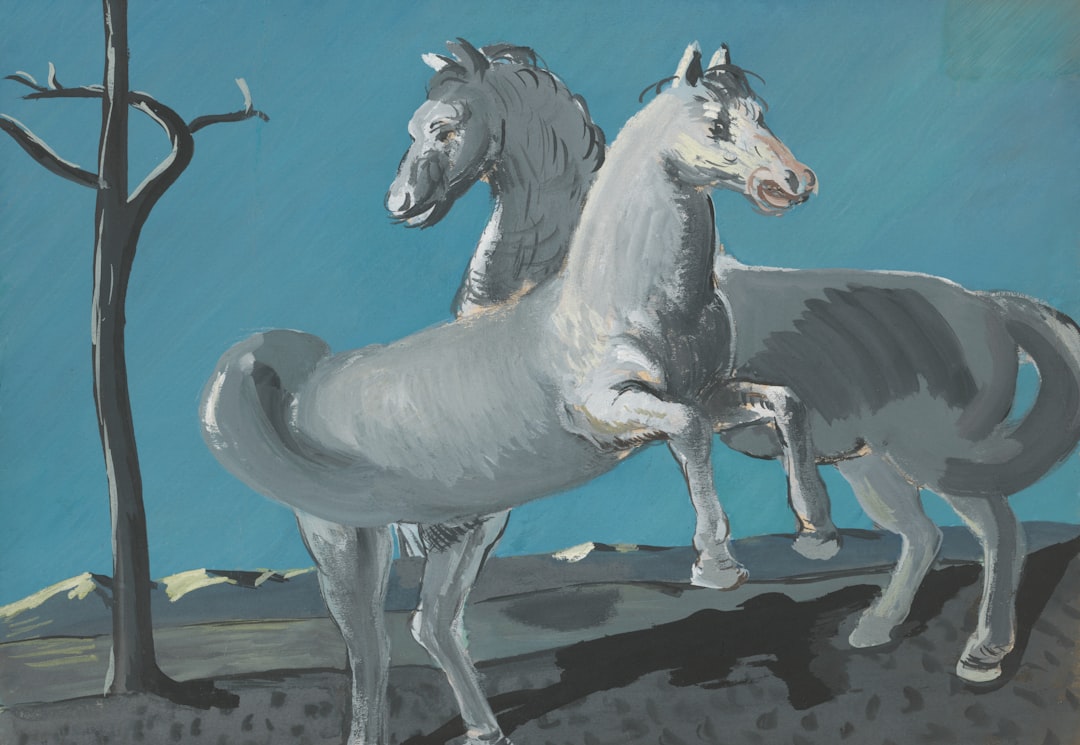
Zehdenick is about 52 kilometers north of Berlin, in Brandenburg, and the journey by regional train from Berlin Gesundbrunnen takes roughly 50 minutes — which makes this the closest destination on this list and arguably the easiest to underestimate. The town is small and quiet, and at its center is a sculpture referencing Franz Marc's Blue Horse — an iconic image from German Expressionism, a movement Marc helped define before his death at Verdun in 1916. The Blue Horse as a motif represents Marc's belief that animals perceived the world with a spiritual clarity that humans had lost. Finding a work in this vein in a small Brandenburg town rather than a major museum gives it a different weight: it is art in the landscape, in a place that is not curated for tourism. Zehdenick also sits on the Havel River and has a canal system with historical brick kilns — the town was a major brick-producing center in the 19th century. The combination of industrial history, river landscape, and public art makes for a half-day that costs almost nothing and requires very little planning.
Il consiglio del team
Regional trains to Zehdenick run roughly hourly from Berlin Gesundbrunnen. Check the VBB app for the current schedule — some services require a change at Oranienburg. This trip works well as a morning excursion, leaving you the afternoon back in Berlin.
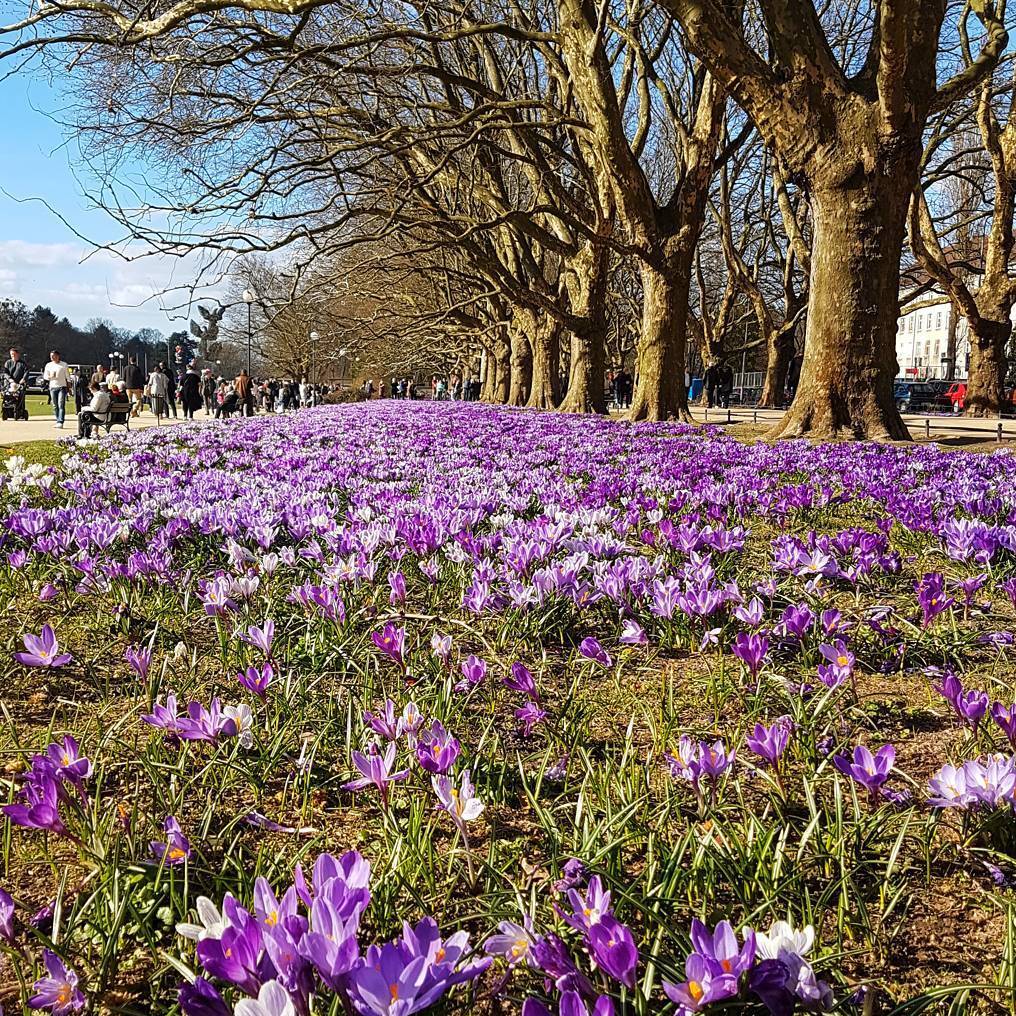
Jan Kasprowicz Park in Szczecin — known as Quistorp Park until 1945 — is the largest urban park in the city, located in the Łękno neighborhood near the city boundary. In early spring, the park produces a dense crocus bloom that covers large sections of the ground in violet and white. It is a seasonal event that lasts perhaps two to three weeks and requires you to time your visit correctly. Szczecin is 128 kilometers from Berlin and accessible by direct regional express train from Berlin Hauptbahnhof in about 2 hours, making it a genuine day-trip destination. The park itself is well-maintained and large enough to walk for an hour without retracing your steps. Szczecin as a city rewards more time than most visitors give it: the Pomeranian Dukes' Castle, the Wały Chrobrego embankment with its view over the Oder, and a compact old town that shows the layers of German and Polish history that shaped the city. If you go for the crocuses, go for the city too.
Il consiglio del team
The crocus bloom in Kasprowicz Park typically peaks in late February to mid-March, depending on the year. Follow local Szczecin Instagram accounts or the park's social media in early February to track bloom progress. The direct Berlin-Szczecin train requires a valid passport or EU ID.
Ten trips, four transport modes, and a radius of about 150 kilometers. That is the practical geography of a day trip from Berlin — far enough to feel like you've been somewhere, close enough that you're not spending your entire day on a train platform. What strikes me, having done all of these multiple times, is how different the city feels when you come back to it. Berlin is easier to appreciate after you've spent a morning in a quiet park in Zehdenick or watched a barge float over a river in Magdeburg. The city's scale, its noise, its density — all of it lands differently when you've had a few hours of Brandenburg flatland or Saxon hills to recalibrate against. Day trips are not escapes from Berlin. They are, in a practical sense, part of understanding it. The city does not exist in isolation. Neither should your visit.
★ Guida tascabile
Porta questa guida con te.
Salvala offline, ottieni le indicazioni a piedi e scopri migliaia di luoghi come questi.
What is the best time of year for day trips from Berlin?
Late April through June is the most reliable window: daylight is long, the weather is generally cooperative, and seasonal attractions like the Szczecin crocuses (late February–March) and the Kromlau rhododendrons (late April–May) are at their peak. July and August bring crowds to the closer destinations like Caputh and Zehdenick. October is excellent for the Saxon destinations — Meissen and Leipzig — when the tourist volume drops and the light is good. Winter trips to Leipzig and Magdeburg work well because these are city-based destinations that function regardless of weather.
Do German rail passes cover all these train destinations?
A standard Deutschlandticket (the 49-euro monthly flat fare for regional transport) covers regional trains to Caputh, Zehdenick, and Magdeburg. It does NOT cover ICE high-speed trains, so Leipzig and Meissen require either a separate ICE ticket or a BahnCard discount fare. Destinations in Poland — Szczecin and the Crooked Forest area — are not covered by the Deutschlandticket; you need a separate ticket for cross-border travel. Book ICE tickets at least a week in advance for the best Sparpreis fares.
Is driving from Berlin straightforward, and what should I know about parking?
The autobahn network out of Berlin is good in all directions, but the A10 ring road around the city experiences significant congestion on Friday afternoons and Sunday evenings — leave before 7am or after 8pm on those days. For destinations in Brandenburg, parking is generally free and plentiful. For Meissen and Leipzig, use the park-and-ride facilities on the city outskirts rather than driving into the old town centers. For the Kromlau park, the village car park is small — arrive before 9am on weekends in bloom season or you will park on the road and walk.
Do I need a passport for the Polish destinations on this list?
Poland is in the Schengen Area, so EU citizens need only a valid national ID card. Non-EU visitors, including UK nationals post-Brexit, need a valid passport. There are typically no border checks on the A11 autobahn crossing, but carry your documents regardless — spot checks do occur. For Szczecin by train, the conductor will check documents on the cross-border service. The Crooked Forest near Nowe Czarnowo is a road crossing; same rules apply.
How much time should I realistically budget for each trip?
Caputh and Zehdenick work as half-day trips — leave at 9am, return by 3pm. Szczecin, Magdeburg, and the Crooked Forest combined with Görlitz require a full day: out by 7:30am, back by 8pm. Leipzig deserves a full day, especially if you're attending a Motet at St Thomas. Meissen is best combined with a Dresden stop on the way back, which means an early start (7am) and a late return. The Kromlau bridge alone is a half-day; combined with Görlitz it becomes a full day that is worth every kilometer.
★ Leggila quando vuoi
Salvala sul tuo telefono.
Aggiungi questa guida ai preferiti, pianifica il viaggio offline, scopri luoghi come questi.