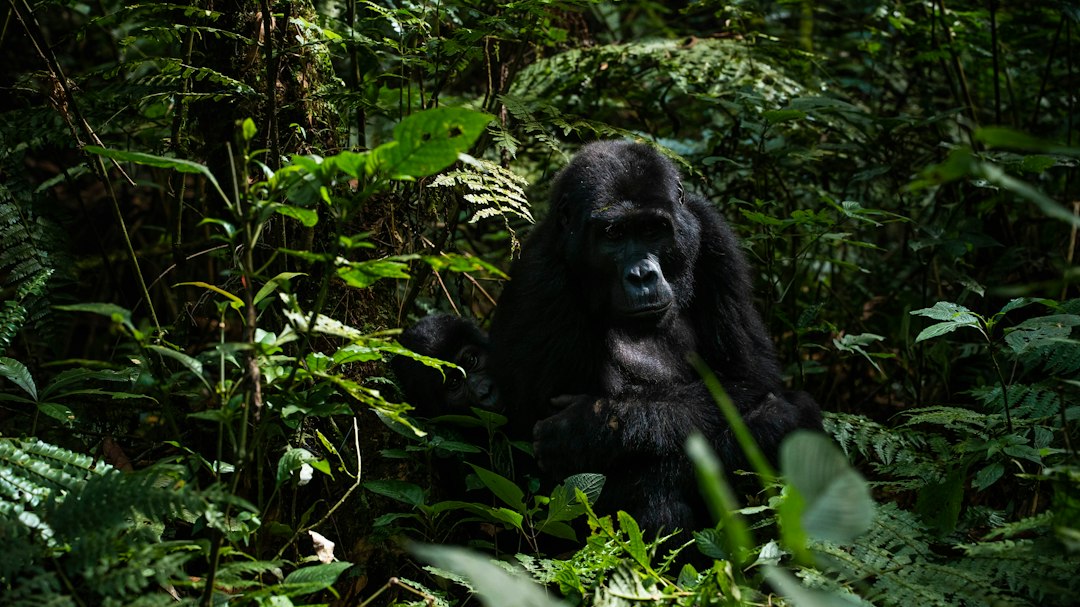

The red mud sticks to the boots after just the first hundred meters. The trail that starts from the village of Buhoma, in the southwest of Uganda, immediately descends into the dense vegetation of the Bwindi Impenetrable Forest, a montane rainforest that covers about 331 square kilometers and was recognized by UNESCO as a World Heritage Site in 1994. It is not a scenic walk: it is a physical, wet, at times slippery path that requires attention with every step.
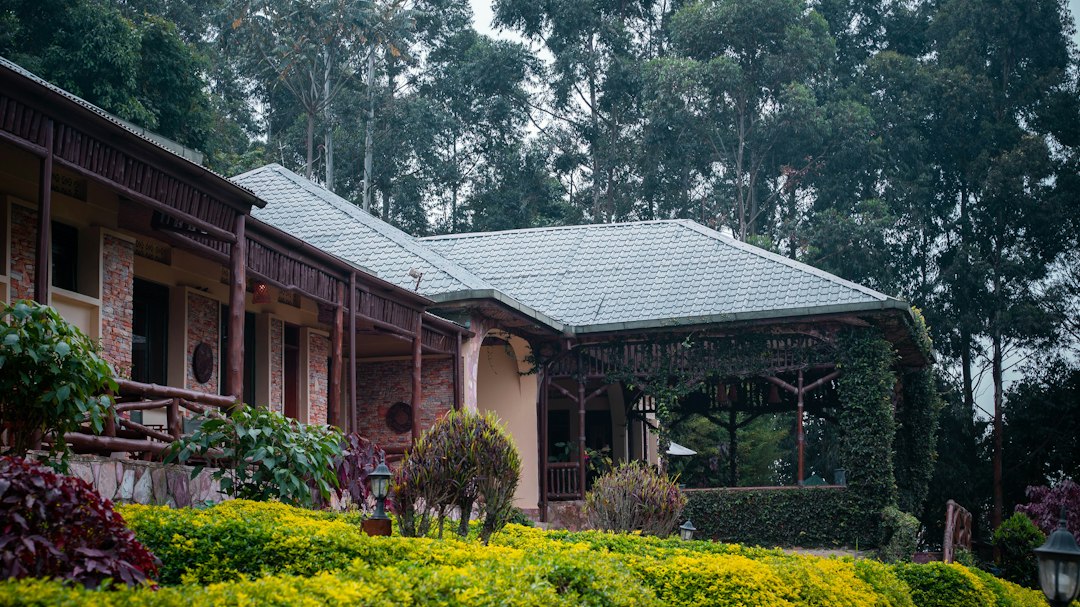
The Buhoma Lodge is located right on the northern edge of the park, in the Buhoma area, which is one of the four sectors from which trekking permits for mountain gorilla (Gorilla beringei beringei) viewing can be obtained. This species, classified as critically endangered, currently has an estimated population of over 1,000 individuals, distributed between Uganda, Rwanda, and the Democratic Republic of the Congo. Bwindi is home to about half of this global population.
The trail: what you encounter along the way
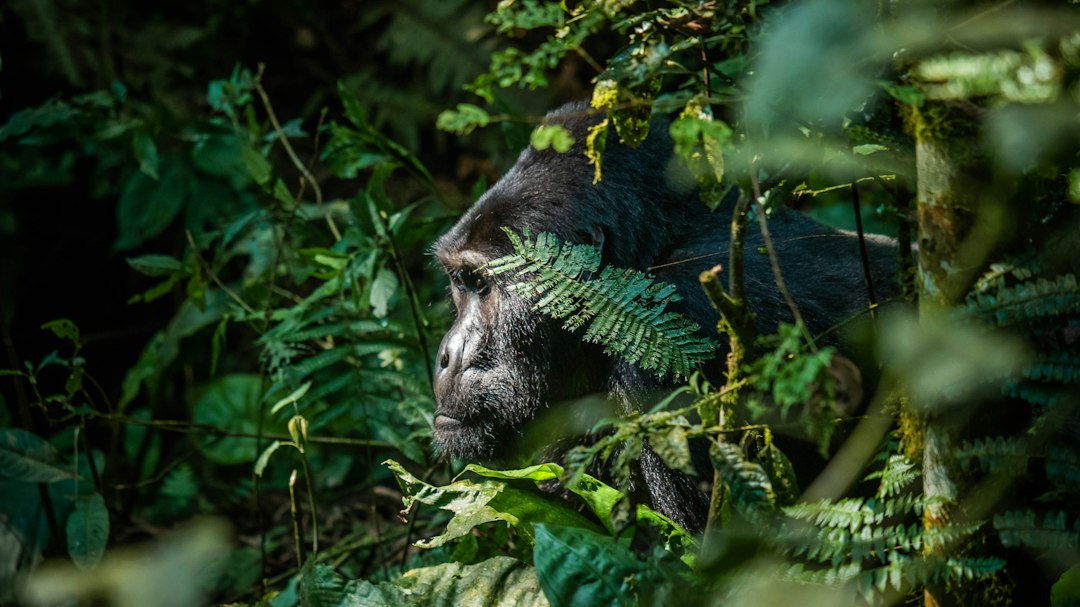
The trek typically begins early in the morning, after a mandatory briefing with the rangers of the Uganda Wildlife Authority (UWA). Groups are composed of a maximum of 8 people per gorilla family, a strict rule designed to reduce stress on the animals and the risk of disease transmission. The rangers, armed and with years of tracking experience, lead the group through vegetation that fully justifies the name of the forest.
The underbrush is thick with giant ferns, Ficalhoa laurifolia trees, vines, and moss covering every surface. Light filters through with difficulty. You often walk bent over, clearing paths between the branches with trekking poles — recommended and sometimes provided by local porters that can be hired at the entrance. The terrain rises and falls with no apparent logic, following the tracks left by the gorillas the day before, which the rangers have monitored since dawn. The duration of the walk is variable: it can last from one to six hours depending on where the animals are that day.

The Encounter with the Gorillas
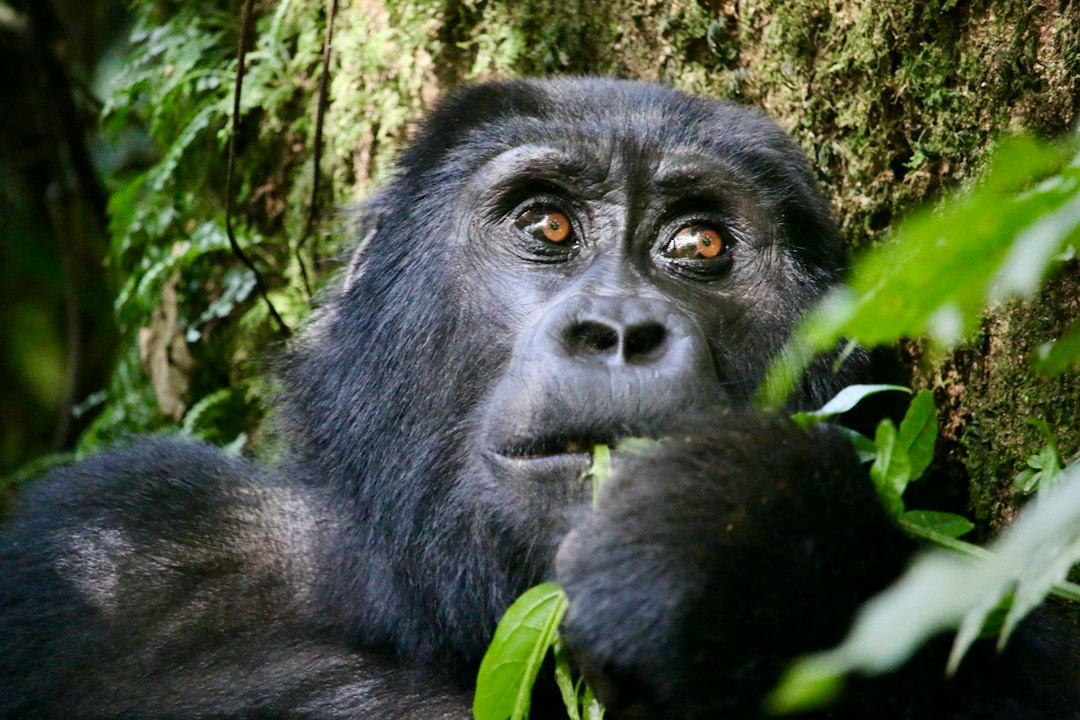
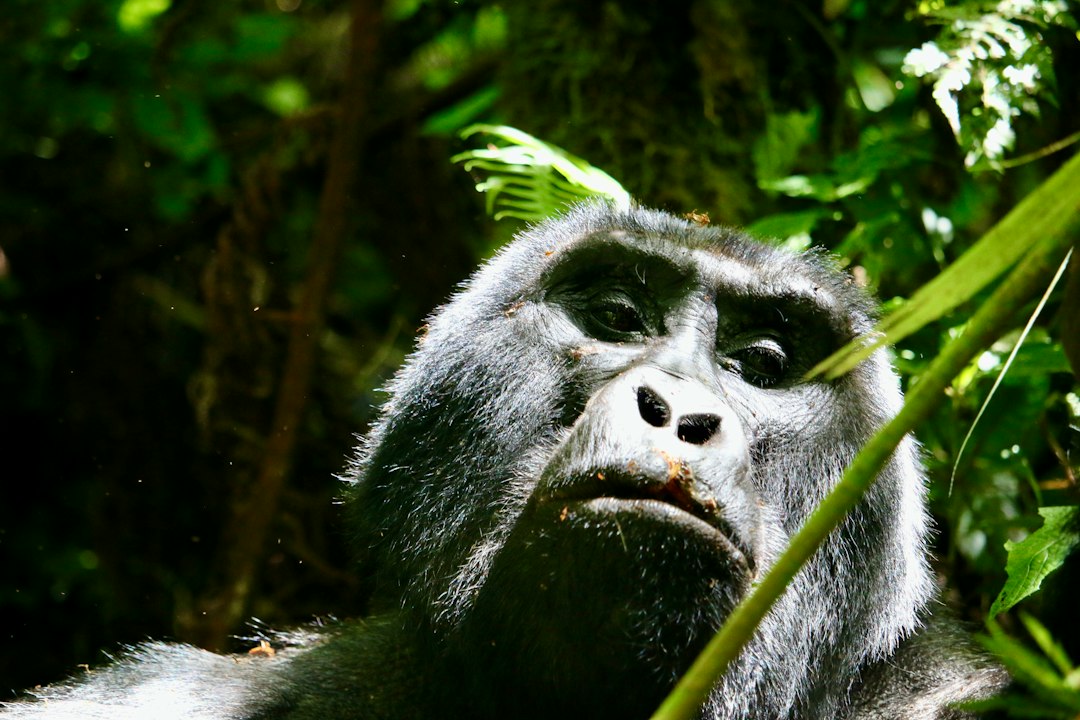
When the rangers stop and lower their voices, it means you are close. The mountain gorillas accustomed to human presence — a process called habituation that takes years — continue their activities without fleeing. You can observe them as they eat leaves and stems, while the young ones climb trees, and while the dominant male, the silverback, moves slowly and impressively through the vegetation.
The time allowed for close contact with the family is exactly one hour, timed by the rangers. The minimum distance to maintain is 7 meters, although often it is the gorillas themselves that come closer. In those moments, the rangers indicate to remain still, lower your gaze, and not make sudden movements. It is one of the few situations where stillness becomes the most intense choice you can make.
Permits and Costs: What to Know Before You Go
The permit for gorilla trekking in Uganda currently costs 800 US dollars for non-resident foreign visitors, issued by the Uganda Wildlife Authority. Permits should be booked well in advance, often with months of notice, especially for the dry season which runs from June to August and from December to February, periods when the trails are more passable and the chances of sightings remain high.
To reach Buhoma, you generally start from Kampala or Entebbe: the drive takes about 8-9 hours along roads that are improving but remain challenging in the last stretch. Alternatively, there are charter flights to Kihihi or Kisoro airports, which reduce the transfer to less than an hour. Those staying at Buhoma Lodge can arrange the transfer directly through the facility.
Practical tips for trekking
Equipment makes a real difference: waterproof boots with high ankles, long pants, lightweight gloves to protect against nettles, and a waterproof jacket are essential. Trekking poles help on steep and muddy sections. It is mandatory to wear a mask in the presence of gorillas, to reduce the risk of transmitting respiratory diseases — masks are usually provided at the briefing.
Those with respiratory issues or mobility difficulties should inform the rangers in advance: the physical difficulty level of the trail is not standardized, it depends on the location of the animals. Bringing enough water for at least half a day is crucial, as well as an energy snack. Mobile phones are allowed for photographs, but flash photography is prohibited in the presence of gorillas.