← Back

Garda | The largest lake in Italy

Lago di Garda, Italia ★★★★☆ 2,850 views
Maya Wilde
Lago di Garda
🏆 AI Trip Planner 2026

Get the free app

Discover the best of Lago di Garda with Secret World — the AI trip planner with 1M+ destinations. Get personalized itineraries, hidden gems and local tips. Free on iOS & Android.

🧠 AI Itineraries 🎒 Trip Toolkit 🎮 KnowWhere Game 🎧 Audio Guides 📹 Videos
Scan to download iOS / Android
Scan for AppGallery Huawei users

About Garda | The largest lake in Italy

Garda | The largest lake in Italy - Lago di Garda | Secret World Trip Planner

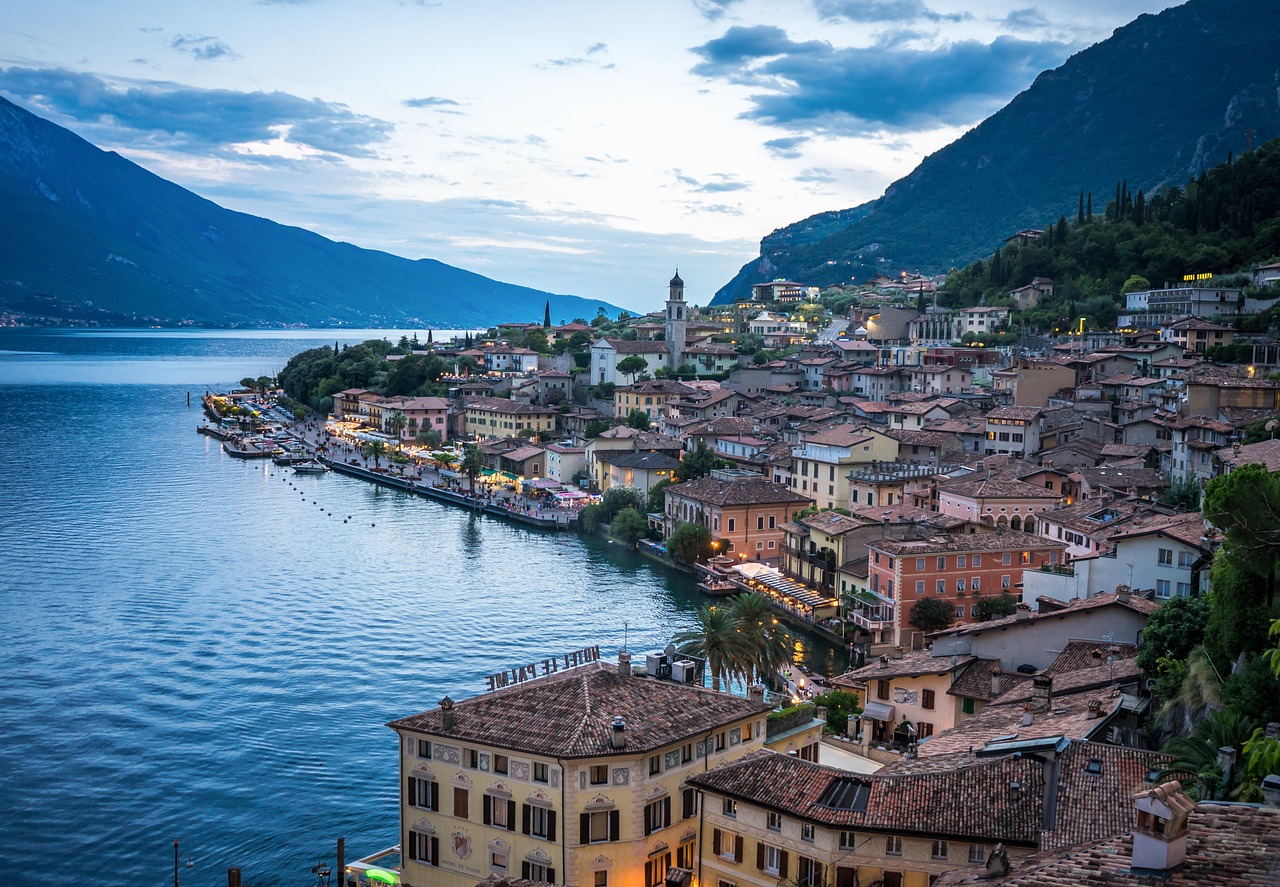
Nestled in the heart of Italy, Lake Garda, or Benaco, is not just the largest lake in the country, but a tapestry woven with history, culture, and stunning landscapes. Covering an area of approximately 370 km², it serves as a natural border between three regions: Lombardy, Veneto, and Trentino-Alto Adige. The lake's unique geography is striking, with a narrow, funnel-shaped northern end that contrasts sharply with the gentle, sprawling morainic hills in the south. It’s a destination that attracts millions of visitors each year, eager to immerse themselves in its beauty and charm.

Garda | The largest lake in Italy - Lago di Garda | Secret World Trip Planner

### History and Origins The history of Lake Garda is as deep as its waters. Archaeological findings suggest that the area was inhabited since the Paleolithic era, with evidence of ancient settlements found in nearby caves. The Romans were particularly fond of this region, naming it Benacus and establishing villas along its shores, the remnants of which can still be seen today. The lake has witnessed significant historical events, including the Battle of Garda in 1439, where Venetian forces clashed with those of the Duke of Milan. Over the centuries, it has served as a strategic point for trade and military routes, allowing it to flourish economically.

### Art and Architecture The shores of Lake Garda boast an incredible array of architectural styles, from Roman ruins to medieval castles and Renaissance villas. Notable structures include the Scaliger Castle in Sirmione, a 13th-century fortress that stands guard over the lake, exuding an air of medieval romance. The nearby Grotte di Catullo, ancient Roman ruins, offer a glimpse into the lavish lifestyle of the elite. The region is also home to beautiful churches, such as the Chiesa di San Giovanni in Valle, showcasing ornate frescoes and baroque architecture. Art enthusiasts will appreciate the works of local artists, often inspired by the stunning landscapes surrounding the lake.

Garda | The largest lake in Italy - Lago di Garda | Secret World Trip Planner

### Local Culture and Traditions The culture around Lake Garda is rich and diverse, influenced by its geographical crossroads. Traditional festivals like the Festival of San Giovanni celebrated in Torbole every June, feature vibrant processions and fireworks, reflecting the community's deep-rooted connection to the lake. The Sirmione Wine Festival, held annually in September, showcases local wines, particularly the renowned Chiaretto, a rosé wine that perfectly complements the region's cuisine. The hospitality of the locals is palpable, with numerous small towns like Riva del Garda and Limone sul Garda offering quaint shops and artisan products.

### Gastronomy When it comes to gastronomy, Lake Garda is a paradise for food lovers. The region is known for its unique blend of Italian and Mediterranean flavors. Signature dishes include bigoli, a thick pasta typically served with sardines, and tortellini di Valeggio, a type of stuffed pasta that delights both locals and visitors. Freshwater fish, such as trout and perch, are staples in many restaurants, often grilled and served with polenta. Don’t miss out on the area’s olive oil, particularly from the Garda DOP region, which is celebrated for its quality and flavor. Pair your meal with a glass of Lugana wine, a crisp white wine that complements the local cuisine beautifully.

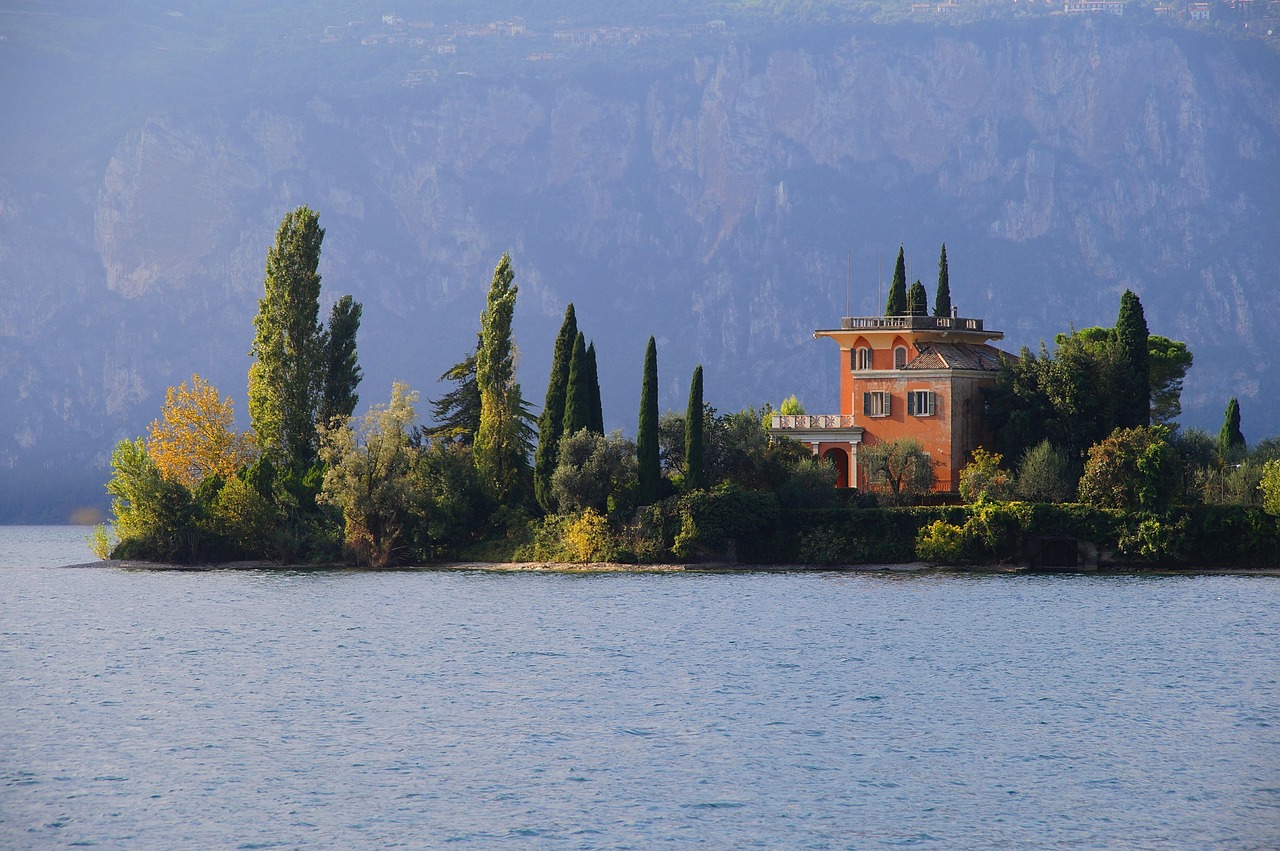
### Lesser-known Curiosities While many flock to the popular towns around Lake Garda, some hidden gems offer unique experiences. For instance, the small village of Bardolino is famous for its grape harvest festival, but few know that it also hosts a quirky wine museum, showcasing the history of viticulture in the region. Additionally, the Isola del Garda, the only island on the lake, is home to a stunning neo-Gothic villa and lush gardens, often overlooked by tourists. Nature lovers should explore the Bocca di Navazzo, a hidden gorge with spectacular waterfalls that is a favorite among hikers.

### Practical Visitor Information The best time to visit Lake Garda is in the spring (April to June) and early autumn (September to October). During these months, the weather is pleasant, and the tourist crowds are relatively fewer. To fully experience the lake, consider renting a bike to explore the scenic paths or taking a boat ride across the water. Don’t forget to bring a camera; the views from Mount Baldo are breathtaking and worth capturing.

For those planning a visit, consider downloading the Secret World app to create a personalized AI itinerary tailored to your interests.

🗺 AI Trip Planner

Plan your visit to Lago di Garda

Suggested itinerary near Garda | The largest lake in Italy

MAJ+
500.000+ travelers worldwide
  1. 🌅
    Morning
    Garda | The largest lake in Italy
    📍 Lago di Garda
  2. ☀️
    Afternoon
    Sirmione
    📍 0 km · Lago di Garda
  3. 🌆
    Evening
    Italy: Garda Island is a site of rare beauty
    📍 3.9 km · Lago di Garda

Buy Unique Travel Experiences

Powered by Viator

See more on Viator.com

Explore nearby · Lago di Garda

Frequently Asked Questions

Lake Garda, also known as Benaco, is Italy's largest lake covering approximately 370 km² and serves as a natural border between three regions: Lombardy, Veneto, and Trentino-Alto Adige. The lake features a striking geography with a narrow, funnel-shaped northern end contrasting sharply with gentle, sprawling morainic hills in the south.
Lake Garda offers numerous historical attractions including the 13th-century Scaliger Castle in Sirmione, a medieval fortress that stands guard over the lake, and the Grotte di Catullo, ancient Roman ruins that showcase the lavish lifestyle of the Roman elite. The area has been inhabited since the Paleolithic era, with evidence of Roman villas and settlements still visible along the shores.
The shores of Lake Garda boast an incredible array of architectural styles spanning from Roman ruins to medieval castles and Renaissance villas. Notable structures include ornate churches such as Chiesa di San Giovanni in Valle, which showcase baroque architecture and intricate frescoes alongside the region's ancient Roman and medieval fortifications.
Lake Garda has attracted visitors for centuries, with evidence of habitation dating back to the Paleolithic era and significant Roman settlement throughout its history. The lake served as a strategic point for trade and military routes over the centuries, allowing it to flourish economically and establish itself as a major destination that now attracts millions of visitors annually.
Lake Garda's unique geography features a striking contrast between its narrow, funnel-shaped northern end and the gentle, sprawling morainic hills that characterize the southern region. This distinctive landscape, combined with its status as Italy's largest lake and its position bordering three regions, creates the varied and stunning scenery that defines the destination.