





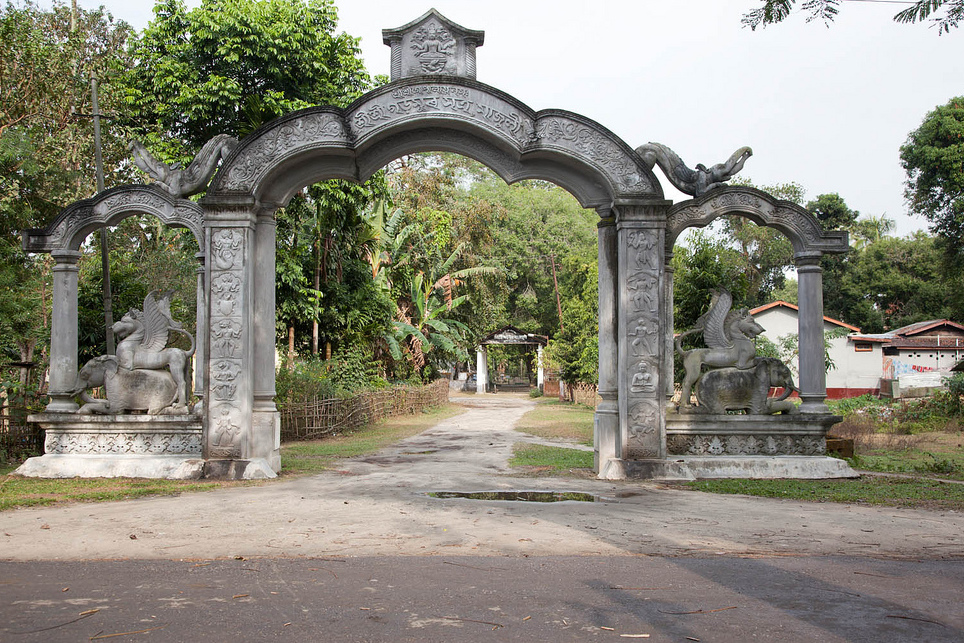
Garamur, nestled within Majuli, is one of the largest riverine islands in the world, a hidden gem that captivates with its unique blend of natural beauty and rich cultural heritage. Located in the majestic Brahmaputra River, Garamur offers an unparalleled experience, where ancient traditions and serene landscapes come together.

### History and Origins The history of Garamur is intertwined with the broader narrative of Majuli, which has been inhabited for centuries. This island was once a bustling hub for Vaishnavism, a sect of Hinduism that emphasizes devotion to Lord Vishnu. In the 15th century, the great saint Srimanta Sankardev established satra (monastic centers) here, transforming the landscape into a vibrant center of spirituality and culture. As the river shifted and eroded parts of the island, the cultural significance of Garamur remained steadfast, making it a historical touchstone for the Mishing tribe and other communities. Key events, such as the establishment of numerous satras and the introduction of unique art forms, have solidified Garamur's legacy over the centuries.
### Art and Architecture The architectural style of Garamur is deeply influenced by its religious foundations, with satras showcasing intricate woodwork and traditional Assamese design. The Kamalabari Satra and Dakhinpat Satra are notable examples, featuring elaborately carved wooden pillars and ornate thatched roofs. The artistic significance of Garamur is further highlighted by the vibrant masks used in traditional dance dramas, which serve both religious and cultural purposes. These masks, often made from locally sourced materials, are not just decorative but hold deep symbolic meanings, representing various deities and characters from Assamese folklore. Visitors can witness the craftsmanship firsthand during their stay, often engaging in workshops that teach these age-old techniques.

### Local Culture and Traditions Garamur’s culture is a tapestry woven from the threads of its diverse communities, primarily the Mishing and Deori tribes. Their customs are rich with folklore, music, and dance, often celebrated during local festivals. The Raas festival, held in October-November, is a highlight, where locals reenact divine love stories through dance and drama, accompanied by traditional music. Another significant event is the Bihu festival, marking the Assamese New Year, celebrated with gusto through songs, dances, and feasting. Traditional garments, such as the mekhela chador for women and dhoti for men, add color to these occasions, showcasing the island's vibrant identity.
### Gastronomy No visit to Garamur is complete without indulging in its local cuisine. The Mishing tribe offers a unique culinary experience that reflects their connection to the land and river. Dishes like masor tenga (sour fish curry), duck curry, and bamboo shoot preparations are staples in the local diet. A signature dish, pitha (rice cakes), is often prepared during festivals, showcasing the community's agricultural bounty. The use of fresh, local ingredients ensures that each meal is not just food but a celebration of culture and tradition. Pairing these dishes with local rice beer adds an authentic touch to the gastronomic experience.
### Lesser-known Curiosities One of the most enchanting aspects of Garamur is its fragile environment, constantly shaped by the Brahmaputra's changing course. This natural phenomenon has led to the emergence of unique ecosystems, making the island a haven for birdwatchers and nature enthusiasts. Interestingly, Majuli is the first island to be designated a district in India, reflecting its administrative significance. Many visitors are unaware that the island also hosts the Majuli Festival, a showcase of its rich art and culture, which is often overshadowed by the more prominent Raas festival.
### Practical Visitor Information The best time to visit Garamur is between October and March, when the weather is pleasant and the island comes alive with festivals. Travelers can stay in traditional bamboo chang ghars, offering an immersive experience in local life. While exploring, be sure to catch the stunning sunsets at Luit Ghat, a perfect backdrop for photography and reflection. Don’t forget to bring comfortable shoes for walking through the lush landscapes and visiting various satras.
In conclusion, Garamur is a destination that promises not only breathtaking views but also a deep dive into the heart of Assamese culture. Whether you're enjoying the local cuisine, participating in vibrant festivals, or simply soaking in the tranquility of this riverine paradise, Garamur offers an experience that resonates long after you leave. For a personalized experience, consider using the Secret World app to plan your itinerary in Goalabari No.1.