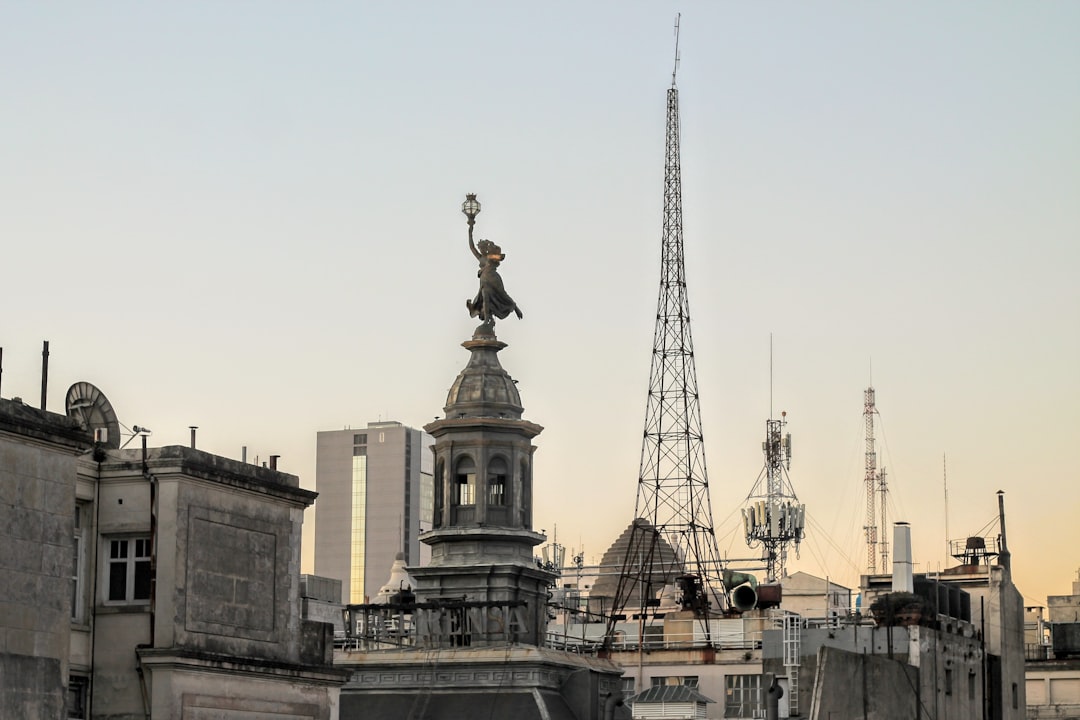

A raw concrete dome emerges from the greenery of Parque Tres de Febrero like an object fallen from space: the Galileo Galilei Planetarium in Buenos Aires does not try to blend in with the surrounding environment, and has never had that intention. Inaugurated in 1966 based on a design by Argentine architect Enrique Jan, the building belongs to that season of Latin American brutalism where exposed reinforced concrete was not an aesthetic choice but an ideological statement: modernity as a force, technique as destiny.
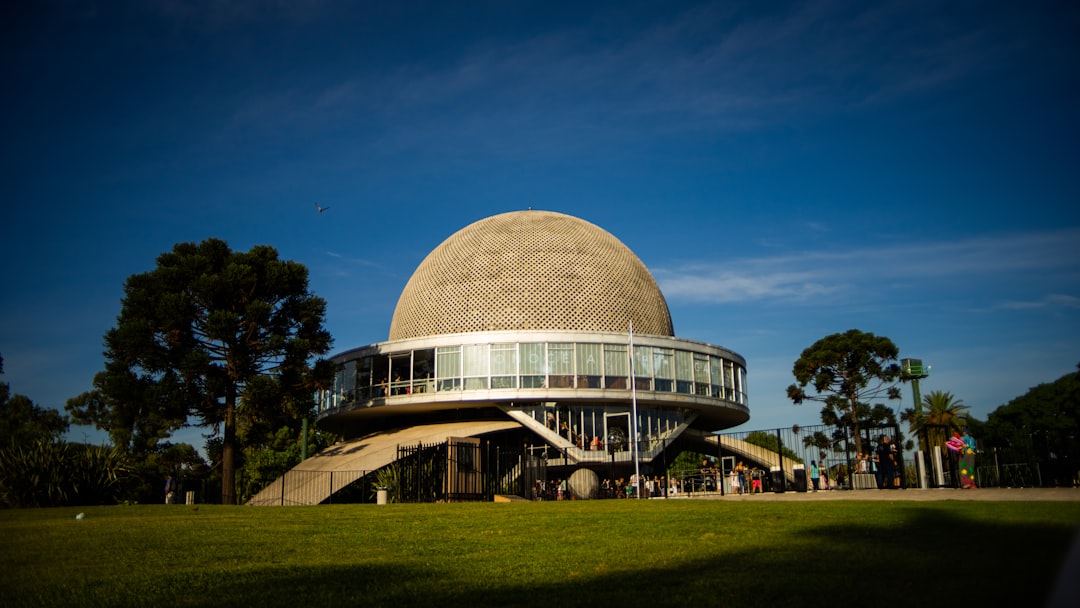
The main structure is a sphere of about 20 meters in diameter placed on a cylindrical base, surrounded by concrete ribs that support the outer shell. Viewed from the outside at sunset, when the slanting light accentuates the texture of the raw concrete, the building seems almost to breathe. It is not a casual impression: Jan designed the surfaces so that the marks of the formwork remained visible, transforming every imperfection into an involuntary decorative element. It is one of those rare cases where architecture shows its construction process without shame.
Brutalist architecture as the protagonist
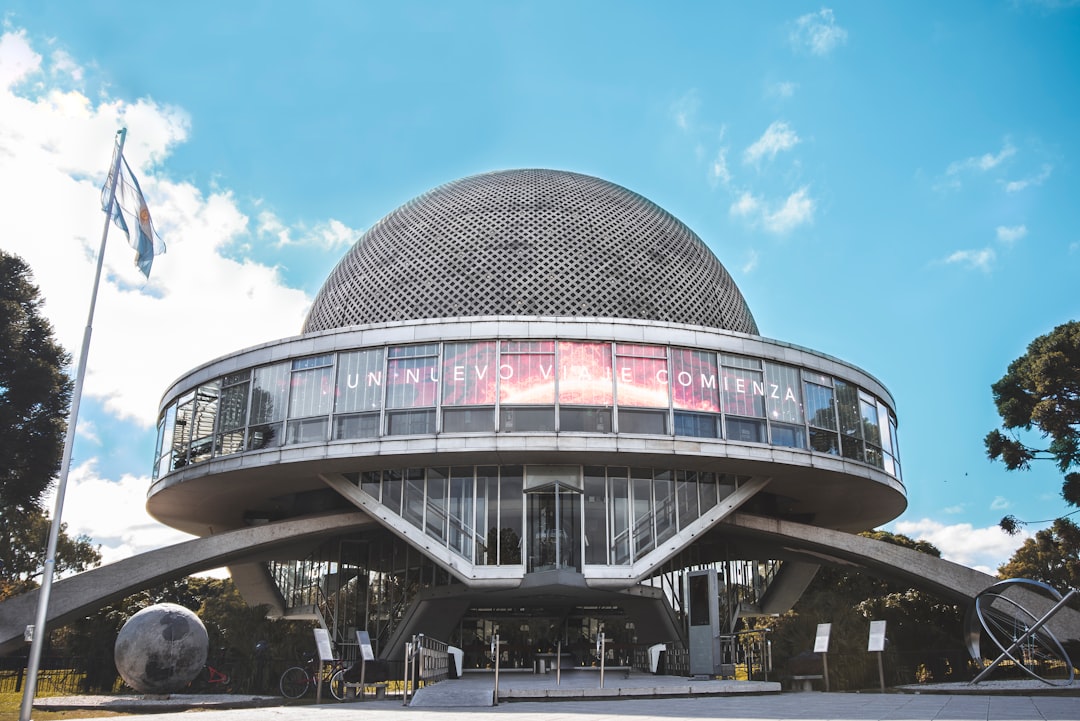
Entering the planetarium means crossing a temporal threshold as well as a physical one. The foyer is dominated by exposed concrete vaults that intersect at different heights, creating shadow plays that change with the movement of the visitor. The underground corridors that connect the different levels of the building — originally designed for the technical management of the systems — have been enhanced in recent years with installations of projection art, where beams of projected light adapt to the curves of the raw concrete, transforming imperfections into a screen. During evening guided tours, these passages become the most surprising moment of the experience: digital technology interacts with the oldest material of modern architecture without either prevailing over the other.
The main hall, that of the dome, hosts about 360 seats arranged in a circle around the central projector. The curved ceiling is the true protagonist: the concrete here has been polished with more care than in the service areas, but retains a tactile quality that planetarium rooms made of synthetic materials cannot replicate. Looking up before the lights go out is already a complete architectural experience in itself.
From Military Structure to Cultural Center
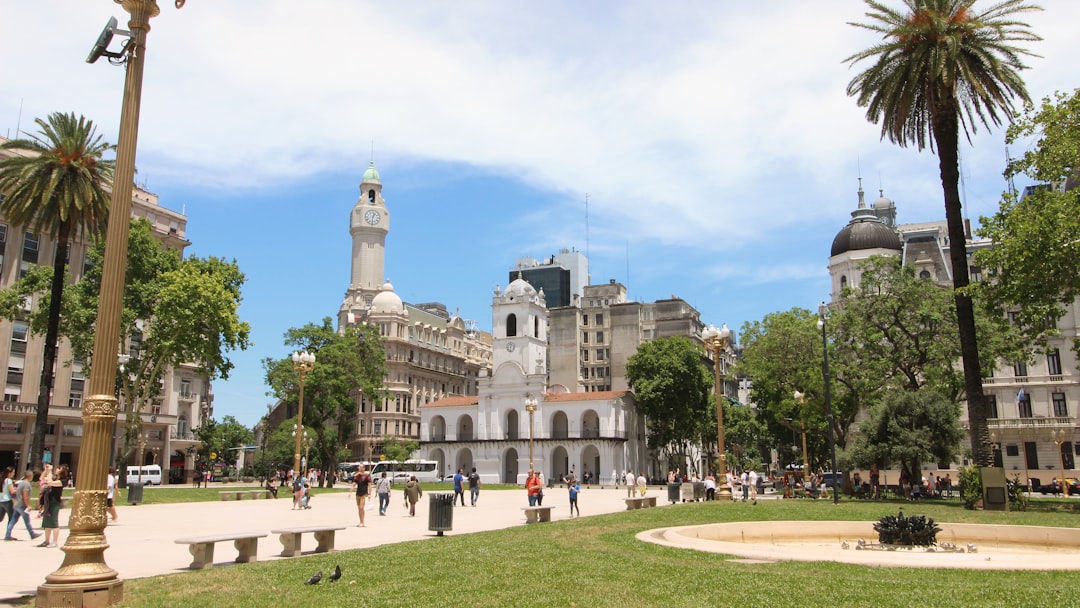
The planetarium opened to the public during a politically complex period for Argentina, and its history reflects the transformations of the country. During the years of the military dictatorship (1976-1983), like many public buildings in Buenos Aires, it was used intermittently and with limited access for citizens. Its rebirth as a community cultural center has occurred progressively since the 1990s, when the city of Buenos Aires invested in the recovery of public spaces in the park. Today, the planetarium organizes not only astronomical projections but also scientific conferences, workshops for schools, and periodically, nighttime events open to the public that transform the building into a place of urban gathering.
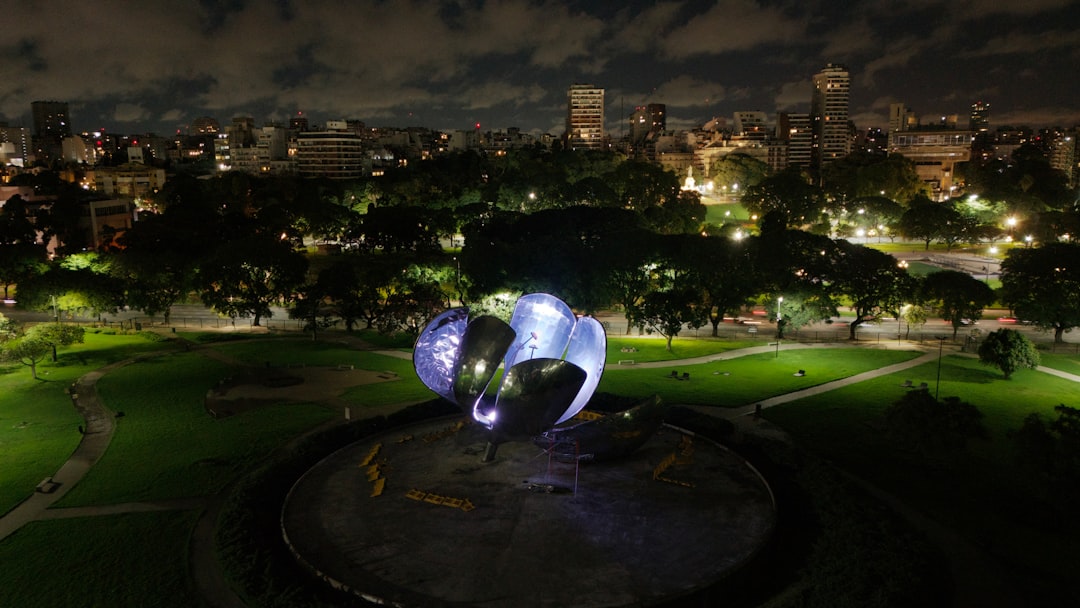
This reconversion required delicate interventions: adding modern systems without altering the original appearance of the concrete was a technical challenge that the designers solved by hiding the ducts in the least visible points and keeping the main surfaces intact. The result is a building that appears to have undergone no restorations, while functioning with contemporary standards.
What to observe during the visit
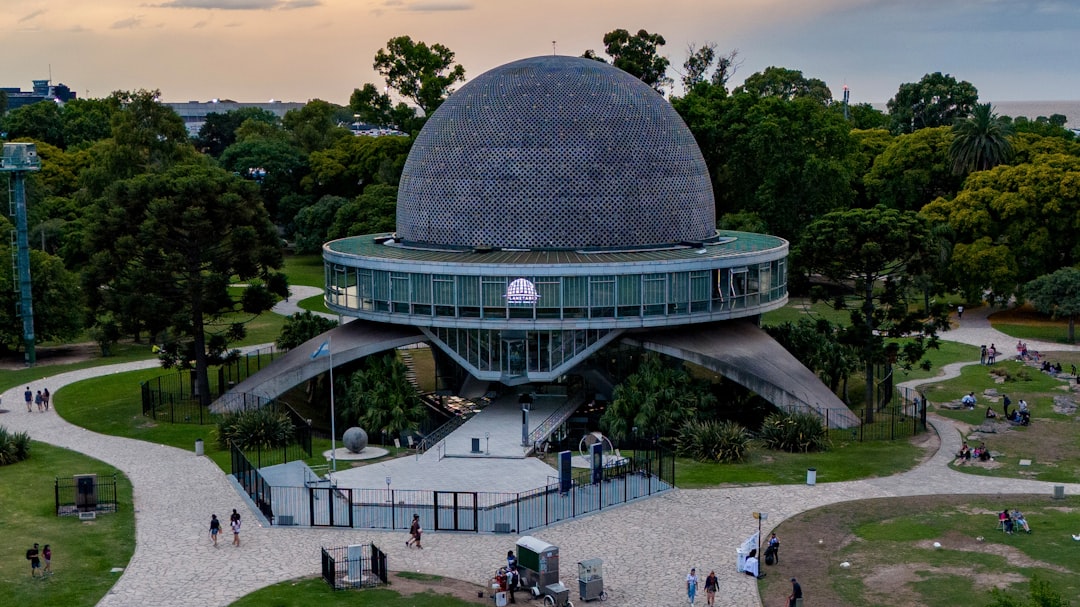
Those arriving with architectural attention should focus on the joints between the prefabricated panels of the base: the casting lines are deliberately irregular, a stylistic signature of Jan who rejected industrial perfection in favor of a handcrafted quality of concrete. It is also worth looking at the relationship between the building and the artificial pond in the park: the reflection of the dome on the water is one of the less obvious photographic glimpses of Buenos Aires, away from conventional tourist circuits.
Inside, before accessing the main hall, there is a small permanent exhibition dedicated to the history of Argentine astronomy, featuring original instruments from the 19th and 20th centuries. It is not the most spectacular part of the visit, but it provides a useful context for understanding why Buenos Aires wanted this building in this park.
Practical information for the visit
The planetarium is located in the Parque Tres de Febrero, in the Palermo neighborhood, accessible by line D of the subway (Palermo stop) or by several bus lines. The ticket price for the projections is around 1,500-2,000 Argentine pesos, but it is advisable to check the updated price on the official website due to the variability of the exchange rate. The best time for an external visit is late afternoon, when the natural light enhances the texture of the concrete and the park is less crowded compared to the weekend morning. For evening projections, advance booking is strongly recommended: seats sell out quickly, especially on weekends. Allow at least two hours for a complete visit that includes the outdoor spaces, the indoor exhibition, and a projection.