





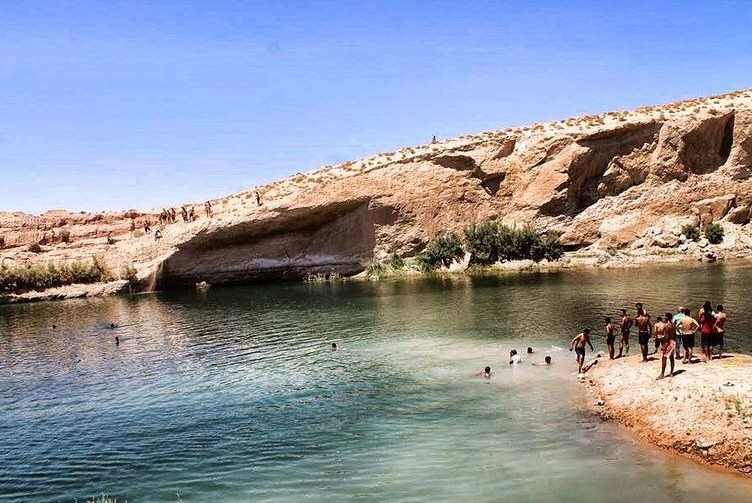
The recent emergence of a mysterious lake in the heart of the Tunisian desert has captivated the imaginations of locals and travelers alike. Appearing almost like a mirage, this stunning body of turquoise water emerged seemingly out of nowhere, transforming the arid landscape into a picturesque oasis. Shepherds stumbled upon this unexpected phenomenon three weeks ago, igniting a flurry of interest and concern regarding its origins.
Historically, the Gafsa region has been a significant site since antiquity. Known as Capsa in Roman times, Gafsa was an important hub for trade and agriculture. The Romans recognized the area's potential, establishing it as a vital agricultural center that supplied goods across the empire. Archaeological remains, including ancient mosaics and ruins, showcase a rich tapestry of life that once thrived here.
In recent history, Gafsa's landscape has been shaped by its rich deposits of phosphate, which have been mined since the late 19th century. However, the recent lake's origins remain a mystery. Local geologists propose that seismic activity may have ruptured the rock above the water table, allowing subterranean water to rise to the surface. Alternatively, some theorize that a rainwater collection in the canyon led to this sudden appearance. Regardless, the lake has become a focal point for locals seeking respite from the unforgiving desert heat.
The art and architecture of Gafsa reflect its historical significance. The city boasts remnants of Roman architecture, including the ancient amphitheater and the Temple of Jupiter. The intricate mosaics found in Gafsa's archaeological museum are testament to the artistic prowess of its ancient inhabitants. These artworks often depict scenes of daily life, mythology, and nature, offering a glimpse into the cultural fabric of the past.
Culturally, Gafsa is steeped in traditions that have evolved over centuries. Local customs often revolve around community and family, with gatherings frequently celebrated through music and dance. One notable festival is the Gafsa Festival of Music, held annually to celebrate the region's rich musical heritage. Traditional instruments like the oud and rebab resonate through the air, while dancers adorned in colorful costumes perform age-old routines that have been passed down through generations.
Gastronomy in Gafsa is equally compelling, offering a taste of traditional Tunisian flavors. Local dishes often include couscous, a staple grain served with various meats and vegetables, and brik, a delicious pastry filled with egg and herbs. The region is also known for its harissa, a spicy chili paste that adds zest to many dishes. To quench your thirst, try dattes (dates) or mint tea, both integral to the local dining experience.
Among the lesser-known curiosities of Gafsa is its unique geology. The region is home to numerous chotts—seasonal salt flats that can create breathtaking reflections of the sky, particularly at sunset. Additionally, the recent lake's rapid infesting with green algae has raised health concerns about its water quality, sparking debates about its potential risks. Although the lake's beauty is undeniable, visitors should exercise caution, as there are no security measures in place, and the water may be contaminated.
For those planning a visit, the best time to explore Gafsa is during the cooler months, from October to April. Temperatures during the summer can soar above 40°C (104°F), making outdoor activities challenging. When visiting the lake, it is advisable to bring plenty of water, sunscreen, and a first-aid kit. The surrounding landscape offers opportunities for photography and exploration, with rocky outcrops perfect for climbing and diving.
Overall, Gafsa is a place where history, culture, and natural beauty intertwine. The emergence of the lake has not only transformed the physical landscape but has also rejuvenated interest in this historically rich region. As the sun sets over the turquoise waters, one can’t help but feel a sense of wonder and mystery.
To uncover more hidden gems and plan your itinerary, consider using the Secret World app for a personalized travel experience.