
← Back

Fortress of the Popes

Piazza Urbano V, 01027 Montefiascone VT, Italia ★★★★☆ 140 views
Simona Bertoli
Montefiascone
🏆 AI Trip Planner 2026

Get the free app

Discover the best of Montefiascone with Secret World — the AI trip planner with 1M+ destinations. Get personalized itineraries, hidden gems and local tips. Free on iOS & Android.

🧠 AI Itineraries 🎒 Trip Toolkit 🎮 KnowWhere Game 🎧 Audio Guides 📹 Videos
Scan to download iOS / Android
Scan for AppGallery Huawei users

About Fortress of the Popes

Fortress of the Popes - Montefiascone | Secret World Trip Planner

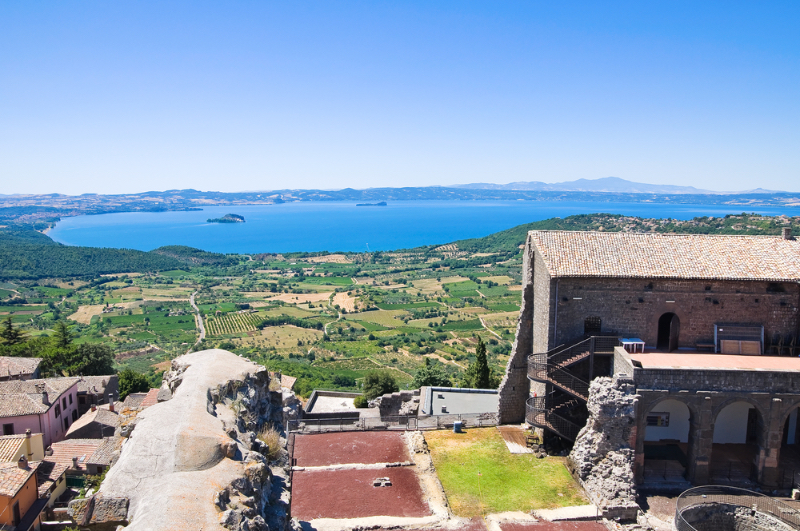
The Territory of Montefiascone results frequented and inhabited since remote ages: the Etruscans considered it a sacred area, perhaps seat of the legendary Fanum Voltumnae, political and religious center, in which the Etruscan lucumoni met. The Roman testimonies are conspicuous and in good condition, strongly linked to the consular Cassia that served as a link between Rome, the center of Italy, the north of the Po Valley to France (hence the name Via Francigena). By virtue of the strategic position of the area, the Popes and the Bishops of Rome fortified the inhabited center in which many people came from the countryside to defend themselves from the frequent barbarian invasions; the walls were equipped with an imposing fortress, in the second half of 1200, but, during the Renaissance, the military needs made necessary many changes to the original structure. The works for the fortification of the city continued over the centuries and many popes were interested in them; today the Rocca dei Papi, restored and embellished, is often used for cultural events. From 1058 until almost the end of 1500 in Montefiascone followed more than thirty different popes, emperors and famous people. These stayed there for longer or shorter periods, convened parliaments or went there for summer stays.


🗺 L'app dei tesori italiani

Plan your visit to Montefiascone

Suggested itinerary near Fortress of the Popes

MAJ+
500.000+ travelers worldwide
  1. 🌅
    Morning
    Fortress of the Popes
    📍 Montefiascone
  2. ☀️
    Afternoon
    Marta: the fishing village
    📍 8.5 km · Montefiascone
  3. 🌆
    Evening
    Marta and the Clock Tower
    📍 8.6 km · Montefiascone

Buy Unique Travel Experiences

Powered by Viator

See more on Viator.com

Explore nearby · Montefiascone

Frequently Asked Questions

The Fortress of the Popes, known as Rocca dei Papi, was built in the second half of the 1200s as a defensive structure for the inhabited center of Montefiascone. Over centuries, popes were heavily involved in fortifying and modifying the fortress, particularly during the Renaissance when military needs required changes to its original structure. From 1058 until almost the end of the 1500s, more than thirty different popes, emperors, and famous figures stayed there for various periods, convening parliaments or enjoying summer retreats.
The territory of Montefiascone was frequented and inhabited since remote ages, with the Etruscans considering it a sacred area, possibly the seat of the legendary Fanum Voltumnae—a political and religious center where Etruscan lucumoni gathered. Roman testimonies are also conspicuous and well-preserved, strongly linked to the consular Cassia road that connected Rome to the Po Valley and France, making the area strategically important throughout antiquity.
Due to its strategic position along the Via Francigena and frequent barbarian invasions, the Popes and Bishops of Rome fortified Montefiascone to protect the inhabitants who fled from the countryside seeking safety. The imposing fortress with equipped walls became essential for defending the inhabited center during turbulent medieval times.
Today, the restored and embellished Rocca dei Papi is frequently used for cultural events, making it an active venue for visitors interested in experiencing the fortress beyond its historical significance. The site offers opportunities to explore the architectural remains and understand the centuries of modifications made to adapt the fortress to changing military needs.
Montefiascone's strategic position along the consular Cassia, which later became known as the Via Francigena, made it a crucial link between Rome, central Italy, the Po Valley, and France. This important pilgrimage and trade route passing through the territory contributed significantly to the area's development and justified its fortification by the Popes.